
When you’re relaxing at home on a rainy day, the last thing you want to worry about is a roof leak. However, water collecting where it shouldn’t can cause serious damage and expensive repairs. Leaks can happen for various reasons, such as aging roofs, weather damage, or poor maintenance. Knowing how to handle these issues will help keep your home safe and save you money over time.
If you see water stains on your ceiling or walls, it might be a sign of a leak. It’s important to act before small issues become big problems. Here are some tips to protect your home from leaks and keep your roof in good condition.
Inspect the Roof
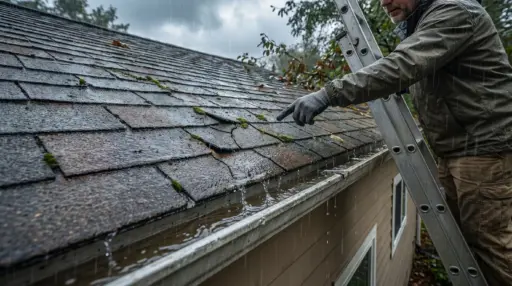
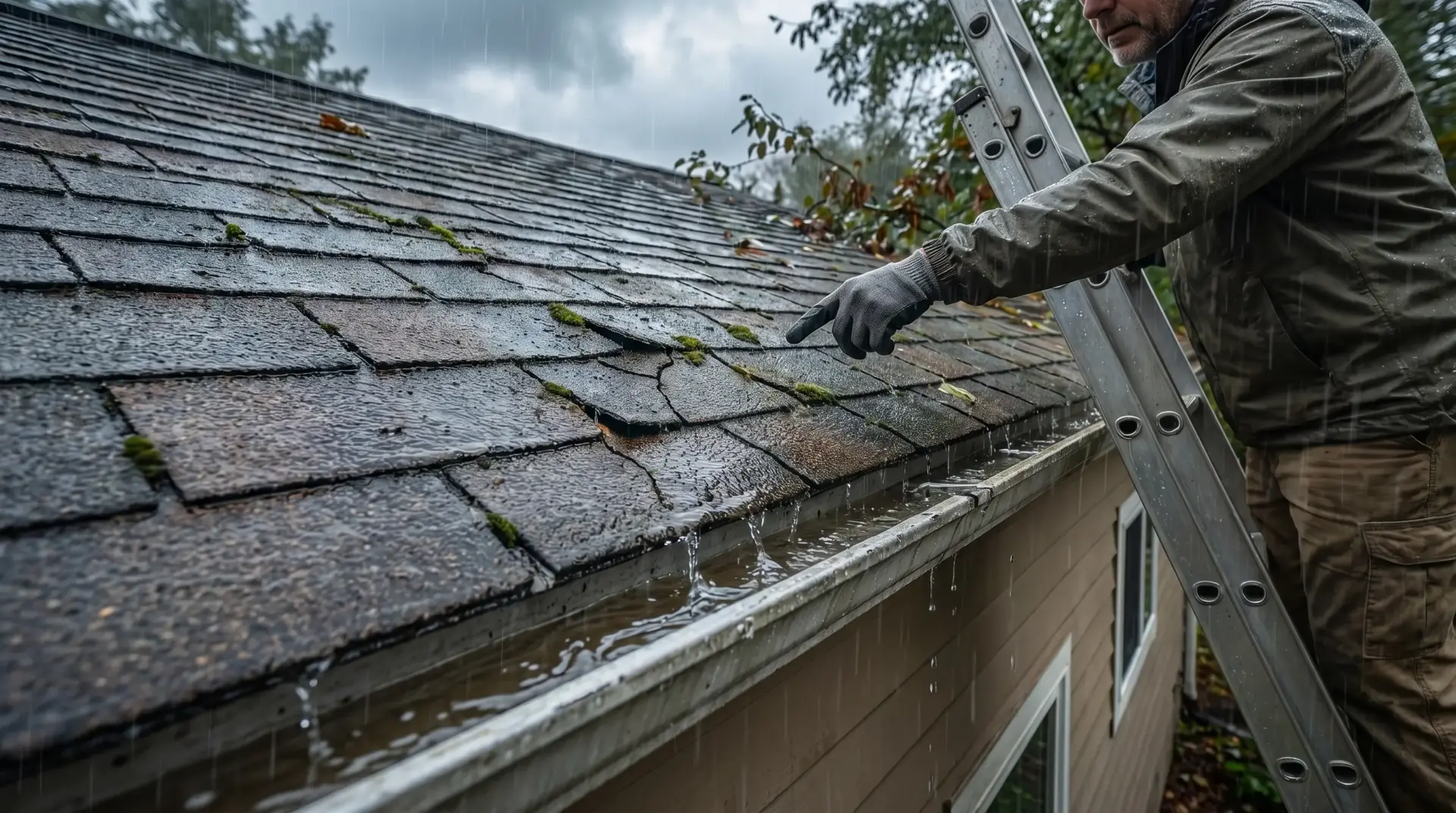
Regularly checking your roof is the first step to preventing leaks. Take some time to look for any problems. Check for cracked shingles, missing tiles, or debris that could block drainage. Older roofing materials, especially those over ten years old, are more likely to leak.
If you feel comfortable, you can use a ladder to inspect it yourself. But remember, safety comes first. If you’re unsure about climbing up, hire a professional. An expert can identify issues you might miss and offer maintenance advice.
Gutter Repair
Gutters are important for directing water away from your roof. If they don’t work properly, water can back up and seep under the shingles, causing leaks. First, make sure your gutters are clear of leaves, twigs, and other debris. Cleaning them regularly, especially in the fall, is very important.
If you see any sagging or misaligned areas, they need Surrey gutter repair as soon as possible. Also, check for holes or rust that might let water back onto your roof. Taking care of these small repairs can help avoid bigger problems later. If your gutters are too damaged, investing in new, quality gutters can be a good idea.
Seal Gaps and Cracks
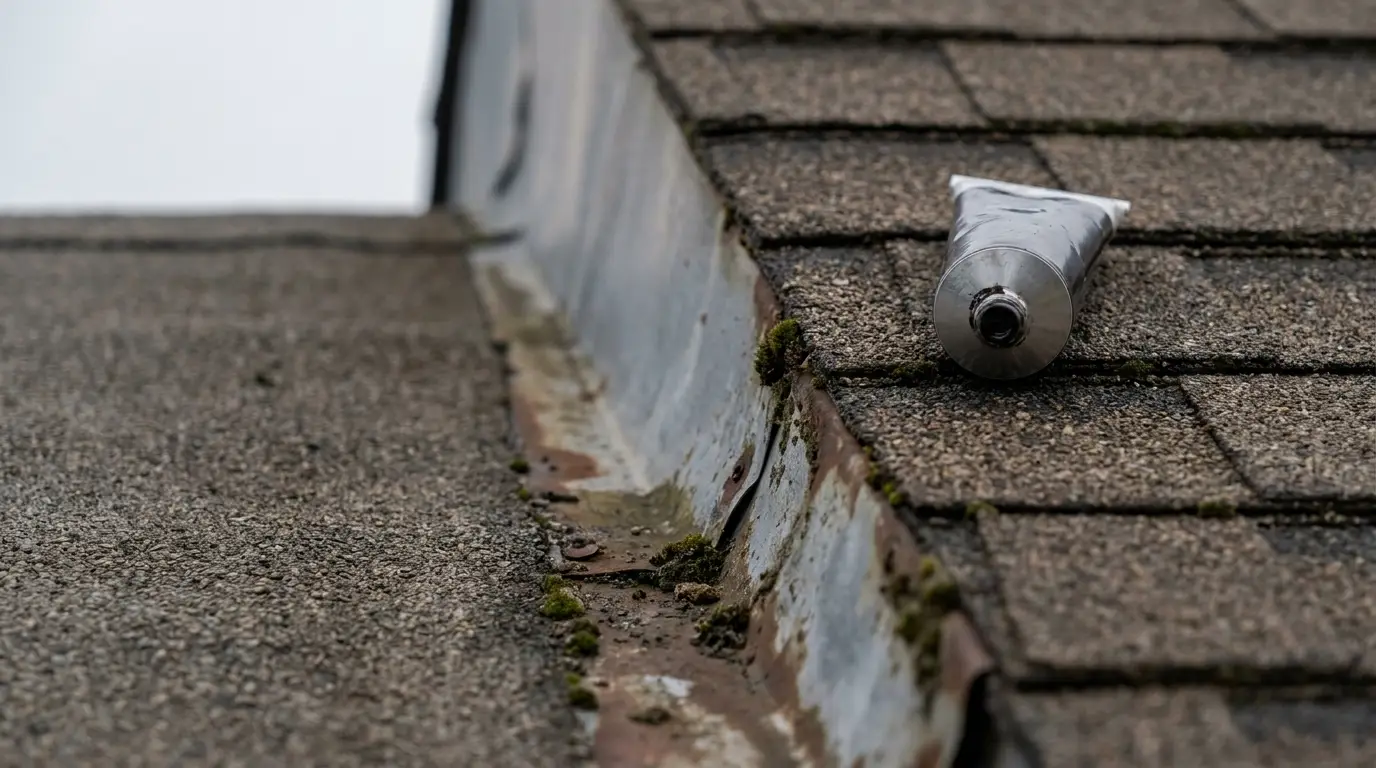
After checking the roof and gutters, seal any gaps or cracks you find. These small weaknesses can cause big issues if ignored. Use a good roofing sealant for minor cracks in the flashing or seams.
Look closely at places where different materials meet, such as around chimneys or skylights. These areas can easily leak if not properly sealed. Applying new sealant to these spots can prevent moisture from getting in. This simple step can save you a lot of trouble later on.
Keep Your Attic Ventilated
Good airflow in your attic is important for preventing leaks and mould. If air can’t move freely, moisture can build up and harm your roof. Poor ventilation can also overheat your roof, leading to damage.
Check that your vents are clear so air can circulate well. If you see mould or damp spots, it may be time to improve your ventilation. Adding more vents can help keep air flowing and your roof dry.
Hire a Professional
It’s important to get help from a good roofing and gutter repair contractor when needed. While you can handle some maintenance tasks on your own, others require expert care. If you’re unsure, it’s best to call a professional. They can inspect your roof, identify hidden issues, and recommend repairs.
A reliable contractor offers valuable advice from their experience. They can spot causes of leaks that you might miss. Don’t skip this step; spending a little now can save you from expensive fixes later.
Keep Your Roof Clean
A clean roof lasts longer. Dirt, moss, and algae can accumulate and damage your roof over time. Regular cleaning helps you remove these growths and prevent damage. If you use a pressure washer, be careful and set it to low pressure, as high pressure can hurt your shingles.
For tough stains, use a roof cleaner made for moss and algae. Keeping your roof clean can extend its lifespan and reduce the risk of leaks.
Do Regular Maintenance Checks
Regular maintenance is key to preventing roof leaks. Check your roof at least twice a year or after bad weather. Keep a maintenance checklist to avoid forgetting important tasks.
By staying on top of repairs, you can avoid leaks that disrupt your day or week. Owning a home takes effort, but by following these tips, you can ensure a strong, leak-free roof for many years.
Remember, taking proactive steps helps maintain your roof’s health. Ignoring problems can lead to bigger issues, but staying informed and acting early can keep your roof safe from the elements.

Tommy Hardy, an alumnus of the Georgia Institute of Technology with a degree in Mechanical Engineering, has been a go-to figure in residential upkeep and innovation for over 18 years. His career commenced in a leading home appliance manufacturing company, where he mastered the intricacies of household systems. Joining our platform in 2020, Tommy quickly became a reader favorite for his practical and easy-to-follow guides. He took the helm of our DIY section in 2019, consistently delivering content that empowers homeowners. Beyond his professional pursuits, Tommy is a passionate gardener and enjoys woodworking, skills enhancing his hands-on approach to home care.