
Buying a house has a funny way of turning confident people into professional overthinkers. One minute, you are excited about a sunny kitchen and a big backyard. Next, you are wondering whether the roof is secretly plotting against you, whether the neighborhood is right, whether the commute will wear you down, and whether a better house will appear the moment you make an offer.
Second-guessing is common because buying a home is both emotional and financial. You are choosing a place to live, but you are also making one of the largest investments of your life. The key is not to remove emotion from the process. That is impossible, and frankly, a home should make you feel something. The key is to balance instinct with structure so your decision feels clear, grounded, and defensible.
Start With Your Non-Negotiables
Know What Matters Before the Listings Distract You.
Before you fall in love with a front porch, a fireplace, or a kitchen island big enough to host a cooking show, define your non-negotiables. These are the features and conditions that truly affect your daily life.
Your list might include:
- A certain number of bedrooms
- A manageable commute
- A specific school district
- Single-level living
- Outdoor space
- A quiet street
- Room for a home office
- Proximity to family, work, or healthcare
- A realistic monthly payment
Keep this list short. If everything is a must-have, nothing is. A strong non-negotiable list acts like a compass. It helps you recognize when a house is genuinely right for you and when you are being distracted by pretty finishes.
Separate Wants From Needs
Beautiful Does Not Always Mean Practical
A house can look perfect online and still be wrong for your life. That is why smart buyers separate needs from wants early in the process.
Needs are the things that affect function, safety, budget, and lifestyle. Wants are the extras that would be nice but are not essential. Updated countertops, designer lighting, and dramatic entryways can be appealing, but they should not outweigh structural condition, layout, location, and affordability.
Ask yourself:
- Will this home still work for me in three to five years?
- Am I choosing this because it fits my life or because it photographs well?
- Are the home’s expensive parts in good condition?
- Can I improve the cosmetic details later?
Paint colors can change. Flooring can change. Fixtures can change. A bad location, awkward layout, or unaffordable payment is much harder to fix.
Look Closely at the Location
You Are Buying the Neighborhood, Too.
When you buy a house, you are also buying the routine that comes with it. The location determines where you shop, how long you sit in traffic, where your kids go to school, how often you see friends, and how easy life feels on an ordinary weekday.
Drive through the neighborhood at different times of day. Visit in the morning, after work, and on the weekend. Notice noise, traffic, parking, lighting, and general upkeep. A neighborhood can feel completely different on a quiet Tuesday morning than it does on a busy Saturday afternoon.
Buyers looking in Southern California often start by comparing larger areas such as Los Angeles, Santa Barbara, Oxnard, and Ventura before narrowing their focus to smaller nearby cities with a quieter pace. For those who want small-town charm, more breathing room, and access to nearby coastal and city amenities, homes for sale in Fillmore, CA, offer a practical option worth considering.
Understand Your True Budget
The Purchase Price Is Only the Beginning.
One of the fastest ways to second-guess a home purchase is to stretch your budget too far. A house may feel exciting during the showing, but that excitement fades quickly if the monthly payment makes everyday life stressful.
Look beyond the listing price. Consider:
- Mortgage payment
- Property taxes
- Homeowners insurance
- Utilities
- HOA fees
- Maintenance
- Repairs
- Landscaping
- Commuting costs
- Future upgrades
A smart home purchase should leave room to live. You should still be able to save, enjoy your life, handle surprises, and sleep at night. The right house should not leave you financially uncomfortable just to own it.
Pay Attention to Layout, Not Just Square Footage
More Space Is Not Always Better Space.
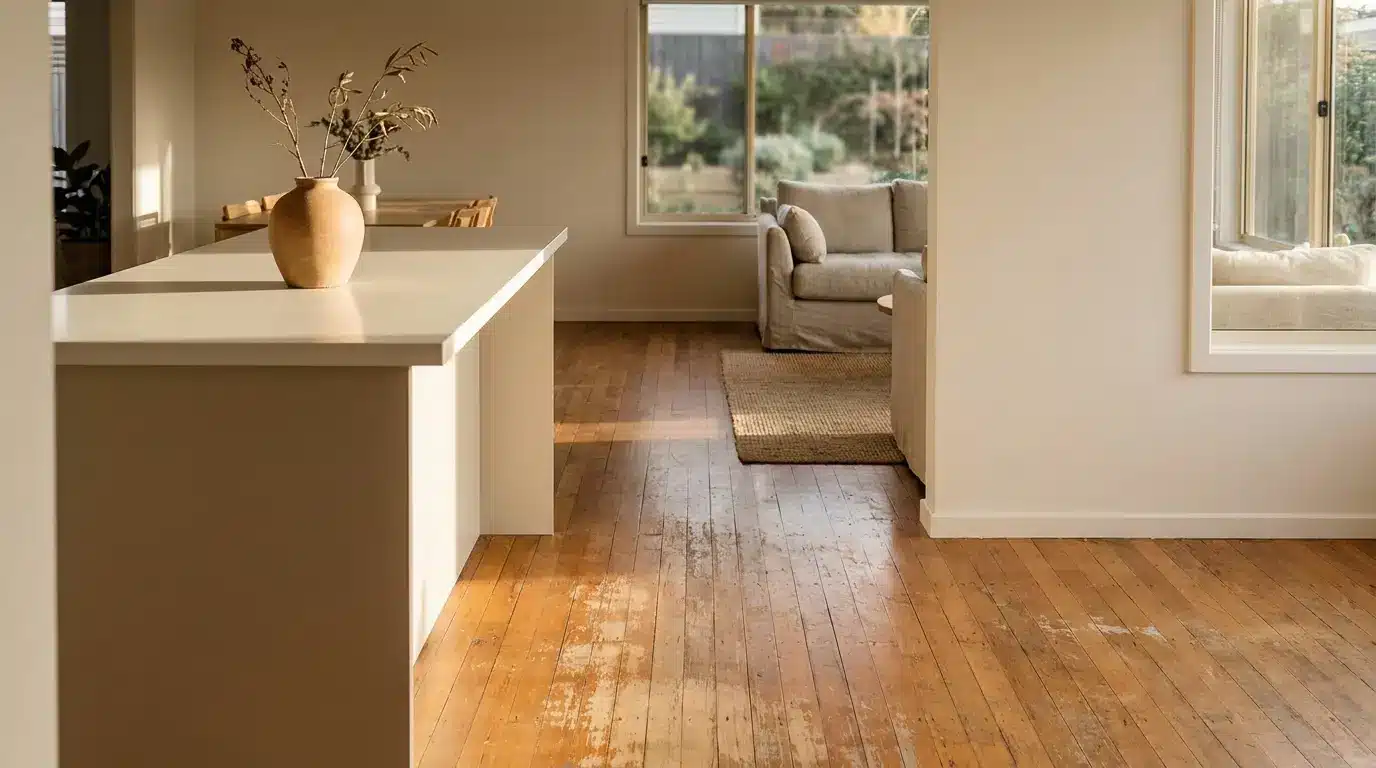
Square footage can be misleading. A smaller home with a smart layout can feel more spacious than a larger home with wasted rooms and awkward flow.
Walk through the house as if you already live there. Where would you put your keys? Is the kitchen easy to move through? Is there enough storage? Are the bedrooms placed well? Does the home support your morning routine? Can guests visit comfortably? Is there a natural place to relax?
A good layout makes daily life easier without requiring you to constantly adapt to the house. If you find yourself making too many excuses for the floor plan, pay attention. That hesitation may be telling you something important.
Do Not Ignore the Inspection
A Charming House Can Still Have Expensive Problems.
A home inspection is not just a formality. It is one of your best tools for making a confident decision. The inspection can reveal issues with the roof, foundation, plumbing, electrical systems, HVAC, drainage, windows, and more. Some problems are manageable. Others can change the entire financial picture.
Do not panic over every minor issue. No house is perfect. Instead, focus on the size, urgency, and cost of the problems. Ask your agent, inspector, and relevant contractors for clarity when something is unclear.
The goal is not to find a flawless house. The goal is to know exactly what you are buying.
Give Yourself a Decision Framework
Confidence Comes From Clarity.
When emotions run high, use a simple framework to evaluate the house. Rate it honestly in key areas:
- Location
- Price
- Condition
- Layout
- Future resale potential
- Lifestyle fit
- Maintenance level
- Long-term comfort
If a home scores well in the areas that matter most, you can move forward with more confidence. If it only wins on charm but fails on budget, condition, or location, it may not be the right choice.
This kind of structure helps you avoid both impulsive decisions and endless hesitation.
Trust Your Gut, but Make It Prove Its Point
Feelings Matter, but Facts Should Support Them.
There is nothing wrong with walking into a house and feeling instantly at home. That feeling is part of the process. But your gut should work with your research, not replace it.
If you love a house, ask why. Is it the layout? The light? The neighborhood? The yard? The quiet street? The sense of possibility? Once you understand what you are responding to, you can decide whether the home truly fits your goals.
A confident buyer does not ignore emotion. A confident buyer investigates it.
Buyer Confidence Questions
How Do I Know if a House Is Right for Me?
A house is likely right for you if it fits your budget, supports your daily routine, meets your most important needs, and feels comfortable beyond the initial excitement. You should be able to explain why it works, not just why you like it.
Should I Keep Looking After I Find a Good House?
It is reasonable to compare options, but endless searching can create confusion. If a home meets your needs, fits your budget, passes inspection, and feels right for your lifestyle, continuing to search may only feed doubt rather than improve your decision.
What Should I Not Compromise On When Buying a House?
Be careful not to compromise on location, affordability, major structural condition, safety, or layout. Cosmetic details are easier to change. A stressful payment, poor location, or serious repair issue can affect your life every day.
Is It Normal to Feel Nervous Before Making an Offer?
Yes. Nervousness is normal because buying a house is a major decision. The goal is not to feel completely fearless. The goal is to feel informed. If your decision is supported by budget, research, inspection results, and lifestyle fit, some nerves do not mean you are making the wrong choice.
What Is the Biggest Mistake Buyers Make?
The biggest mistake is falling in love with a house’s look before understanding whether it truly works. A smart buyer looks past staging and finishes to evaluate location, condition, cost, layout, and long-term livability.
Bringing It All Together
Choosing the right house without second-guessing yourself comes down to preparation. Know your priorities. Respect your budget. Study the location. Look beyond cosmetics. Take the inspection seriously. Then decide with both your head and your instincts.
The right house will not be perfect. No house is. But it should make sense financially, functionally, and emotionally. When those three pieces line up, you can move forward with confidence instead of doubt.

Licensed broker Logan Patel holds an MBA in Urban Economics from UCLA and has steered buyers and investors through market swings for a decade. He joined us in 2024 to demystify listings, financing, and neighborhood data with clear, chart-backed advice. When he isn’t scanning comps, Logan coaches youth basketball and scouts mid-century districts for hidden architectural gems on weekend walks.