
If you are wondering whether you should call an electrician, you probably should. Most serious electrical problems start small, then snowball into expensive or dangerous situations when ignored.
Confident DIY homeowners can handle quite a bit. But contractors regularly find melted wires behind drywall, overloaded panels, and garage chargers installed without permits. Knowing your limits protects your home and your family.
Safe DIY Tasks Vs When To Hire An Electrician
There are a few electrical jobs most homeowners can handle safely. Swapping a light fixture, replacing a switch plate, or installing a new outlet cover is usually manageable if the power is off and the wiring is untouched.
The moment you are adding load, running new wire, or opening your panel, it shifts into professional territory. That is where hiring a licensed electrician becomes the smart move.
Here are projects that almost always require a pro:
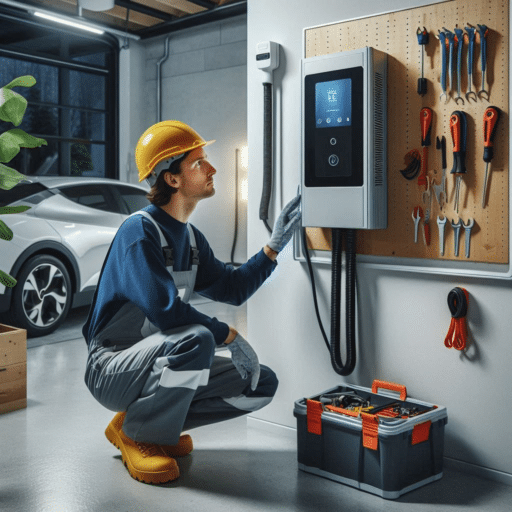
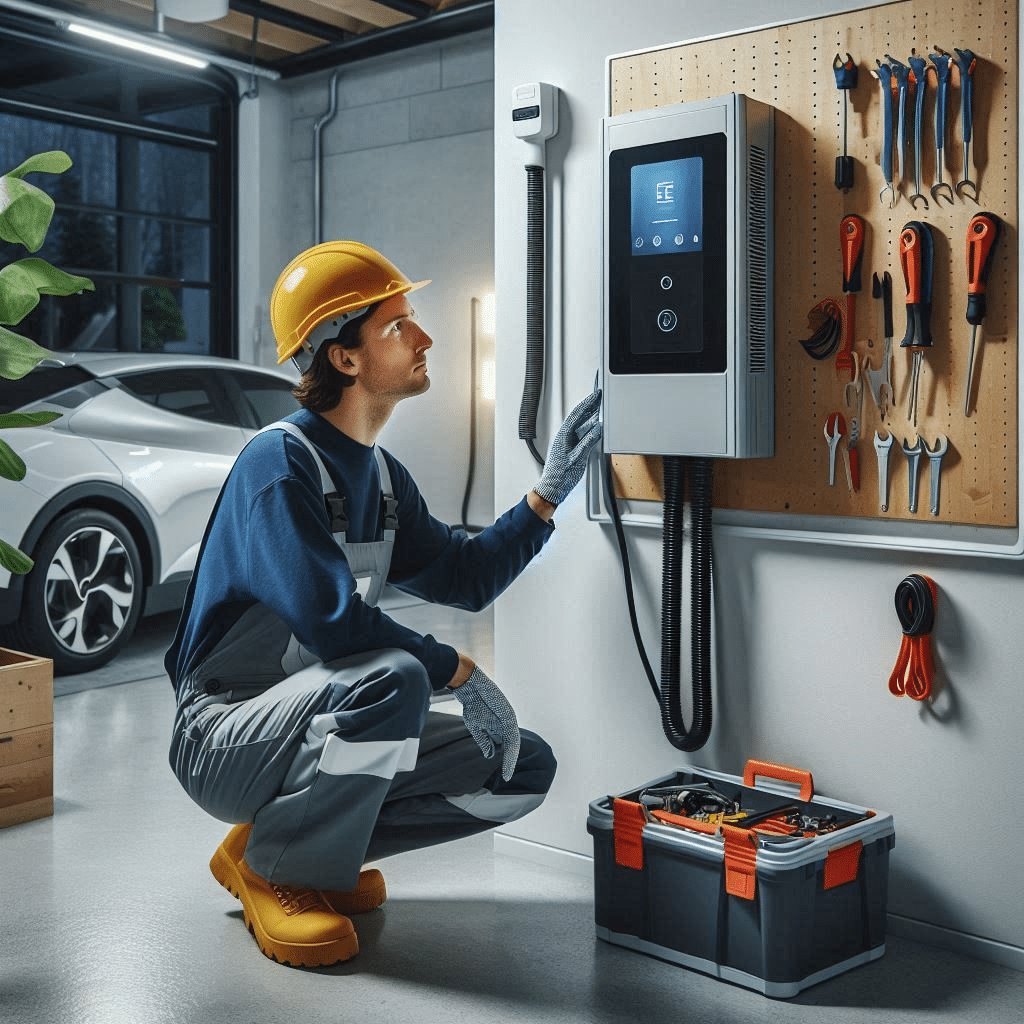
- Installing a Level 2 EV charger on a new 240V circuit
- Upgrading your electrical panel from 100 amps to 200 amps
- Adding new circuits for appliances, sheds, or outdoor structures
According to Recharged, most U.S. jurisdictions in 2025 require a permit and inspection when adding a new 240-volt circuit for EV charging. That means paperwork, load calculations, and code compliance. If that step is skipped, homeowners risk fines, insurance issues, and unsafe wiring behind the walls.
Permit Triggers Homeowners Overlook
Permits are not just red tape. They exist to ensure the system can safely handle added demand.
A panel upgrade, for example, is rarely same-day work. In a 2025 breakdown by EVQuoter, the full process from quote to final activation can take two to four weeks due to permit approval and inspections. If you are planning a remodel or EV charger, that timeline affects you directly.
Municipal checklists, like the 2025 residential EV charging guide from the City of Calabasas, require formal load calculations before approving upgrades. That calculation determines whether a current panel can safely support new demand or if it is already maxed out.
If breakers trip frequently, lights dim when appliances start, or a panel is 100 amps and full, those are not minor annoyances. They are warning signs.
Electrical Red Flags You Should Never Ignore
Some issues move from inconvenience to danger quickly. Homeowners should call immediately if they notice:
- Warm or discolored outlets
- A burning or rubber smell near panels or devices
- Tingling when touching appliances
These are classic symptoms of loose connections or overloaded circuits. Electrical failures often happen behind drywall, where they stay hidden until damage is done.
What To Expect During An Electrician Visit
A professional visit should feel structured and transparent. According to Reference.com, electricians typically start with an assessment, inspect the system, and explain the recommended fix before beginning work.
Homeowners should expect a clear scope of work, a written estimate, and an explanation of permit requirements. If panel access or utility coordination is needed, the timeline should be explained in advance so there are no surprises.
On the business side, many contractors now rely on scheduling software for electricians to manage dispatch, digital estimates, and payment processing. When a company uses organized systems like that, it usually means fewer missed appointments and faster communication for homeowners.
Know When To Call Before It Becomes Expensive
Ultimately, calling an electrician does not mean you failed at DIY. It means you understand when a job involves local code rules, load calculations, and serious safety risks. Projects like EV chargers, panel upgrades, and new circuits demand permits and inspections to protect your investment and long-term home value. When in doubt, ask a qualified professional first.

With a Master’s in Architecture from the University of California, Berkeley, Mitchell Green has spent over two decades dedicated to the study and practical application of home fixture design. His career started in an architectural firm, providing him a strong foundation in the structural and aesthetic aspects of home interiors. Mitchell brought his comprehensive knowledge to our platform, where he has been an influential voice in our home fixtures and fittings section. Since 2018, he has been guiding our readers through the intricacies of selecting and installing fixtures, combining technical know-how with design flair. In his spare time, Mitchell is a keen photographer, capturing architectural details and design elements, an interest that complements his professional focus.