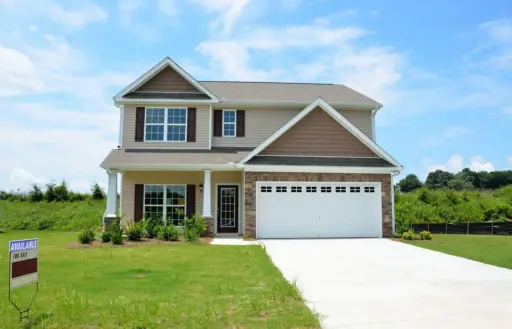
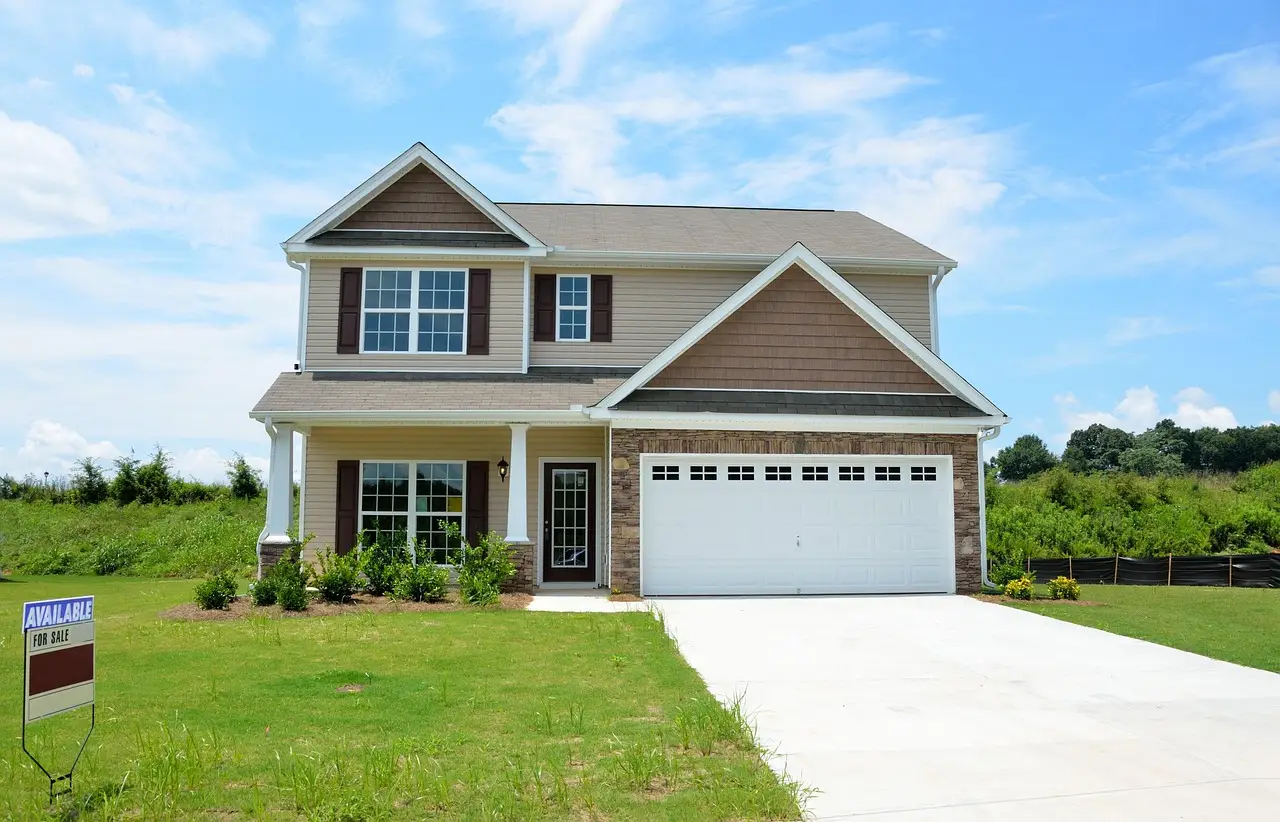
New construction is often the best choice for families who want a home that’s modern, efficient, and ready for move-in without the stress of repairs. That said, existing homes still offer plenty of benefits, which is why so many buyers find themselves torn between the two.
Families weighing these options want clarity, and that’s exactly what this article delivers. You’ll get a clear, engaging breakdown that helps you compare both paths so you can choose the home that truly supports your family’s lifestyle and future.
What New Construction Offers Families
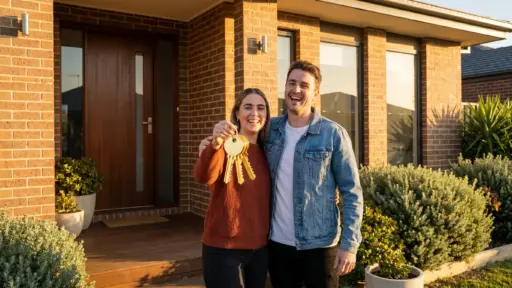
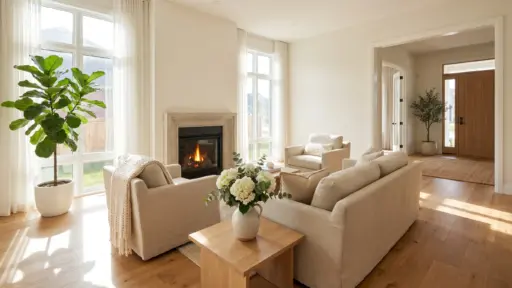
New construction homes attract families who want a fresh start without unexpected maintenance. Builders design these homes with modern layouts that prioritize open spaces and energy-efficient features. Many families appreciate being the first to live in a home because it creates a clean slate for routines, memories, and daily comfort.
When comparing your choices, it helps to look at the typical perks of choosing new construction. Here are some reasons families lean toward newly built homes:
- More energy-efficient design
- Lower maintenance in the early years
- Modern layouts that fit today’s lifestyle
Some families also like exploring new developments to find communities with parks, trails, and nearby amenities. While doing that, you might browse builders like DSLD Homes to get a sense of floor plans and community styles that fit your expectations.
Why Existing Homes Still Appeal
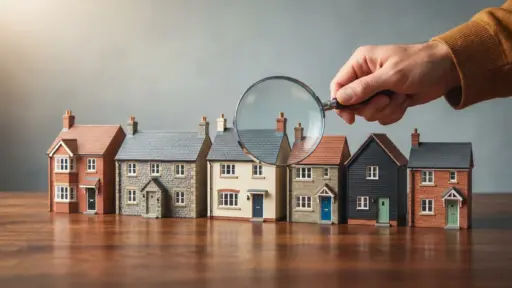
Existing homes appeal to families who value character, established neighborhoods, and mature landscaping. These homes often have unique design elements that aren’t common in newer builds. Families who prefer stability may also appreciate that older neighborhoods typically have long-standing schools, local shops, and community traditions.
To better understand the charm of existing homes, it’s helpful to recognize the advantages they offer. These points often stand out for families considering older properties:
- Established neighborhoods
- Unique character and architectural detail
- Potential for more flexible pricing
You may also find that existing homes offer better lot sizes or locations closer to workplaces and schools. For some families, that sense of rootedness outweighs the appeal of modern finishes.
Budget Expectations for Each Option
Budget plays a major role when choosing between new construction and existing homes, and the differences can shape a family’s entire decision. New construction often provides predictable costs, thanks to warranties and fewer early repairs, which helps families avoid surprise expenses in the first few years. Buyers also appreciate knowing that major systems and appliances are brand new.
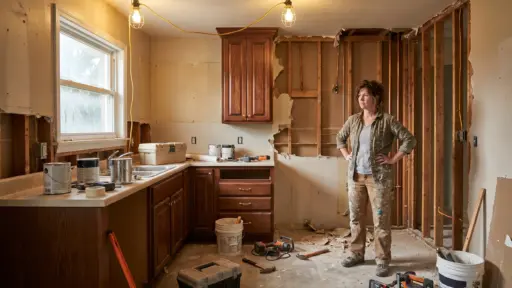
Existing homes, however, may offer a lower upfront price depending on the area, making them attractive to families watching their budget closely. Renovations and repairs can add up, but the potential savings and negotiation room keep existing homes competitive for many buyers.
How Lifestyle Shapes Your Decision
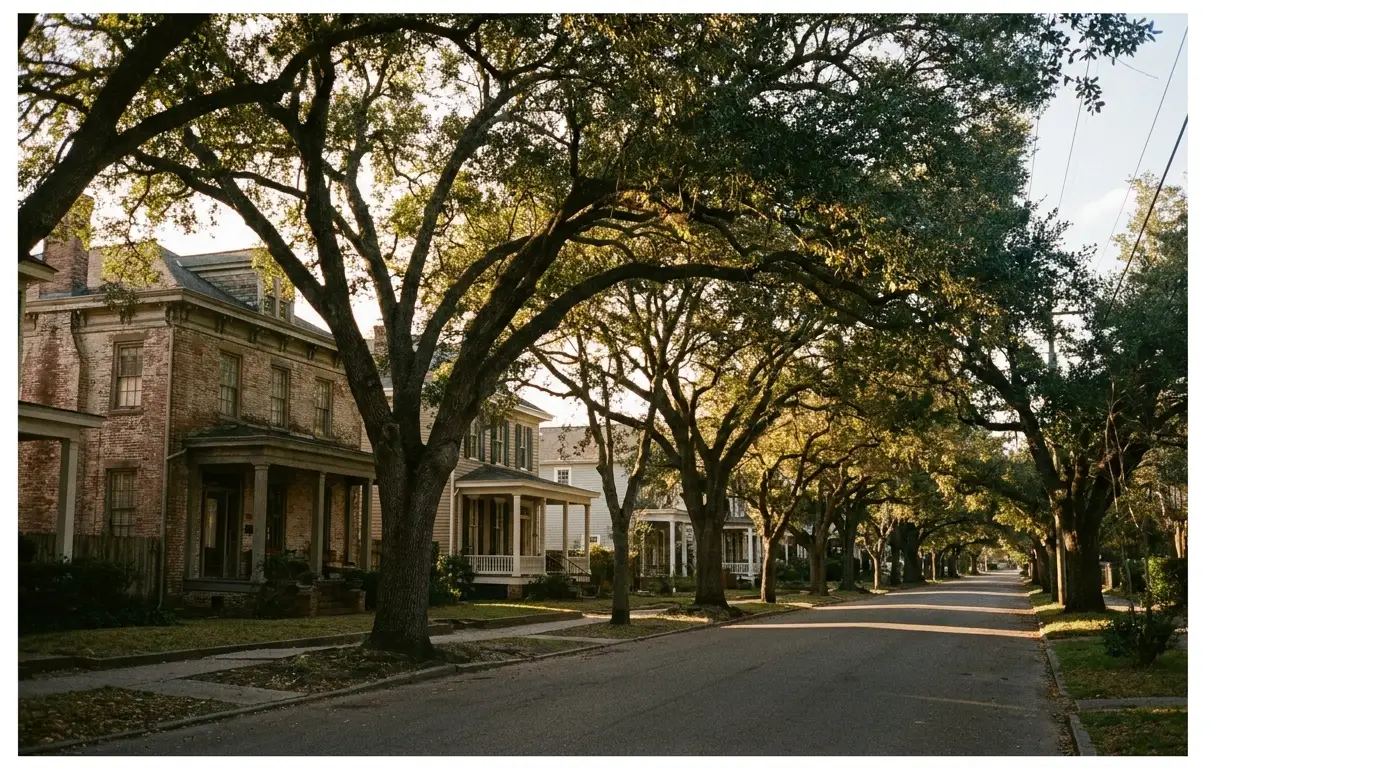
Your family’s daily routine can help determine whether new construction or an existing home is the better choice. New construction neighborhoods often include modern amenities like community parks, walking paths, and energy-efficient features that support active, convenience-focused lifestyles. Families who value streamlined living often find these environments appealing.
Existing homes, on the other hand, tend to fit families who prioritize character and long-established neighborhoods. These areas offer mature trees, unique architecture, and a sense of history that newer communities can’t replicate. For families who want charm and connection, existing homes often feel like a perfect match.
How to Choose the Best Fit for Your Family
Choosing the right home starts with understanding your family’s priorities. Think about what matters most over the next five to ten years and how each option supports your plans. Your comfort level with repairs, customization, and neighborhood feel will guide you in the right direction.
Here are a few things worth evaluating as you compare both options:
- Long-term maintenance
- Neighborhood atmosphere
- Customization needs
Taking time to reflect on these factors will help you make a confident, well-balanced choice.
Choosing a Home That Fits Your Family’s Future
Your family’s next home should feel like a place that supports your routines and long-term plans, whether you’re leaning toward new construction or an existing home. Understanding how each option fits your lifestyle helps simplify the decision and keeps the process from feeling overwhelming.
Take time to explore what makes each choice unique by visiting builders, comparing local listings, or browsing resources like our blog. Guidance from trusted experts can make your next steps clearer, giving you confidence as you move forward in your search for new construction vs existing homes.

Licensed broker Logan Patel holds an MBA in Urban Economics from UCLA and has steered buyers and investors through market swings for a decade. He joined us in 2024 to demystify listings, financing, and neighborhood data with clear, chart-backed advice. When he isn’t scanning comps, Logan coaches youth basketball and scouts mid-century districts for hidden architectural gems on weekend walks.