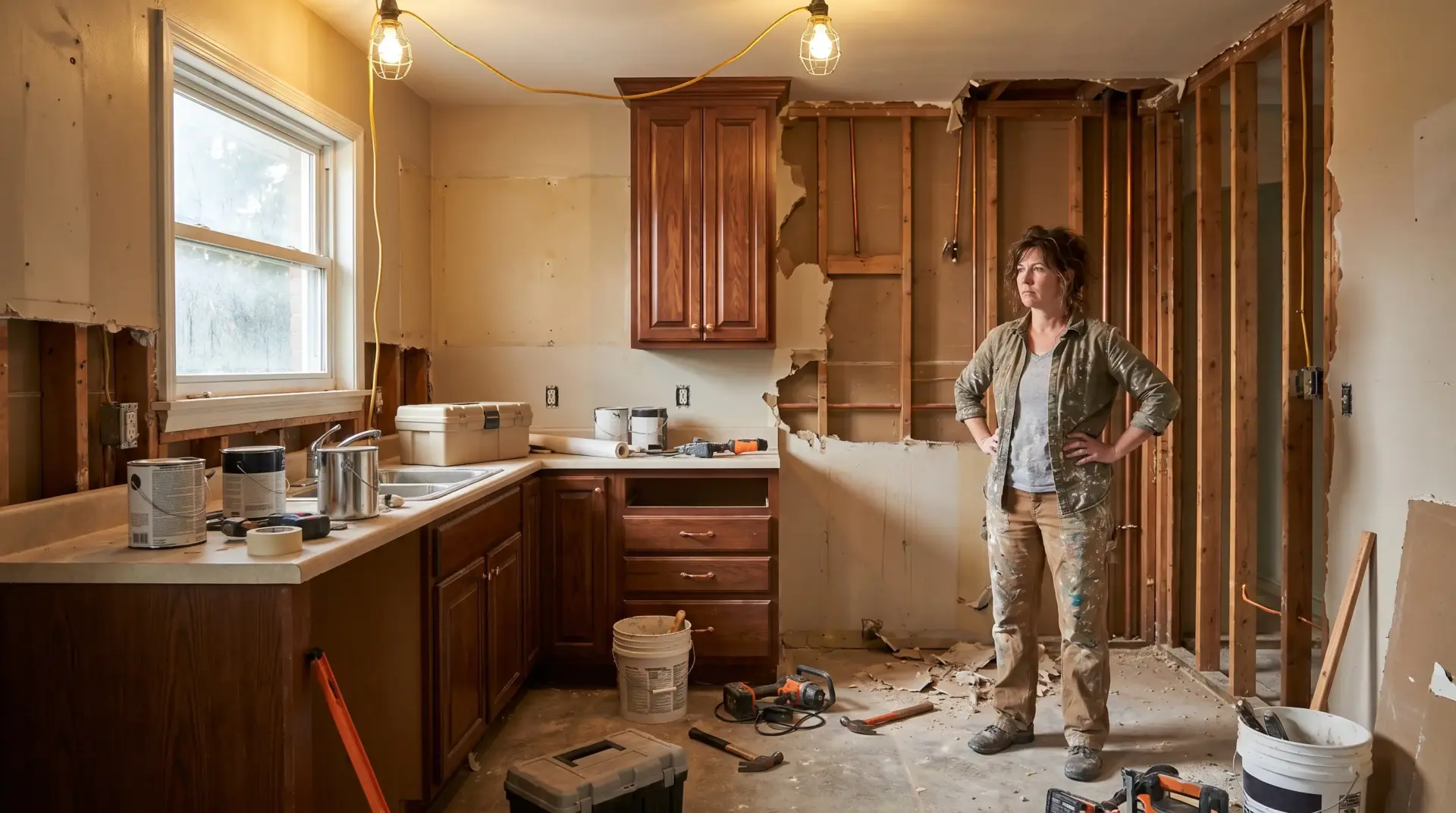
Renovations have a way of starting small and ending big. What begins as a weekend project to refresh the kitchen turns into a six-month overhaul. A bathroom tile reveals plumbing issues. The roof needs work before the siding can be replaced. Before you know it, the budget has doubled, the timeline has tripled, and you’re living in a construction zone, wondering whether all this effort will ever pay off.
The truth is that not every home needs to be renovated before selling. According to Zonda’s 2025 Cost vs. Value Report, major interior remodels often return less than 60% of what homeowners spend, while exterior projects like a simple garage door replacement can return as much as 268% of cost. For many homeowners, the smartest financial move isn’t another visit from a contractor. It’s recognizing the moment when selling as-is to cash home buyers makes more sense than pouring another dollar into the property.
Here are seven clear signs that it’s time to put down the paintbrush, stop renovating, and consider a fast cash sale instead.
1. The Renovation Budget Keeps Growing Out of Control
Most renovation projects run over budget. Industry data consistently shows that roughly half of all home improvement projects exceed their original estimates by 10% to 25%, and major renovations frequently overshoot by 50% or more once hidden problems surface.
If you’ve already blown past your original budget and the contractor keeps finding new “necessary” repairs, that’s a serious financial warning sign. Each extra dollar is money you may never recover at resale, especially since major kitchen overhauls now return only about 51% of cost, according to the latest Cost vs. Value data. The dream of “just one more upgrade” can turn into a hole you can’t climb out of.
Ask yourself this honestly: if you stopped today, would you ever recoup what you’ve already spent? If the answer is no, continuing to renovate is just throwing good money after bad. A cash buyer will purchase the home in its current condition, with no expectation that you finish what you started.
2. The Repairs Are Structural, Not Cosmetic
There’s a huge difference between updating a tired kitchen and discovering that the home needs foundation work, a new roof, full electrical rewiring, or major plumbing replacement. Cosmetic updates are relatively predictable. Structural repairs are notorious money pits.
A foundation repair can easily run between $5,000 and $40,000, depending on severity. A full roof replacement averages $10,000 to $30,000. Rewiring an older home can exceed $15,000. When you stack two or three of these projects together, you can quickly approach the home’s actual resale value.
If your home has serious structural problems and you don’t have the savings to handle them properly, the honest math often favors selling as-is. Investors who buy distressed homes have the cash, contractors, and risk tolerance to absorb those costs. You don’t have to. For homeowners facing this situation, reading about common pitfalls to avoid when building a custom home offers a useful perspective on how quickly construction costs can spiral once major work begins.
3. You’re Suffering From Genuine Renovation Burnout
Renovation fatigue is real, and it’s not just emotional. Living through a long renovation affects sleep, productivity, relationships, and mental health. Dust, noise, decision fatigue, and the constant disruption of having strangers in your home wear people down in ways that don’t show up on a spreadsheet.
If you find yourself dreading another day of dust and decisions, or if the project is straining your marriage or family life, that’s a legitimate reason to stop. Your time and peace of mind have value. So does avoiding the resentment that builds when a “fun upgrade” turns into a months-long obligation.
A cash sale lets you skip the rest of the renovation entirely. There’s no staging, no showings, no waiting for buyer financing, no negotiation over inspection items. You set the closing date, hand over the keys, and move on with your life. For many sellers, the relief alone is worth the slightly lower price compared to a fully renovated listing.
4. You Need to Sell Quickly Due to Life Circumstances
Life doesn’t always cooperate with renovation timelines. A job relocation, a divorce, an inheritance, a medical event, or financial pressure can all force a sale on a schedule that simply doesn’t allow for months of contractor work followed by months of listing.
Traditional home sales take time. After the renovations finish, you still need to stage, photograph, list, host showings, accept an offer, wait through inspection and appraisal, and clear financing contingencies. That entire process commonly stretches 60 to 120 days, and that’s assuming nothing falls through.
Cash sales typically close in two to four weeks because there’s no lender involved. If you need to be out of the property by a specific date, say you’ve taken a new job in Utah and need to be on-site in a month, selling to a regional buyer that handles your area can solve the problem fast. For homeowners in that specific market, working with a company that can sell my house fast utah provides a realistic timeline when life simply won’t wait.
5. The Property Was Inherited, and You Don’t Want the Burden
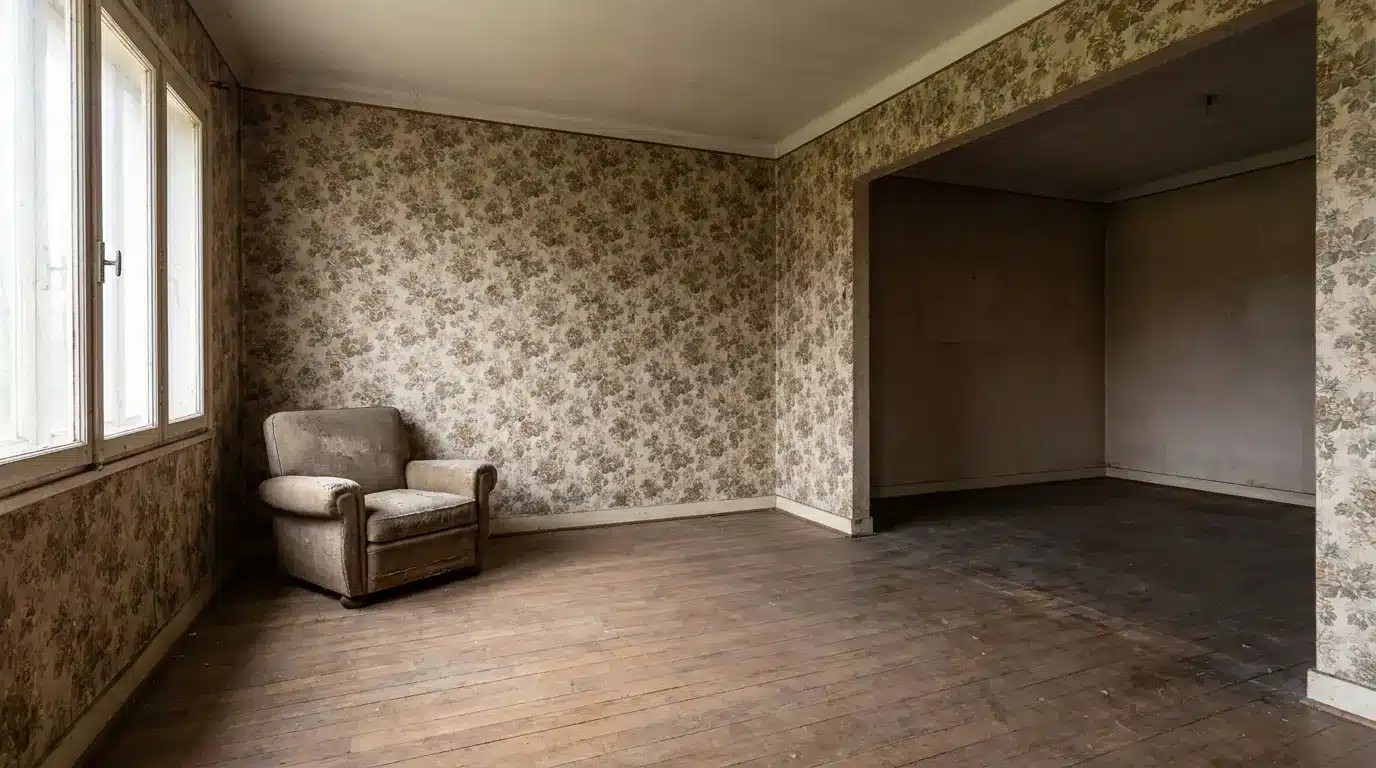
Inherited homes are one of the most common reasons people sell as-is. The property may be in a different state, fully outdated, full of belongings, or shared among multiple heirs who can’t agree on what to renovate. Holding onto an inherited home while you figure out repairs means paying property taxes, insurance, utilities, and possibly an existing mortgage every month it sits empty.
Renovating an inherited property also raises tough questions. How much should you really invest in a home you never planned to own? What happens if siblings disagree on the budget? What if you start a kitchen remodel only to discover knob-and-tube wiring throughout the house?
In most cases, the cleanest path is to sell the property in its current condition. The proceeds can be divided cleanly, the carrying costs stop immediately, and nobody has to manage a long-distance renovation. This is also where understanding the estate agents’ guide to property pricing becomes useful, because you’ll want to confirm that any offer reflects a fair valuation even in as-is condition.
6. Your Local Market Doesn’t Reward Major Renovations
This is the sign most homeowners overlook, and it’s possibly the most important one. The Cost vs. Value Report consistently shows that the renovation projects with the worst ROI are the biggest ones: upscale master suite additions, major kitchen overhauls, and luxury bathroom remodels. Buyers in most markets simply will not pay enough extra to recover what those projects cost.
The math matters. If comparable homes in your neighborhood sell for $350,000 regardless of whether they have granite countertops or laminate, then a $40,000 kitchen remodel is unlikely to add $40,000 to your sale price. You may recoup $20,000 or less, which means you’ve effectively paid the difference for upgrades you’ll never personally enjoy.
Before you start any major project intended to “add value,” check what comparable homes are actually selling for. If your area is dominated by investor buyers or fixer-upper activity, the market is telling you something important: buyers in your zip code aren’t paying premium prices for finishes. They’re paying for location, square footage, and lot size. In that case, renovating before sale is rarely worth it. Reading more about how to buy or sell a home with confidence can help you assess your local conditions before committing.
7. The Home Has Issues That Will Spook Traditional Buyers
Some properties have characteristics that make them difficult to sell on the open market no matter how nicely you renovate the parts you can fix. Examples include:
- Severe foundation cracking or settlement
- Active mold or water damage history
- Outdated polybutylene or galvanized plumbing
- Knob-and-tube or aluminum wiring
- Code violations or unpermitted additions
- Title issues, liens, or inheritance disputes
- Properties currently in foreclosure or pre-foreclosure
- Hoarder conditions or significant deferred maintenance
- Fire, flood, or storm damage history
These are the homes where renovation often doesn’t help, because mortgage lenders may refuse to finance the property regardless of how clean the kitchen looks. Traditional buyers can’t get a loan, and the few who can pay cash will demand steep discounts and contingencies.
Cash investors specialize in exactly these situations. They use their own funds, so lender refusals don’t apply. They factor repair costs into their offer and take the property as-is. For homes with significant issues, this is often the only realistic path to actually closing a sale.
How a Cash Sale Compares to a Traditional Listing
When you weigh the options, the trade-off becomes clearer:
Traditional sale with renovations: Higher potential sale price, but only if renovations align with what buyers actually pay extra for. Significant time investment (often 6–12 months from project start to closing). Risk of cost overruns. Realtor commissions of 5–6%. Closing costs. Buyer concessions after inspection. Possible appraisal gaps. Financing contingencies that can collapse late in the process.
Cash sale as-is: Lower offer reflecting condition and the buyer’s repair budget. Typical closing in 14–28 days. No agent commissions. No repairs. No staging or showings. No financing contingencies. Certainty of closing.
The right choice depends on your situation. If you have time, money, energy, and a market that rewards renovations, the traditional path can produce a higher net result. If any of those four ingredients are missing, a cash sale frequently nets more in real terms once you account for carrying costs, commissions, repairs, and risk.
For homeowners who do want to make small targeted improvements before selling, learning about home staging and minor cosmetic refreshes can boost a traditional sale at low cost. But that strategy only makes sense when the property is fundamentally sound and the local market rewards it.
How to Know You’ve Made the Right Call
A useful exercise is to write down everything you’d need to do to finish the home for a traditional sale, then estimate honest numbers next to each item. Include the contractor cost, your time, the holding cost of mortgage and taxes during the work, the listing timeline, and realtor commissions. Compare that net result against a likely cash offer minus what you’d save by walking away today.
Sellers are often surprised that the gap is smaller than they assumed, especially when they factor in months of additional holding costs and the emotional toll of an extended project. For homes that need more than light cosmetic work, the cash offer frequently wins on a real, after-everything basis.
If you’ve identified with several of the seven signs above, that’s the market and your own life giving you a clear signal. The smartest financial decisions aren’t always the ones that look biggest on paper. Sometimes the smartest move is recognizing when to stop, accept a fair offer, and move forward with your life.
Frequently Asked Questions
Will I Get Less Money Selling for Cash Compared to Renovating First?
You’ll typically receive a lower headline price, but the actual net result is often comparable once you subtract renovation costs, contractor overruns, holding expenses, agent commissions, closing costs, and buyer concessions. The cash offer is what you take home; the traditional listing price is what you start negotiating down from.
How Quickly Can I Actually Close on a Cash Sale?
Most reputable cash buyers can close within two to four weeks. Some can move even faster — within 7 to 10 days — if there are no title complications. You choose the closing date that works for your schedule.
Do I Need to Clean the Home or Remove Belongings Before Selling?
Legitimate cash buyers purchase homes as-is, which includes leaving behind furniture, debris, or unwanted items. You don’t need to deep clean, paint, or stage anything.
Are Cash Buyers Legitimate, or Is This a Scam Risk?
Established companies are legitimate, but the industry does attract bad actors. Check for an A+ BBB rating, verifiable reviews, a physical office address, and clear written offers with no upfront fees. Avoid any “buyer” who asks for money before closing or pressures you into signing immediately.
What If My Home Is in Foreclosure?
Cash buyers regularly purchase homes in active foreclosure or pre-foreclosure. The faster timeline is actually one of the main reasons sellers reach out — a cash sale can close before an auction date, allowing you to walk away with proceeds instead of losing the home entirely.

Licensed broker Logan Patel holds an MBA in Urban Economics from UCLA and has steered buyers and investors through market swings for a decade. He joined us in 2024 to demystify listings, financing, and neighborhood data with clear, chart-backed advice. When he isn’t scanning comps, Logan coaches youth basketball and scouts mid-century districts for hidden architectural gems on weekend walks.