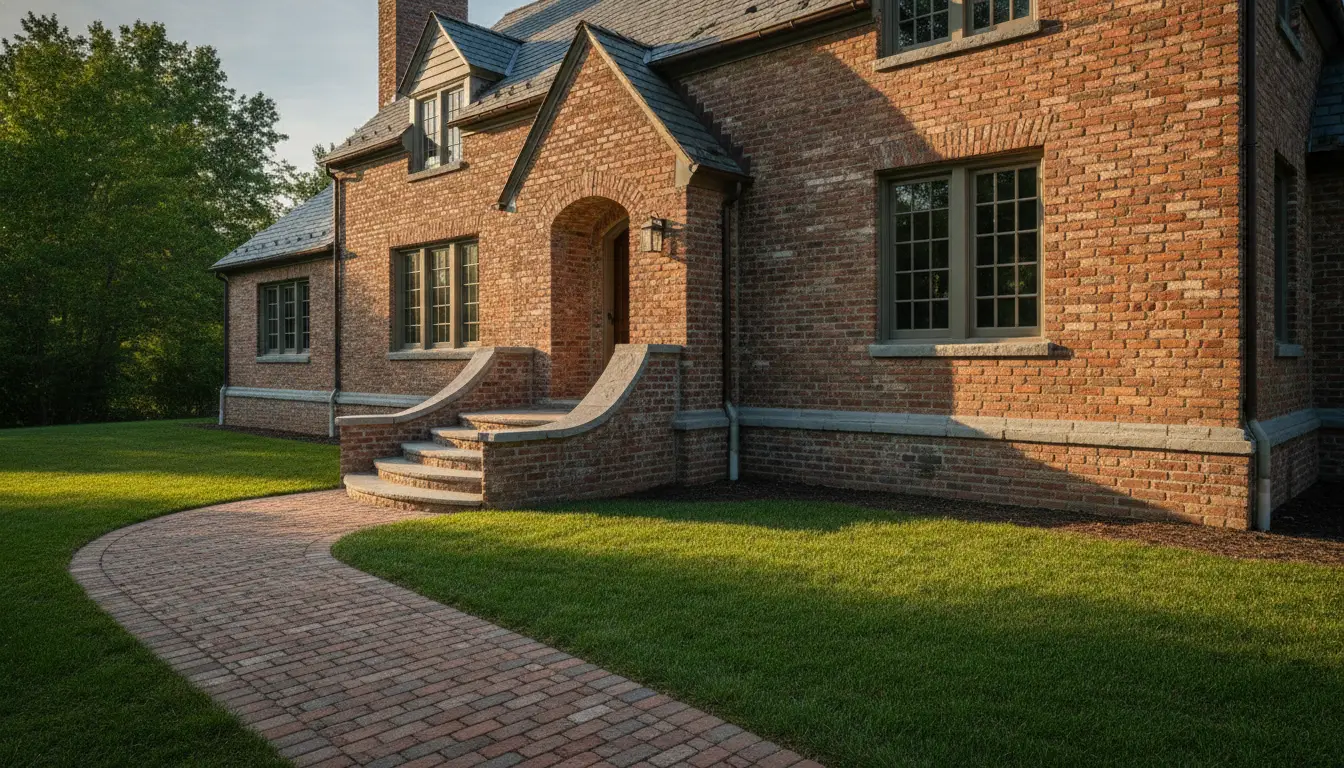

An older home does not always need a dramatic exterior renovation to feel fresh again. Sometimes the most effective improvements come from restoring details that are already part of the property. Brick walls, stone accents, front steps, walkways, and other masonry features can gradually lose their original appearance after years of exposure to weather.
The good news is that many of these elements can be repaired or updated rather than completely replaced. The right masonry improvements can sharpen curb appeal, make outdoor areas more functional, and address small signs of deterioration before they develop into larger problems.
Here are seven projects worth considering when planning an exterior refresh.
1. Restore Aging Mortar Joints
Brick can remain attractive for decades, but the mortar between individual bricks often shows wear first. Look closely at an older exterior and you may notice joints that have become recessed, cracked, loose, or uneven.
Tuckpointing or repointing removes deteriorated material and replaces it with compatible mortar. Besides giving the wall cleaner lines, this helps close vulnerable areas where moisture could enter.
Matching matters. Mortar that differs noticeably in color or texture can leave an exterior looking patched rather than restored. On older homes, the replacement material also needs to be appropriate for the existing masonry.
2. Repair Damaged Brick Instead of Hiding It
Painting or covering an imperfect brick wall can be tempting, but cosmetic changes do not correct underlying damage. Individual bricks may crack, loosen, spall, or become damaged by repeated moisture exposure.
Targeted brick repair allows problem areas to be addressed while retaining as much of the original exterior as possible. Replacement bricks should complement the surrounding wall in size, color, and texture so the repaired section does not become the first thing you notice.
If cracking continues across multiple areas or bricks appear to be shifting, it is better to determine the cause before focusing on appearance.
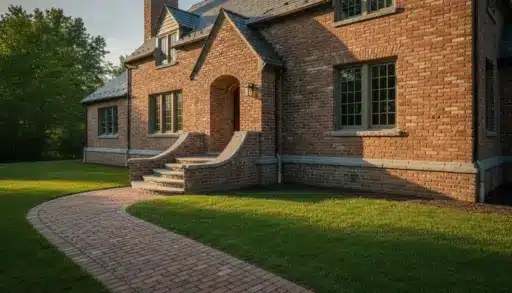
3. Give the Front Steps More Attention
Front steps have an outsized influence on curb appeal because visitors see and use them every time they enter the home. Unfortunately, steps also deal with rain, snow, foot traffic, deicing products, and temperature changes.
Worn mortar, loose bricks, damaged stone, and uneven surfaces can make an otherwise attractive entrance look neglected.
Restoring existing masonry may be enough when deterioration is limited. More extensive damage can create an opportunity to rethink the entrance with new brick or stone while keeping the design consistent with the architecture of the house.
4. Use Masonry to Define Outdoor Living Areas
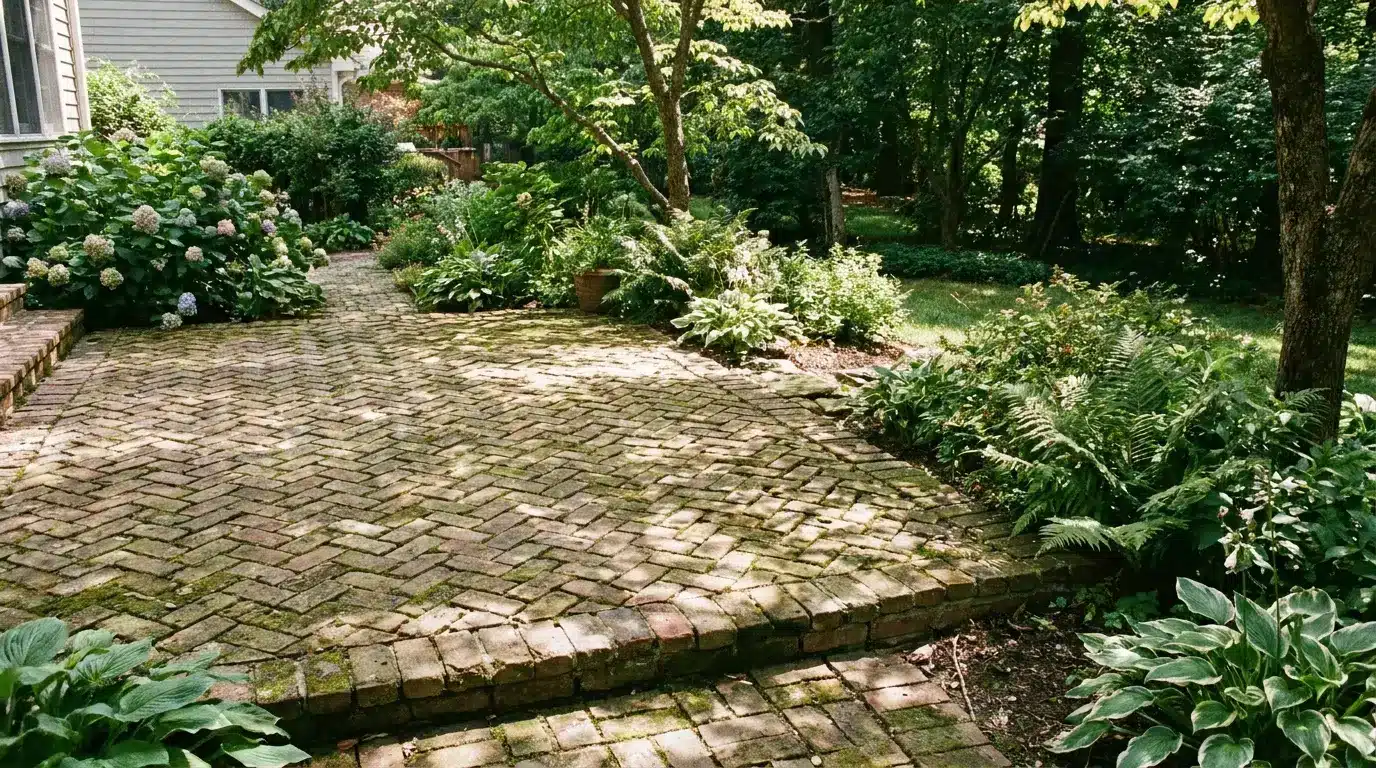
A patio does not need to occupy an enormous backyard to be useful. Even a relatively compact paved area can create a defined place for dining, relaxing, grilling, or gathering with friends.
Brick and stone work particularly well because they add texture to a landscape without depending on furniture or decorations for visual interest. The material can also be repeated elsewhere—for example, along a walkway or garden border—to make separate areas feel connected.
Before choosing the finish, consider drainage and how people will move through the space. A beautiful patio is much less enjoyable if water collects near the house after every storm.
5. Make Walkways Part of the Design
Walkways are often treated as purely functional, but they can become an important part of an exterior design. A thoughtfully planned path helps guide visitors toward the entrance while visually connecting the house with the surrounding landscape.
Straight lines tend to complement formal or contemporary properties, while gentle curves can feel more natural in relaxed gardens. Brick can introduce warmth and traditional character, whereas natural stone works especially well when the goal is a more organic appearance.
Existing paths may not require complete replacement. Resetting uneven units, repairing borders, or restoring adjacent masonry can sometimes make a surprisingly large difference.
6. Inspect the Chimney While Looking at the Exterior
The chimney is easy to overlook because much of it sits above eye level. Yet it is one of the most exposed masonry features on a house.
From the ground, homeowners may be able to spot missing mortar, visibly damaged bricks, staining, or changes around the top of the chimney. Problems that appear minor from below can be more extensive when inspected closely.
This is particularly relevant in climates with cold winters. Moisture entering small openings can freeze and expand, gradually increasing damage.
When a home has multiple signs of masonry deterioration, getting the exterior evaluated as a whole can be more useful than treating every visible defect separately. Homeowners in Glenview and surrounding areas can find more information about common masonry services and restoration options before deciding which areas should receive priority.
7. Add Stone Accents Without Overdoing Them
Stone can bring depth and character to an exterior, but it tends to work best when used intentionally. Rather than adding several unrelated finishes, consider repeating the same material in a few strategic locations.
Stone can be incorporated into entry features, low garden walls, steps, columns, or selected architectural details. It can also create a visual transition between the house and landscaping.
Pay attention to the existing color palette. Warm stone may complement traditional brick, while cleaner, more uniform materials can suit contemporary homes. The goal is for the new feature to look like part of the original design rather than a later addition.
Start With Repairs Before Decorative Changes
When planning an exterior makeover, it is easy to focus first on paint colors, landscaping, lighting, and furniture. Those improvements certainly matter, but the permanent features of the property deserve attention first.
Walk around the house and inspect brick walls, mortar joints, steps, walkways, the chimney, and other masonry surfaces. Look for cracks, movement, loose material, staining, and areas where water regularly collects.
Addressing deterioration first creates a better foundation for everything that follows. Fresh landscaping will have more impact beside restored brickwork, and a redesigned entrance will feel more complete when the steps and surrounding masonry are in good condition.
A successful exterior refresh does not have to change the personality of an older home. In many cases, restoring its strongest architectural features is exactly what allows that personality to stand out again.

With a Master’s in Architecture from the University of California, Berkeley, Alexander Martin has dedicated the last 18 years to enhancing outdoor living through thoughtful and robust structure design. His career kicked off in urban planning, giving him a unique perspective on integrating structures into diverse environments. In 2019, Alexander brought his expertise to our website, offering insights into creating versatile outdoor spaces. Since then, he has been the lead advisor for our outdoor design projects and is known for his ability to merge functionality with environmental consciousness. Alexander enjoys rock climbing outside of work and participates in community development projects, activities that reflect his passion for the outdoors and sustainable design.