
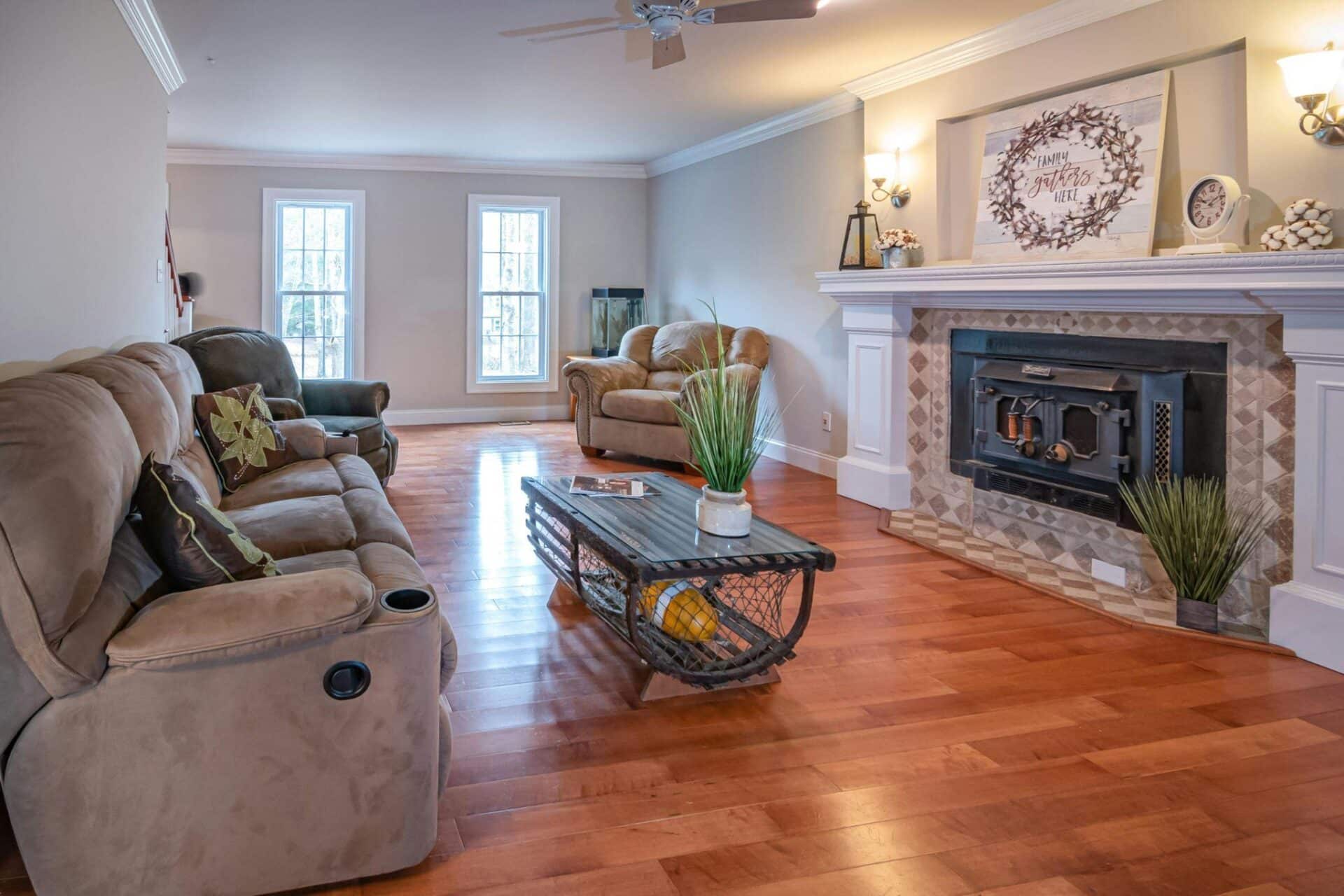
Selling a home has never been purely transactional. Buyers make emotional decisions first and rational ones second — they walk into a property and either feel something or they don’t. Home staging is built around that reality, and the agents who understand it tend to close faster, negotiate from a stronger position, and accumulate the kind of track record that drives referrals.
For real estate professionals looking to sharpen their competitive edge, staging is one of the more underutilized tools available. Some agents treat it as optional, something to suggest only when a seller pushes back on pricing. But the evidence — and the experience of top-producing agents — points in a different direction.
Resources focused on real estate coaching for DFW agents, for example, consistently highlight staging as a core business strategy rather than an aesthetic afterthought, particularly in markets where inventory is tight and buyers have high expectations from the moment they see a listing photo online.
First Impressions Start Online
The decision to schedule a showing often happens within seconds of seeing a listing. A poorly presented home — cluttered rooms, dated furniture arrangements, flat lighting — gets scrolled past. A well-staged one stops the scroll.
This matters more now than it did a decade ago. The majority of buyers begin their search online, and the listing photos are the first showing. Staging ensures there’s something worth photographing. Wide-angle lenses and professional photographers can only do so much with a room that hasn’t been thoughtfully prepared. Give the camera something to work with and the photos practically sell themselves.
Agents who make staging a standard part of their listing process tend to see stronger online engagement — more saves, more inquiries, more showing requests — before a single buyer has walked through the door.
Buyers Buy What They Can Imagine
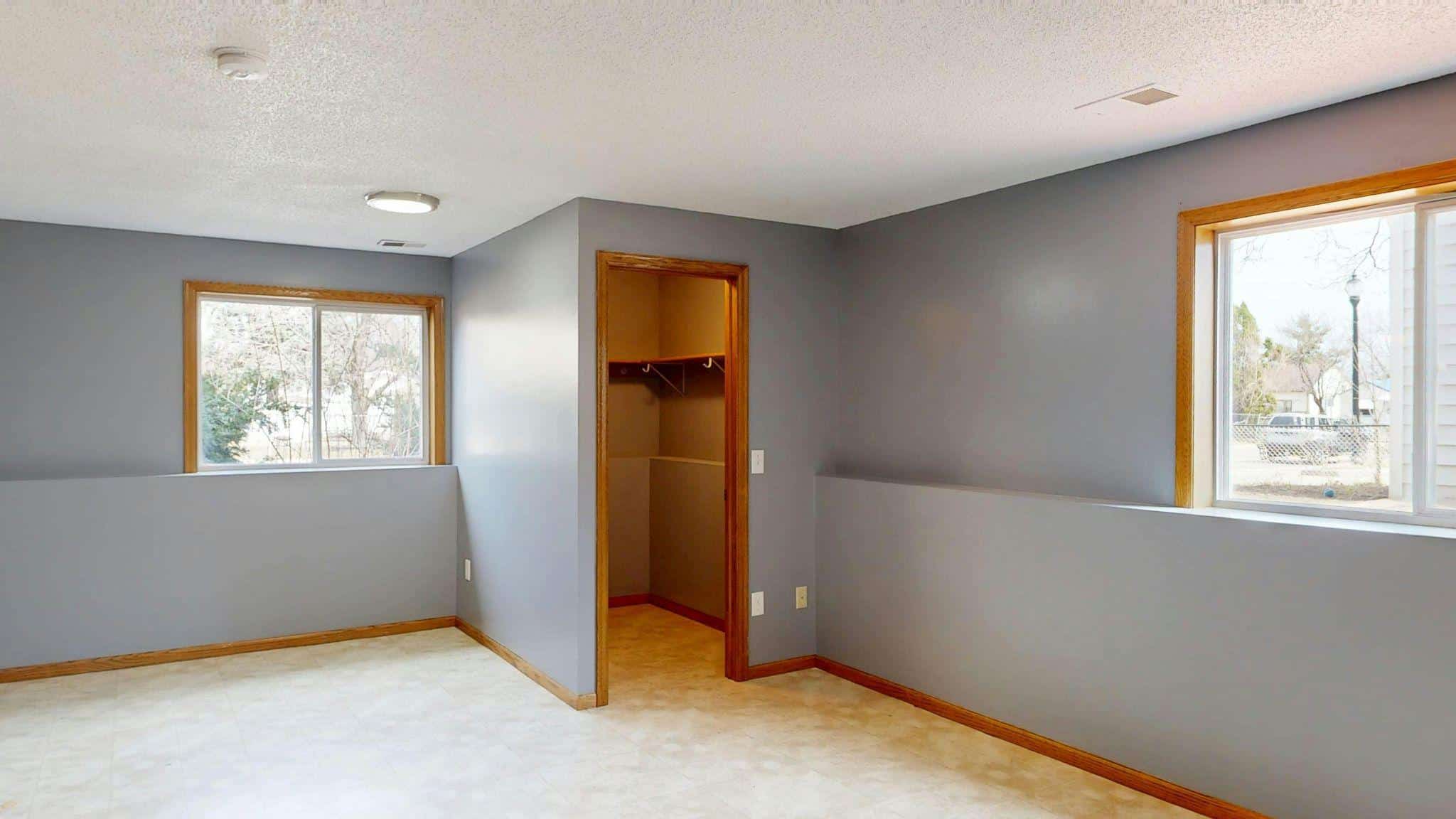
Empty rooms are harder to sell than most sellers expect. Without furniture and context, buyers struggle to gauge scale, flow, and livability. A vacant bedroom looks smaller than it is. An open floor plan without furniture can feel cold and undefined rather than spacious and flexible.
Staging solves that. It gives buyers a mental anchor — here’s how this room functions, here’s how it feels to live in it. That kind of visual storytelling shortens the mental distance between “interesting property” and “this could be our home.”
Occupied homes present a different challenge. Personal items, family photos, and individualized décor can make it harder for buyers to project themselves into the space. Restaging or even partially depersonalizing an occupied home accomplishes something similar — it creates a more neutral canvas without stripping the warmth entirely.
The Numbers Behind Staging
Staged homes tend to sell faster and closer to list price than comparable unstaged properties. That’s not a new finding — it’s been replicated across markets and market conditions consistently enough that it’s worth taking seriously as a business decision, not just a design preference.
For sellers, the math is relatively straightforward. Staging costs money upfront, but a faster sale means fewer carrying costs — mortgage payments, utilities, insurance — that accumulate during extended market time. A home that sits for 90 days costs more than most sellers account for when they’re debating whether to spend on staging.
For agents, the math works differently but just as compellingly. A staged listing tends to generate better photos, stronger showings, and more competitive offer situations. All of that reflects on the agent’s reputation. Sellers talk to other sellers, and the agent who consistently presents properties well becomes known for it.
Staging as A Business Strategy, Not Just a Service
The distinction matters. Agents who treat staging purely as a client service — something done for the seller’s benefit — miss half the picture. Staging is also a business development tool.
A beautifully presented listing generates marketing material. The photos, the video walk-through, the social media content — all of it carries the agent’s brand. A visually compelling listing shared online reaches far beyond the buyer pool for that specific property. It reaches future sellers watching to see how local agents present homes.
Agents who understand this tend to invest more intentionally in the staging process — sometimes absorbing part of the cost themselves, sometimes building relationships with local staging professionals they can refer and collaborate with consistently. Either way, the listing becomes an asset that works harder than just finding one buyer.
Building Staging Into the Client Conversation
The biggest obstacle isn’t usually seller resistance — it’s the agent not bringing it up confidently in the first place. If staging gets introduced apologetically, as a suggestion rather than a recommendation, sellers often opt out without fully understanding what they’re giving up.
The agents who have the most success with staging tend to present it early — during the listing consultation, before price is even discussed — and frame it in terms of return rather than cost. Here’s what staged homes in this neighborhood have done, here’s the difference in days on market, here’s what the photos will look like versus what they typically look like without it. That conversation, done well, rarely gets much pushback.
It’s a skill that takes practice, like most things in this business. But once it becomes a standard part of the listing process, it’s hard to imagine going back.
The Bottom Line
Buyers like to think they’re making a calculated decision when they purchase a home. In practice, the feeling a property creates walks in the door before the spreadsheet does. Agents who understand that dynamic — and who engineer the right first impression through thoughtful presentation, professional photography, and a consistent staging approach — tend to close more deals, build stronger reputations, and run businesses that hold up regardless of what the broader market is doing.
That’s the kind of edge that compounds over time.

Licensed broker Logan Patel holds an MBA in Urban Economics from UCLA and has steered buyers and investors through market swings for a decade. He joined us in 2024 to demystify listings, financing, and neighborhood data with clear, chart-backed advice. When he isn’t scanning comps, Logan coaches youth basketball and scouts mid-century districts for hidden architectural gems on weekend walks.