Buying a home involves more than comparing finishes, layouts, and neighborhood appeal. Smart purchasers also investigate the systems hidden behind walls and beneath the yard, because expensive surprises often come from areas that are not immediately visible. Before finalizing a purchase, many buyers consult sewer line repair experts to understand whether the property has damaged underground pipes, recurring blockages, or warning signs that may require costly service soon after closing.
Why Sewer Lines Matter More Than Many Buyers Realize
A sewer line carries wastewater safely away from the home, making it one of the most important systems on the property. When this line is damaged, daily activities such as showering, flushing toilets, and running appliances can quickly become stressful. Even a small issue can escalate into backups, foul odors, and water damage if ignored.
Because sewer lines are underground, problems often remain hidden until they become severe. A house can appear clean, updated, and move-in ready while serious pipe deterioration exists below the surface. That is why experienced buyers look beyond cosmetic details and ask practical questions before committing.
Older Homes Can Carry Greater Underground Risk
Many older homes still contain original sewer materials that may be near the end of their useful lifespan. Clay, cast iron, and outdated piping systems can crack, corrode, or shift over time. Tree roots may also enter small openings and gradually create blockages.
Age alone does not mean a home has sewer trouble, but it does justify closer attention. Buyers who understand this often request maintenance records or inspection details during the transaction process. That extra step can reveal whether the line has been updated, repaired, or repeatedly serviced.
Repairs After Closing Can Be Expensive
New homeowners already face moving costs, utility deposits, furnishing expenses, and general maintenance. Discovering a major sewer issue soon after closing can create immediate financial pressure. Excavation, pipe replacement, and restoration work may cost far more than expected.
Unexpected repairs also create inconvenience during what should be an exciting transition. Scheduling contractors, managing temporary disruptions, and dealing with sanitation concerns can add stress to the first months of ownership. Buyers who ask the right questions early often avoid this scenario.
Warning Signs Buyers Should Notice
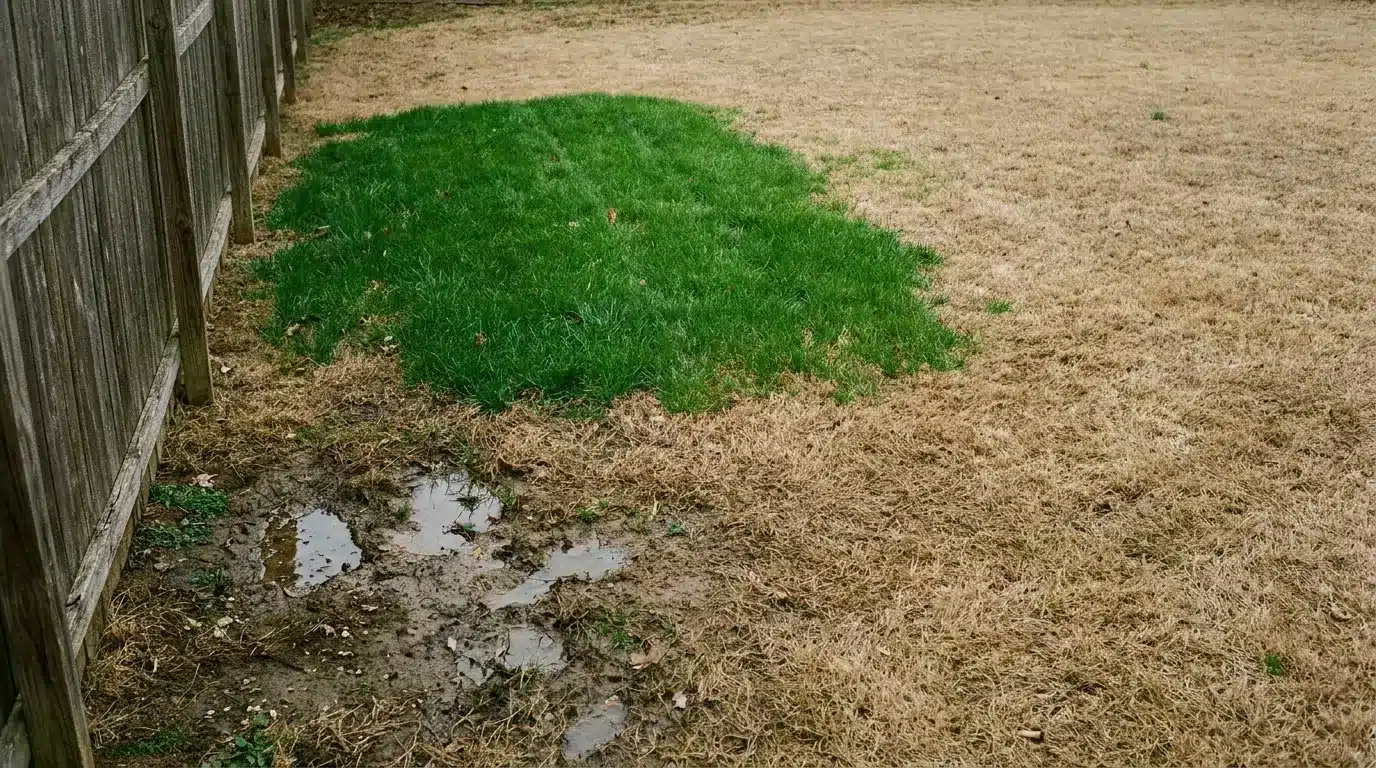
Certain clues may suggest sewer line trouble before an inspection ever begins. Slow drains throughout the house, frequent toilet clogs, sewage odors, soggy patches in the yard, or unusually lush grass in one area can indicate underground leakage or blockage. These signs deserve attention rather than dismissal.
Buyers should also ask whether the seller has recently used repeated drain cleaning services. Frequent short-term fixes may suggest a recurring issue rather than a one-time problem. Understanding the history of the system helps buyers make informed decisions.
Why Inspections Add Real Value
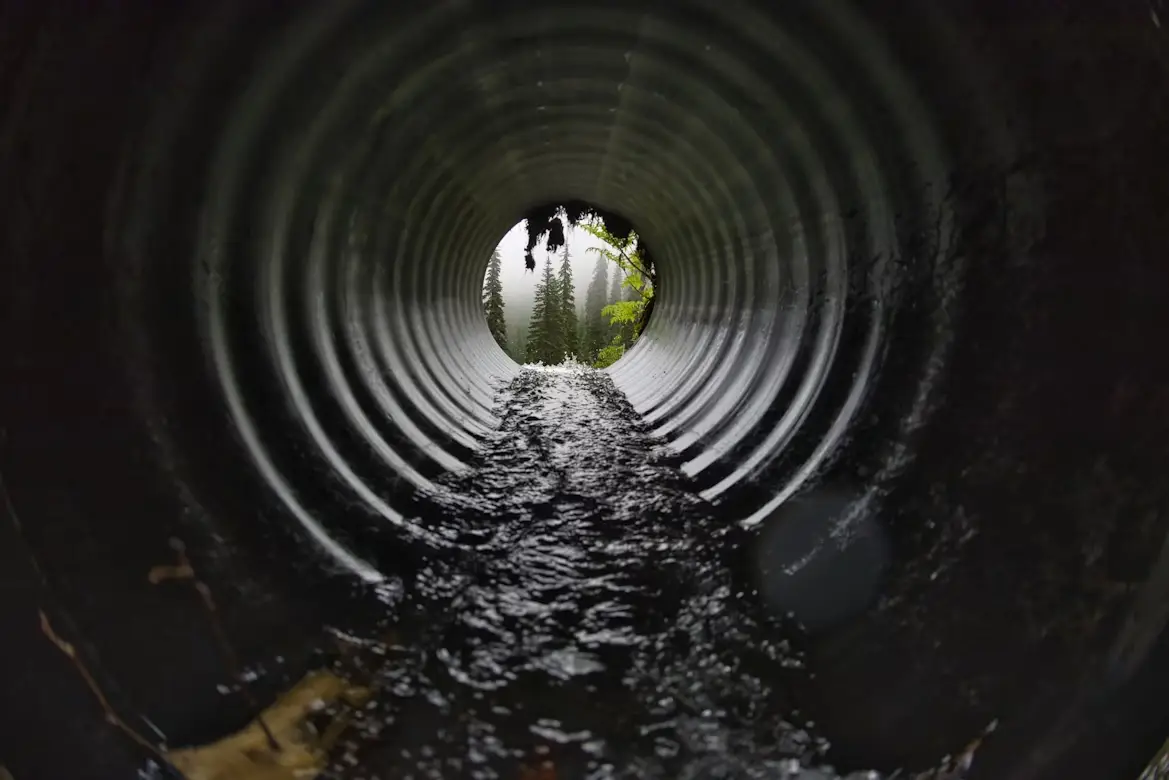
A general home inspection is valuable, but it may not always provide a full picture of underground sewer conditions. Specialized sewer camera inspections can identify cracks, root intrusion, bellied sections, grease buildup, and other hidden defects. This information gives buyers a clearer understanding of potential risk.
Knowing the actual condition of the line creates leverage during negotiations. Buyers may request repairs, credits, or pricing adjustments if major defects are found. Even when the line is in good shape, confirmation provides peace of mind and confidence in the purchase.
Smart Questions to Ask Before Closing
Buyers benefit from asking direct and practical questions during due diligence. They can ask the age of the sewer line, whether any replacements were completed, and if backups have occurred in the past. Documentation of previous work is especially useful.
It is also wise to ask whether nearby trees have affected the system or if the property has had recurring drainage complaints. Clear answers help buyers understand whether the home has been responsibly maintained. A transparent seller often welcomes these conversations.
Long-Term Thinking Protects Your Investment
Homeownership is both a lifestyle decision and a financial investment. Protecting that investment means evaluating systems that influence comfort, safety, and future resale value. A neglected sewer line can become a liability that reduces buyer confidence later.
Purchasers who investigate major systems early tend to make stronger long-term decisions. They enter ownership with fewer surprises and better budgeting awareness. That practical mindset often separates rushed buyers from prepared ones.
Closing on a home should feel exciting, not uncertain. Asking about sewer line condition before signing final papers is a smart step that can prevent costly repairs, stressful disruptions, and avoidable regret. Buyers who look beneath the surface place themselves in a stronger position to purchase with clarity, negotiate wisely, and enjoy their new home with greater confidence.

Licensed broker Logan Patel holds an MBA in Urban Economics from UCLA and has steered buyers and investors through market swings for a decade. He joined us in 2024 to demystify listings, financing, and neighborhood data with clear, chart-backed advice. When he isn’t scanning comps, Logan coaches youth basketball and scouts mid-century districts for hidden architectural gems on weekend walks.