

Whether you’re buying your first home, upgrading to something larger, or preparing to sell a property you’ve lived in for years, one thing is true across the board: the decisions you make before and during the process have an outsized impact on the outcome. The right realtor can mean tens of thousands of dollars in your favor. The right curb appeal improvements can mean a faster sale at a stronger price. And understanding how both work together can give you a significant edge in any market.
This guide breaks down what to look for in a real estate professional, how to prepare your property to make the strongest possible first impression, and why the details , right down to the trees in your yard , matter more than most sellers expect.
Why Your Choice of Realtor Is the Most Important Decision You’ll Make
In a real estate transaction, your agent is your strategist, your negotiator, your market analyst, and your advocate , all at once. The difference between a mediocre agent and a great one isn’t just service quality. It shows up directly in the final number on the closing statement.
A skilled realtor brings deep knowledge of local market conditions, a network of qualified buyers or motivated sellers, and the negotiating experience to protect your interests at every stage. They know which neighborhoods are trending, which price points are moving, and how to position a property , or an offer , for the best possible result.
When evaluating a real estate agent, look beyond the number of listings on their website. Ask how long their listings typically stay on the market. Ask what their average sale-to-list price ratio is. Ask how they communicate and how available they’ll be throughout the process. These are the metrics that reveal whether an agent is genuinely effective or simply active.
Working with an established real estate company like Meybohm Real Estate gives buyers and sellers access to a team with deep regional roots and a track record built over decades. That kind of institutional knowledge , of neighborhoods, of pricing history, of local market dynamics , is genuinely difficult to replicate. Similarly, experienced realtors bring the kind of personalized attention and local expertise that makes a real difference at every stage of the transaction , from the first showing to the final signature.
First Impressions Are Everything: The Role of Curb Appeal
In real estate, buyers form opinions fast. Research consistently shows that most buyers decide how they feel about a property within the first few seconds of seeing it , before they’ve stepped inside, before they’ve seen the kitchen, before they’ve read a single line of the listing description. That first impression is almost entirely driven by curb appeal.
For sellers, this means the exterior of your home deserves as much attention as the interior. For buyers, it means understanding that a property’s outdoor presentation is a signal , for better or worse , about how the home has been maintained overall.
Curb appeal improvements don’t have to be expensive to be effective. Fresh paint on the front door, clean gutters, a well-edged lawn, and tidy landscaping can transform a home’s street presence without a significant budget. But there’s one element that often gets overlooked , and that has a larger impact than most homeowners realize.
Trees: The Curb Appeal Factor Most Sellers Overlook
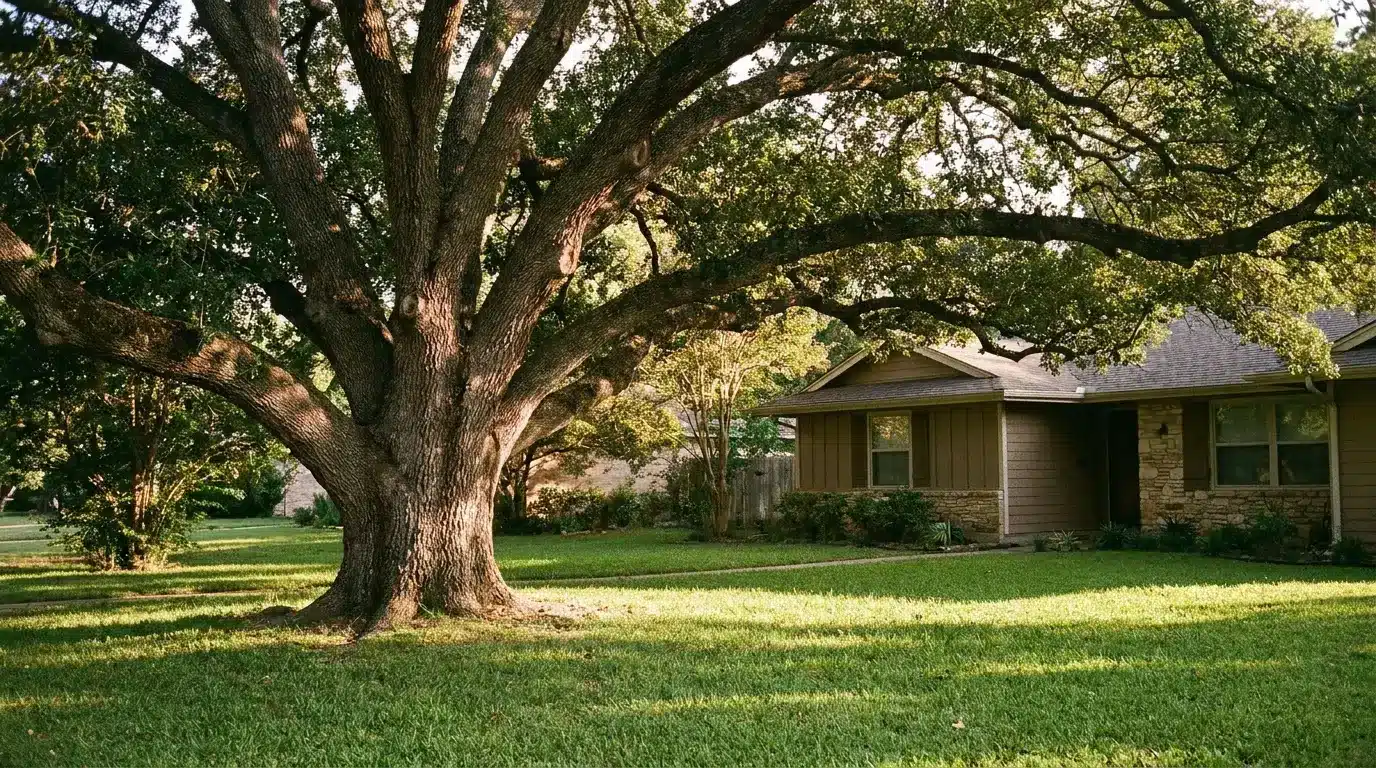
Mature trees are one of the most valuable features a property can have. Studies have shown that well-maintained trees can add anywhere from 10 to 15 percent to a property’s value, and they consistently rank among the features buyers respond most positively to. A shaded yard, a canopy over the driveway, a specimen tree in the front garden , these aren’t just aesthetic details. They’re assets.
The operative word, however, is well-maintained. Overgrown, diseased, or structurally compromised trees tell a different story. Dead branches, leaning trunks, root systems encroaching on the foundation or driveway, and trees that block light from windows can all work against a property’s appeal , and in some cases, create real liability concerns.
Before listing a home, a professional tree assessment is a smart investment. American Made Tree provides the kind of expert tree care that ensures your property’s trees are working for you, not against you , removing hazardous limbs, shaping for appearance, and addressing any health issues that could raise red flags during a buyer’s inspection.
For buyers, a property’s tree situation is worth evaluating carefully as well. Large trees near foundations or overhead utility lines may require costly maintenance down the road. A quick assessment from a certified arborist before closing can prevent surprises after move-in.
Preparing Your Home to Sell: A Pre-Listing Checklist
Beyond trees and landscaping, here’s a practical framework for preparing a property to make the strongest possible impression on buyers:
Start outside and work your way in. Buyers approach from the street. Walk to the end of your driveway and look at your home with fresh eyes. What do you notice? What would you notice if you were seeing it for the first time?
Address deferred maintenance before it becomes a negotiating point. Buyers and their inspectors will find problems. Addressing known issues before listing , a loose railing, a cracked walkway, a worn roof section , removes ammunition from the negotiating table and signals that the home has been well cared for.
Declutter and depersonalize interiors. Buyers need to be able to picture themselves in the space. Less is almost always more when staging a home for sale.
Invest in professional photography. The majority of buyers begin their search online, and the quality of listing photos directly affects how many showings a property generates. This is not the place to cut corners.
Price it right from the start. Overpriced listings sit. The longer a home sits on the market, the more buyers wonder what’s wrong with it , and the more negotiating leverage shifts to the buyer. Your agent’s comparative market analysis is the foundation of a smart pricing strategy.
For Buyers: How to Navigate a Competitive Market
If you’re on the buying side, the principles are similar but the application is different. The right agent, a clear understanding of your priorities, and a realistic view of the market are the starting points.
Get pre-approved before you start seriously looking. In a competitive market, sellers , and their agents , take pre-approved buyers significantly more seriously than those who haven’t completed the process. It also gives you a clear and honest picture of what you can afford, which saves time and prevents emotional decisions.
Be clear with your agent about your non-negotiables versus your nice-to-haves. The best buyer-agent relationships are built on honest communication. An agent who understands exactly what you’re looking for can advocate for you far more effectively than one who’s working from a vague brief.
And when you find the right property, move decisively. In active markets, hesitation is expensive. Trust your preparation, trust your agent, and be ready to act when the right home appears.
The Bottom Line
Buying or selling a home is one of the most significant financial and emotional events in most people’s lives. The outcomes are rarely accidental , they tend to reflect the quality of the decisions made along the way.
Choose your realtor carefully. Invest in your property’s presentation. Don’t underestimate the details, from the trees in the front yard to the price on the listing. And work with professionals who bring genuine expertise, local knowledge, and a real stake in getting you the best possible result.
Whether you’re ready to list, just starting your search, or somewhere in between, the right team and the right preparation make all the difference. Start there, and the rest tends to follow.

Licensed broker Logan Patel holds an MBA in Urban Economics from UCLA and has steered buyers and investors through market swings for a decade. He joined us in 2024 to demystify listings, financing, and neighborhood data with clear, chart-backed advice. When he isn’t scanning comps, Logan coaches youth basketball and scouts mid-century districts for hidden architectural gems on weekend walks.