Renting in Australia has been and continues to remain a compromise-based process. While price remains at the core of the first selection stage, the question of whether the particular dwelling is likely to suit the prospective tenant after he/she moves in is becoming increasingly important.
The layout, property management, location, and finish now carry more weight than ever before. Let this article guide you through the process.
Lease Flexibility and Property Management Processes
Everyone does not need a year-long lease agreement. With people moving to new places for work contracts, working remotely, or relocating across state borders, there have been more instances of those needing flexible lease agreements.
Purpose-made properties that are designed specifically for rental have more thought put into their lease agreements compared to investment properties which are owned by the investors themselves, and each detail is left entirely up to them. Apart from the details of the lease itself, it would be wise to learn about management procedures regarding maintenance issues, the response rate, and even a contact person for such matters.
More Than Just Being Near the City
Being close to the city centre is often seen as a major advantage, but it doesn’t always reflect the overall quality of a location. Factors like walkability, access to public transport, and the presence of nearby green spaces tend to have a much bigger impact on daily living.
A good example is build to rent apartments in Royal Park, Melbourne, which sit alongside one of the city’s larger inner-suburban parklands while remaining well connected to the CBD. This balance between accessibility and open space is something many renters are actively looking for. It’s the kind of setting that becomes easier to appreciate when viewed on a map or through images, giving a clearer sense of how the area actually feels.
Layout and The Reality of the Space
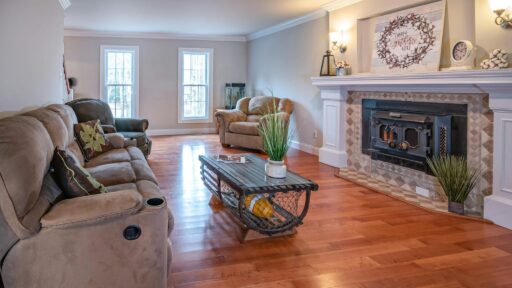
The size of the floor area tells only half of the story. If a smaller flat has the right layout, sufficient light, and proper storage facilities, then it is almost certain that it will be more comfortable than a bigger flat that does not use its space properly with the presence of odd corridors and bad wall placements.
If you are planning to do your work from home, then you should put some extra consideration into it. It is uncomfortable to work in the bedroom when it is being used as an office. During inspection, make sure that you do it during the daytime so that you can assess the lighting in the place and the storage placement in relation to use.
Interior Fit Out & Quality of Construction
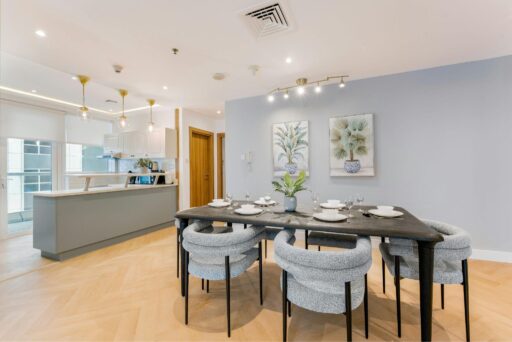
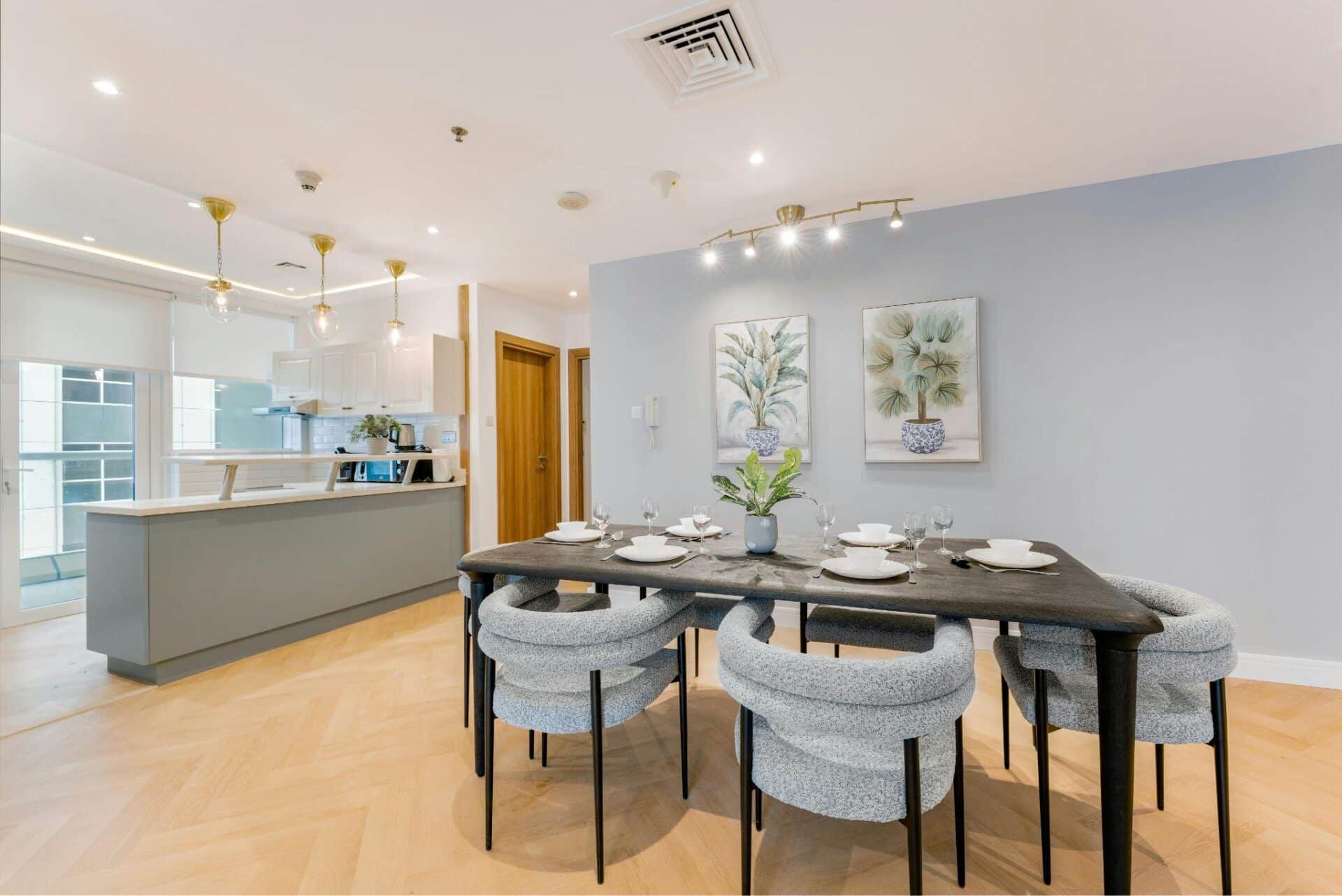
In many cases, we can be distracted by the location and images provided during the search process. However, when actually viewing the apartment, all those details become immediately obvious. The quality of the furniture, taps, and flooring in particular can last a whole period of tenancy, unlike inferior construction materials. Wearing out or malfunctioning items are not only inconvenient but will also lead to an unending dispute with management.
Professional developers and property managers understand this problem and use special resources such as Horgans Trade Program, providing trade professionals with a selection of interior designs for residential purposes based on durability instead of economy. When such a building becomes available, its residents appreciate their choice.
Amenities That Are Actually Useful
A long amenities list looks good in a listing and can still add very little to your day-to-day life. Rooftop terraces and theatre rooms photograph well. The more honest question is whether you’d use them more than a handful of times a year.
The amenities that tend to make a consistent difference are more practical: secure parcel collection, solid internet infrastructure throughout the building, covered bike storage, and reliable car parking. A gym or co-working space can be genuinely worthwhile if you’d otherwise pay for them separately, but only if they’re properly maintained and available when you’d actually want to use them. It’s worth asking directly about this before you sign.
Running Costs Are Part of the Picture
Rent alone doesn’t make up the full cost of living in an apartment each month. With inefficient insulating, aged appliances and poor ventilation, power and heating costs will be significantly increased, particularly in the winters in Melbourne and Canberra.
While you’re on the inspection tour, it might be good to check if appliances are rated for energy usage and how well windows perform their function. Inquire about ventilation, especially where cross-ventilation isn’t possible in apartments. It’s also useful to know whether some buildings have solar power generation or water conservation devices in place to cut down communal utilities. It doesn’t have to be a show-stopper; however, being aware of these costs is helpful when assessing the total monthly expense.
Poor Management Can Ruin Everything
Even an attractively situated and elegantly decorated flat may turn into an unpleasant home to live in if its management proves to be troublesome. Procrastination in fixing maintenance issues, lack of communication, and ambiguous replies to plain inquiries are some of the most frequent concerns raised by tenants. Unfortunately, this aspect cannot be evaluated properly until you’ve moved in.
If possible, try to find out more about the managing company or property development beforehand. On your visit, raise these points directly and find out: how maintenance complaints are recorded, how long it takes to fix any problem, and who will be the point of contact for tenant-related matters.
Before You Sign
The ideal apartment is not the one with all the bells and whistles. It’s the one that accommodates your lifestyle. Those who consider things such as flexibility, location, layout, quality of fit-outs, and management before renting are likely to find themselves at an address where they will be satisfied throughout their tenancy period.
Conduct your own tour, pose the questions you need answered, and gauge your impression of the building. The effort you put in before renting usually translates to a better stay when you move in.

Licensed broker Logan Patel holds an MBA in Urban Economics from UCLA and has steered buyers and investors through market swings for a decade. He joined us in 2024 to demystify listings, financing, and neighborhood data with clear, chart-backed advice. When he isn’t scanning comps, Logan coaches youth basketball and scouts mid-century districts for hidden architectural gems on weekend walks.