
Standing in a flooring showroom or scrolling through samples online, it is easy to feel overwhelmed by the sheer number of choices available today.
You might spot a wood tone you absolutely love, but then you pause when you see the word “engineered.” Right away, you start to worry: is this actually real wood? I can tell you right now that yes, it is completely real.
As a furniture consultant with years of experience in home design, I know that your flooring choice is the foundation for every other piece in your room.
I have spent years helping homeowners find the right balance between style and durability. Shopping for new floors can feel complex, but I am here to make it simple.
I will walk you through exactly what engineered hardwood flooring is, how each plank is built layer by layer, and where it fits best in your home. Let’s get started.
What is Engineered Hardwood Flooring
Engineered hardwood flooring is a smart alternative to traditional solid wood boards. I define it: it is a real wood top securely bonded to a layered, stable core.
Many people assume that “engineered” means fake or synthetic, such as laminate or vinyl. But that is not true. You get an actual slice of a tree on the surface, which gives you the same look and feel as solid wood.
To really see why it behaves the way it does, it helps to look at what sits inside each plank.
Real Wood, Not an Imitation
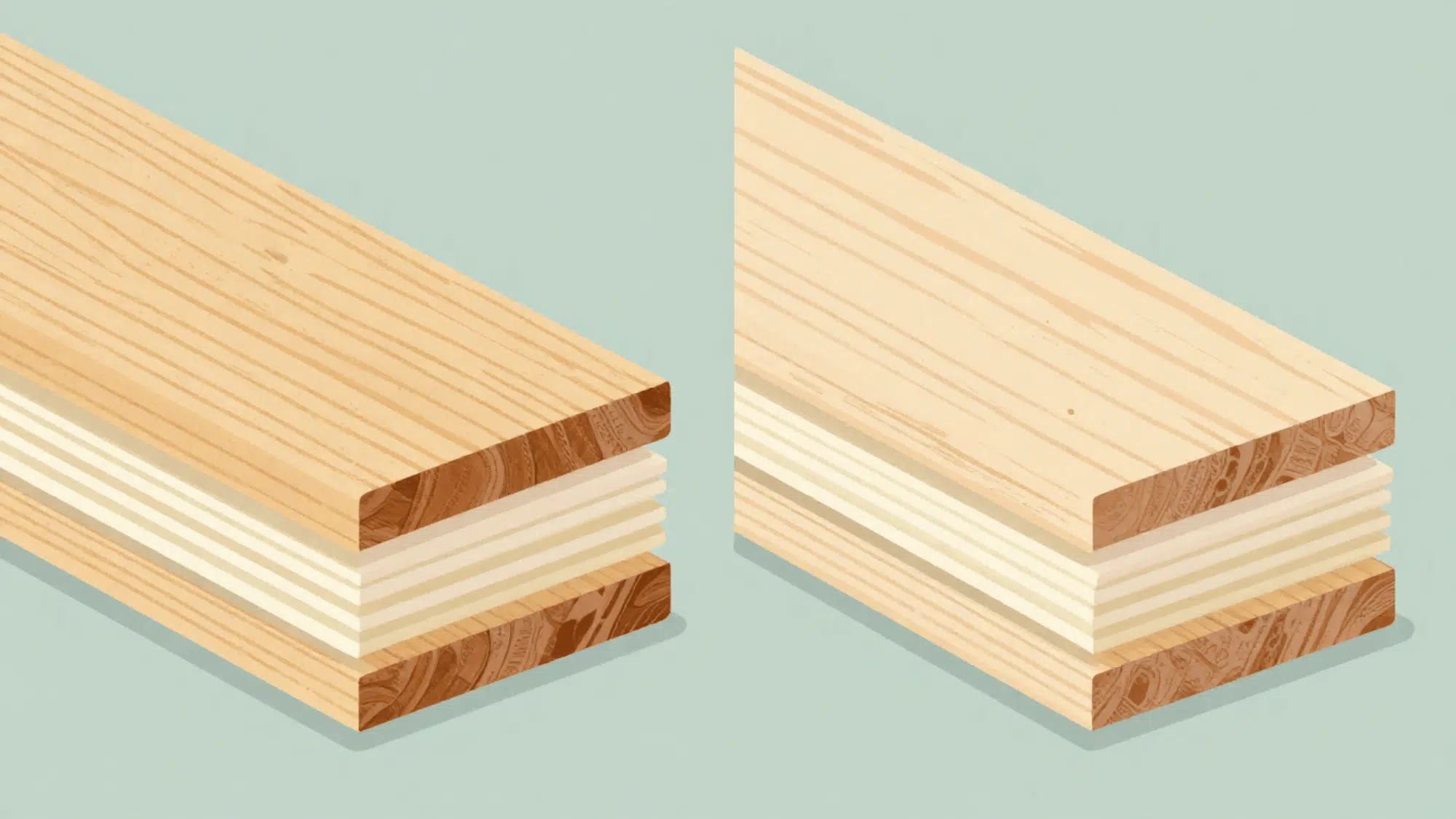
The top layer of this flooring is a 100% real hardwood veneer. Once it is fully installed, you cannot tell the difference between this and a solid plank. I know buyers often doubt if it is genuine.
Rest assured, you see real wood grain, natural color variations, and actual knots. It is not a printed photo, so it brings true warmth to your room.
How it Differs from Solid Hardwood
Understanding the differences helps you choose the right flooring based on durability needs, installation conditions, and long-term performance expectations in different areas of your home.
| Feature | Solid Hardwood | Engineered Wood |
|---|---|---|
| Construction | One solid piece of natural wood from top to bottom | Real wood veneer layered over a built-up core |
| Structure | Single-layer build | Multi-layer, engineered design |
| Thickness | Around 3/4 inch | About 3/8 inch to 9/16 inch |
| Key Point | Thicker and more solid feel | Thinner due to layered construction |
| Installation Impact | Heavier and more rigid during installation | Easier to install in many home settings |
Rooms that Suit Engineered Wood Flooring Best
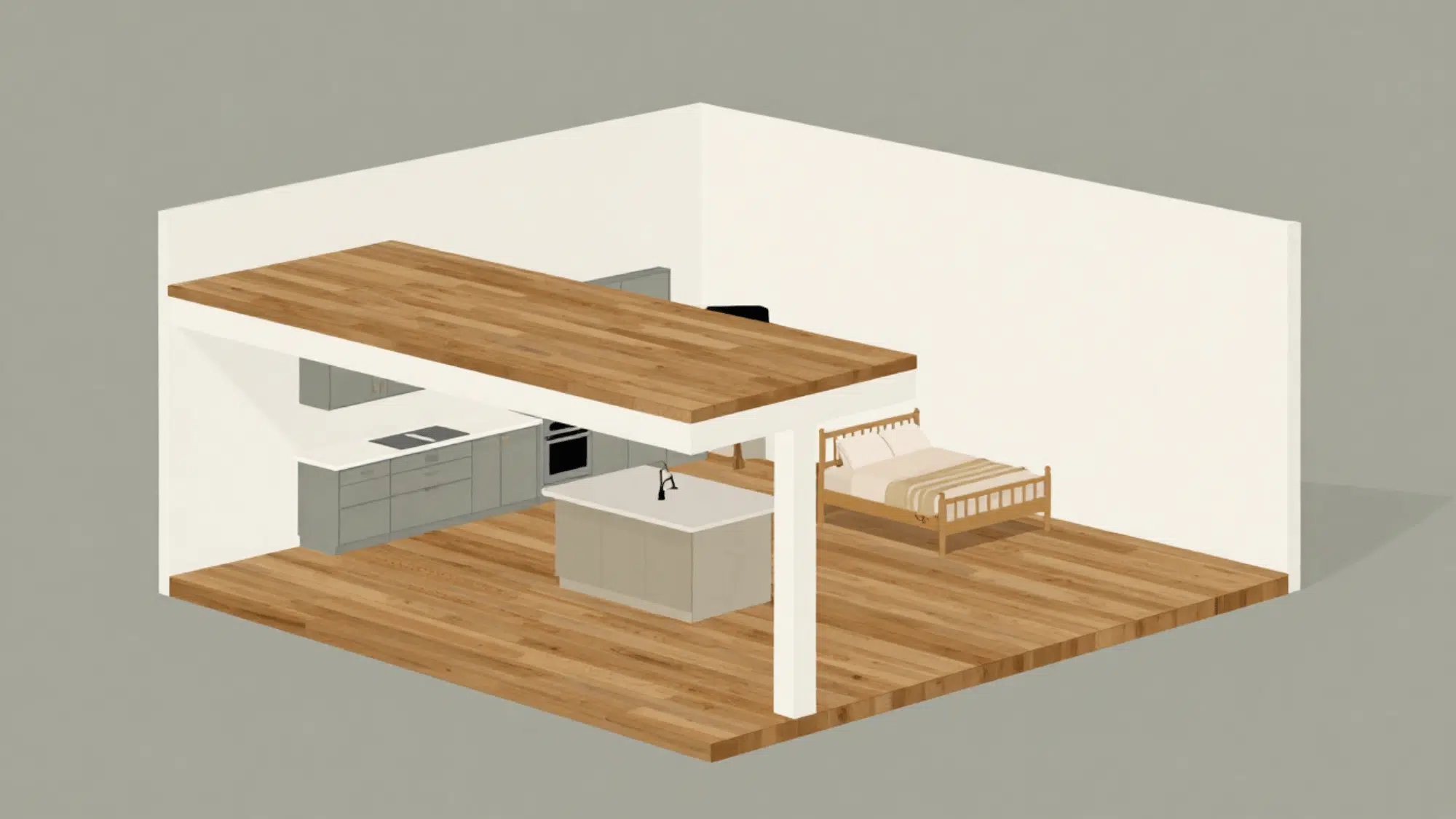
Engineered wood flooring works best in spaces where moisture, temperature changes, and installation conditions make solid hardwood less practical or harder to maintain long-term.
- Standard: You can confidently place it in everyday spaces like your living room and bedroom.
- Basements: You get a real advantage using it in below-grade spots and busy kitchens.
- Concrete: You can install it directly over a slab where moisture completely rules out solid wood.
- Heating: If your house has radiant heating under the floor, these engineered boards pair wonderfully with that warm setup.
Engineered Hardwood vs Other Floors
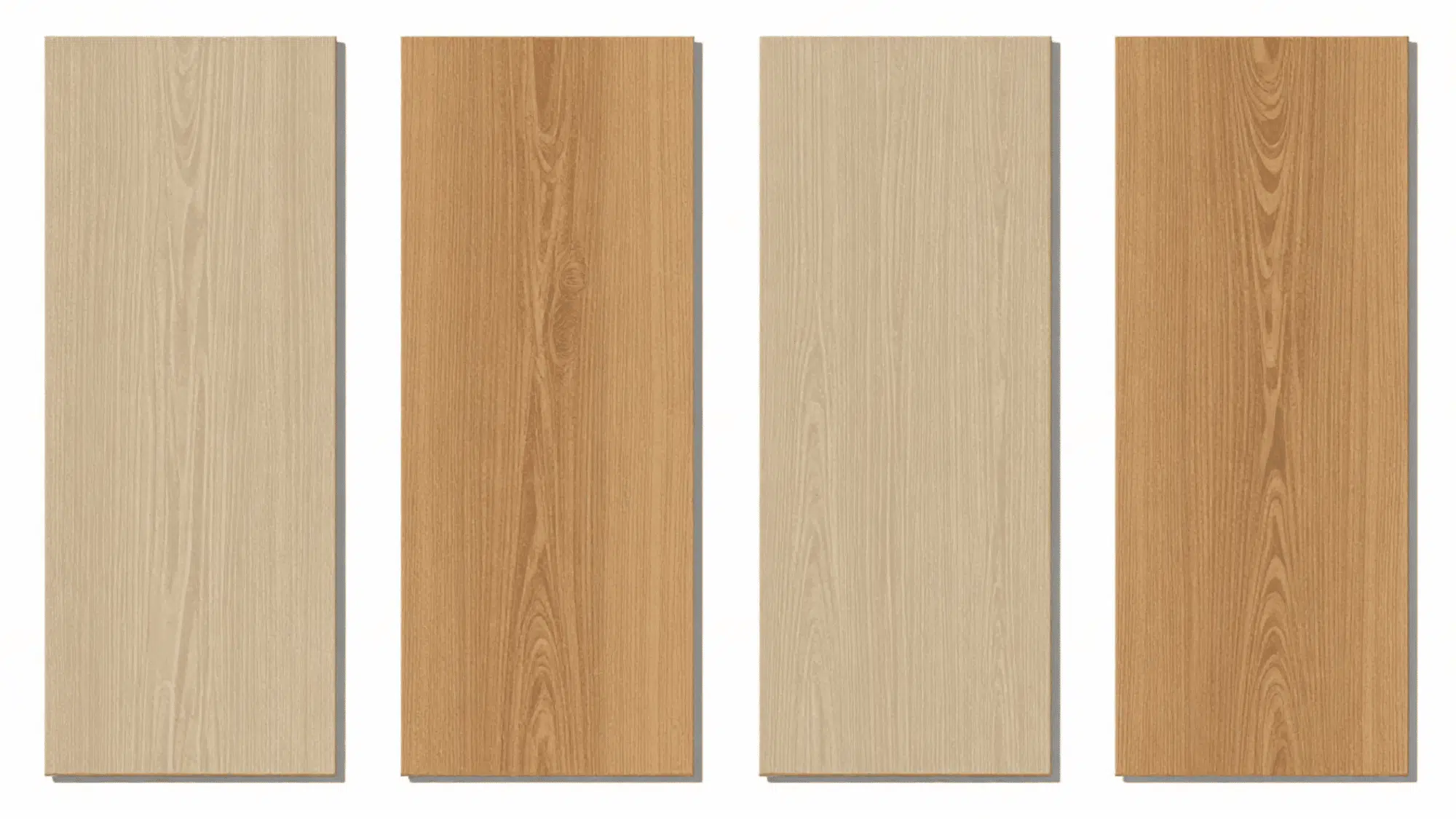
When you walk through a home improvement store, it is very easy to feel confused by all the different flooring choices. You will see rows of boxes that all look like beautiful timber.
But looks can be deceiving. Many products try to mimic the warmth and grain of real trees, but they do not all perform the same way in your home.
It helps to understand exactly what you are getting for your money before you make a final decision. Comparing these boards to other popular options gives you a clear picture of why engineered hardwood stands out from the rest of the pack.
It’s easy to mix engineered wood up with look-alikes, so here’s how it stacks against the usual suspects.
| Flooring Type | Material Build | Water Resistance | Can You Refinish It? | Best Rooms For Installation | Rough Cost Per Sq Ft |
| Engineered Hardwood | Real wood veneer bonded to a plywood core | Moderate (Fights warping better than solid wood) | Yes (1 to 2 times if the top layer is thick) | Living rooms, kitchens, and basements | $4 – $7 |
| Solid Hardwood | 100% natural wood from top to bottom | Low (Prone to swelling and shrinking) | Yes (Multiple times over its lifespan) | Living rooms and bedrooms (Above grade only) | $8+ |
| Luxury Vinyl (LVP/LVT) | Synthetic plastic core with a printed photo layer | High (Most options are fully waterproof) | No (Must replace damaged planks) | Bathrooms, laundry rooms, and basements | $2 – $5 |
| Laminate | High-density fiberboard with a printed photo layer | Low to Moderate (Edges swell if soaked) | No (Must replace damaged planks) | Bedrooms and dry, low-traffic living spaces | $1 – $3 |
How Engineered Hardwood is Made
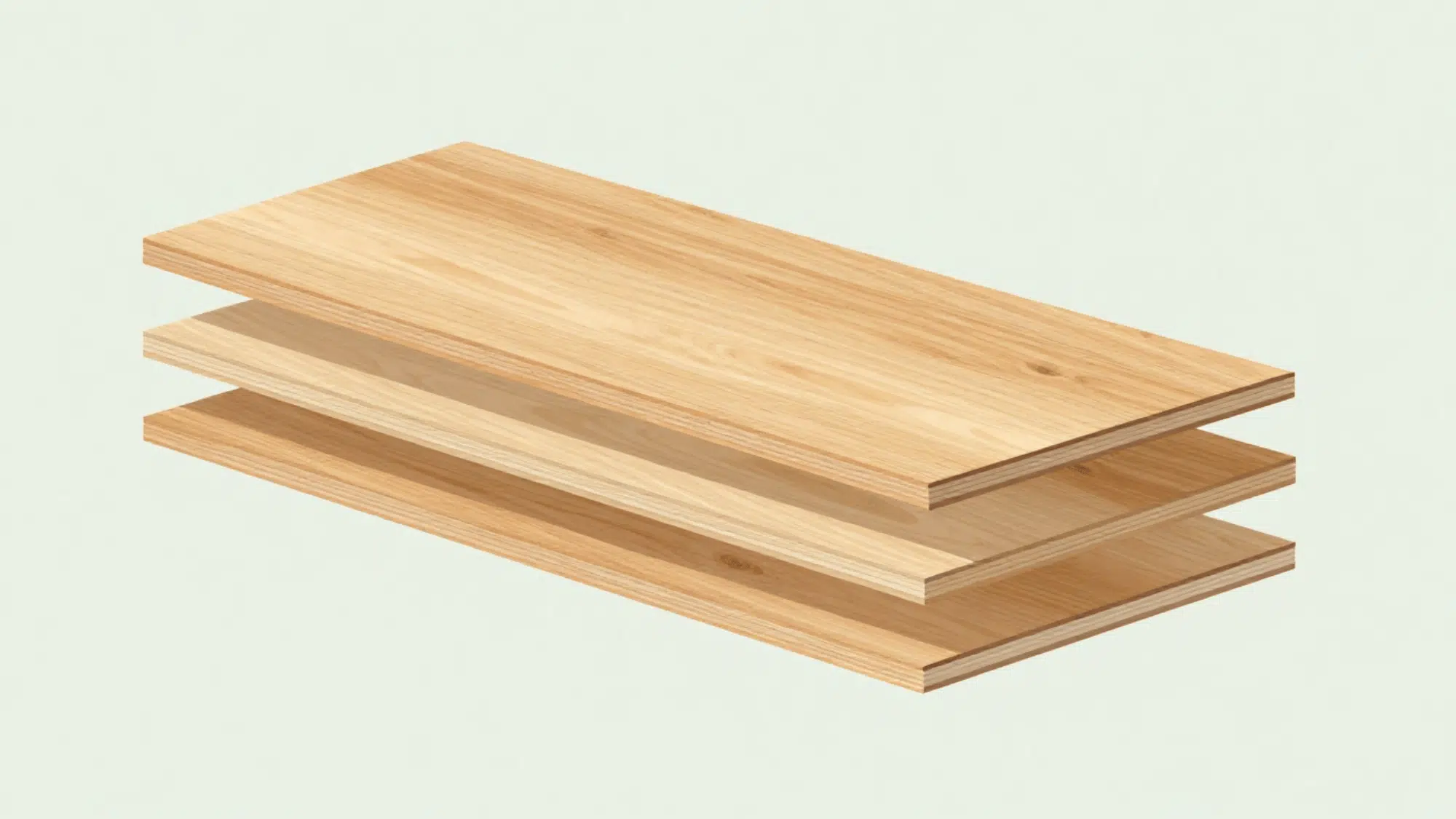
Let us look more closely at how engineered hardwood is made. Manufacturers take thin sheets of wood and press them tightly together with strong adhesives; a layered build is the secret to its strength.
They stack these sheets so the wood grain of each layer points in a different direction. This crisscross pattern is incredibly clever because it stops the board from shifting.
Each plank is really three working parts stacked together, so let me break down what each one does.
1. The Hardwood Wear Layer
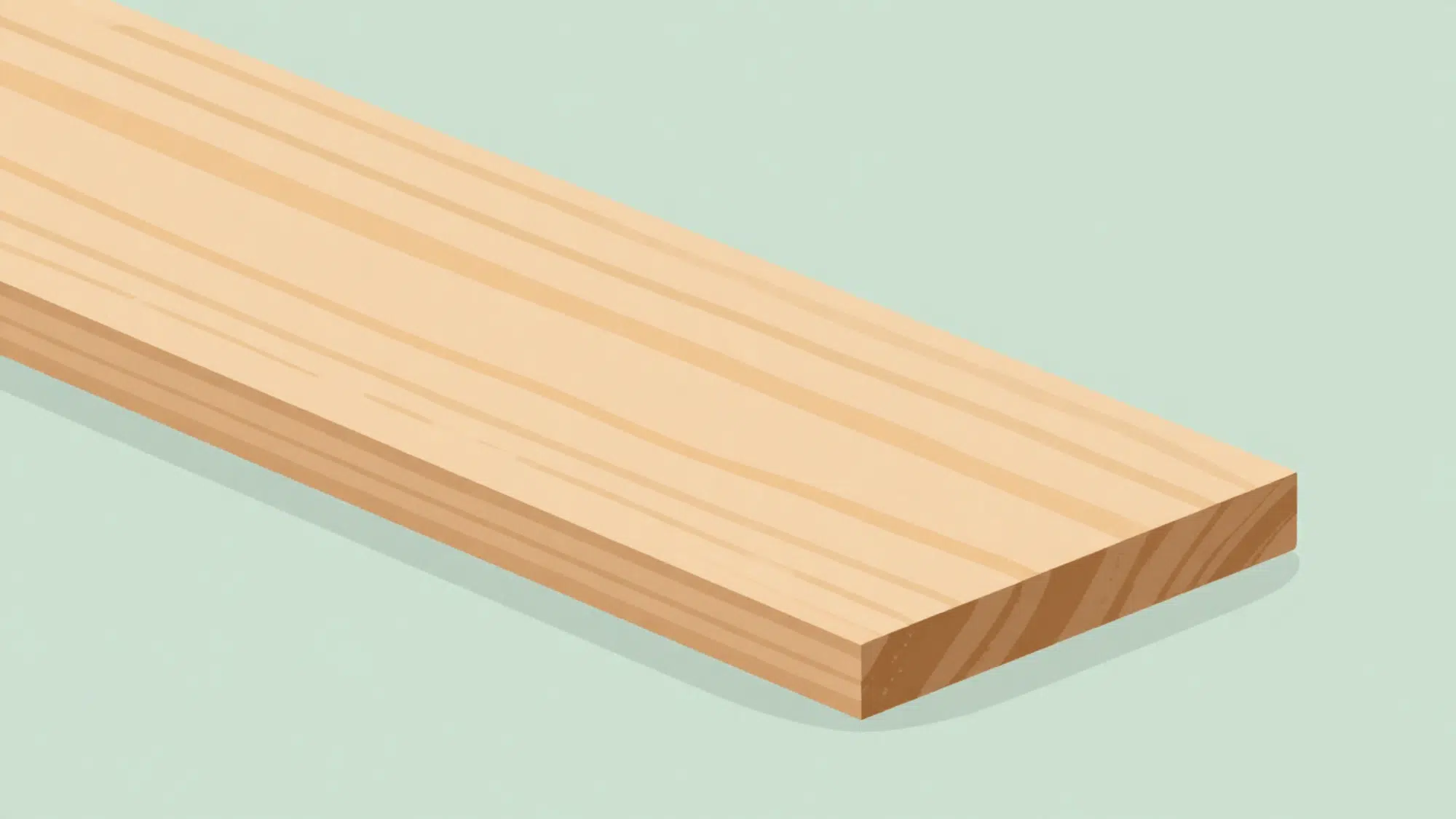
The top part is the wear layer. This is the slice of real hardwood you actually see and walk on. It usually measures between 0.6 millimeters and 6 millimeters thick.
If you buy a plank with a thicker wear layer, usually 3 millimeters or more, you get a big bonus. That thickness allows you to sand and refinish the floor down the road lightly.
2. The Plywood Core Layers
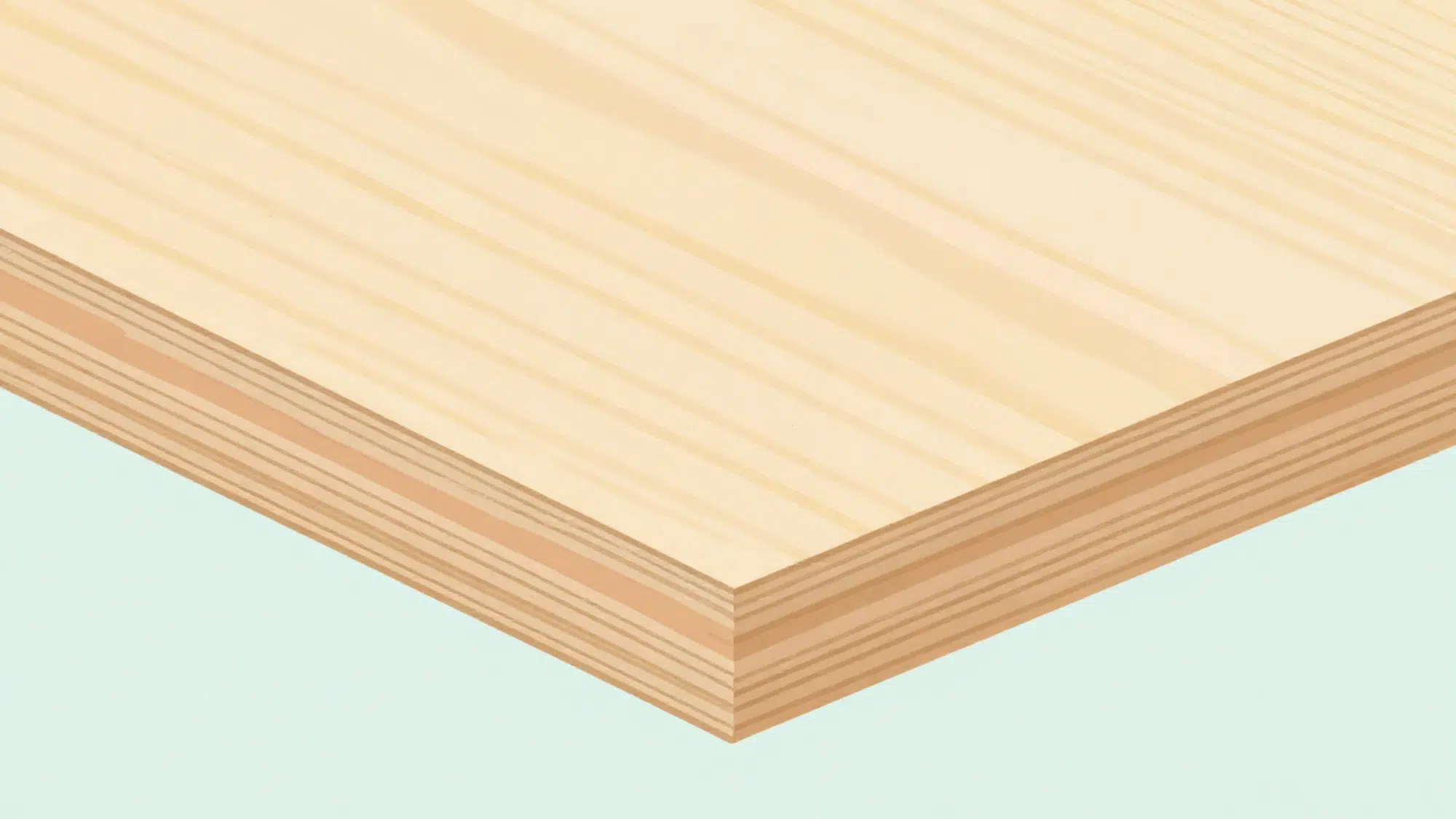
Sitting right below the top is the core layer. This is usually made from cross-grain plywood or high-density fiberboard.
A standard plank uses about seven to nine plies, though it can range from three to more than ten depending on the quality.
As I mentioned earlier, the crisscross stacking method gives the plank its strength and keeps it from warping or twisting.
3. The Backing and Finish
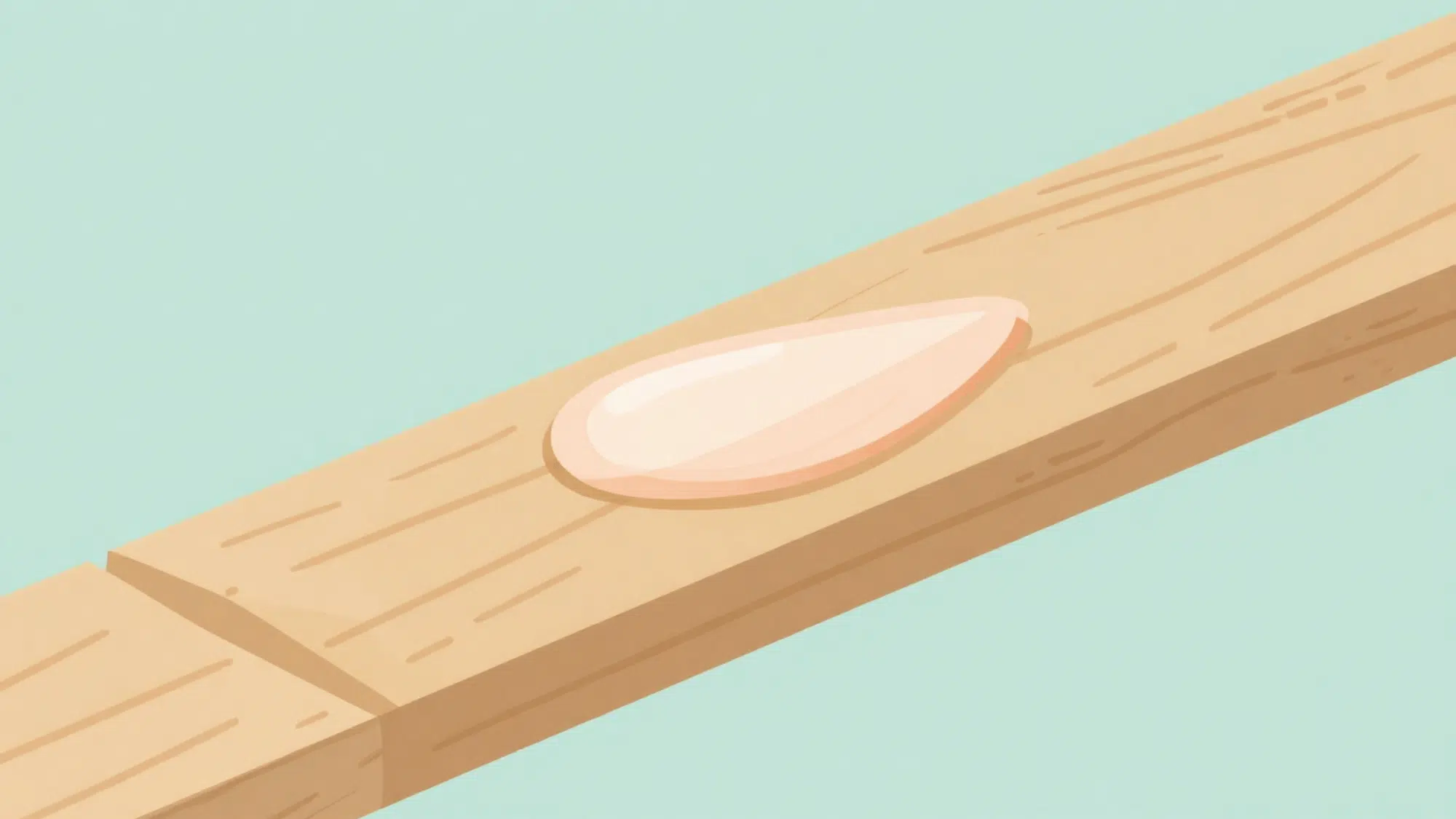
The bottom layer is the backing board. It serves as a stabilizing base that keeps the entire plank straight and steady. On top of everything, you get a factory-applied finish.
This clear coat protects the wood from scratches and everyday stains. Most engineered hardwood flooring comes prefinished from the factory, which saves you a lot of mess and waiting time during installation.
| Layer | What It Is | Typical Thickness | Job It Does |
| Wear Layer | Real hardwood veneer | 0.6 mm – 6 mm | Provides the wood look and handles daily foot traffic |
| Core | Cross-grain plywood or HDF | 3 to 10+ plies | Gives stability and resists warping from moisture |
| Backing | Bottom balancing wood | Varies | Keeps the plank straight and provides a solid foundation |
Reading an Engineered Hardwood Spec Sheet
When you shop for engineered hardwood flooring, the boxes usually have labels full of numbers and technical terms.
Most buyers look at the surface color and ignore the rest, but those specific details tell you exactly how long the floor will actually last in your house.
I always tell people to check the spec sheet before paying. This simple habit turns you from a confused buyer into a highly confident shopper because it shows you the real quality of the planks hidden inside the box.
1. Wear Layer Thickness Numbers: This measurement is the most important number on the box.
- 0.6 Millimeters: Works well for low-traffic rooms, but you can never sand it down.
- 3 to 4 Millimeters: Look for this thickness for a floor that lasts for decades.
- 6 Millimeters: Planks with this heavy top layer are premium products, letting you safely refinish them multiple times just like traditional solid wood.
2. Janka Ratings: This score measures how easily the wood surface dents under heavy pressure.
- 1360 Score: The average rating for a standard wood like white oak.
- 1800+ Score: The higher rating you will see for harder woods like hickory.
3. Warranties: I strongly recommend checking the warranty length to gauge the floor’s overall durability.
- 10-Year Residential Warranty: Typically indicates average quality.
- 50-Year or Light Commercial Warranty: Indicates the brand built a truly tough product.
Bottom Line
Engineered hardwood flooring offers the beauty of real wood with a much smarter design.
By pressing a genuine wood top over a stable, layered core, manufacturers created a floor that stays flat and fights moisture.
You can choose from many wood types and plank sizes to fit your style, and you can comfortably lay these boards in basements and kitchens.
Now you also know how to protect your home by reading spec sheets for wear layer thickness and checking for safe air-quality labels.
You are completely ready to shop with confidence. Which room are you planning to redo first? Leave a comment below or read my next flooring guide to help you decide.
Frequently Asked Questions
Can Engineered Hardwood be Installed Over Tile?
Yes, in many cases. A floating floor can go over flat, sound tile if the surface remains level and you manage any height changes at doorways.
How Long does Engineered Hardwood Usually Last?
Well-maintained planks usually last twenty to thirty years. Premium brands can easily last 50 years if you maintain them properly and choose a thick top veneer.
Does Engineered Hardwood Add Resale Value?
Yes, it generally does. Homebuyers favor real wood floors, so these planks lift your property’s appeal much higher than standard printed laminate or vinyl options.
Can You Use a Steam Mop on Engineered Wood?
No, you should avoid steam mops entirely. The forced heat and moisture will cause the wood to swell and warp. Always use a lightly damp mop instead.
What Humidity Level is Best for these Floors?
You should keep your indoor relative humidity between 35 and 55%. Staying inside this range stops the boards from shrinking, expanding, or forming gaps.

Holding a Master’s in Construction Management from Purdue University, William Ray has dedicated more than two decades to studying and applying construction principles. His professional journey includes a tenure with a prominent construction firm, where he specialized in project management and building technologies. William brought his knowledge to our team, providing in-depth insights into practical construction techniques. As the leader of our beginner’s guide to building since 2019, he has a knack for breaking down intricate processes into easily digestible content. When not involved in writing or onsite consultations, William enjoys woodworking and volunteering in community building projects, which aligns with his passion for hands-on construction and community service.