
Installing a new air conditioning unit can bring comfort to your home, especially during the hot summer months. Whether you are upgrading from an old unit or installing one for the first time, the process is simple and can greatly improve your living space. Just think about the refreshing cool air filling your rooms to get motivated for this project.
The first step is to pick the right air conditioner. You can choose from central air conditioning systems, window units, or portable air conditioners. Your choice depends on the size of the space you want to cool, your budget, and how efficient you want the unit to be.
Make sure to think about the size of your room. Each air conditioner has a specific cooling capacity measured in BTUs (British Thermal Units). It’s important to choose a unit with the right BTU rating. A unit that’s too small won’t cool effectively, while one that’s too large will waste energy and could cause humidity problems.
Let’s learn how to set up a new air conditioner.
Installation Process
After getting your air conditioning unit, it’s time to install it. Proper air conditioner installation is key to making sure your unit works well for a long time. Gather the tools you’ll need: a level, screwdrivers, a drill, and maybe a friend to help.
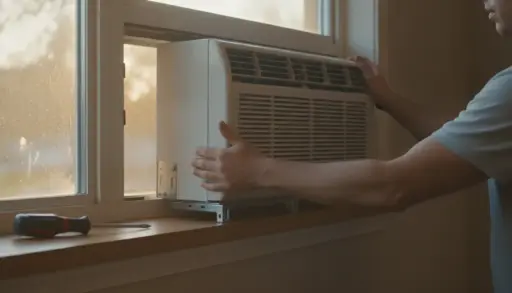
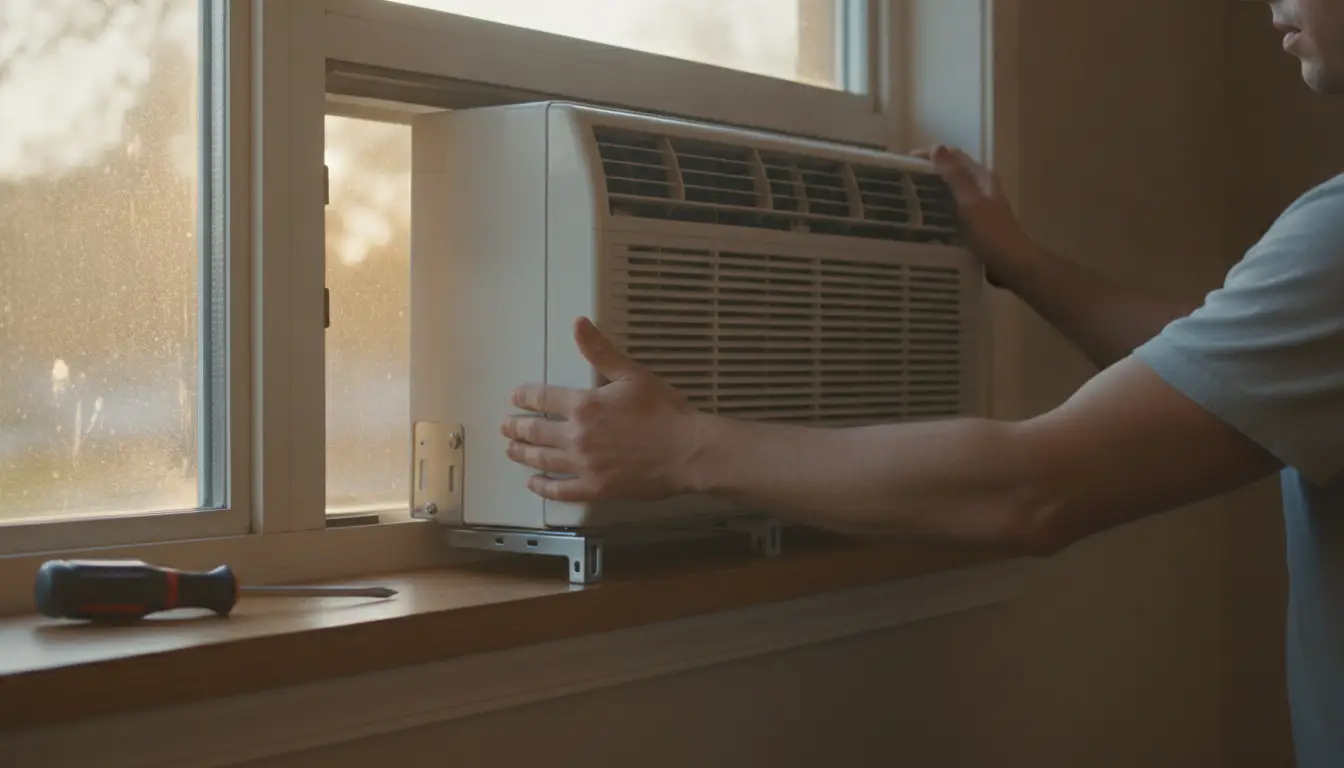
For window units, choose a location that allows for good airflow. Mark where you will install it and secure the mounting brackets. Carefully lift the unit into place, making sure it’s level so water can drain properly. Many units include clear instructions to help you set up easily.
If you are installing a central air conditioning system, hire a qualified HVAC professional. They can place ducts and vents properly, which is important for good air flow. Trusting experts can make the installation easier and help your unit last longer.
Power Supply Connections
Connecting the power supply correctly is very important. Make sure your electrical supply matches your air conditioner’s needs. For window models, plug it into a dedicated outlet. Central systems usually need specific circuit breakers to handle the power. Always double-check these connections for safety.
Next, focus on insulation and sealing. Gaps can reduce efficiency and make your air conditioner work harder. For window units, using weatherstripping or expandable foam can improve insulation. This helps your system work better and saves you money over time.
Repair Basics
Your air conditioner may need repairs at some point. Knowing some basic troubleshooting steps can help you save time and stress. Common issues include low refrigerant levels, clogged filters, or electrical problems.
Regular cleaning and filter changes can prevent major repairs. Most manufacturers recommend changing or cleaning air filters monthly during peak usage to ensure good airflow. This keeps your unit efficient and extends its lifespan.
If problems persist, contact a professional AC repair technician. They can diagnose issues quickly and get your unit working smoothly again. Regular check-ups are a good investment to keep your air conditioner in shape and give you peace of mind.
Energy Efficiency Tips
When you choose and install your air conditioning unit, consider energy efficiency. Air conditioners have a Seasonal Energy Efficiency Ratio (SEER) rating that shows how well they use electricity. A higher SEER rating means better efficiency and lower energy bills. Look for ENERGY STAR-certified units, as they meet strict efficiency standards set by the U.S. Environmental Protection Agency.
In addition to choosing an efficient unit, consider using smart thermostats or programmable timers. These tools let you set schedules for when the air conditioner runs, helping you save energy when you’re not home. Good insulation and shading can also help keep your home cool without wasting energy.
Maintenance Tips
Once your air conditioning unit is installed, regular maintenance is key to keeping it working well. At the start of each cooling season, check your system carefully. Clean or replace the air filters because dirty filters can block airflow and reduce efficiency. Look at the outside unit for debris and clear away leaves and dirt that could block airflow.
Also, check the drainage to make sure the condensate drain line is clear. A clogged drain can cause water damage or mould. For window air conditioners, clean the coils and check seals regularly to avoid air leaks. It’s a good idea to schedule professional maintenance at least once a year. This can help find problems before they become expensive repairs, keeping your air conditioning system running well for a long time.
Final Touches
Once installation is done, take some time to learn how to use your new air conditioner. Most modern units have easy-to-use controls and remote options.
Establish a routine for seasonal maintenance. This should include cleaning the unit, scheduling inspections, and monitoring performance throughout the year.
Cool air is just a click away, making your home more comfortable. Whether you choose to handle things yourself or hire professionals, being informed and prepared is key. Installing a new air conditioner can greatly improve your home’s comfort. A well-installed and properly maintained air conditioner can greatly enhance your indoor environment.

Holding a Master’s in Architecture from the University of Texas at Austin, Emily Rodriguez has dedicated more than two decades to the art and science of building renovation. Starting her journey in historic preservation, she developed a profound respect for blending old with new in building design. Emily became a vital part of our team in 2019, renowned for her insightful and innovative renovation tips. She has been leading our DIY home improvement series since ever since, where she shares her wealth of knowledge in turning outdated spaces into modern havens. When not engaged in writing or consulting, Emily is a passionate advocate for heritage conservation and enjoys exploring vintage architecture, a hobby that complements her professional expertise.