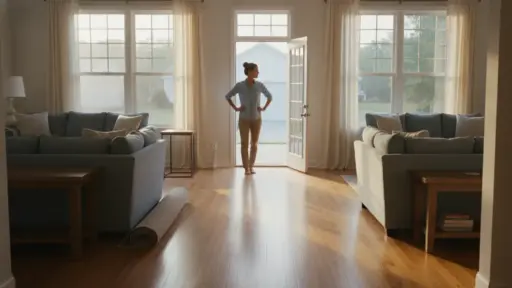
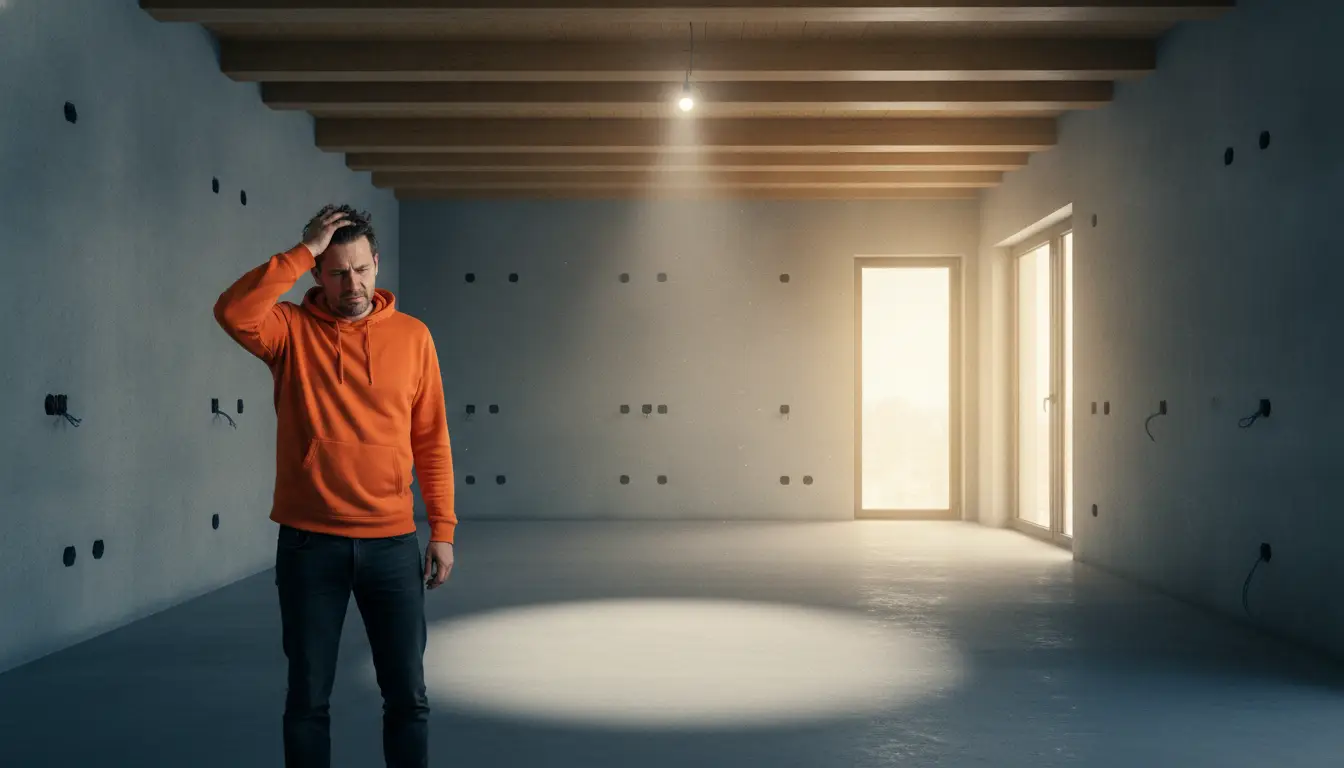

Building a custom home means making hundreds of decisions in a short window, most of them permanent. No surprise, then, that almost everyone walks away with a short list of things they’d do differently. The good news is that the most common regrets aren’t expensive or exotic. They’re small, practical items that simply didn’t make it onto the plan in time. But some can be quite expensive to fix, so you’d better learn them and avoid them.
Here are ten that come up again and again, so you can catch them before the concrete is poured.
Diving in Without a Clear Plan
The biggest regret usually happens before construction starts. A Pinterest board isn’t a plan, and “we’ll figure it out as we go” leads to rushed choices made under decision fatigue. Spend real time defining how you actually live, put your priorities in order, and build in a budget cushion of 10 to 20 percent for the surprises that always come.
Underestimating Storage
Almost everyone assumes they have enough until they move in. Seasonal gear, cleaning supplies, small appliances, and kids’ stuff all need somewhere to go. Plan storage around your real life rather than generic room sizes: deep pantry shelves, closets sized for actual wardrobes, and dedicated garage or attic zones.
Too Few Outlets, in the Wrong Places
Outlets are invisible on a blueprint and impossible to ignore once you live there. Think about where you genuinely plug things in. Where would you put a blander on a kitchen island? Where will you work and rest with your laptop charging at the same time as you play LoL or Bitcoin online slots at Sportbet? Where will your nightstands, closets, and a charging station be, and how would you use your outdoor spaces?
Adding them later means cutting open finished walls.
A Flat Lighting Plan
Lighting shapes how every room feels, yet it’s one of the most overlooked decisions. Leaning on a single overhead fixture leaves rooms shadowed or harsh. Layer ambient, task, and accent lighting, add dimmers, and ask how natural light moves through the house across the day before you finalize where the windows go.
No Mudroom or Drop Zone
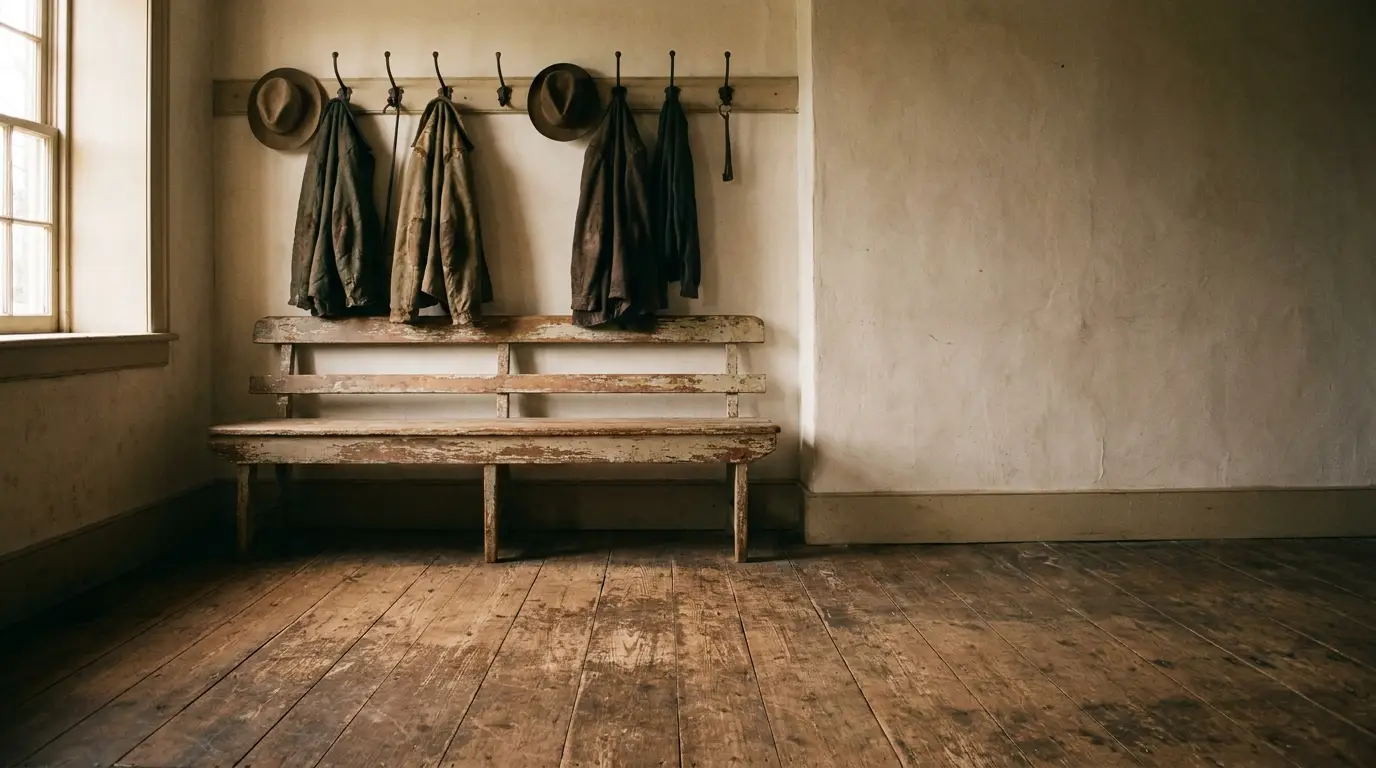
Without a spot near the garage or main entry for shoes, bags, keys, and mail, all of it migrates to your kitchen counters. Even a small bench with cubbies and hooks cuts daily friction and keeps the rest of the house calmer.
Laundry in the Wrong Spot
A laundry room far from where clothes actually live means hauling baskets up and down stairs for years. Most people want it on the same floor as the bedrooms. While you’re at it, plan for a folding counter and a place to hang things to dry.
Ignoring the Lot and the Sun
If you get to choose where the house sits, don’t rush it. Sun direction, prevailing wind, street noise, drainage, slope, and the view all matter once you’re living there. A bedroom that bakes in afternoon glare you didn’t anticipate is hard to undo.
Skimping on What’s Behind the Walls
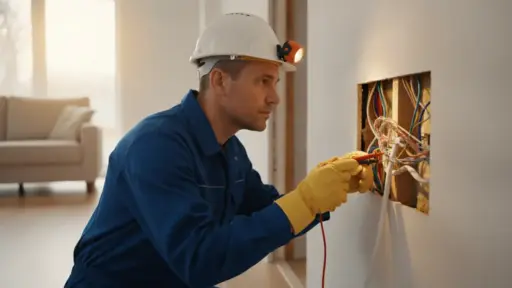
It’s tempting to spend on the finishes you can see and cut corners on insulation, efficient windows, and wiring you can’t. That’s backward. Better insulation, sealing, and correctly sized HVAC pay you back every month, and running extra wiring or conduit now is far cheaper than fishing it through finished walls later.
Chasing Trends and High-Maintenance Finishes
Very of-the-moment choices date a home fast and can dent resale, and some popular picks are simply a chore to live with. Dark floors and busy countertops show every speck, and discontinued materials turn a small repair into a big one. Anchor the house with timeless basics and save trends for easy-to-swap accents like paint and hardware.
Not Building for Your Future Self
Your needs will change, even in a dream home. A primary suite or at least a full bath on the main floor, doorways wide enough for a wheelchair, and flexible rooms that can shift from nursery to office to guest room all cost little to plan now and a fortune to add later.
The Bottom Line
The thread running through all of these is the same: regret usually comes from a function that doesn’t fit real life. Model homes are styled for photos; yours has to hold your actual clutter, your routines, and the people living in it. So walk through an ordinary day in your head, room by room, and choose a builder who runs a thorough pre-construction process and genuinely listens. Almost all of these regrets are avoidable. They just have to make it onto the plan in time.

Holding a Master’s in Architecture from the University of Texas at Austin, Emily Rodriguez has dedicated more than two decades to the art and science of building renovation. Starting her journey in historic preservation, she developed a profound respect for blending old with new in building design. Emily became a vital part of our team in 2019, renowned for her insightful and innovative renovation tips. She has been leading our DIY home improvement series since ever since, where she shares her wealth of knowledge in turning outdated spaces into modern havens. When not engaged in writing or consulting, Emily is a passionate advocate for heritage conservation and enjoys exploring vintage architecture, a hobby that complements her professional expertise.