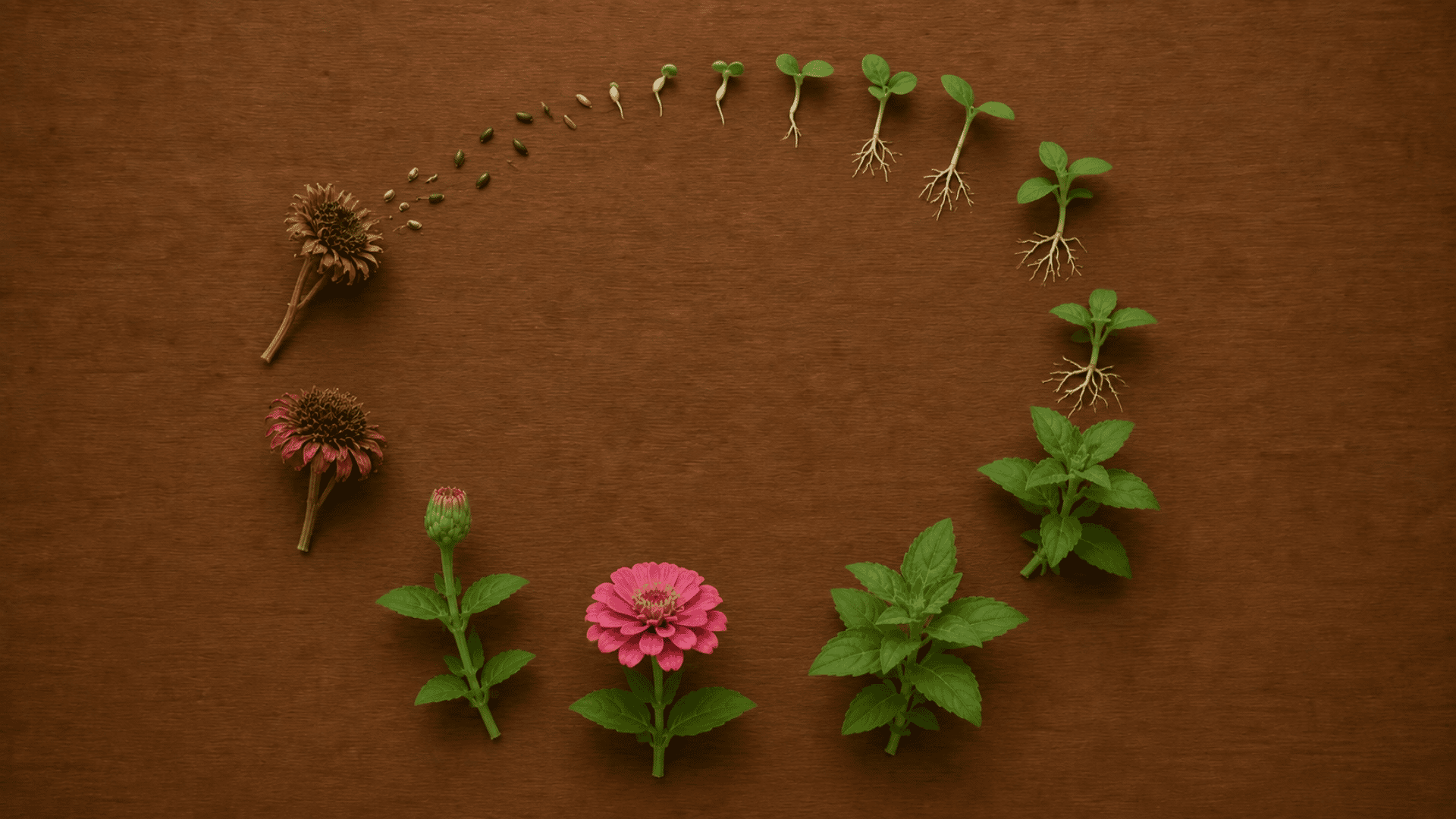

Quick Answer: A plant life cycle is the sequence a plant moves through from seed to germination, growth, flowering, pollination, seed formation, and dispersal, repeating until the plant dies or produces the next generation.
Knowing the plant life cycle helps me time watering, feeding, pollination, harvesting, and seed collection around what each plant needs.
I didn’t really understand the plant life cycle until my first packet of zinnia seeds turned into flowers, then into dry seed heads, in a single summer.
According to Oregon State University Extension, plants are classified as annual, biennial, or perennial based on how long that cycle takes.
My zinnias finished their entire cycle in about 100 days. My rosemary, planted the same spring, is still going strong.
Once I understood the stages, I stopped guessing why some plants died on schedule, and others just didn’t.
What is a Plant Life Cycle in Gardening?
A plant life cycle in gardening is the full path a plant takes from seed to sprout to mature plant to seed production again.
It covers every stage in between: germination, growth, reproduction, and dispersal.
I think of it less like a straight line and more like a loop that starts and ends in the same place. Every packet of seeds I plant is really just picking up the loop mid-cycle.
The cycle only counts as complete once the plant produces viable seeds of its own, not just when it flowers. Understanding this process helps gardeners provide the right care at each stage of growth.
The Stages of a Plant Life Cycle to Watch Every Season
Every plant moves through five main stages, beginning as a seed and ending with the dispersal of new seeds.
You should watch for these stages throughout the growing season because each one requires different conditions, care, and attention.
The five stages are:
- Seed
- Germination
- Growth
- Reproduction
- Seed dispersal
1. Seed
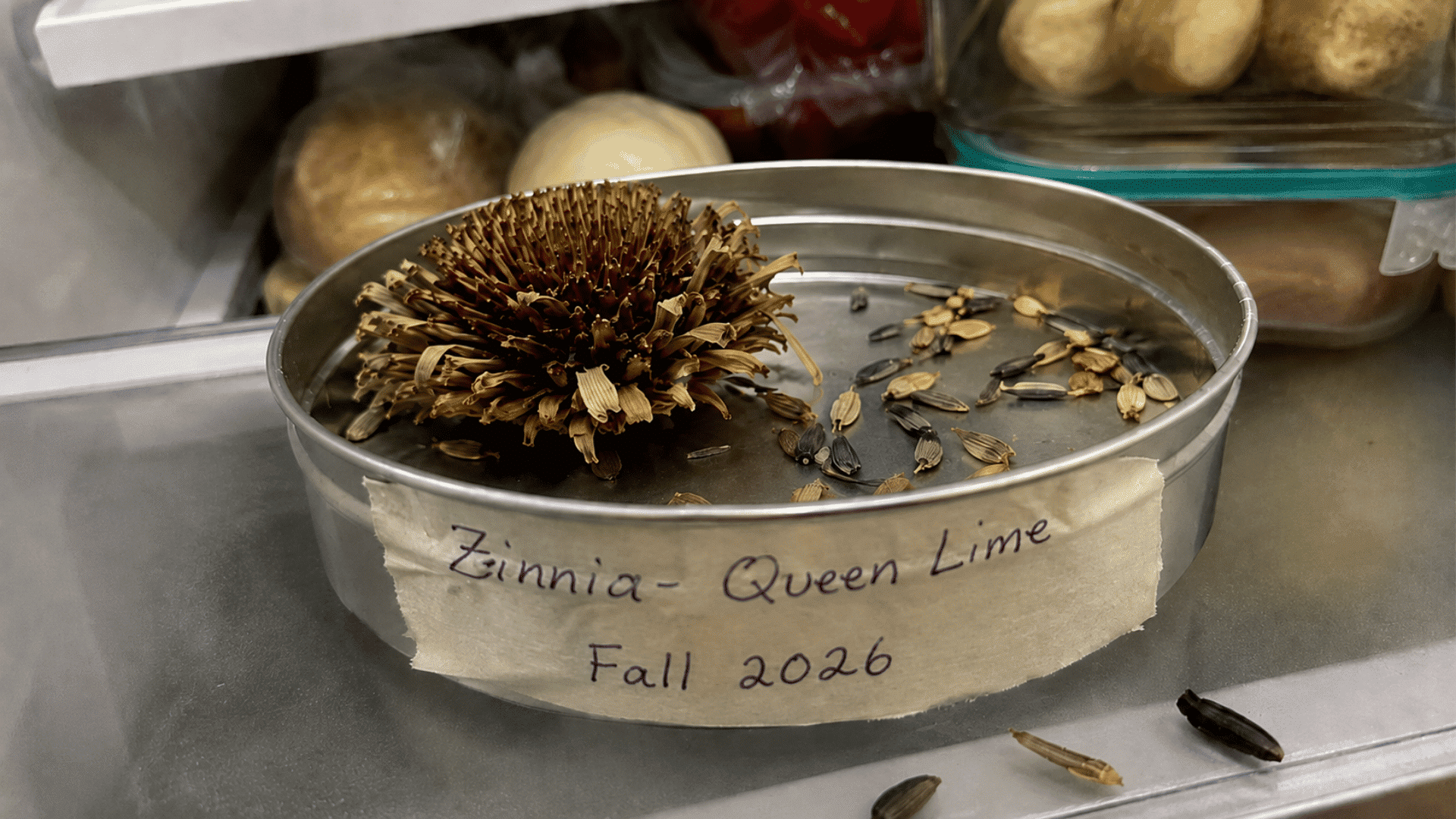
A seed holds a developing plant, stored food, and a protective outer coat. It can remain dormant until moisture, temperature, and light conditions support growth.
You can store leftover seeds in a labeled tin in the refrigerator each fall. Keeping them cool, dry, and protected from humidity helps preserve their viability.
Fun Fact: Some seeds remain dormant in soil for decades before heat, rain, or changing light conditions trigger germination.
2. Germination
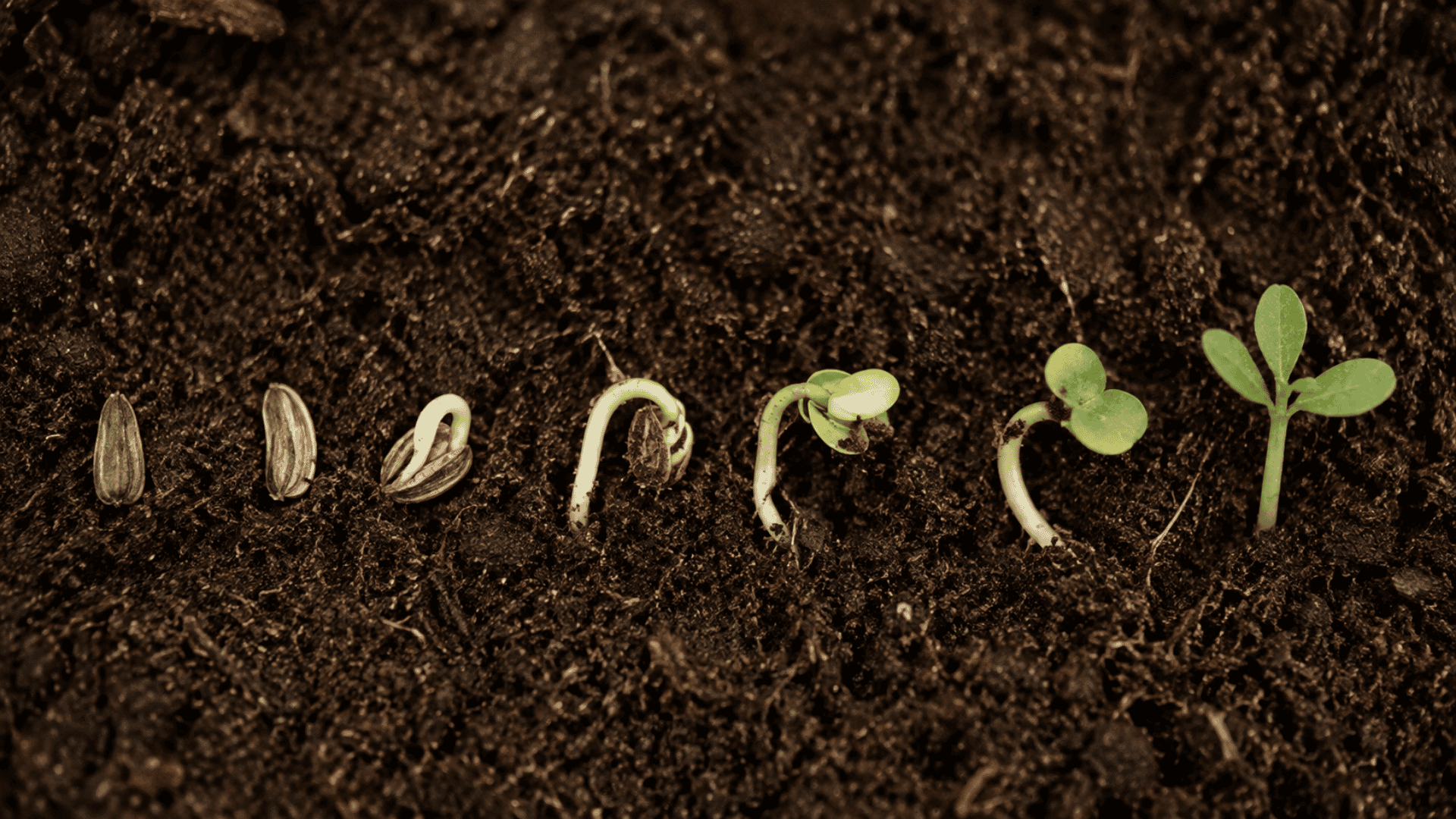
Germination begins when a seed absorbs water, swells, and breaks through its outer coat. The first root grows downward while the shoot pushes upward toward the light.
During this stage, evenly moist soil matters more than frequent watering. Saturated soil can limit oxygen and cause the seed to rot before it emerges.
Watching a bean seed open on a wet paper towel helped me understand why planting depth and temperature vary between species.
3. Growth
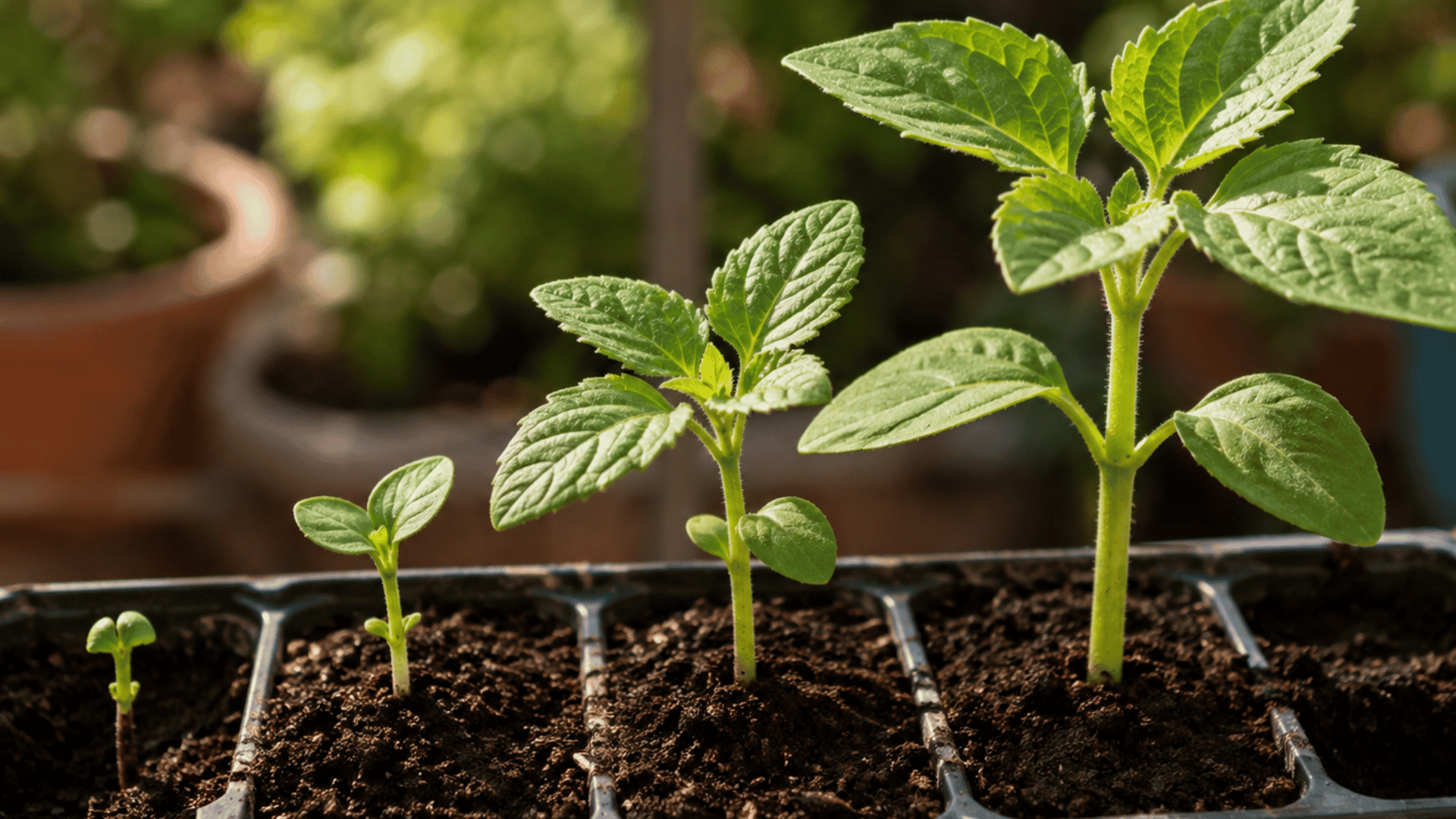
During the growth stage, the seedling develops true leaves, stronger roots, and a thicker stem. It also begins producing more of its own energy through photosynthesis.
Light exposure, spacing, water, and nutrients all influence how quickly the plant matures. Weak stems or pale leaves can signal poor light or nutrient problems.
Takeaway: This is when overwatering, underfeeding, crowding, and moving seedlings outdoors too early cause the most damage.
4. Reproduction: Flowering and Pollination
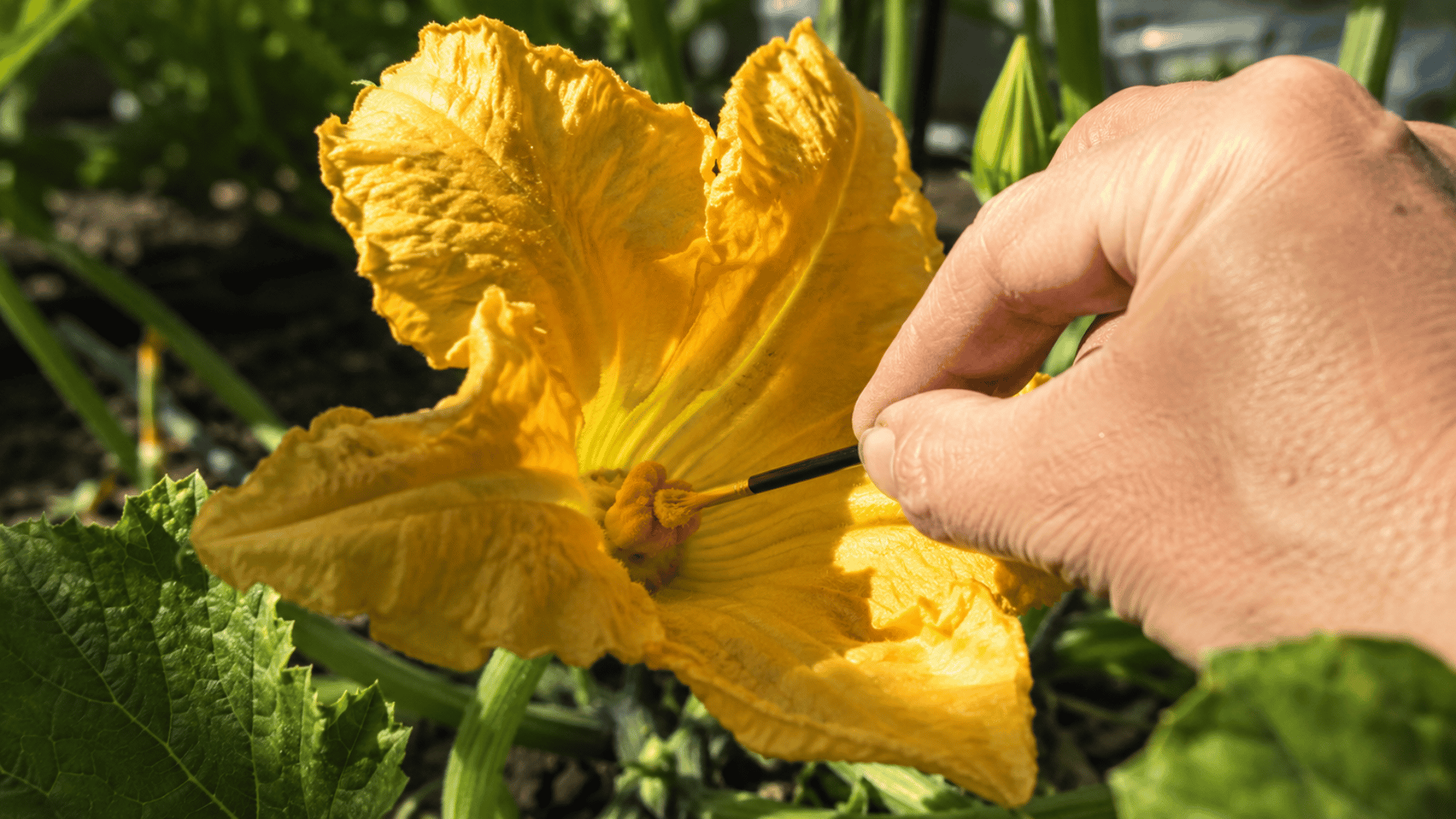
Reproduction begins when a mature plant produces flowers. Pollination allows pollen to reach the flower’s female parts so fertilization, fruit development, and seed formation can begin.
Weather can strongly affect this stage. Heavy rain, high heat, or limited pollinator activity may reduce fruit set even when the plant flowers well.
I hand-pollinate squash when bee traffic is low. Peas and some tomatoes can self-pollinate with little outside help.
5. Seed Dispersal
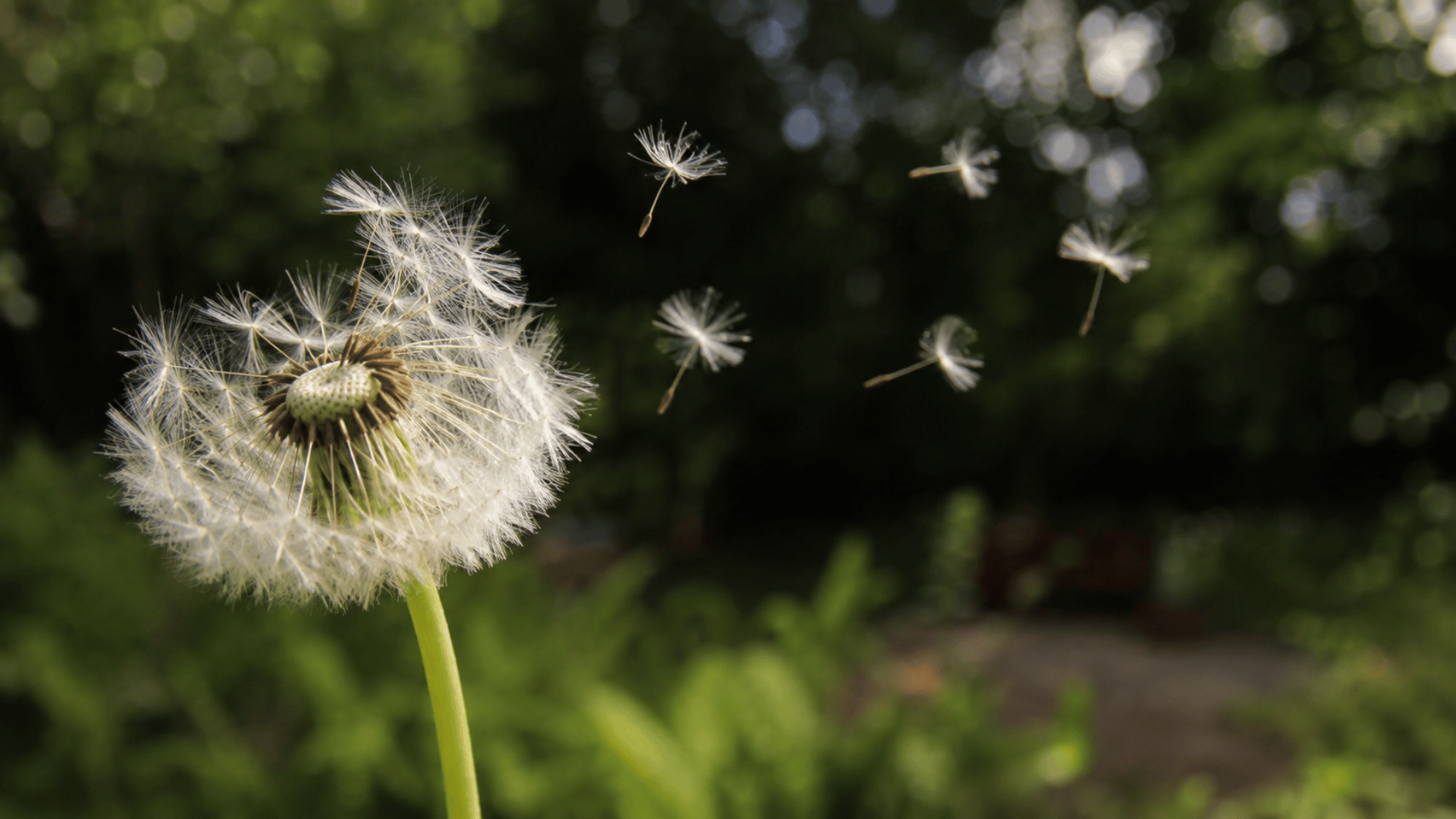
Seed dispersal is the stage when mature seeds move away from the parent plant. This reduces competition for sunlight, moisture, nutrients, and growing space.
Different plants use different dispersal methods:
- Wind: Dandelion fluff, maple seeds, and orchid seeds
- Animals: Berries and fruit carried or eaten by wildlife
- Water: Floating seeds such as coconuts
- Gravity: Fruits and seeds that drop beneath the plant
- Mechanical force: Pods that split open and scatter seeds
Once a seed reaches suitable ground, the cycle can begin again.
Annual vs. Biennial vs. Perennial Plant Life Cycles: What I Grow and Why?
The main difference between annual, biennial, and perennial plants is how many growing seasons their life cycle takes to complete. Annuals finish in one season, biennials take two, and perennials return for many years.
| Type | Life Cycle Length | Example | What Happens |
| Annual | One growing season | Zinnia, basil | Grows, flowers, seeds, dies in the same year |
| Biennial | Two growing seasons | Carrot, foxglove | Grows leaves year one, flowers and seeds year two |
| Perennial | Multiple years | Rosemary, hosta | Dies back or slows down, then regrows and reproduces repeatedly |
I plant a mix of all three on purpose now. Annuals fill in color fast, and perennials are the plants I never have to replace.
How Long does a Plant Life Cycle Take?
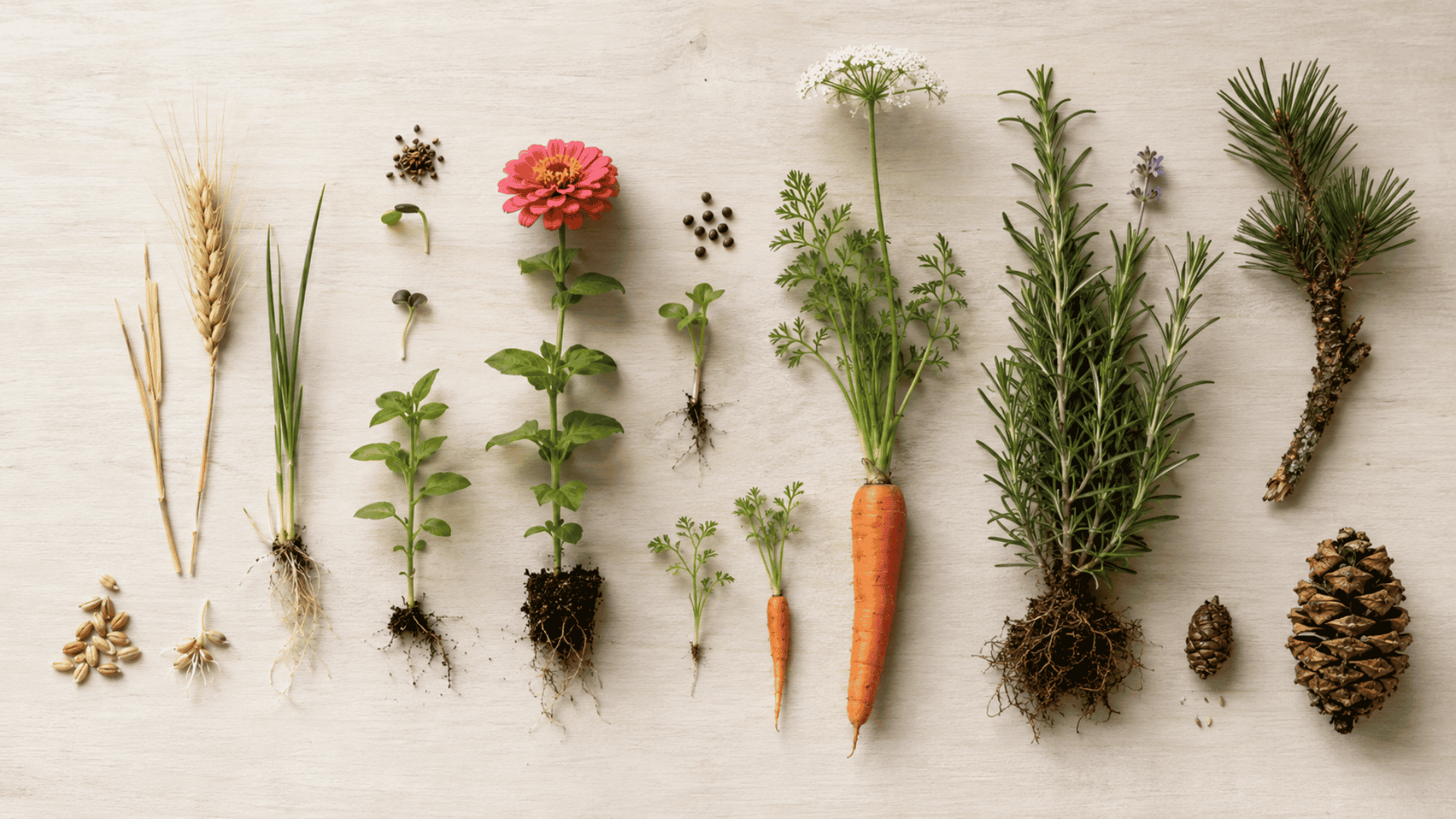
A plant life cycle may last a few months or continue for thousands of years. The timeline depends on whether the plant is an annual, biennial, or perennial.
The examples below show how widely the timelines can differ between species:
- Wheat: An annual that may complete germination, growth, flowering, and seed production in about 90 days.
- Zinnia: An annual that usually reaches seed production within 60 to 100 days.
- Carrot: A biennial that often needs up to 24 months to complete its full cycle.
- Rosemary: A woody perennial that can grow, flower, and reproduce for several decades.
- Bristlecone pine: A woody perennial that can survive for thousands of years and produce seeds repeatedly.
These examples show why plant life cycles cannot be measured by one fixed timeline.
Fun Fact: According to the U.S. Department of Agriculture , a bristlecone pine named Methuselah, located in California’s Inyo National Forest, is over 4,789 years old, making it one of the oldest known living organisms on Earth.
How to Track Plant Life Cycle Stages in a Garden Journal?
Tracking each stage helps you understand what a plant needs and makes it easier to predict flowering, harvesting, dormancy, and possible problems.
Use a garden journal to record when each plant enters a new stage. Keep the notes simple so you can update them throughout the season.
- Record the sowing date: Write down when you plant each seed or transplant.
- Note the first sprout: Track the date when the seedling appears above the soil.
- Watch for true leaves: Record when the first mature leaves develop.
- Mark the first flower: This helps estimate pollination and harvest timing.
- Track fruit or seed development: Note when fruits, pods, or seed heads begin forming.
- Add care details: Include watering, feeding, weather, and pest activity.
- Take regular photos: Photograph the plant every one or two weeks to compare growth.
- Record dormancy: For perennials, note when growth stops and returns.
Dates, photos, and short observations make each stage easier to identify and manage.
You can use the downloadable journal template to track each stage, care detail, and observation. |
Common Plant Life Cycle Mistakes I’ve Made in My Own Garden
Annuals, biennials, and perennials develop differently, which can lead to removing healthy plants or expecting flowers too soon.
I once pulled out a foxglove after its first year because I thought it had failed. Later I learned that biennials usually flower during their second season. Now, I label them as soon as I plant them.
| Common Mistake | What Can Happen | What to Do Instead |
| Pulling biennials during the first year | The plant is removed before its second-year bloom | Label biennials with the planting year |
| Assuming dormant perennials are dead | Healthy plants may be removed during winter | Check the expected dormancy period before digging |
| Harvesting seeds too early | Immature seeds may not germinate | Wait until seed heads or pods are dry |
| Ignoring pollination needs | Flowers may not develop into fruit | Encourage pollinators or hand-pollinate when needed |
Bottom Line
Understanding the plant life cycle changes how a garden is planned and cared for.
Once you know whether a plant is an annual, biennial, or perennial, it becomes easier to time watering, feeding, flowering, and harvesting around its natural development.
The five stages, seed, germination, growth, reproduction, and dispersal, follow the same basic pattern across very different species. That pattern applies even if you are growing zinnias or looking at a 4,000-year-old bristlecone pine.
Plants can still fail, but understanding their current stage makes it easier to identify the cause. Before removing a plant that appears stuck or inactive, check where it is in its life cycle and what it needs next.
Which plant life cycle stage has been the hardest to manage in your garden? Share your experience in the comments.
Frequently Asked Questions
What Are the 5 Stages of a Plant Life Cycle?
The five stages are seed, germination, growth, reproduction, and seed dispersal. Dispersal allows the cycle to begin again.
How Long Does a Plant Life Cycle Take?
A plant life cycle may last about 90 days for some annuals or thousands of years for long-lived perennials.
What Is the Difference Between Annual and Perennial Life Cycles?
Annuals complete their life cycle in one season. Perennials live for several years and can flower and produce seeds repeatedly.
Do All Plants Need Pollinators to Complete Their Life Cycle?
No. Some plants, including peas and tomatoes, can self-pollinate. Others rely on wind, insects, birds, or gardeners.
Why Do Biennial Plants Take Two Years to Flower?
Biennials spend their first year developing roots and leaves. After overwintering, they flower and produce seeds during the second year.
Jordan Mathews, who has a degree in horticulture from Texas A&M University, has been a guiding force in plant health and sustainable gardening for over 16 years. His career began with a role at a renowned botanical garden, where he deepened his understanding of plant physiology and eco-friendly cultivation methods. Jordan joined our website as a freelancer in 2020, becoming a go-to expert for readers seeking advice on nurturing diverse plant species apart from offering insights grounded in scientific knowledge and practical experience. Beyond his professional achievements, Jordan is a keen nature photographer, capturing the beauty of flora in its immensely diversified forms.