

If you were born in September, you can claim two birth flowers instead of one. The main September birth flower is the aster, while the morning glory is commonly listed as the secondary bloom.
Together, they represent love, wisdom, patience, and fresh beginnings. These flowers are popular choices for birthday gifts, seasonal bouquets, and home gardens.
From this blog, you will easily identify what asters and morning glories look like, what their colors mean, and which personality traits are linked to them.
I will also share the best plant care tips and interesting facts about both flowers. Keep reading to understand their history, symbolism, and care so you can choose the right September flower for your garden.
What Is the September Birth Flower?
September has two birth flowers: the aster and the morning glory. The aster is commonly treated as the main flower, while the morning glory is listed as the alternative.
Asters have daisy-shaped blooms with bright yellow centers and petals in purple, pink, blue, and white.
Morning glories grow as climbing vines with trumpet-shaped flowers that open in the morning. Both flowers suit September because they bloom near the shift from summer into fall.
The aster is linked with love, patience, wisdom, and loyalty, while the morning glory represents affection, hope, renewal, and fresh beginnings.
Together, they give September birthdays two beautiful flowers with different appearances and meaningful messages.
Why September has Two Birth Flowers
September has two birth flowers because different traditions linked more than one bloom with the month.
The aster is usually treated as the main flower, while the morning glory is listed as the alternative. Asters bring daisy-shaped blooms, and morning glories grow as climbing vines with trumpet-shaped flowers.
Since September falls between summer and autumn, both flowers suit the season and remain meaningful choices for September birthdays.
This table comes from common birth flower traditions rather than an official botanical rule.
| Point | Aster as Primary Flower | Morning Glory as Alternative Flower |
|---|---|---|
| Common Listing | Usually named first for September | Commonly listed as the second flower |
| Seasonal Link | Blooms strongly during late summer and early fall | Blooms through summer and into early fall |
| Traditional Meaning | Represents love, wisdom, faith, and patience | Represents affection, renewal, hope, and fresh starts |
| Gift Use | Easy to use in bouquets and birthday arrangements | Better known as a garden vine than a cut flower |
| Main Reason | Its September bloom time and repeated first placement made it the primary choice. | It became the accepted second option in modern birth flower lists |
Aster Birth Flower Overview
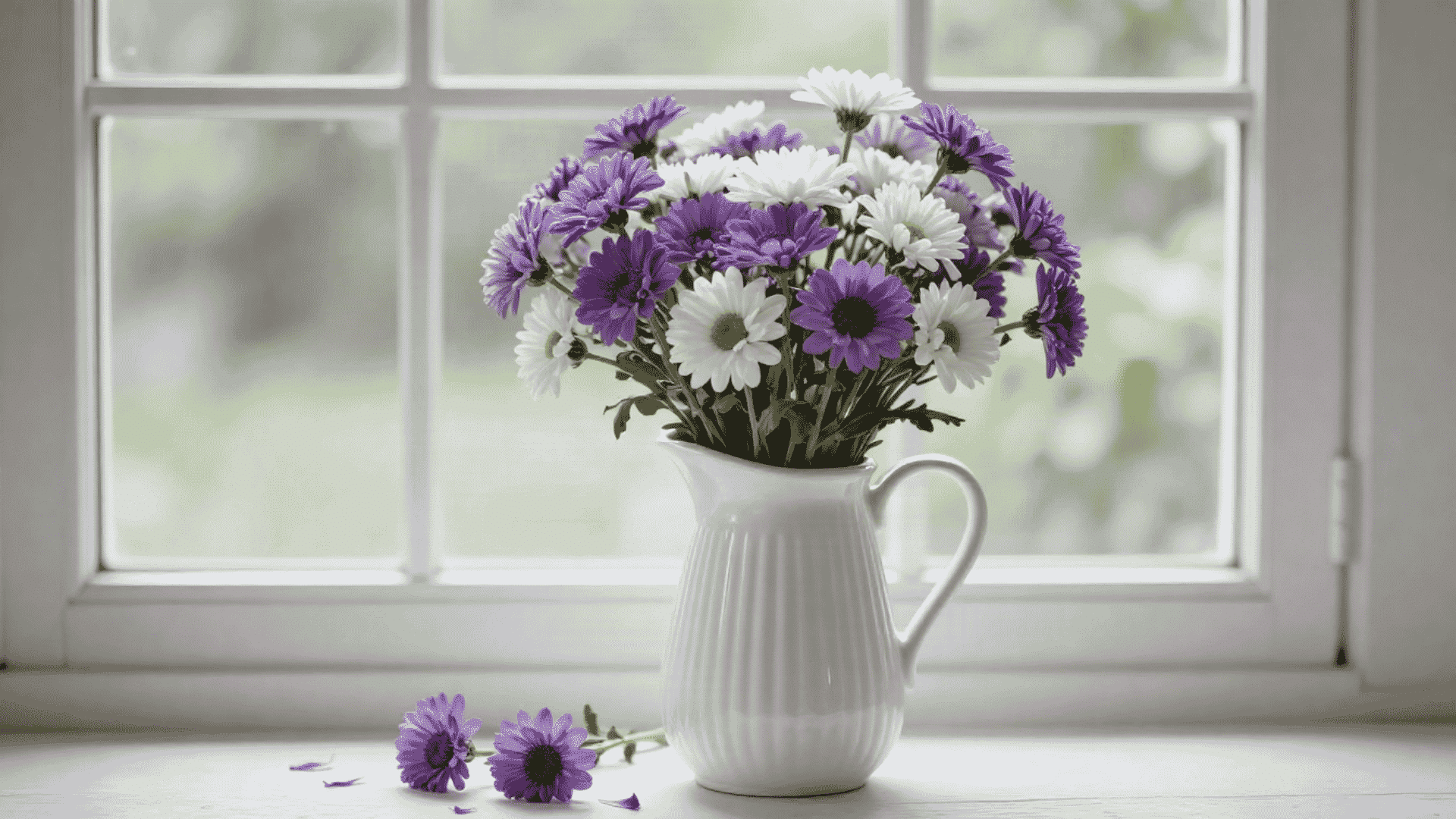
The aster birth flower gets its name from the Greek word for “star,” inspired by its pointed petals and bright center.
Belonging to the Asteraceae family, asters are low-maintenance perennials that return year after year.
Their wide variety of shapes and colors makes them a favorite for gardens and patios. I once gifted an aster to my dear friend as a symbol of our lifelong friendship.
Characteristics of the Aster Birth Flower
The points below combine the aster’s appearance, growth needs, blooming season, and common uses.
- Flower Shape: Star-shaped daisy-like blooms with slim petals around a bright yellow center
- Common Colors: Purple, pink, blue, white, and red
- Plant Form: Upright leafy stems that often produce full flower clusters
- Blooming Season: Late summer through fall
- Growing Needs: Full sun and well-drained soil
- Overall Look: Soft colorful blooms that suit gardens and floral arrangements
- Common Uses: Garden borders, bouquets, and pollinator-friendly planting areas
Meaning and Symbolism of the Aster Birth Flower
The aster birth flower carries a calm, graceful, and comforting feeling. It represents love, patience, faith, loyalty, and emotional strength, making it especially meaningful for September birthdays.
Its star-shaped petals suggest hope during difficult times, while purple asters express wisdom and royalty, pink blooms show gentle affection, and white asters reflect purity.
Overall, the flower stands for lasting bonds, thoughtful care, kindness, and deep connections between loved ones and close friends.
Morning Glory Birth Flower Overview
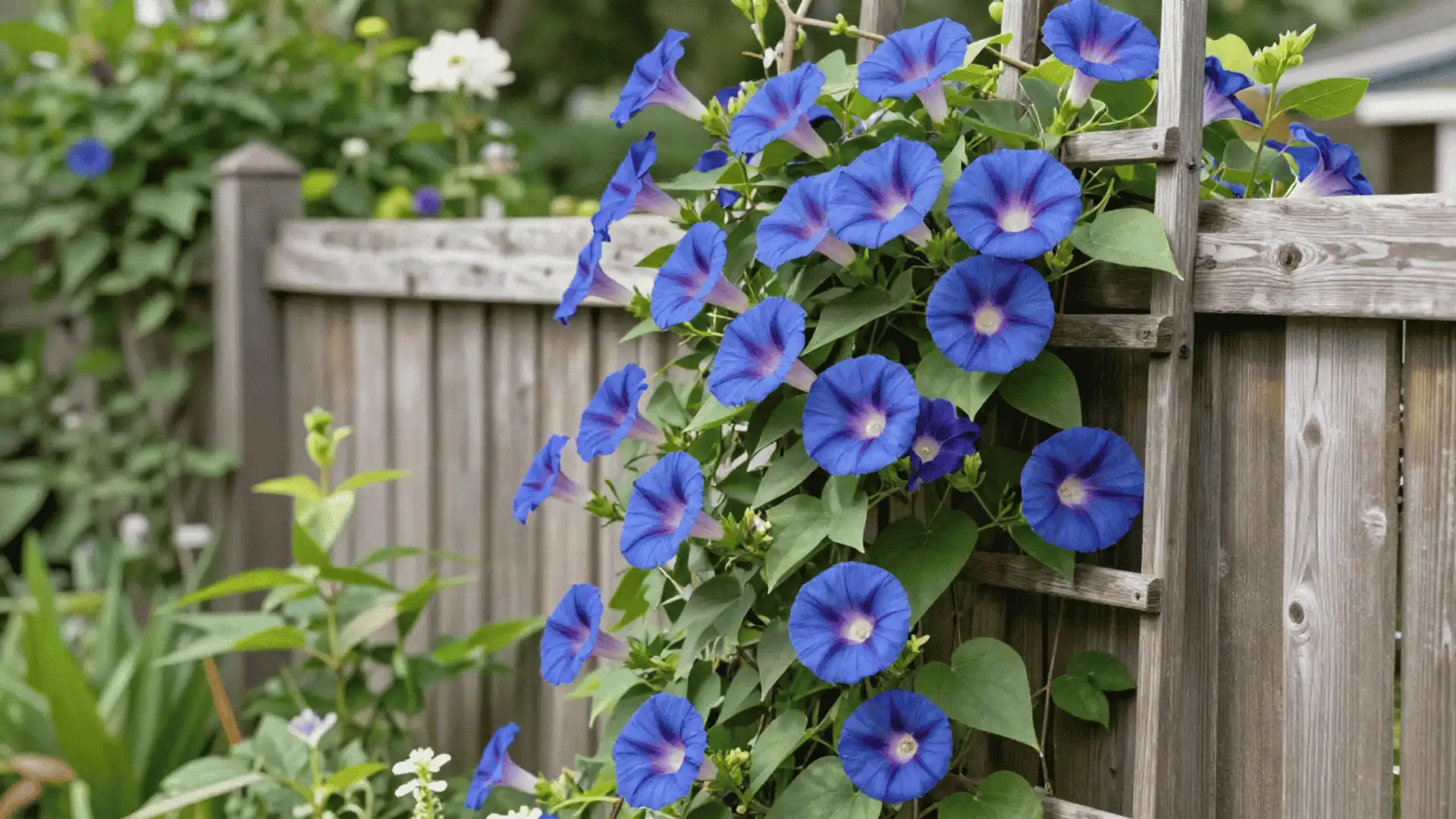
The morning glory birth flower belongs to the Convolvulaceae family and is usually grown as an annual.
Its trumpet-shaped flowers can reach 2–4 inches wide, while the vine often grows 6–10 feet in a single season.
Thanks to its rapid growth, morning glory is a popular choice for covering fences, trellises, walls, and hanging baskets.
Characteristics of the Morning Glory Birth Flower
The points below combine the plant’s appearance, growth pattern, and blooming habits.
- Colors: Commonly found in blue, purple, pink, white, and red shades.
- Bloom Shape: Trumpet-shaped flowers that open in the morning and close later in the day.
- Growth Habit: Fast-growing climbing vines that thrive on trellises, fences, and walls.
- Blooming Season: Typically blooms from summer through early fall.
- Symbolism: Represents love, new beginnings, and resilience.
- Sunlight Needs: Prefers full sun and well-drained soil.
- Pollinator Friendly: Attracts butterflies, bees, and hummingbirds.
- Unique Trait: Individual flowers last only one day, but the plant produces new blooms continuously.
Meaning and Symbolism of the Morning Glory Birth Flower
The morning glory birth flower carries a fresh, peaceful, and hopeful feeling. It represents affection, renewal, hope, and appreciation for each new day.
Its morning blooms are often tied to fresh starts, positive change, and personal growth. Blue flowers suggest trust and calm, while purple blooms reflect admiration and deep emotion.
Overall, morning glory stands for loyal affection, resilience, and meaningful relationships while gently reminding people to value the present moment.
Plant Care Tips for Asters and Morning Glory
The table below compares the key care needs of both September birth flowers. I have followed these tips for years to help my asters and morning glories thrive and produce beautiful blooms.
| Care Area | Asters | Morning Glory |
|---|---|---|
| Planting Location | Choose full sun or light afternoon shade | Plant in a sunny area near a fence or trellis |
| Soil | Use loose, well-drained soil that does not remain soggy | Use well-drained soil and prevent water from collecting near the roots |
| Spacing and Support | Leave one to three feet between plants for airflow | Provide firm support so the climbing vines can grow freely |
| Watering | Water often during early growth, then reduce after roots become established. | Keep the soil evenly moist throughout active growth |
| Maintenance | Remove faded flowers and add mulch to retain moisture | Pinch young growth and remove seed pods to limit unwanted spreading |
September Birth Flower Colors and their Meaning
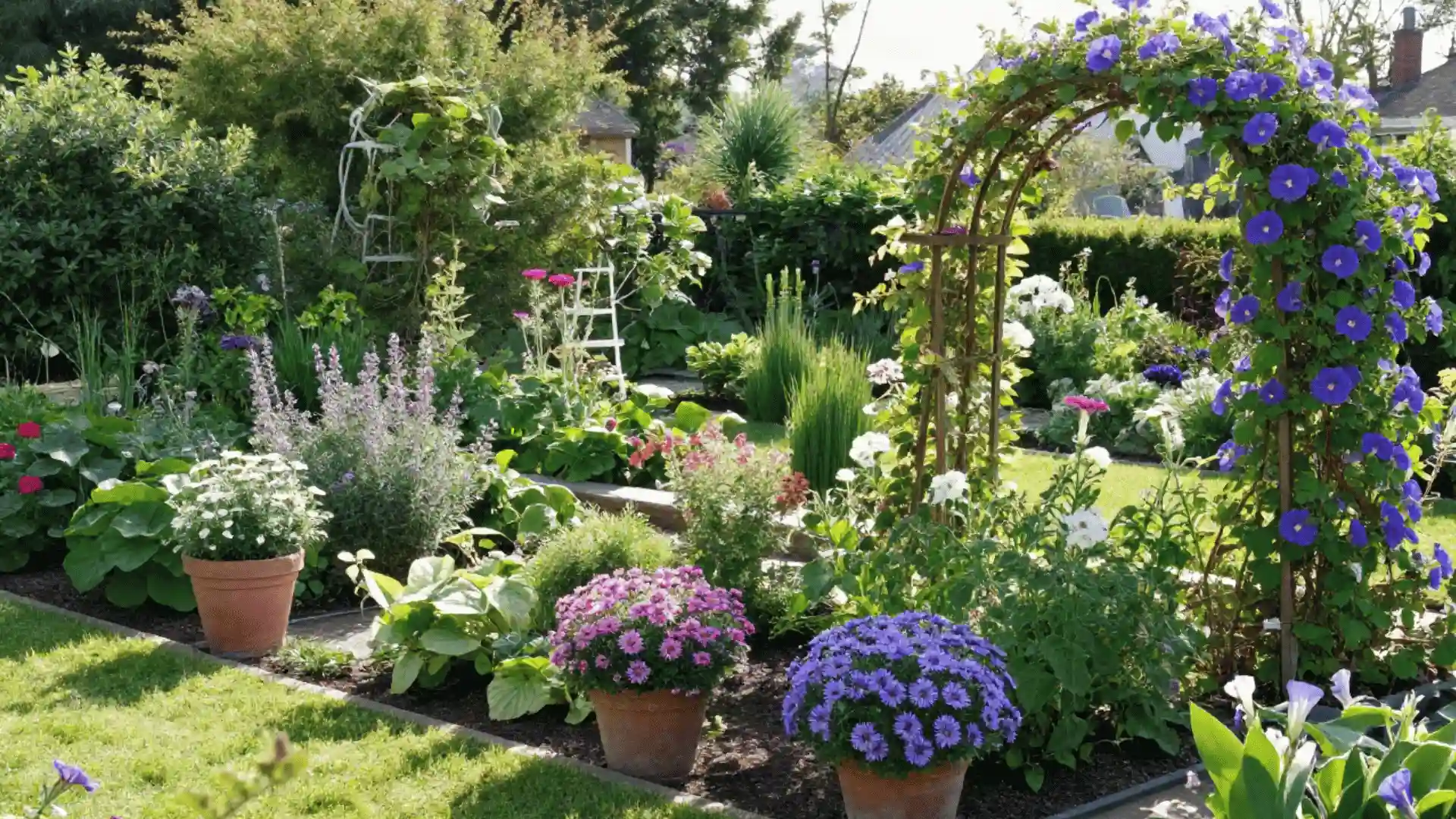
The meanings below show how each aster and morning glory color can shape the message behind a September birth flower gift.
- Purple asters: Represent wisdom, quiet strength, and thoughtful support between people who share a close connection.
- White asters: Symbolize purity, honesty, and sincere feelings, making them suitable for meaningful personal gifts.
- Red asters: Stand for devotion, deep love, and commitment, which makes them a fitting choice for anniversaries.
- Blue morning glories: Suggest calm, lasting love and steady affection between partners, family members, or close friends.
- Pink morning glories: Represent gentle affection, kindness, and the simple care shown through everyday actions.
- White morning glories: Symbolize purity, fresh beginnings, and new chapters, much like white asters.
Choose the color before buying a bouquet, card, or plant to make the September birth flower gift feel more personal.
Bottom Line
Every September birthday comes with two meaningful flowers: the aster and the morning glory.
Asters are linked with love, wisdom, patience, and steady support, while morning glories represent affection, hope, renewal, and fresh starts.
Both flowers work well for birthday gifts, garden plans, or simple ways to mark the month with color and meaning.
Choose asters for a classic bouquet or plant morning glory near a fence where its vines can climb. You can also combine both flowers for a more personal September display.
Pick the bloom that feels closest to your personality, then use it in a gift, garden, or celebration.
Share your favorite September birth flower in the comments and tell others why it stands out to you.
Frequently Asked Questions
What is the Official September Birth Flower Color?
There is no single official color. Purple, white, pink, and blue all appear often across aster and morning glory varieties.
Can I Give Both September Birth Flowers in One Bouquet?
Yes, many florists combine asters and morning glory stems in one arrangement to represent both September birth flowers together.
Do September Birth Flowers Work for Weddings?
Asters are common in fall wedding bouquets. Morning glories are less common in cut arrangements but suit outdoor décor well.
How Long do Aster Cut Flowers Last in a Vase?
Fresh aster stems often last about one week in a vase with clean water and regular trimming of the stem ends.
Does the September Birth Flower Change by Country?
Some countries follow slightly different flower charts, though the aster and morning glory pairing is the most common version used today.

Jordan Mathews, who has a degree in horticulture from Texas A&M University, has been a guiding force in plant health and sustainable gardening for over 16 years. His career began with a role at a renowned botanical garden, where he deepened his understanding of plant physiology and eco-friendly cultivation methods. Jordan joined our website as a freelancer in 2020, becoming a go-to expert for readers seeking advice on nurturing diverse plant species apart from offering insights grounded in scientific knowledge and practical experience. Beyond his professional achievements, Jordan is a keen nature photographer, capturing the beauty of flora in its immensely diversified forms.