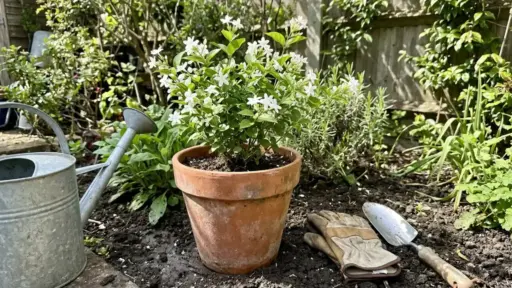
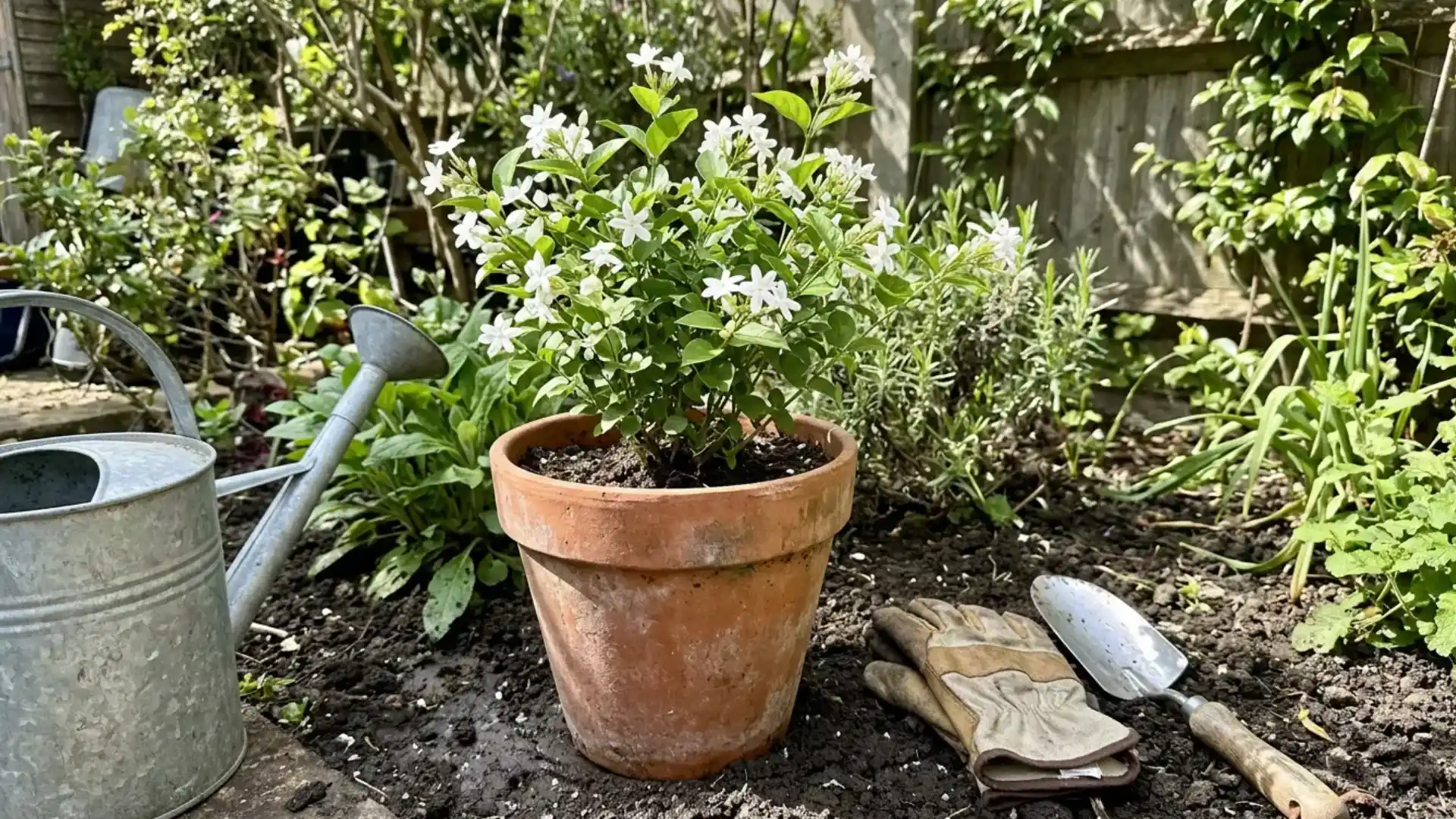

My initial jasmine plant survived for roughly three weeks before it completely withered.
It took a while to determine the problem.
Taking care of a jasmine plant requires some essential aspects, which I had mostly overlooked by guessing.
Since then, I’ve grown several varieties, including trailing jasmine along a fence that took a summer to train.
Jasmine flowers only started showing up once the guesswork stopped and the basics finally clicked.
Jasmine Plant Care at a Glance: What Actually Matters
Jasmine isn’t picky, but it’s selective. This vining plant craves sunlight above almost everything else.
Place it near a window, and watch it thrive. Ignore that need, and the plant wilts with fewer flowers and leggy stems. Roots don’t like sitting wet, so let soil dry between waterings. A well-draining pot helps prevent root rot fast.
Light feeding during active growth keeps it lush without pushing weak growth.
Trim spent blooms so the plant channels energy into new buds. Support its climbing habit with a small trellis.
Take proper care of it, and this plant will reward you with fragrance for years.
Popular Jasmine Varieties Worth Knowing
Trailing jasmine isn’t a single species; it refers to varieties with a cascading growth habit rather than a climbing one.
Here’s a quick breakdown of the varieties worth knowing:
| Variety | Growth Habit | Notable Feature |
|---|---|---|
| Common Jasmine | Climbing vine | Strong, classic fragrance |
| Arabian Jasmine (Sambac) | Compact shrub | Popular for indoor pots |
| Winter Jasmine | Trailing/arching | Blooms in cold months, no scent |
| Star Jasmine | Climbing vine | Not a true jasmine |
| Jasmine Polyanthum | Trailing/climbing | Common trailing variety |
Choose the Right Jasmine for Indoor Growing
Not every jasmine species suits a windowsill. Some grow too large; others simply refuse to bloom indoors.
- Arabian Jasmine (Jasminum sambac) adapts best to container life.
- Pink Jasmine (Jasminum polyanthum) flowers heavily in cooler months.
- Star Jasmine isn’t true jasmine and behaves differently indoors.
- Winter Jasmine tolerates low light better than most varieties.
- Common Jasmine grows aggressively and needs frequent pruning to maintain space.
- Avoid cultivars bred outdoors that are intended for garden trellises and fences.
How to Care for Jasmine: Light, Soil, Water, and Feeding
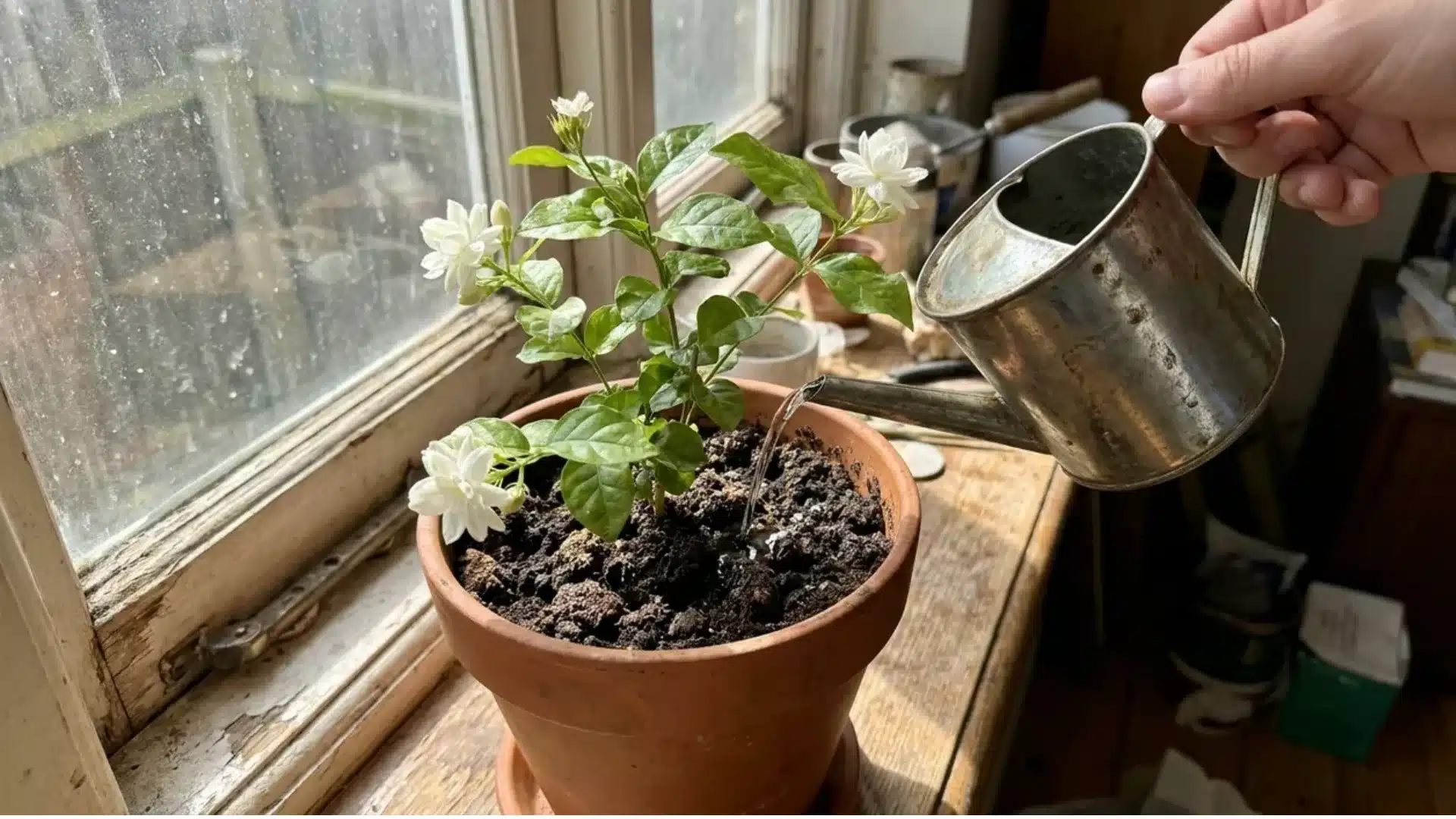
Jasmine plant care relies on a few consistent habits. Master these, and the plant mostly cares for itself.
Give Jasmine the Light It Needs to Flower
South or west-facing windows work best for indoor jasmine.
Four hours of direct sun triggers strong bud formation. Less light means fewer flowers, sometimes none at all.
Rotate the pot weekly so growth stays even on all sides. During winter, grow lights bridge the gap when days shorten. Watch leaf color closely; pale leaves signal insufficient light exposure.
Water Jasmine Correctly in a Container
Check soil moisture with a finger before reaching for the watering can.
Water deeply, then let excess drain completely from the pot base.
Never let the container sit in standing water for long. Reduce frequency during dormancy, since roots use less moisture then. Overwatering causes yellowing leaves faster than underwatering ever does.
Consistency is more important than adhering to a strict schedule here.
Build the Right Pot and Soil Setup
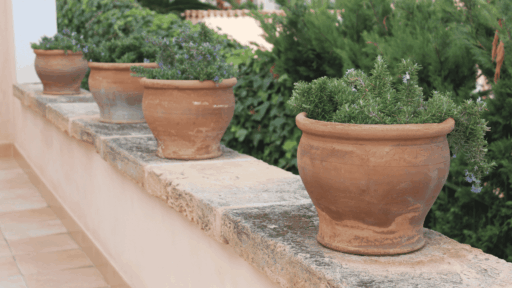
Choose terracotta pots with drainage holes at the bottom.
Plastic traps moisture longer, which jasmine roots dislike intensely. Mix regular potting soil with perlite for better aeration. Heavy, compacted soil suffocates roots and invites fungal issues.
Repot every two years into a slightly larger container.
Fresh soil replenishes nutrients for flowering houseplants that depend on steady root health. The watering rhythm covered in this indoor plant watering routine works as a useful cross-check if jasmine’s soil ever dries unevenly.
Maintain Humidity and Airflow Without Creating Problems
Group plants together to raise ambient humidity naturally indoors.
A pebble tray beneath the pot adds moisture without soggy soil.
Stagnant air invites pests like spider mites and mealybugs. Run a small fan occasionally to keep air gently circulating. Avoid misting leaves right before nightfall, since dampness lingers overnight.
Balance moisture and airflow, and fungal problems rarely take hold.
Keep Jasmine at the Right Temperature
Jasmine prefers daytime temperatures between 65 and 75 degrees Fahrenheit.
A nighttime drop of around ten degrees is commonly recommended to support bud set, though the ideal swing can vary a bit by variety. Avoid placing pots near heating vents or drafty windows.
Sudden temperature swings stress the plant and drop flower buds.
Winter dormancy is best kept between mid-40s and mid-50s Fahrenheit, cooler than typical indoor temperatures.
Stable conditions matter more than any single ideal number.
Feed Jasmine for Foliage and Flowers
Use a balanced liquid fertilizer diluted to half strength monthly. Switch to a phosphorus-heavy formula once flower buds start forming. Stop feeding entirely once temperatures drop in late autumn.
Over-fertilizing burns roots and pushes leafy growth over blooms.
Organic options like fish emulsion work well for slow-release nutrition.
Resume light feeding now that spring growth is returning naturally.
Prune and Train Jasmine Without Losing Next Season’s Flowers
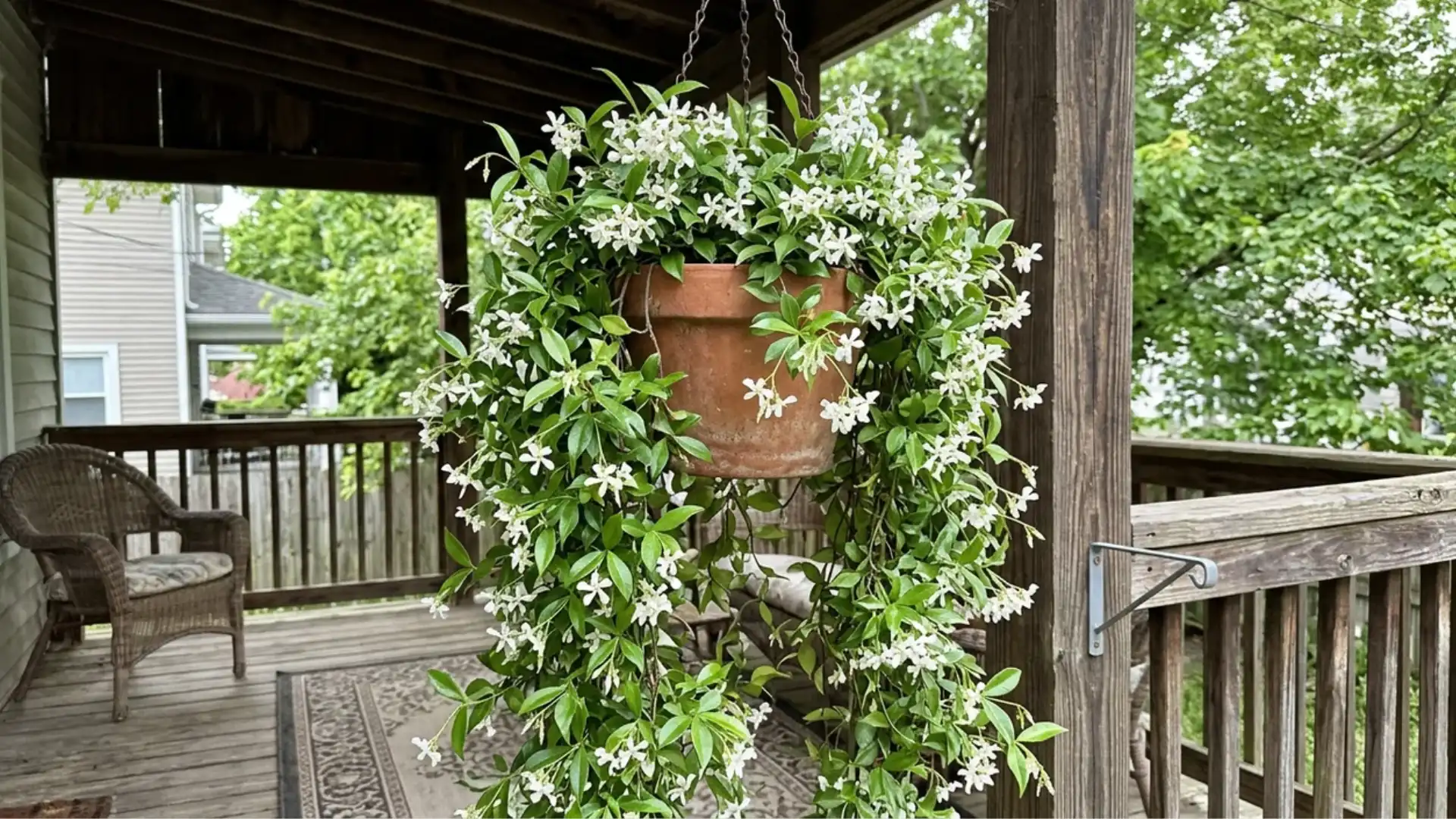
Timing makes or breaks jasmine pruning. Cut at the wrong moment, and next season’s buds vanish entirely.
Trailing jasmine differs from upright or climbing types, and treating it the same often leads to a tangle, the same way a flowering shrub left untrained early on ends up needing corrective pruning later.
It sprawls in whatever direction gravity takes it, needing guidance from the start rather than correction later.
A few habits make the difference between a trained plant and a tangled one:
- Prune immediately after flowering ends, never before.
- Remove dead or crossing branches first for airflow.
- Cut stems back by one-third to encourage bushier growth.
- Pinch growing tips to promote lateral branching early on.
- Train vines onto a trellis using soft plant ties.
Avoid heavy pruning in fall or winter, as jasmine blooms on old wood, and cutting then removes unopened flowers.
Always use clean, sharp shears to prevent disease spread between cuts.
I waited too long once, and untangling months of growth cost me an entire afternoon.
Repot, Recover, and Maintain Jasmine Through the Seasons
Seasons determine jasmine’s needs, and neglecting this cycle can lead to fewer blooms.
Spring signals repotting time, right as new growth begins pushing through.
Choose a pot just one size larger, not drastically bigger. Summer demands consistent care: steady water, feeding, and watchful eyes for pests. Fall brings a slowdown; ease water and skip fertilizer as growth naturally tapers.
Winter means rest. Move plants away from cold drafts and reduce watering further still.
Recovery following stress from transplant shock, pest damage, or dieback requires patience.
Trim damaged growth, keep conditions stable, and resist the urge to overcorrect.
Jasmine thrives when seasons are honored and not hurried.
How to Get More Jasmine Flowers on Your Plant
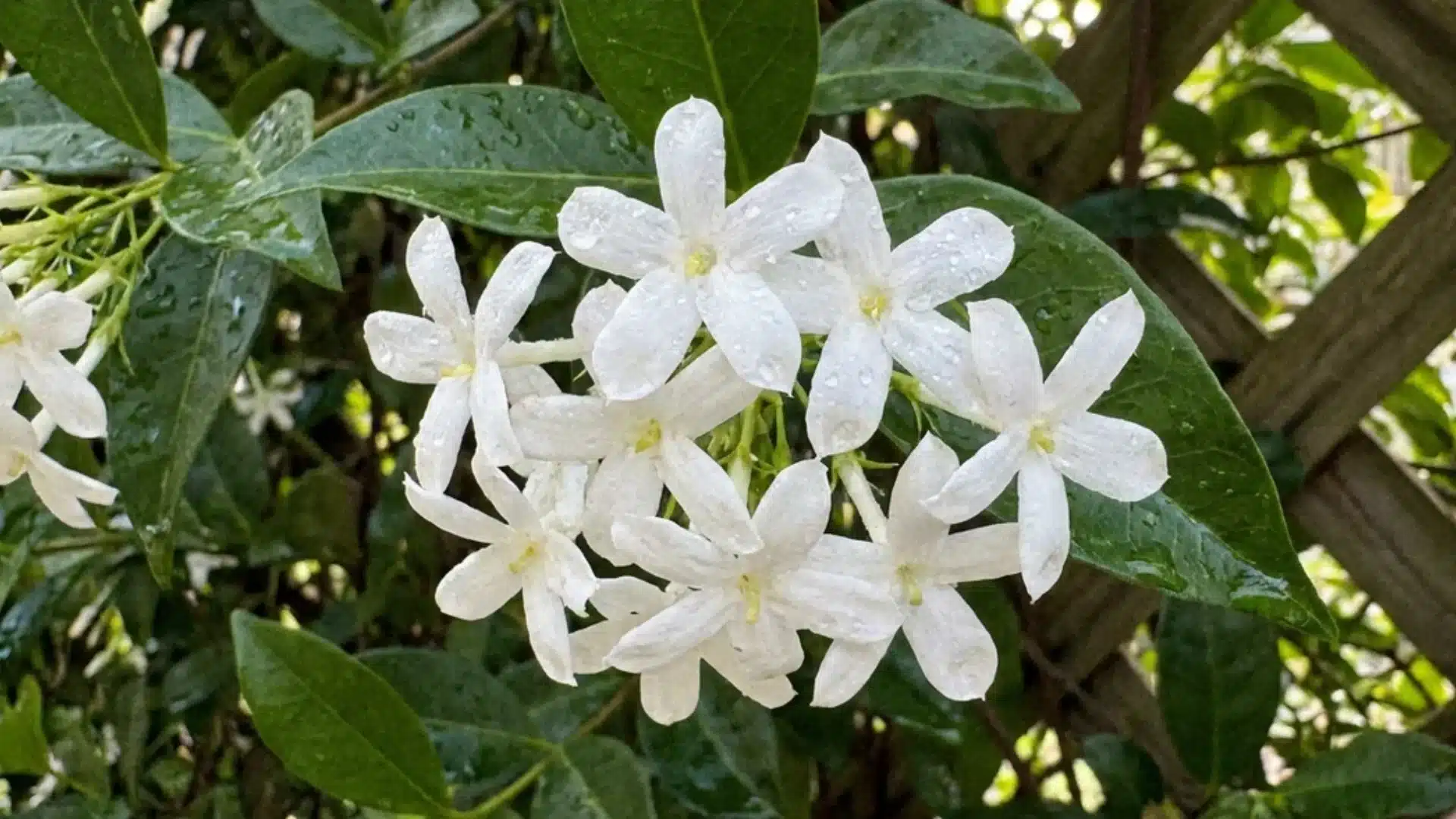
Getting jasmine to bloom well comes down to a few consistent habits rather than any single trick.
Most flowering problems trace back to one of these getting overlooked.
Light matters more than almost anything else. Jasmine kept in partial shade might survive for years without blooming heavily, while the same plant in full sun often flowers within a single season.
Feeding plays a role too, but the wrong fertilizer works against blooming.
A phosphorus-rich feed during the growing season supports flowering, but excess nitrogen promotes leafy growth.
Deadheading spent blooms also helps.
I started doing this weekly during bloom season, and it noticeably extended the flowering period each year.
Common Jasmine Problems and What They Actually Mean
Yellow leaves, dropped buds, and wilting jasmine indicate symptoms that can help save the plant if read correctly.
- Yellow leaves typically indicate either overwatering or inadequate drainage.
- Bud drop typically results from abrupt changes in temperature.
- Sparse flowering indicates that the plants are not receiving enough light indoors.
- Sticky residue on leaves indicates the presence of aphids or scale insects.
- Webbing connecting leaves signals a spider mite infestation.
- Brown edges on leaves may indicate low humidity or salt accumulation.
- Leggy and sparse growth indicates insufficient pruning over the years.
- Quick wilting even with damp soil suggests root rot.
Prevent and Treat Common Jasmine Pests
Pests exploit weak spots fast, and catching them early keeps jasmine from spiraling into real trouble.
| Pest | Signs | Treatment |
|---|---|---|
| Aphids | Clustered on new growth, curling leaves | Spray neem oil weekly |
| Spider Mites | Fine webbing, speckled leaf surface | Increase humidity, wipe leaves |
| Mealybugs | White cottony clumps at leaf joints | Dab with alcohol-soaked swab |
| Scale Insects | Hard brown bumps on stems | Scrape off, apply horticultural oil |
| Whiteflies | Tiny white insects, fly when disturbed | Use yellow sticky traps |
| Thrips | Silvery streaks, distorted new leaves | Apply insecticidal soap thoroughly |
A Simple Weekly Jasmine Care Routine
A weekly rhythm keeps jasmine predictable, and predictable plants rarely throw surprises.
Start the week by checking soil moisture before anything else.
Midweek, inspect leaves closely for early pest signs and give the pot a quarter turn for even light exposure.
Mist the surrounding air if conditions feel dry, and snip any faded blooms to tidy growth.
Toward the weekend, check drainage holes for blockage, then assess overall shape. Small, consistent actions beat big fixes; five minutes daily keeps jasmine thriving without using your weekend.
Frequently Asked Questions (FAQ’s)
1. Does Jasmine Do Better in Pots or Ground?
Pots suit indoor growing better; ground planting works only in warm, frost-free climates outdoors.
2. Does Jasmine Come Back Every Year?
Yes, jasmine is perennial and returns yearly with proper care, especially in suitable climates.
3. Do Coffee Grounds Help Jasmine Grow?
Occasionally, in small amounts, coffee grounds add mild nitrogen but shouldn’t replace regular fertilizing routines.
4. What is the Average Lifespan of a Jasmine Plant?
Jasmine typically lives 10 to 20 years indoors, longer outdoors with ideal growing conditions.
5. What Not to Plant near Jasmine?
Avoid planting near mint, aggressive vines, or heavy feeders that compete for nutrients and space.
Summing It Up!
Jasmine plant care isn’t complicated once the basics click, but it took me a couple of seasons of trial and error to get there myself. Light, timing, and patience mattered more than any clever technique I tried along the way.
Trailing jasmine especially rewarded consistency early on, even when the growth felt painfully slow at first.
Every mistake covered here came from a plant I actually killed or nearly killed, not secondhand advice, and that’s really the only qualification that matters when you’re troubleshooting a plant that refuses to bloom.
Have a jasmine story of your own, maybe a variety that surprised or tested your patience?
Drop it in the comments. It might save someone else the trouble I went through.

Jordan Mathews, who has a degree in horticulture from Texas A&M University, has been a guiding force in plant health and sustainable gardening for over 16 years. His career began with a role at a renowned botanical garden, where he deepened his understanding of plant physiology and eco-friendly cultivation methods. Jordan joined our website as a freelancer in 2020, becoming a go-to expert for readers seeking advice on nurturing diverse plant species apart from offering insights grounded in scientific knowledge and practical experience. Beyond his professional achievements, Jordan is a keen nature photographer, capturing the beauty of flora in its immensely diversified forms.