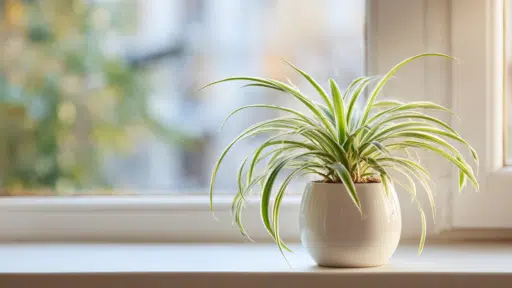


Rosemary likes sunny, airy, and slightly dry conditions rather than constantly damp soil. Good rosemary plant care starts with plenty of direct light, fast-draining soil, and watering only after the topsoil begins to dry.
That balance matters because rosemary handles short dry periods better than roots sitting in wet soil. A romero plant, another common name for rosemary, follows the same basic care routine indoors or outside.
The part I would watch most closely is watering. A rosemary plant can look dry above the soil while moisture still surrounds the roots, so checking the mix first is safer than following a calendar.
Get the light, drainage, and watering right, and everything else becomes much easier.
What Helps Rosemary Grow Strong and Healthy?
Rosemary grows best with strong sunlight and careful watering. These are the first two things I check when a plant starts looking thin, weak, or stressed.
Care Factor | What Rosemary Needs | Sign Something Is Wrong |
|---|---|---|
Sunlight | At least 6 hours of direct sun | Thin, leaning, or leggy growth |
Watering | Water when the topsoil starts drying | Constantly wet soil or dry foliage |
Outdoor rosemary usually grows fuller in an open, sunny spot. Indoors, keep it near your brightest window and rotate the pot occasionally for even growth.
Water thoroughly, then let excess moisture drain away. Potted rosemary may dry faster in warm weather, so check the soil before watering again.
Quick Check: If the soil still feels damp below the surface, wait before watering.
What Soil and Pot are Best for Rosemary?
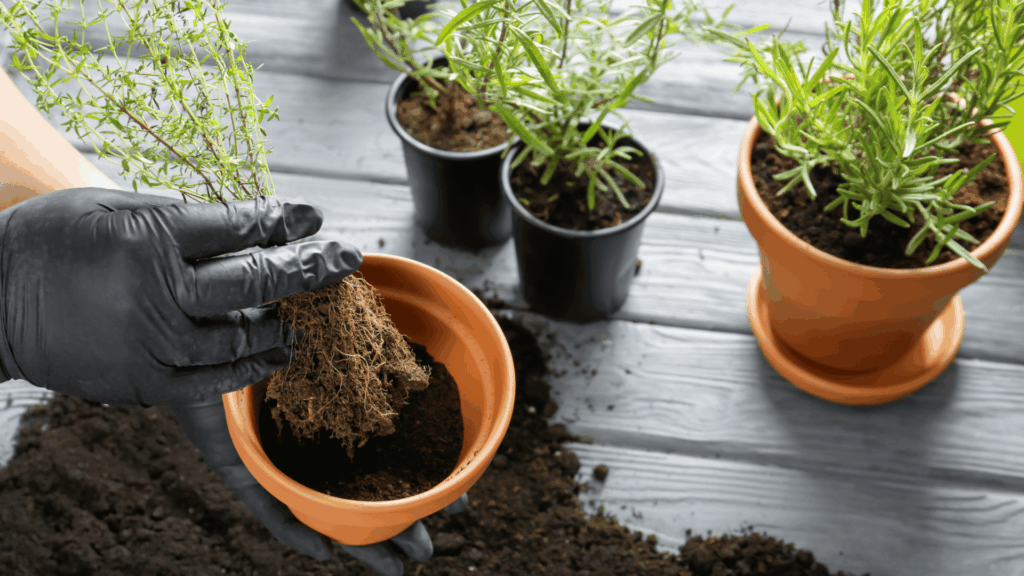
Rosemary grows best in loose, fast-draining soil and a pot that lets excess water escape easily. Dense soil and blocked drainage keep moisture around the roots for too long, which can quickly cause problems.
For a healthier setup, focus on these points:
- Choose sandy, gritty, or loamy soil rather than heavy clay.
- Use a free-draining potting mix for container rosemary.
- Pick a pot with clear drainage holes at the base.
- Avoid moving a small plant into an oversized container.
- Terracotta can help the soil dry faster, but it is not essential.
- Empty saucers after watering so the pot never sits in standing water.
Outdoors, plant rosemary where rain drains away freely rather than collecting around the roots.
Note! If you are unsure how your garden soil behaves, understanding the different types of soil can help you judge how quickly water will drain around rosemary roots.
How Should you Feed and Prune Rosemary?
Rosemary usually needs less feeding than fast-growing leafy plants. Fertilizer should support healthy growth, not compensate for low light, poor drainage, or constantly wet roots.
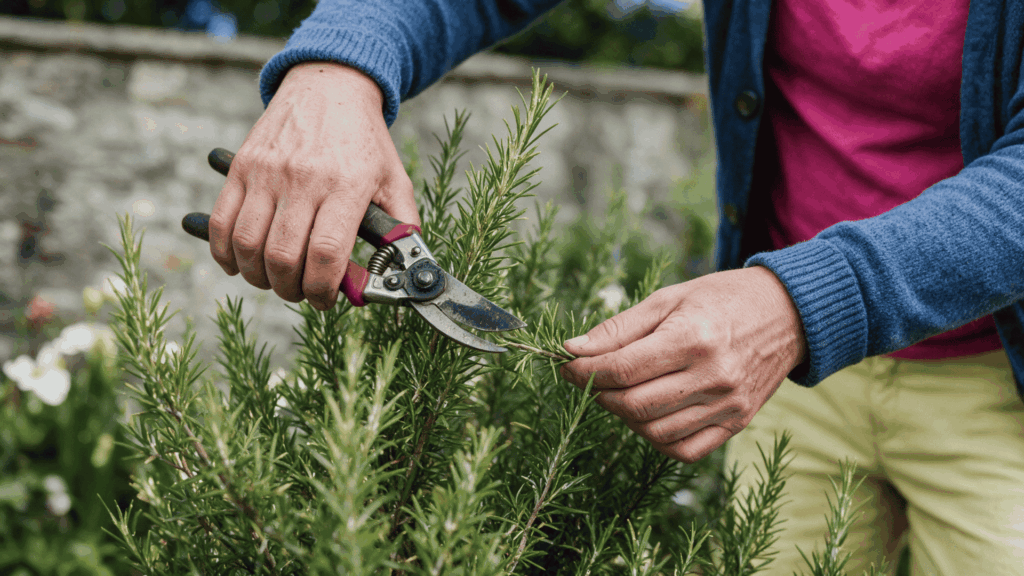
Pruning matters more for maintaining a compact shape. Light, regular cuts keep green growth coming without forcing an older plant to recover from severe trimming.
Fertilizing Rosemary
Feed rosemary lightly during active growth when the plant is healthy but needs extra nutrients, especially in containers where repeated watering gradually removes nutrients from the mix.
Avoid frequent heavy applications. If leaves are yellowing or growth has slowed, check sunlight and soil moisture before adding fertilizer. Feeding a waterlogged or light-starved plant won’t fix the underlying problem.
Pruning Rosemary
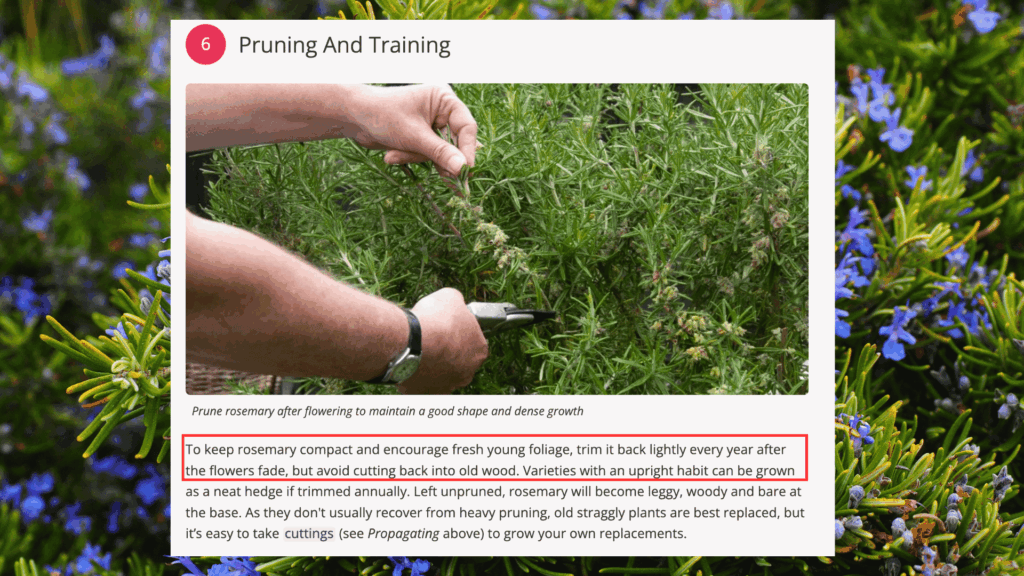
Source: https://www.rhs.org.uk/herbs/rosemary/grow-your-own
Trim rosemary lightly after flowering to encourage fresh growth and help the plant stay compact. Regular pruning also reduces the chance of stems becoming leggy, woody, and bare near the base.
For routine shaping, cut back leafy growth rather than trimming deep into thick, old wood. Older rosemary may not recover well from heavy pruning into bare woody stems.
Pruning Tip: Harvesting a few leafy sprigs regularly also acts as gentle pruning and helps maintain a fuller shape.
Why is my Rosemary Plant Turning Brown or Yellow?
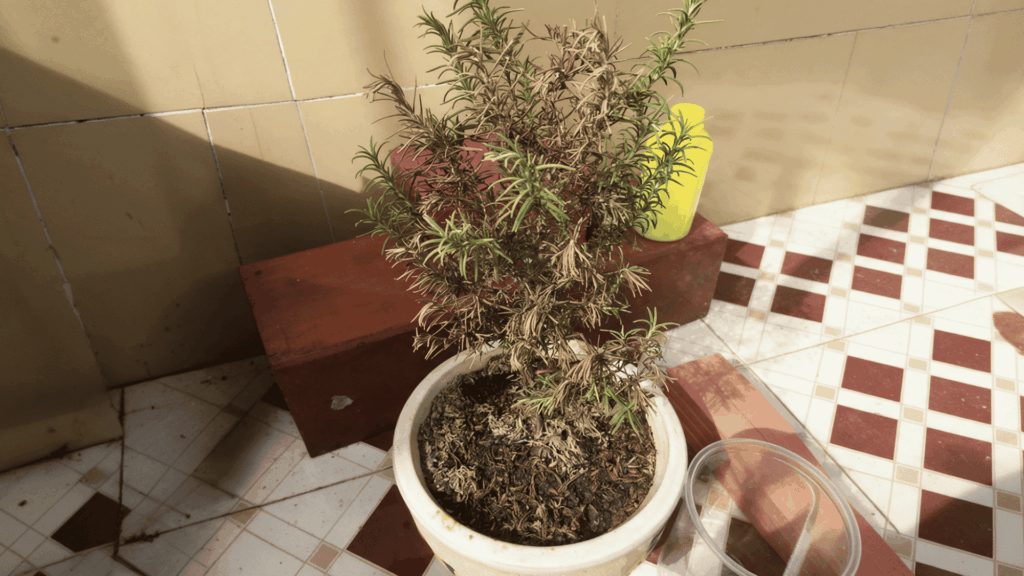
Brown or yellow rosemary leaves usually signal a moisture, drainage, light, or temperature problem. Check the soil and growing conditions before changing your care routine, since adding water to an already wet plant can worsen root problems.
Symptom | Common Cause | First Action |
|---|---|---|
Brown tips | Soil too wet or dry | Check soil moisture |
Yellow leaves | Wet roots or poor drainage | Check drainage |
Thin growth | Low light | Increase sunlight |
Sudden decline | Root or temperature stress | Inspect roots and recent conditions |
If the soil remains wet for several days, let it dry and make sure excess water can escape. Repot rosemary if compacted soil or damaged roots prevent drainage. Remove dead growth only after correcting the underlying problem.
How Should Rosemary Care Change Indoors and Outdoors?
Indoor and outdoor rosemary need the same basic conditions, but the risks change with location. Inside, low winter light and slow soil drying cause more problems. Outside, heat, rainfall, frost, and soil drainage become more important.
I would keep the routine simple and adjust only what the environment changes.
Indoor Rosemary Care
Keep indoor rosemary near the brightest suitable window and leave space around the foliage for airflow.
- Check the soil before watering, especially during winter.
- Keep the pot out of standing water.
- Rotate the plant occasionally for even growth.
- Watch for spider mites, soil mites, and other small indoor pests.
Outdoor Rosemary Care
Place outdoor rosemary in a sunny, well-drained spot where water does not collect after rain.
- Check moisture more often during hot weather.
- Give newly planted rosemary closer attention while roots establish.
- Avoid areas where rainwater regularly pools.
- Protect container plants from severe frost where needed.
Remember! If you are planting several herbs together, lavender is a sensible companion because it also prefers full sun, restrained watering, and fast-draining soil.
What do Rosemary Growers Say About Keeping it Healthy?
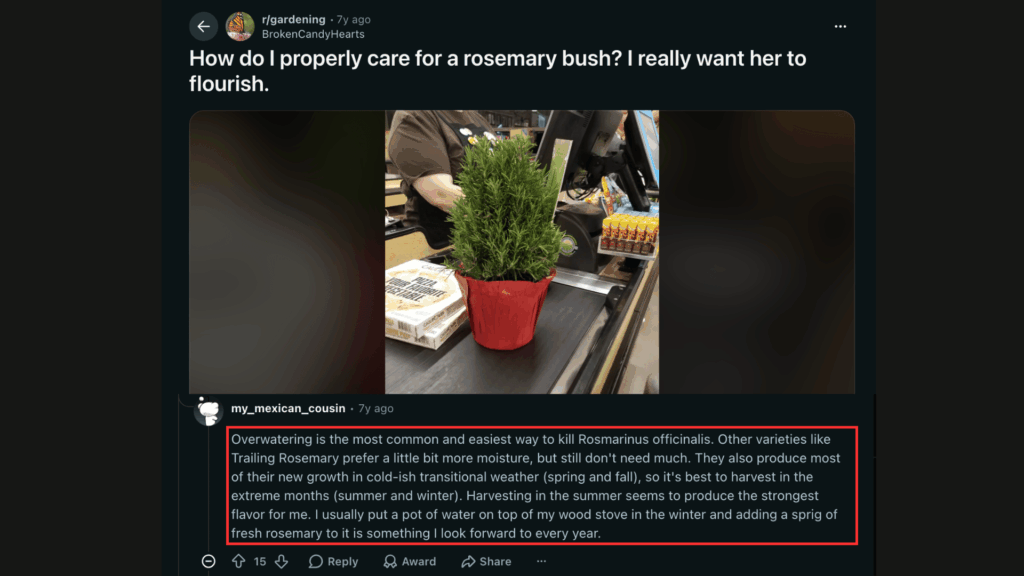
A Reddit gardening discussion highlights a few practical habits that can help rosemary stay healthy.
- Avoid overwatering – Rosemary generally does better when the soil dries somewhat between waterings.
- Adjust for the variety – Trailing rosemary may prefer slightly more moisture than upright types.
- Watch seasonal growth – New growth may be stronger during spring and fall.
- Harvest with growth in mind – Lighter harvesting during active growth can help maintain the plant’s shape and vigor.
- Expect seasonal flavor changes – Summer growth may have a stronger flavor, while fresh sprigs can still be used in winter.
Overall, the discussion favors restrained watering and care that changes with variety and season.
What Rosemary Plant Care Mistakes Should you Avoid?
Avoid watering rosemary on a fixed schedule when the soil is still damp. Pots without drainage holes and standing water beneath the container can also keep the roots too wet and increase the risk of decline.
Don’t move rosemary into an oversized pot too early, since extra soil can hold moisture longer. Weak indoor light is another common problem, and fertilizer won’t fix it.
Prune leafy growth regularly, but avoid cutting deeply into thick, bare woody stems. During winter, water less often when the soil dries more slowly.
Before changing anything else, check light, soil moisture, drainage, and the condition of the roots first.
Final Takeaway
Healthy rosemary does not need a complicated routine. Give it strong sunlight, loose soil, good drainage, and enough time for the upper soil to dry between waterings.
The simplest rosemary plant care routine is also the easiest one to adjust. Check the plant itself instead of following a rigid calendar, especially during seasonal changes.
If growth becomes thin, start with light. If leaves yellow, check the roots and moisture. If stems become woody, prune the leafy growth more regularly rather than cutting deeply into old branches.
Once those basics are steady, rosemary is usually easier to maintain in a pot, on a sunny patio, or in a well-drained garden bed.
Have you grown rosemary before? Comment below and share what has worked best for your plant.
Frequently Asked Questions
Should you Mist a Rosemary Plant?
Usually, no. Rosemary prefers good airflow and relatively dry foliage. Water the soil when needed rather than routinely misting the leaves.
When Should you Repot Rosemary?
Repot when roots crowd the container, emerge from drainage holes, or the soil dries unusually fast. Spring is generally a good time.
How Long Does a Rosemary Plant Live?
A healthy rosemary shrub can live for many years, often around 10, while some plants may survive 15 to 20 years with suitable care.

Jordan Mathews, who has a degree in horticulture from Texas A&M University, has been a guiding force in plant health and sustainable gardening for over 16 years. His career began with a role at a renowned botanical garden, where he deepened his understanding of plant physiology and eco-friendly cultivation methods. Jordan joined our website as a freelancer in 2020, becoming a go-to expert for readers seeking advice on nurturing diverse plant species apart from offering insights grounded in scientific knowledge and practical experience. Beyond his professional achievements, Jordan is a keen nature photographer, capturing the beauty of flora in its immensely diversified forms.