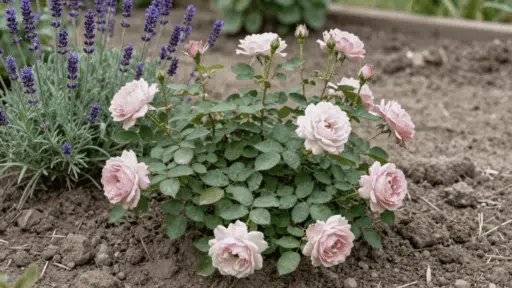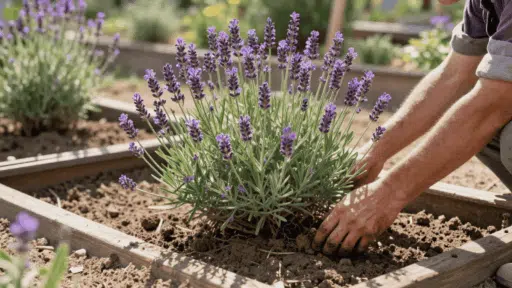
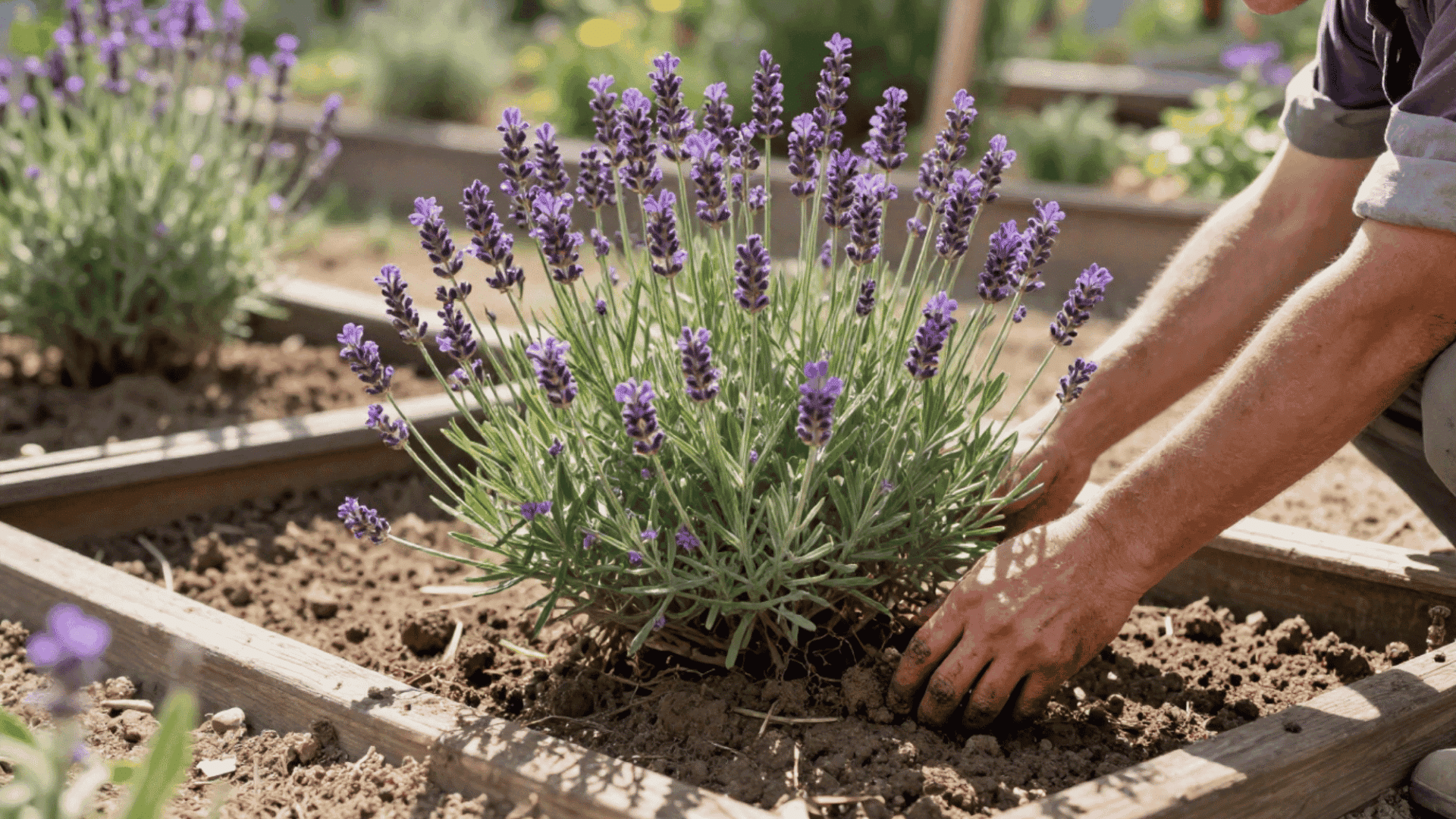

You buy a potted lavender, watch it turn brown within a month, and assume you have a black thumb. But the truth is, this plant is incredibly tough once you understand what it actually needs.
Proper lavender plant care comes down to three simple non-negotiables: full sun, sharp drainage, and very restrained watering.
I have seen from real grower experiences, including an eye-opening field trial, that patience in the first year is the secret to long-lasting growth.
Let me take you through the details of caring for your lavender. Before that, here is the short version every grower learns first.
Lavender Plant Care Made Simple
Good lavender plant care is about recreating the dry, sunny environment where these herbs naturally grow.
Caring for these fragrant shrubs does not have to be complicated. If you can provide a sunny spot and resist the urge to overwater, you are already halfway to success.
Here is a quick reference guide to keep your plants happy and healthy.
| Care Factor | What Lavender Wants |
| Sunlight | Full sun, 6+ hours daily |
| Soil | Sandy, well-draining, slightly alkaline (pH ~6.7–7.3) |
| Watering | Only when the top 2 inches of soil are dry |
| Spacing | 12–18 inches apart for air circulation |
| Drainage | Critical: more plants die from wet roots than cold |
Getting the Soil and Planting Right
Good lavender plant care starts before the plant even goes into the ground. Setting up the right base makes all the difference in how your herb grows over the years.
Building Well-Draining Soil
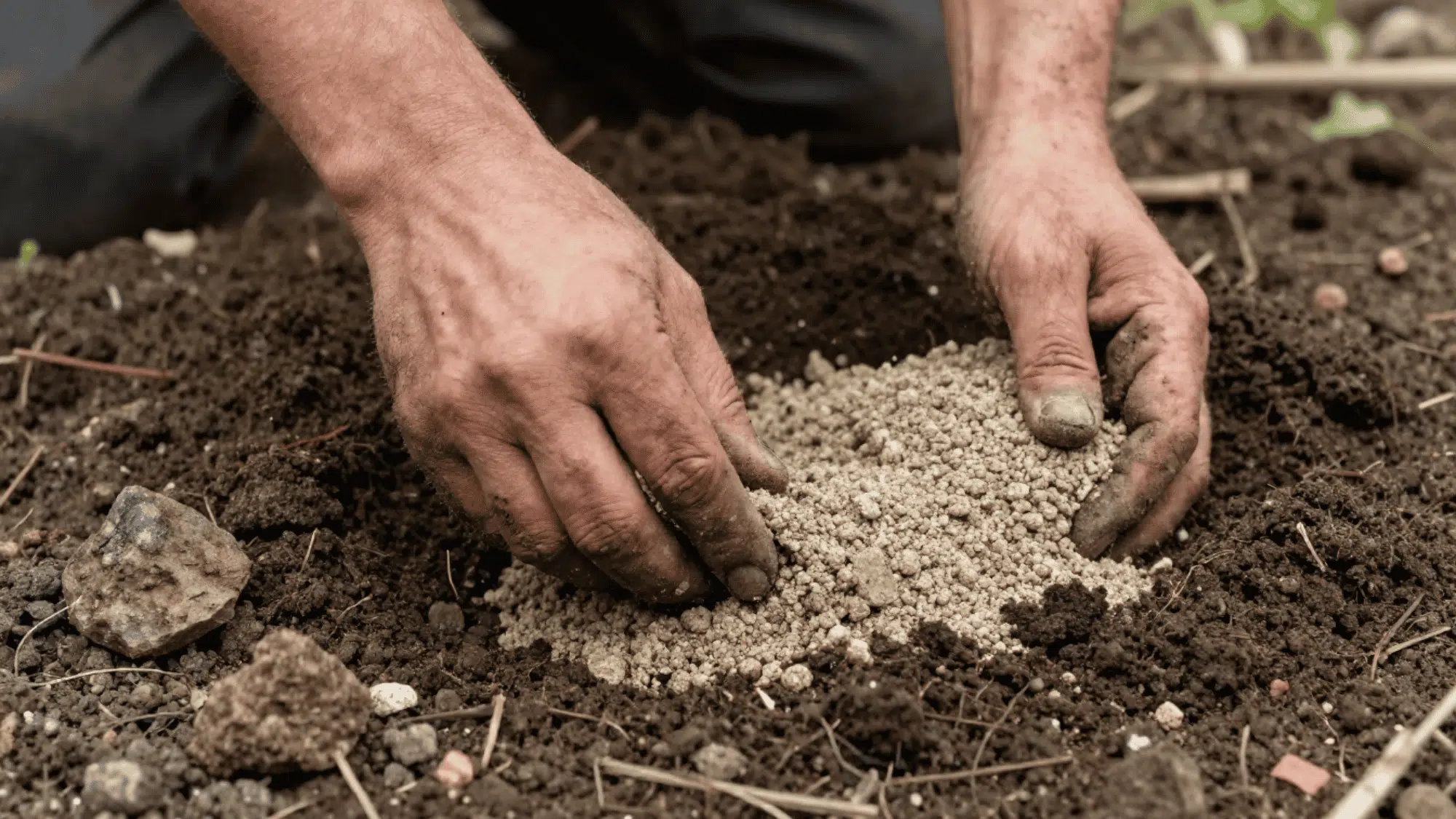
Heavy, compacted soil will retain water and quickly drown your plant. If you have clay-heavy earth, I highly recommend mixing in builder’s sand and a little compost to loosen it up.
You can also plant on a small mound to help water flow away from the base. Excess moisture and high humidity are the main reasons why leaves develop brown fungal spots.
Creating a loose, dry base ensures the roots can breathe and prevents those wet conditions that cause trouble.
Growing Lavender In Pots
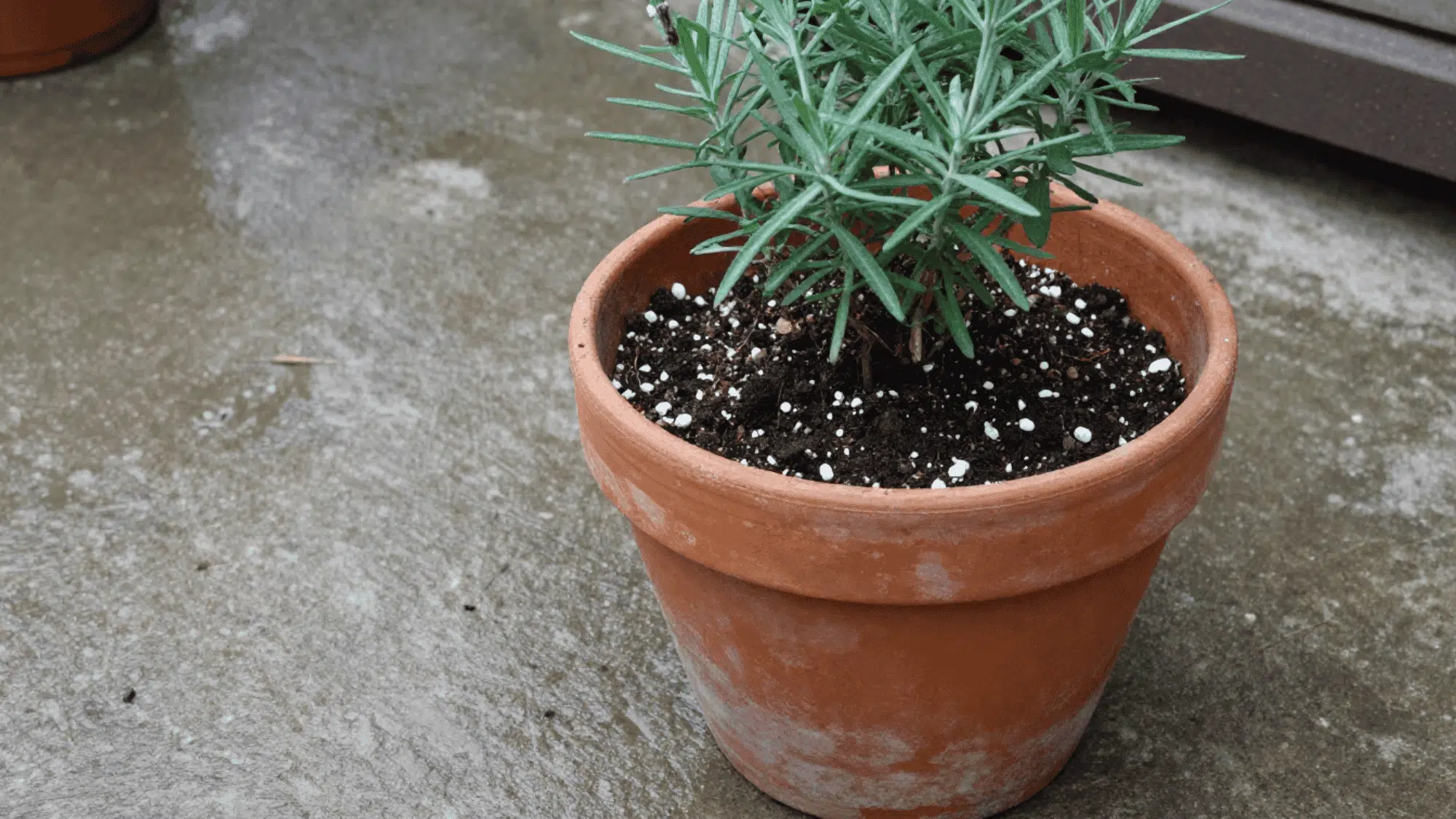
If you live in a rainy or humid area, container growing is a great option. It gives you total control over the moisture levels.
Always choose a terra cotta pot with large drainage holes, as the porous clay draws excess water away from the soil. Fill the container with a high-quality potting mix blended with perlite or coarse sand.
Potted herbs need water slightly more often than those in the ground, but you still must wait until the top few inches have dried out completely.
When and How to Plant
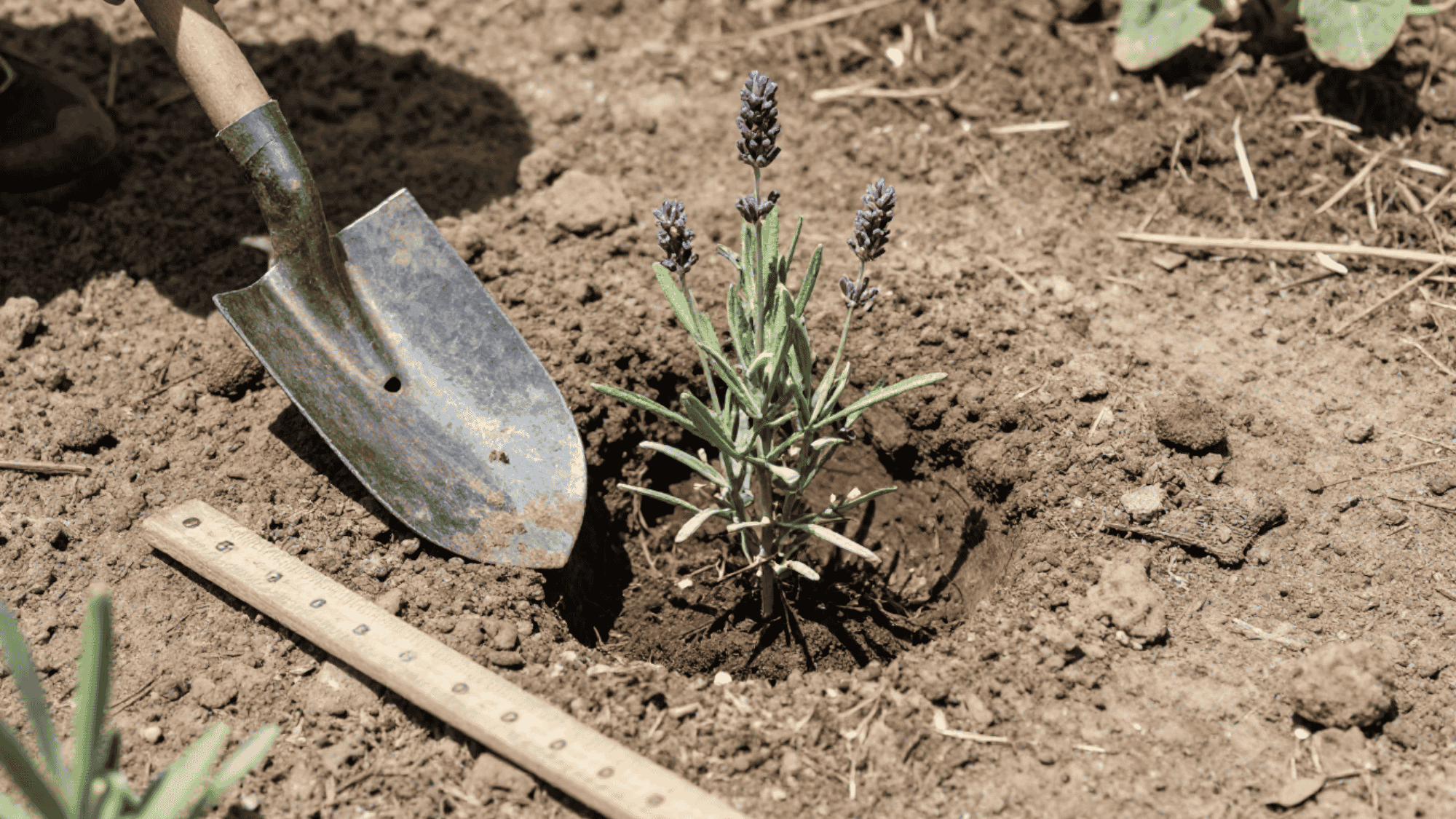
The best time to plant lavender is in spring, after the last frost has passed and the soil has warmed up. This gives the roots enough time to settle before hot summer weather arrives.
Choose a sunny spot with loose, well-draining soil, then dig a hole just wide enough for the root ball. Place the plant at the same depth it was growing in its pot, then fill the hole gently with soil. You can mix in a small amount of organic matter, but avoid making the soil too rich.
Leave 12 to 18 inches between plants so air can move through the stems and keep them dry.
Planting Point | What to Do |
Best season | Spring |
Hole size | Slightly wider than root ball |
Spacing | 12–18 inches |
Soil | Loose and well-draining |
First-Year Lavender Care That Pays Off
Here are the steps most beginners skip and the one experienced growers swear by.
1. Pinch Off First-Year Blooms
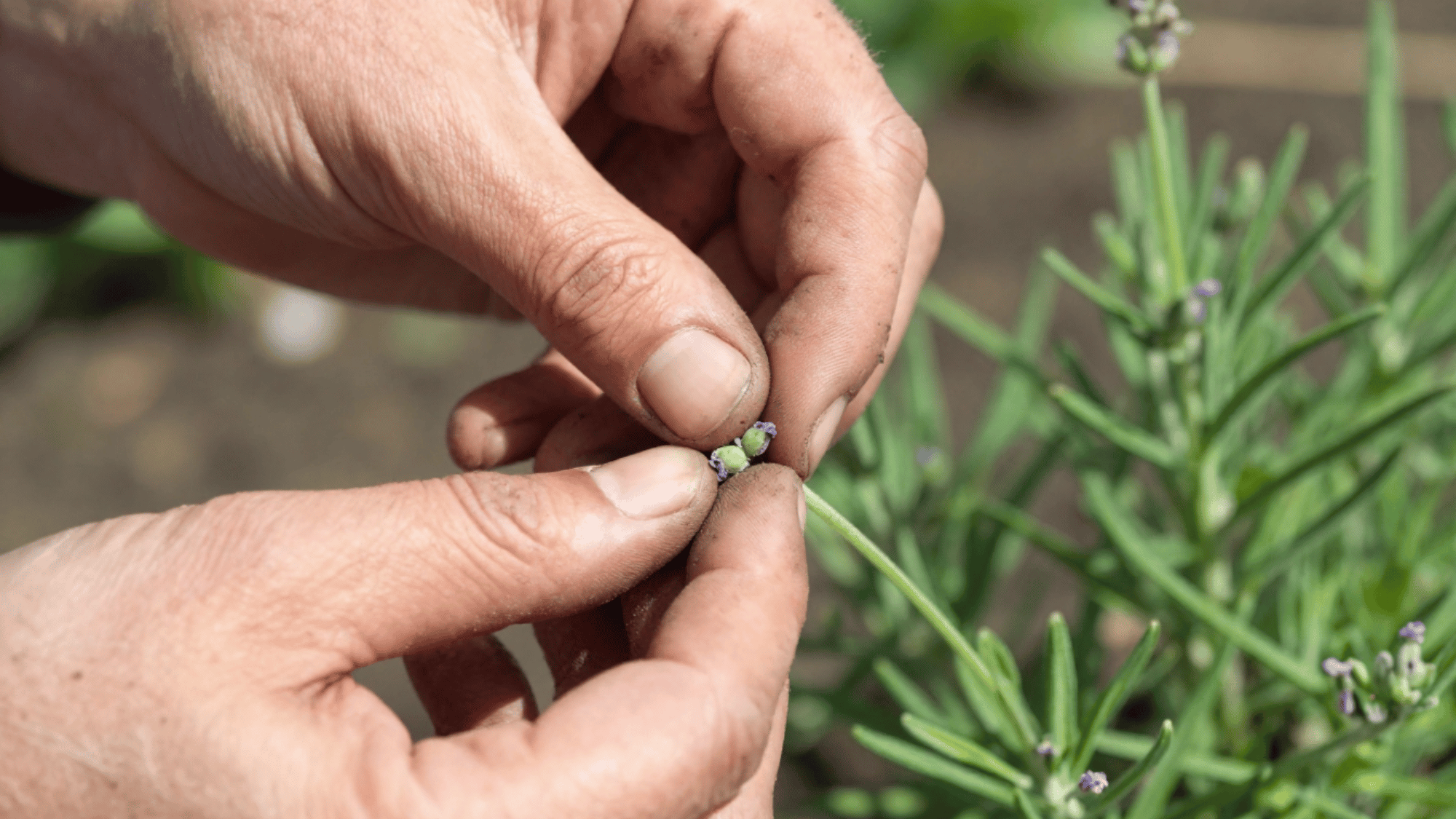
Removing flower buds might seem completely counterproductive when you want a colorful garden. But producing flowers takes a huge amount of energy from a young plant.
When you pinch off those first-year blooms, you redirect all that growing power downward into the roots and the thick woody base. A plant with a weak base will often split open or die after a few seasons.
By removing the early flowers, your plant builds the solid structural foundation required to produce hundreds of blooms by year two.
2. Shaping Young Plants For Bushy Growth
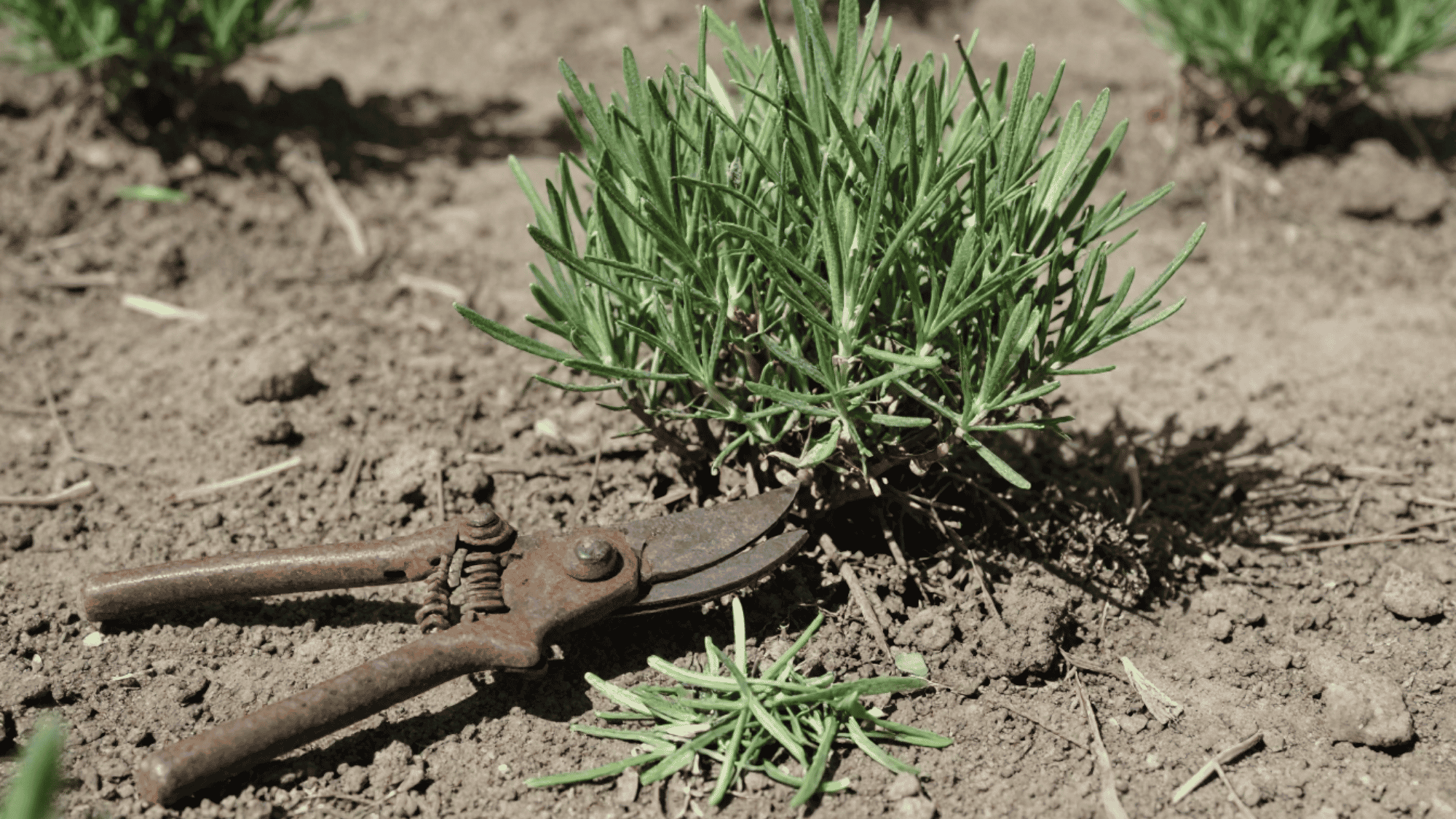
Beyond removing buds, young plants need a light trim to maintain a tight, round shape. In late summer or early fall, use sharp shears to snip off the top few inches of green growth.
You want to shape it into a neat mound. Never cut down into the hard, brown woody stems at the base, because those old branches rarely grow new leaves.
This early shaping prevents the plant from getting tall, weak, and leggy, ensuring it stays compact and bushy as it matures.
3. Pruning
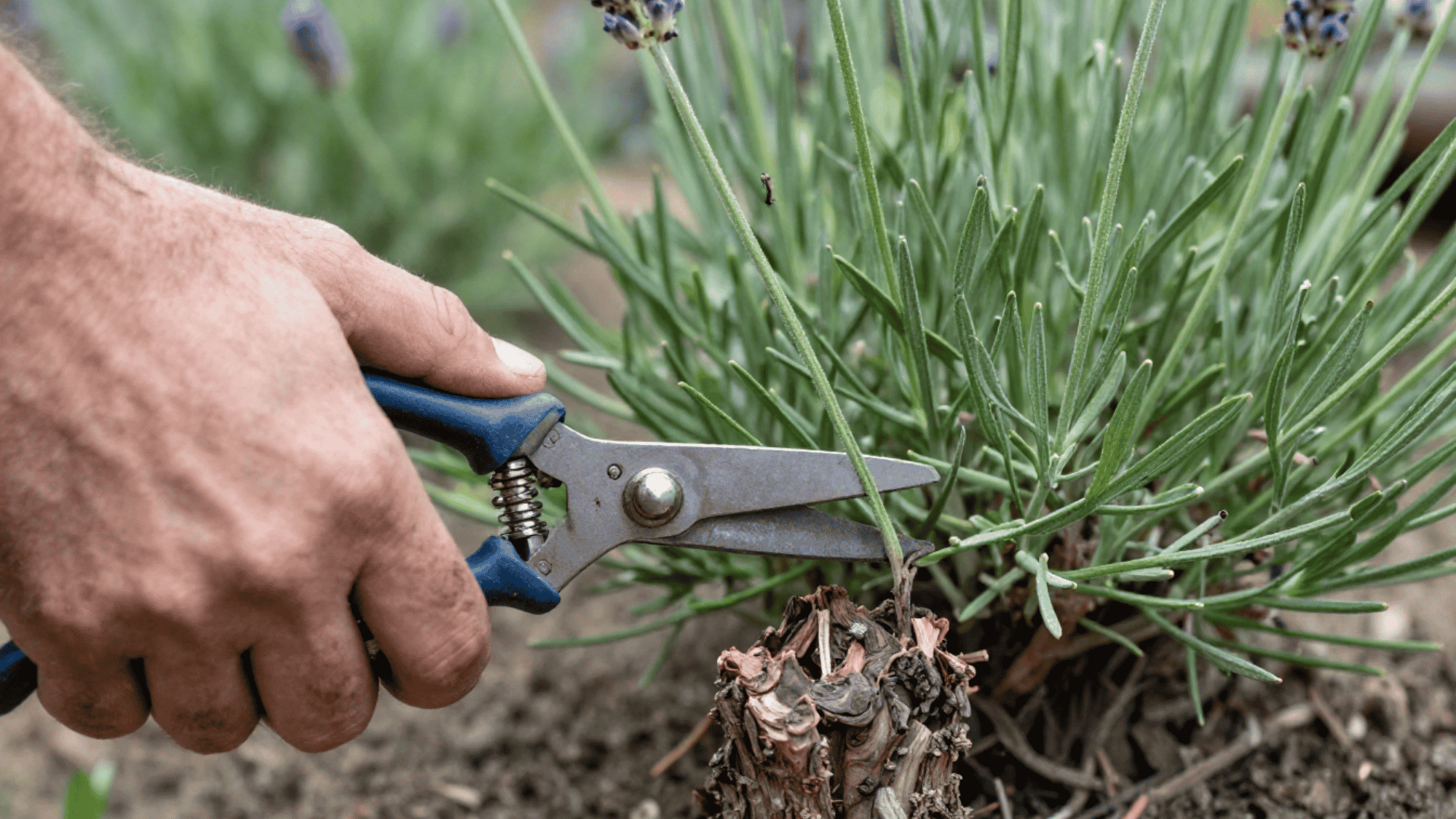
Light spring pruning promotes fresh branching and improves air circulation throughout the summer. You want to cut back the green stems just above the brown woody base.
Never cut down into the old, bare wood because it will not grow back. Clipping faded blooms later in the summer also extends the flowering window. I always make sure my shears are clean to avoid spreading any disease.
4. Harvesting Your Lavender
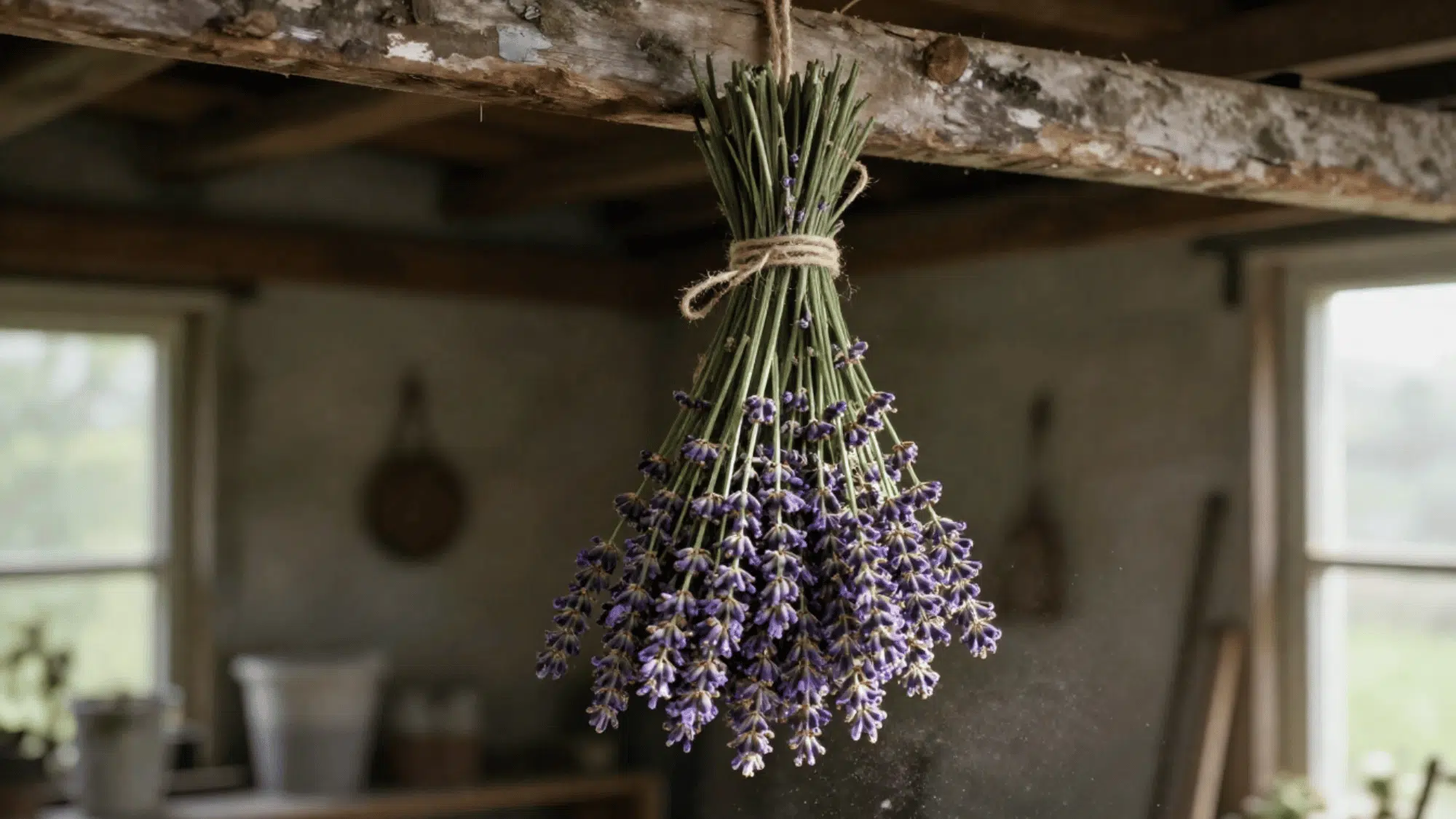
If you want the strongest fragrance, cut the stems just before the flowers fully open. The essential oils are at their absolute peak right then.
I usually harvest no more than every third stem to make sure the plant keeps its natural shape. To dry them, tie small bundles with string and hang them upside down in a dark, dry room with good air movement.
5. Overwintering and Cold Protection
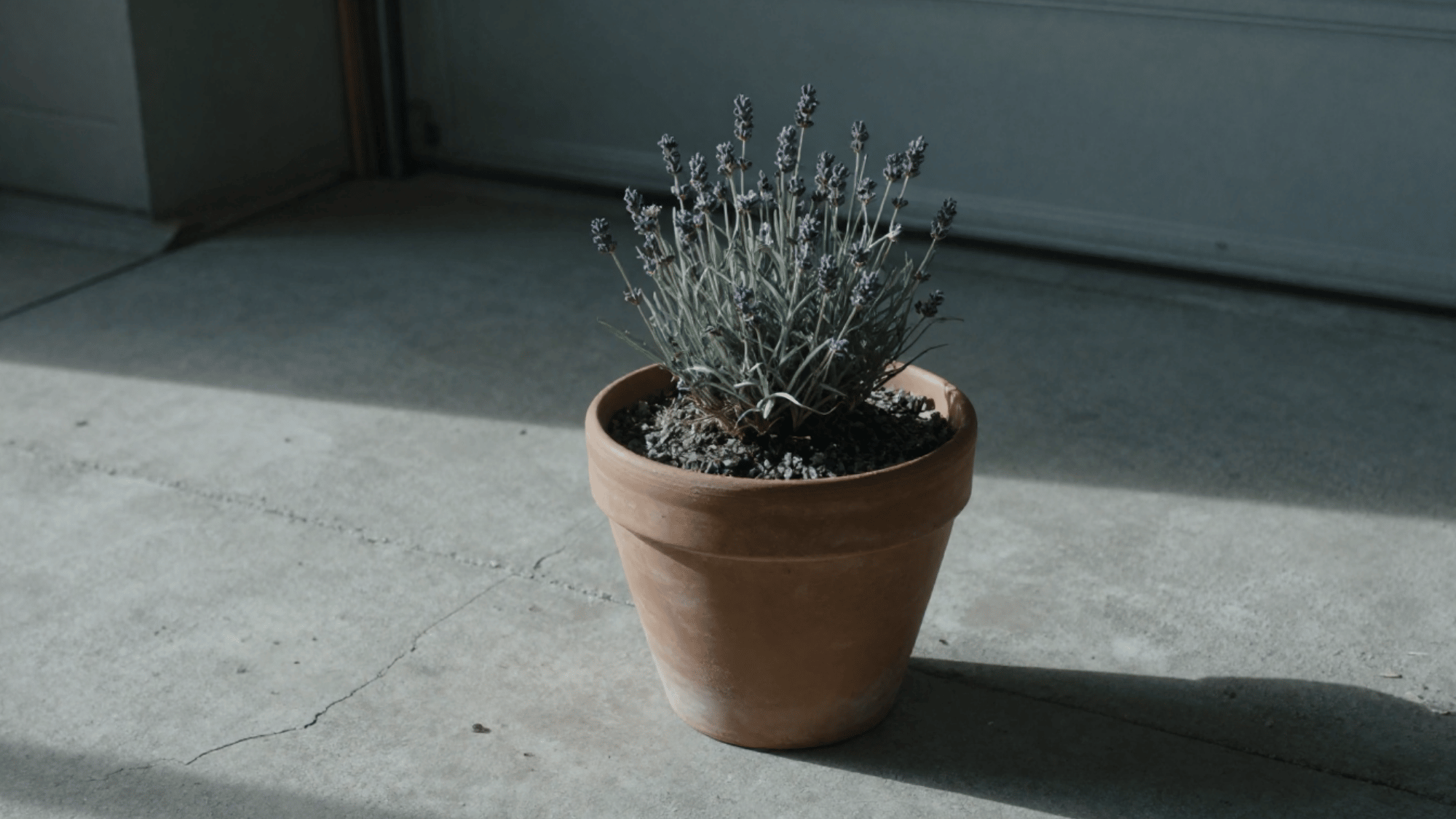
Most English varieties are tough and handle winter freezing well in hardiness zones five and up. However, winter wetness kills far more plants than the cold itself.
Sharp drainage matters most during the rainy, snowy months. If you live in a much colder zone, consider keeping your herb in a pot. This way, you can move it into an unheated garage before the deep freezes hit.
Choosing the Right Variety For Your Climate
Picking a plant that suits your local weather helps prevent problems before they start.
Many new growers do not realize that this herb comes in several distinct types. Proper lavender plant care becomes much easier when you buy a variety built for your specific region.
Growing English Types In Cold Areas
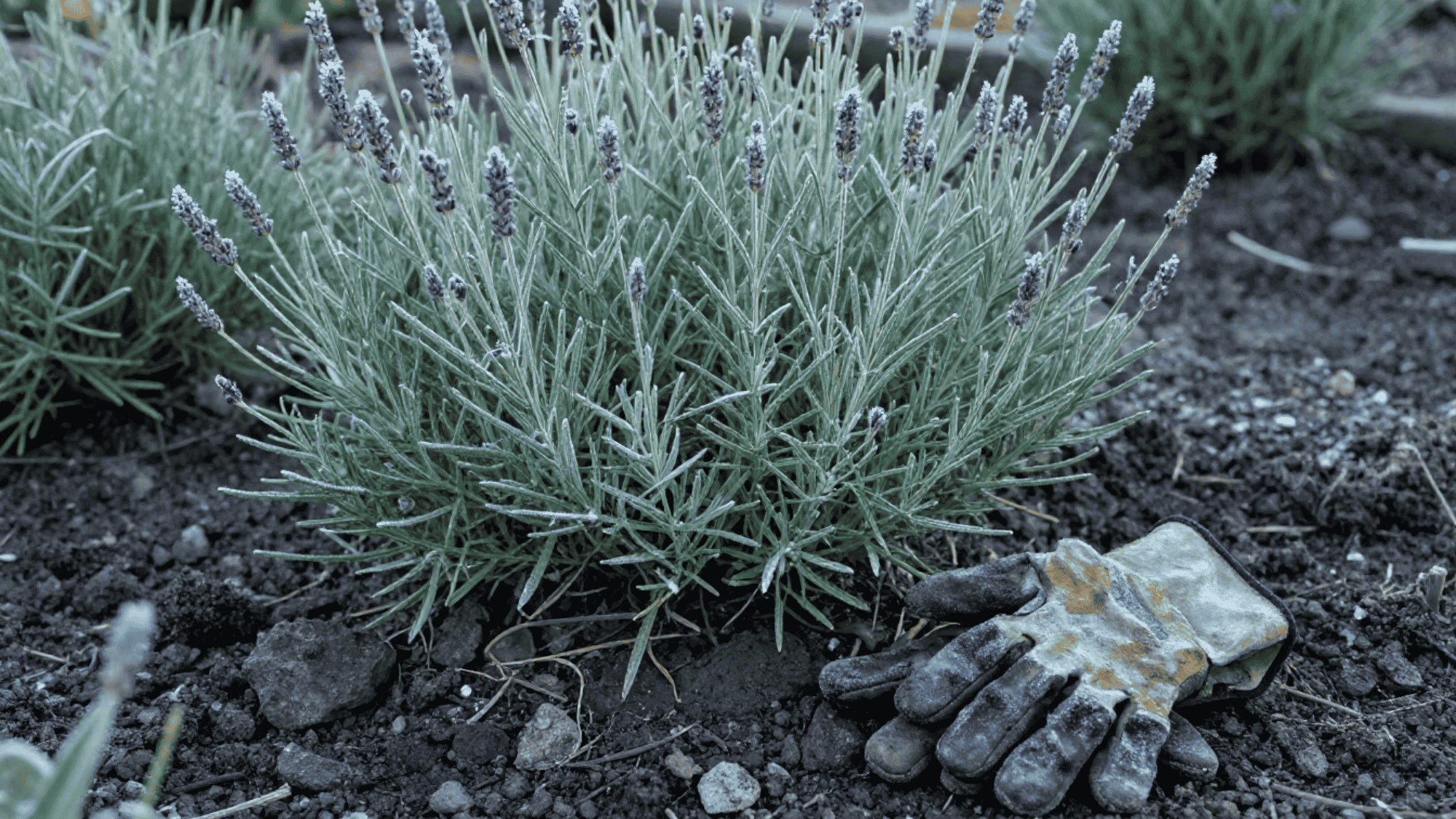
This family handles freezing temperatures better than any other option.
English varieties like ‘Munstead’ and ‘Hidcote’ are the most common choices for growers in cooler zones. They can easily survive cold winters as long as the ground does not stay soggy.
You will get incredibly sweet-smelling flowers that are perfect for baking or making tea. I always suggest these types for anyone living in hardiness zones five through eight.
Planting French and Spanish Types
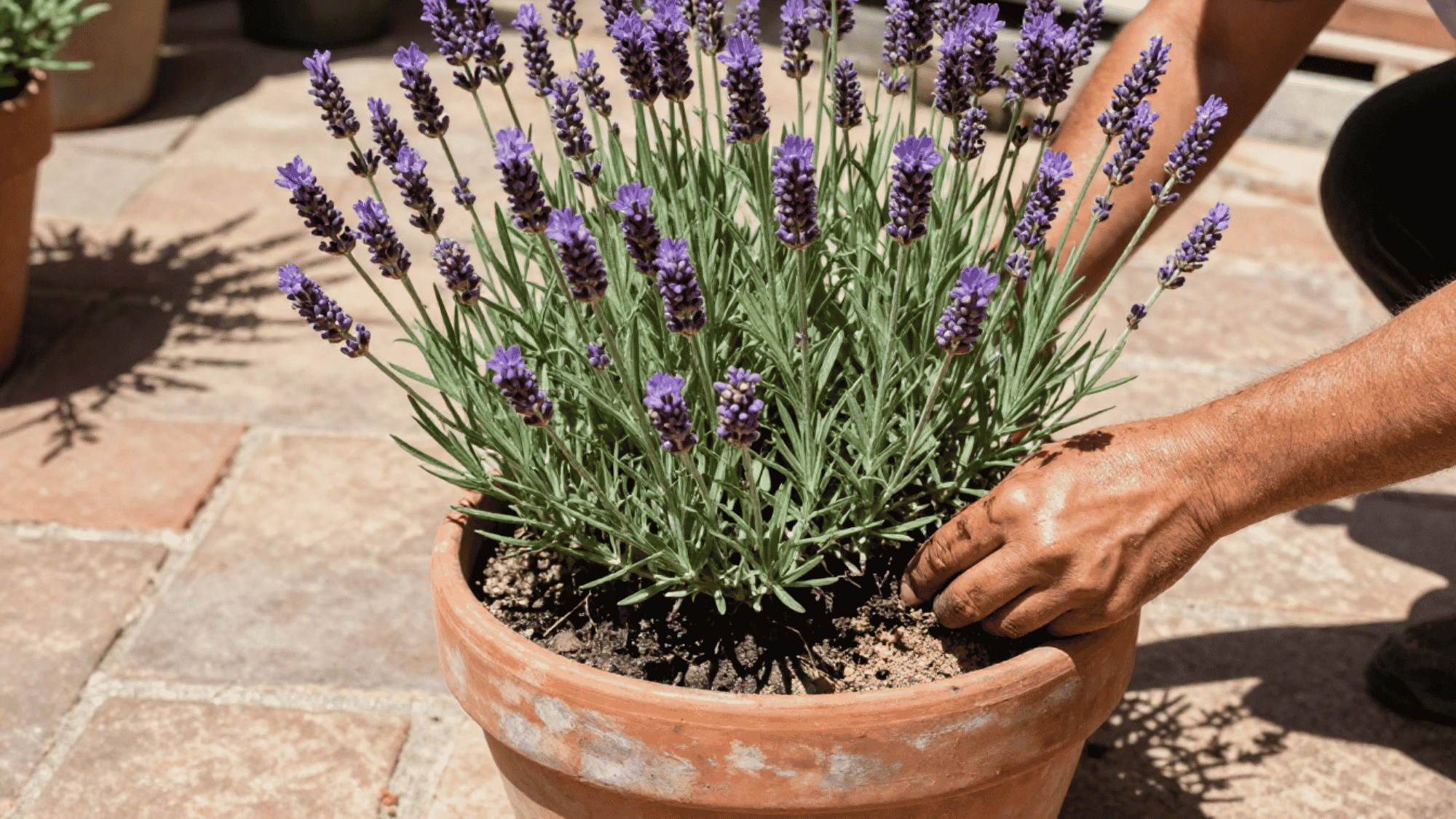
These heat lovers grow best in hot, humid, or mild winter regions.
If you live in a hot southern state, French or Spanish varieties are your best option. They handle high summer humidity much better than their English cousins, which often rot in those sticky conditions.
However, they are highly sensitive to freezing temperatures and will die in harsh winters. Keep them in pots if you experience regular frost so you can move them inside.
A Beginner’s Reality Check
If you want to start from scratch rather than buy a nursery plant, here is what the general guides do not always tell you.
Seed-grown lavender is incredibly slow and highly uneven. While it feels great to grow your own herbs from the ground up, most people in the gardening community agree that transplants are the best choice for your first attempt.
Seeds vs. Transplants For Beginners
Starting from seeds is a cheap way to grow many plants, but it requires a lot of extra effort.
Buying a transplant gives you a strong head start, which is why I suggest it for your first try at lavender plant care. Here is a quick breakdown of how they compare.
| Growing From Seeds | Buying A Transplant |
| Takes 1 to 3 months to sprout | Instant gratification and immediate planting |
| Requires indoor grow lights and heat mats | Ready to go straight into the garden bed |
| High failure rate for beginners | An established root system is much tougher |
| Very cheap per plant | Costs more upfront per plant |
What Slows Seed-Grown Lavender Down
Many gardeners are surprised by how slowly lavender develops from seed. Understanding the common delays can help set realistic expectations.
- Germination: These seeds are notoriously picky and need a cold treatment, followed by very warm soil and intense light, to break open.
- Growth: The leafy top stays tiny for weeks after sprouting while the plant slowly pushes a taproot deep into the dirt.
- Blooming: A seed-grown plant rarely flowers in its first summer, but if it does, you must pinch the buds off so the young roots do not get stressed.
Companion Planting Rules
Placing the right plants together saves you from accidentally drowning your herb.
To keep everything healthy, you must group plants by their exact water needs. I always recommend placing herbs with similar dry-soil requirements together.
| Garden Plant | Water Needs | Compatibility | The Reason Why |
| Rosemary | Low | Excellent | Thrives in the same dry, sandy dirt and full sun. |
| Thyme | Low | Excellent | A tough herb that loves dry conditions and shares care needs. |
| Yarrow | Low | Excellent | Highly drought-tolerant and handles the same bright, hot spots. |
| Echinacea | Low | Great | Enjoys dry roots and looks highly attractive, blooming next to purple spikes. |
| Oregano | Low | Great | Another Mediterranean herb that prefers fewer waterings and sharp drainage. |
| Hydrangea | High | Terrible | Requires constant moisture, which will quickly rot dry-loving roots. |
| Hosta | High | Terrible | Needs deep shade and damp soil to survive the summer heat. |
| Mint | High | Terrible | Spreads aggressively and requires moist soil to keep its leaves green. |
| Ferns | High | Terrible | Woodland plants that need high humidity and consistently moist soil. |
Final Thoughts
Good lavender plant care relies on three simple rules: provide full sun, ensure sharp soil drainage, and hold back on the water.
If you remember that these plants love dry conditions, you will avoid the common traps of overwatering and over-fertilizing.
I know it requires patience to pinch off those early first-year blooms, but that single step builds a solid root foundation for a long-lasting herb.
Just resist the urge to baby your plant too much, and it will produce healthy blooms year after year. Try these practical tips on your own plant, and share your results with us in the comments below!
Frequently Asked Questions
Why is My Lavender Turning Woody at the Base?
Older plants naturally develop hard, woody stems over time. Avoid cutting into bare wood during pruning, and replace the plants every few years to maintain fresh growth.
Does Lavender Attract Bees and Pollinators?
Yes, the fragrant blooms are a massive draw for bees and other helpful pollinators. Planting this herb in sunny spots greatly improves pollinator activity for your surrounding crops.
Can I Grow Lavender Indoors on a Windowsill?
It is very difficult. Most homes lack the intense direct sunlight this plant needs. A bright south-facing window and excellent drainage offer the best chance of survival indoors.
Why Won’t My Lavender Flower Even Though it Looks Healthy?
Too much nitrogen promotes leafy green growth rather than flowers. Stop using high-nitrogen fertilizer and switch to a bloom-focused nutrient to help your plant finally produce buds.
Can One Lavender Plant be Split into Several?
No, it cannot. Because it is a woody shrub and not a clumping herb, it cannot be divided. You must propagate from stem cuttings to get more plants.
Jordan Mathews, who has a degree in horticulture from Texas A&M University, has been a guiding force in plant health and sustainable gardening for over 16 years. His career began with a role at a renowned botanical garden, where he deepened his understanding of plant physiology and eco-friendly cultivation methods. Jordan joined our website as a freelancer in 2020, becoming a go-to expert for readers seeking advice on nurturing diverse plant species apart from offering insights grounded in scientific knowledge and practical experience. Beyond his professional achievements, Jordan is a keen nature photographer, capturing the beauty of flora in its immensely diversified forms.