
Neem oil has become one of the most popular natural solutions for protecting plants from pests and certain fungal issues.
Extracted from the seeds of the neem tree, this plant-based oil is widely used by home gardeners, organic growers, and commercial farmers seeking an alternative to synthetic pesticides.
Its ability to target common garden pests while supporting eco-friendly gardening practices has contributed to its growing popularity.
Across gardening forums, social media groups, and online communities, gardeners frequently discuss neem oil application methods, effectiveness, and best practices. In this guide, you’ll learn what neem oil is, how it works, and the key benefits it offers for maintaining healthier, pest-free plants.
Understanding Neem Oil
Neem oil is a natural plant-based oil extracted from the seeds of the neem tree (Azadirachta indica), a species native to the Indian subcontinent.
For centuries, neem has been valued for its role in traditional agriculture, and today it remains a popular choice among home gardeners and organic growers.
Rich in naturally occurring compounds, neem oil helps protect plants by deterring insect feeding, disrupting growth and development, and reducing pest reproduction.
Unlike many conventional pesticides that rely on a single method of control, neem oil works in several ways, making it an effective option for long-term pest management.
Forms of Neem Oil
Not all neem oil on the shelf is the same, and this trips up many first-time buyers. From a horticulture standpoint, the form you choose matters as much as how you apply it:
Cold-pressed (raw) neem oil: Contains the full range of natural compounds, including azadirachtin. This is what I reach for when I want the broadest pest-control effect, but it needs an emulsifier and fresh mixing.
Clarified hydrophobic neem oil: Azadirachtin is largely removed; it works mainly by smothering soft-bodied pests on contact. Gentler, but shorter-acting.
Ready-to-use sprays: Convenient for houseplants and small jobs, but diluted and more expensive per application.
Concentrates and garden granules: Cost-effective for larger gardens once you’re comfortable mixing.
Key Active Compounds in Neem Oil
Neem oil’s effectiveness comes from several naturally occurring compounds that work together to protect plants from common garden pests. Here are the key components responsible for its pest-control properties:
- Azadirachtin: The most important active compound that disrupts insect feeding, growth, and reproduction, helping control pest populations naturally.
- Salannin: Acts as a natural repellent, discouraging pests from feeding on treated plants.
- Nimbin contributes to neem oil’s pest-deterring and protective properties, supporting overall plant health.
- Multiple Modes of Action: Neem oil compounds target different stages of a pest’s life cycle, including feeding, development, and breeding.
- Long-Term Pest Management: By affecting pest growth and reproduction, neem oil helps reduce recurring infestations over time.
- Natural Plant Protection: The combination of these bioactive compounds makes neem oil an effective and widely used solution for organic gardening.
Benefits of Using Neem Oil on Plants
The active compounds in neem oil protect plants through multiple mechanisms. Instead of simply killing pests on contact, neem oil disrupts different stages of their life cycle, making it an effective solution for long-term pest management.
| How Neem Oil Works | What It Does | Benefit for Plants |
|---|---|---|
| Antifeedant Properties | Neem oil makes treated plants less appealing to pests and interferes with their normal feeding behavior. | Reduces leaf damage from chewing and sucking insects, allowing plants to recover and grow more vigorously. |
| Growth Regulation | Active compounds in neem oil disrupt insect hormones responsible for growth and development. | Prevents immature pests from reaching adulthood, helping reduce future infestations. |
| Reproduction Disruption | Neem oil can affect mating, egg production, and egg viability in many pest species. | Slows pest population growth and provides longer-term pest control. |
| Multi-Action Pest Control | Targets feeding, development, and reproduction rather than relying solely on direct contact. | Offers a more comprehensive and sustainable approach to managing garden pests. |
| Long-Term Plant Protection | Continuously interrupts pest life cycles when applied consistently. | Supports healthier plants and reduces the likelihood of recurring pest outbreaks. |
A 2016 review published in Frontiers in Plant Science, “Neem Oil and Crop Protection: From Now to the Future,” reported that neem oil contains more than 100 biologically active compounds, including azadirachtin, which disrupts insect feeding, growth, and reproduction.
How to Mix Neem Oil Spray for Plants
Neem oil must be mixed properly to ensure even coverage and effective pest control. Since oil and water do not naturally combine, using the right ingredients and ratios is essential.
Ingredients You Need
Before preparing a neem oil spray, gather a few basic ingredients to create a stable, effective solution for pest control.
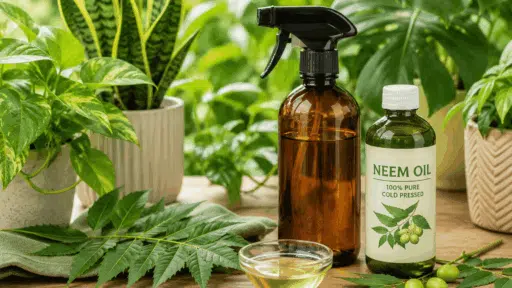
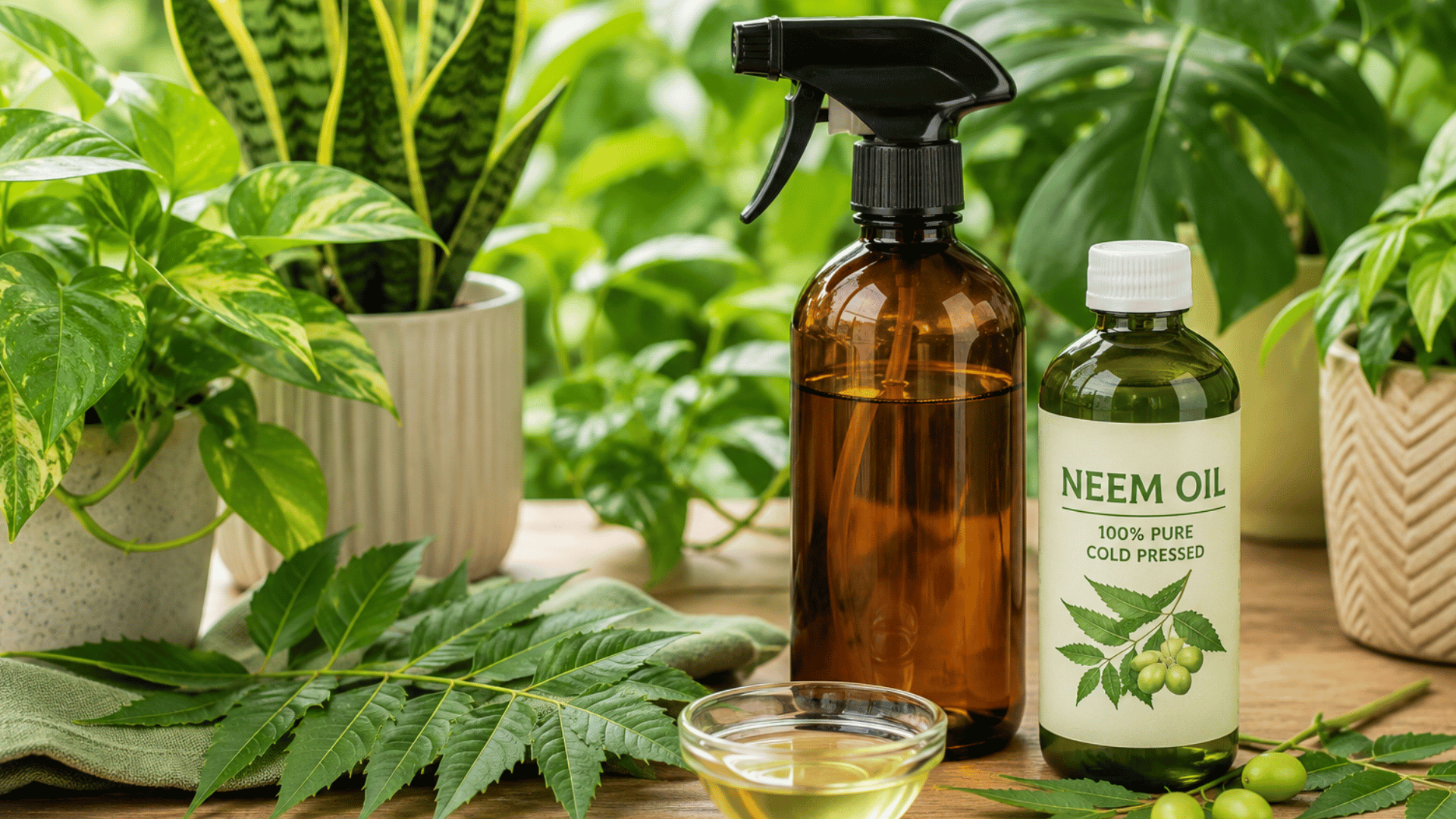
- Pure or cold-pressed neem oil
- Clean, lukewarm water
- Mild liquid soap or emulsifier (to help the oil mix with water)
- Spray bottle or garden sprayer
Standard Neem Oil Spray Recipe
Once you have the necessary ingredients, follow this simple recipe to create a neem oil spray suitable for most garden plants.
- Add 1–2 teaspoons of neem oil to 1 liter (4 cups) of water
- Mix in ½–1 teaspoon of mild liquid soap
- Stir or shake thoroughly until the solution appears milky
- Pour the mixture into a spray bottle and use immediately
Recommended Neem Oil Ratios
The ideal neem oil concentration depends on if you’re preventing pests or treating an active infestation.
| Purpose | Neem Oil | Water |
|---|---|---|
| Preventive maintenance | 1 teaspoon | 1 liter (4 cups) |
| Mild pest issues | 1.5 teaspoons | 1 liter (4 cups) |
| Active infestations | 2 teaspoons | 1 liter (4 cups) |
How to Apply Neem Oil on Plants
Applying neem oil correctly helps maximize its effectiveness while minimizing the risk of plant damage. Proper application ensures the solution reaches pests hiding on leaves, stems, and other plant surfaces.
By following a few simple steps, gardeners can achieve better coverage, improve pest control, and support healthier plant growth.
Step 1: Test on a Small Section First
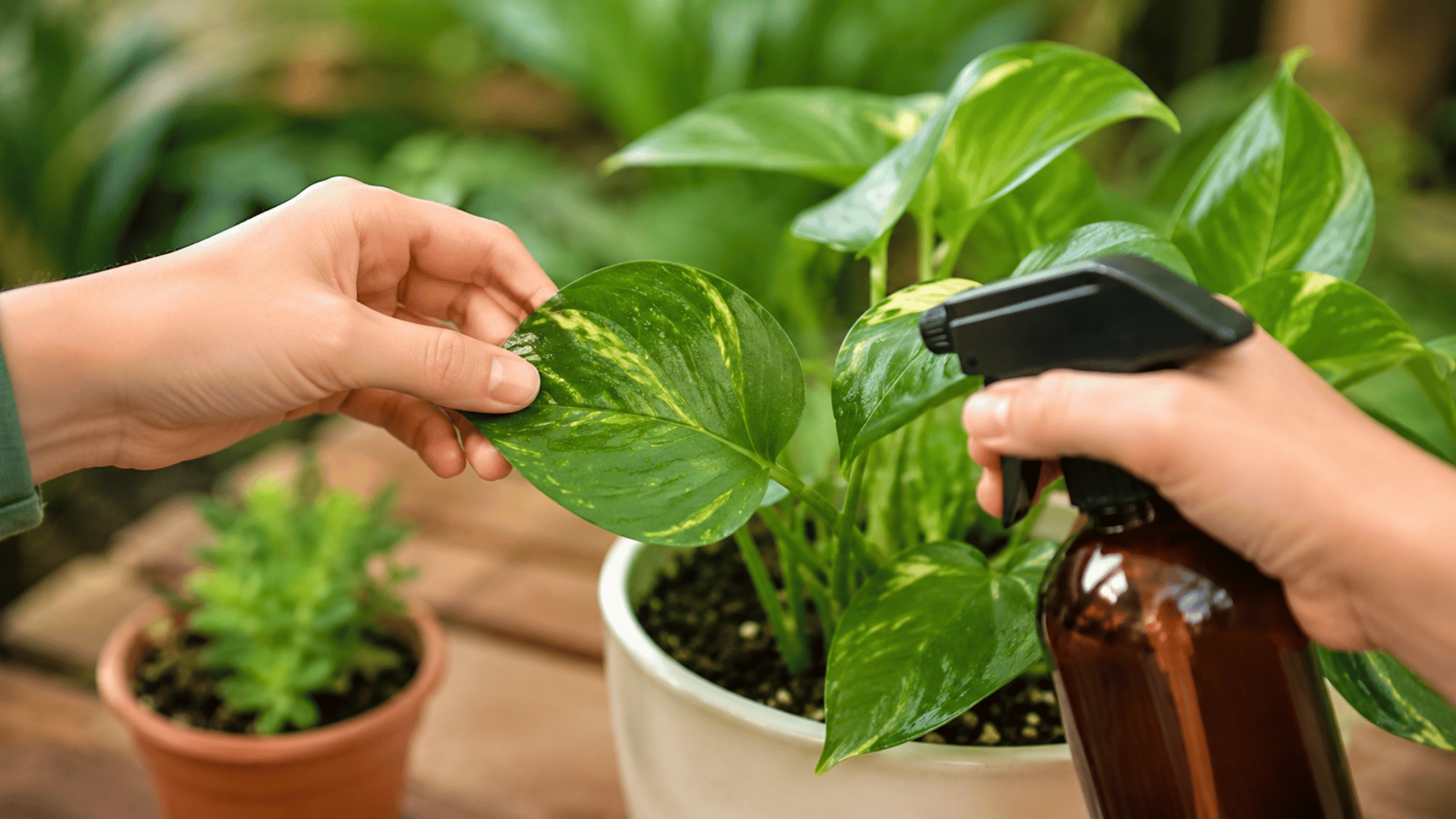
Before spraying the entire plant, apply the neem oil solution to a small section and monitor it for 24 hours.
This simple test helps identify if the plant is sensitive to the mixture and reduces the risk of leaf burn or discoloration. If no adverse effects appear, you can confidently proceed with treating the rest of the plant.
Step 2: Shake the Spray Bottle Thoroughly
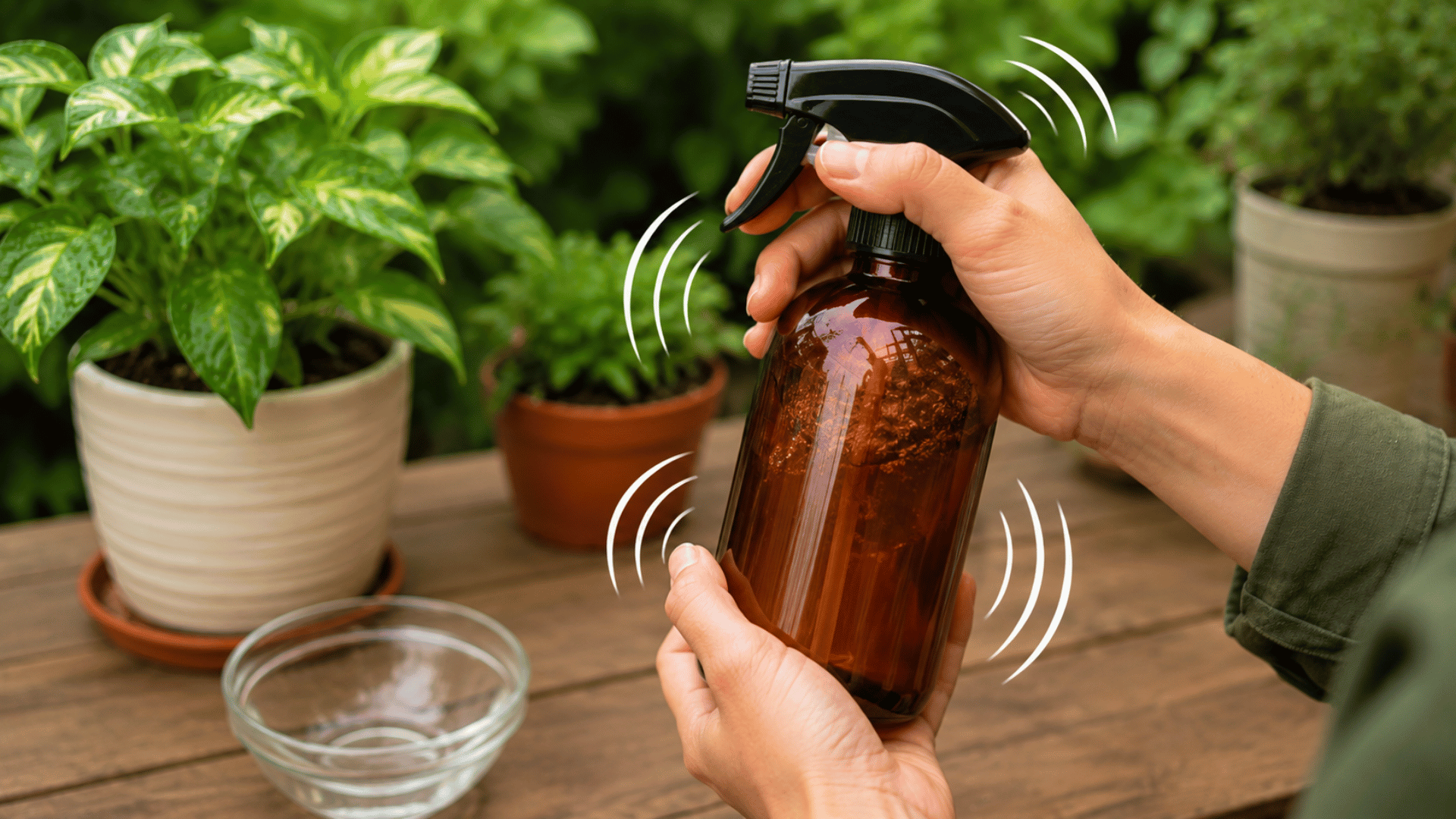
Neem oil and water naturally separate over time, even when an emulsifier is added. Before spraying, shake the bottle thoroughly to ensure the mixture remains evenly blended.
Continue shaking occasionally during application to maintain a consistent solution.
Proper mixing helps distribute the active compounds evenly, improving coverage and ensuring effective pest control across the entire plant.
Step 3: Spray Both Sides of the Leaves
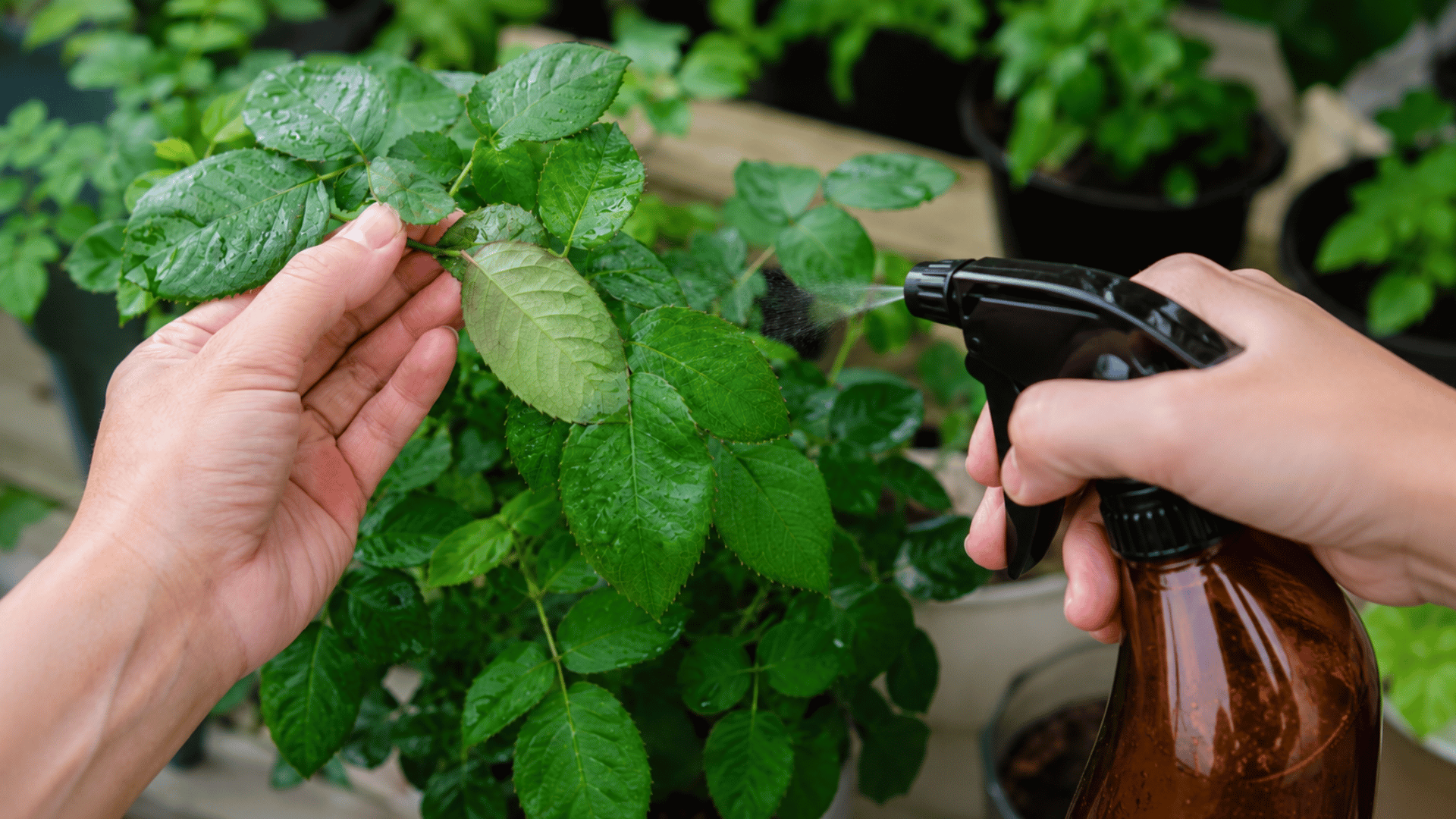
Apply the neem oil spray evenly to both the upper and lower surfaces of the leaves. Many common garden pests, including aphids, whiteflies, and spider mites, tend to hide underneath foliage where they are less visible.
Thorough coverage is essential because neem oil only works where it is applied, making complete leaf treatment a key step in the process.
Step 4: Treat Stems and Hidden Areas
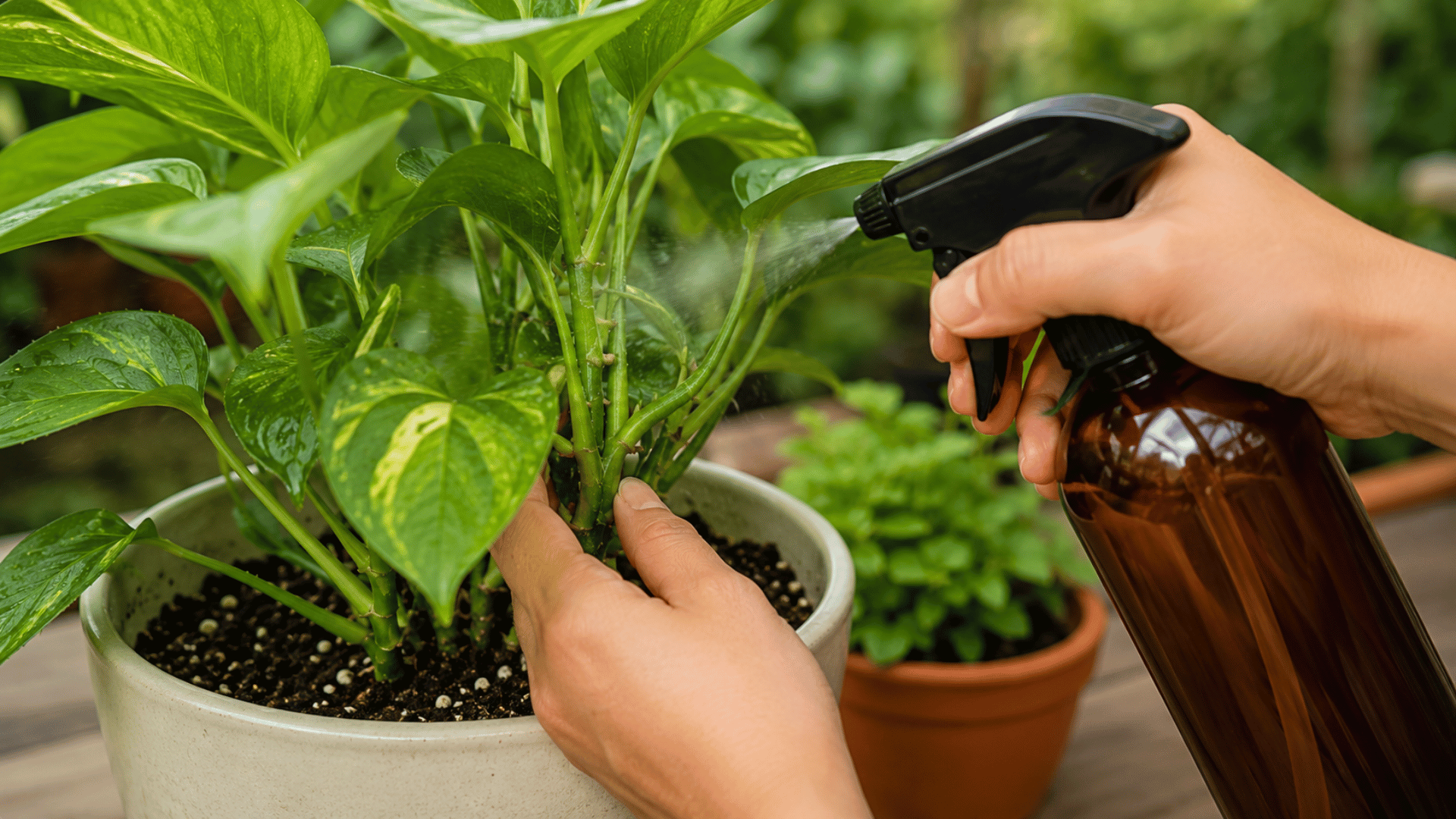
Don’t focus solely on the leaves. Spray stems, leaf joints, branch intersections, and other concealed areas where insects often gather, feed, or lay eggs.
These hidden spots can become breeding grounds for pests if left untreated. Covering all vulnerable areas helps improve the effectiveness of the application and reduces the likelihood of recurring infestations.
Step 5: Focus on Pest-Affected Zones
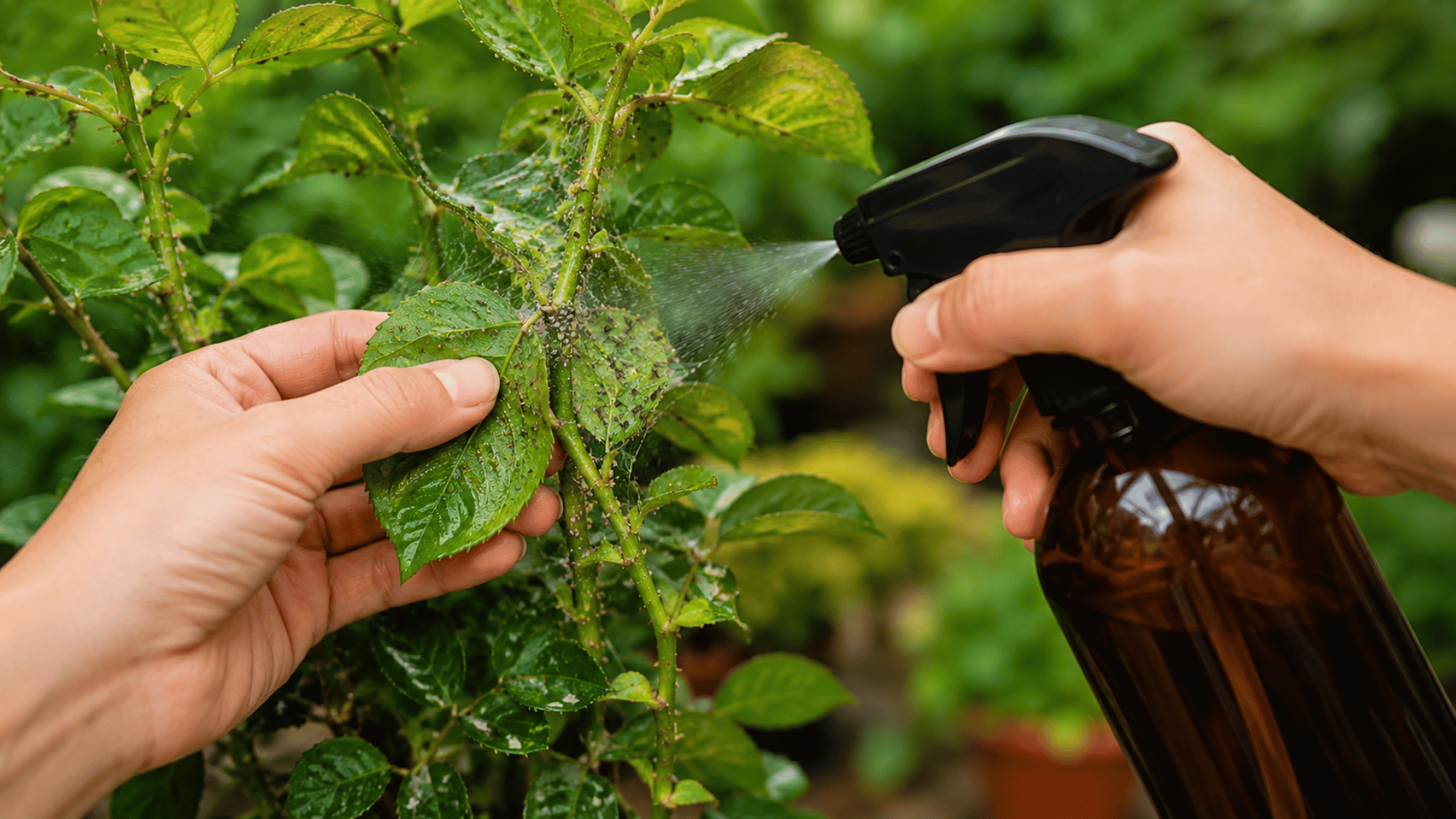
Pay special attention to areas showing signs of pest activity, such as curled leaves, yellowing foliage, webbing, sticky residue, or visible insects.
Applying neem oil directly to affected sections helps target the infestation more efficiently.
While the entire plant should receive coverage, concentrating on problem areas can accelerate results and prevent pests from spreading further.
Step 6: Reapply as Needed
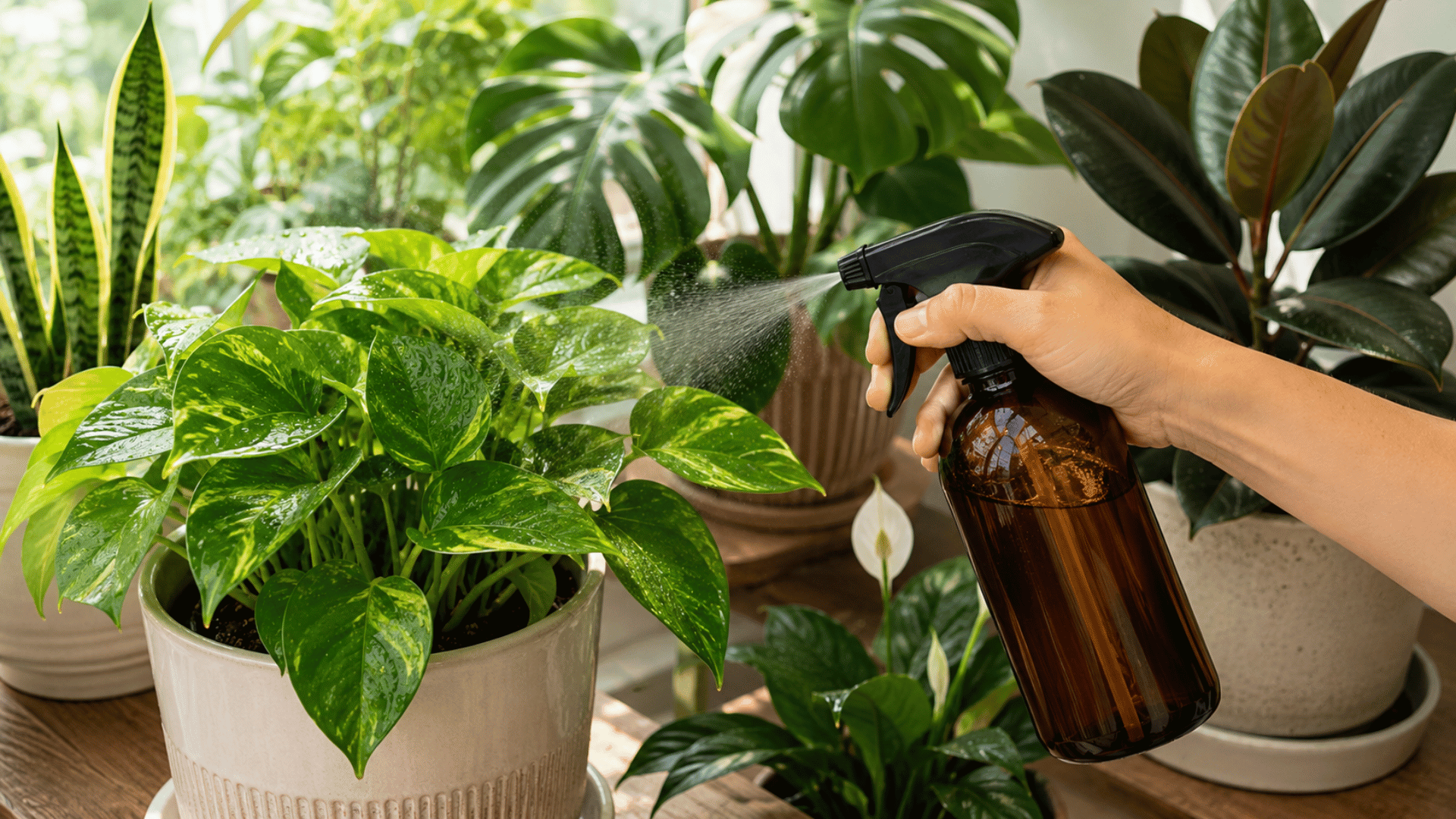
Neem oil works best when used consistently. For active infestations, reapply the spray every 7–14 days according to the product instructions. Regular treatments help interrupt pest feeding, growth, and reproduction cycles.
Even after pests appear to be gone, occasional preventive applications can help protect plants and reduce the risk of future outbreaks.
Best Time to Spray Neem Oil
Choosing the appropriate time of day and paying attention to weather conditions can improve coverage, reduce evaporation, and maximize results.
- Early Morning Applications: Early morning is one of the best times to spray neem oil because temperatures are cooler and sunlight is less intense. This allows the solution to dry gradually and remain effective on plant surfaces.
- Evening Applications: Evening applications work well because plants are no longer exposed to strong sunlight. Spraying at this time helps reduce the risk of leaf burn and gives neem oil more time to act on pests.
- Why Midday Spraying Should Be Avoided: Avoid spraying neem oil during the hottest part of the day. High temperatures and direct sunlight can cause leaf damage and reduce the effectiveness of the treatment through rapid evaporation.
- Weather Conditions That Affect Results: For best results, apply neem oil on calm, dry days with moderate temperatures. Avoid spraying before rain or during windy conditions, as this can wash away the solution or lead to uneven coverage.
How often should you use Neem Oil?
The ideal application frequency depends on if you’re treating an active pest problem or using neem oil as a preventive measure. Consistent use helps maximize effectiveness and keep pest populations under control.
- For Active Pest Infestations: If pests are already present, apply neem oil every 7–14 days until the infestation is under control. Regular treatments help disrupt feeding, growth, and reproduction cycles, reducing pest populations over time.
- For Preventive Care: To prevent future pest problems, apply neem oil every 2–4 weeks during the growing season. Preventive treatments can help deter common garden pests before they establish themselves on plants.
- Seasonal Application Schedule: Neem oil is most effective when used during periods of active plant growth, such as spring and summer. Increase application frequency during peak pest seasons and reduce or pause treatments during colder months when pest activity naturally declines.
Common Mistakes When Using Neem Oil
Even though neem oil is easy to use, certain application mistakes can reduce its effectiveness or harm plants. Understanding these common errors can help you achieve better pest control results.
| Mistake | Why it’s a Problem | Solution |
|---|---|---|
| Using too Much Neem Oil | High concentrations can clog leaf pores and increase the risk of leaf burn or discoloration. | Follow the recommended dilution ratios on the product label and avoid overapplication. |
| Spraying During Hot Weather | Direct sunlight and high temperatures can cause leaf scorch and reduce effectiveness through rapid evaporation. | Apply neem oil early in the morning or during the evening when temperatures are cooler. |
| Applying to Stressed Plants | Plants that are dehydrated, diseased, or recently transplanted may be more sensitive to treatments. | Ensure plants are healthy and well-watered before applying neem oil. |
| Skipping Leaf Coverage | Pests often hide on the undersides of leaves and in hard-to-reach areas. | Spray both sides of leaves, stems, and leaf joints for thorough coverage. |
| Expecting Immediate Results | Neem oil works gradually by disrupting pest feeding, growth, and reproduction. | Be patient and apply consistently for several weeks if needed. |
Which Plants can Neem Oil be used on?
Neem oil is a versatile plant-care solution that can be used on many indoor and outdoor plants. It is commonly applied to control pests such as aphids, spider mites, whiteflies, mealybugs, and scale insects.
While most plants tolerate properly diluted neem oil, it is always a good idea to test the solution on a small section before treating the entire plant.
1. Houseplants
Neem oil is a popular choice for indoor plant care because it helps control common pests without the need for harsh chemicals.
It can be used on houseplants such as pothos, monstera, snake plants, rubber plants, and peace lilies.
Regular applications can help prevent infestations and keep indoor plants healthy, especially in environments where pests can spread quickly between containers.
2. Vegetable Gardens
Many gardeners use neem oil in vegetable gardens as part of an organic pest management strategy.
It is commonly applied to tomatoes, peppers, cucumbers, squash, beans, and leafy greens to help manage insect populations.
When used correctly, neem oil can protect crops from pest damage while supporting healthier plant growth throughout the growing season.
3. Fruit Trees
Fruit trees can benefit from neem oil treatments against pests such as aphids, scale insects, whiteflies, and mites.
Apple, citrus, pear, peach, and plum trees are among the many fruit-bearing plants that can be treated.
Applying neem oil during the early stages of pest activity can help prevent infestations from becoming severe and damaging fruit production.
4. Herbs
Neem oil can also be used on culinary herbs, including basil, mint, parsley, cilantro, rosemary, and thyme. Since herbs are often grown in small spaces and harvested regularly, it is important to monitor them for pests.
Neem oil provides a natural way to protect these plants while maintaining an organic gardening approach.
5. Flowering Plants
Many flowering plants respond well to neem oil treatments for pest issues.
Roses, marigolds, hibiscus, petunias, zinnias, and chrysanthemums are commonly treated with neem oil to manage insects and maintain healthy blooms.
Consistent applications can help protect flowers from pest damage and support vibrant growth throughout the season.
6. Sensitive Plants Requiring Caution
Although neem oil is generally safe for most plants, some species can be more sensitive to treatment.
Ferns, orchids, certain succulents, tender seedlings, and recently transplanted plants may react negatively if the solution is too concentrated or applied under unfavorable conditions.
To avoid damage, always test neem oil on a small area first and monitor the plant before proceeding with a full application.
At The End
Neem oil remains one of the most popular natural solutions for protecting plants from common garden pests and certain fungal issues. However, its effectiveness depends largely on proper preparation and application.
Using the correct mixing ratios, applying the spray evenly, and choosing the right time to treat plants can help maximize results while minimizing the risk of damage.
It’s also important to remember that neem oil works gradually by disrupting pest feeding, growth, and reproduction rather than delivering immediate results.
Supported by both scientific research and practical gardening experience, neem oil remains a reliable and eco-friendly tool for natural pest management.
Frequently Asked Questions
Can Neem Oil Harm Beneficial Insects?
Direct contact can affect pollinators and beneficial bugs, so it’s best to spray early in the morning or late in the evening when these insects are less active.
Can Neem Oil be Mixed with Other Plant Treatments?
Neem oil can sometimes be combined with certain plant-care products, but compatibility varies. Avoid mixing it with sulfur-based products as this may increase the risk of plant damage.
How long does Neem Oil Remain Effective after Application?
Neem oil typically remains effective for several days. Rain, irrigation, and strong sunlight can reduce its effectiveness, so periodic reapplication may be necessary.
Can Neem Oil be Used on Seedlings and Young Plants?
Yes, neem oil can be used on seedlings, but young plants are often more sensitive to treatments. Does Neem Oil Leave a Residue on Plants?
Neem oil may leave a light oily residue on leaves immediately after application. This usually fades as the product dries, but excessive use can result in buildup that may affect plant appearance.

Jordan Mathews, who has a degree in horticulture from Texas A&M University, has been a guiding force in plant health and sustainable gardening for over 16 years. His career began with a role at a renowned botanical garden, where he deepened his understanding of plant physiology and eco-friendly cultivation methods. Jordan joined our website as a freelancer in 2020, becoming a go-to expert for readers seeking advice on nurturing diverse plant species apart from offering insights grounded in scientific knowledge and practical experience. Beyond his professional achievements, Jordan is a keen nature photographer, capturing the beauty of flora in its immensely diversified forms.