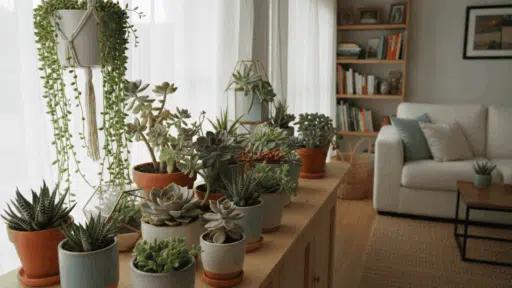
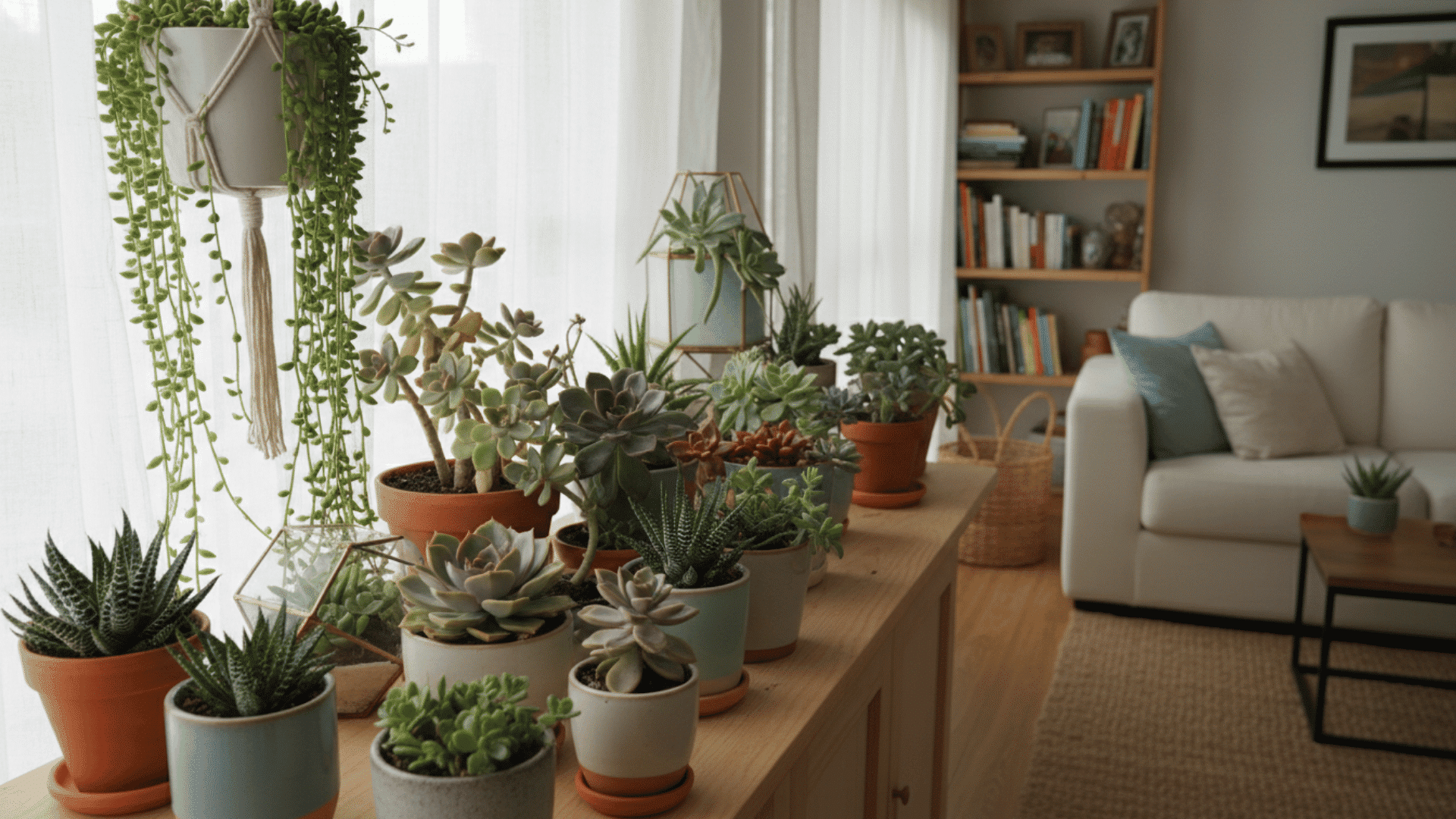

Succulents have become a favorite among those who want a touch of greenery without too much fuss.
Their thick, fleshy leaves store water, which means they can thrive even if you forget to water them now and then.
In this guide, I’ll show you exactly how to care for succulents so they stay healthy and vibrant. You’ll learn the right way to water them, how much sunlight they need, and which soil helps them grow strong.
I’ll also cover tips for repotting, choosing the best containers, and avoiding common mistakes that can harm your plants.
Plus, we’ll explore some easy-to-grow succulent varieties that are perfect for beginners.
Drawing on years of horticulture experience, I’ll provide practical advice that’s simple to follow, whether you’re starting your first indoor garden or adding a few new plants to your collection.
How to Care for Succulents
Caring for succulents doesn’t have to be complicated. Focusing on three key areas water, light, and soil will keep your plants healthy and vibrant.
Watering: Succulents store water in their leaves, so they only need watering when the soil is completely dry. Pour water directly onto the soil and avoid wetting the leaves. Ensure any excess water drains fully to prevent root rot.
Light: Place succulents in bright, indirect sunlight for about six hours a day. Rotate them occasionally so all sides get light evenly. Avoid harsh direct sun for long periods to prevent leaf burn.
Soil and Pot: Use well-drained soil, such as a cactus or succulent mix, and choose pots with drainage holes. Terra cotta pots are ideal because they dry faster, keeping roots healthy.
Follow these basic steps to get started, and learn further about succulent care in the rest of this blog.
Watering Your Succulents Correctly
Succulents are built to survive in dry, desert-like conditions, so they don’t need frequent watering. Overwatering is the most common problem for beginners, and it can cause leaves to blister, turn white, or even rot.
To keep your plants healthy, start by checking the soil. Only water when it is completely dry.
Pour water directly onto the soil, avoiding the leaves, and let any extra water drain fully from the pot before putting it back.
Adding a layer of gravel or sand at the bottom helps improve drainage and prevents water from pooling around the roots.
During hotter months, succulents may need a bit more water, while in cooler months, water less often. Watching your plant for signs of stress, like wrinkled or soft leaves, will help you adjust watering before problems start.
Providing the Right Light
Succulents need plenty of light to stay healthy and colorful. They do best in bright, indirect sunlight, and about six hours of light each day is ideal.
Tip: A south-facing window is perfect, or you can place them on a bright table or shelf in your kitchen or bedroom.
Be careful with direct sunlight for long periods, especially during hot afternoons. Too much direct sun can burn the leaves, causing brown or beige patches, or make the green color fade.
Rotating your succulents every week or so helps all sides of the plant get light evenly. This prevents one side from growing longer or leaning toward the sun.
If you notice leaves stretching out or becoming pale, it’s a sign your plant may need a brighter spot. Proper lighting keeps your succulents compact, vibrant, and happy.
Choosing the Best Soil and Pots
Succulents thrive in soil that drains quickly, which prevents root rot and keeps plants healthy. The right pot and soil combination makes a big difference. Here’s a simple guide:
| Topic | Tips & Details |
|---|---|
| Soil Type | Use cactus or succulent soil, or mix regular potting soil with sand for faster drainage. |
| Pot Selection | Choose pots with drainage holes. Terra cotta pots are ideal because they dry faster than plastic. |
| Repotting Signs | Roots growing out of the drainage hole or the plant outgrowing the pot are signs it’s time to repot. |
Using the right soil and pot prevents waterlogging, encourages strong root growth, and keeps succulents happy for years.
Step-by-Step Repotting Guide for Succulents
Repotting a succulent may seem tricky at first, but by following these clear steps, you can make sure your plant settles into its new home safely and continues to thrive.
1. Prepare the new pot and soil
Choose a slightly larger pot with drainage holes. Fill it with cactus or succulent soil, or a mix of potting soil and sand.
2. Remove the succulent from its old pot
Gently loosen the soil around the roots and lift the plant carefully, taking care not to damage the leaves or stems.
3. Clean the roots
Shake off excess soil and gently wipe any clinging dirt from the roots. Check for any signs of rot or damaged roots and trim if necessary.
4. Place in the new pot
Center the succulent in the new pot and add soil around the roots. Press lightly to secure the plant without compacting the soil too much.
5. Water lightly and settle
Pour a small amount of water directly onto the soil, allowing it to drain. Avoid wetting the leaves. Let the plant adjust to its new home.
Additional Care Tips
Beyond watering, light, and soil, these extra care tips help your succulents thrive and stay vibrant throughout the year.
- Fertilize occasionally: Use a succulent or cactus-specific fertilizer once a month during spring and summer to support growth.
- Keep leaves clean: Gently wipe dust off leaves every few weeks to improve photosynthesis.
- Move outdoors safely: Succulents enjoy fresh air and sunlight during warm months, but keep them away from heavy rain and ensure nighttime temperatures stay above 60°F.
- Water correctly: Avoid misting leaves, which can cause damage; always pour water directly into the soil.
These simple care steps help your succulents stay healthy, colorful, and strong all year round.
Popular Succulent Varieties for Beginners
To make caring for succulents even easier, here are some beginner-friendly varieties that are low-maintenance, visually appealing, and perfect for starting your indoor garden.
1. Aloe (Aloe vera)
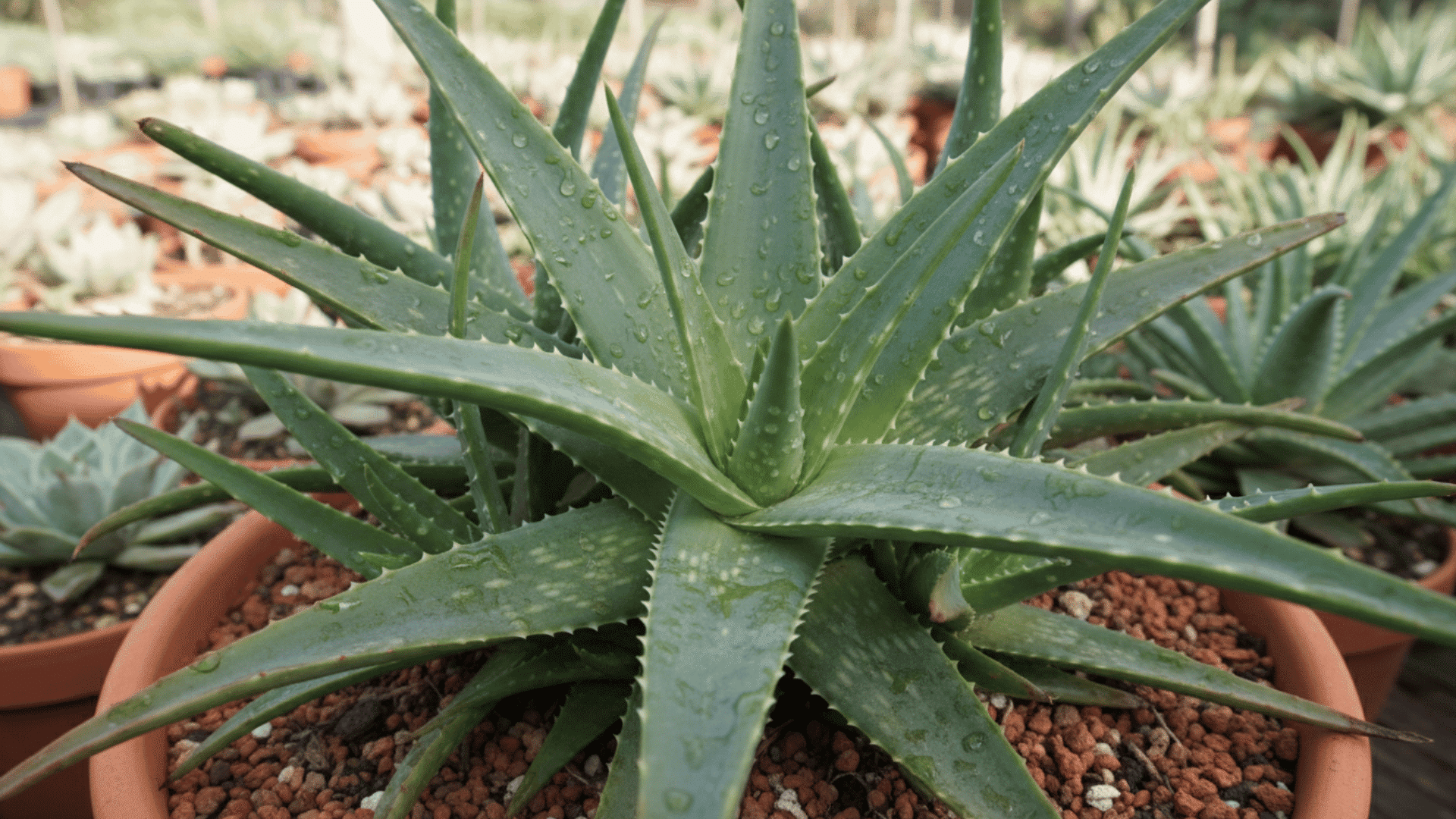
Aloe vera is a popular succulent known for its medicinal properties and soothing sap. It grows in clusters of long, green leaves with spiky edges.
Aloe is easy to propagate through offsets, making it perfect for beginners. With minimal care, it thrives indoors in bright, indirect sunlight and only needs occasional watering, especially during cooler months.
2. Echeveria
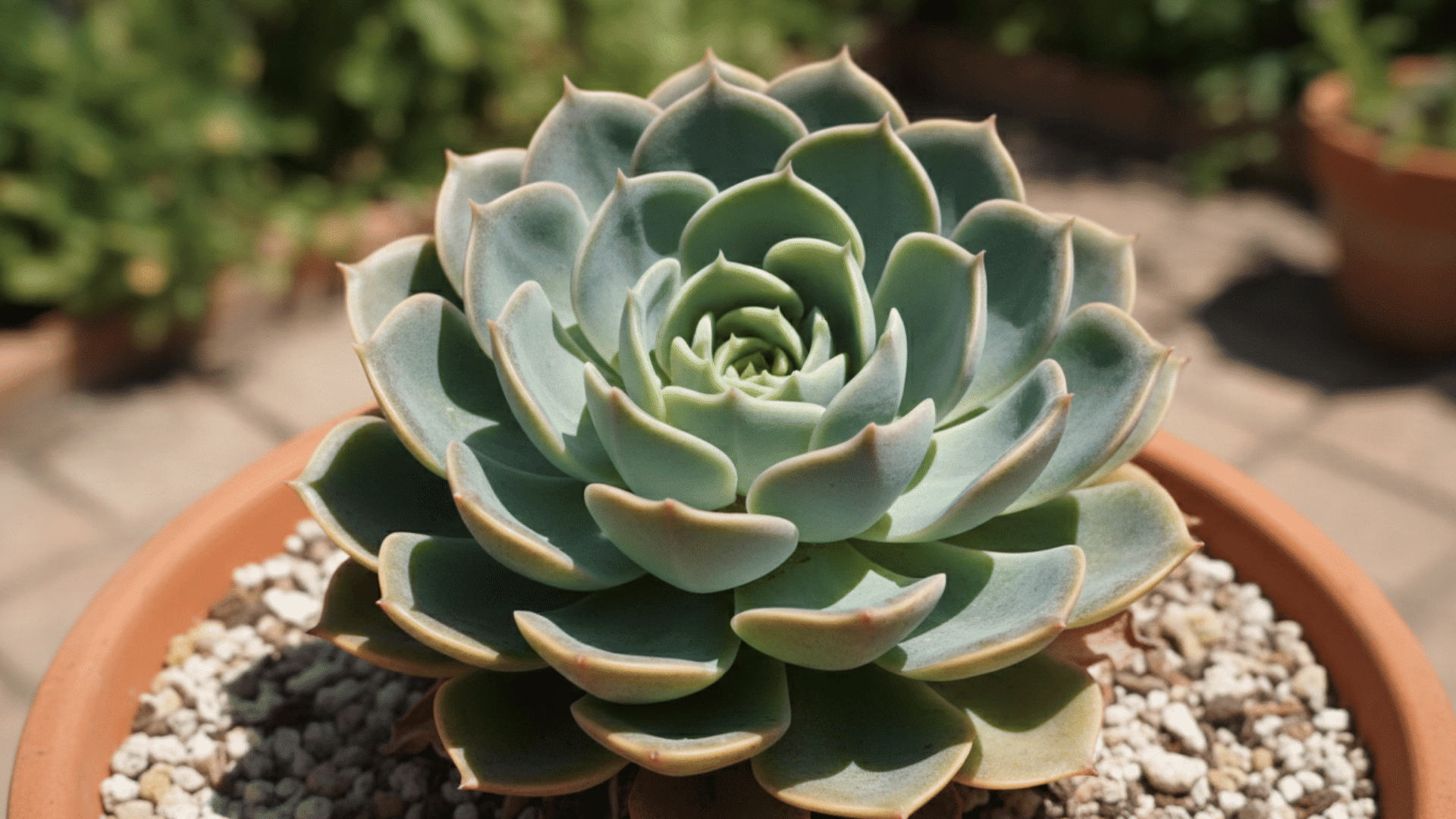
Echeveria is a compact, rosette-shaped succulent with colorful, plump leaves. It comes in shades of green, blue, pink, and purple, adding vibrant color to your home.
This low-maintenance plant prefers bright, indirect light and infrequent watering. Echeveria is perfect for small pots or mixed succulent arrangements, making it a great choice for beginners starting their collection.
3. Jade Plant (Crassula ovata)
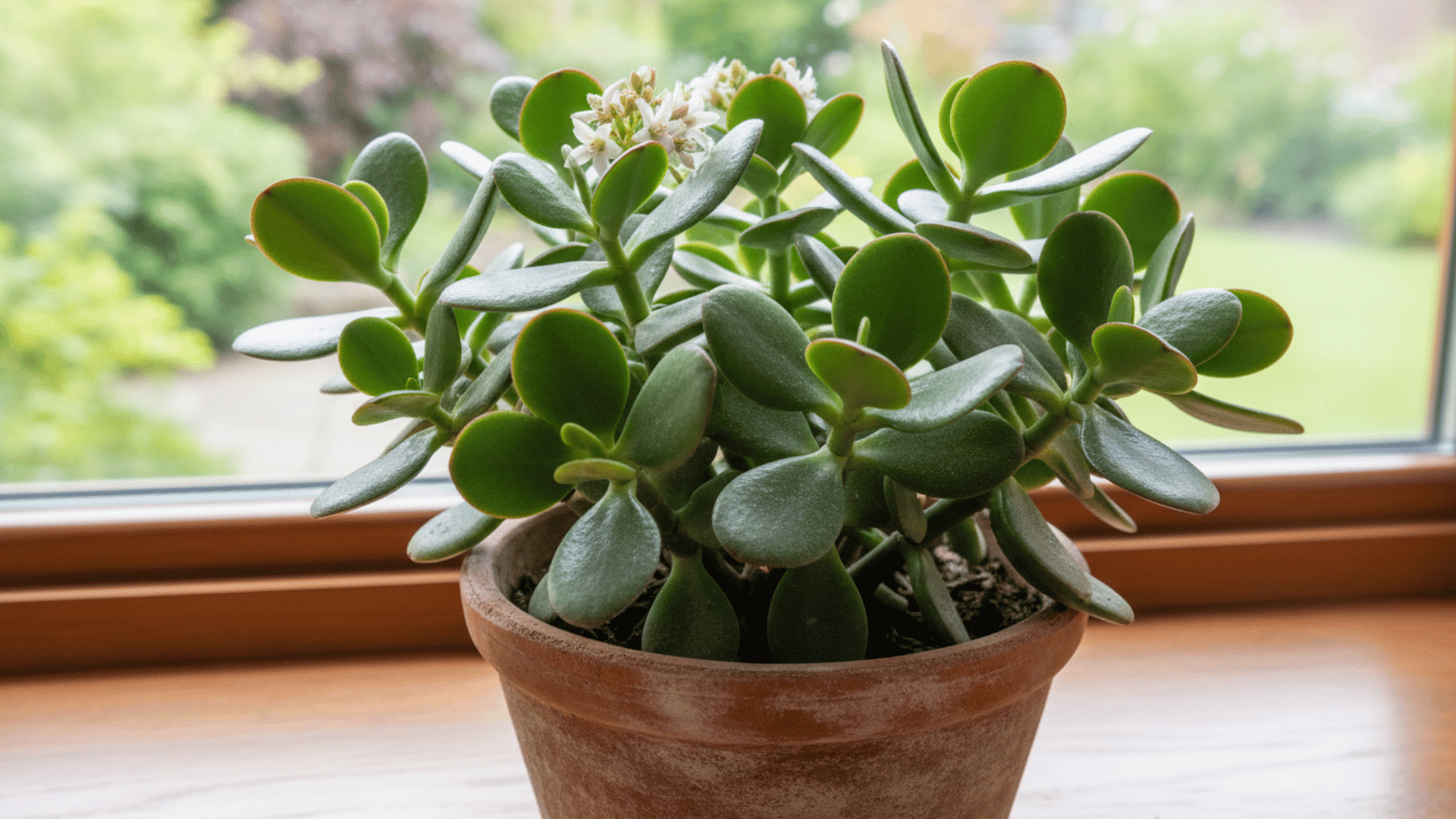
The Jade Plant is a sturdy succulent with thick, glossy green leaves, sometimes edged in red. It grows slowly indoors and can reach about a foot tall, making it ideal for tabletops or shelves.
Jade plants prefer well-drained soil and bright light, and they only need occasional watering. Their durability makes them beginner-friendly and long-lasting.
4. Panda Plant (Kalanchoe tomentosa)
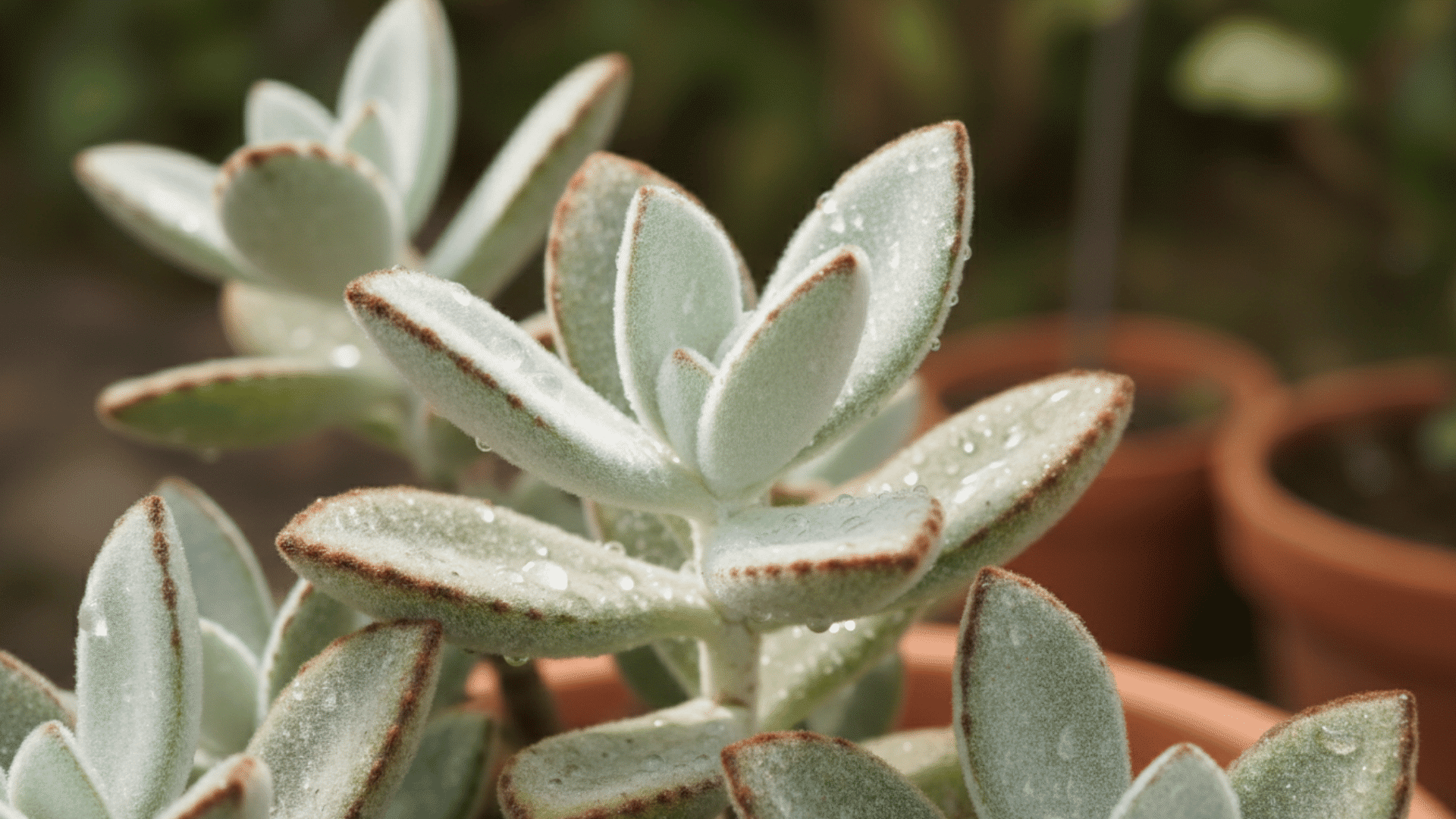
The Panda Plant has soft, gray-green leaves covered in tiny silvery hairs, with reddish-brown tips. This slow-growing succulent thrives in bright, indirect sunlight and prefers well-drained soil.
It’s low-maintenance and perfect for indoor spaces where a unique, textured plant is desired. The fuzzy leaves add an interesting visual element to any succulent collection.
5. Zebra Plant (Haworthiopsis attenuata)
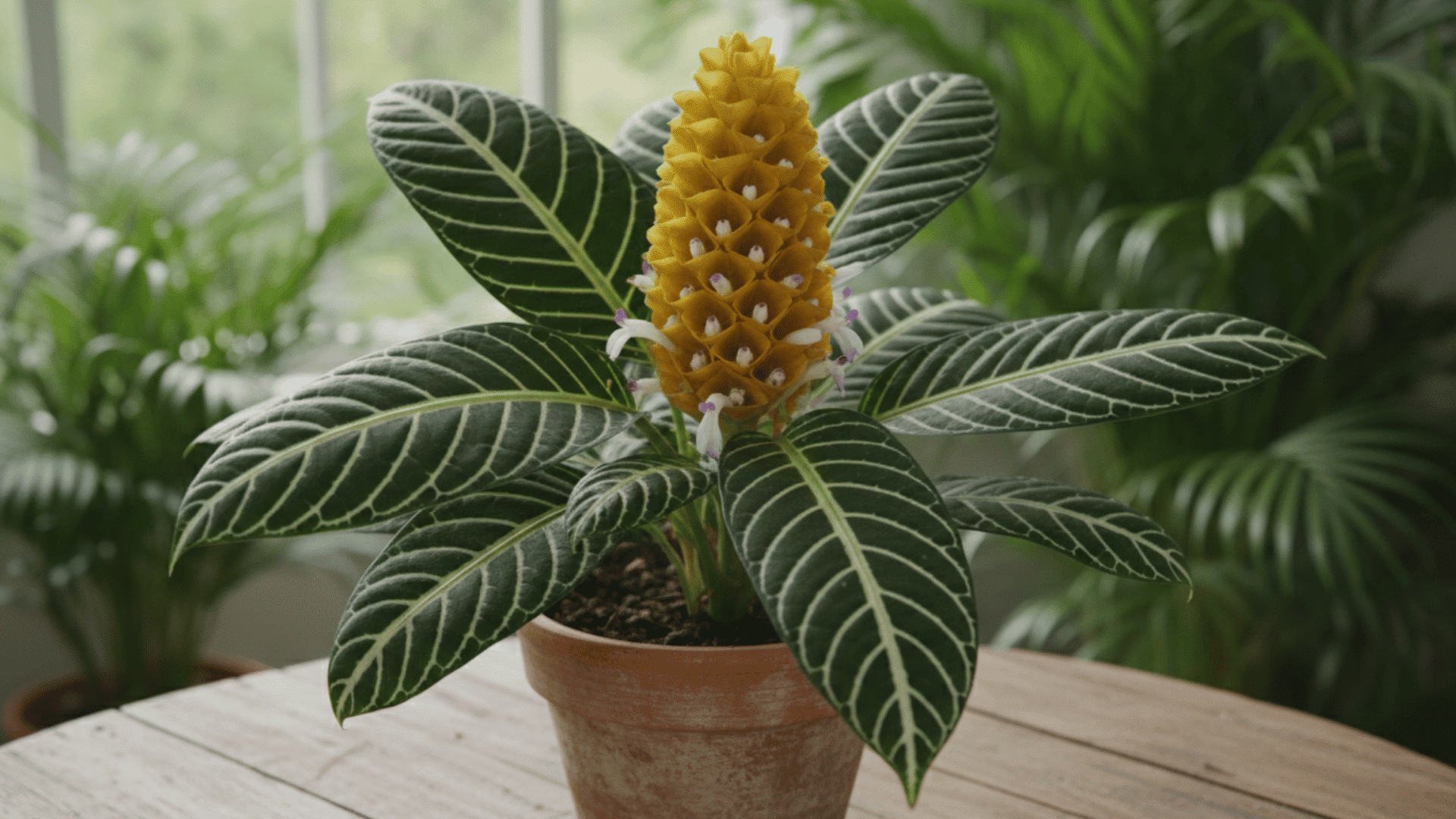
The Zebra Plant is a small, compact succulent with dark green leaves featuring striking white horizontal stripes. It grows well in small pots or terrariums and prefers bright, indirect light.
This beginner-friendly plant requires minimal watering, and its slow growth makes it easy to manage. Its distinctive pattern makes it a charming addition to any indoor garden.
Common Mistakes to Avoid
Even though succulents are low-maintenance, beginners can still make a few mistakes that affect their growth.
1.Overwatering is the most common issue and can lead to root rot or blisters on the leaves. Always ensure your pot has proper drainage and the soil dries between watering.
2. Placing succulents in harsh, direct sunlight for long periods can burn the leaves and fade their colors. Standard potting soil holds too much moisture, so using cactus or succulent soil is essential.
3. Another easy-to-miss step is rotating your plants. Succulents naturally grow toward light, so leaving them in one position can make them lean or grow unevenly.
Rotating them weekly encourages balanced growth and keeps your plants looking full and healthy.
At the End
I believe caring for succulents becomes simple once you understand what they truly need. With the right amount of water, bright indirect light, and well-drained soil, I can keep my succulents healthy, colorful, and growing strong.
Small habits, like rotating the pot, cleaning the leaves, checking the soil before watering, and fertilizing during the growing season, can make a big difference over time.
I also know that avoiding common mistakes, especially overwatering and poor drainage, helps protect the roots and keeps each plant looking its best.
Succulents are a great choice for beginners because they are beautiful, hardy, and easy to enjoy indoors. Now it’s your turn to start your own succulent garden.
Pick a few beginner-friendly varieties, follow these care tips, and watch them grow. Share your favorite succulent or care tip in the comments below!
Frequently Asked Questions
Can Succulents Survive in Low Light?
Some succulents tolerate lower light, like Haworthia or Zebra Plant, but growth may slow. Bright, indirect light is still best for healthy, colorful leaves.
How do I Propagate Succulents?
Propagate from leaves, cuttings, or offsets. Let cuttings dry a day before planting in soil to prevent rot. Water lightly until roots establish.
Do Succulents Attract Pests?
Succulents are hardy, but mealybugs or aphids may appear. Clean leaves regularly and use insecticidal soap if pests are spotted to protect the plant.
Why are My Succulent Leaves Falling Off?
Leaf drop can happen from overwatering, sudden temperature changes, or natural aging. Lower leaves may fall while upper leaves stay healthy and strong.

Jordan Mathews, who has a degree in horticulture from Texas A&M University, has been a guiding force in plant health and sustainable gardening for over 16 years. His career began with a role at a renowned botanical garden, where he deepened his understanding of plant physiology and eco-friendly cultivation methods. Jordan joined our website as a freelancer in 2020, becoming a go-to expert for readers seeking advice on nurturing diverse plant species apart from offering insights grounded in scientific knowledge and practical experience. Beyond his professional achievements, Jordan is a keen nature photographer, capturing the beauty of flora in its immensely diversified forms.