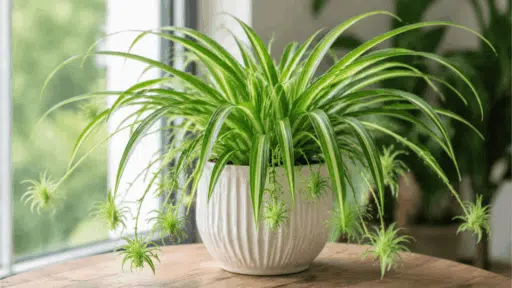
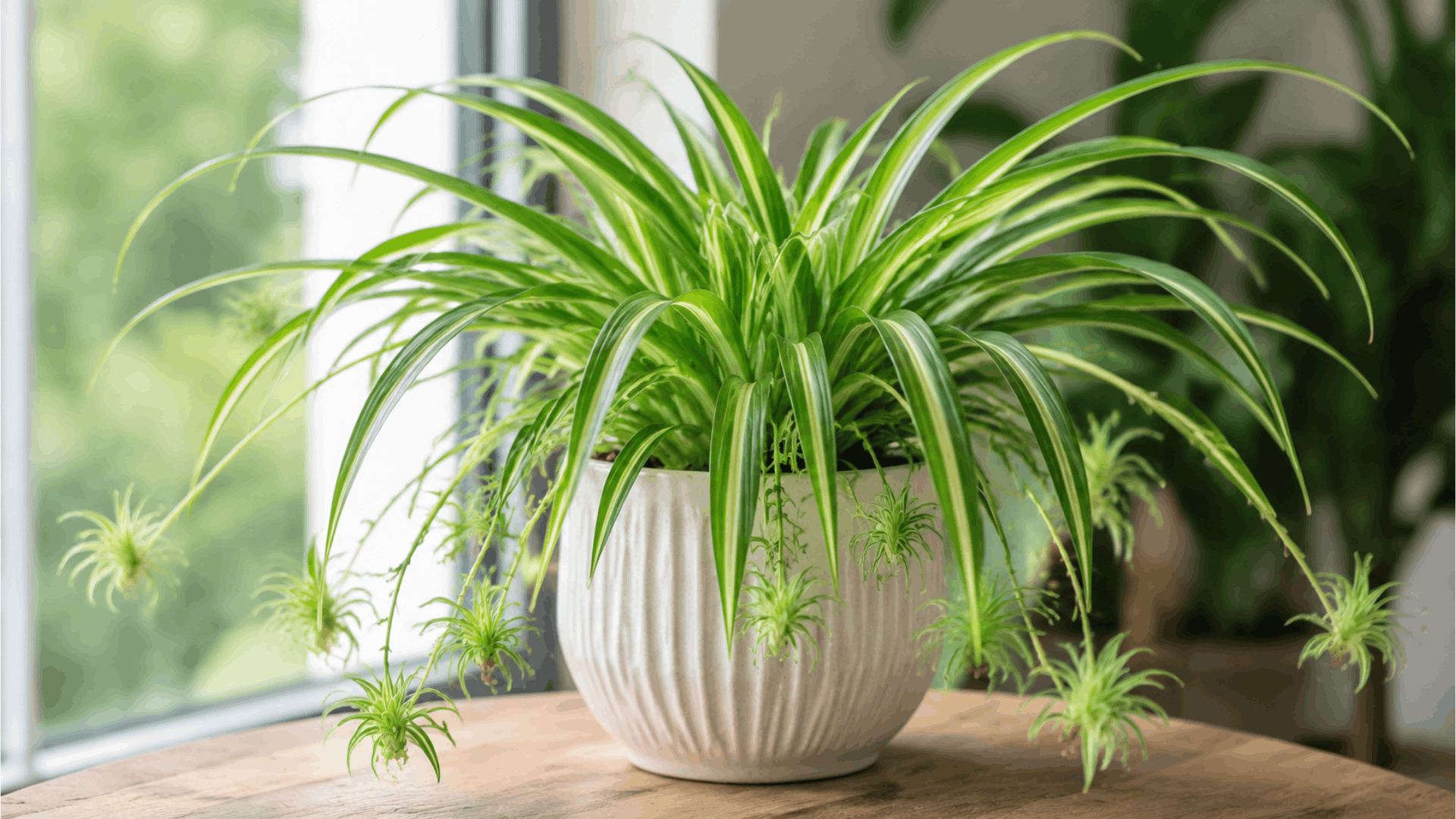

Spider plant care is one of the most talked-about topics among indoor plant lovers. People often share photos of their plants, ask questions, and look for help when something doesn’t look right.
Some worry about brown leaf tips, while others want to know why their plant is not growing baby spider plants.
At the same time, many beginners are simply trying to learn the basics, such as watering, lighting, and soil.
This guide brings both worlds together with real community advice and simple care instructions. If you are trying to fix a problem or just want a healthy plant, you will find easy tips here.
Think of it as a friendly mix of real experiences and practical care steps you can follow at home.
What is a Spider Plant?
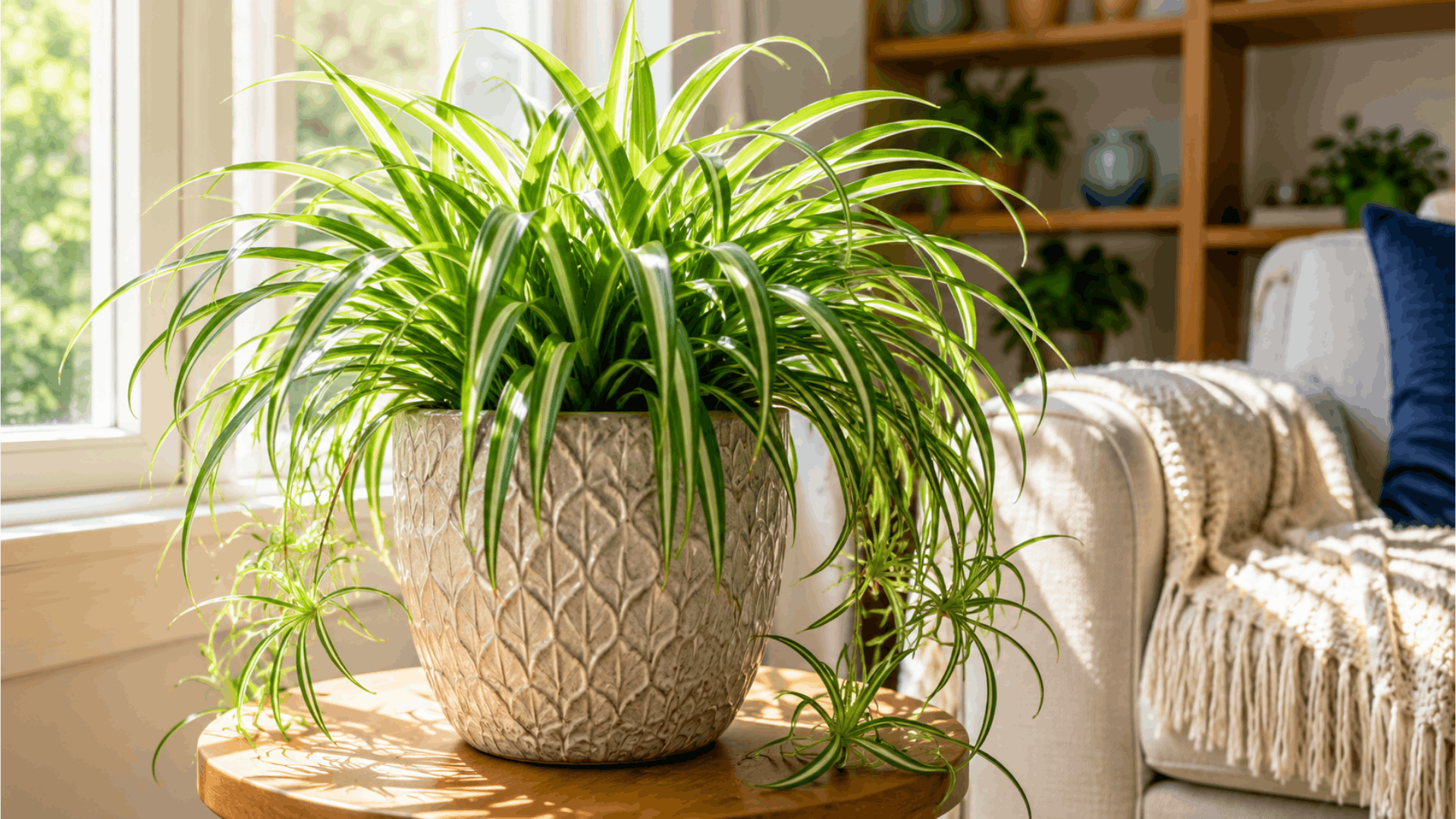
Spider plants, also called Chlorophytum comosum, are among the most popular indoor houseplants because of their graceful, arching green leaves, often striped with white or yellow.
They produce small offshoots, known as spiderettes, that can grow into new plants, making them easy to propagate and share.
These plants are highly valued for their adaptability, low maintenance, and ability to thrive in different indoor conditions, from bright windowsills to low-light corners.
Spider plants are perfect for beginners or experienced plant lovers, as they are forgiving, resilient, and visually appealing.
They bring natural greenery into homes, add a lively touch to any space, and are generally safe for households with children or pets.
Overview and Origin:
- Scientific name: Chlorophytum comosum
- Native to South Africa, but widely grown indoors worldwide
- Named “spider plant” because the small plantlets (spiderettes) dangle from the mother plant like spiders on a web
- Can grow both in soil and water, making them highly versatile
- Easy to propagate, which contributes to their popularity in homes and offices
Here are Simple Spider Plant Care Basics to Follow
If you want your spider plant to stay healthy, you need to understand three simple things: watering, light, and soil.
These three factors decide how fast your plant grows and how good it looks. Most problems occur when one of these is out of balance, such as too much water or too little light.
The good thing is that spider plants are very forgiving, so small changes can quickly fix most issues. You don’t need fancy tools or complicated steps, just a basic routine that matches your home environment.
Once you understand how each part works together, caring for your spider plant becomes much easier and even enjoyable over time.
1. Watering Rules
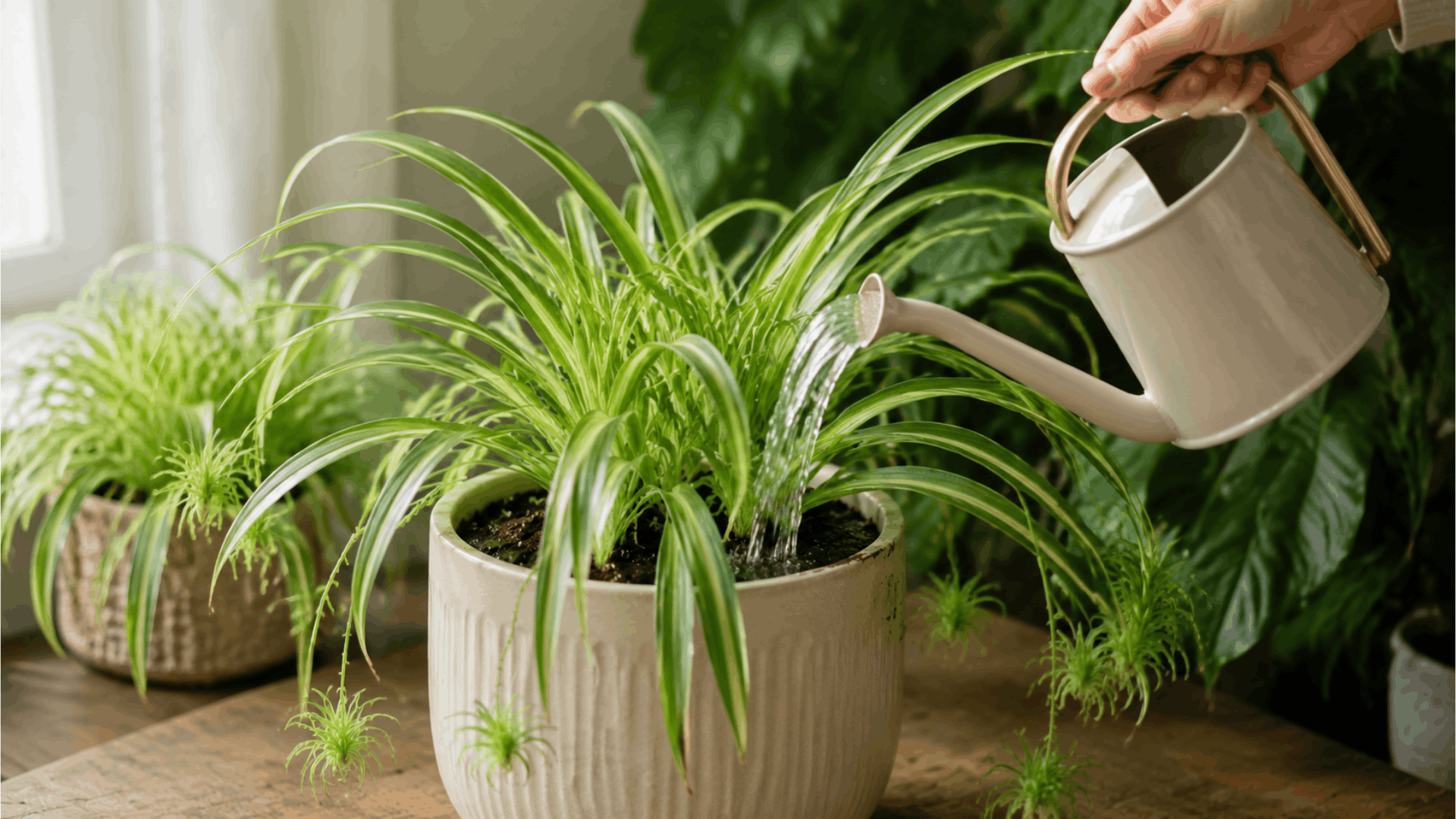
Spider plants need a simple watering routine to stay healthy and avoid stress. The most important rule is to avoid overwatering because it can quickly damage the roots and slow down growth.
In summer, watering once a week usually works well, but in winter, the soil takes longer to dry, so watering should be reduced.
Always check the top layer of soil before adding water to make sure it is actually dry. A good habit is to feel the soil with your finger instead of following a fixed schedule.
This helps you understand what your plant really needs based on its environment.
- Once a week in summer – Adjust based on heat and dryness
- Less in winter – Soil stays wet longer in cold months
- Always check soil first – Water only when the top layer feels dry
Key tip: Stick your finger into the soil. If it feels moist, wait a bit longer before watering.
2. Light Needs
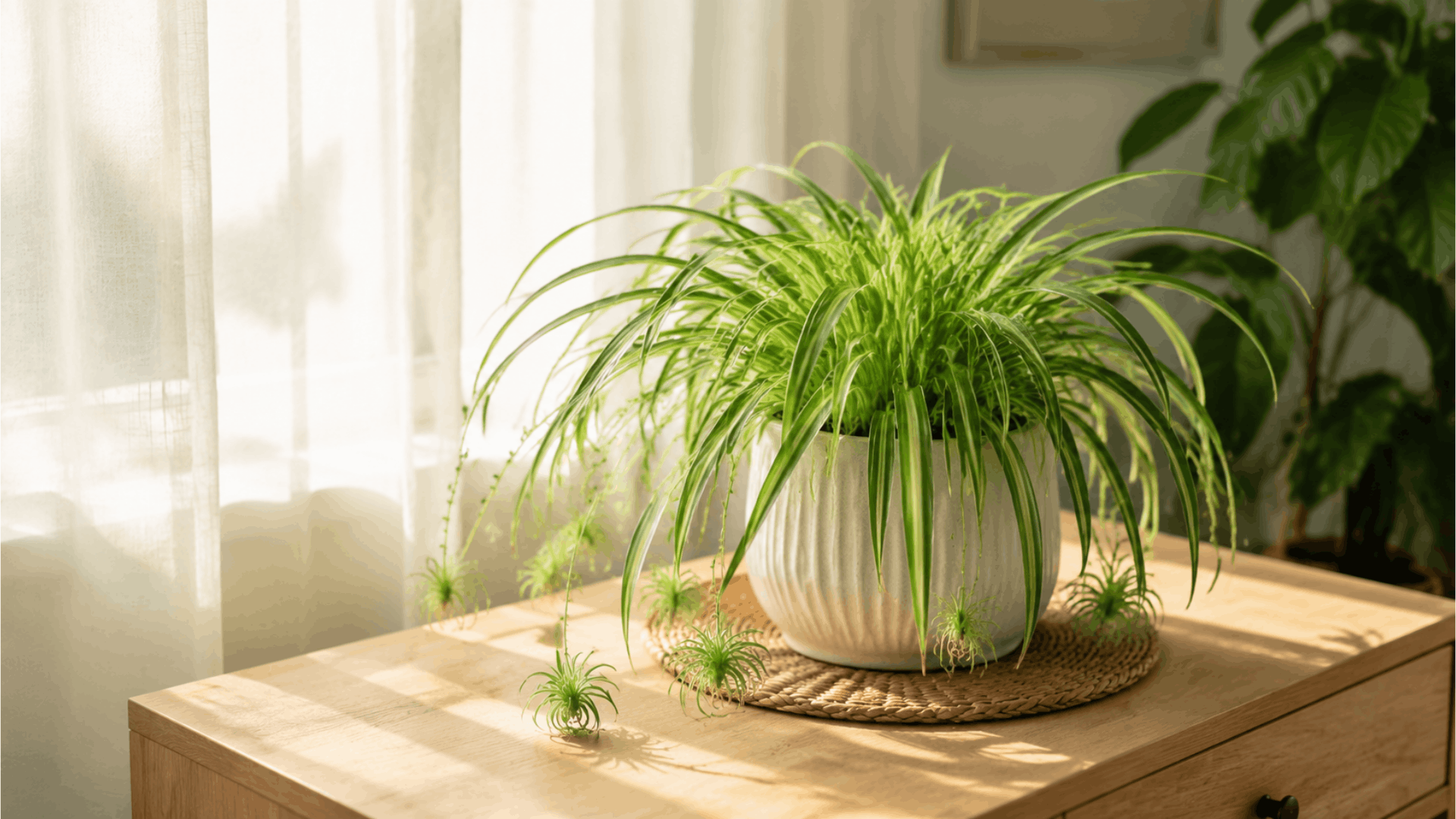
Light plays a big role in keeping spider plants strong and healthy. They grow best in bright indirect sunlight where they get enough energy without getting burned.
Direct harsh sunlight can easily scorch the leaves and cause brown tips, while very low light slows down growth and makes the plant look weak over time.
A spot near a window with filtered light is usually perfect for most homes. If the plant is not growing well, adjusting its light exposure is often the quickest fix.
Watching how the leaves respond to light changes helps you find the best place for it.
- Bright indirect sunlight – Best for strong and healthy growth
- Avoid harsh direct sun – Can burn leaves and cause brown tips
- Low light slows growth – Plant survives but grows slowly
Key fact: A spot near a window with filtered light works best for most homes.
3. Soil Choice
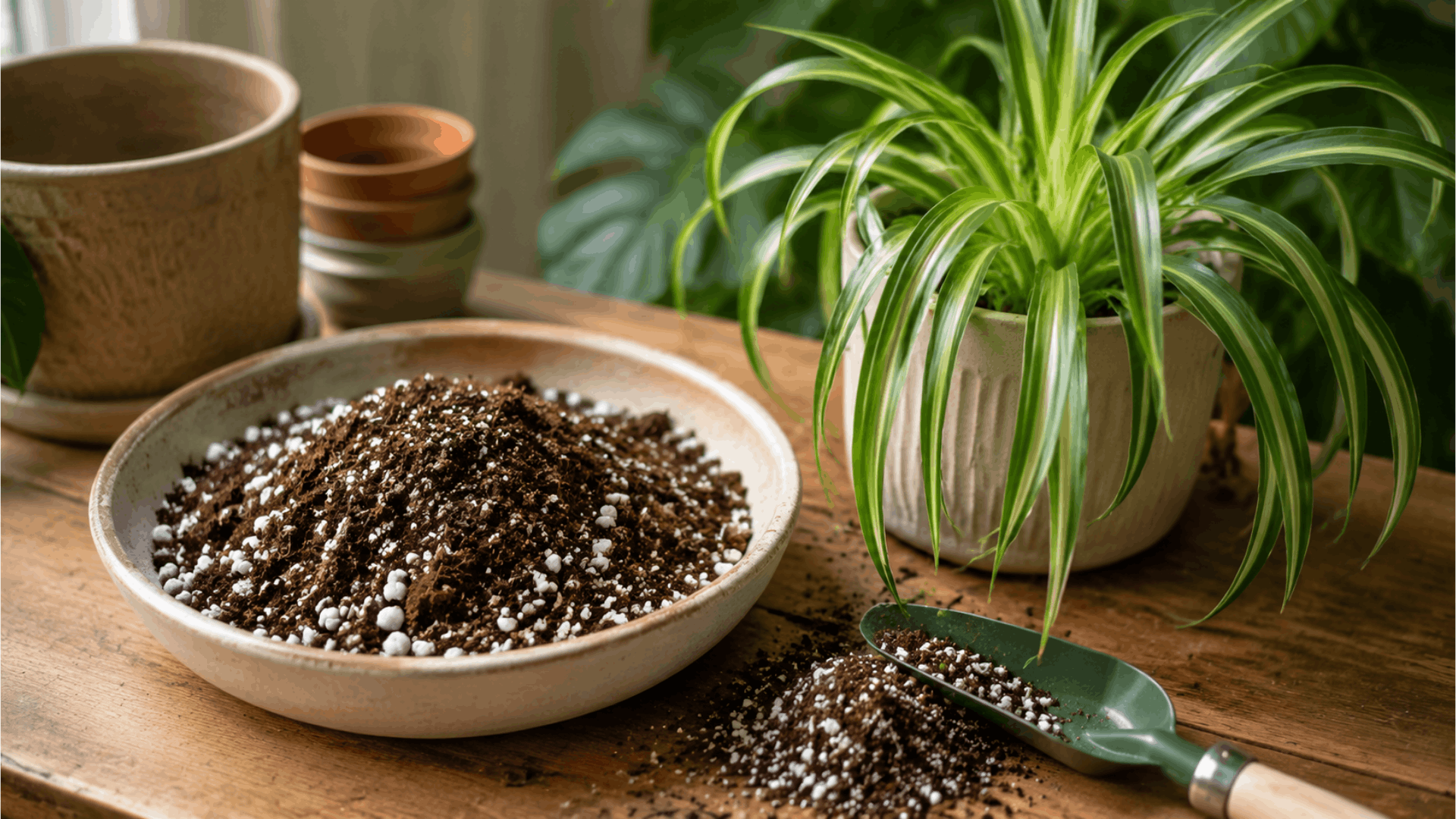
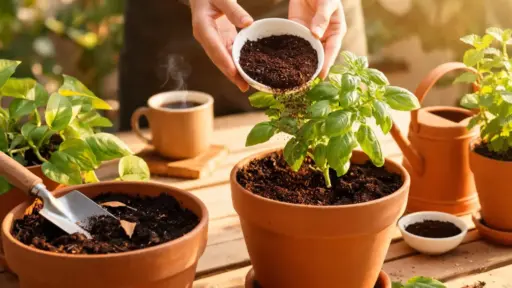
Soil is very important for spider plant health because it controls how water moves around the roots.
A light and well-draining potting mix is always the best choice since it keeps roots airy and prevents water from staying too long.
Adding perlite helps improve drainage and keeps the soil loose, which supports healthy root growth. Heavy or compact soil should be avoided because it traps water and increases the risk of root rot.
If water sits on top of the soil for too long after watering, it is a sign that the mix needs to be improved for better balance.
- Light potting mix – Helps roots breathe easily
- Add perlite for drainage – Prevents water from staying too long
- Avoid compact soil – Heavy soil can cause root rot
Recommended Products:
Key tip: If water stays on top of soil for too long, it means the mix is too heavy.
4. Fertilizing and Nutrition
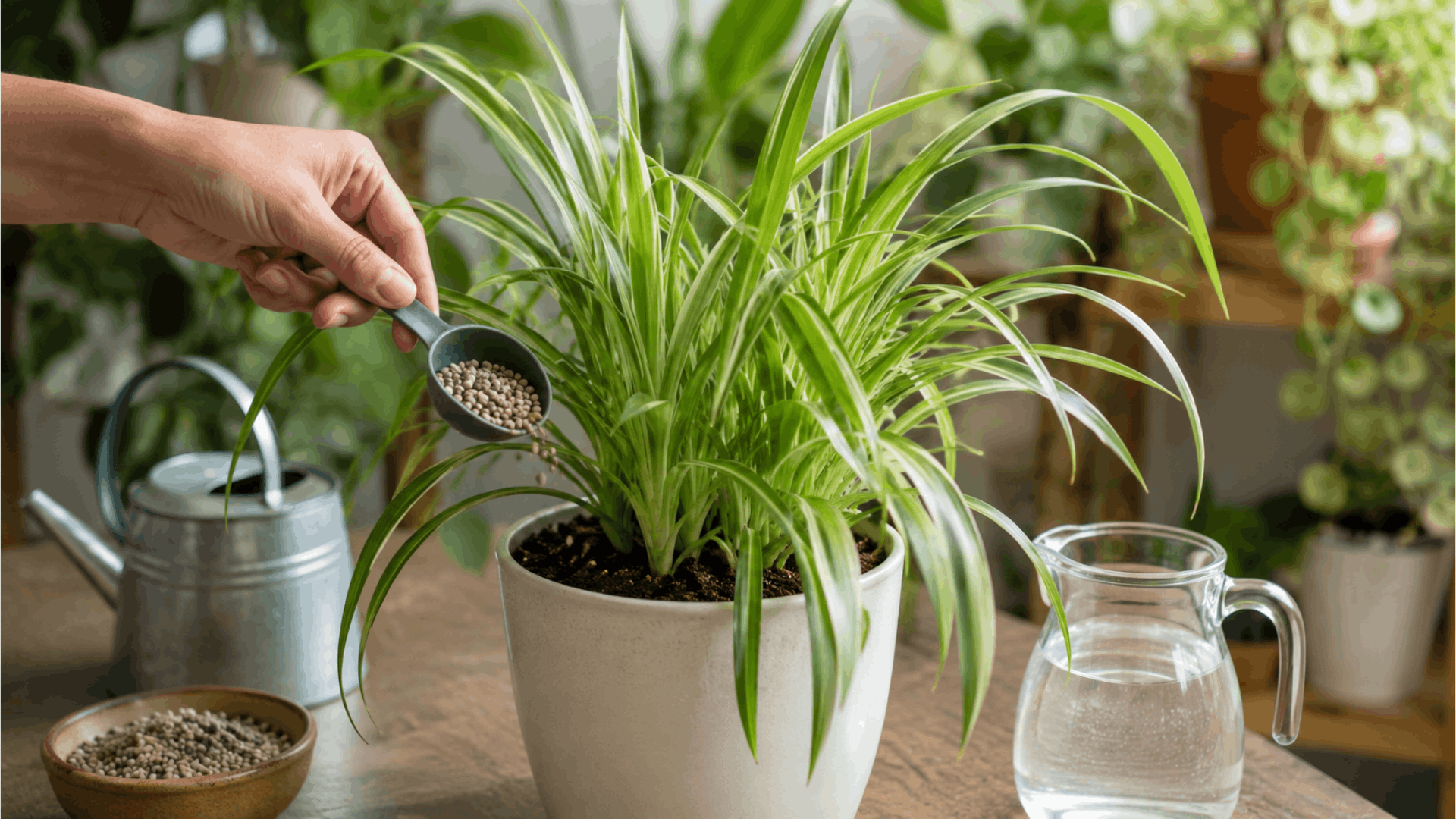
Fertilizing your spider plant ensures strong growth, vibrant leaves, and more spiderettes. While they can survive without extra nutrients, occasional feeding during the growing season boosts overall health.
Proper fertilization prevents leaf tip burn and root damage caused by overfeeding. Observing your plant’s response and adjusting the fertilizer type, frequency, and amount helps maintain a lush, healthy spider plant that thrives indoors.
How Often to Fertilize:
- Fertilize once a month during spring and summer when the plant is actively growing
- Reduce feeding in fall and winter, applying every two to three months if needed
- Avoid over-fertilizing, as it can burn roots or leaf tips
- Light, consistent feeding ensures healthy growth without stressing the plant
Best Fertilizer Types:
- Use a balanced water-soluble fertilizer with equal nitrogen, phosphorus, and potassium (e.g., 10-10-10)
- Organic options like diluted compost tea or liquid plant food are also effective
- Avoid fertilizers high in nitrogen, which encourage excessive leaf growth over spiderettes
- Always dilute fertilizer properly to prevent damaging roots or leaves
Recommended Products:
How to Maintain a Healthy Spider Plant
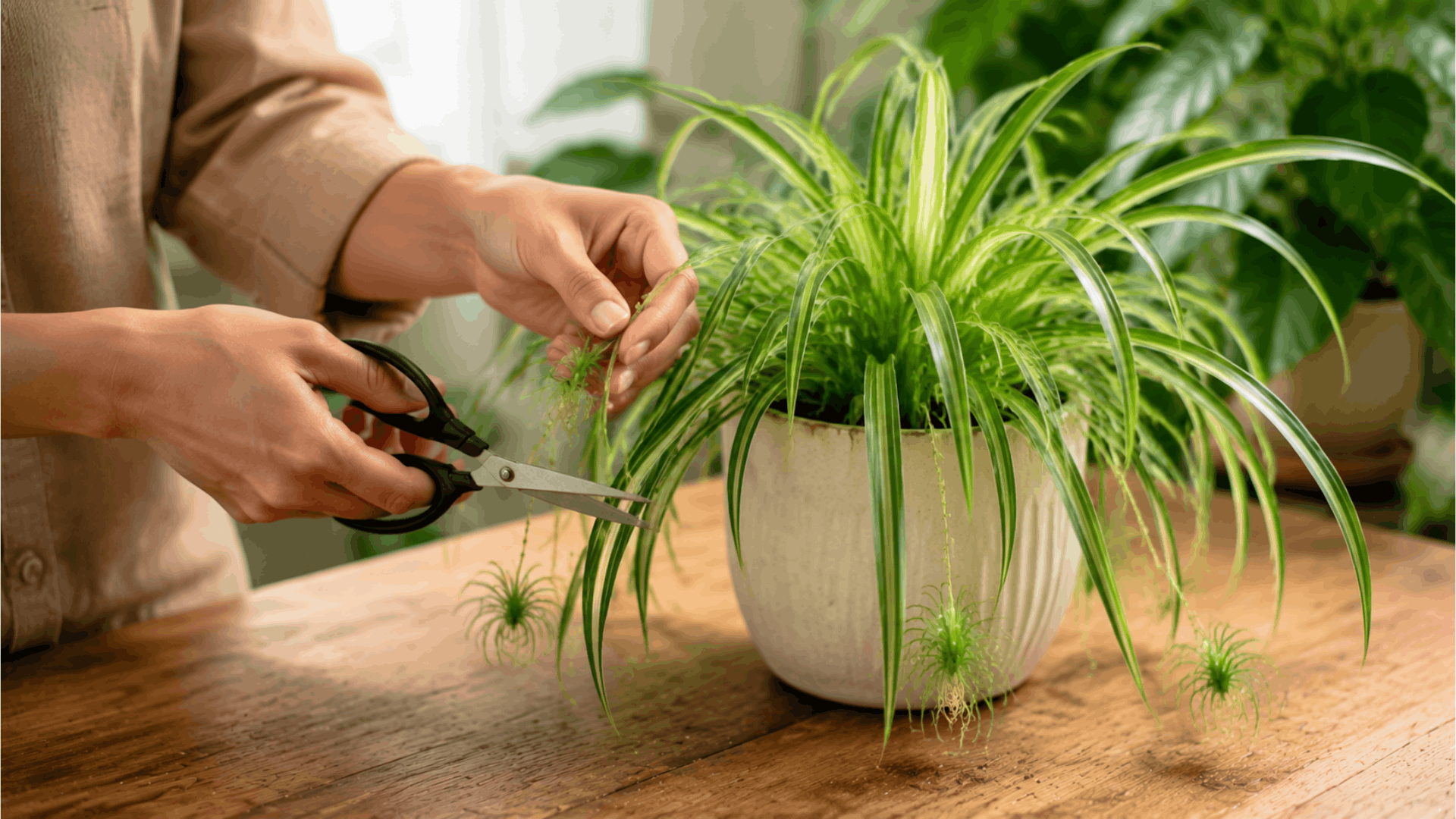
Once your spider plant starts looking healthy again, the next step is keeping it that way. Maintenance is actually very simple, but consistency matters more than doing anything complicated.
Think of it like small weekly habits instead of big tasks. Spider plants respond well when you regularly check on them and make small adjustments instead of waiting for problems to appear again.
Many plant owners say their plant stays fuller and greener just by following a basic routine. The key is to observe your plant often and act early if something looks off.
Here’s a simple care routine you can follow:
- Check soil every 3–4 days to avoid overwatering or dryness
- Rotate the plant so all sides get equal light and grow evenly
- Remove dry or brown leaves to keep the plant clean and healthy
- Report every 1–2 years to refresh soil and give roots more space
- Wipe leaves sometimes to remove dust and help the plant breathe better
Common Spider Plant Problems and How to Fix Them
Spider plants are generally easy to care for, but even the hardiest plants can run into a few common issues if their basic needs are not met. Problems such as brown leaf tips, yellowing leaves, drooping foliage, and slow growth often appear when watering, light, or soil conditions are off.
Recognizing these problems early and knowing how to address them is key to keeping your spider plant healthy. By understanding the cause of each issue and applying practical solutions, you can prevent long-term damage and help your plant thrive.
Many plant owners also share tips in community forums, providing real-world advice for troubleshooting these common problems.
| Problem | Cause | Fix |
|---|---|---|
| Brown tips | Low humidity, fluoride in water, inconsistent watering | Use filtered water, increase humidity, and trim damaged tips |
| Yellow leaves | Overwatering, poor drainage | Adjust watering schedule, repot in well-draining soil |
| Drooping foliage | Underwatering, low light, stress | Water properly, move to brighter indirect light, reduce stress |
| Slow growth | Low light, nutrient-poor soil, overcrowded roots | Provide more light, fertilize lightly, repot if root-bound |
When Spider Plant Care Doesn’t Go as Expected
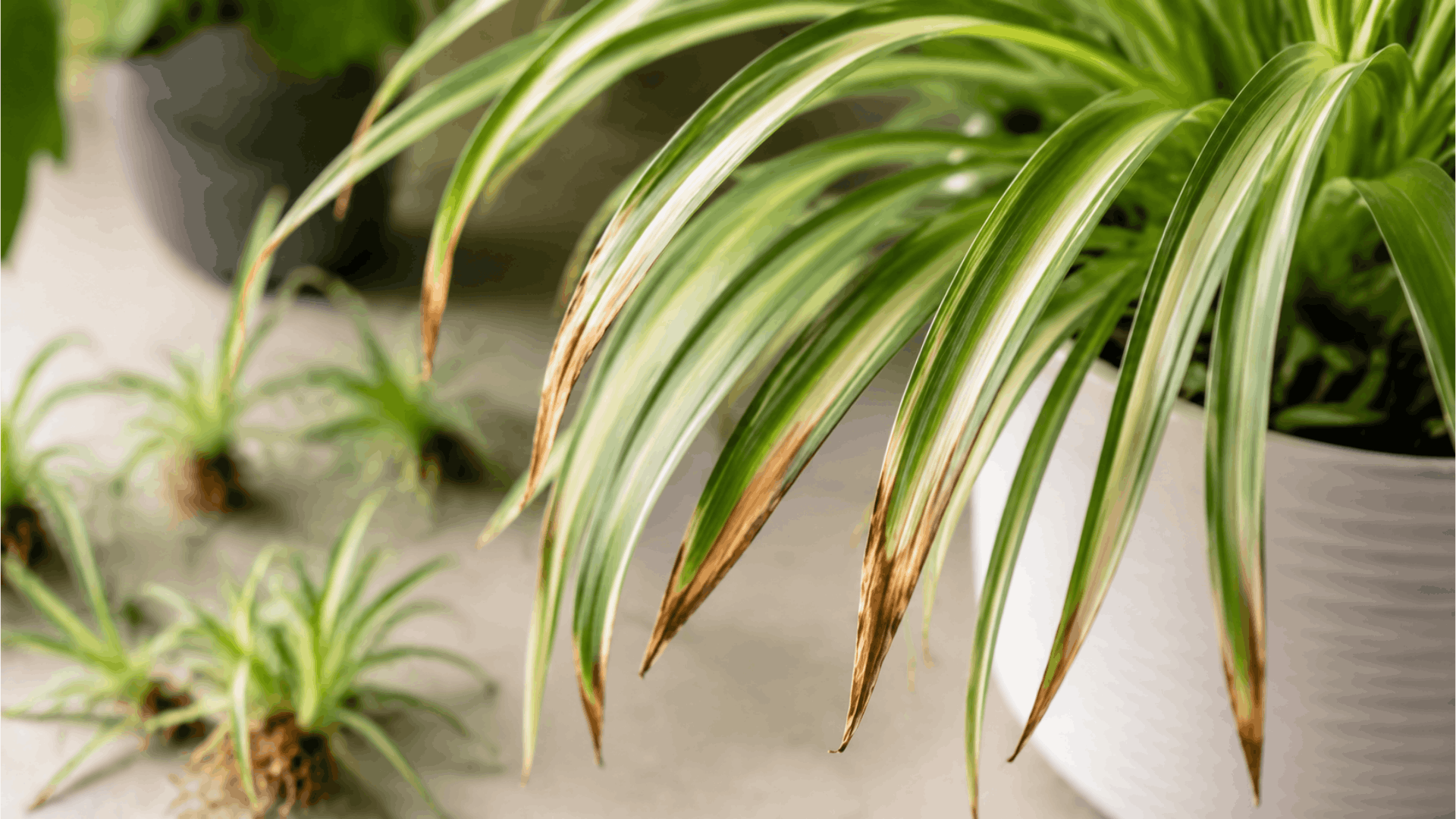
Sometimes, even when you follow all the basic spider plant care tips, things still don’t go the way you expect.
The plant may look weak, stop growing, or show issues like brown tips or curling leaves. This usually happens because the growing conditions in every home are different.
What works well in one house may not work the same in another. The key is not to feel discouraged, but to observe what might be off and make small adjustments step by step.
Most spider plants recover quickly once the real cause is fixed.
Here are the most common reasons why care tips may not work:
- Home humidity is too low, causing dry and curled leaves
- Water quality is poor, especially if tap water has chemicals
- The plant is root-bound and needs a bigger pot to grow properly
- Light is inconsistent, shifting between too dark and too bright spots
Key takeaway: Not all homes give the same growing conditions, so spider plant care always needs small adjustments based on your environment.
Now, Let’s Look at Real Experiences Shared by Plant Lovers
When you read spider plant care discussions, you’ll see a mix of positive and honest feedback from real plant owners.
Most people agree that spider plants are beginner-friendly and easy to manage, but they also share a few common challenges.
These real experiences help new plant parents understand what to expect instead of assuming the plant is always perfect.
The key idea from these discussions is that spider plants are strong and forgiving, but small care mistakes can still show up in their leaves. Learning from others makes it easier to avoid the same problems and keep your plant healthier for longer.
Pros shared by plant owners:
- Easy to grow even for beginners with no plant experience
- Fast recovery when watering or light mistakes are corrected
- Produces baby plants easily, which can be replanted or shared
Cons shared by plant owners:
- Sensitive to chemicals found in tap water
- Can develop brown leaf tips in many home environments
- Needs occasional repotting to stay healthy and avoid root crowding
Biggest Takeaway of Spider Plant Care Experiences
After reading hundreds of community posts, forum discussions, and shared experiences about spider plant care, one key lesson stands out: consistency matters more than perfection.
Community discussions on Reddit show the same pattern: staying consistent is far more important than getting everything perfect.
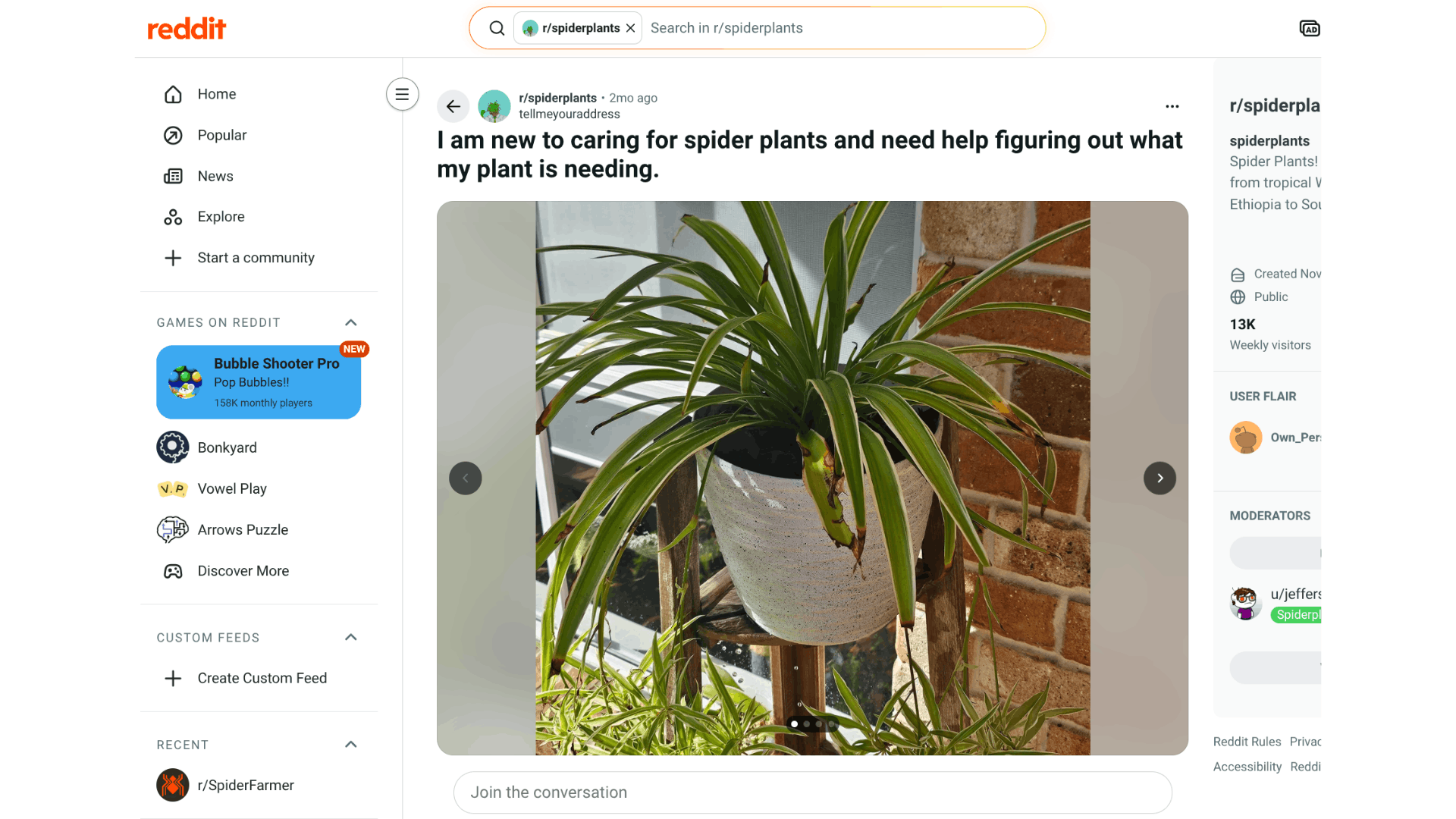
Many beginners worry about getting every detail right, but real-life experiences show that small, consistent habits, like checking soil before watering, providing bright indirect light, trimming brown tips, and occasionally repotting, keep spider plants thriving.
Community advice also highlights practical tips such as using filtered water, increasing humidity, and rotating the plant to promote even growth.
Observing these real-world experiences reinforces that understanding your plant’s needs and adjusting care slightly over time is far more effective than trying to follow rigid rules perfectly.
- Consistency Beats Perfection – Small, regular care habits keep your spider plant healthy.
- Check Soil Before Watering – Avoid overwatering or underwatering your spider plant.
- Bright Indirect Light Works Best – Low light slows spider plant growth, and direct sun burns leaves.
- Trim Brown or Yellow Tips – Keep your spider plant looking healthy and visually appealing.
- Filtered Water or Rainwater Helps – It prevents brown tips on your spider plant from chemicals in tap water.
- Rotate Your Spider Plant Occasionally – It ensures even leaf growth and prevents it from leaning.
- Report When Root-Bound – Gives your spider plant space to grow and stay vigorous.
- Observe and Adjust – Watch your spider plant’s response and tweak care as
Final Thoughts
Spider plant care becomes much easier when you combine basic care knowledge with real community experiences.
Most problems people face, like brown tips, curling leaves, or slow growth, usually come from simple issues like overwatering, low humidity, or poor light. Once these are fixed, spider plants often bounce back quickly.
This plant is very forgiving, which makes it perfect for beginners and busy plant owners. The key is to observe your plant regularly and make small changes instead of overthinking every issue.
What works for one person may need a slight adjustment in another home environment.
By learning from both expert advice and real growers, you can build a care routine that keeps your spider plant healthy, green, and growing babies naturally over time.
Frequently Asked Questions
Why are My Spider Plant Leaves Turning Brown?
Brown leaves usually come from tap water chemicals, low humidity, or overwatering. Adjusting watering habits and improving humidity usually helps restore healthy growth.
How Often Should I Water Spider Plants?
Water once a week in most homes, but always check soil dryness first. Only water when the top layer feels dry to avoid overwatering problems.
Why is My Spider Plant Not Producing Babies?
It may need brighter indirect light, a slightly larger pot, or better nutrients. Light is often the main factor for baby plant growth.
Can Spider Plants Grow in Low Light?
Yes, spider plants can survive in low light, but growth will be slower and the plant may look less full and less vibrant over time.
Should I Trim Brown Leaf Tips?
Yes, trimming improves appearance, but it’s important to fix the cause like water quality or humidity to prevent the issue from coming back.

Jordan Mathews, who has a degree in horticulture from Texas A&M University, has been a guiding force in plant health and sustainable gardening for over 16 years. His career began with a role at a renowned botanical garden, where he deepened his understanding of plant physiology and eco-friendly cultivation methods. Jordan joined our website as a freelancer in 2020, becoming a go-to expert for readers seeking advice on nurturing diverse plant species apart from offering insights grounded in scientific knowledge and practical experience. Beyond his professional achievements, Jordan is a keen nature photographer, capturing the beauty of flora in its immensely diversified forms.