
Coffee grounds can be a simple, natural way to support a healthier garden when used correctly.
From improving soil texture to adding nutrients and helping compost thrive, they offer several benefits for both indoor and outdoor plants.
However, knowing how and when to use them is important to avoid common gardening mistakes.
In this article, you’ll read about the benefits of coffee grounds for plants, practical ways to use them, and smart tips for making the most of this everyday kitchen waste in your garden.
Understanding Coffee Grounds and Their Popularity
Coffee grounds are the residue left after brewing and contain organic matter that can improve soil health.
In the world, about 2.25 million cups of coffee are consumed daily, generating significant organic waste that often ends up in landfills and produces methane gas.
Their popularity in gardening reflects a growing interest in sustainable, budget-friendly practices.
It enriches compost, supports soil structure, supplies nutrients, and encourages beneficial microbes and earthworms that boost soil activity.
Nutrients Present in Coffee Grounds
One of the biggest reasons gardeners use coffee grounds is their valuable nutrient profile.
Coffee grounds contain three primary macronutrients- nitrogen, phosphorus, and potassium that plants rely on for healthy growth:
| Nutrient | Concentration | Role / Function in Plants |
| Nitrogen | 2% | Green growth and chlorophyll |
| Phosphorus | 0.06% | Powers root systems, flowers, and fruits |
| Potassium | 0.06% | Regulates water and fights diseases |
| Magnesium | Trace amount | Core building block of chlorophyll |
| Copper | Trace amount | Activates vital growth enzymes |
| Calcium | Trace amount | Contributes to overall plant health. |
| Zinc | Trace amount | Contributes to overall plant health. |
What Do Coffee Grounds Do for Plants?
Coffee grounds are a slow-release fertilizer, meaning their nutrients become available only as microorganisms break down the organic matter over time.
This gradual release helps nourish plants steadily without the risk of nutrient burn, a common problem with synthetic fertilizers. Depending on soil conditions, nitrogen may take weeks or months to become plant-available.
Gardeners seeking quicker results can speed up decomposition by adding grounds to compost or making a liquid coffee-ground tea.
Understanding Coffee Grounds and Soil pH
Brewed coffee is acidic, with a pH typically between 4.85 and 5.10. However, many of the acidic compounds in coffee are water-soluble and are extracted during brewing.
Used coffee grounds have a pH closer to neutral, generally between 6.5 and 6.8.
Their long-term effect on soil pH depends on your soil’s baseline pH, how much you apply, and how often you add them.
Gardeners with naturally alkaline soil (pH above 7.0) may see mild acidification over time with consistent use, which can benefit acid-loving plants.
Those with already-acidic soil should apply grounds conservatively and monitor pH with a soil test to maintain optimal conditions.
Importance of Coffee Grounds for Plants
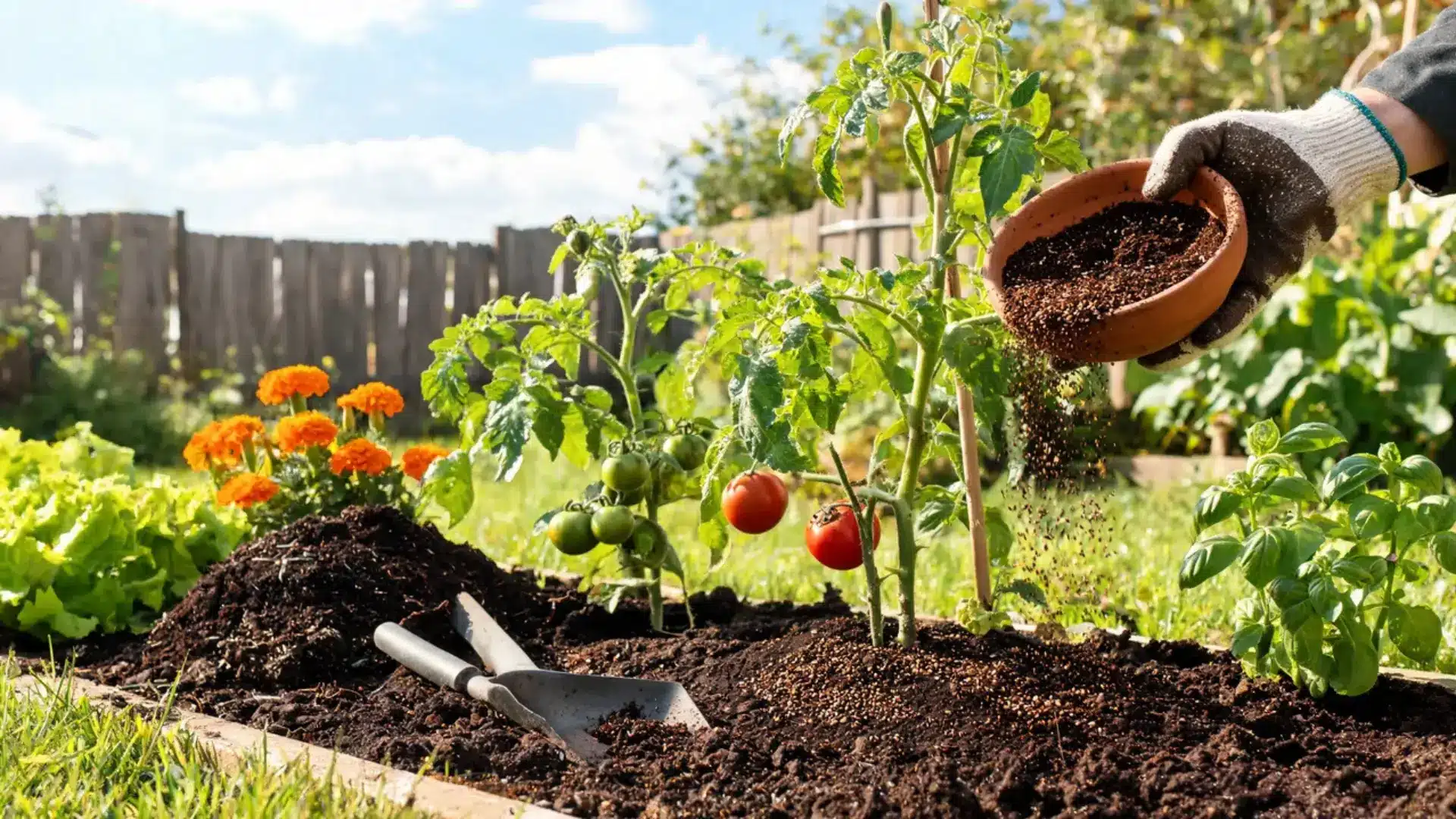
Coffee grounds can play a valuable role in gardening by supporting soil health and overall plant care when used the right way.
1. Improves Soil Structure
Using coffee grounds to improve soil structure can give you confidence in nurturing healthier plants and a thriving garden.
It improves soil aeration and water retention simultaneously, a rare quality in a single soil amendment.
Improved soil structure directly translates into healthier root systems, which are the foundation of any productive garden.
2. Healthy Microorganisms
Healthy soil contains bacteria, fungi, protozoa, nematodes, and earthworms that help recycle nutrients and support plant growth.
Beneficial microbes such as Rhizobium, Bacillus, and mycorrhizal fungi improve soil fertility and root health. Earthworms are also attracted to coffee-ground-amended soil.
Increased earthworm activity in treated soils helps improve aeration, drainage, and nutrient cycling through nutrient-rich castings.
3. Reducing Kitchen Waste Naturally
The average American household generates about 1.2 pounds of food waste per day, and coffee grounds make up a notable share of that in coffee-drinking households.
By directing grounds into the garden or compost bin, gardeners engage in a practical form of waste reduction that requires no special equipment, no added cost, and minimal extra effort.
4. Supporting Compost Health
Coffee grounds are classified as a “green” compost ingredient, meaning they are nitrogen-rich and help fuel the microbial processes that break down compost material.
Adding grounds to a compost pile at roughly 1 part grounds to 4 parts carbon-rich “brown” materials (like dry leaves or cardboard) creates a well-balanced, fast-decomposing mix.
Compost with up to 40% coffee grounds by volume reached higher internal temperatures, a sign of vigorous microbial activity, and produced richer finished compost.
5. Eco-Friendly Alternative to Chemical Fertilizers
Used coffee grounds offer a natural way to support soil health without relying heavily on synthetic fertilizers.
They add organic matter, improve moisture retention, and contribute small amounts of nutrients such as nitrogen, potassium, and phosphorus.
When added to compost or garden beds in moderate amounts, coffee grounds help build healthier soil while reducing household waste that would otherwise end up in landfills.
Plants that Like Coffee Grounds
Many acid-loving plants and heavy feeders can benefit from coffee grounds when used in moderation as part of a balanced gardening routine.
| Plant Category | Plant Name | Benefits & Effects of Coffee Grounds |
| Vegetables & Herbs | Tomatoes | Heavy feeders thrive with nitrogen. |
| Carrots & Radishes | Increase germination and root growth. | |
| Spinach & Lettuce | Nitrogen-loving greens. | |
| Peppers | Gain nitrogen and soil benefits. | |
| Basil & Parsley | Likes mild acidity | |
| Fruit Plants | Blueberries | Favors acidic soil |
| Strawberries | Boosts nitrogen and fruiting | |
| Raspberries & Blackberries | Prefer slightly acidic conditions to increase growth and production | |
| Ornamentals & Trees | Azaleas & Rhododendrons | Requires gradual acidification. |
| Camellias | Acid-loving shrubs respond well. | |
| Hydrangeas | Slightly more acidic soil promotes deeper blue blooms. | |
| Roses | Supports vigorous growth and flowering. | |
| Ferns & Shade Plants | Thrive on forest floors and in acidic, organic-rich environments. |
If you grow mostly indoors, see which indoor plants benefit most from coffee grounds before applying.
Best Ways to Use Coffee Grounds for Plants
Using coffee grounds in the right way can help improve soil quality, support plant health, and make everyday gardening more sustainable.
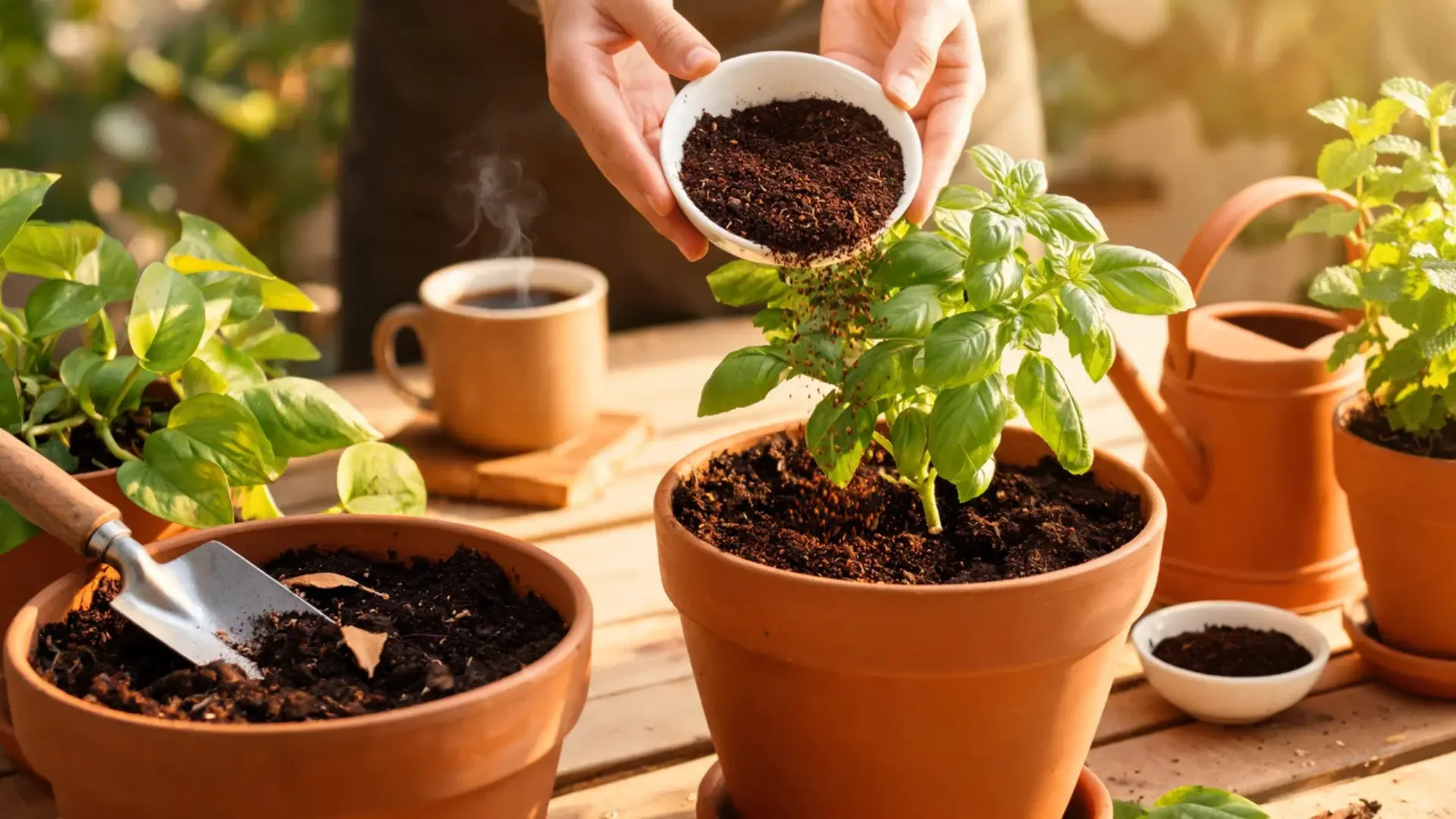
- Mix coffee grounds into the top 3–4 inches of soil at ½–1 cup per square foot to improve texture and slowly release nutrients.
- Combine coffee grounds with wood chips, straw, or leaves, keeping grounds to 25% of the mix. Apply a 1–2-inch layer around plants to retain moisture.
- Add used coffee grounds and filters to the compost at 10–25% of the total volume, and turn it regularly to improve airflow and decomposition.
- Soak 2 cups of coffee grounds in 5 gallons of water for 24 hours, then strain and water plants.
Plants that Do Not Like Coffee Grounds
While coffee grounds can benefit many plants, some varieties prefer neutral or alkaline soil and may struggle with excess coffee grounds in the garden.
| Plant Name | Preferred Soil Conditions | Impact of Coffee Grounds |
| Lavender | Well-drained, alkaline to neutral soil (pH 6.5–7.5) | Can cause the plant to struggle. |
| Rosemary | Dry, alkaline conditions | Not suited to its environment. |
| Geraniums (Pelargonium) | Neutral to slightly alkaline soil | Regular exposure causes yellow leaves and fewer flowers. |
| Orchids | Highly sensitive to soil chemistry, needing careful moisture and pH balance. | Can upset their moisture and pH balance. |
| Alfalfa | Nitrogen-fixing legume that doesn’t benefit from extra nitrogen. | Can be harmed by shifts in soil pH. |
| Asparagus | Performs best at (pH 6.5 – 7.0) | Regular applications can lower soil pH below the optimal range. |
| Clover | Nitrogen-fixer; does not benefit from extra nitrogen | May struggle in more acidic conditions. |
How to Apply Coffee Grounds Correctly?
Using coffee grounds the right way is important to help plants benefit from them without affecting soil balance or plant health.
- Best Application Frequency: Apply coffee grounds to garden beds every 2–4 weeks, use them monthly for container plants, and add them regularly to compost with carbon-rich materials.
- How Much Coffee Grounds Should You Use? Use coffee grounds in small amounts, about 15–20% of the soil mix or a thin ¼–½-inch layer. This helps improve soil without harming plants.
- Should Coffee Grounds Be Dry or Wet? Dry grounds spread more evenly, while wet grounds should be mixed into the soil immediately to prevent clumping, compaction, and mold.
- Mixing Coffee Grounds With Other Organic Materials: Coffee grounds work best when mixed with wood chips, shredded leaves, compost, or worm castings.
Implementing these steps improves airflow, balances nutrient availability, accelerates decomposition, and creates healthier soil conditions that support stronger plant growth and improved moisture retention.
Seasonal Uses of Coffee Grounds in the Garden
Coffee grounds can support garden health year-round when used correctly.
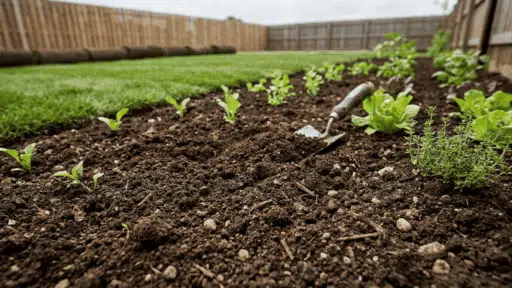
In spring, mixing them into the soil with compost provides a slow-release nitrogen boost for seedlings.
During summer, using them as mulch helps retain moisture and protect plants from dry conditions.
In fall, they enrich compost piles by fueling microbial activity and speeding decomposition.
During winter, compost containing coffee grounds helps protect soil structure from freeze-thaw damage while continuing to support beneficial microbes, even in cold temperatures when microbial activity slows but does not completely stop.
Common Myths About Coffee Grounds for Plants
There are many misconceptions about using coffee grounds in gardening, so understanding the facts can help you use them more effectively and safely for plants.
Myth 1: Coffee Grounds Make Soil Extremely Acidic
Fact: Used coffee grounds are usually close to neutral in pH, not highly acidic. Most of the acidic compounds are removed during brewing, leaving the grounds much milder than many gardeners assume.
Myth 2: Coffee Grounds Replace Fertilizer Completely
Fact: Coffee grounds can add nitrogen and improve soil quality, but they do not provide all the nutrients plants need. They work best as part of a balanced fertilization and composting routine rather than as a replacement for fertilizer.
Myth 3: All Plants Love Coffee Grounds
Fact: Not every plant benefits from coffee grounds, especially those that prefer alkaline soil. Applying them without considering a plant’s specific soil and nutrient needs may lead to poor growth or nutrient imbalance.
Myth 4: More Coffee Grounds Mean Faster Growth
Fact: Excessive amounts of coffee grounds can compact the soil, reduce airflow, and impede water absorption. Using small to moderate amounts is more effective, as too much can damage roots and create unhealthy soil conditions over time.
Final Thoughts
Coffee grounds can be a simple yet effective addition to your gardening routine when used properly.
They help improve soil structure, support healthy microbial activity, and provide a gentle nutrient boost, offering several benefits for many plants.
The key is moderation; too much can disrupt the soil balance, while the right amount fosters a healthier growing environment.
Mix them into compost, use them as mulch, or add them directly to the soil; coffee grounds can turn everyday kitchen waste into a valuable gardening resource.
Have you used coffee grounds in your garden? Share your success stories or lessons learned with our community in the comments!
Frequently Asked Questions (FAQs)
Can Coffee Grounds Help Plants Grow Faster?
Coffee grounds support gradual, healthy plant growth by slowly releasing nutrients, which may improve vigor and leaf color over weeks or months when combined with balanced fertilization.
Are Coffee Grounds Good for Indoor Plants?
Coffee grounds can benefit indoor plants like peace lilies, ferns, and violets when used sparingly—mix them into the soil to prevent mold.
How Often Should I Add Coffee Grounds to Plants?
Garden beds can receive coffee grounds every 2-4 weeks; containers can receive coffee grounds about once a month; compost piles can receive small amounts regularly.
Are Coffee Grounds Safe for Vegetable Gardens?
Coffee grounds are safe for vegetable gardens in moderation, especially for nitrogen-loving crops like tomatoes, spinach, and peppers, and they improve soil texture for root vegetables.
Can Coffee Grounds Stop Weeds or Slugs?
Coffee grounds alone aren’t reliable for controlling weeds or slugs, as caffeine levels are too low to consistently repel pests or suppress weeds.

Jordan Mathews, who has a degree in horticulture from Texas A&M University, has been a guiding force in plant health and sustainable gardening for over 16 years. His career began with a role at a renowned botanical garden, where he deepened his understanding of plant physiology and eco-friendly cultivation methods. Jordan joined our website as a freelancer in 2020, becoming a go-to expert for readers seeking advice on nurturing diverse plant species apart from offering insights grounded in scientific knowledge and practical experience. Beyond his professional achievements, Jordan is a keen nature photographer, capturing the beauty of flora in its immensely diversified forms.