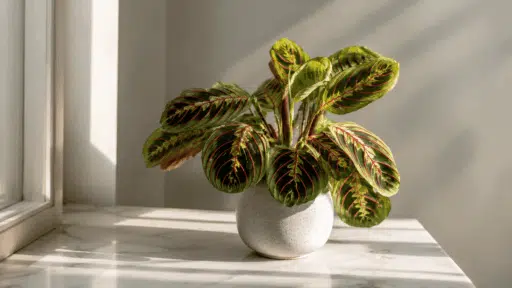
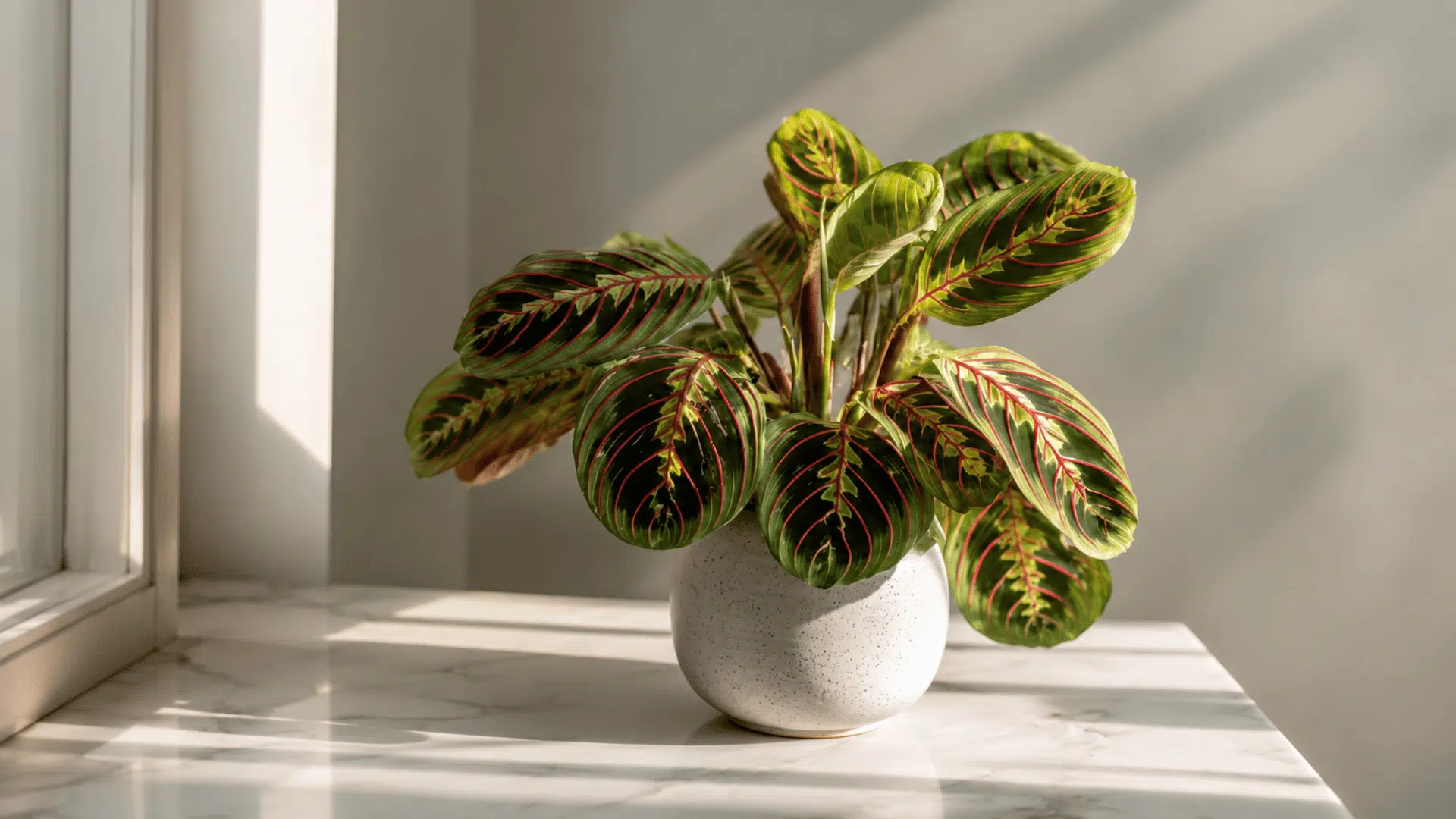

The prayer plant, known scientifically as Maranta leuconeura, gets its common name from a unique daily habit. As evening approaches, its leaves fold upward like hands in prayer, then open again with the morning light.
This movement, along with its patterned foliage, makes it one of the most loved indoor plants. In my years of working with plants, I have seen that prayer plant care often comes down to consistency.
This tropical plant reacts quickly when watering, humidity, light, or temperature shifts too much. With the right growing conditions, however, it can stay healthy, colorful, and steady through each season.
In this guide, I will share practical prayer plant care tips, common prayer plant problems, and their solutions to help beginners grow a stronger, healthier plant indoors.
Understanding Prayer Plants
Understanding prayer plants is the first step toward better care for Maranta leuconeura. These tropical plants differ from many common houseplants in that they actively respond to their surroundings.
Native to Brazil’s rainforest floor, they naturally grow under filtered light, steady warmth, and high humidity. This background explains why prayer plants often struggle in direct sun, dry air, poor watering, or sudden temperature changes.
Their leaf movement, called nyctinasty, is one of their most unique features, while their compact size and pet-friendly nature make them popular indoor plants.
Knowing how they grow in nature can make prayer plant troubleshooting much easier and help you understand why issues such as curling leaves, brown tips, or slow growth occur.
Ideal Growing Conditions for Prayer Plants
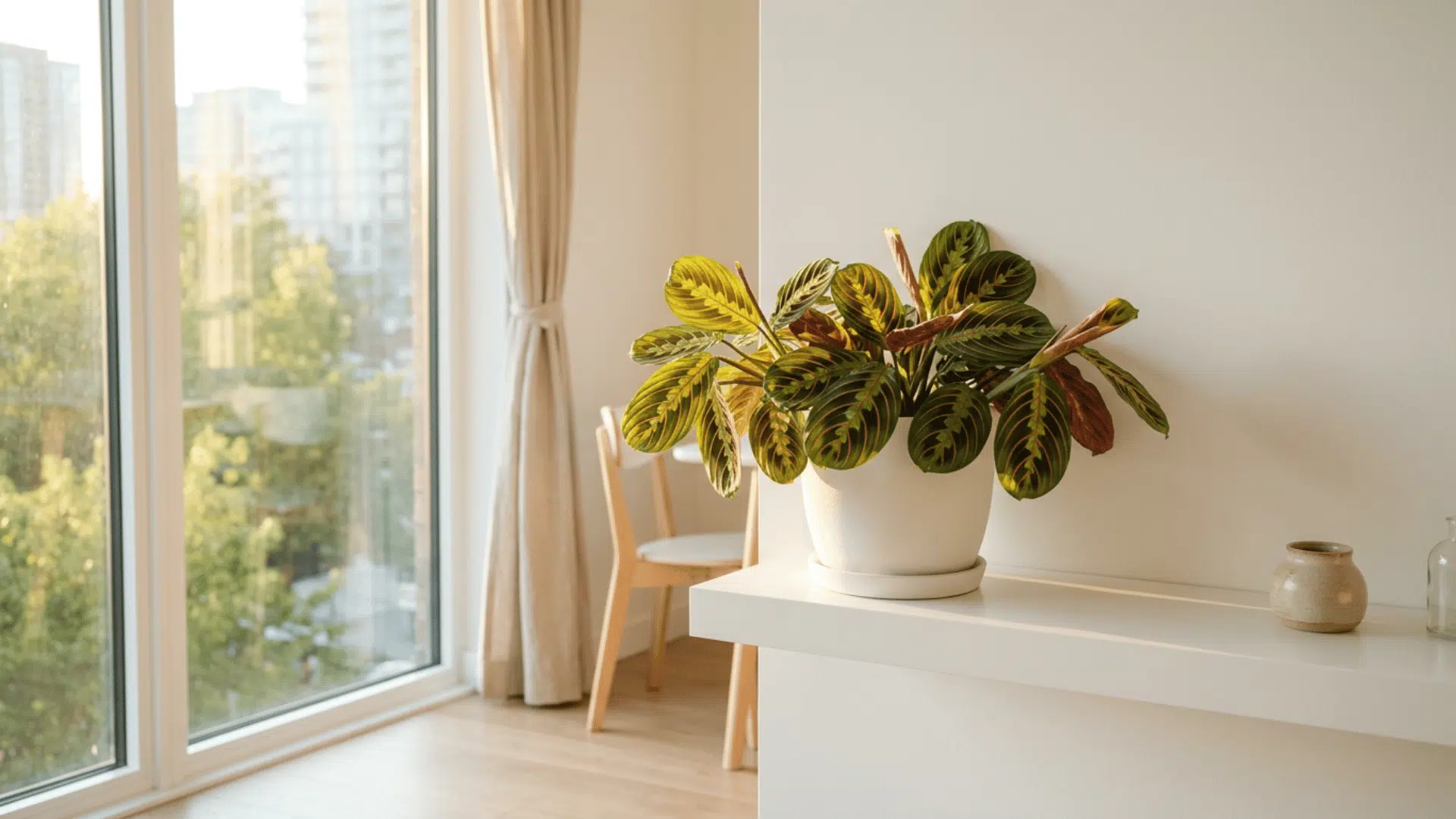
Prayer plants grow best when their surroundings provide the warmth, moisture, and protection they would naturally receive in a tropical rainforest.
Getting the basics right can help prevent many common prayer plant care issues and encourage healthier, more vibrant growth.
Let’s look at the ideal light, temperature, humidity, and soil conditions that help prayer plants thrive indoors.
1. Light Requirements
Prayer plant light requirements are simple but important. These plants grow best in bright, indirect sunlight, similar to the filtered light found beneath a rainforest canopy.
Too much direct sun can fade leaf colors, scorch the foliage, or cause crispy patches, while low light may lead to slow growth and smaller leaves.
An east-facing window or a filtered south-facing spot usually works well. If natural light is limited, a grow light can support healthy foliage.
2. Temperature and Humidity Needs
Prayer plants prefer warm, stable temperatures between 65°F and 80°F (18°C to 27°C) and should be kept away from cold drafts, heaters, and air conditioners.
Humidity is just as important because dry air often causes brown tips, curling leaves, and dull foliage. Aim for humidity above 50% when possible.
Using a humidifier, grouping houseplants together, or placing the pot on a pebble tray can help improve prayer plant humidity.
3. Choosing the Right Soil
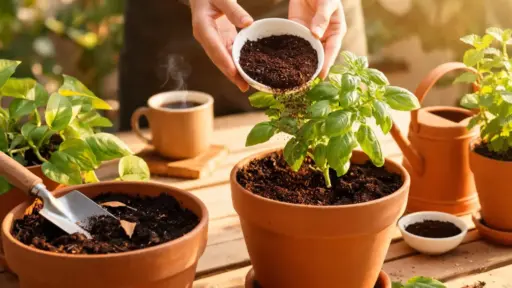
The best soil for prayer plant care is light, airy, and well-draining while still holding enough moisture for the roots.
Prayer plants prefer soil that stays lightly moist but never soggy, since waterlogged conditions can lead to root rot. A mix of potting soil, coco coir or peat moss, and perlite works well for drainage and moisture retention.
Always use a container with drainage holes to prevent excess water buildup.
Watering Prayer Plants Correctly
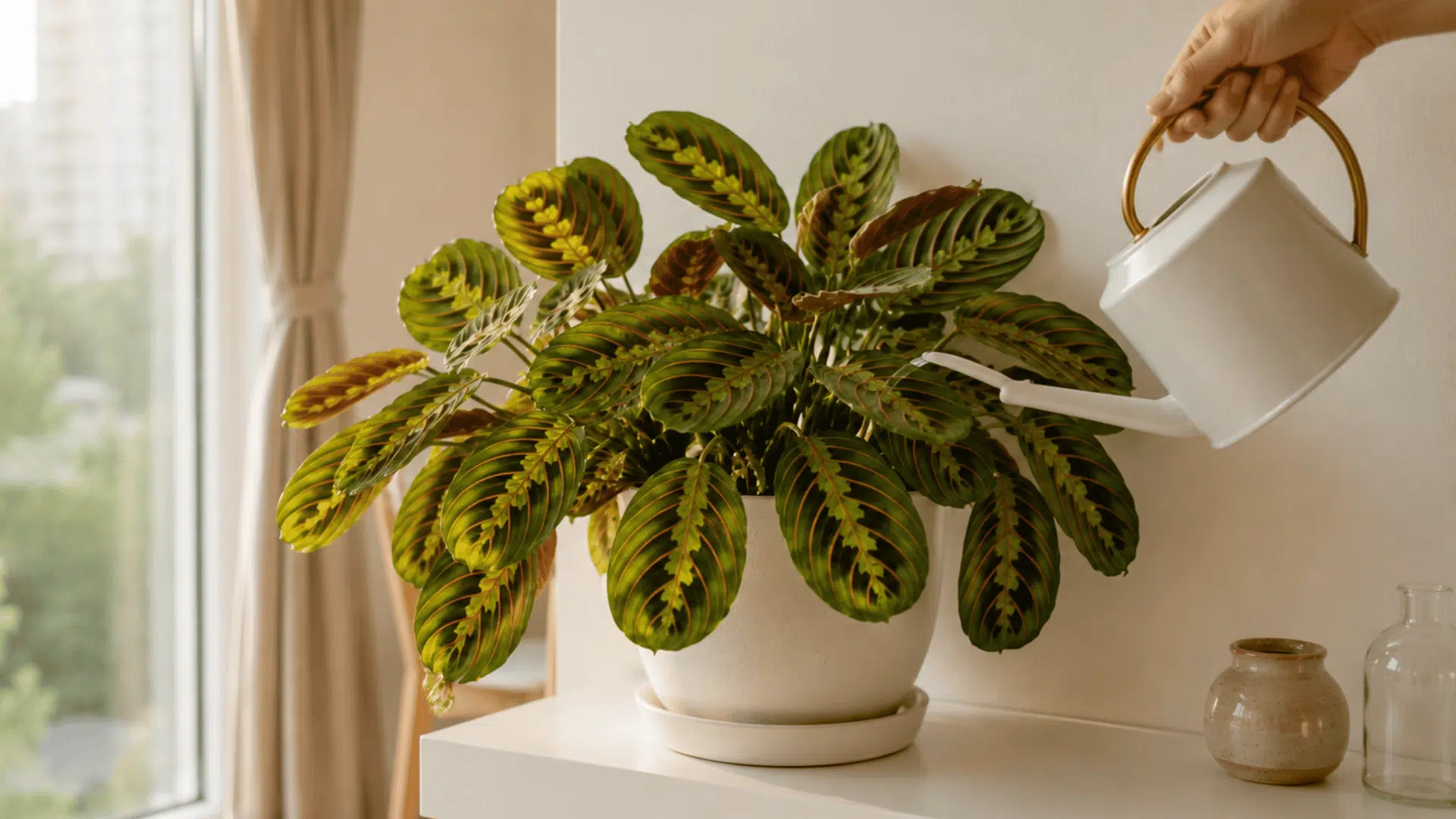
Watering plays a crucial role in keeping a prayer plant healthy, but it is also one of the easiest parts of prayer plant care to get wrong.
These plants prefer consistently moist soil, yet prolonged exposure to excess water can quickly lead to root rot, weak roots, and unhealthy foliage.
Striking the right balance is essential for maintaining vibrant leaves and steady growth.
Understanding proper watering habits for prayer plants and recognizing early warning signs can help prevent common moisture-related issues.
Common Watering Problems and their Symptoms
Recognizing the difference between overwatering and underwatering can help you correct problems before they affect your prayer plant’s long-term health.
The table below highlights the most common symptoms associated with each issue.
| Symptom Category | Signs of Overwatering | Signs of Underwatering |
| Leaf Appearance | Yellowing leaves, especially on lower stems | Brown, crispy leaf edges or tips |
| Leaf Behavior | Soft, limp, or mushy foliage | Leaves curl inward to conserve moisture |
| Plant Structure | Weak stems and drooping growth despite wet soil | Drooping or wilted foliage due to lack of moisture |
| Soil Condition | Soil remains wet for several days after watering | Soil feels dry and may pull away from the sides of the pot |
| Root Health | Black, brown, or mushy roots caused by root rot | Healthy roots but dry surrounding soil |
| Growth Rate | Slow or stunted growth despite regular watering | Slower growth and smaller new leaves |
Fertilizing and Feeding Your Prayer Plant
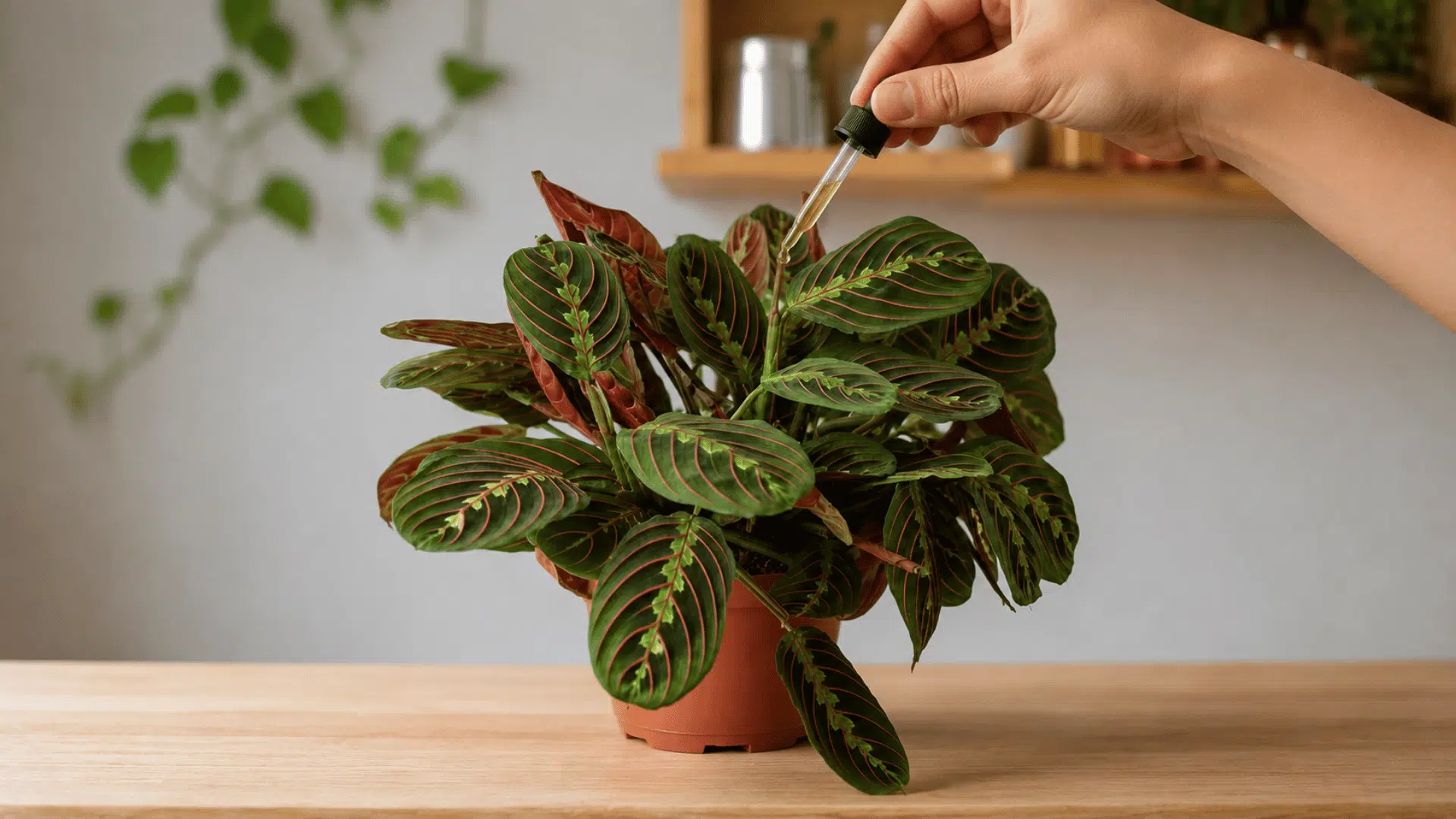
While prayer plants are not heavy feeders, regular fertilization can support healthy prayer plant growth and help maintain vibrant foliage during the growing season.
Providing the right nutrients at the right time encourages stronger leaves, better color, and steady development.
However, too much fertilizer can do more harm than good. Excessive feeding may lead to salt buildup, root damage, brown leaf tips, or overall plant stress.
Understanding which fertilizer to use and when to apply it can help your prayer plant grow well without creating nutrient-related problems.
Best Fertilizers for Prayer Plants
The best fertilizer for prayer plants is a balanced liquid houseplant fertilizer, such as a 10-10-10 or 20-20-20 formula, diluted to half strength.
This gives the plant essential nutrients without overwhelming the roots or causing fertilizer burn.
Organic options like compost tea, worm castings, or fish emulsion can also support Maranta leuconeura care by improving soil quality. Light, consistent feeding is safer than heavy applications.
How often to Fertilize
Fertilizer needs change throughout the year, so adjusting your prayer plant feeding schedule according to the plant’s growth cycle can help prevent overfeeding and support healthy foliage.
- Feed your prayer plant every 2–4 weeks during spring and summer.
- Use a balanced liquid fertilizer diluted to half strength.
- Fertilize only during active growth when new leaves are emerging.
- Reduce or stop feeding during fall and winter as growth slows.
- Avoid overfertilizing, as excess nutrients can damage roots and cause brown leaf tips.
Common Prayer Plant Problems and Solutions
Even with proper care, prayer plants can occasionally develop issues that affect their appearance and growth. Understanding these symptoms can help you respond quickly and prevent long-term damage to your plant.
The table below outlines some of the most common prayer plant problems, their likely causes, and practical solutions.
| Problem | Common Causes | Recommended Solutions |
|---|---|---|
| Why are my Prayer Plant Leaves Curling? | Water stress, low humidity, temperature fluctuations, cold drafts | Keep soil consistently moist, increase humidity levels, and place the plant away from heating vents and sudden temperature changes. |
| Brown Leaf Tips and Edges | Dry air, poor water quality, and excess fertilizer buildup | Raise humidity with a humidifier or pebble tray, use filtered or distilled water, and flush the soil occasionally to remove excess salts. |
| Yellow Leaves on Prayer Plants | Overwatering, poor drainage, nutrient imbalance | Allow the soil to dry slightly between waterings, ensure the pot has drainage holes, and fertilize appropriately during the growing season. |
| Prayer Plant Not Growing | Insufficient light, root-bound conditions, seasonal dormancy | Move the plant to bright indirect light, repot if roots are crowded, and remember that slower growth is normal during fall and winter. |
Community-Tested Prayer Plant Care Tips
These practical prayer plant care tips focus on the adjustments plant owners often use to keep foliage healthy, colorful, and less prone to stress.
- Use filtered, distilled, or rainwater if your prayer plant develops brown tips from tap water.
- Keep the soil evenly moist, but avoid letting the plant sit in soggy soil.
- Group prayer plants with other houseplants to naturally improve prayer plant humidity.
- Rotate the pot every week or two so all sides receive even bright, indirect light.
- Place the plant out of direct sunlight to prevent the leaf patterns from fading.
- Gently wipe the leaves to remove dust and check for early signs of pests on prayer plants.
- Keep the plant away from cold drafts, heating vents, and air conditioners.
- Use a humidifier if your home has consistently dry indoor air.
Mistakes Beginners Often Make
Beginners often struggle with prayer plant care by overwatering, which can cause soggy soil and root rot. Letting the soil dry out completely can also lead to curling leaves, crispy edges, and drooping foliage.
Other common mistakes include placing the plant in direct sunlight, neglecting humidity, using heavy soil, overfertilizing, moving the plant too often, or reacting too quickly to a single damaged leaf.
Seasonal Prayer Plant Care Guide
Prayer plant care should change slightly with the seasons because the plant grows more actively in warmer months and slows in colder ones.
Adjusting watering, feeding, light exposure, and protection from drafts can help keep the plant healthy throughout the year.
Spring and Summer Care
Spring and summer are the active growing seasons for prayer plants, so this is when they need the most support. Keep the soil consistently moist, provide bright indirect light, and maintain moderate to high humidity.
If the plant has become root-bound, spring is the ideal time to repot it into fresh, well-draining soil.
This is also the best time to fertilize every 2–4 weeks with a diluted balanced liquid fertilizer.
Fall and Winter Care
During fall and winter, prayer plants grow more slowly and require less water and fertilizer. Allow the top layer of soil to dry slightly before watering, and reduce or stop feeding until new growth resumes in spring.
Maintaining humidity is still important, especially when indoor heating creates dry air and causes brown leaf tips.
Keep the plant away from cold drafts, chilly windows, heaters, and air vents, as sudden temperature changes can stress the foliage.
Pest Prevention and Treatment
Prayer plants can attract pests when they are stressed, kept in dry air, or grown in overly damp soil. Regularly checking the undersides of leaves, stems, and soil surface can help you catch problems early before they spread.
| Pest or Treatment Area | Signs or Purpose | Recommended Action |
| Spider Mites | Fine webbing, tiny specks on leaves, faded or stippled foliage | Increase humidity, rinse leaves gently, and treat with neem oil or insecticidal soap. |
| Mealybugs | White, cotton-like clusters on stems, leaf joints, or undersides of leaves | Remove pests with a cotton swab dipped in rubbing alcohol, then apply neem oil if needed. |
| Fungus Gnats | Small flying insects around the soil are usually caused by excess moisture | Let the top layer of soil dry slightly between waterings and avoid keeping the mix constantly wet. |
| Neem Oil | Natural treatment for soft-bodied pests | Spray diluted neem oil on affected leaves and stems, following product instructions. |
| Insecticidal Soap | Gentle pest-control option for active infestations | Apply directly to pests and repeat as needed until the infestation is controlled. |
At the End
Caring for a prayer plant becomes much easier when you focus on the essentials: bright indirect light, consistent soil moisture, high humidity, warm temperatures, and well-draining soil.
Although these plants can seem sensitive at first, most common prayer plant problems can be prevented by keeping their environment stable and watching how the foliage responds.
Avoid letting the soil become too dry or too soggy, protect the leaves from direct sunlight, and adjust watering or feeding as the seasons change.
Advice from other plant owners can be helpful, but every home has different light, humidity, and temperature levels.
With patience, careful observation, and a steady care routine, your prayer plant can stay healthy, colorful, and full of life throughout the year.
Frequently Asked Questions
Are Prayer Plants and Calatheas the Same?
Not exactly. Prayer plants are Maranta leuconeura, while calatheas belong to a different genus. They look similar but have slightly different growth habits and care needs.
Do Prayer Plants Flower Indoors?
Yes, prayer plants can flower indoors, though their blooms are small and less showy than the foliage. Healthy light, moisture, and warmth may encourage occasional flowers.
How Long can a Prayer Plant Live Indoors?
With steady care, a prayer plant can live for several years indoors. Stable humidity, proper watering, fresh soil, and regular cleanup help extend its lifespan.
Should I Cut off Damaged Prayer Plant Leaves?
Yes, trim yellow, crispy, or damaged leaves with clean scissors. Removing unhealthy foliage improves appearance and helps the plant direct energy toward stronger new growth.
Why is My Prayer Plant not Moving its Leaves?
Reduced movement is not always a problem. Leaf movement can change with light cycles, stress, maturity, or indoor conditions, especially if the plant otherwise looks healthy.

Jordan Mathews, who has a degree in horticulture from Texas A&M University, has been a guiding force in plant health and sustainable gardening for over 16 years. His career began with a role at a renowned botanical garden, where he deepened his understanding of plant physiology and eco-friendly cultivation methods. Jordan joined our website as a freelancer in 2020, becoming a go-to expert for readers seeking advice on nurturing diverse plant species apart from offering insights grounded in scientific knowledge and practical experience. Beyond his professional achievements, Jordan is a keen nature photographer, capturing the beauty of flora in its immensely diversified forms.