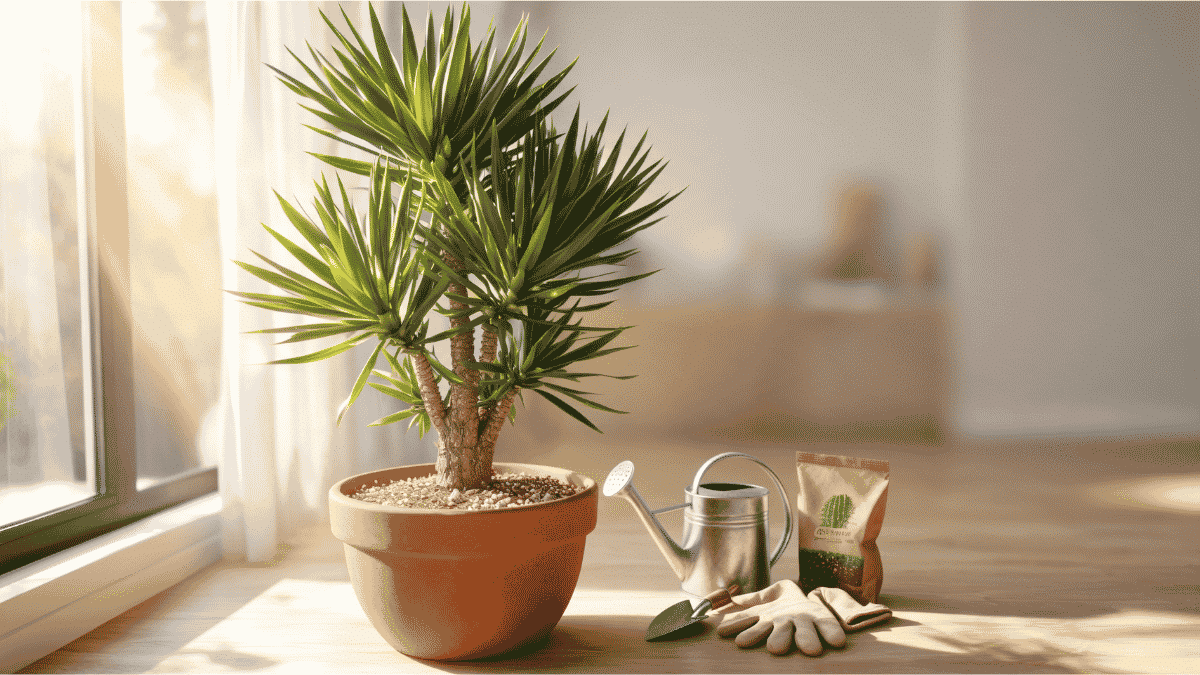

Yuccas have earned a reputation as one of the easiest houseplants to grow, but that doesn’t mean they thrive on neglect alone.
With the right care, a yucca can grow strong, upright, and healthy instead of simply surviving.
After understanding yucca plant care, I noticed that the right balance of light, watering, soil, temperature, and routine maintenance can help prevent common problems.
If you’re growing your first yucca or looking to improve your current routine, you’ll find practical, easy-to-follow tips to keep your indoor plant healthy throughout the year.
Yucca Plant Care (Explained Quickly)
Yucca indoor plant care is fairly easy to maintain when their basic growing needs are met. Here’s a quick look at the key care requirements.
- Soil: Fast-draining cactus or succulent mix
- Light: Bright light or full sun
- Water: Water when most of the soil is dry
- Temperature: Keep between 60 and 80°F or 15 and 27°C
- Maintenance: Trim dead leaves, feed monthly, and repot every two to three years.
What are Yucca Plants?
Yucca plants are hardy, drought-tolerant plants known for their sword-shaped leaves and bold structural appearance.
The Yucca plant is also known as the giant palm lily because of its lily-shaped flowers and palm tree-like leafy crown; however, it is not a true palm tree but a type of asparagus.
Some species also produce tall flower stalks covered with clusters of creamy white blooms, adding seasonal beauty to the landscape.
It’s important to note that Yucca plants are different from Yuca.
Yuca refers to a starchy root vegetable that is commonly used in cooking, while Yucca plants are ornamental plants known for their distinctive foliage and flowers.
How do You Grow Yucca Indoors?
For a yucca plant indoors, the next things to manage are temperature, humidity, and fertilizer, since these conditions are more controlled indoors than they would be outside.
Here are some tips to grow yucca indoors:
- Temperature: Yucca grows best in temperatures between 60 and 80°F (15 to 27°C). Some established plants can handle short periods in the 40s, but sudden cold drafts from doors or windows can stress the leaves.
- Humidity: Normal household humidity usually works well. Yuccas prefer drier conditions, so there is no need for regular misting or pebble trays, and they are best kept out of small, steamy rooms with poor airflow.
- Fertilizer: Feed the plant once a month in spring and summer with a balanced liquid fertilizer diluted to half strength. Stop feeding in fall and winter while growth naturally slows.
How to Take Care of Yucca Plants?
Yucca plants, both the indoor and outdoor varieties, are low-maintenance and beginner-friendly plants. Once established in the garden landscape, you can almost leave them alone so they can care for themselves.
1. Choosing the Best Soil
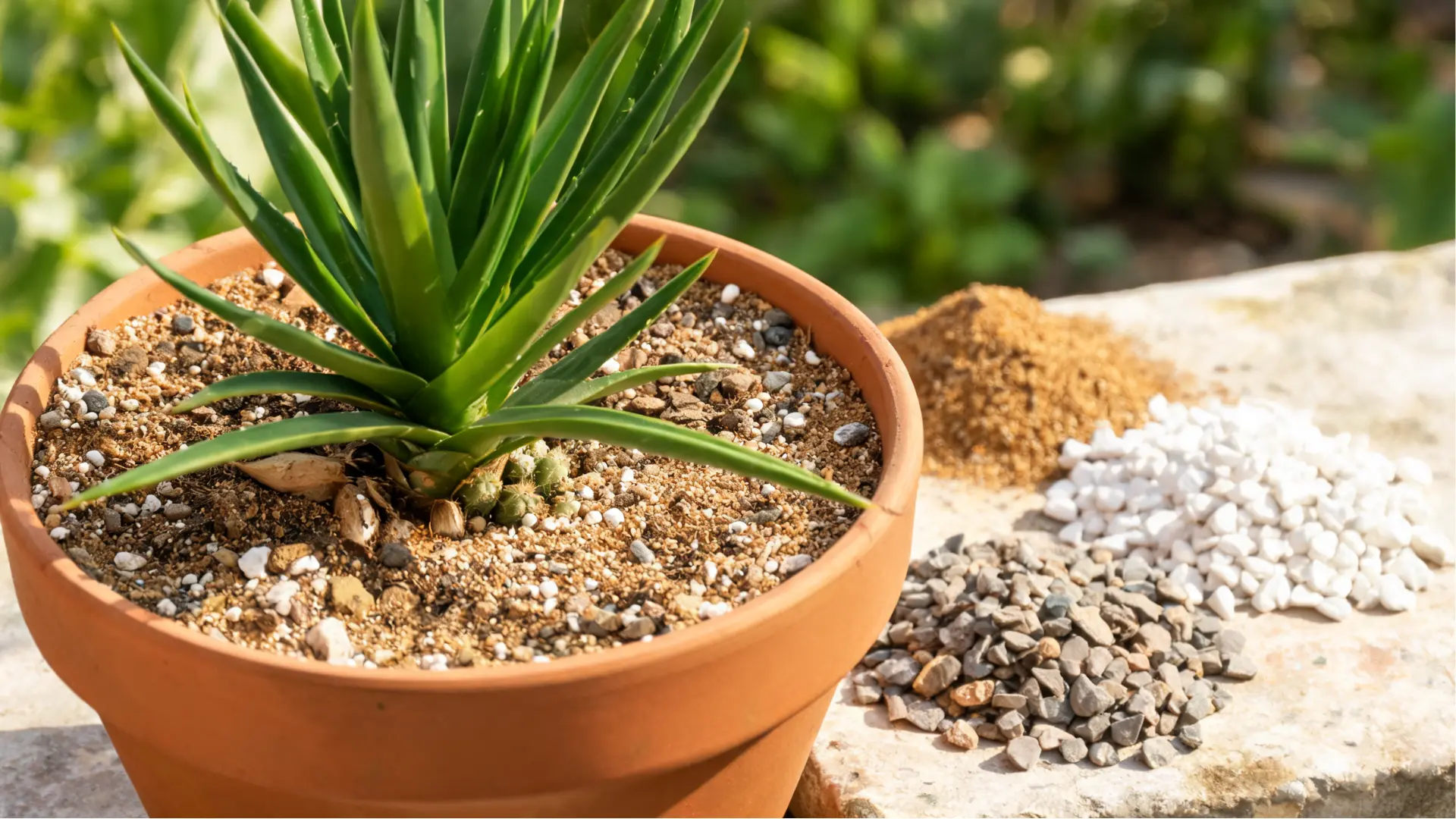
Yucca plants grow best in sandy, well-draining soil that prevents excess moisture from collecting around the roots.
Yuccas thrive in loose, sandy soil that drains fast. Since different types of soil hold moisture differently, choosing the right one matters. Heavy clay traps water and invites root rot, while a cactus or succulent mix stays airy and dry.
Adding coarse sand or perlite improves drainage further, encouraging stronger roots and steady, long-lasting growth.
Healthy soil encourages stronger root development and long-lasting growth.
2. Watering a Yucca
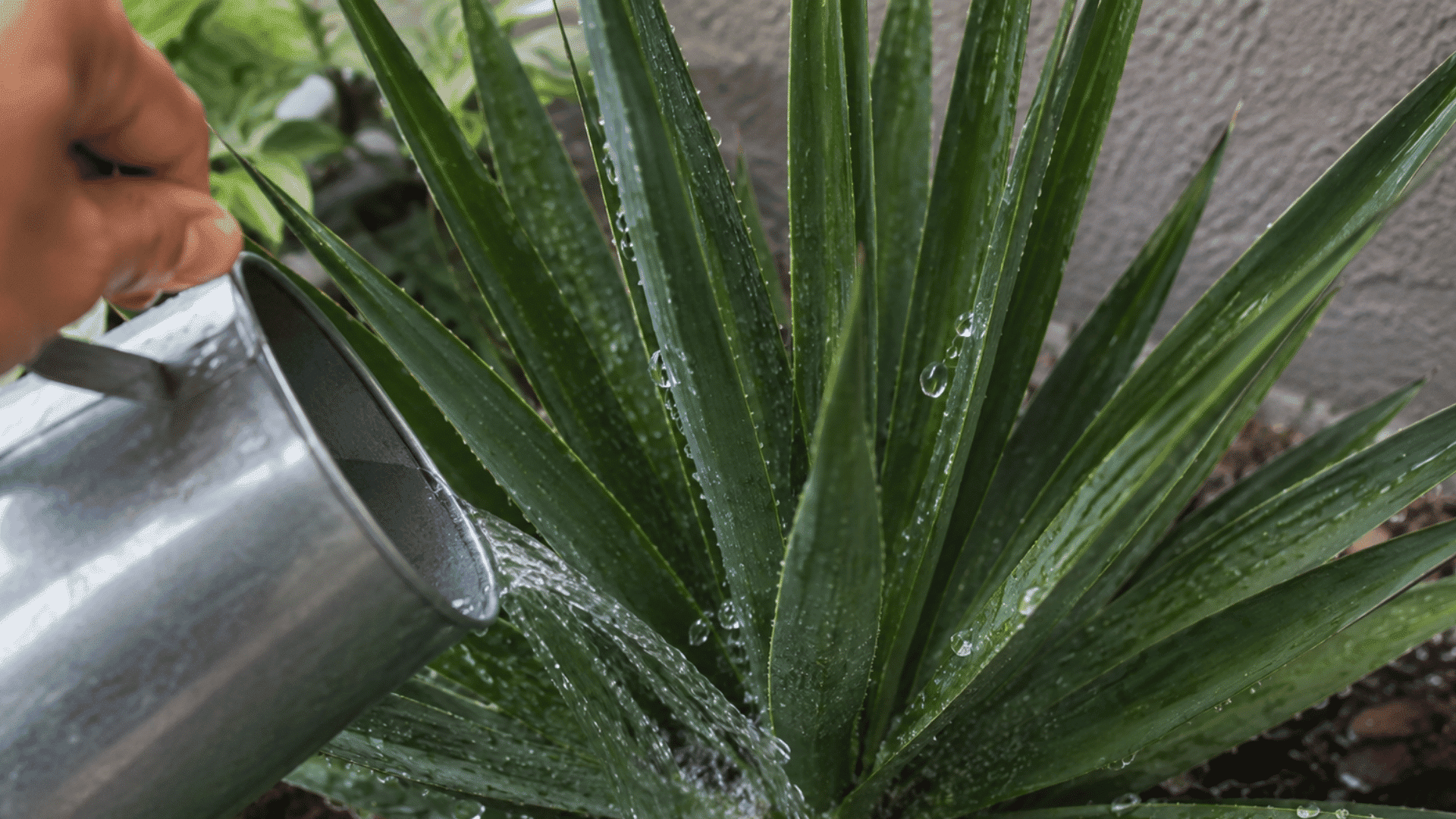
Yuccas and agaves are noted for low water requirements. However, it is necessary to give your plant a good start by watering after planting.
If you live in an area of low rainfall or are experiencing a severe drought, it can take up to 3 years to establish a mature root system.
If you fertilize, keep the dose rate low and give extra water.
3. Light Needs of a Yucca
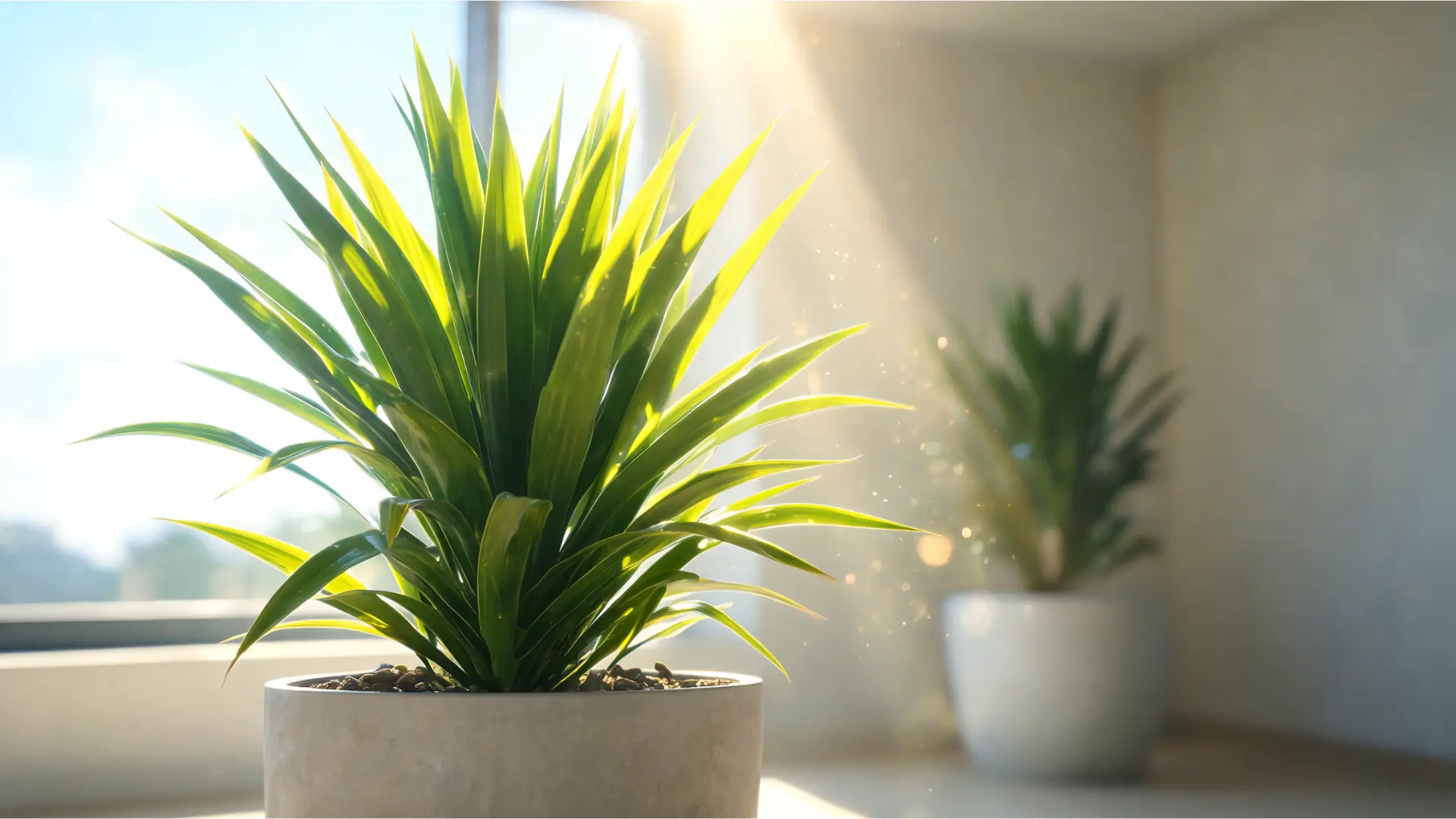
Yuccas and agaves can be grown in full sun and are even tolerant of shading up to about 50 percent. If you live in a very hot climate, a little afternoon shading can be beneficial, but it’s not required.
They can tolerate partial shade, but plenty of light helps maintain strong growth and an upright shape.
Outdoors, yuccas want full sun for at least 6 hours a day; indoors, give them your brightest window.
What is the Best Way to Plant a Yucca?
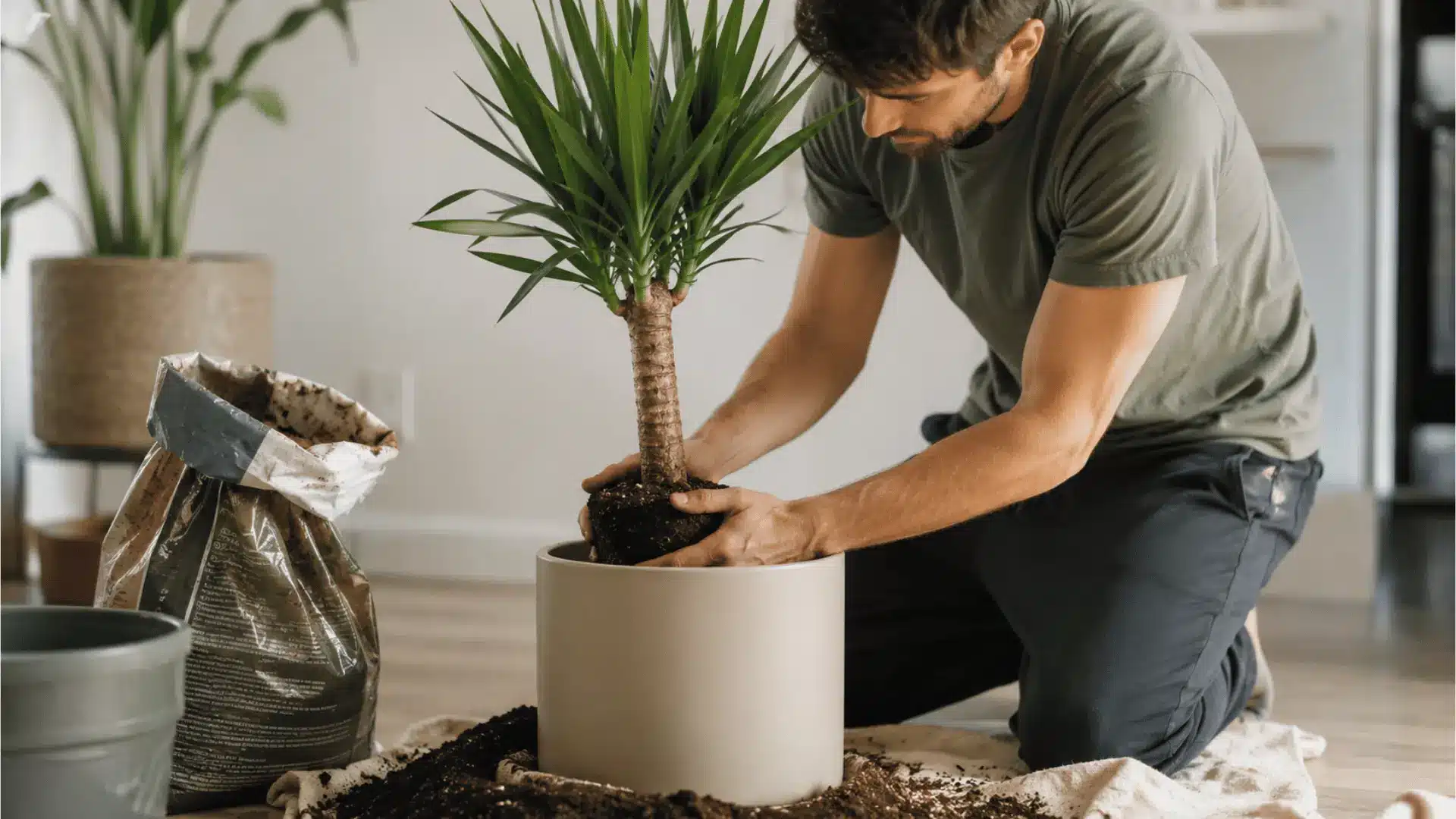
Before planting a yucca, choosing the right location and time can make a big difference in how well it grows.
Although yuccas are tough and adaptable, planting them under suitable conditions helps them establish strong roots more quickly.
Here’s what you should know about the best time, ideal location, and proper planting method.
1. By Choosing the Right Location
Choosing the right location is just as important as proper watering or soil.
- Choose a location that receives at least 6 to 8 hours of direct sunlight each day.
- Yuccas prefer well-draining, sandy, or gravelly soil, as soggy conditions can lead to root rot.
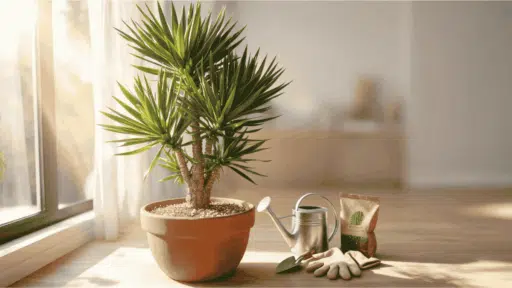
- If you’re growing a yucca indoors, place it near a bright, south- or west- facing window where it gets plenty of natural light.
2. Planting at the Right Time
The best time to plant a yucca is in spring or early summer when temperatures are warm, and the plant can establish strong roots before winter.
In regions with mild winters, early fall is also suitable, provided the plant has enough time to settle before cold weather arrives.
Avoid planting during freezing winter conditions or the peak of summer heat.
3.Taking the Right Steps for Planting
By following a few simple planting steps and choosing the right growing conditions, you can give your yucca the best possible start.
- Dig a hole about twice as wide as the root ball but no deeper than its height.
- If the soil is heavy, mix in sand or gravel to improve drainage.
- Backfill the hole and gently firm the soil around the roots.
What Problems Can Affect Yucca Plants?
Most issues, such as yellow leaves, brown tips, or root rot, are caused by watering mistakes, poor drainage, or insufficient light.
The table below highlights the most common yucca plant problems, their likely causes, and simple ways to fix them.
| Problem | Common Cause | What to Do |
|---|---|---|
| Yellow leaves | Overwatering or poor drainage | Let the soil dry and reduce watering |
| Brown leaf tips | Dry soil, salts, or low humidity | Check watering and use filtered water |
| Drooping leaves | Low light or watering problems | Move the plant to brighter light and check the soil |
| Root rot | Waterlogged soil | Remove rotten roots and repot in dry soil |
| Pests | Scale, spider mites or mealybugs | Clean the leaves and apply suitable treatment |
Final Takeaway
Yucca plants prove that a beautiful houseplant doesn’t have to be difficult to maintain.
Once you understand their basic needs, such as bright light, well-draining soil, and careful watering, they can stay healthy and attractive for many years.
The most common mistake is overwatering, not underwatering.
The yucca I’ve had the longest has always done well in a simple south-facing window with watering about every two weeks.
Regardless, with a small amount of regular care, yucca plants can stay healthy without demanding the constant attention many houseplants need.
Comment with your best yucca plant care tip and share this guide with fellow plant lovers.
Frequently Asked Questions
Why are My Yucca Plant’s Leaves Turning Yellow?
Yellow leaves are often caused by overwatering, poor drainage, or insufficient sunlight. Check the soil moisture and ensure the plant receives plenty of bright light.
Can Yucca Plants Grow Indoors?
Yes. Yucca plants grow well indoors when placed in a bright location with well-draining soil. They are low-maintenance and tolerate dry indoor air well.
Why are the Leaf Tips Brown and Crispy?
Three usual causes: fluoride or salts in tap water, underwatering, or the plant sitting next to a heating vent. Try filtered or rainwater and see if new growth comes in clean.
When Should I Repot a Yucca?
Every 2 to 3 years, in spring. Go up just one pot size. Yuccas do fine slightly rootbound, and an oversized pot holds water they don’t want.
How Long does a Yucca Live?
Decades. Indoor plants commonly reach 10 to 20 years or more with basic care, and some outdoor species live far longer than that.

Jordan Mathews, who has a degree in horticulture from Texas A&M University, has been a guiding force in plant health and sustainable gardening for over 16 years. His career began with a role at a renowned botanical garden, where he deepened his understanding of plant physiology and eco-friendly cultivation methods. Jordan joined our website as a freelancer in 2020, becoming a go-to expert for readers seeking advice on nurturing diverse plant species apart from offering insights grounded in scientific knowledge and practical experience. Beyond his professional achievements, Jordan is a keen nature photographer, capturing the beauty of flora in its immensely diversified forms.