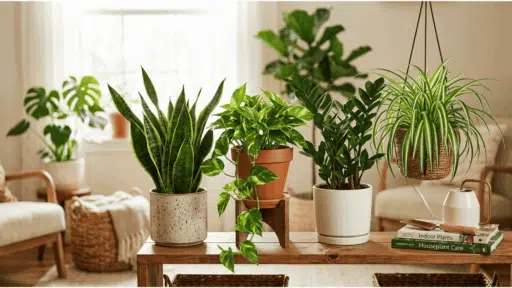

Buying a plant and watching it die within two weeks is one of the most frustrating things for new plant owners.
Most of the time, the problem is not the person. It is the plant they picked.
The best plants for beginners are tough, forgiving, and built to survive even when care is not perfect.
In this guide, I will show you how to find twenty-one of the best indoor plants for beginners, each with a short description, one merit, one demerit, and one practical tip.
I will also tell you why plants are so good for your home, plus the most important beginner plant care tips to help you succeed right from the start.
Why Plants are Good for Your Home and Your Life
Before you pick your first plant, it helps to know why so many US homeowners are filling their spaces with greenery. Plants do a lot more than look nice on a shelf.
- Plants Clean the Air You Breathe: Many common houseplants absorb harmful chemicals like formaldehyde, benzene, and carbon monoxide from the air inside your home.
- Plants Reduce Stress and Improve Your Mood: Research shows that being around plants lowers stress hormones, reduces anxiety, and improves mood.
- Plants Make Any Room Look Better Instantly: There is no faster or more affordable way to improve how a room looks than adding a plant.
- Plants Teach You to Slow Down and Pay Attention: Growing plants teaches you patience and observation. You start to notice the signs your plant gives you.
Best Plants for Beginners
Here are the twenty one best houseplants for beginners, pulled from research by Proven Winners and Swansons Nursery, two of the most respected plant resources in the US.
Each plant below includes a short description, one merit, one demerit, and one tip you can use right away.
1. Pothos
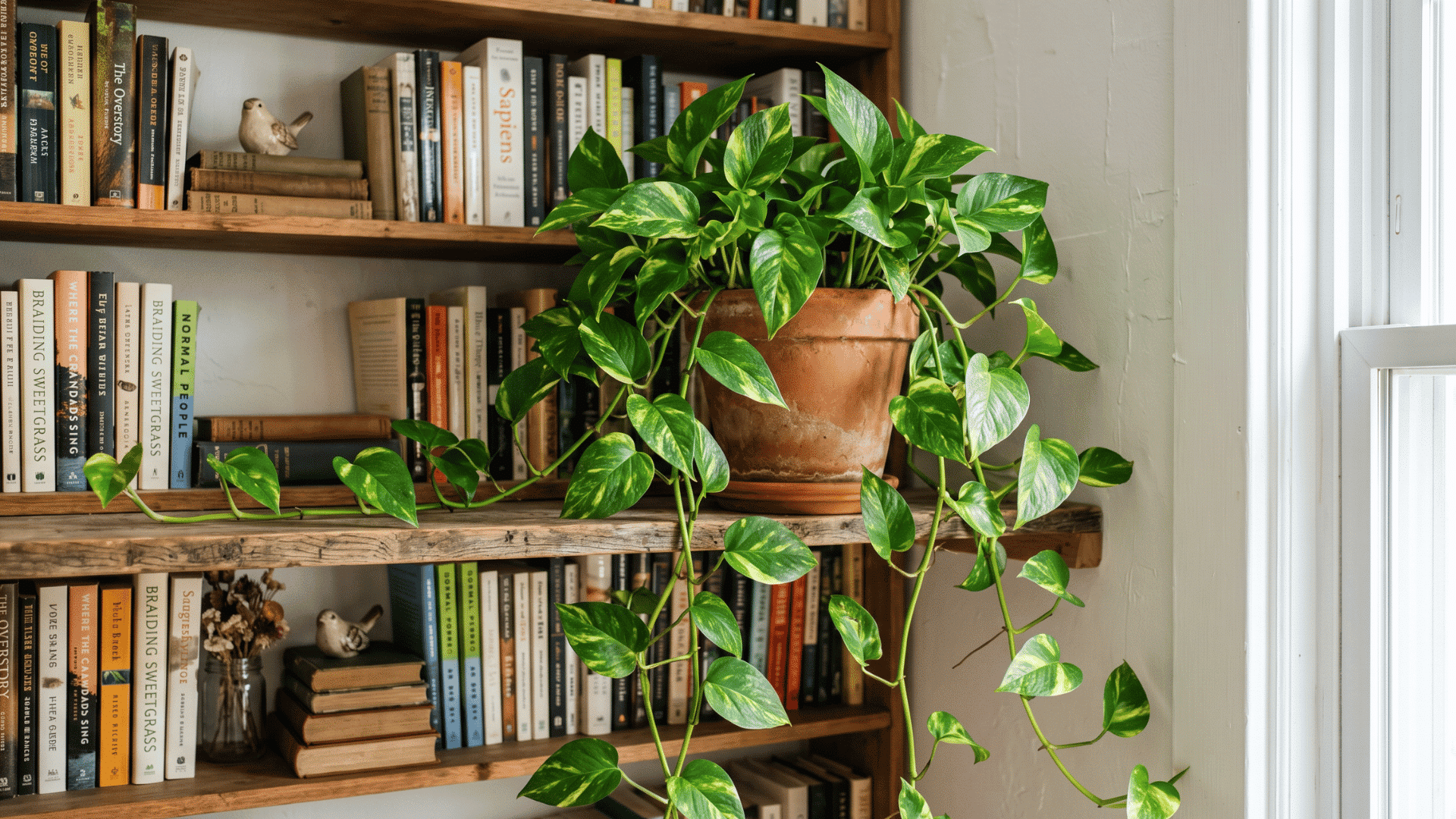
It has trailing heart-shaped leaves, grows fast, and thrives in almost any light condition from low to bright indirect. You can let it trail down from a shelf, climb a moss pole, or hang in a basket.
- Merit: Grows in nearly any light and needs water only once a week or less.
- Demerit: Toxic to cats and dogs if the leaves are chewed or eaten.
- Tip: Trim long stems to keep the plant full at the base and encourage new growth.
2. Spider Plant
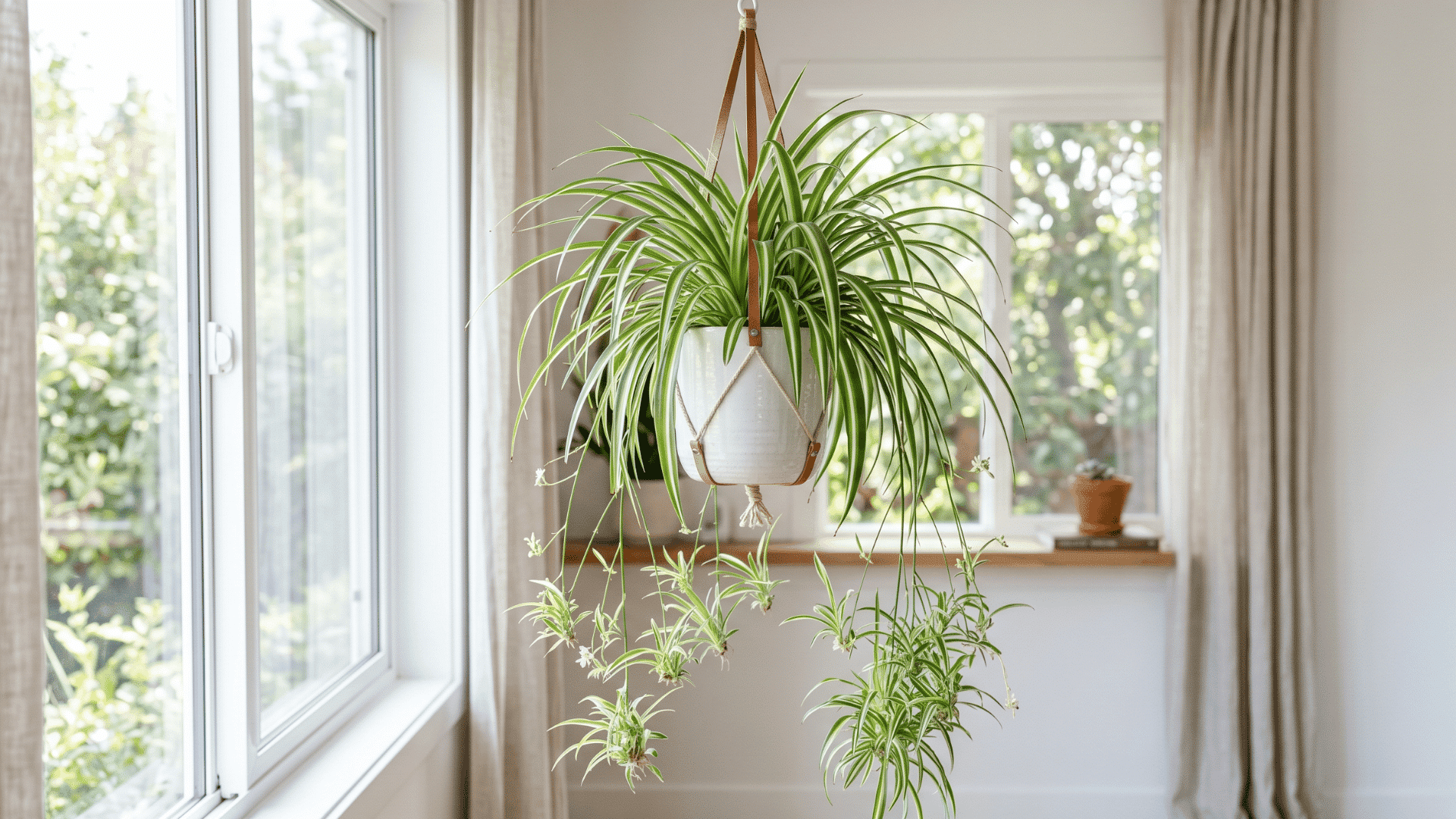
Spider plants are cheerful, fast-growing, and almost impossible to kill. Their arching, green-and-white-striped leaves look great in hanging pots.
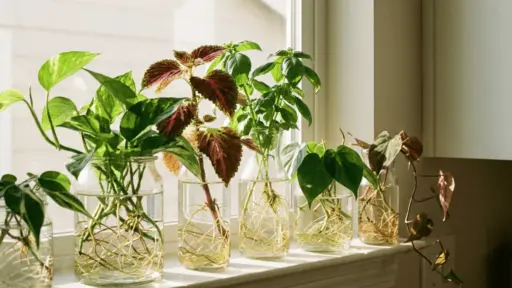
Mature plants produce long arching stems with baby plants called spiderettes that you can root in water and grow as new plants.
- Merit: Very forgiving of irregular watering and handles different light levels well.
- Demerit: Brown leaf tips can appear if tap water contains too much fluoride.
- Tip: Use filtered or distilled water to keep leaf tips green and healthy-looking.
3. ZZ Plant
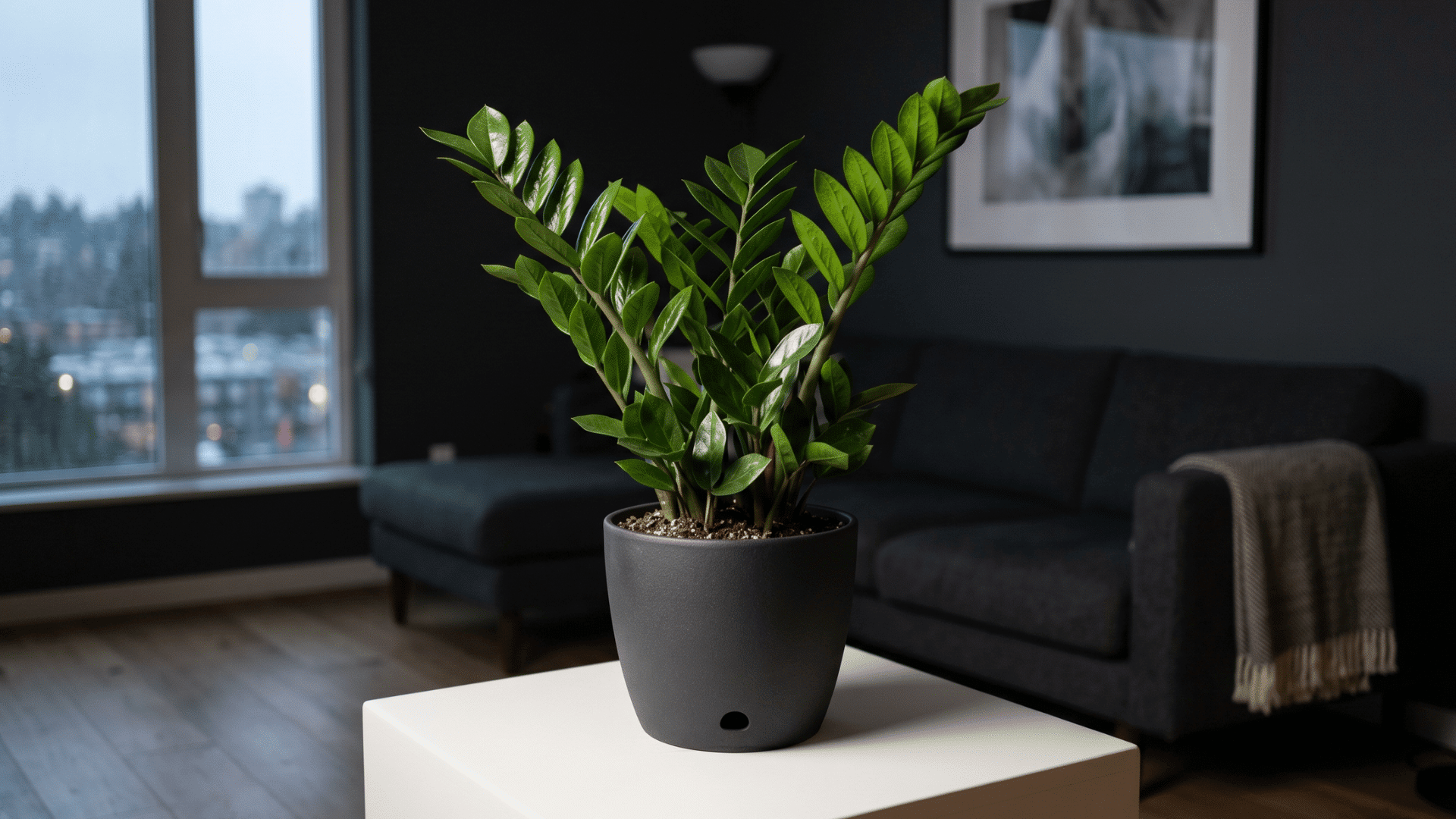
The ZZ plant has glossy, dark green leaves that look great with almost zero effort. It stores water in thick underground roots, so it survives long periods without watering.
It is one of the top hard-to-kill houseplants for people with busy schedules or low-light rooms.
- Merit: Handles low light and can go up to a month without water without any drama.
- Demerit: Grows very slowly, so do not expect fast visible results.
- Tip: Keep out of direct sun which turns the leaves yellow and damages the plant.
4. Snake Plant
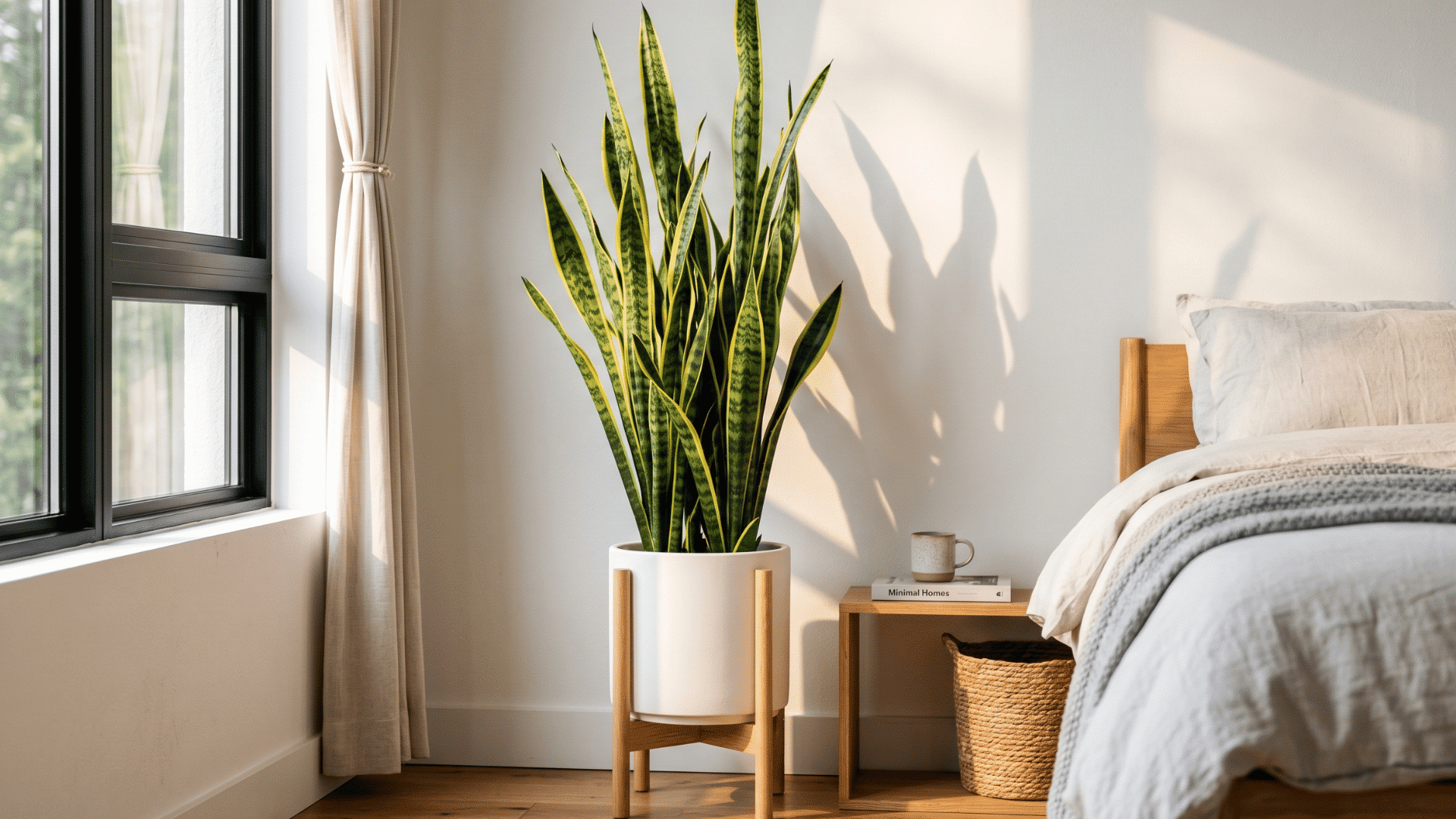
The snake plant is one of the toughest indoor plants for beginners you will ever find.
Its tall, upright sword-shaped leaves need almost no attention and handle drafts, dry air, and all light levels without complaint.
NASA lists it as one of the top air-purifying indoor plants available.
- Merit: Survives neglect, low light, dry air, and infrequent watering with ease.
- Demerit: Root rot develops quickly if the plant is overwatered or left in wet soil.
- Tip: Water only once every two to four weeks and always use well-draining soil.
5. Peace Lily
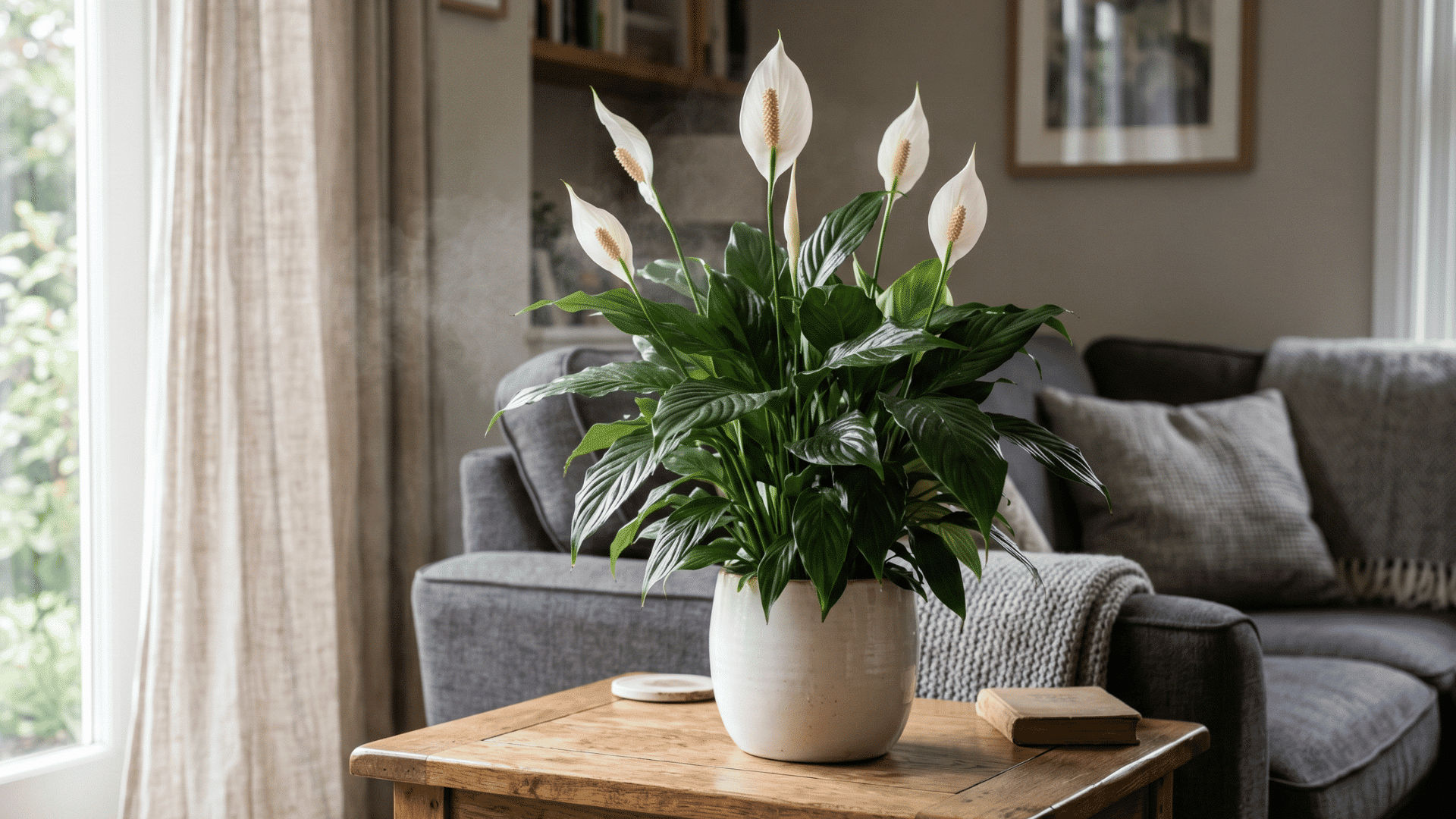
The peace lily is one of the only flowering easy indoor plants on this list. Its white blooms and dark glossy green leaves look beautiful together.
It is also one of the best air-purifying indoor plants and tells you exactly when it needs water by gently drooping its leaves.
- Merit: Flowers indoors without much effort and communicates its watering needs clearly.
- Demerit: Toxic to pets and can cause irritation to human skin if the sap is touched.
- Tip: Place in bright to medium indirect light for more flowers and a happier plant.
6. Monstera Deliciosa
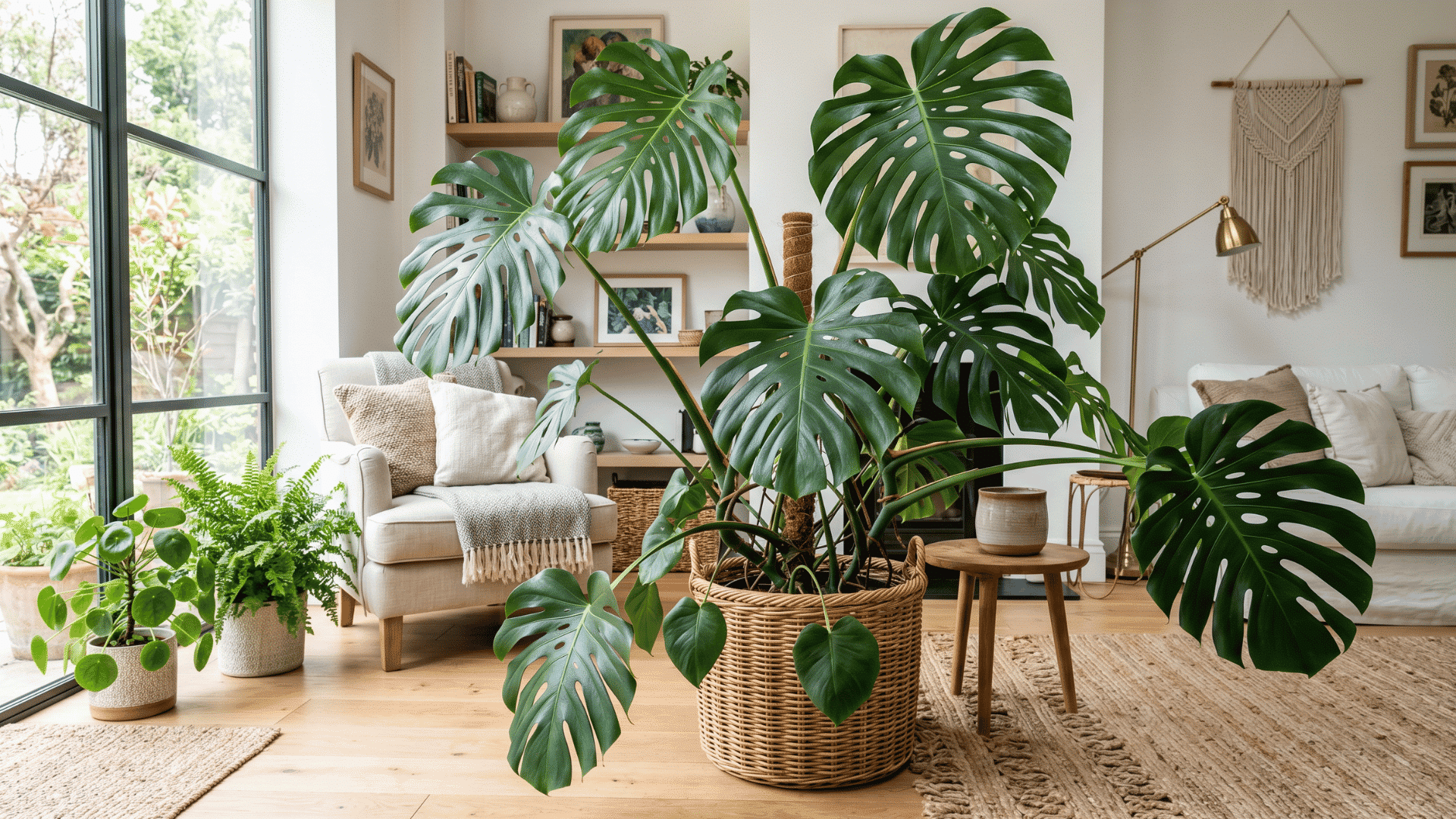
The monstera is one of the most popular indoor plants for beginners in the US right now. Its large glossy leaves with natural splits and holes are instantly recognizable.
It grows quickly in bright indirect light and makes a bold statement in modern or bohemian style rooms.
- Merit: Grows fast and creates a dramatic visual presence in any room.
- Demerit: Needs a lot of space, as it can become very large if not trimmed back.
- Tip: Place in bright indirect light and water when the top inch of soil feels dry.
7. Philodendron
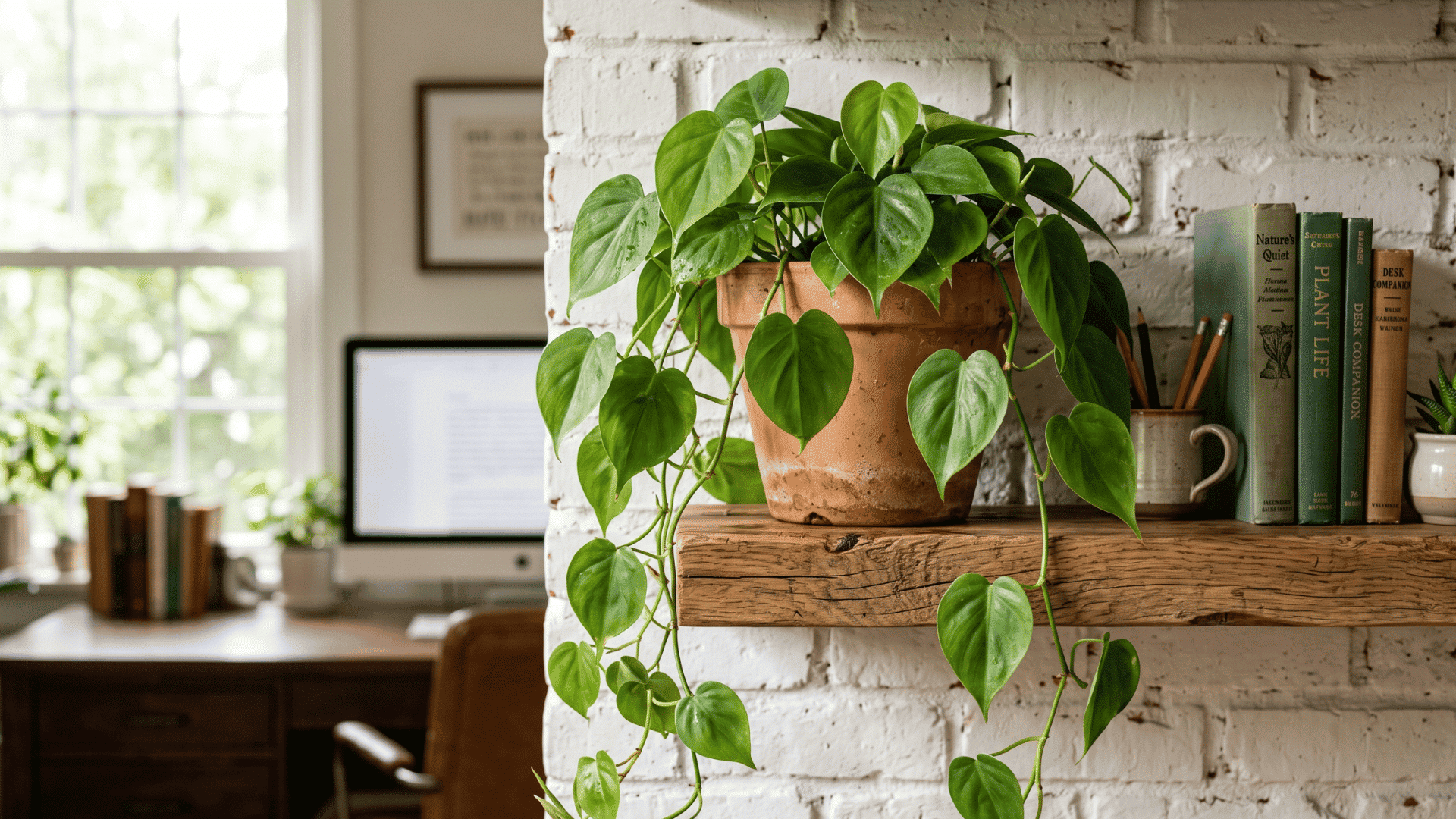
Philodendron comes in compact and trailing varieties and is native to tropical rainforests. It adapts to a wide range of home conditions and comes in an incredible range of leaf shapes, sizes, and colors.
It is one of the most forgiving, easy indoor plants you can find.
- Merit: Adapts to low light better than most plants and grows reliably with basic care.
- Demerit: Toxic to pets and children if leaves are chewed or eaten.
- Tip: Allow plants to trail down containers, grow up a trellis, or train around a window frame.
8. Rubber Plant
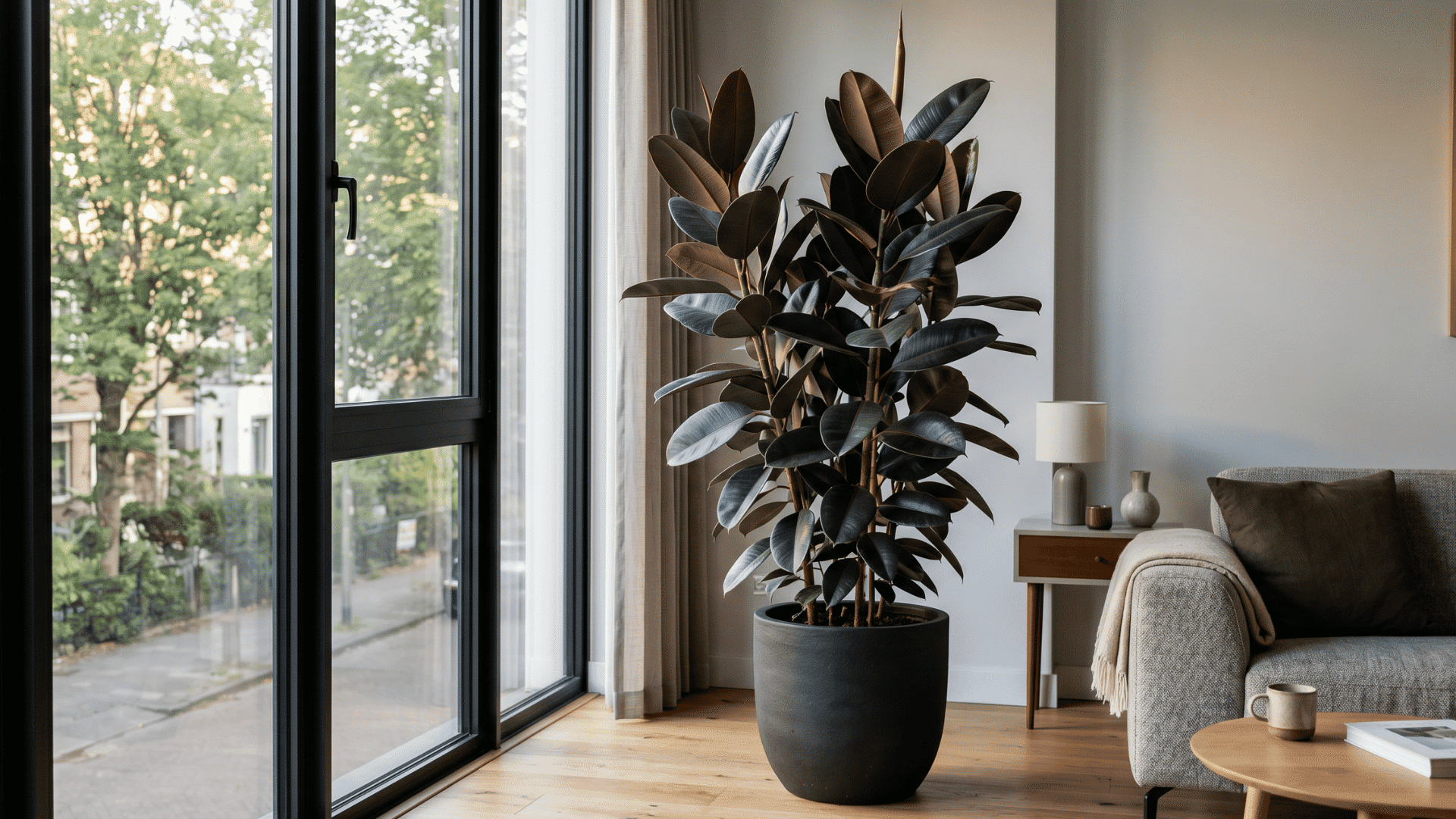
The rubber plant has large thick oval leaves in deep green or burgundy and grows into an impressive indoor tree over time.
It handles a range of light and is a great low-maintenance houseplant for anyone who wants real visual impact.
- Merit: Grows tall and bold over time and needs only basic care to look great.
- Demerit: Drops leaves when moved to a new spot or exposed to cold drafts.
- Tip: Pick one bright spot and leave it there. Rubber plants dislike being moved around.
9. Chinese Evergreen
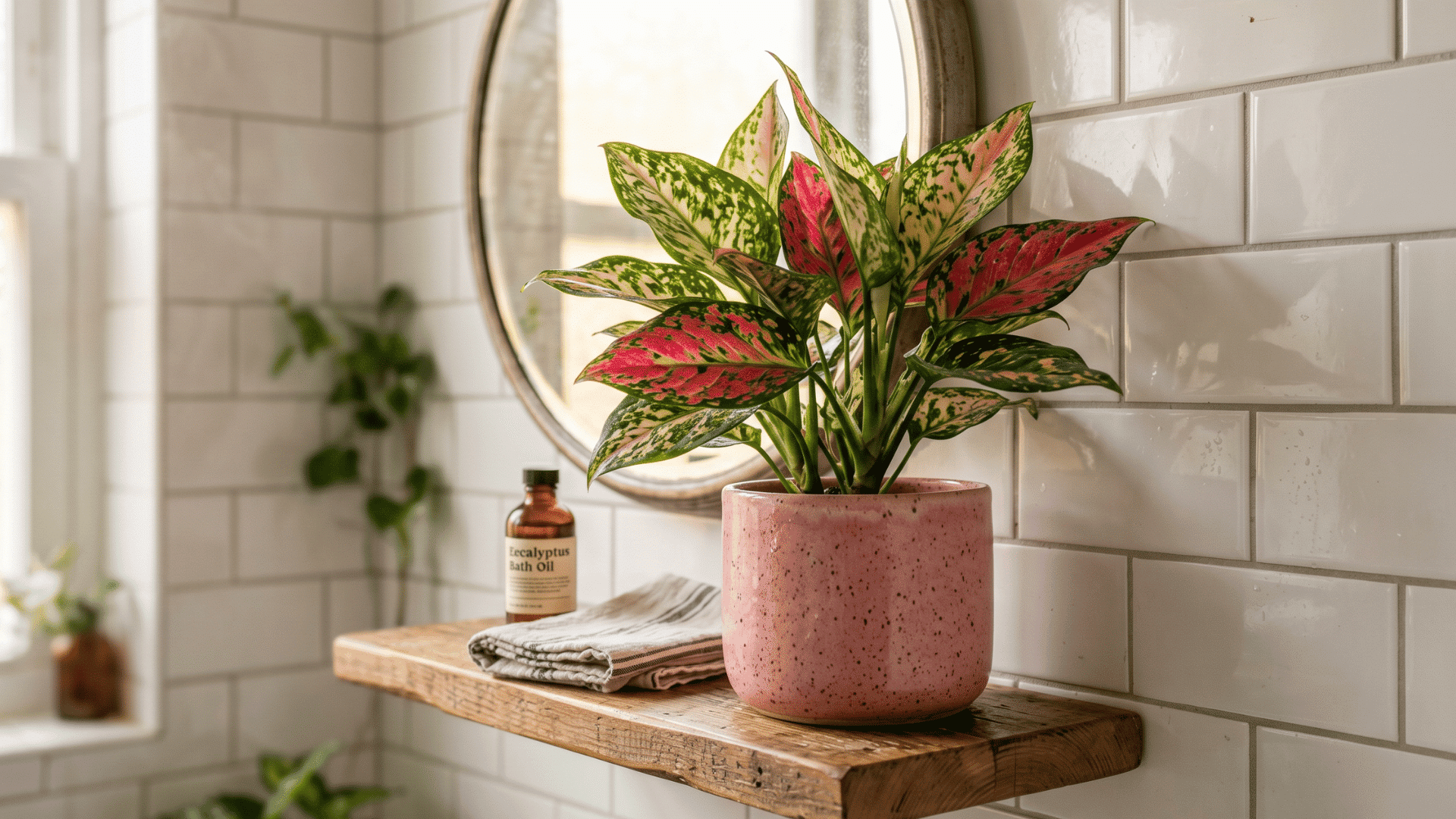
The Chinese evergreen comes in shades of green, red, pink, and silver, and is one of the most adaptable houseplants you can buy.
It handles low light, dry air, and irregular watering without fuss. It stays compact, which makes it well-suited for small spaces like bookshelves and end tables.
- Merit: Handles almost any indoor condition and stays compact for small spaces.
- Demerit: Yellow leaves appear if the plant sits in cold drafts near windows in winter.
- Tip: Keep away from air conditioning vents and cold drafts for the best leaf color.
10. Prayer Plant
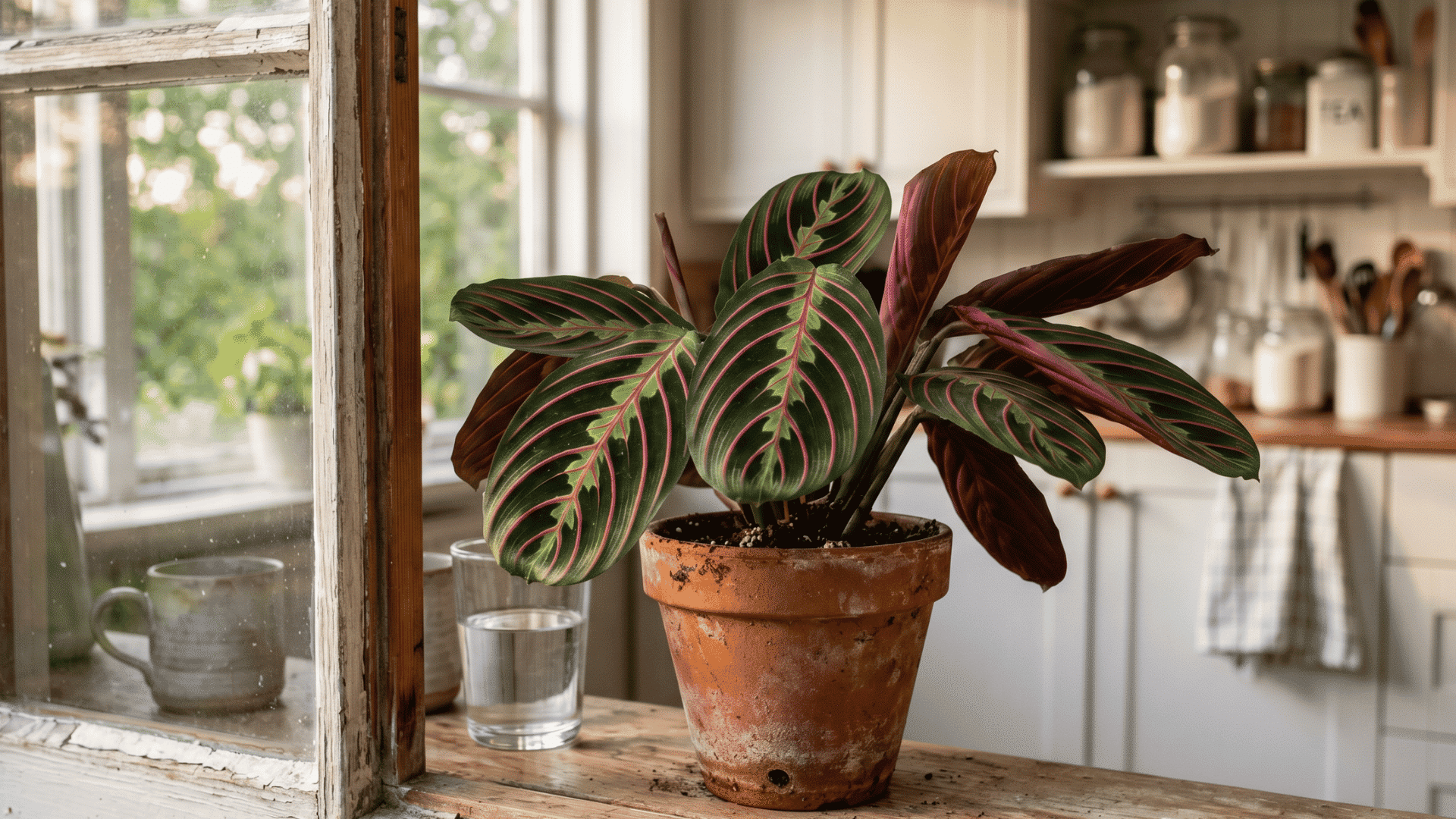
The prayer plant is named for its leaves that fold upward at night like hands in prayer. It comes in many leaf patterns and colors and is a great, easy indoor plant for anyone who wants something different.
It works well in bathrooms or kitchens where humidity is naturally higher.
- Merit: Unique leaf movement makes it one of the most interesting plants to watch daily.
- Demerit: Needs higher humidity than most homes provide, so it can struggle in dry climates.
- Tip: Place it on a tray of wet pebbles or near a small humidifier to keep it happy.
11. Arrowhead Vine
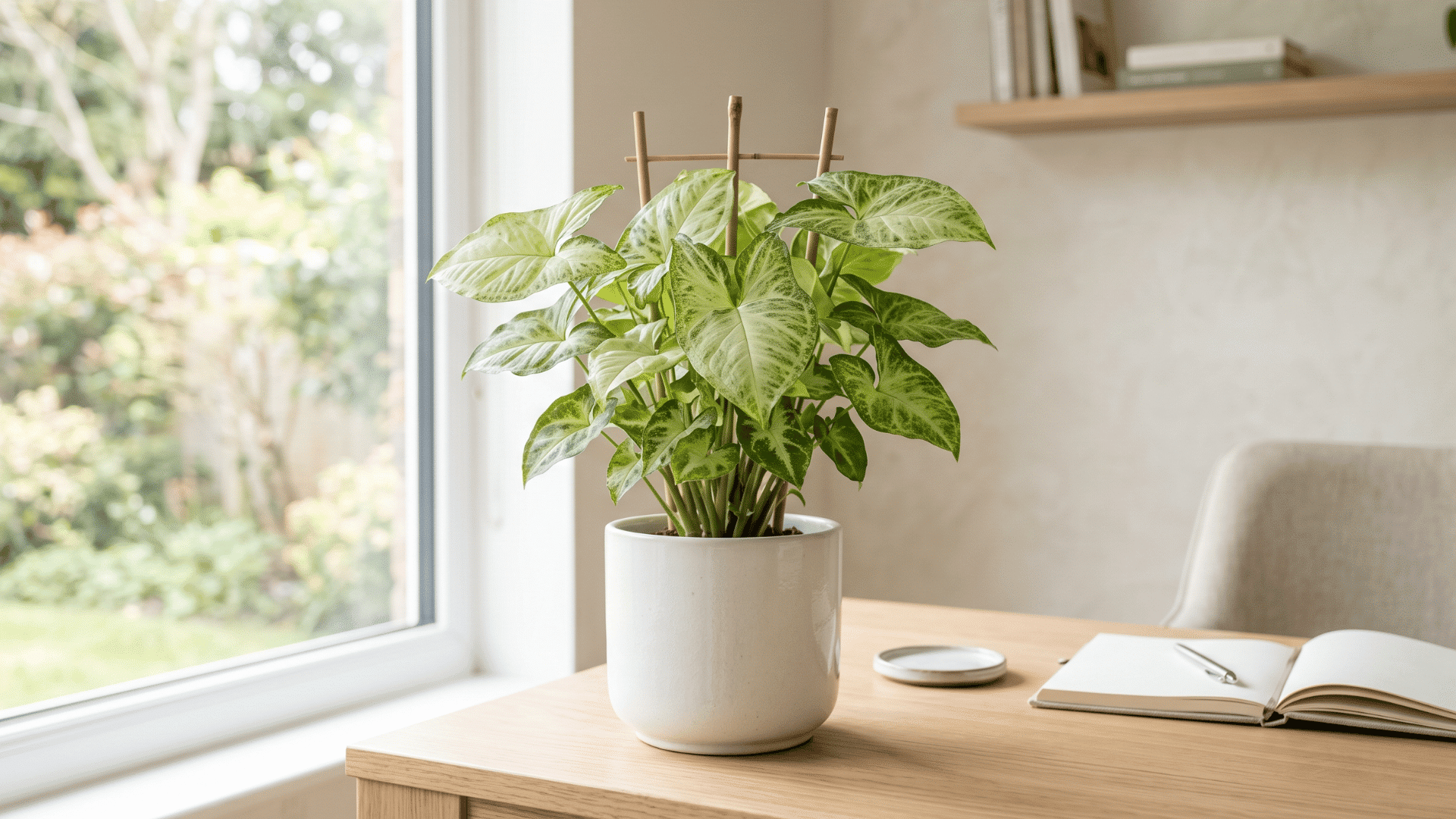
The arrowhead vine produces arrow-shaped leaves in green, pink, white, and variegated patterns. It starts compact and upright but develops a trailing habit as it grows.
It prefers high humidity and evenly moist soil but is forgiving of occasional dry spells.
- Merit: Beautiful color variety and easy to grow in a range of light conditions.
- Demerit: Overwatering leads to root rot quickly, so drainage is very important.
- Tip: Allow the soil to dry out between waterings and always use a pot with drainage holes.
12. Begonia
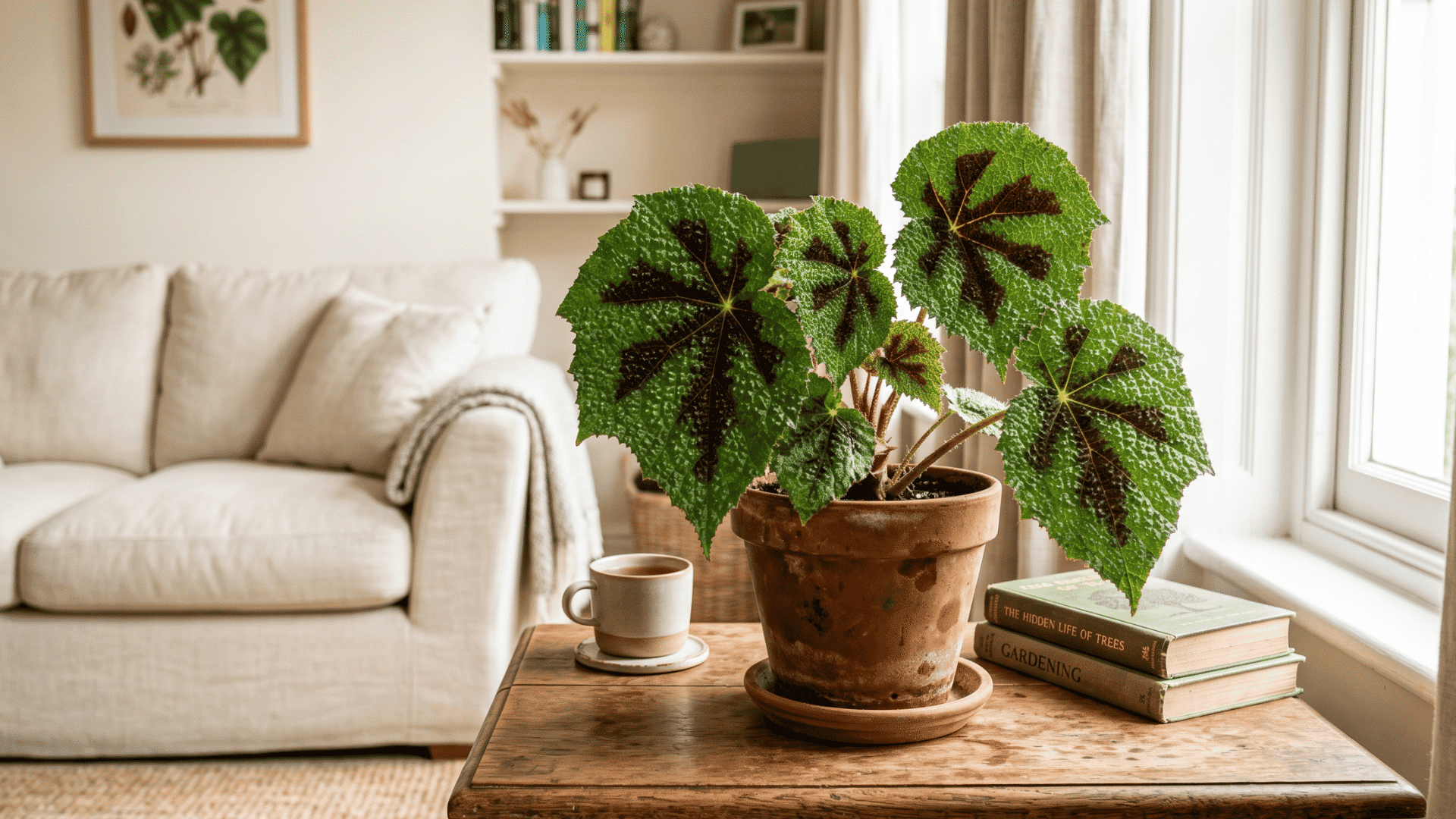
Begonias are a great pick for beginner plant parents who want both attractive foliage and beauty.
Give them consistent light, water, and temperature, and they reward you with lush, colorful leaves that stand out in any room.
They are always presented as perfect for both new and experienced plant owners.
- Merit: Produces beautiful, patterned leaves with very little care once settled in.
- Demerit: Inconsistent care, like irregular watering or sudden temperature changes, causes leaf drop.
- Tip: Keep conditions stable. Begonias dislike being moved or exposed to drafts and cold air.
13. Dracaena
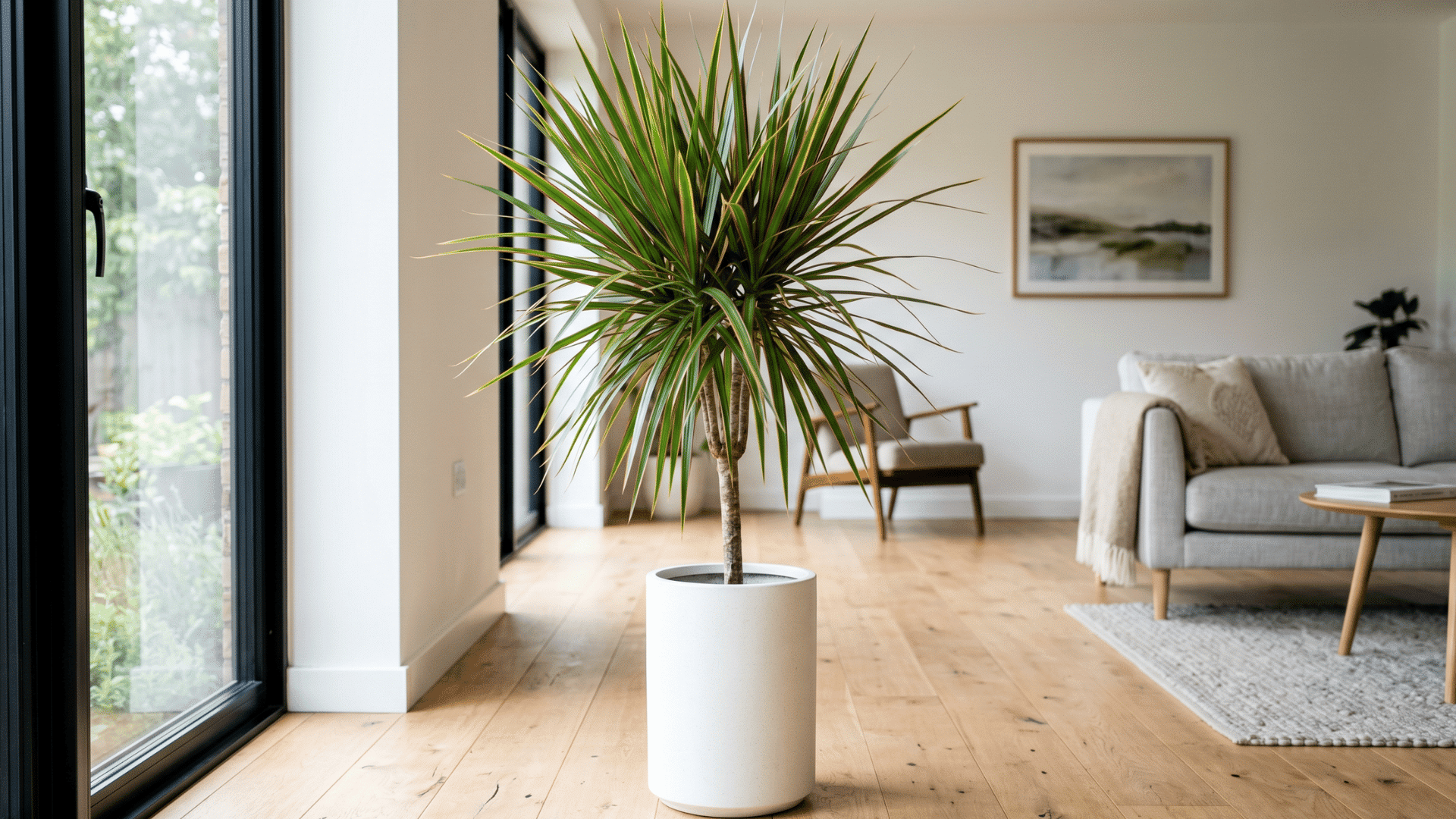
Dracaena plants have long, strappy leaves with colorful edges in red, yellow, or cream and grow upright like small indoor trees.
They are very tolerant of different light levels and irregular watering. They need little to no fertilizer, which makes them hard to kill houseplants.
- Merit: Very tolerant of a wide range of light and watering conditions.
- Demerit: Toxic to cats and dogs, so keep it out of reach of household pets.
- Tip: Let the top half of the soil dry out completely before watering to prevent root rot.
14. Peperomia
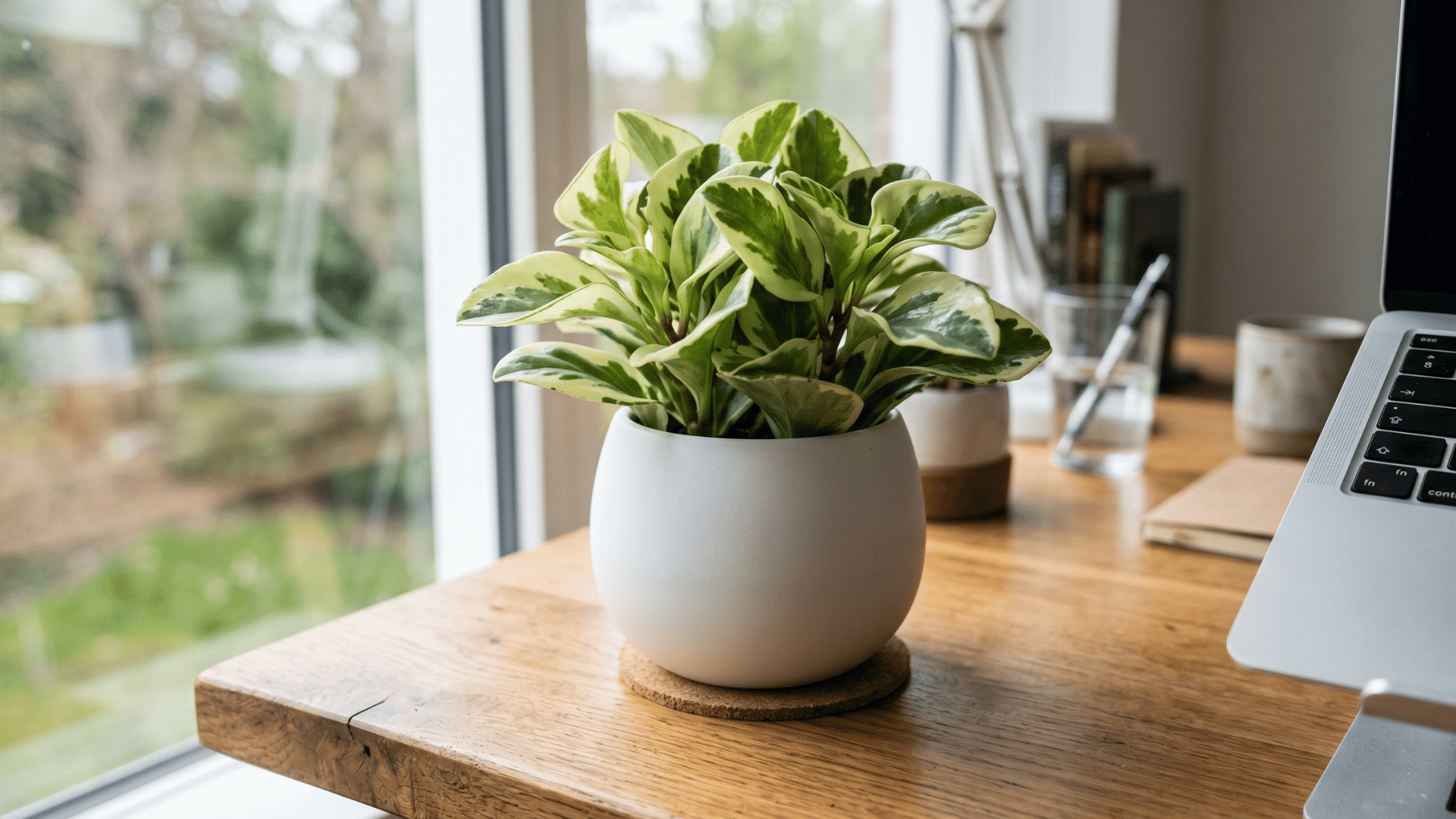
Peperomia is a large group of tropical plants with colorful, textured leaves in upright, mounding, or trailing forms. They are easy-care beginner plants that thrive in well-draining soil with moderate water.
They store some water in their thick leaves, so they handle missed waterings well.
- Merit: Huge variety of leaf shapes and colors available at affordable prices everywhere.
- Demerit: Root rot sets in quickly if overwatered or left in soil that stays wet too long.
- Tip: Allow soil to dry out between waterings and place in medium to bright indirect light.
15. Ponytail Palm
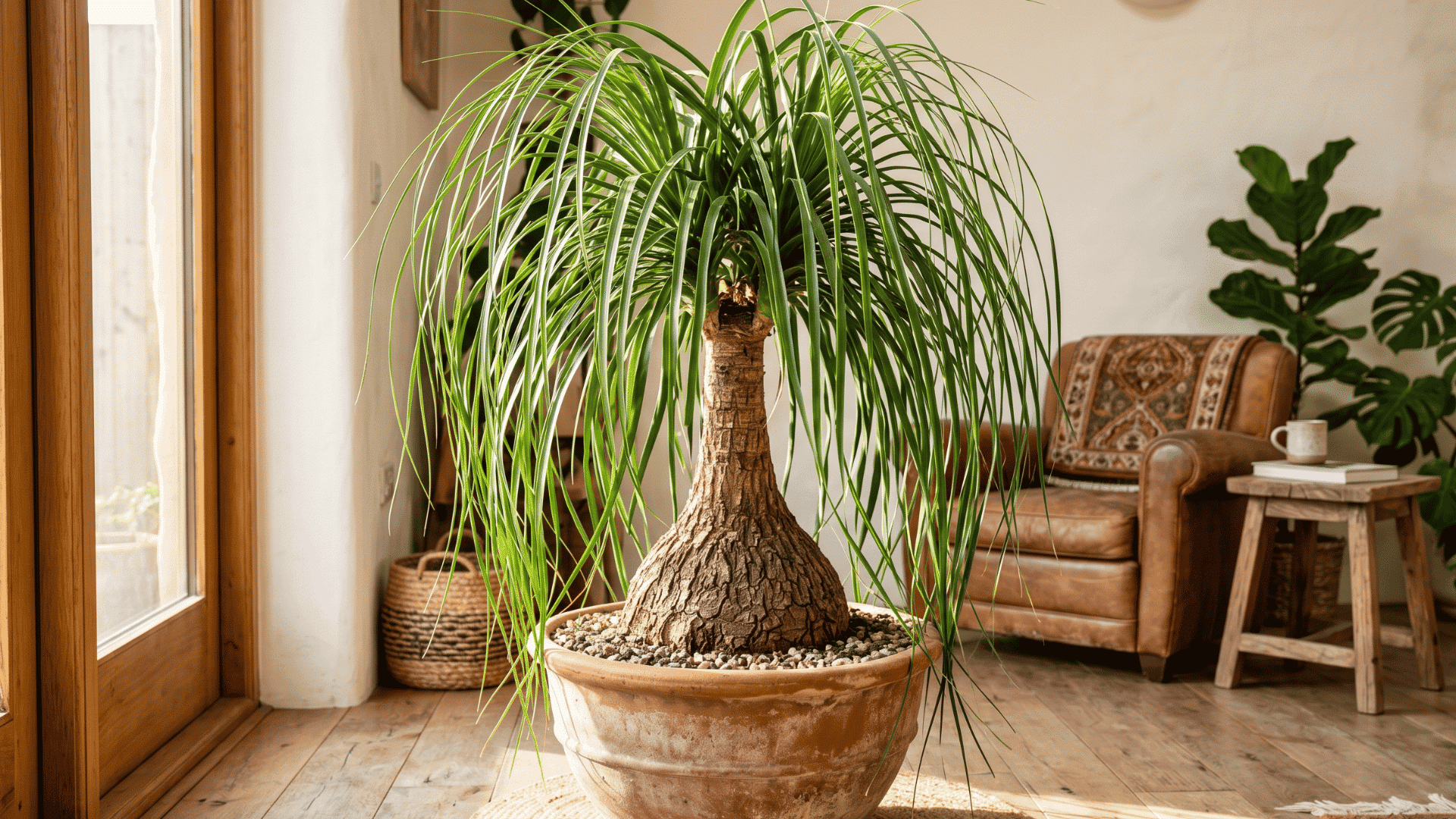
The ponytail palm is not actually a palm at all. It is a member of the Agave family native to the Mexican desert.
It has a swollen trunk that stores water and a burst of long, curly leaves on top. It is perfect for people who forget to water or travel frequently.
- Merit: Can go several weeks without any water and handles low light in winter.
- Demerit: Brown crispy leaf tips and a wrinkled trunk mean it has gone too long without water.
- Tip: Give it as much sun as possible and err on the side of underwatering rather than overwatering.
16. Purple Tradescantia
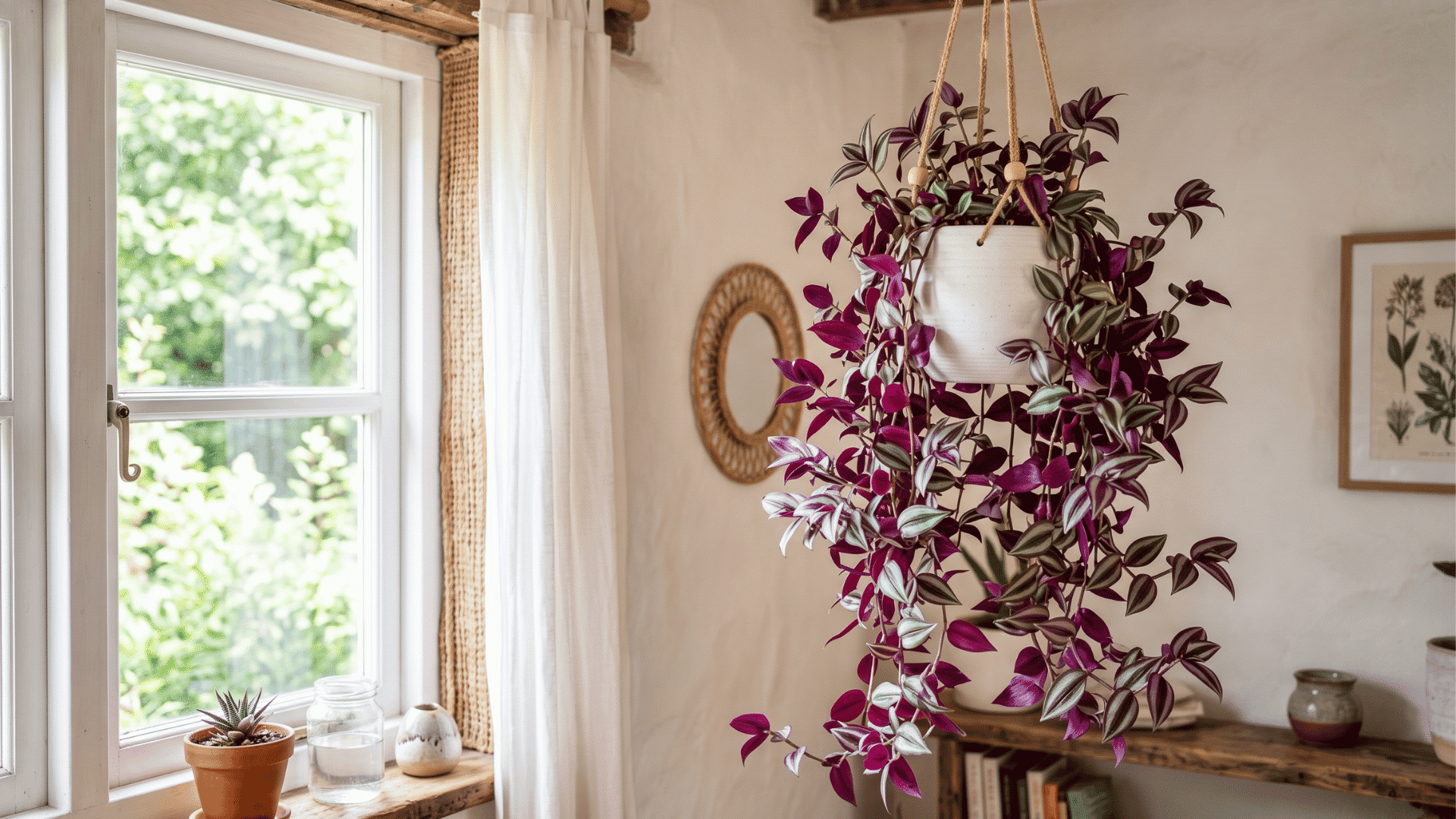
Purple tradescantia, also called spiderwort, has lance-shaped leaves in purple, pink, green, or variegated patterns on trailing vines.
It is tolerant of varying light levels, humidity, and watering schedules, making it one of the most forgiving indoor plants for beginners on this list.
- Merit: Extremely tolerant of varied conditions and produces beautiful, colorful, trailing growth.
- Demerit: Loses its vibrant color in very low light conditions over time.
- Tip: Give it medium to bright indirect light to keep the leaf color rich and vivid.
17. Nerve Plant
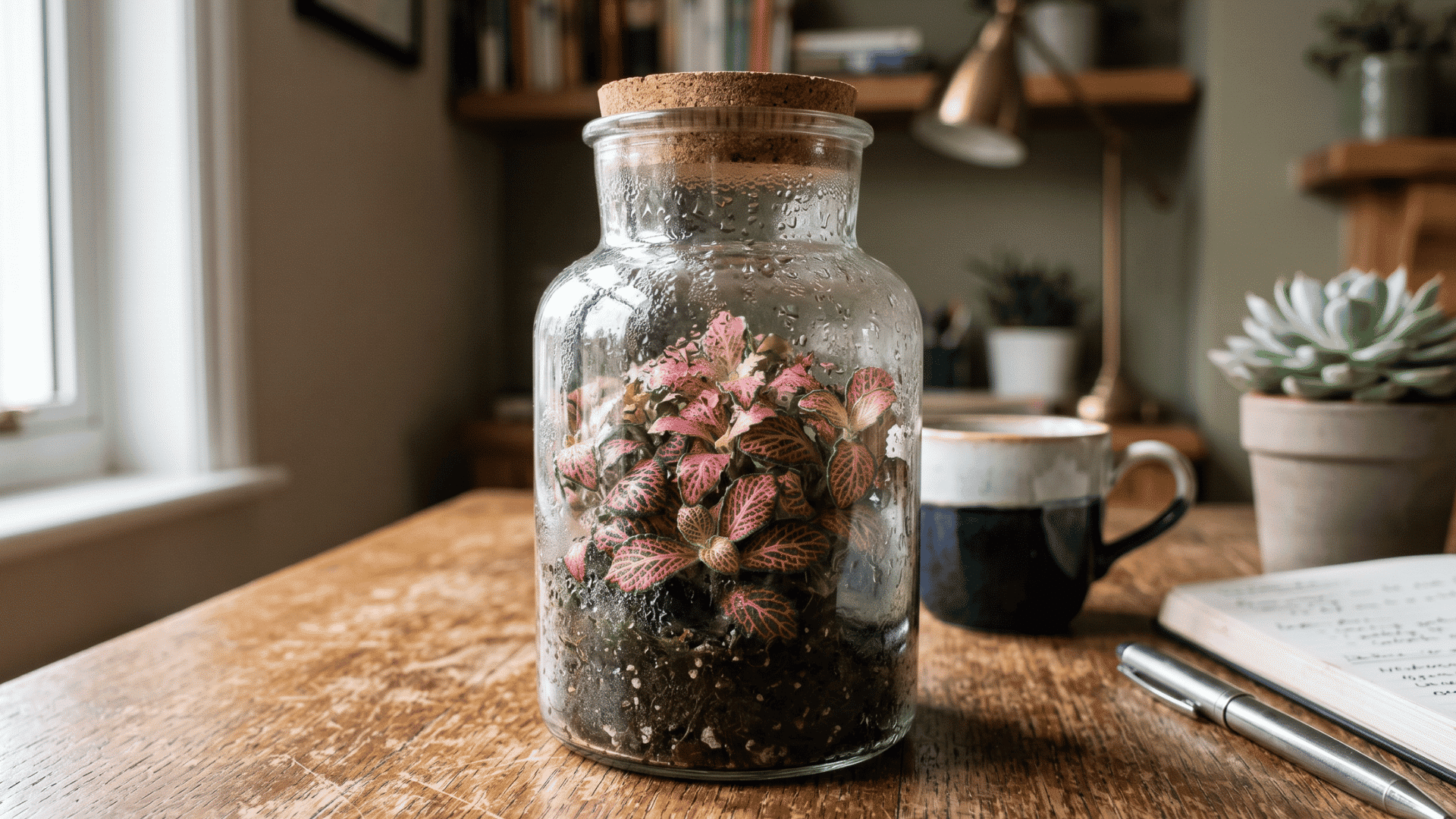
The nerve plant has small textured leaves with striking white, pink, or red veining that makes it look almost painted.
It grows in a low creeping habit and does well in terrariums where it can get the high humidity it loves. It is a great low-light option for small spaces.
- Merit: Stunning leaf veining makes it one of the most visually striking small plants available.
- Demerit: Needs consistently high humidity and wilts quickly if the soil dries out completely.
- Tip: Grow it in a terrarium or glass bowl to trap the humidity it needs to stay healthy.
18. Aloe Vera
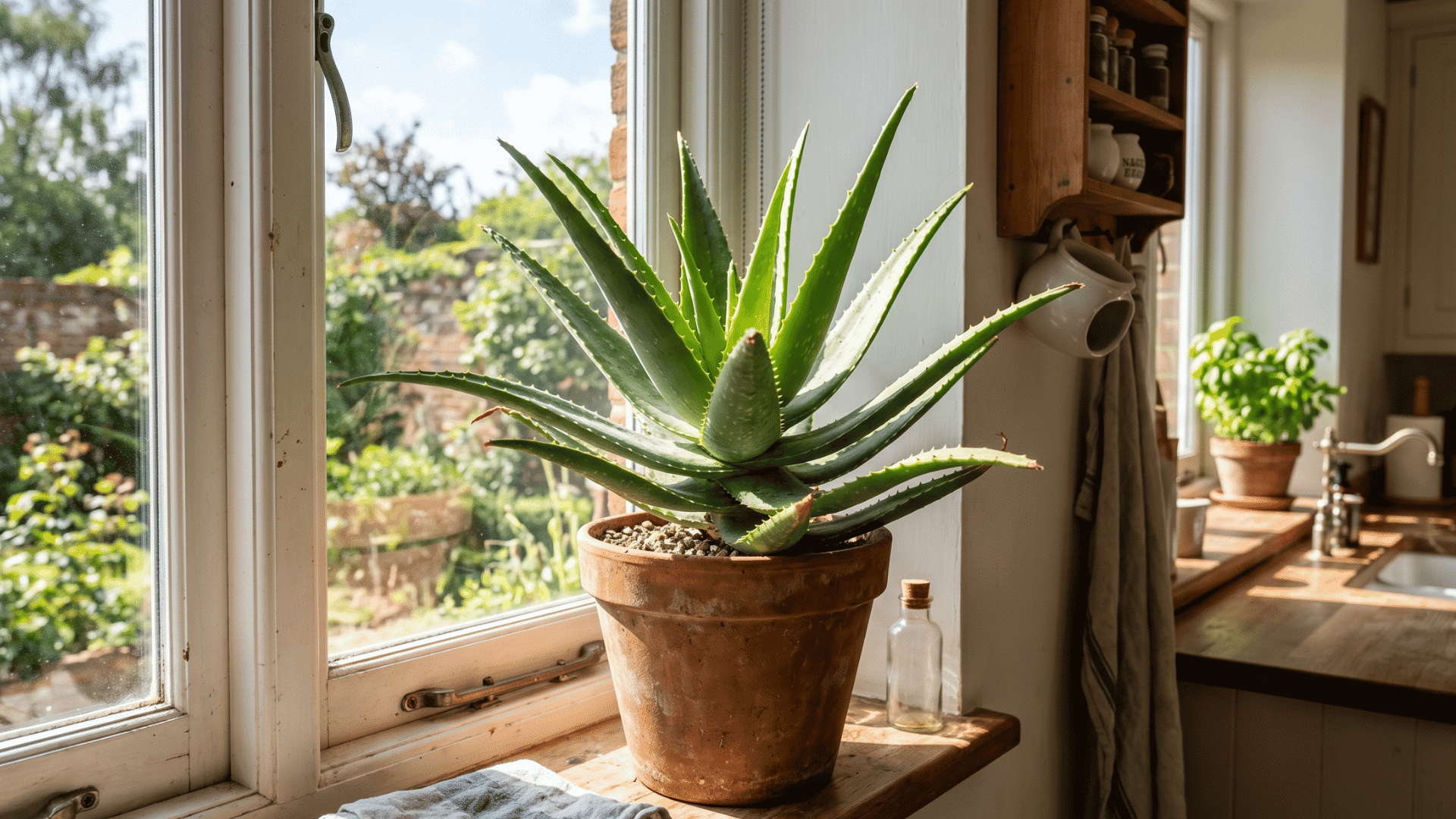
Aloe vera is one of the most useful plants you can grow at home. The clear gel inside its thick, spiky leaves soothes minor burns and skin irritation.
It loves bright light and needs very little water, making it one of the best easy indoor plants for sunny windowsills.
- Merit: Practical medicinal use and nearly zero maintenance in a bright sunny spot.
- Demerit: Leaves rot and collapse quickly if overwatered or left in soggy soil.
- Tip: Plant in cactus mix or add sand to regular potting soil to improve drainage.
19. Drop Tongue Plant
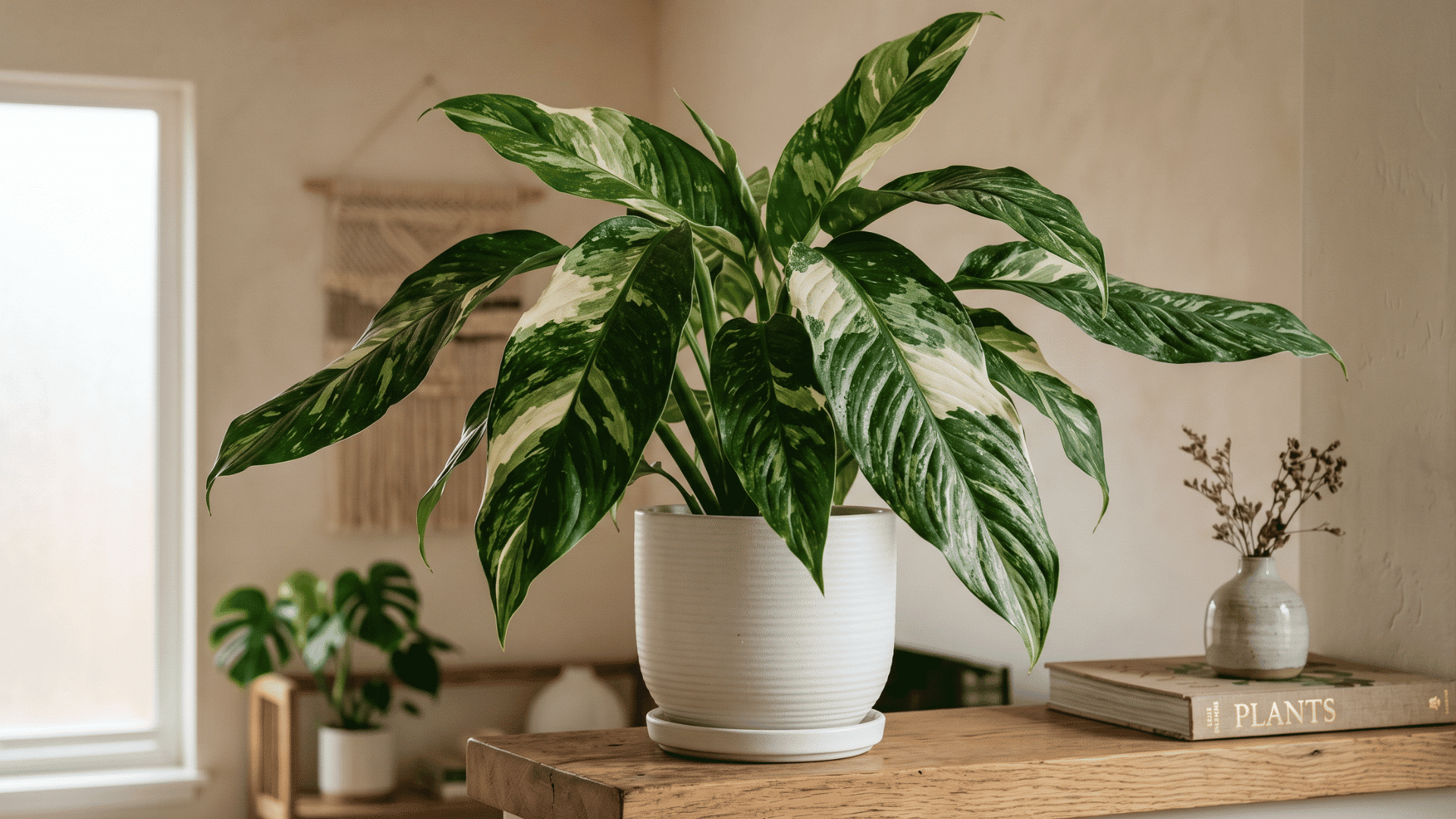
The drop tongue plant is an unusual tropical plant with striking large variegated leaves that can reach eighteen inches long.
It is helpful for beginners because it wilts visibly when thirsty, acting as a natural reminder to check on your other plants too.
- Merit: Acts as a natural reminder system by wilting visibly before serious damage occurs.
- Demerit: Slow grower that needs high humidity, which can be hard to maintain in dry climates.
- Tip: Avoid direct sun and cold drafts and keep it in a warm spot with regular water.
20. Jade Plant
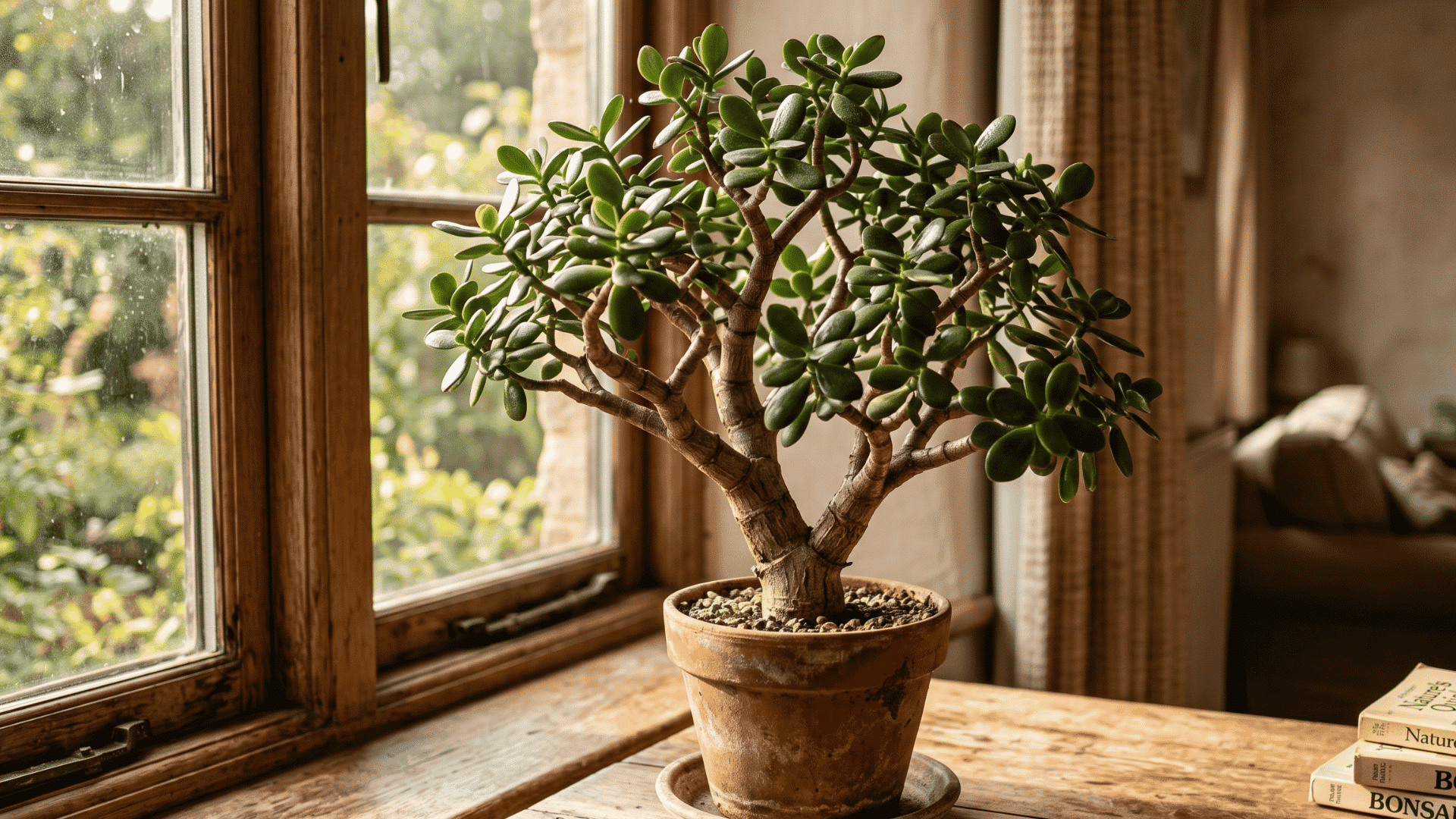
The jade plant is a long-lived succulent that grows into a small tree over many years. Its thick oval leaves and woody stems give it a bonsai-like appearance.
It is one of the most rewarding low-maintenance houseplants for patient beginners who want a plant that improves with age.
- Merit: Very long-lived and gets more impressive-looking with every passing year.
- Demerit: Leaves drop if the plant gets too cold or sits in wet, soggy soil for too long.
- Tip: Water only when the soil is completely dry and give it as much sunlight as possible.
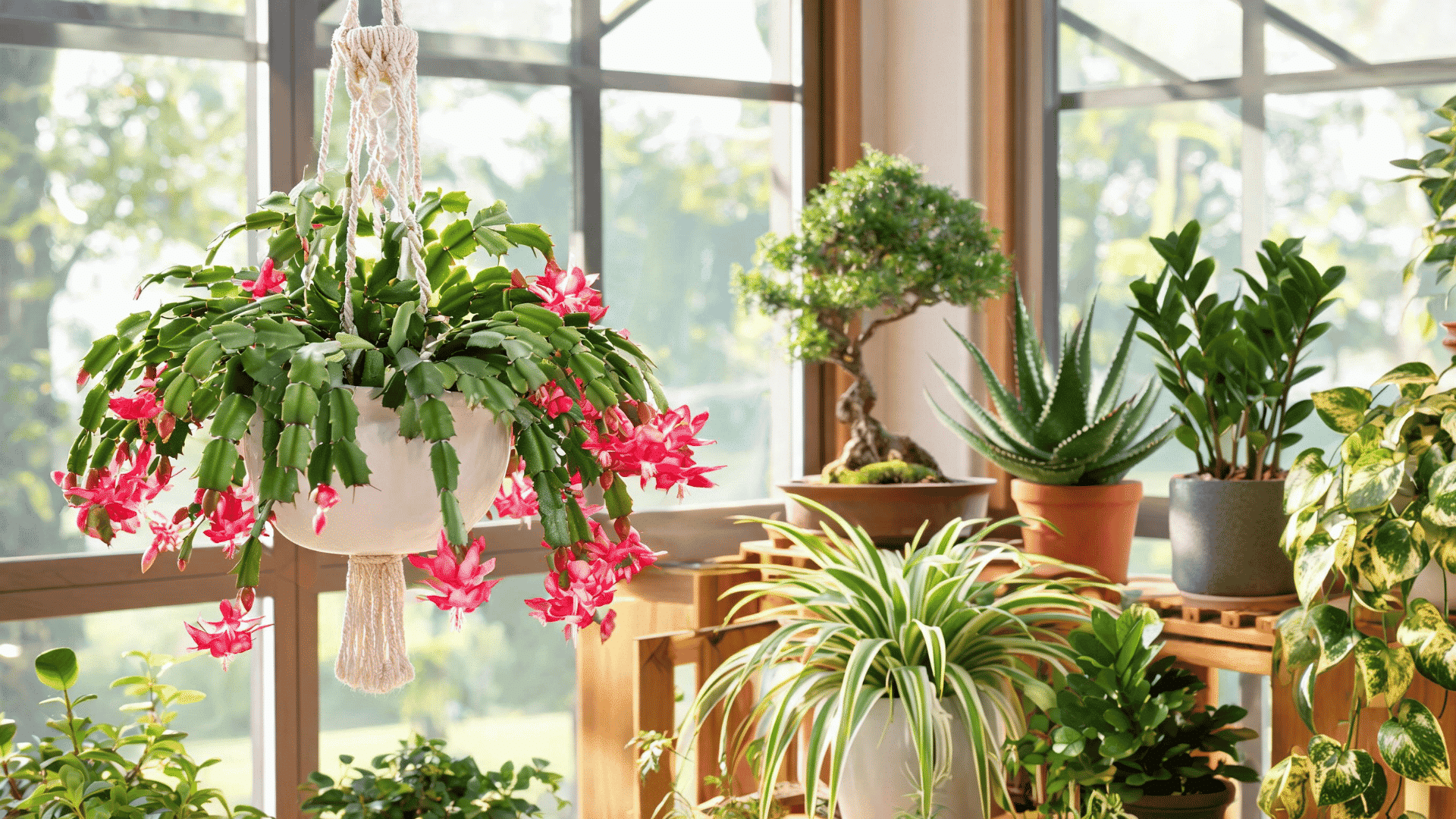
21. Christmas Cactus
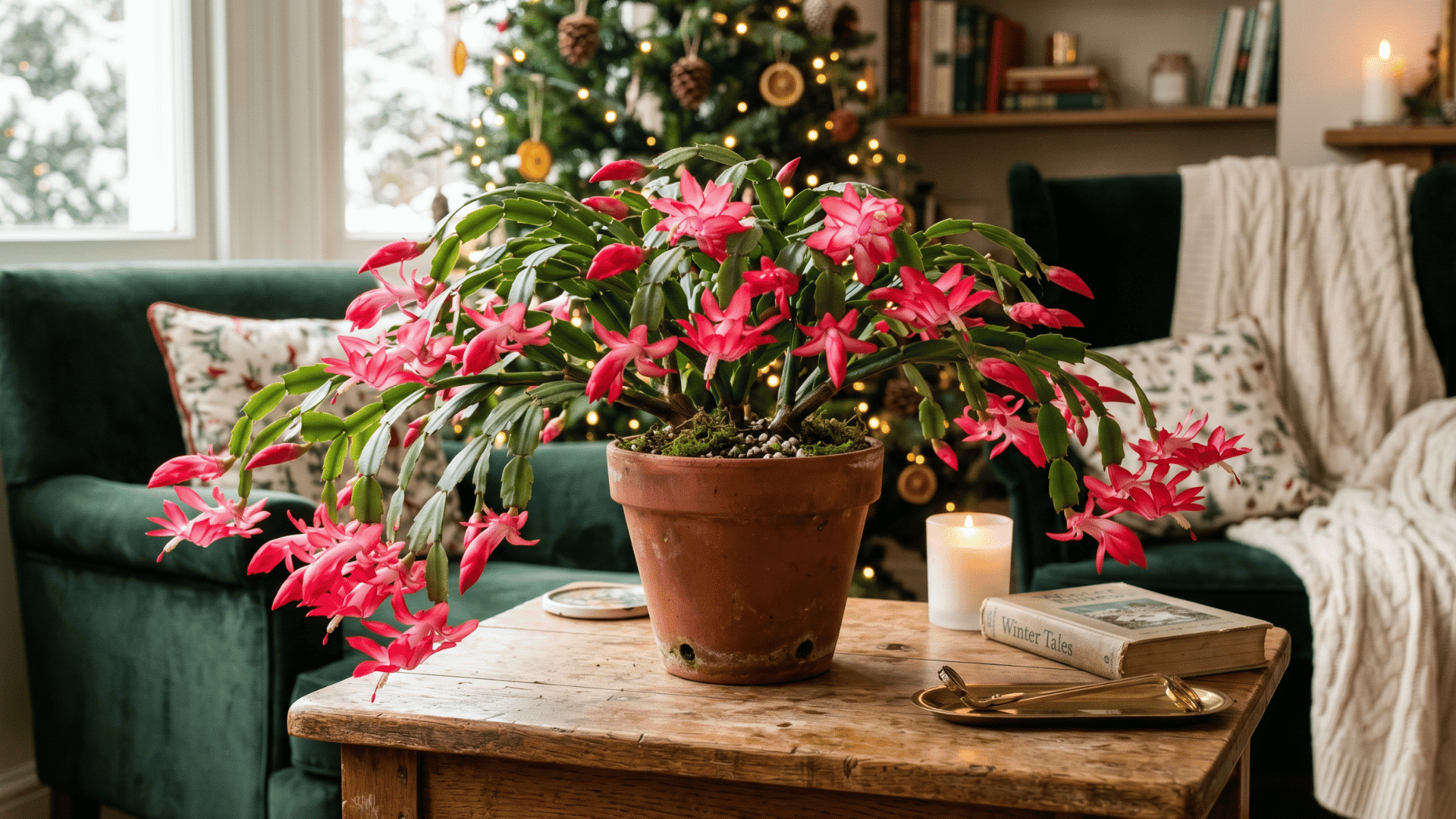
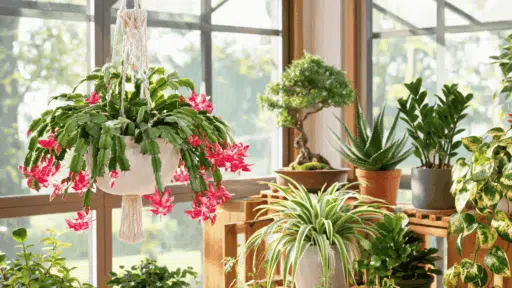
The Christmas cactus blooms in late fall and winter when most other plants are fully dormant. Unlike desert cacti, it appreciates regular watering and some humidity.
Its pink and red tubular flowers are hard to miss, making it one of the best easy indoor plants for the holiday season.
- Merit: Blooms beautifully in winter when colorful flowering plants are hard to find.
- Demerit: Needs a cool dark period of about six weeks in fall to trigger its bloom cycle.
- Tip: Move it to a cool room with less light in October to set up a great winter bloom.
Beginner Plant Care Tips that Actually Work
Knowing which plants to buy is just the first step. These beginner plant care tips will help you keep every plant on this list alive and growing well from day one.
- Never Overwater Your Plants: Always use pots with drainage holes so that excess water can drain freely. Never leave any plant sitting in a saucer full of standing water for more than an hour after watering.
- Match Each Plant to Your Light Conditions: Putting the wrong plant in the wrong light is one of the top reasons beginner plants struggle in the first few weeks at home.
- Start With One or Two Plants Only: Starting with just one or two gives you the chance to learn how each specific plant behaves in your home.
- Always Use the Right Soil and the Right Pot: Not all plants thrive in the same soil. Always choose a pot that has at least one drainage hole at the bottom.
- Feed Plants During Their Growing Season: Most indoor plants benefit from a balanced liquid fertilizer applied once a month during spring and summer when they are actively growing.
- Learn to Read What Your Plant Is Telling You: Your plant always communicates what it needs if you pay close attention. Over time, these signals become easy to spot, and you will catch problems early before they do lasting harm.
Can Beginners Grow Nice Plants Without a Lot of Sunlight?
Yes, absolutely. Many of the best plants for beginners actually prefer indirect or low light conditions over direct sun.
Snake plants, ZZ plants, pothos, philodendrons, prayer plants, and Chinese evergreens all grow well in rooms with limited natural light.
The key is to avoid placing any plant in complete darkness, as no plant can survive for long, no matter how tough it is.
At the End
Starting your plant collection does not have to be hard or stressful. The best plants for beginners are built to forgive mistakes, adapt to different light levels, and reward basic care with beautiful, steady growth.
You have to pick a simple pothos from your local garden center, a bold monstera for a living room corner, or a small aloe vera for a sunny kitchen windowsill. You are making a daily investment in your home, your air, and your mood.
Use the beginner plant care tips in this guide to set yourself up for real success from day one.
Pick one plant from this list today, learn what it needs, and build your confidence from there. Your first plant is waiting for you.
Frequently Asked Questions
What is the Easiest Plant to Keep Alive for a Complete Beginner?
The pothos plant is widely considered the easiest of all easy indoor plants for US beginners.
How Often Should a Beginner Water their Houseplants?
Most low-maintenance houseplants need water once a week or less.
What Plants are Safe for Homes with Cats and Dogs?
Spider plants, prayer plants, ponytail palms, and Christmas cacti are all non-toxic to cats and dogs.
How do I Know When it is Time to Repot My Plant?
Repot when the plant dries out much faster than it used to, or when the plant looks visibly too big and top-heavy for its current container.

With a Master’s in Landscape Architecture from the University of Virginia, Sophia Stephenson has dedicated the last 20 years to creating and maintaining vibrant outdoor spaces. Her professional journey started in landscape design, where she gained a reputation for innovative and sustainable approaches. Sophia became a part of our editorial team as a freelancer in 2019, offering a fresh perspective on outdoor living. Since 2020, she has been the chief for our outdoor design content, blending aesthetic appeal with environmental stewardship. In her leisure time, Sophia is a keen photographer, capturing the beauty of natural landscapes, a hobby that complements her professional expertise.