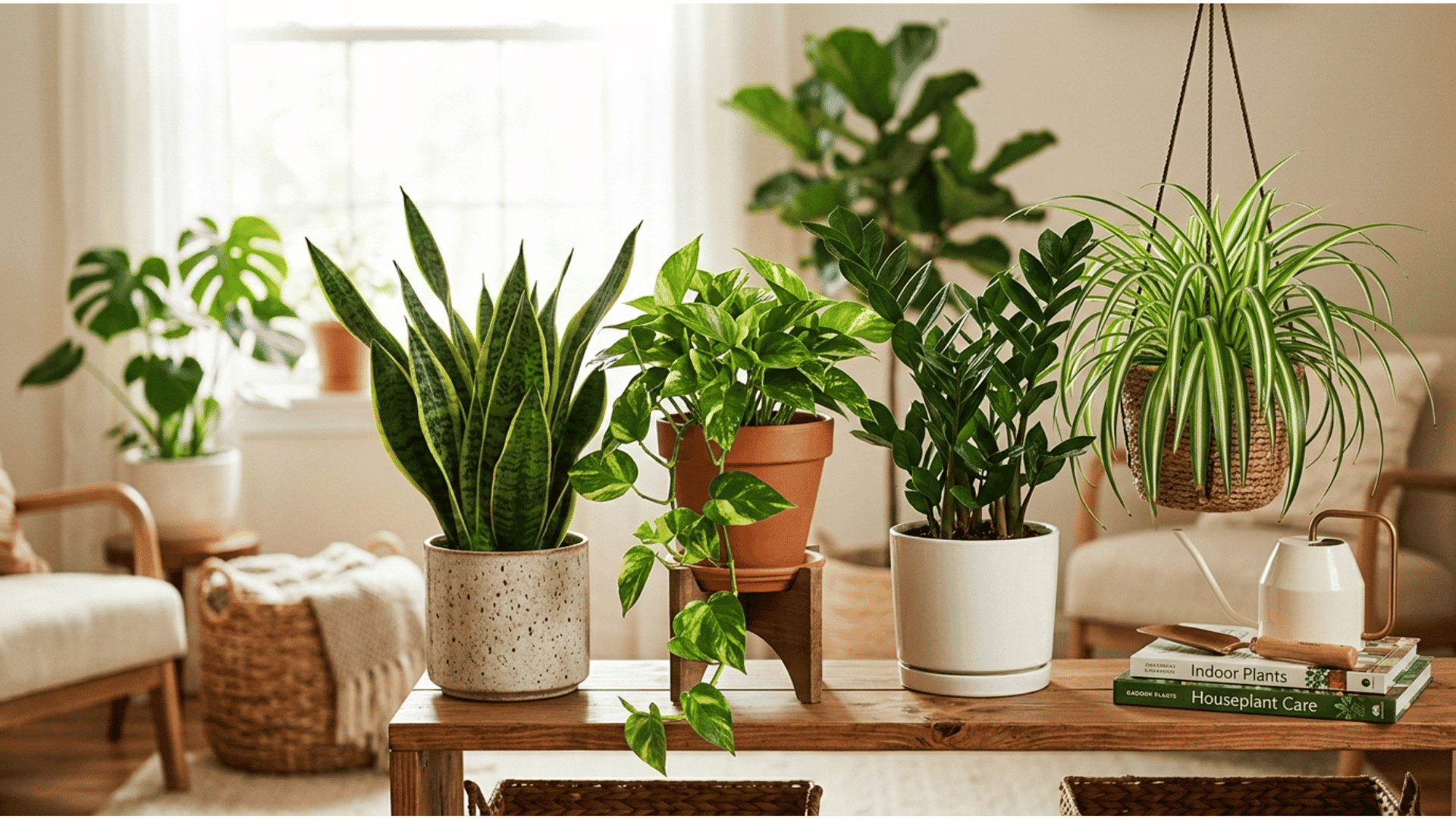

Have you ever wanted to add some green to your home but had no idea where to start? You’re not alone. A lot of people think growing plants is hard or time-consuming.
Over the years, I’ve tested dozens of beginner-friendly plants in different conditions, from low-light apartments to sunny balconies to outdoor terraces.
The plants in this guide are the ones I’ve personally found to be the easiest to grow, maintain , and keep alive long-term.
I’ll cover the best easy indoor and outdoor plants, how to pick the right plant for your space, and a simple step-by-step guide to growing them successfully.
If your plant has ever died and you weren’t sure what went wrong, this guide is for you. Let’s get into it.
Best Plants for Beginners
If you’re starting, the best thing you can do is pick some easy plants to grow that don’t die easily. These plants don’t need much attention, can handle a missed watering or two, and grow well even in less-than-perfect conditions.
After years of growing plants in apartments, balconies, and terrace gardens, these are the beginner-friendly plants I personally recommend the most.
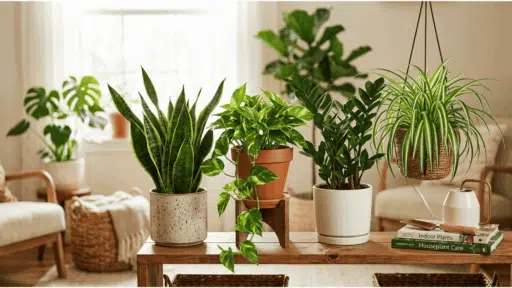
1. Snake Plant
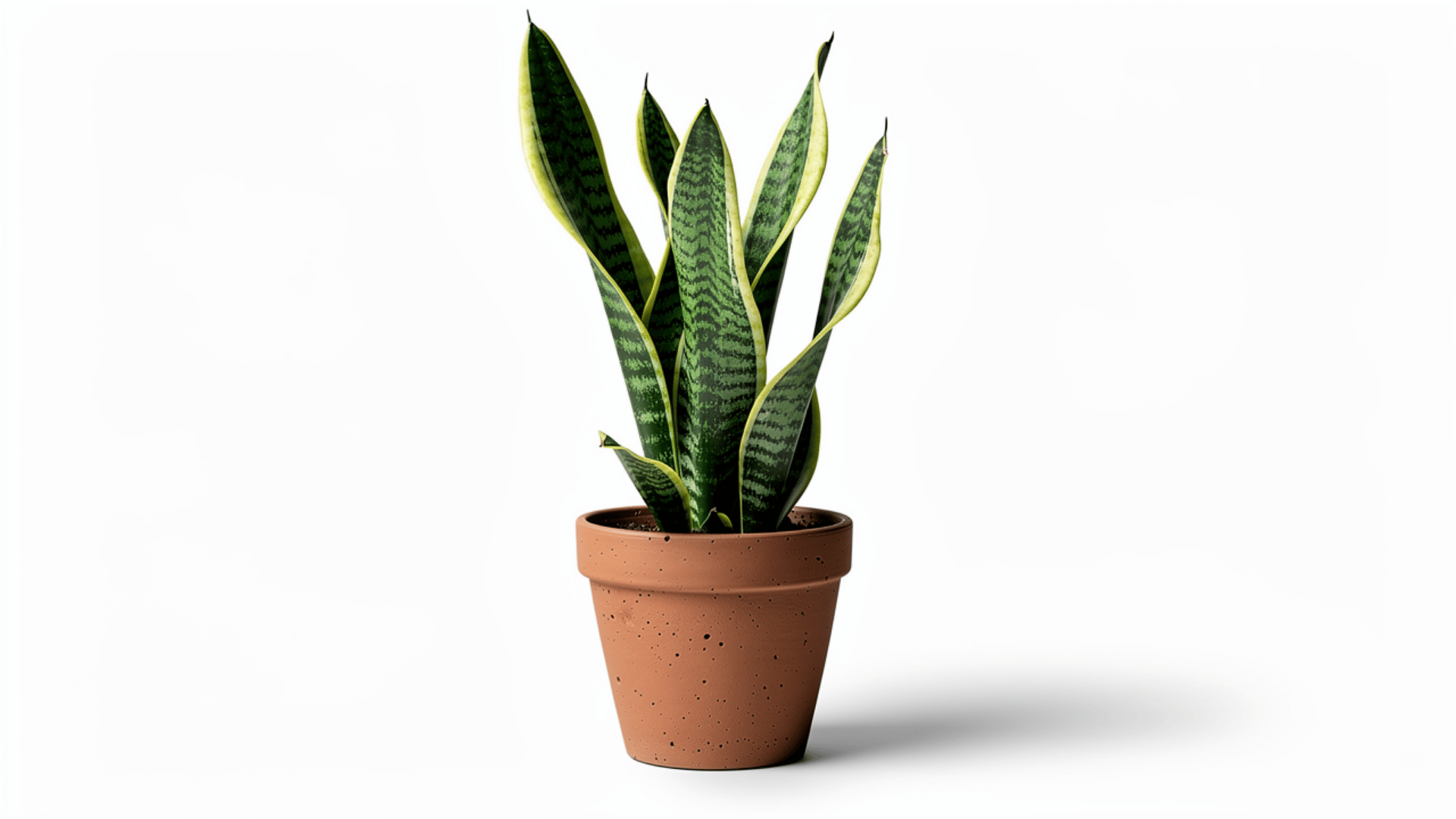
I’ve personally kept snake plants in low-light corners for months, and they still continued growing with very little care.
It grows well in low light, doesn’t need much water, and can survive if you forget about it for a week or two. This plant is also known to help clean indoor air, making it a great pick for bedrooms and living rooms.
Snake plants grow through rhizomes (thick underground stems), which spread and give rise to new shoots. Growing a Snake plant in a compact pot might lead to crowding, roots growing out of pot holes, or cracks developing in the pot.
These plants, therefore, need repotting every 2-4 years, depending on growth and pot size.
2. Money Plant (Pothos)
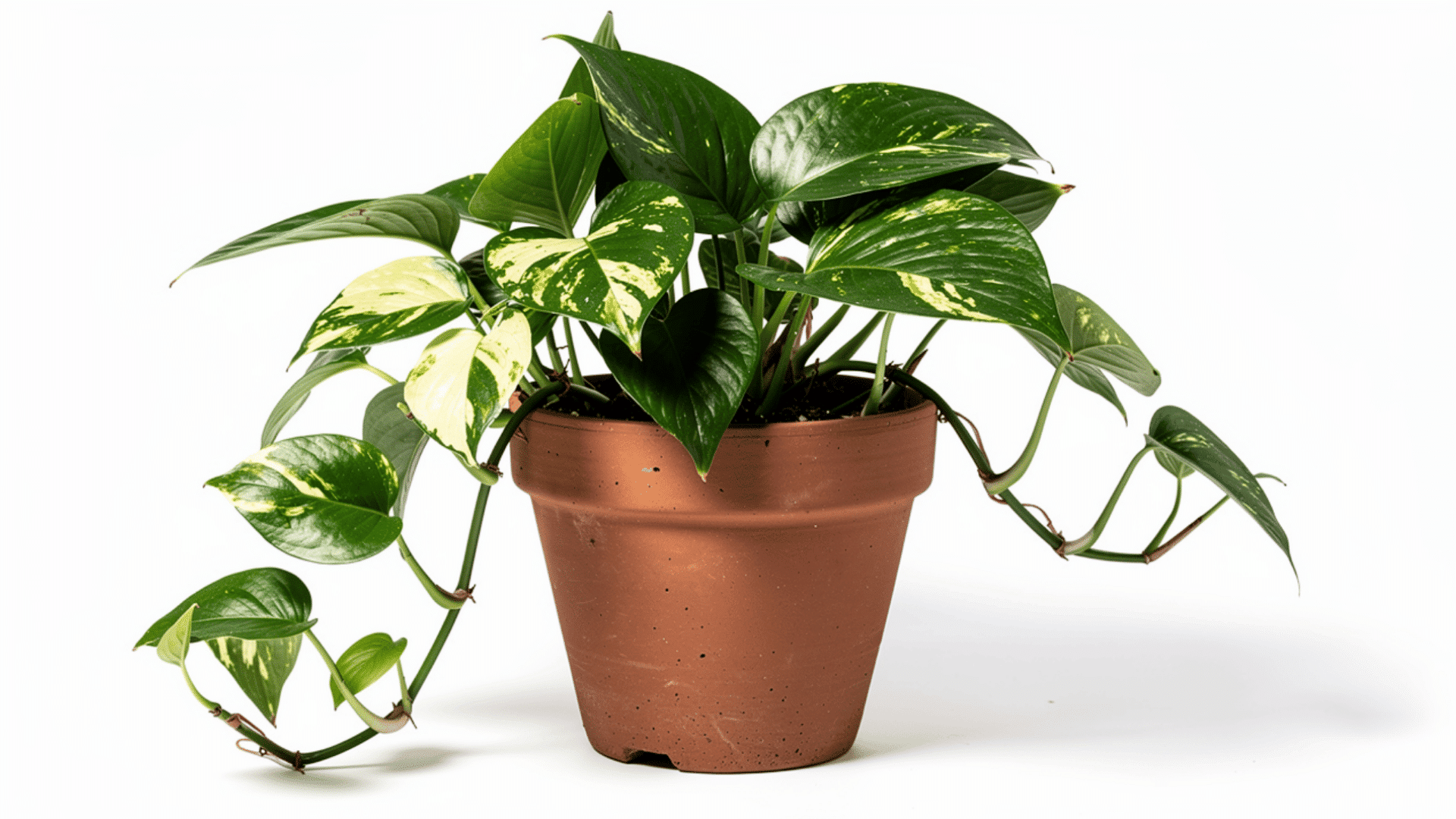
The money plant, also called pothos, is a fast-growing plant with heart-shaped leaves that can trail down shelves or climb upward.
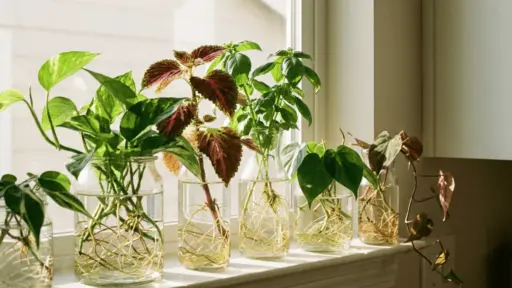
It’s one of the easiest plants you can own. You can grow it in soil or just in a glass of water. It does well in most light conditions and only needs watering when the soil feels dry.
Many beginners love this plant because it grows quickly and shows you right away that you’re doing something right.
3. ZZ Plant
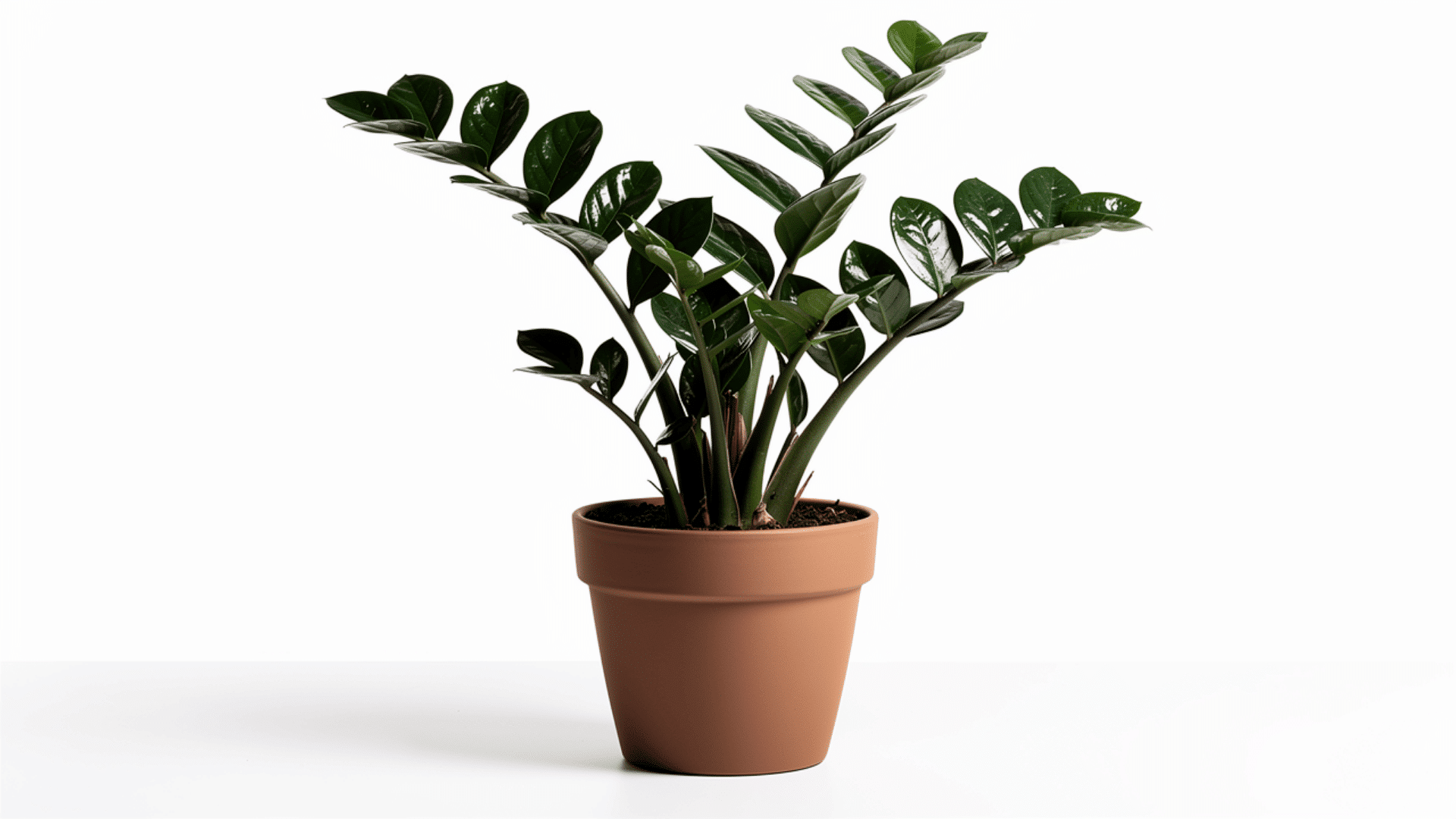
If you’re looking for a plant that truly thrives on neglect, the ZZ plant is your best bet. Its thick, waxy leaves store water, so it can go for weeks without being watered.
It does well in low-light rooms and rarely gets sick. The ZZ plant is slow-growing but very tough, making it perfect for people who travel often or have a busy schedule.
4. Spider Plant
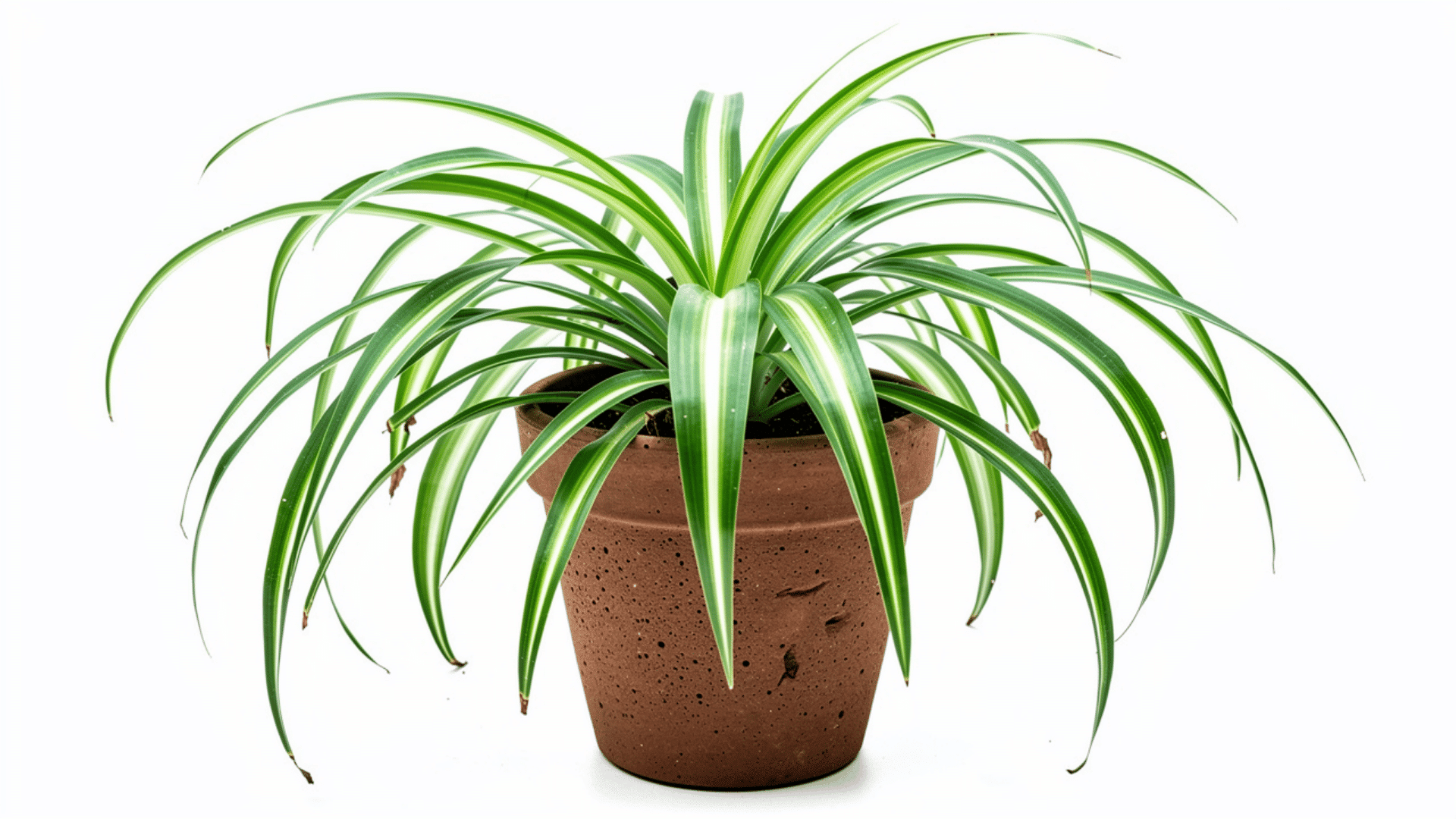
The spider plant is a fun, cheerful plant with long, arching green and white striped leaves. It’s completely safe for pets, which makes it a great choice for homes with cats or dogs.
It grows well in indirect light, tolerates some drought, and even produces small baby plants called spiderettes that you can grow into new plants.
It’s one of the easiest plants to propagate at home.
5. Aloe Vera
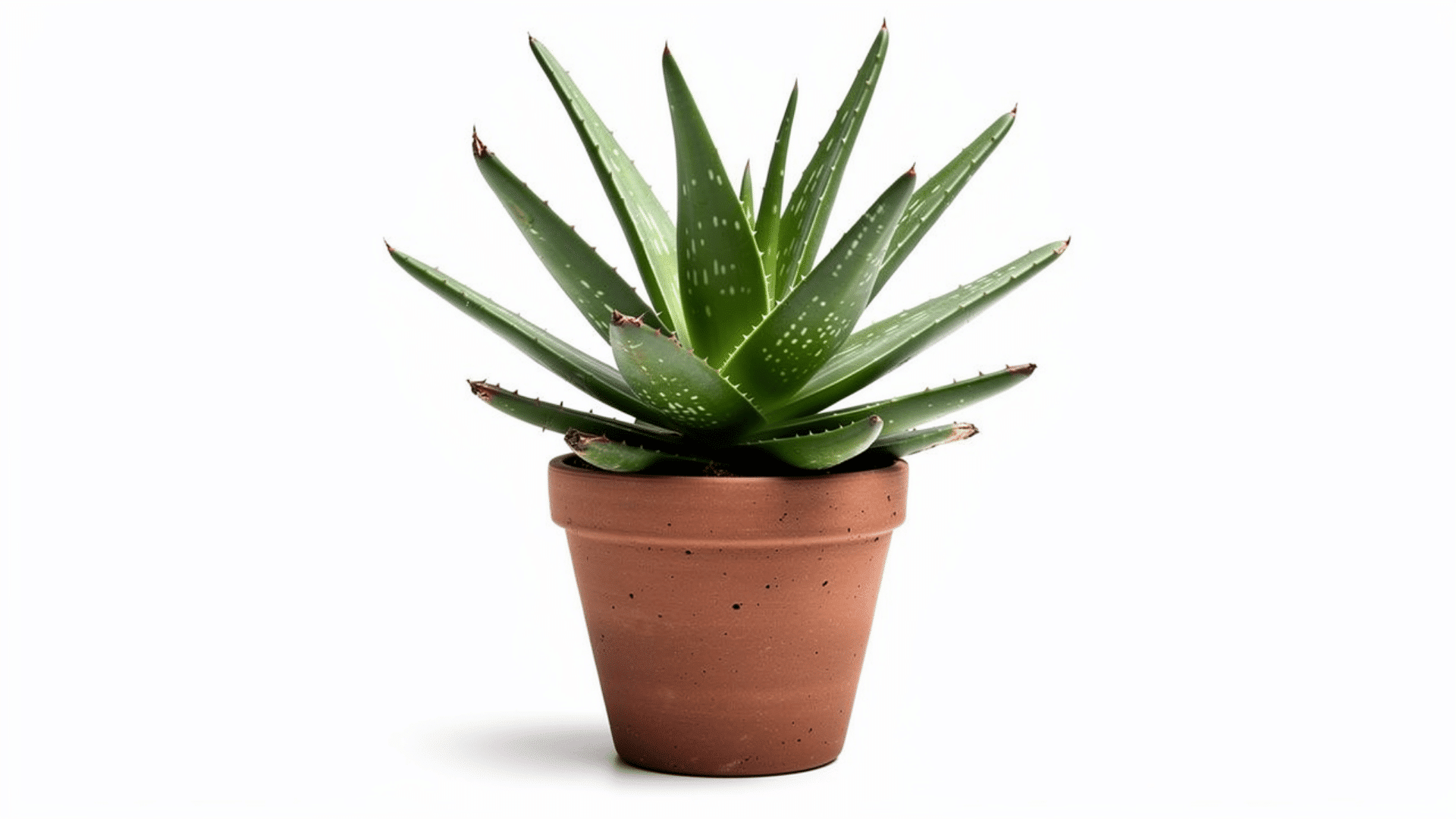
I always recommend aloe vera to first-time plant owners because it survives occasional neglect surprisingly well.
The clear gel inside its leaves can also be used to soothe minor burns and skin irritation, making it a practical choice for the kitchen or bathroom.
One important thing to keep in mind is to avoid overwatering this plant, since it already stores a substantial amount of water in its leaves.
6. Peace Lily
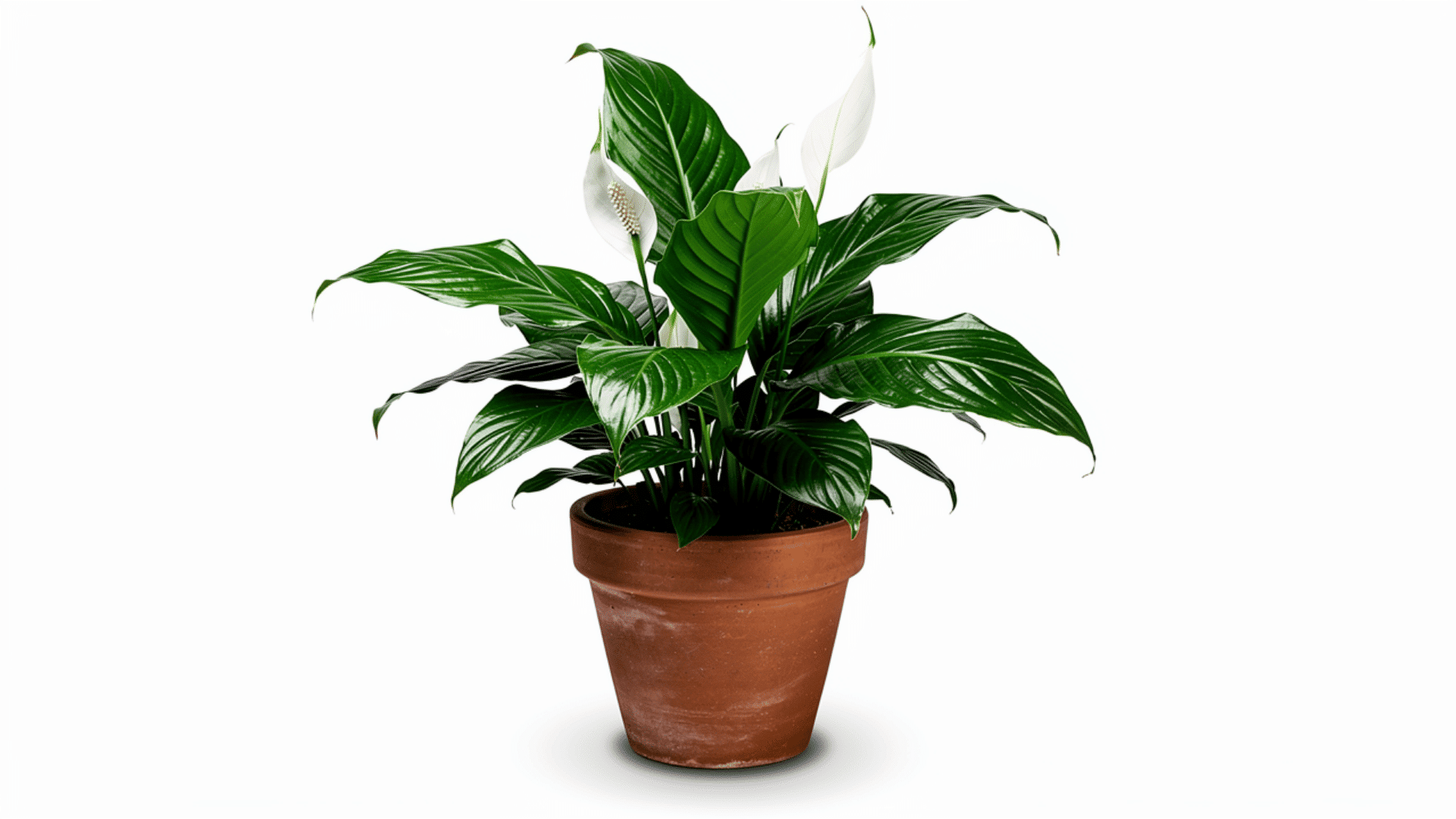
The peace lily is a graceful plant with dark green leaves and white flowers. It’s one of the few indoor plants that bloom even in low-light conditions.
It droops slightly when it needs water, which makes it easy to know when to give it a drink. It also helps purify indoor air. Keep it away from pets, though it can be harmful if eaten by cats or dogs.
7. Marigolds
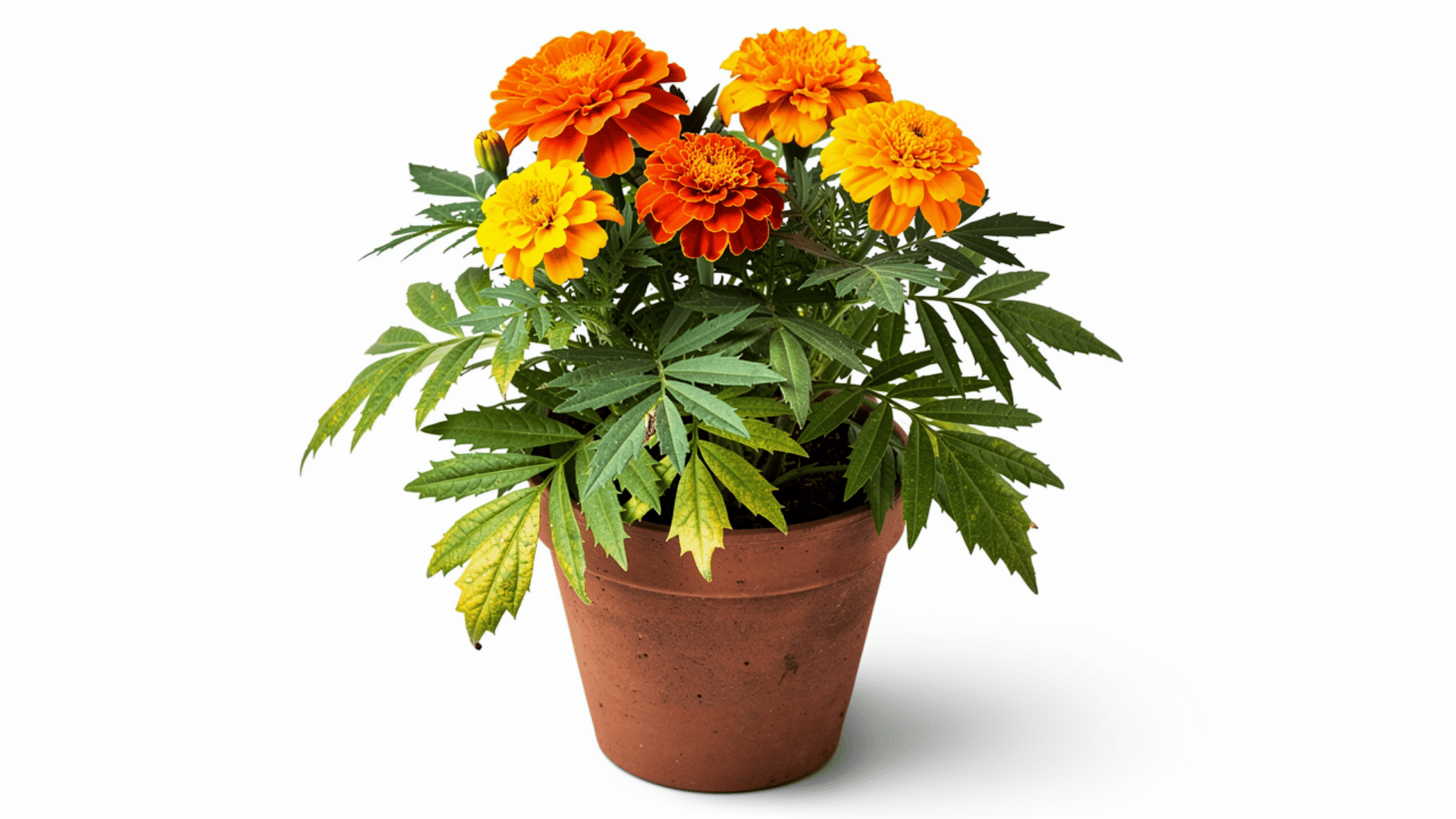
Marigolds are bright, cheerful flowers that are almost impossible to fail with. They grow fast, bloom in shades of yellow, orange, and red, and can be a good choice to decorate your balconies or gardens.
They need full sun and regular watering, but are very forgiving if you miss a day or two.
An interesting fact about the Marigold plant is that it repels certain garden pests, making them both decorative and a practical choice.
8. Sunflowers
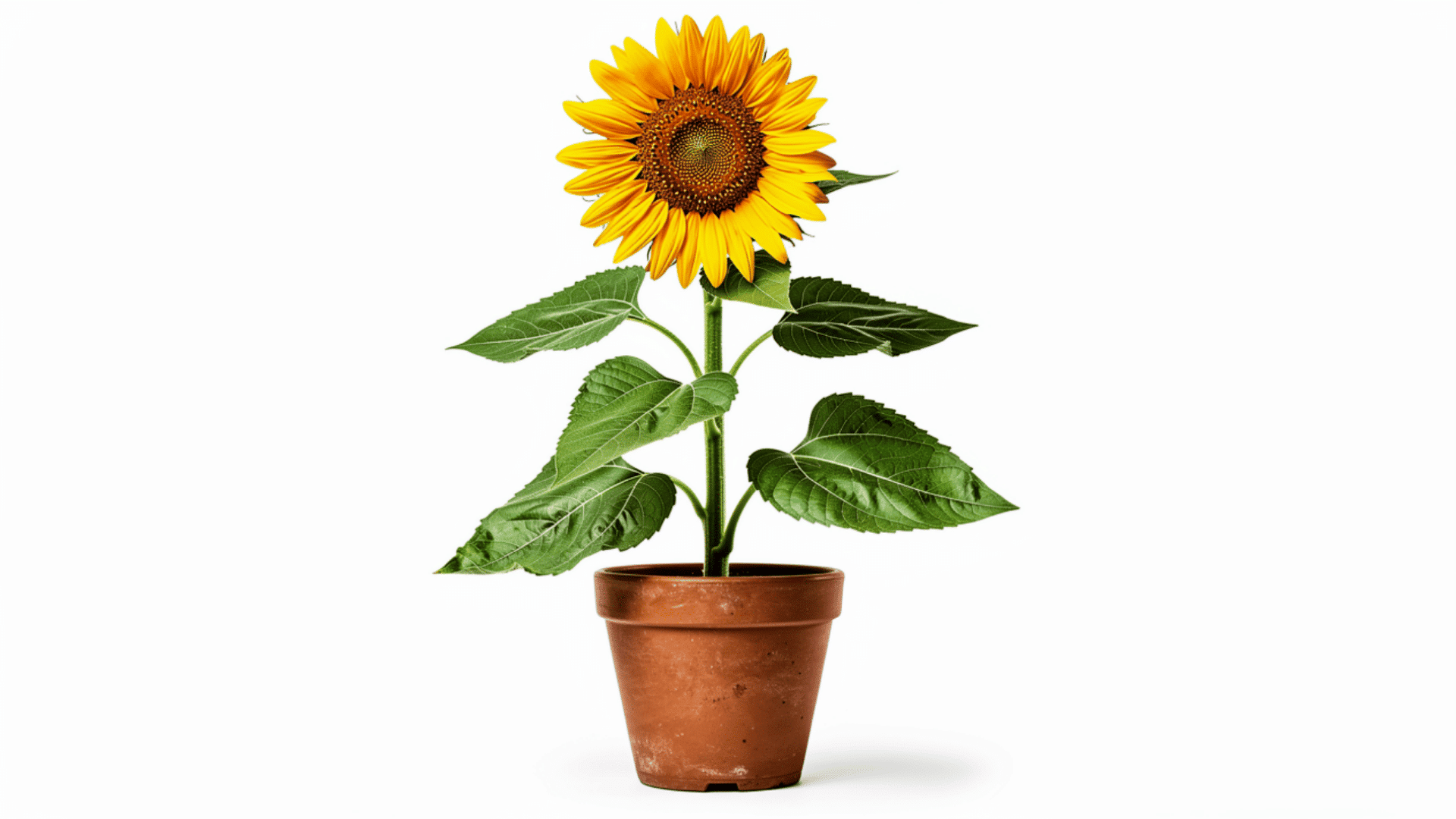
Sunflowers are one of the most satisfying plants to grow. You can start them from seeds, and they grow quickly, sometimes reaching well over a meter tall. They love full sun and don’t need much extra care.
Watching a sunflower grow from a tiny seed to a tall, blooming plant is a great experience for first-time gardeners.
Their tall stems and large blooms can gather attention from a distance and are highly adaptable to outdoor conditions. Therefore, Sunflowers can be a great choice for your garden!
9. Lavender
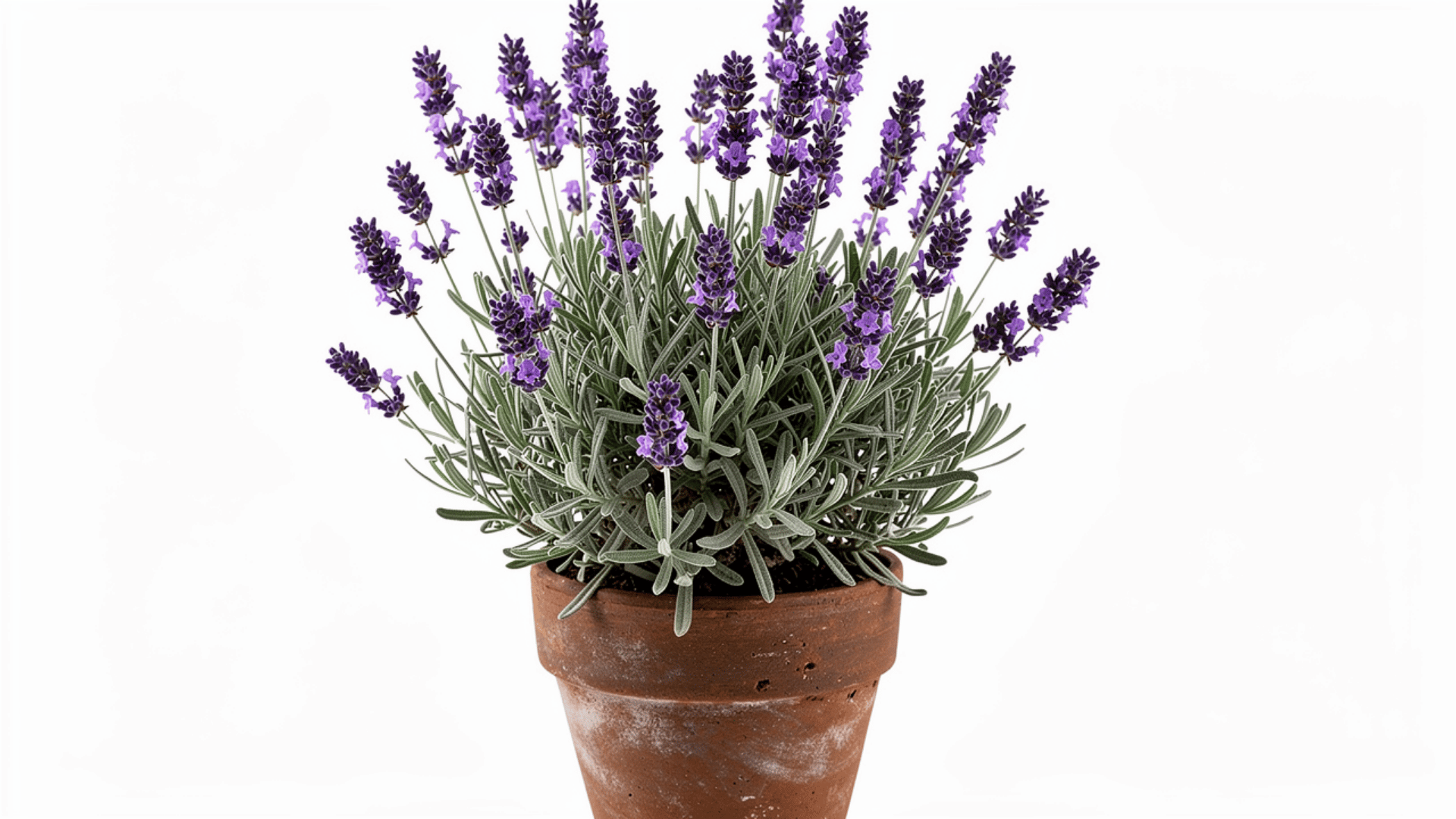
Lavender is a beautiful plant that smells wonderful and is surprisingly simple to grow. Its distinct colour makes it impossible for people not to notice it.
It prefers well-drained soil and full sun, and it actually does better when you don’t water it too much.
Once it’s established, it’s quite drought-tolerant. It attracts bees and butterflies, adds beauty to your garden, and the flowers can be dried and used around the home.
10. Hibiscus
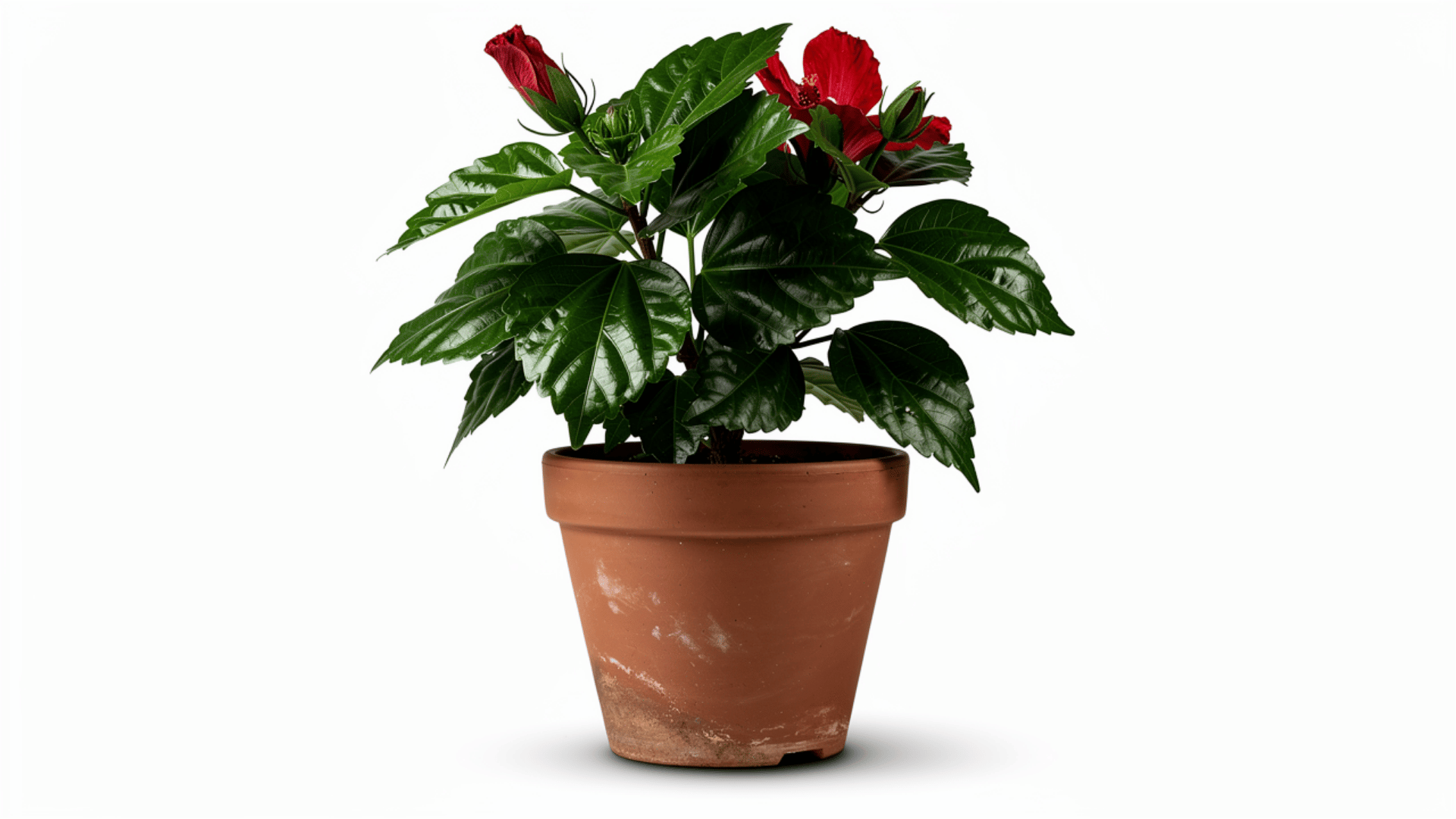
I’ve grown hibiscus on sunny balconies for years, and regular watering alone is often enough to keep it blooming beautifully.
They produce large, colorful flowers that look stunning in any garden. They’re quite simple to care for; they just need regular watering, good sunlight, and occasional feeding.
11. Mint
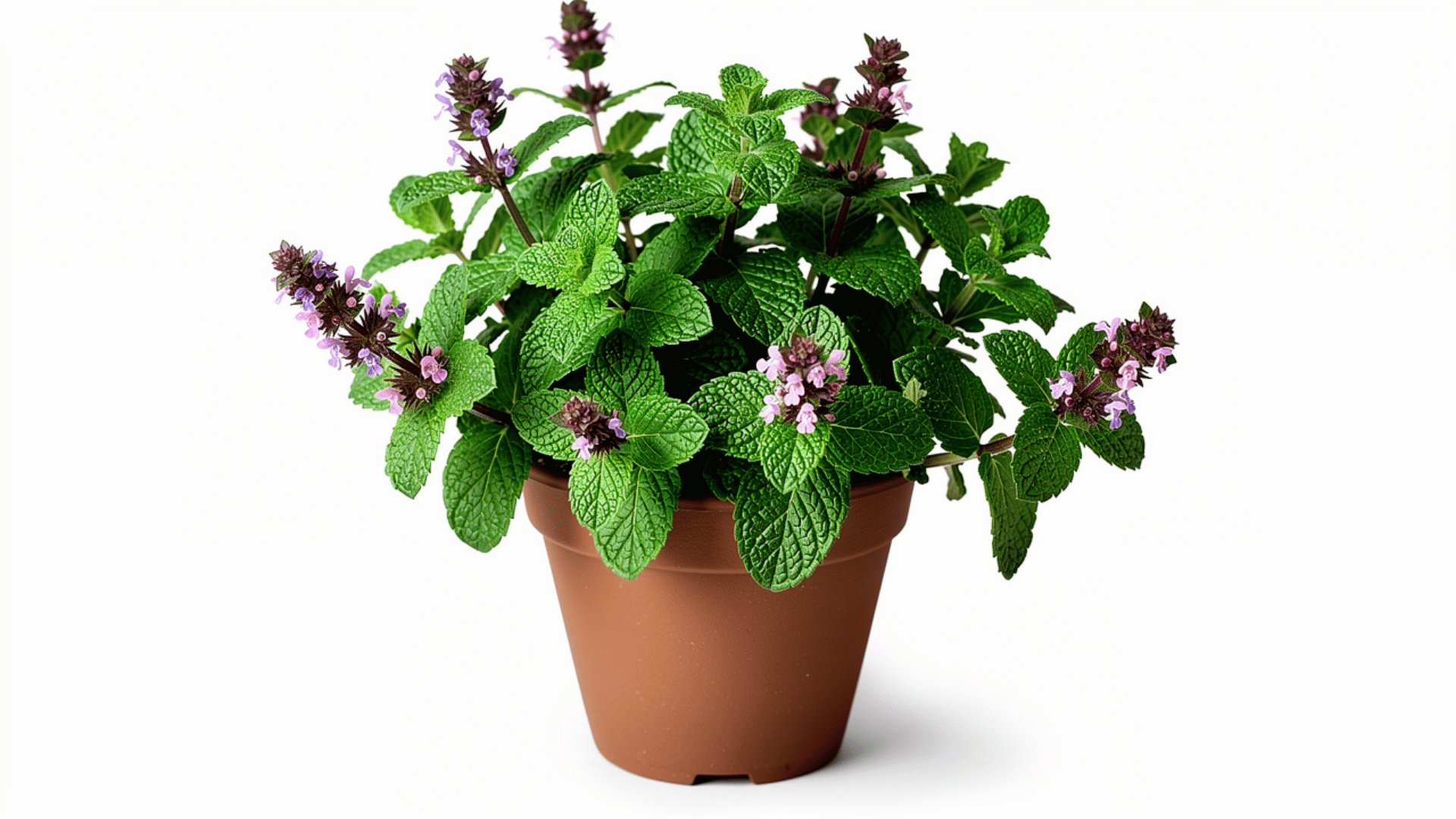
Mint is the perfect herb for beginners. It grows fast, smells great, and is very useful in the kitchen, great for tea, cooking, and drinks.
It does well in pots or garden beds and needs regular watering. One thing to keep in mind: mint spreads quickly, so it’s best grown in a pot to keep it from taking over your garden.
12. Jade Plant
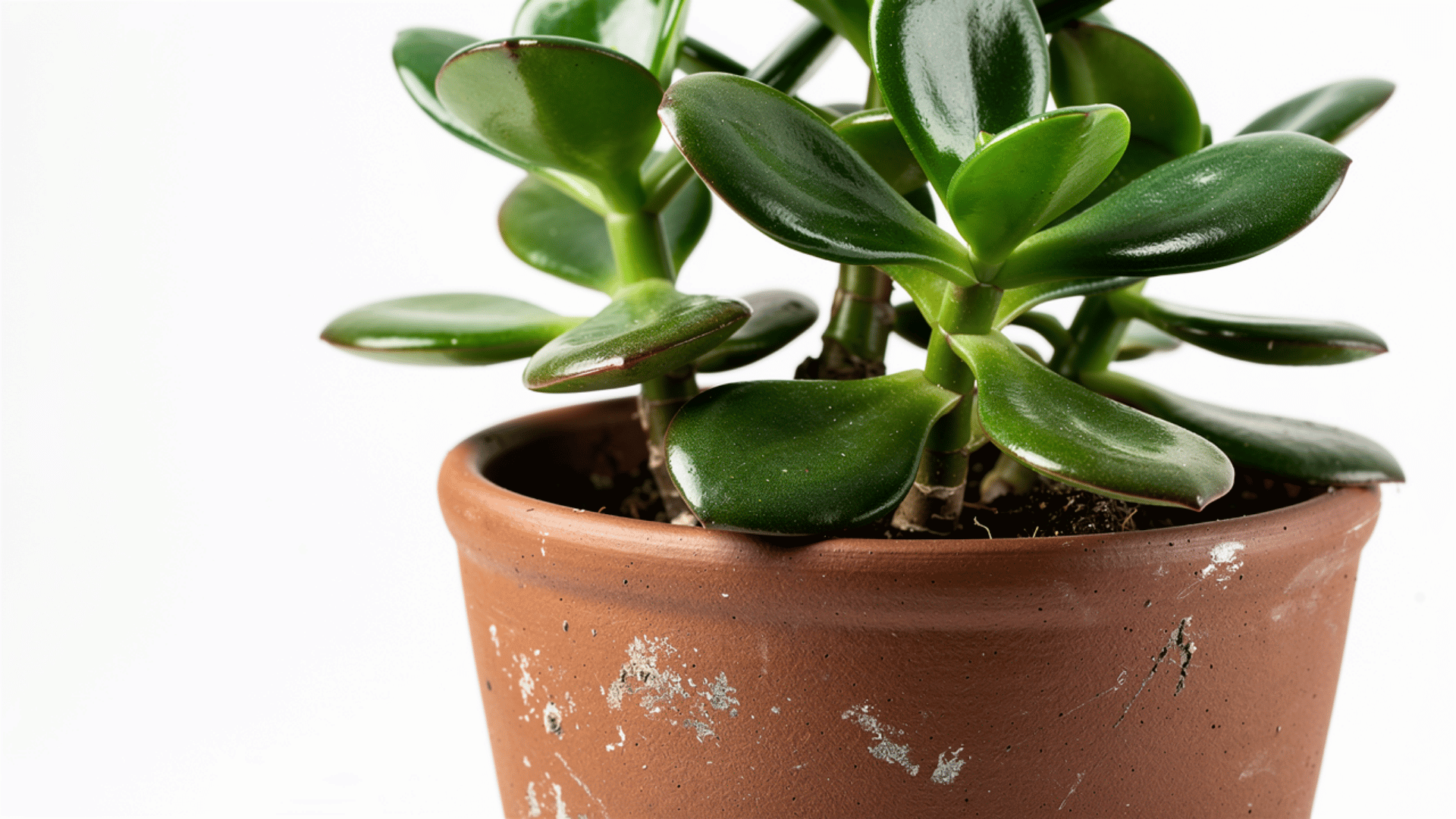
I’ve grown jade plants on sunny windowsills for years, and they’re one of the few plants that actually prefer being left alone. They are one of the resilient succulents admired for their thick leaves and compact appearance.
Their thick, glossy leaves store water, and they live for many years with minimal care. They love bright light and work beautifully as low-maintenance desk or shelf plants.
Jade Plants are also associated with good luck and prosperity, so I feel it’s the perfect choice for your indoor space.
13. Areca Palm
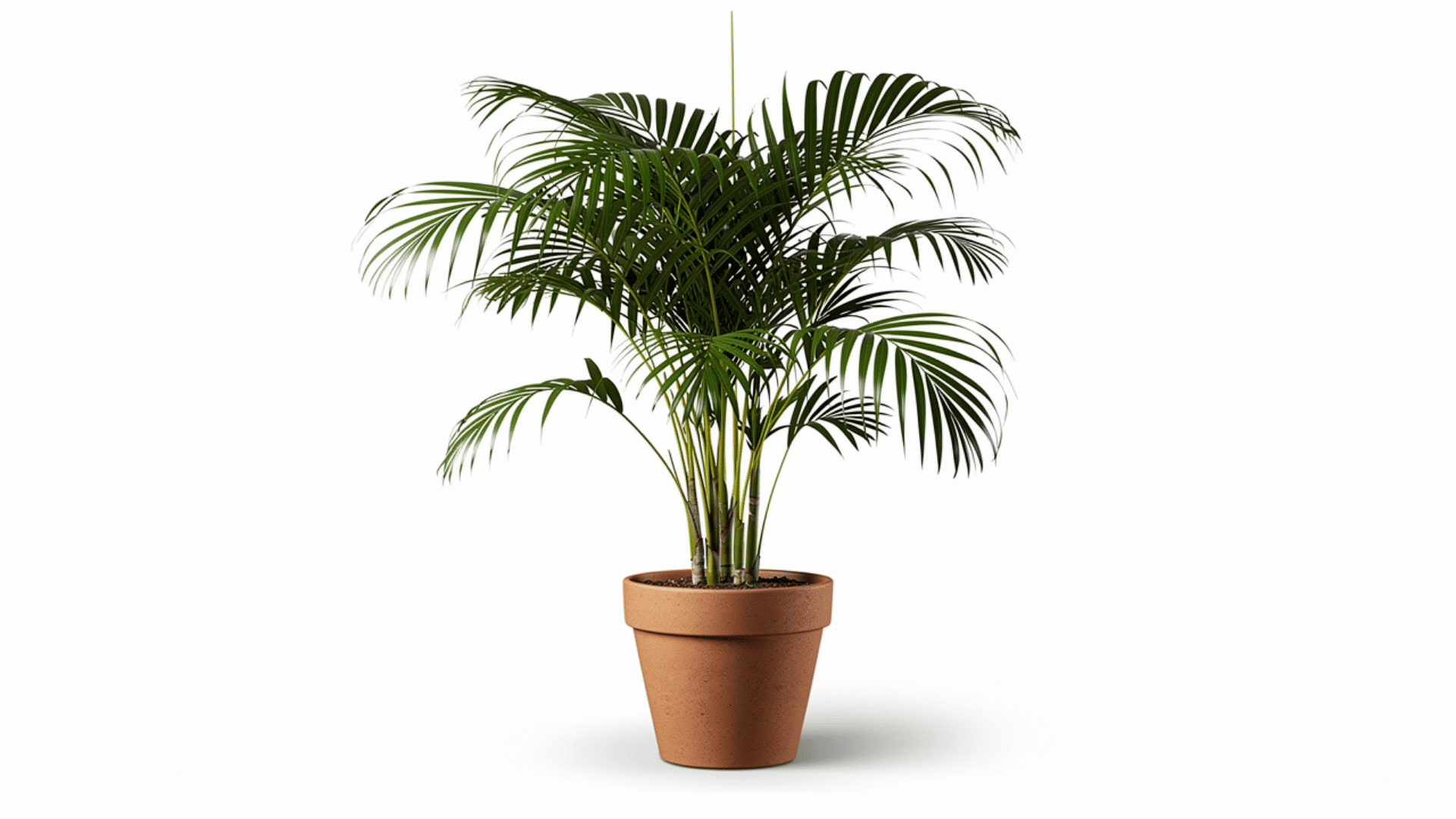
Whenever clients ask me for a plant that instantly makes a room feel fresh and expensive-looking, I usually recommend the areca palm.
Its soft, feathery leaves create a tropical look without demanding too much attention. It grows well in bright indirect light and only needs moderate watering.
Besides being decorative, the areca palm is also known for improving indoor air quality, which makes it ideal for living rooms and offices.
14. Tulsi (Holy Basil)
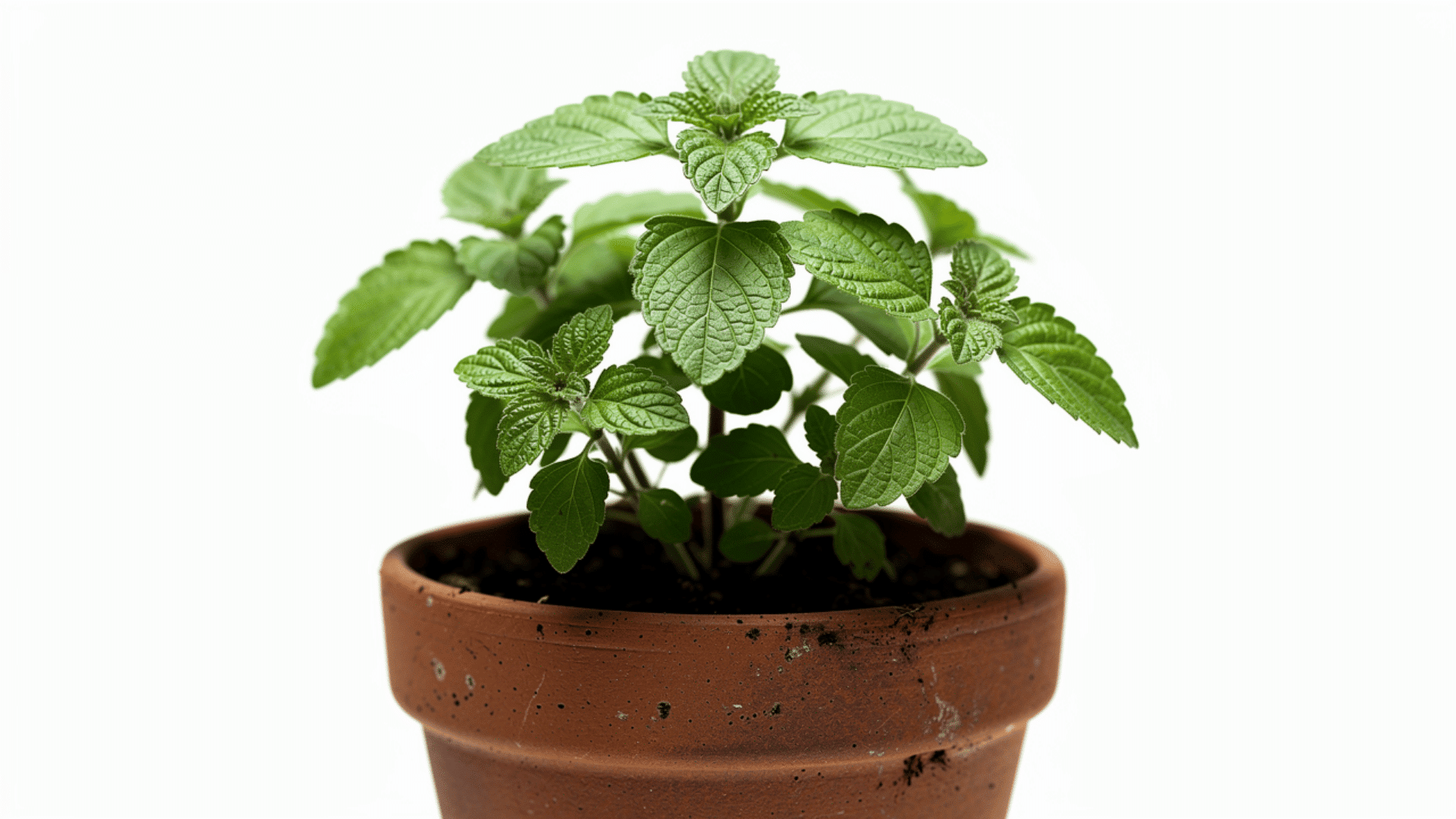
Tulsi is one of the most rewarding herbs as it grows quickly in sunny balconies and needs only basic watering and occasional trimming.
Fresh tulsi leaves are commonly used in herbal tea, home remedies, and cooking. For beginners who want a useful edible plant that grows fast, tulsi is an excellent choice.
Known for its medicinal properties and fresh fragrance, it can be a refreshing addition to your space. The seeds, when mature, disperse into the soil and give rise to new plants.
15. Rubber Plant
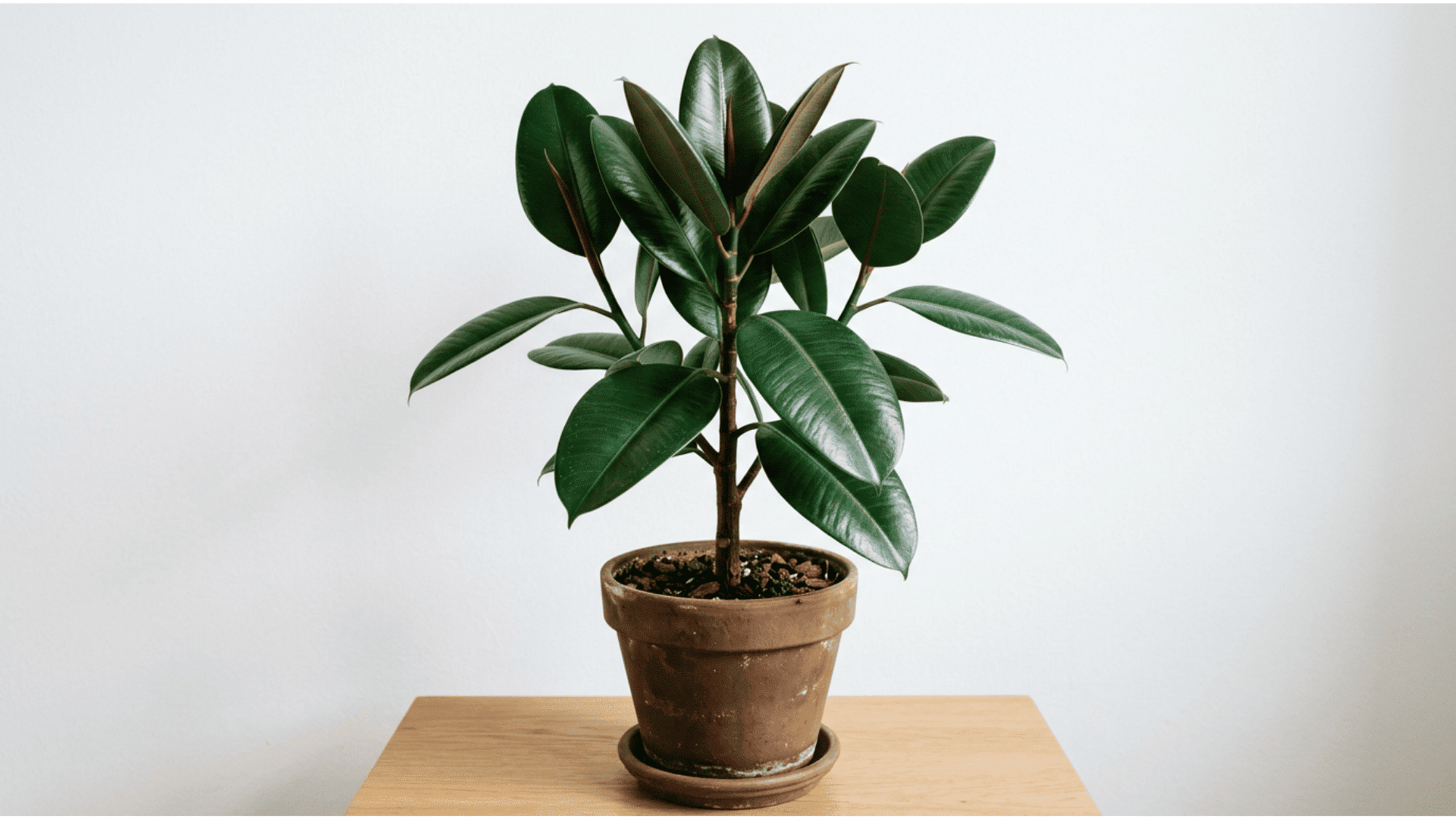
The rubber plant is one of my favorite decorative plants because its deep green leaves make any corner look instantly more polished.
It adapts surprisingly well to indoor conditions and doesn’t need constant care. Its thick leaves also tolerate dry indoor air better than many other houseplants.
They give your space an elegant and modern touch, that too with little maintenance. My recommendation is to occasionally wipe the leaves since they can trap dust due to their waxy surface.
16. Coleus
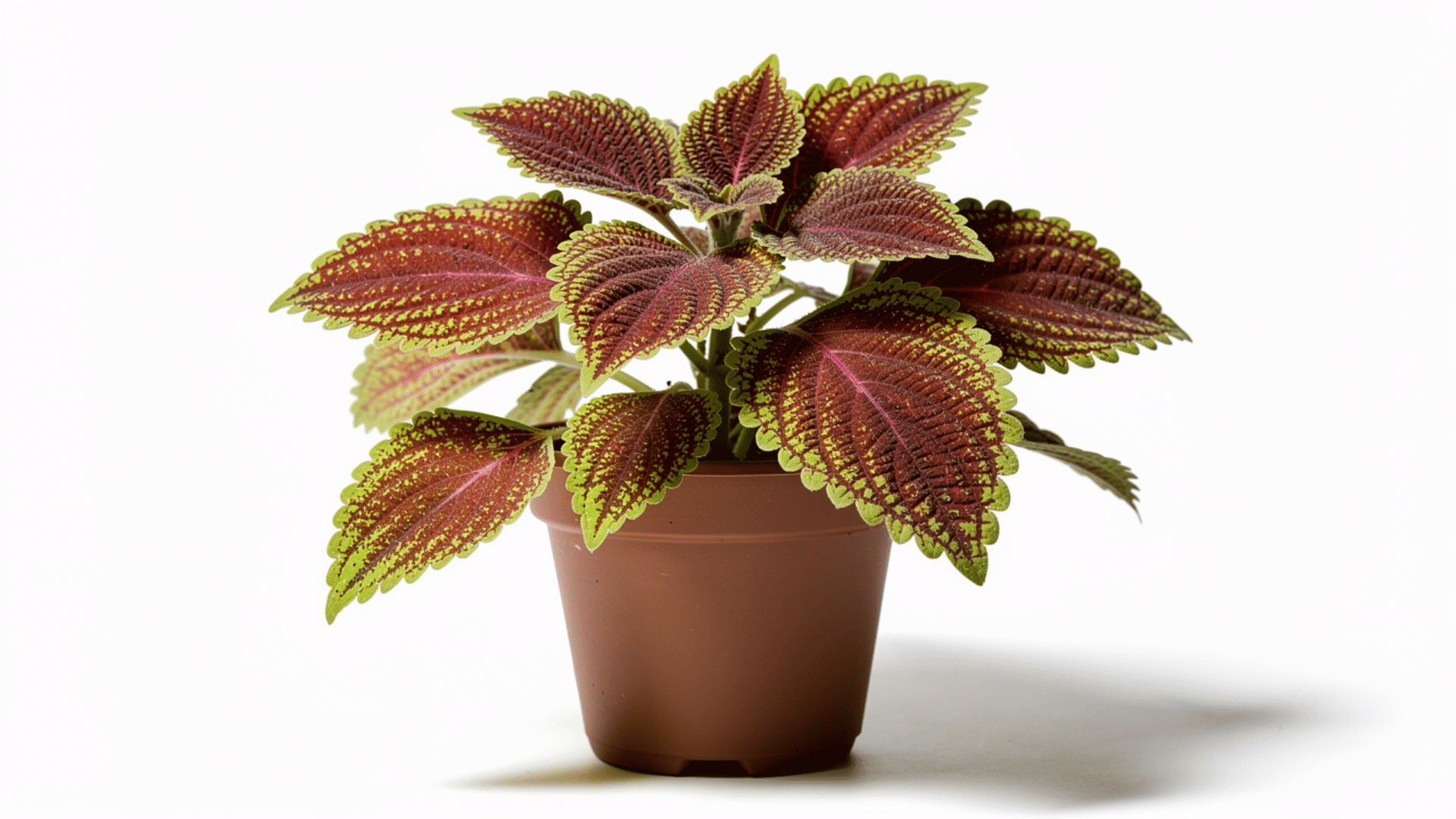
Coleus is my recommendation to the beginners who want colorful foliage without waiting for flowers to bloom. Its leaves come in beautiful shades of green, red, pink, yellow, and purple, adding instant color to balconies and patios.
It prefers bright indirect sunlight and moist soil, but is generally very forgiving for beginners.
Regular pinching encourages a bushier growth, and it needs a consistently moist soil, producing lush, colorful leaves and adding a visual interest to your space.
17. Bougainvillea
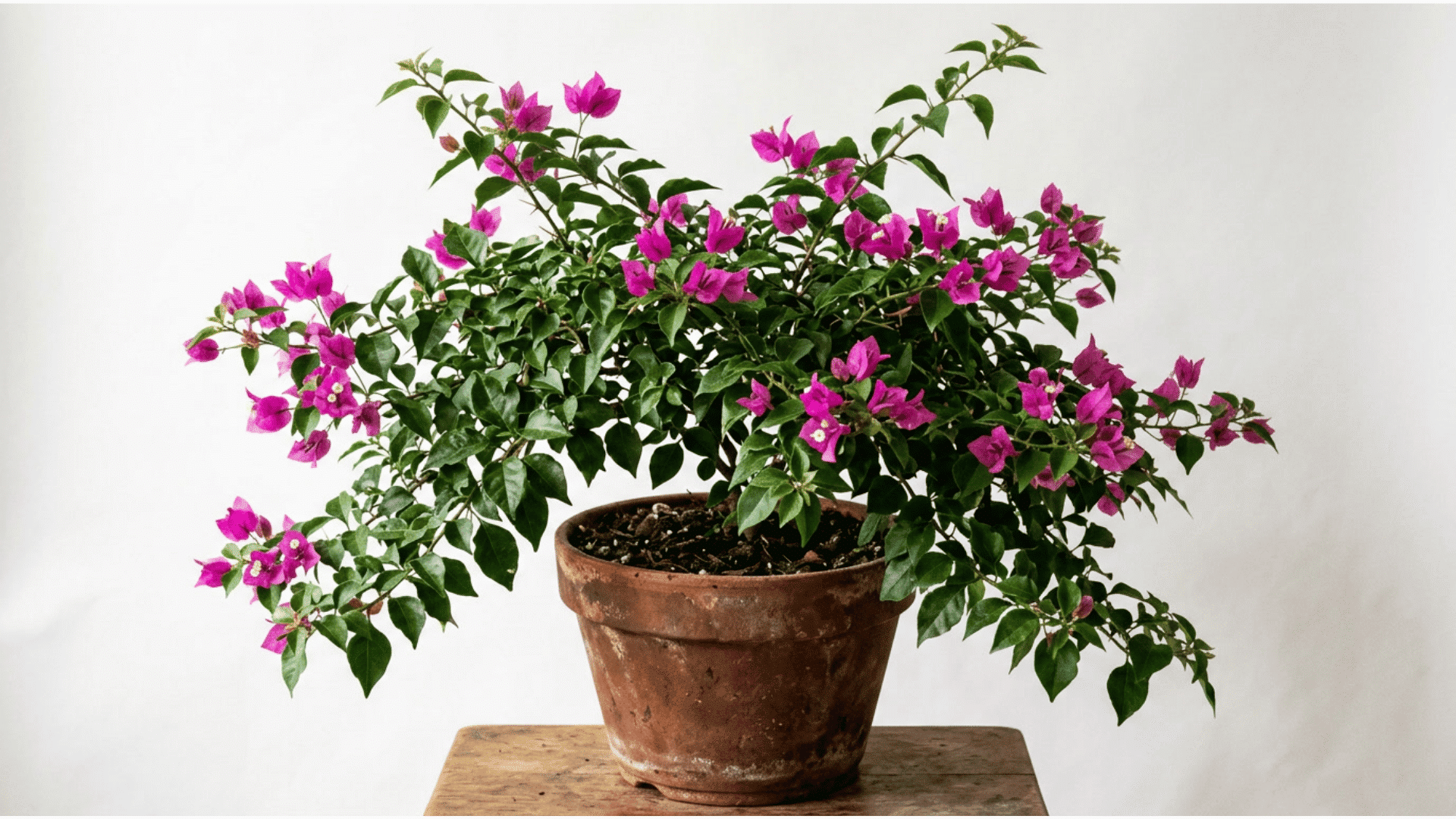
This plant thrives in full sunlight and even blooms when slightly neglected. Its bright pink, purple, orange, or white bracts can completely transform balconies, gates, and terrace gardens.
It requires full sunlight to flower and prefers slightly dry conditions over excessive watering. Grow them near fences, walls, and trellises, and they will creep over the space, creating a visual appeal.
Once established, bougainvillea becomes highly drought-tolerant and surprisingly easy to maintain.
18. Chinese Evergreen (Aglaonema)
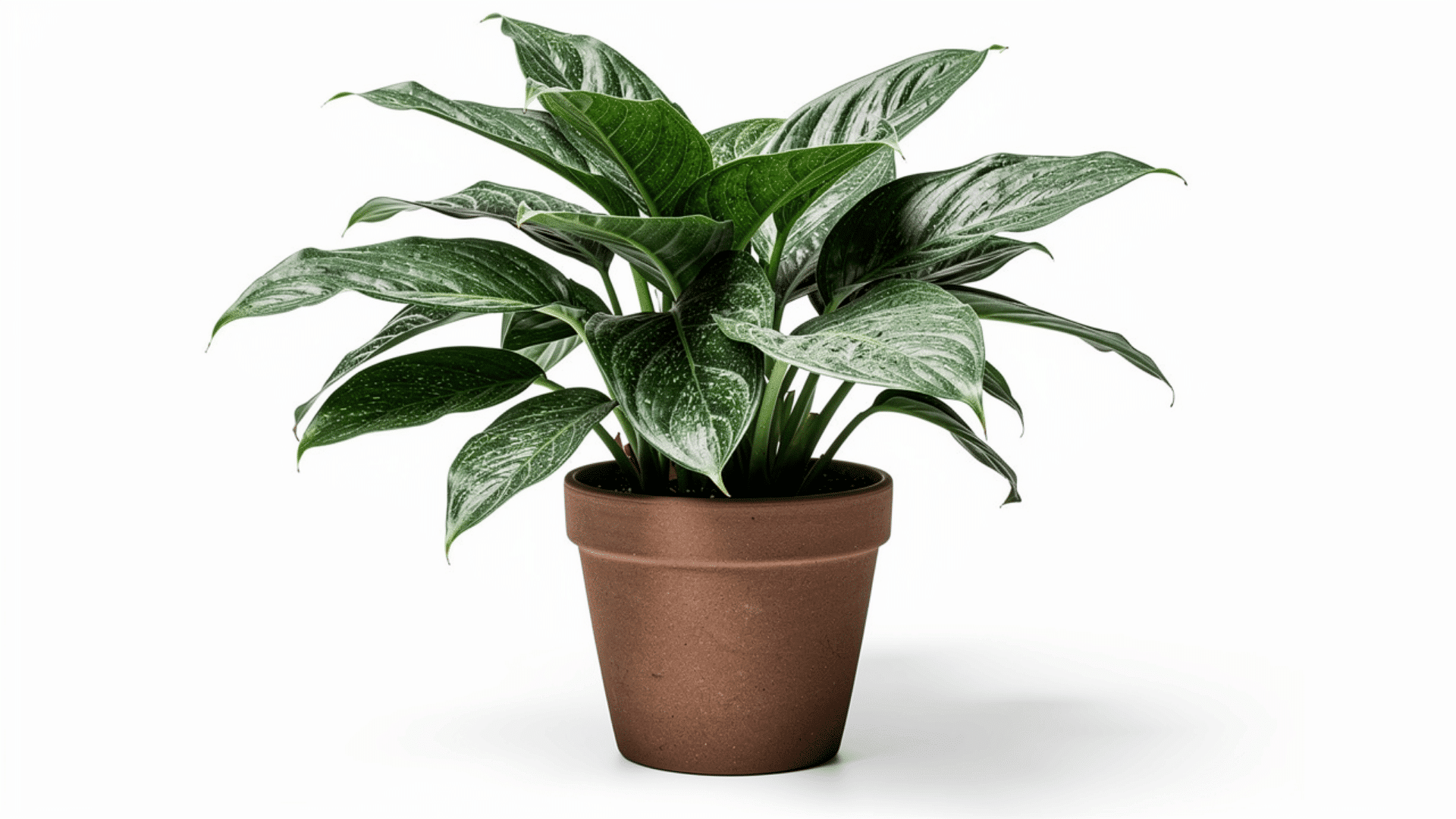
For low-light homes and apartments, Chinese evergreen is one of the most reliable plants I’ve worked with. Its patterned leaves add texture and color indoors with minimal effort.
It tolerates inconsistent watering better than many decorative plants and adapts well to indoor temperatures. It’s especially useful for beginners who want attractive foliage without complicated care requirements.
19. Curry Leaf Plant
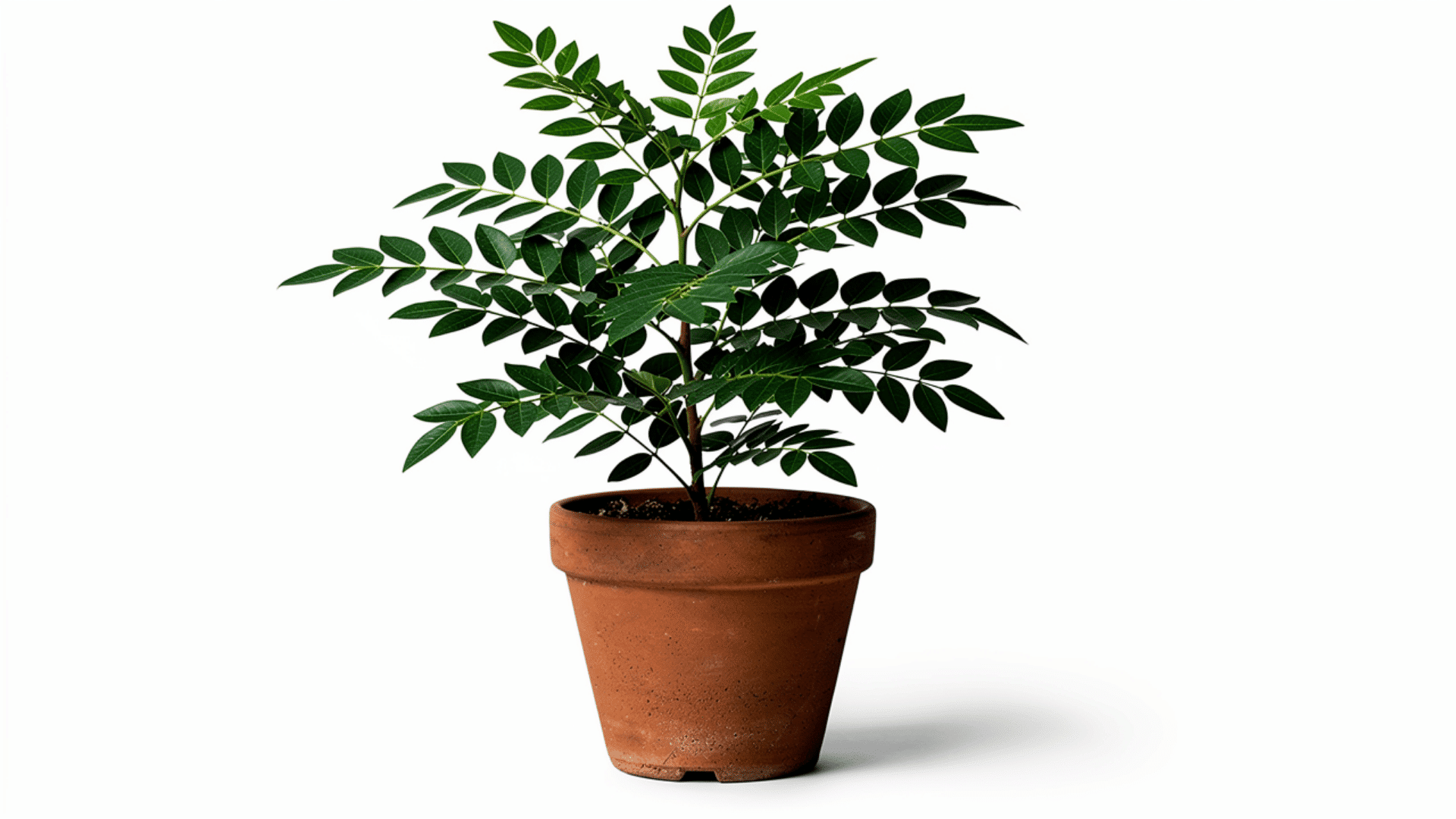
Growing a curry leaf plant at home is incredibly satisfying because you can use fresh leaves directly in everyday cooking. It grows best in sunny outdoor spaces or on balconies with good airflow.
Once established, it becomes fairly low-maintenance and continues to produce leaves regularly with simple feeding and watering.
20. Syngonium (Arrowhead Plant)
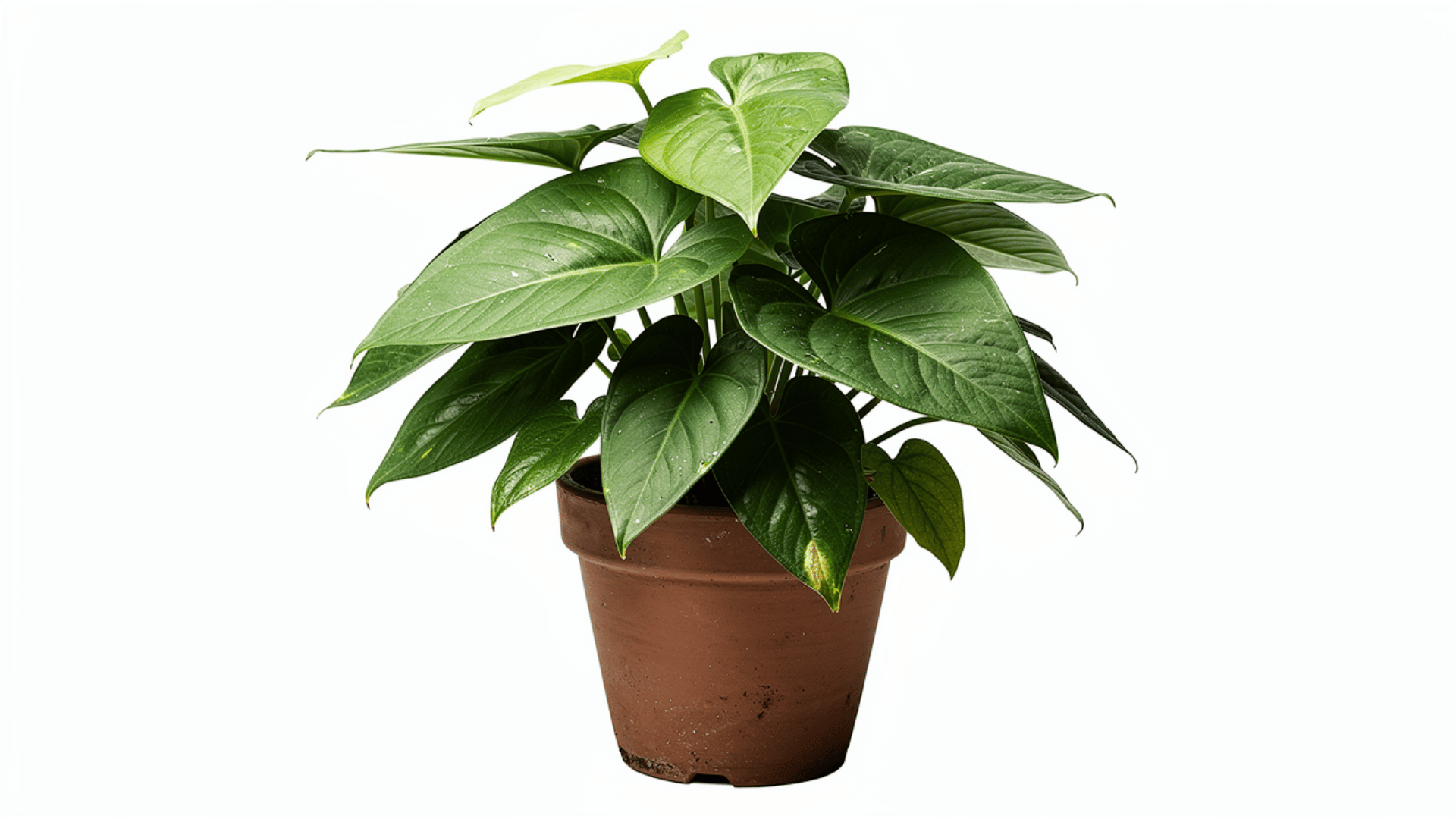
Syngoniums are among the easiest trailing plants I’ve grown indoors because they adapt quickly to different lighting conditions. Their arrow-shaped leaves create a soft, decorative look on shelves, hanging baskets, or tabletops.
They grow steadily with moderate watering and occasional pruning. Beginners usually enjoy this plant because it shows visible growth without demanding too much attention.
21. Portulaca (Moss Rose)
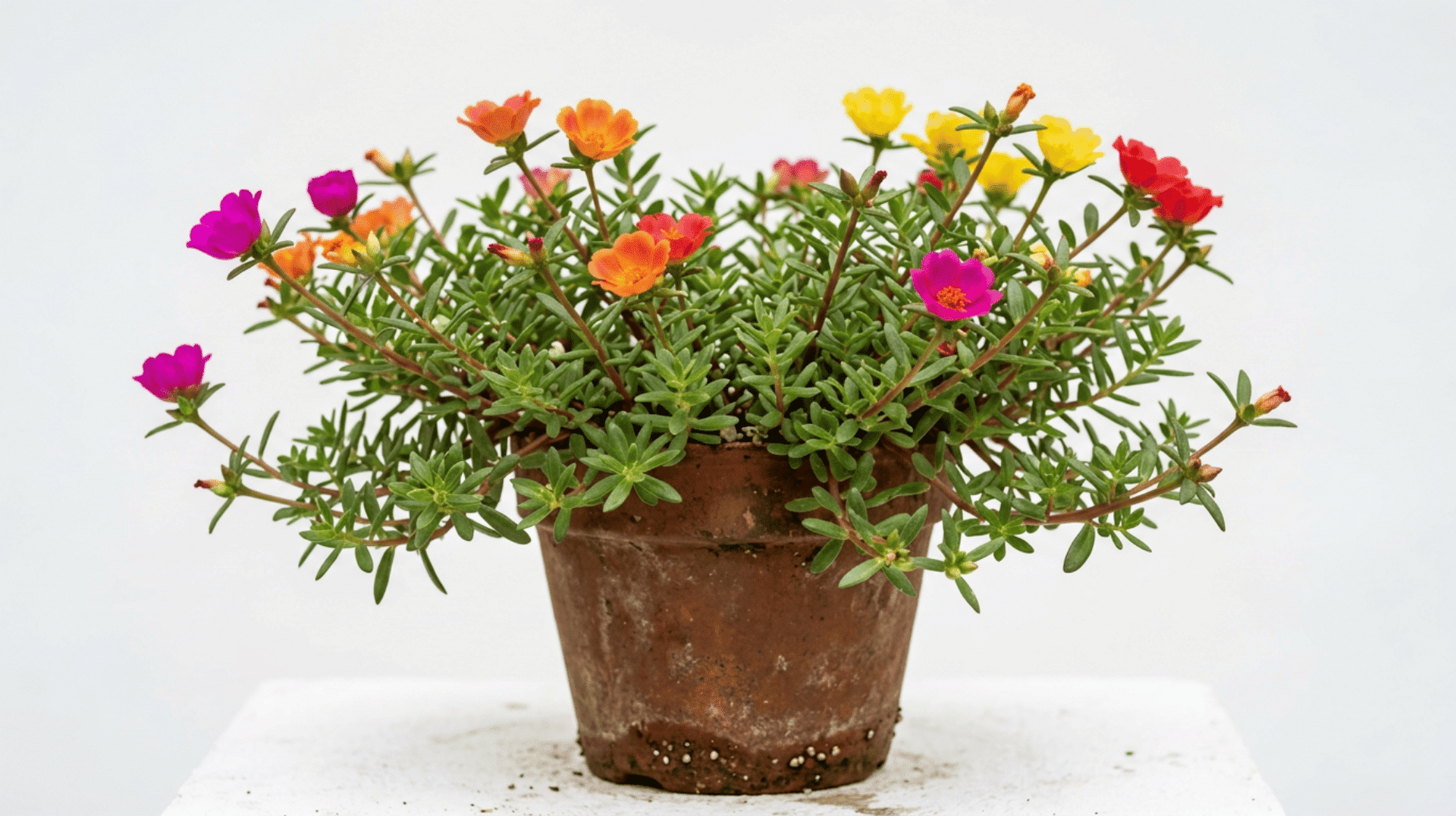
It produces bright flowers in shades of pink, orange, yellow, and red while thriving in heat and dry conditions. Even in intense summer weather, it continues blooming with very little maintenance.
Since it stores water in its leaves, portulaca is highly drought-tolerant and perfect for beginners who sometimes forget to water plants.
Why These Plants are Easy to Grow
Most easy plants share a few qualities that make them beginner-friendly:
- Low watering needs: Most can handle a missed watering without suffering.
- Light flexibility: They do well in a range of light conditions, from low light to bright indirect light.
- Fast and strong growth: Many grow quickly, which gives beginners early confidence.
- Minimal pruning: You don’t need to trim them often to keep them looking good.
- Space-friendly: Most grow well in pots, making them suitable for apartments, balconies, and small gardens.
Step-by-Step Guide to Growing Plants Successfully
Growing plants is a skill, but it’s one that anyone can learn with a little patience. Here’s my suggestion on how you can grow easy plants the right way from the start.
Step 1: Start With Beginner-Friendly Plants
Always start small. Pick one or two plants from the beginner list rather than buying ten at once. This gives you a chance to learn without feeling overwhelmed.
When buying plants, look for healthy ones with green leaves, no yellow spots, and no signs of pests or damage.
Step 2: Select the Right Pots
Always use pots with holes at the bottom. These drainage holes let extra water escape, so your plant’s roots don’t sit in water and rot.
If you ask for my suggestion, terracotta pots are a great choice for beginners. They’re porous, allowing the soil to dry out faster and helping prevent overwatering.
Plastic pots are lighter and hold moisture longer, which can work well for plants that need more water, like the peace lily and spider plant.
When it comes to the size of the pot, a very large pot holds too much soil and water, which can cause root rot. A pot that’s just slightly bigger than the plant’s root ball is usually the right size.
Step 3: Use Good Potting Soil
Choosing the right potting soil ensures proper drainage, prevents root rot, and provides a healthy, airy environment for indoor plants to grow strong and vibrant.”
Why Well-Draining Soil Matters: Well-draining soil allows water to pass through, so the roots get moisture without sitting in wetness. This prevents root rot and keeps your plant healthy long-term.
Simple Soil Mix Recommendations: For most indoor plants, a standard potting mix from a garden store works well. For succulents and cacti like aloe vera, mix regular potting soil with a little sand or perlite to improve drainage.
Avoiding Compacted Soil: Avoid using regular garden soil in pots. It tends to compact over time, making it hard for roots to grow and for water to drain properly. Always use a light, airy potting mix for container plants.
Step 4: Place Plants in the Correct Location
Most indoor plants prefer bright indirect light, meaning they get plenty of light but not harsh, direct sunlight. Direct sunlight through glass can scorch leaves.
Avoid placing plants near air conditioning vents or heating units because sudden temperature changes can stress them.
Also, don’t place plants in completely dark corners. Even low-light plants need some natural light to survive
Step 5: Water Plants Properly
The best rule is to check the soil before watering. Stick your finger about an inch into the soil. If it feels dry, it’s time to water. If it’s still moist, wait another day or two.
Signs of Overwatering
- Yellow or mushy leaves
- Soil that smells bad or stays wet for too long
- Wilting even when the soil is wet
Signs of Underwatering
- Dry, crispy leaf edges
- Soil that pulls away from the sides of the pot
- Leaves that look dull or droopy
Step 6: Feed Plants Occasionally
Even easy-to-grow plants require occasional nutrition to stay healthy, produce fresh growth , and maintain vibrant leaves over time.
A simple liquid fertilizer or slow-release granule fertilizer works well for most plants. You can find these at any local nursery or garden store.
For most indoor plants, feeding once a month during spring and summer is enough. In fall and winter, most plants slow their growth and don’t need much feeding.
If you prefer natural options, try banana peel water (soak banana peels in water for 48 hours), diluted compost tea, or used coffee grounds mixed into soil for acid-loving plants. These are low-cost and easy to make at home.
Step 7: Maintain and Monitor Growth
Small routine checks can make a big difference in how healthy and vibrant your plants stay over time.
Dust on leaves blocks sunlight, making it harder for the plant to breathe. Wipe leaves gently with a damp cloth every few weeks to keep them clean and healthy.
Plants naturally grow toward the light source. Rotating your pot by a quarter turn every week or two helps the plant grow evenly on all sides.
Remove yellow, dead, or damaged leaves as soon as you notice them. This keeps the plant looking tidy and prevents any disease or pests from spreading to healthy parts.
Easy Plant Care and Maintenance Tips
Once your plants are settled in, a simple care routine is all you need to keep them healthy. Here are some easy habits to build:
- Create a Simple Watering Routine: Pick two or three days a week to check your plants and water only if the soil is dry. This simple habit prevents both overwatering and underwatering.
- Check Soil Before Watering: Always touch the soil before reaching for the watering can. If the top inch or two feels moist, skip watering that day and check again tomorrow.
- Remove Dead or Yellow Leaves Regularly: As soon as you notice a yellow or dead leaf, remove it. This keeps the plant looking clean and stops any problems from spreading to healthy parts.
- Repot plants only when necessary. A plant needs a bigger pot when you see roots coming out of the drainage holes or the plant looks too big for its current pot.
- Use Natural Fertilizers Occasionally: Compost tea, banana peel water, or diluted seaweed solution are simple, low-cost fertilizers that work well for most indoor plants. Feed once a month during spring and summer.
- Keep Leaves Dust-Free: Wipe leaves with a soft, damp cloth every few weeks. Clean leaves can absorb light better and stay healthier overall.
- Monitor Temperature and Humidity: Most indoor plants prefer temperatures between 15°C and 30°C. Keep them away from cold drafts, air conditioning vents, or heating units. In dry weather, lightly misting the leaves can help maintain humidity.
Now You’re Ready To Grow
By now, you know which plants are great for beginners, how to pick the right one for your space, and how to keep it healthy through every season.
You’ve also learned what mistakes to avoid, how to care for your plants without spending a lot, and how to adjust your routine as the weather changes.
The most important thing to take away is this: start simple, stay consistent, and don’t stress over being perfect. Pick a pot with drainage, use good soil, water only when needed, and give your plant the right amount of light.
That’s really all it takes.
Growing plants gets easier the more you do it. Every plant you care for teaches you something new. Now it’s your turn!
Pick one plant from this guide and start today. If you found this helpful, share it with a friend who’s been thinking about growing plants at home.
Frequently Asked Questions
Which Indoor Plants Need the Least Water?
The ZZ plant, snake plant, and aloe vera are the best options if you want plants that don’t need frequent watering. These plants store water in their roots or leaves and can go 1 to 3 weeks between waterings.
What Plants Can Grow in Low Light Indoors?
The snake plant, ZZ plant, and peace lily all do well in low-light rooms. They don’t need a bright or south-facing window to survive. Just make sure they get some natural light during the day, even from a north-facing window.
What Are the Best Plants for An Apartment with No Garden?
Most easy indoor plants grow perfectly well in pots and don’t need any outdoor space. The money plant, snake plant, ZZ plant, spider plant, and peace lily all thrive near a window in an apartment.
Which Plants Grow the Fastest Indoors?
The money plant (pothos) is one of the fastest-growing indoor plants. It can grow several centimetres in a single week when given good indirect light and occasional feeding.

With a Master’s in Landscape Architecture from the University of Virginia, Sophia Stephenson has dedicated the last 20 years to creating and maintaining vibrant outdoor spaces. Her professional journey started in landscape design, where she gained a reputation for innovative and sustainable approaches. Sophia became a part of our editorial team as a freelancer in 2019, offering a fresh perspective on outdoor living. Since 2020, she has been the chief for our outdoor design content, blending aesthetic appeal with environmental stewardship. In her leisure time, Sophia is a keen photographer, capturing the beauty of natural landscapes, a hobby that complements her professional expertise.