
Sometimes the best gardens grow when you stop trying to control every little detail.
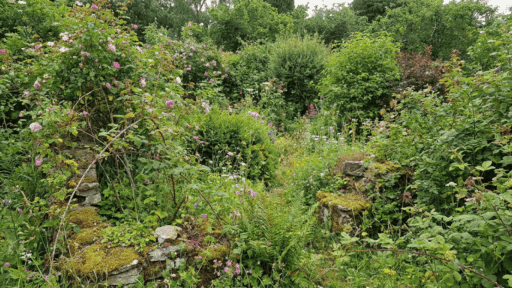
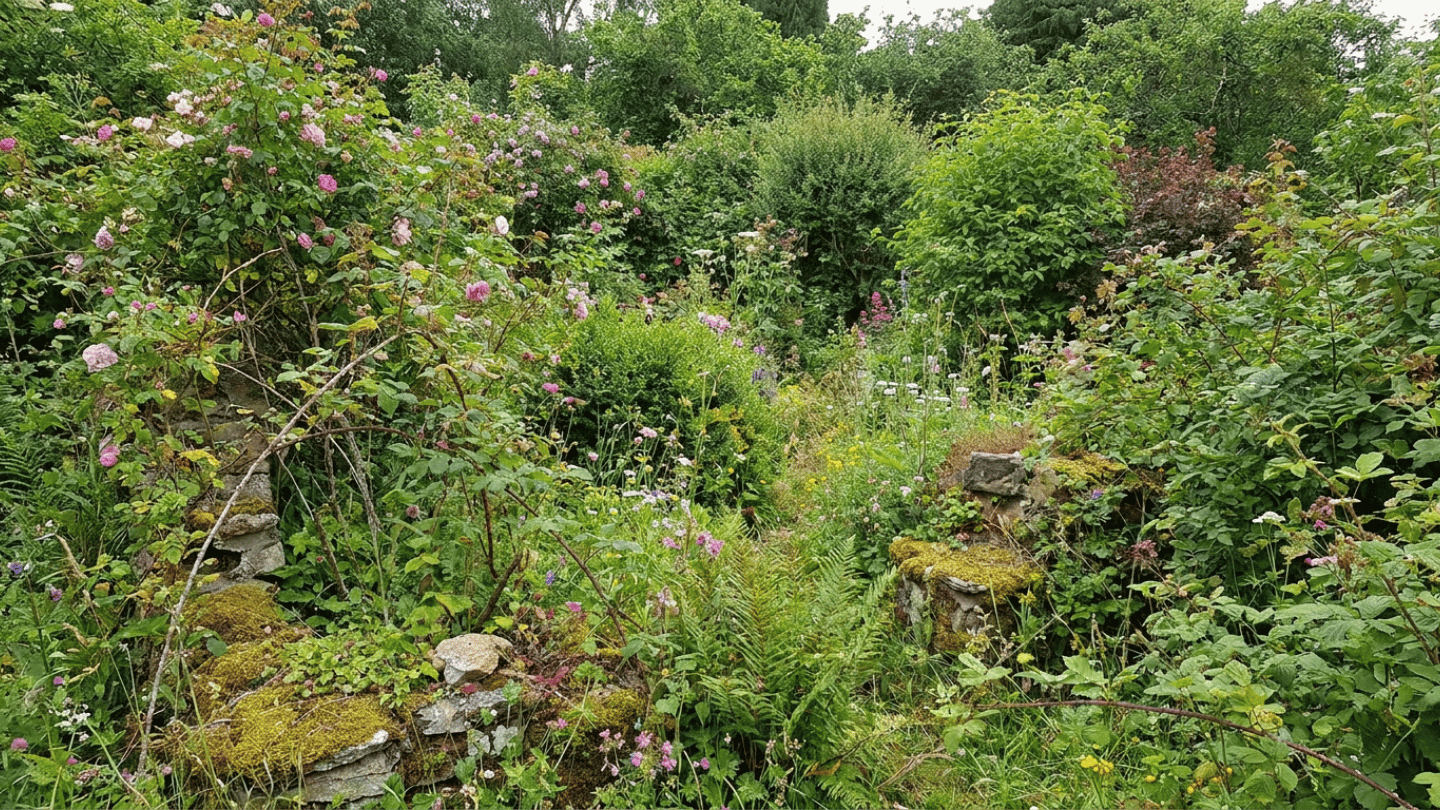
That is the idea behind chaos gardening, a relaxed planting style where flowers, herbs, and vegetables grow together in a more natural way.
After years of working with backyard gardens, seasonal planting, and healthy soil care, I have seen how this method can make gardening feel easier and more enjoyable for many people.
In this blog, I will walk you through how to start a chaos garden step by step, the best plants to use, and simple ways to help your garden grow well.
You will also learn useful tips for watering, seed mixing, pollinator-friendly planting, and keeping your space neat without spending hours working in the yard.
What is Chaos Gardening?
Chaos gardening is a relaxed gardening method where you scatter different seeds together and let them grow naturally instead of planting everything in neat rows.
Flowers, herbs, vegetables, and pollinator plants are often mixed in the same space to create a full and colorful garden with less strict planning.
Unlike traditional gardening, chaos gardening does not focus on perfect spacing or carefully planned layouts.
In a regular garden, plants are usually grouped in rows with exact distances between them. Chaos gardening takes a more natural approach by allowing plants to grow where they settle best.
Many gardeners enjoy this style because it feels less stressful and gives the garden a softer, more natural look. It is also a great way to use leftover seed packets without wasting them.
Since the process needs less planning, beginners often find it easier and more enjoyable to try.
How to Start a Chaos Garden
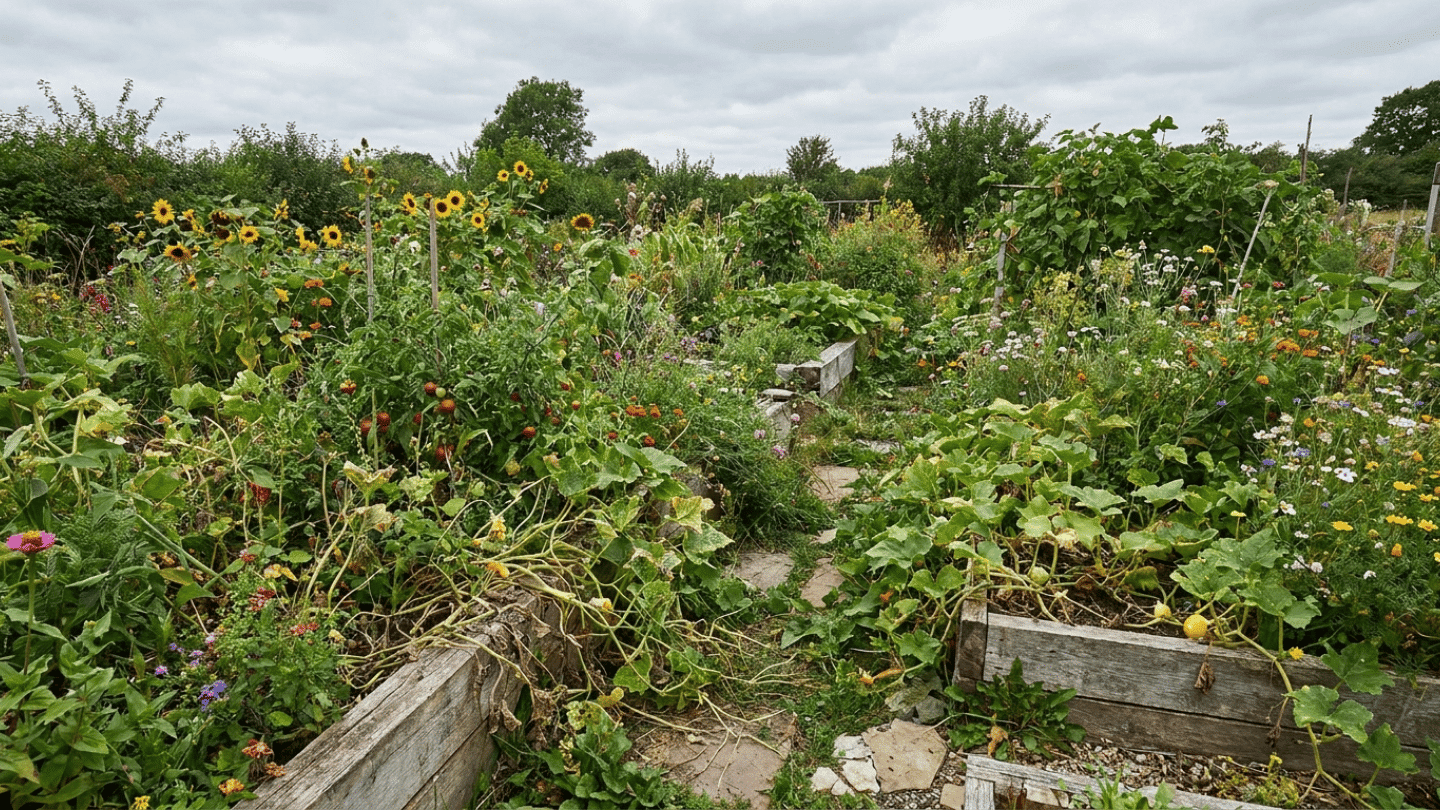
Chaos gardening may look random, but a few simple steps can help your plants grow better and make the space easier to manage.
Starting with the right area, healthy soil, and seed choices can make a big difference in how your garden turns out.
1. Choose the Right Garden Area
Start by picking a space that matches the type of plants you want to grow.
Sunny spots work best for flowers like zinnias, cosmos, and sunflowers, while shady areas are better for plants that need less direct light.
If you are new to gardening, begin with a small section instead of using your whole yard. A backyard corner, raised bed, container, or empty flower bed is often enough for your first chaos garden.
Smaller spaces are easier to water, maintain, and watch during the growing season. Raised beds are great for better drainage and soil control, while containers work well for patios and balconies.
Empty flower beds can also become colorful planting spaces with very little setup.
2. Prepare the Soil First
Good soil helps seeds sprout faster and grow stronger. Before planting, clear away thick weeds, grass, and rocks from the area.
If weeds stay in the soil, they can take water and nutrients away from young plants.
Next, loosen the soil with a garden fork or hand tool. Soft soil gives roots enough room to spread and helps water move through the ground more easily.
Adding compost or organic matter is also helpful. Compost improves soil quality and gives plants the nutrients they need during early growth.
Even a thin layer can make a noticeable difference in plant health.
3. Pick Seeds that Work Well Together
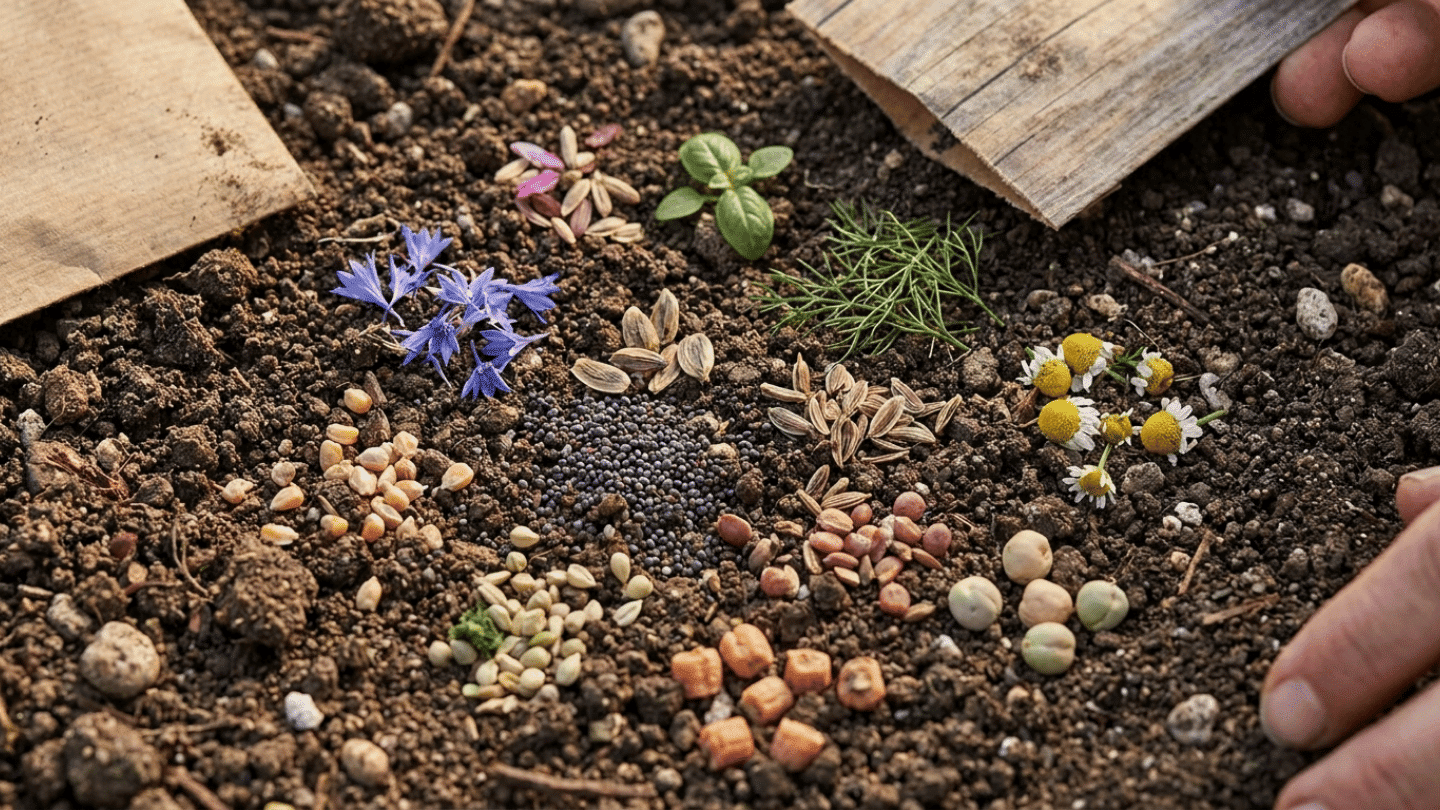
Choosing the right mix of seeds is important in chaos gardening.
A balanced mix of flowers, herbs, vegetables, and pollinator plants can create a colorful and healthy garden space.
| Good Seed Choices | Why They Work Well |
|---|---|
| Wildflowers | Add color and attract pollinators |
| Herbs | Easy to grow and useful for cooking |
| Pollinator flowers | Help attract bees and butterflies |
| Easy vegetables | Grow quickly and suit beginners |
| Self-seeding plants | Return naturally in later seasons |
4. Plants to Avoid
Some plants are harder to manage in chaos gardens and may cause problems for nearby plants.
| Plants to Avoid | Reason |
|---|---|
| Plants needing heavy care | Need regular pruning, feeding, or support |
| Fast-spreading invasive plants | Can take over the entire garden area |
| Plants with very different water needs | Make watering difficult and uneven |
Best Plants for Chaos Gardening
Picking the right plants can make chaos gardening easier and more successful. The best choices are usually plants that grow quickly, handle changing weather well, and do not need constant care.
Mixing flowers, herbs, vegetables, and self-seeding plants can help your garden look full and colorful through the season.
| Plant | Why It Works Well in Chaos Gardening |
|---|---|
| Cosmos | Fast-growing and easy for beginners |
| Zinnias | Bright flowers that bloom for a long time |
| Coneflowers | Strong plants that attract pollinators |
| Bee balm | Good for bees, butterflies, and hummingbirds |
| Black-eyed Susans | Tough flowers that grow in many conditions |
| Sunflowers | Add height and fill empty spaces quickly |
| Chives | Easy to grow and good for pollinators |
| Mint | Spreads quickly and fills gaps well |
| Oregano | Handles dry weather and grows thickly |
| Basil | Useful for cooking and grows fast in warm weather |
| Lettuce | Grows fast and fits well between flowers |
| Radishes | Quick harvest and simple care |
| Turnips | Grow well in cooler seasons |
| Clover | Helps improve soil and cover empty spots |
| Poppies | Add soft color and reseed easily |
| Foxgloves | Grow tall and return in many gardens |
| Borage | Attracts pollinators and spreads naturally |
How to Scatter Seeds Correctly
After choosing the best plants for your chaos garden, the next step is learning how to scatter the seeds properly, so they have a better chance of growing well together.
Even though chaos gardening looks relaxed and natural, a few simple planting steps can help your garden look fuller and healthier throughout the season.
1. Mix seeds in a container or bucket
Place all your chosen seeds into a bucket or large container and mix them gently by hand. This helps spread different plant types more evenly across the garden area instead of having one type grow in only one spot.
2. Spread large seeds first
Larger seeds like sunflowers or nasturtiums should be scattered before smaller seeds. They need more space to grow properly, so spreading them first helps prevent overcrowding later.
3. Add smaller seeds after
Tiny seeds such as poppies or lettuce can then be scattered over the remaining spaces. Smaller seeds naturally fill empty gaps and help create a fuller-looking garden.
4. Cover lightly with compost or soil
After scattering the seeds, add a thin layer of compost or loose soil on top. This helps protect the seeds from birds while also keeping moisture around them during early growth.
5. Water after planting
Give the area a gentle watering right after planting. Moist soil helps seeds settle into place and supports faster germination during the first few weeks.
6. Avoid planting on windy days
Strong winds can blow lightweight seeds away before they reach the soil. Calm weather makes it easier to spread seeds evenly and keeps your planting area more controlled.
Common Chaos Gardening Mistakes
Chaos gardening is simple, but a few common mistakes can make the process harder than it needs to be. Avoiding these problems can help your garden grow more evenly and stay healthier throughout the season.
- Mixing Plants With Different Growing Needs: Plants that need full sun may struggle if mixed with shade-loving plants. The same problem can happen with watering needs. Keeping similar plants together usually gives better results.
- Skipping Soil Preparation: Throwing seeds onto hard or weedy ground often leads to poor growth. Seeds need loose soil and moisture to sprout properly, so basic soil preparation is still important.
- Using Too Many Seeds at Once: Adding too many seeds can make plants compete for space, sunlight, and nutrients. This may lead to weak growth and overcrowded flower beds.
- Planting at the Wrong Time: Warm-season flowers and vegetables grow best after the soil becomes warmer. Planting too early can slow growth or stop seeds from sprouting completely.
- Expecting Perfect Results: Chaos gardening changes from season to season. Some plants may grow heavily one year and barely appear the next year. That natural change is part of the process.
Tips for a Healthier and Fuller Garden
These practical tips can make a big difference, especially during the first growing season.
| Tip | Why It Helps |
|---|---|
| Start with a small space | Smaller areas are easier to manage, water, and monitor during early growth. |
| Choose plants with similar needs | Plants needing the same sunlight and water usually grow better together. |
| Use mulch after planting | Mulch helps hold moisture and slows down weed growth. |
| Avoid overcrowding seeds | Too many plants in one spot can block sunlight and air flow. |
| Water gently in the beginning | Light watering keeps seeds in place while helping germination. |
| Add simple borders or paths | Borders make the garden look cleaner and more organized. |
| Remove weak or crowded plants | This gives stronger plants more room to grow properly. |
| Watch which plants perform best | You can use successful plant combinations again next season. |
| Let some plants reseed naturally | Self-seeding flowers can return without extra planting work. |
| Be patient with uneven growth | Some plants grow faster than others, especially during early weeks. |
Final Thoughts
Chaos gardening is a simple way to grow flowers, herbs, and vegetables without worrying about perfect layouts or strict planting rules.
It gives gardeners more freedom to try different plant mixes and enjoy natural growth patterns throughout the season.
Some areas may grow thick and colorful, while others may surprise you with unexpected plant combinations. That is part of what makes chaos gardening enjoyable for many people.
With the right seeds, healthy soil, and a little patience, even a small space can turn into a lively garden filled with color, pollinators, and fresh greenery.
Frequently Asked Questions
Can I Use Old Seed Packets?
Many older seeds can still grow if they were stored properly in a cool and dry place. Some may have lower germination rates, but they are still worth trying.
How Long does a Chaos Garden take to Grow?
Most seeds begin sprouting within one to three weeks, depending on the plant type and weather conditions. Flowers usually appear later in the growing season.
Can Vegetables Grow in a Chaos Garden?
Yes, simple vegetables like lettuce, radishes, and turnips often grow well in chaos gardens when mixed with herbs and flowers.
Will Plants Return Next Year?
Some self-seeding plants may return naturally during the next season. Flowers like poppies and foxgloves often drop seeds that grow again later.

With a Master’s in Landscape Architecture from the University of Virginia, Sophia Stephenson has dedicated the last 20 years to creating and maintaining vibrant outdoor spaces. Her professional journey started in landscape design, where she gained a reputation for innovative and sustainable approaches. Sophia became a part of our editorial team as a freelancer in 2019, offering a fresh perspective on outdoor living. Since 2020, she has been the chief for our outdoor design content, blending aesthetic appeal with environmental stewardship. In her leisure time, Sophia is a keen photographer, capturing the beauty of natural landscapes, a hobby that complements her professional expertise.