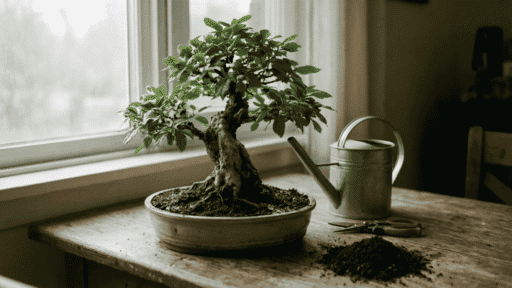
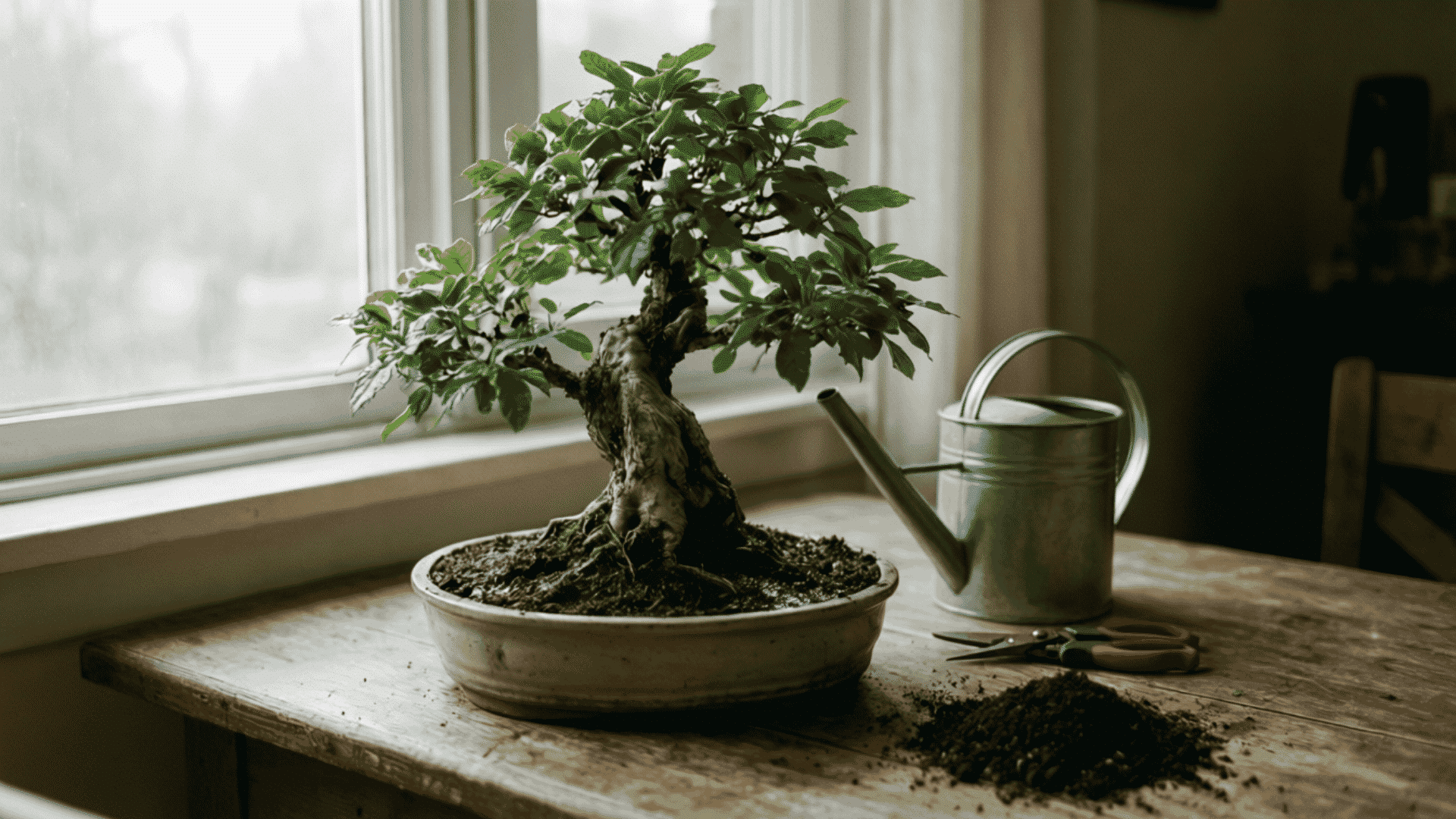

Bonsai plant care starts with understanding that a small tree still has full-sized needs. Water, sunlight, soil, pruning, fertilizer, and root care all work together to support steady growth.
Before shaping branches or refining the tree’s form, focus on keeping it healthy and well established. Strong roots, suitable light, and consistent watering help the bonsai recover better from pruning, repotting, and seasonal changes.
The right routine will also depend on the tree species, pot size, climate, and whether it grows indoors or outdoors.
I will cover the main parts of bonsai care, including watering, placement, soil, pruning, feeding, repotting, humidity, pest checks, and warning signs of stress.
With regular observation and small adjustments, a bonsai can remain balanced, healthy, and easier to maintain as it grows over time. A steady approach makes it easier to notice problems before they worsen.
Quick Bonsai Care Guidelines
Bonsai trees stay healthier when their basic needs are checked consistently rather than handled on a rigid schedule.
- Water: Check the soil regularly and water when the upper layer feels slightly dry.
- Light: Provide bright light suited to the tree species, avoiding dark or unstable locations.
- Soil: Use a fast-draining bonsai mix that still holds enough moisture for the roots.
- Pruning: Remove unhealthy growth first and avoid heavy trimming when the tree is stressed.
- Fertilizer: Feed during active growth according to the species and product instructions.
- Roots: Repot when roots become crowded, or the soil stops draining properly.
- Health: Check leaves, stems, soil, and roots for pests, discoloration, or weak growth.
These basics create the healthy foundation needed for shaping and long-term bonsai maintenance.
How to Water a Bonsai Plant Properly
Bonsai watering should be based on soil moisture rather than a fixed daily or weekly schedule. Check the soil first, then water the full root area when moisture is needed.
Check the Soil First
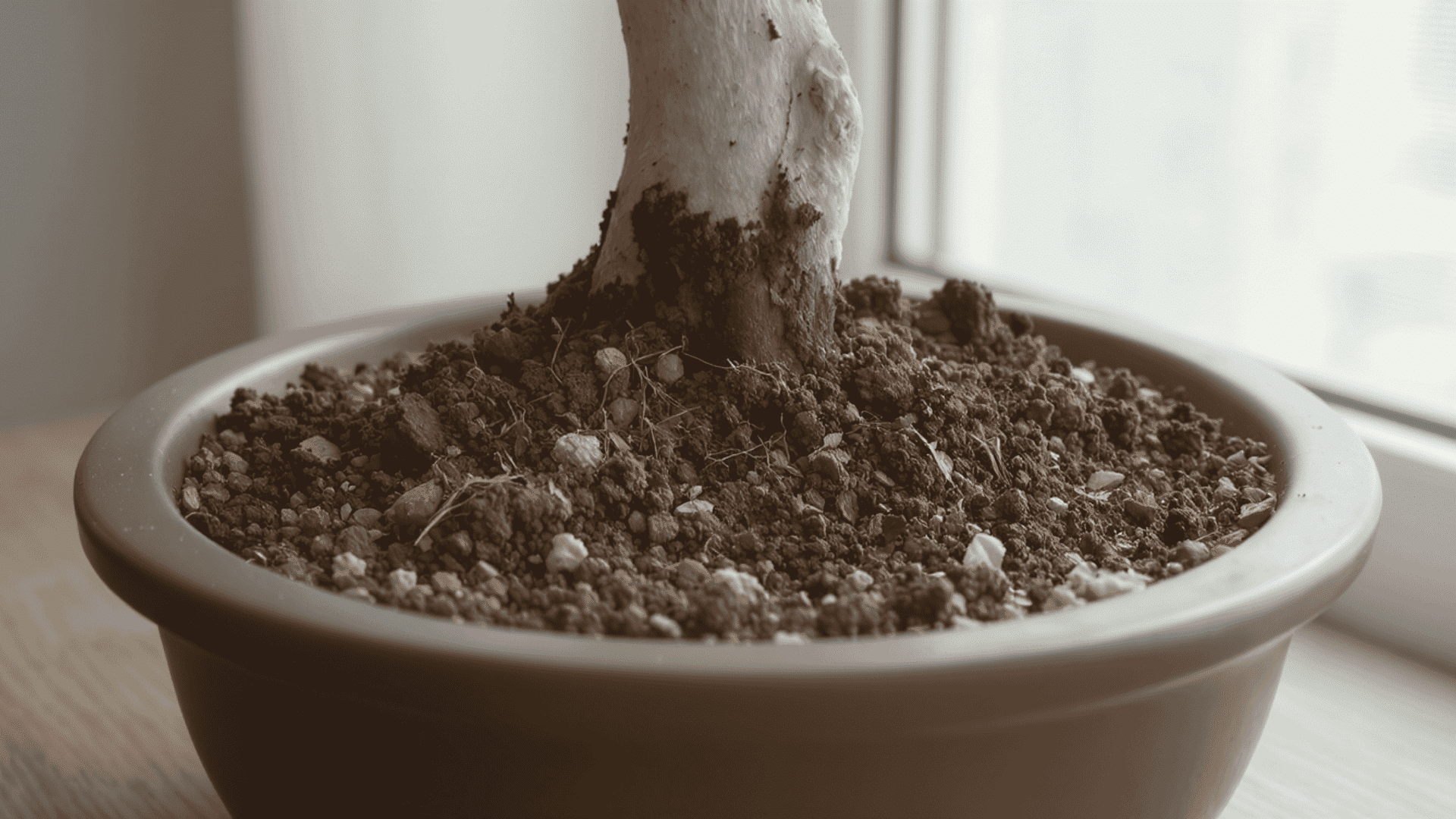
Do not water only by the calendar.
Check the top layer of soil with your finger before adding water.
- If it feels slightly dry, the bonsai may be ready for watering.
- If it still feels damp, wait and check again later.
For a More Accurate Check: Press gently into the soil rather than only touching the surface. The top may look dry while the lower soil still holds moisture.
Water Deeply
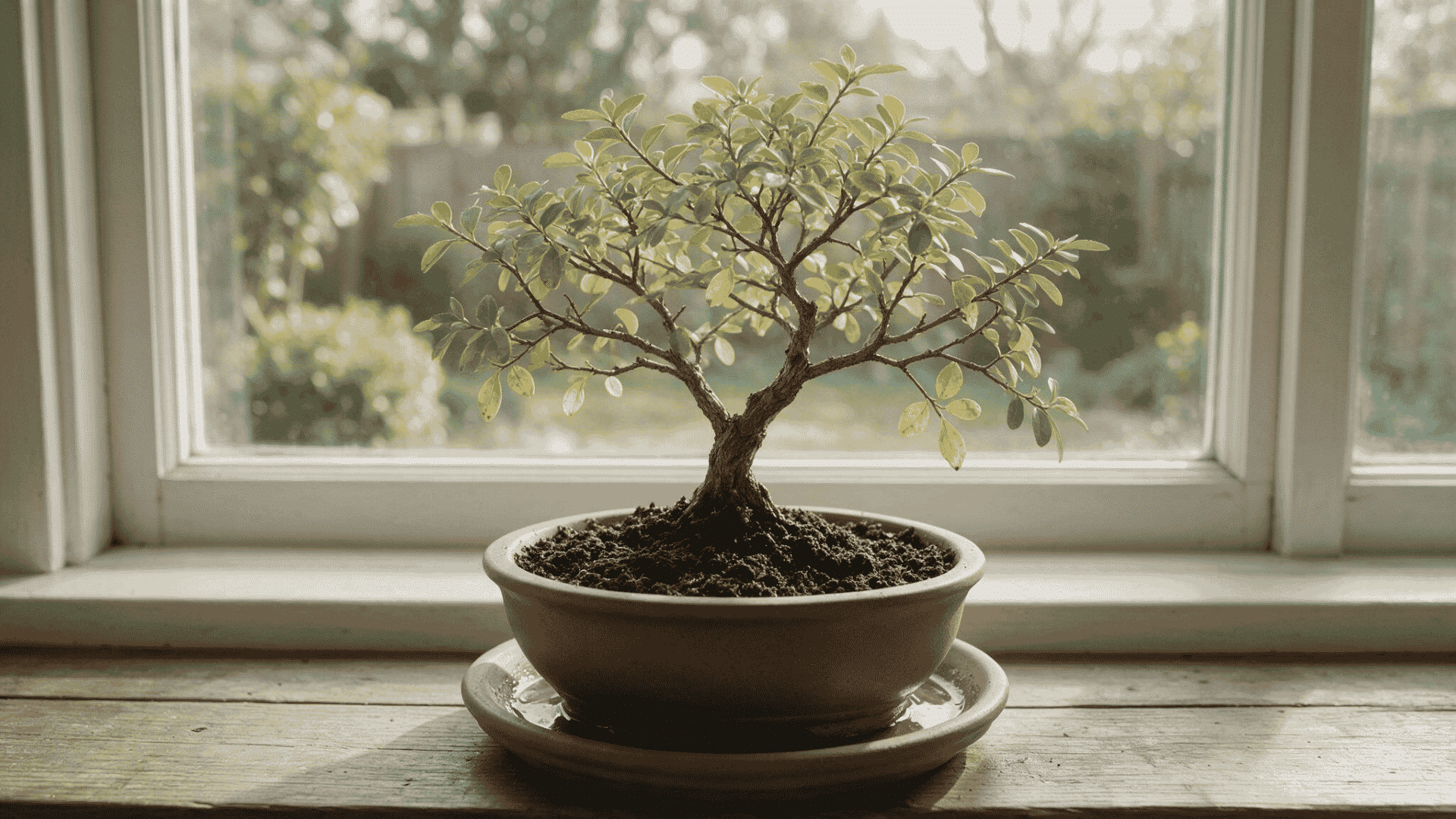
When watering a bonsai, make sure the whole root area gets moisture. A small splash on the surface is not enough because it may only wet the top layer of soil.
The correct way to water a bonsai:
- Water slowly and evenly until moisture runs out from the drainage holes at the bottom of the pot. This shows that the water has moved through the soil and reached the roots.
- After watering, let the extra water drain away so the pot does not sit in standing water.
How Often Should You Water a Bonsai Plant?
Watering is one of the most important parts of bonsai plant care.
There is no single schedule that works for every bonsai because watering depends on the tree species, pot size, soil mix, season, temperature, humidity, and light exposure.
Avoid Fully Dry Soil
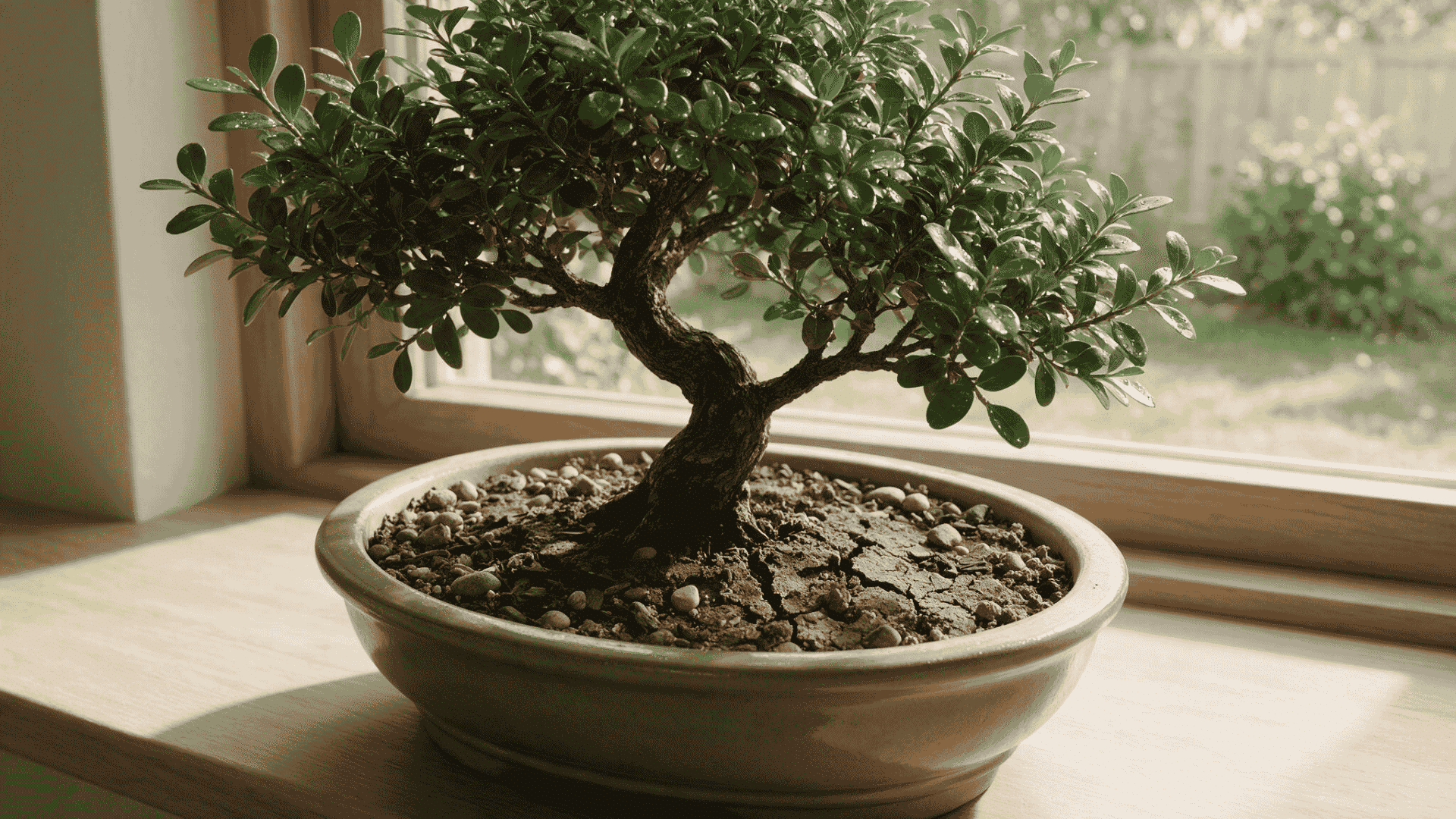
Bonsai soil should not stay bone dry for long.
When the soil dries out completely, the roots can become stressed, and the tree may start showing signs like wilting, yellow leaves, dry leaf edges, or weak growth.
Ways to prevent drying:
- During hot weather, check the soil more often. Small pots, warm rooms, sunny windows, and outdoor wind can all dry the soil faster.
- In cooler months, the tree may need water less often because growth slows and moisture stays in the soil longer.
Watch for Overwatering
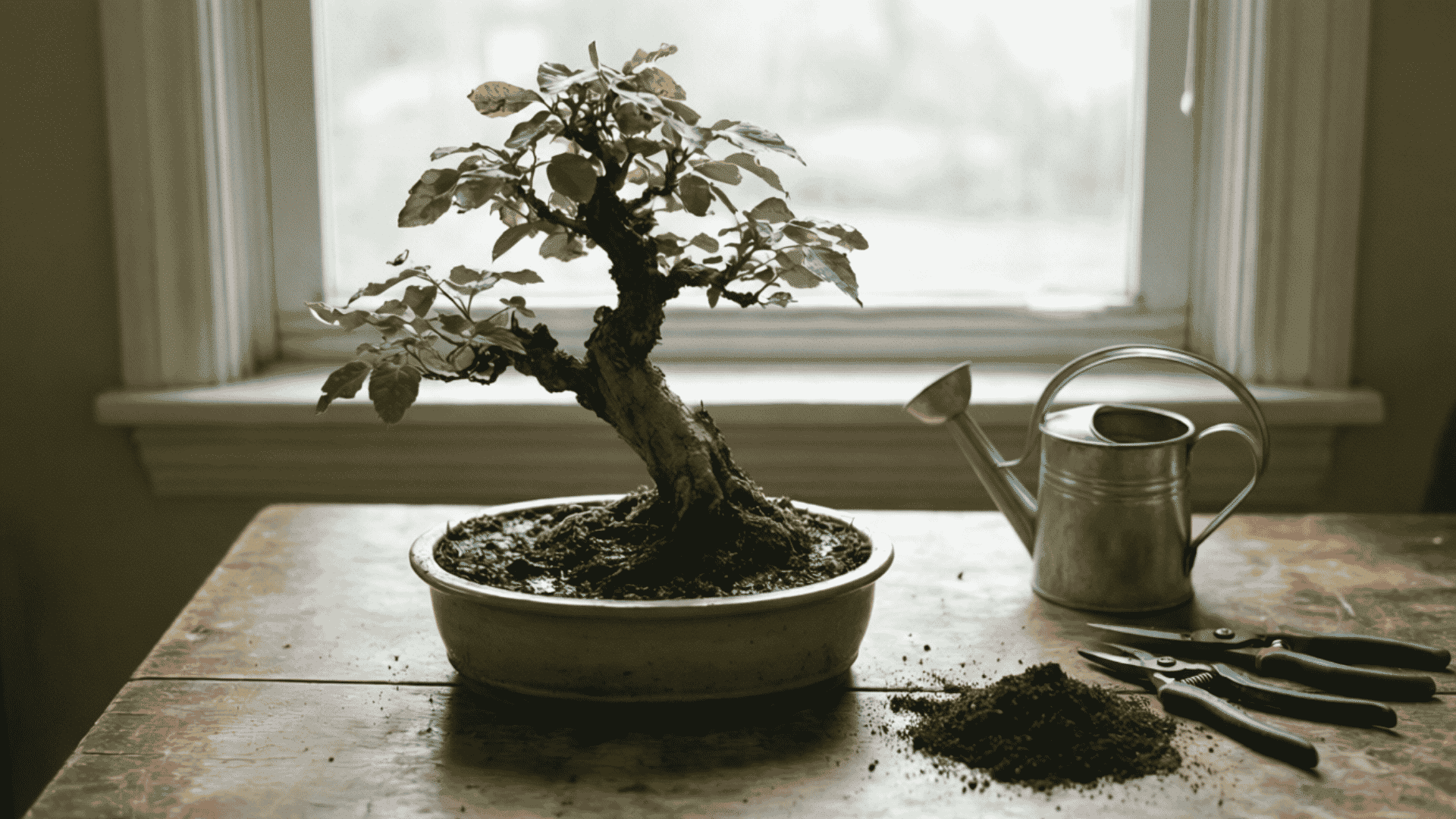
While dry soil can harm a bonsai, constantly wet soil can also cause problems.
Good bonsai watering is about balance.
If the soil stays soggy for too long, the roots may not get enough air. This can lead to yellowing leaves, weak growth, or root trouble.
The soil should become slightly dry before watering again, but it should not stay dry for too long. A well-draining soil mix makes this balance much easier to manage.
Best Sunlight and Placement for a Healthy Bonsai
Light affects leaf growth, branch strength, and overall tree health. The best location depends on the species, but most bonsai need bright, consistent light.
Tips for Placement:
- Place indoor bonsai near a bright window.
- Avoid dark corners, shelves, and low-light rooms.
- Give outdoor bonsai enough natural light.
- Protect sensitive trees from harsh afternoon heat.
- Keep the bonsai in a stable location.
- Rotate the tree occasionally if one side grows more strongly.
- Outdoor bonsai usually need natural seasonal conditions.
Remember: The right placement should be based on the tree’s needs, not only where it looks best.
Choosing the Right Soil for Bonsai Plant Care
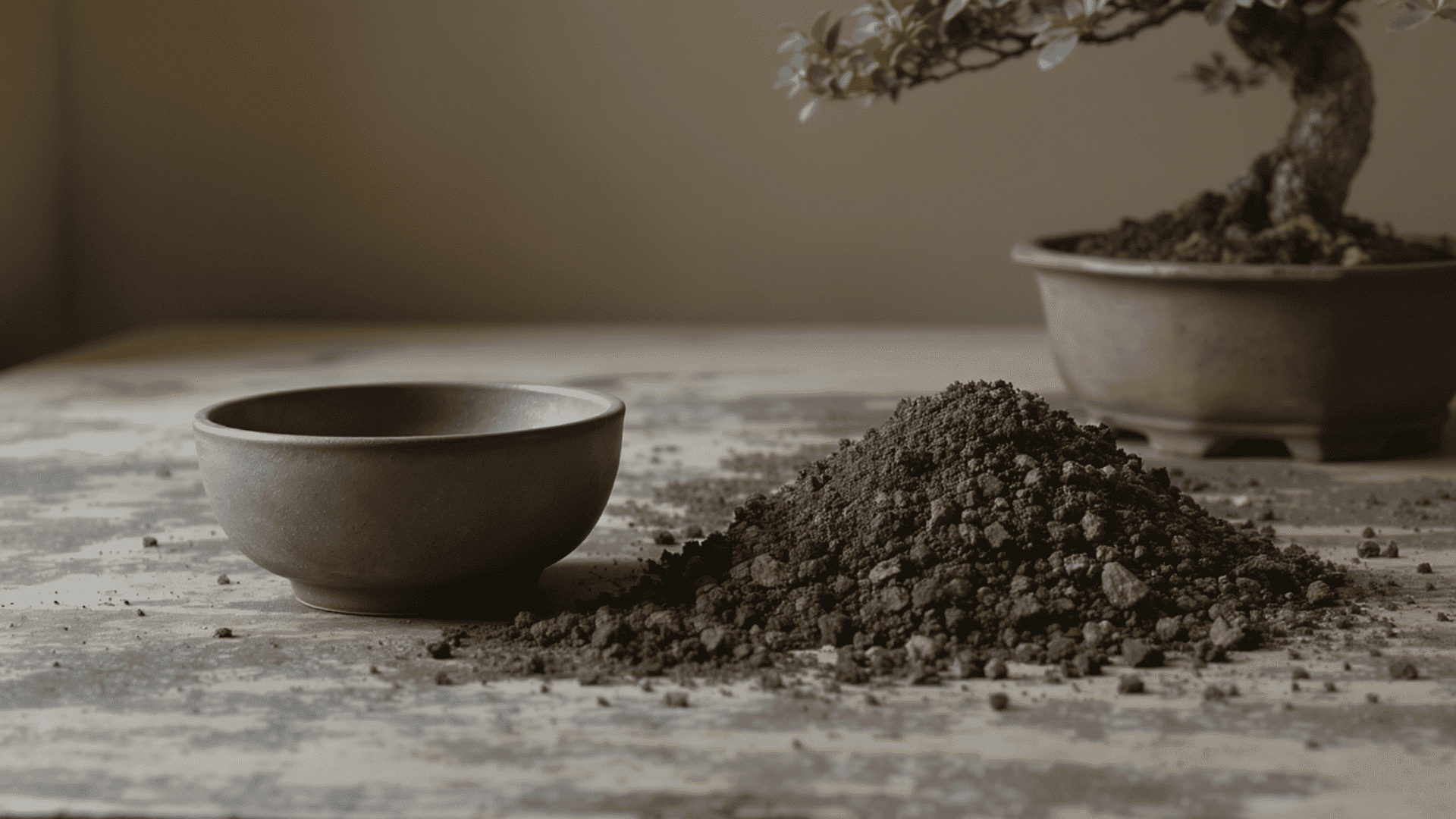
Bonsai soil should drain well, hold enough moisture, and allow air to reach the roots.
Regular garden soil is often too dense for bonsai containers because it can hold too much water and compact around the roots.
| Soil Need | Why It Matters |
|---|---|
| Fast drainage | Prevents roots from sitting in excess water |
| Moisture retention | Keeps roots from drying too quickly |
| Airflow | Helps roots breathe and grow properly |
| Stable structure | Prevents the soil from becoming compacted |
Some Common bonsai soil materials include akadama, pumice, lava rock, gravel, clay-based particles, and ready-made bonsai soil blends.
My Advice: Beginners should start with a quality bonsai soil mix instead of trying to create a custom blend right away.
Good drainage is especially important. If water stays trapped in the pot for too long, the roots can weaken, and the tree may show yellowing leaves, slow growth, or poor recovery after watering.
How to Prune a Bonsai Without Weakening It
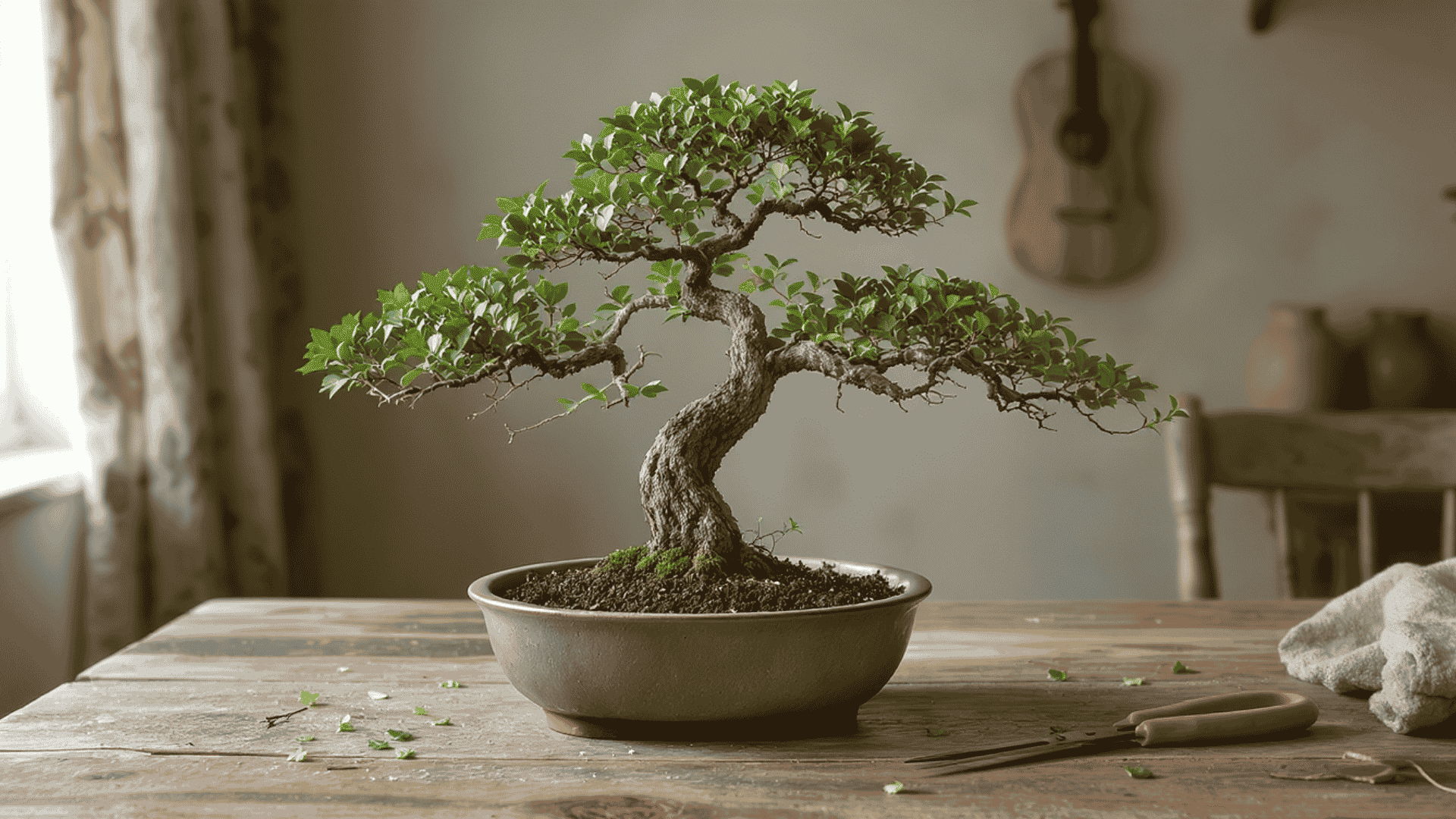
Pruning helps maintain shape, remove weak growth, and guide the structure of the tree. It should be done carefully, especially with young or stressed bonsai.
Step 1: Let Healthy Growth Develop
Healthy growth gives the bonsai enough energy to respond well when trimming begins.
- Allow new growth to develop before trimming it back.
- Fresh shoots help the bonsai build strength, especially during the active growing season.
- Cutting too early or too often can reduce the tree’s energy and slow healthy branch development.
Step 2: Remove Dead or Weak Branches
Once damaged growth is removed, the tree’s natural structure becomes easier to assess.
- Start with basic maintenance before shaping.
- Remove dead leaves, weak branches, and unhealthy growth so the bonsai can direct energy toward stronger areas.
- This also makes the tree’s structure easier to see before making styling cuts.
Step 3: Trim Long Growth With Purpose
With the basic structure visible, selective trimming can improve balance and guide future growth.
- Shorten long shoots when they affect the shape, balance, or structure of the bonsai.
- Avoid cutting only to make the tree smaller.
- Each cut should improve the tree’s form, open crowded areas, or guide growth in a healthier direction.
Step 4: Avoid Heavy Pruning On Stressed Trees
Before making major cuts, check that the bonsai is healthy enough to handle the stress of pruning.
- If the bonsai has yellow leaves, leaf drop, dry soil, or weak growth, avoid major pruning for the moment.
- Focus first on watering, light, soil condition, and recovery.
When and How to Fertilize a Bonsai Plant
Bonsai trees grow in a limited amount of soil, so nutrients can run out faster than they would in a larger container or garden bed.
Fertilizer helps support steady growth during the active season.
| Fertilizing Point | What To Know |
|---|---|
| Why it matters | Bonsai grows in limited soil, so nutrients need to be replaced |
| Best time | Usually during the growing season |
| Type of fertilizer | A balanced houseplant or garden fertilizer can work |
| How often | Depends on the tree species, season, and product instructions |
| What to avoid | Heavy feeding when the tree is weak, stressed, or freshly repotted |
Remember: Overfeeding can damage roots and leaves.If the bonsai is struggling, fix watering, light, drainage, or pest problems before adding more fertilizer.
Repotting and Root Care for Bonsai Plants
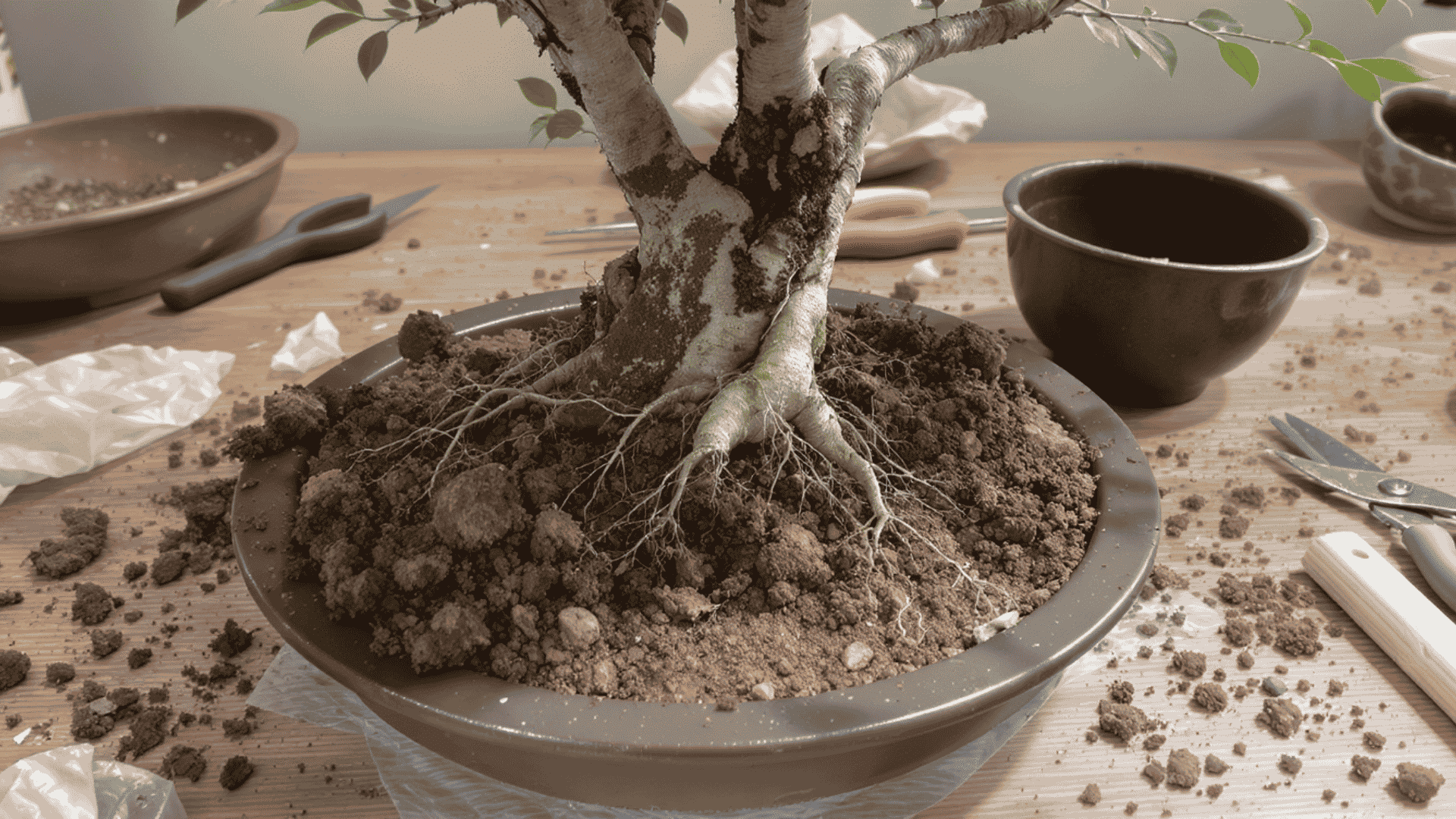
Root care is a major part of bonsai plant care.
Crowded roots can reduce water movement, airflow, and nutrient access inside the pot.
- Why Repotting Matters: Over time, roots can fill the container, leaving less room for fresh soil. Repotting gives the tree new soil and allows the root system to be checked.
- How Often to Repot: Many bonsai trees need repotting every 1 to 2 years, especially younger or faster-growing trees. Older trees may go longer depending on the species, pot size, and root condition.
- Root Trimming vs Larger Pot: Root trimming helps control size and keeps the bonsai balanced in its container. Moving the tree to a slightly larger pot can help if the tree needs more growing space or recovery time.
Temperature and Humidity Needs for Bonsai
Temperature and humidity needs vary by species. Tropical bonsai, indoor bonsai, and outdoor bonsai do not all need the same conditions.
Care Tips:
- Indoor bonsai usually prefer steady temperatures.
- Tropical bonsai should be protected from frost.
- Warm rooms can dry soil faster.
- Dry indoor air may make humidity trays useful.
- Misting can help some species, but not all.
- A humidity tray can help in dry homes. Place water and small stones in a shallow tray, then keep the bonsai pot above the stones.
Indoor vs Outdoor Bonsai Plant Care
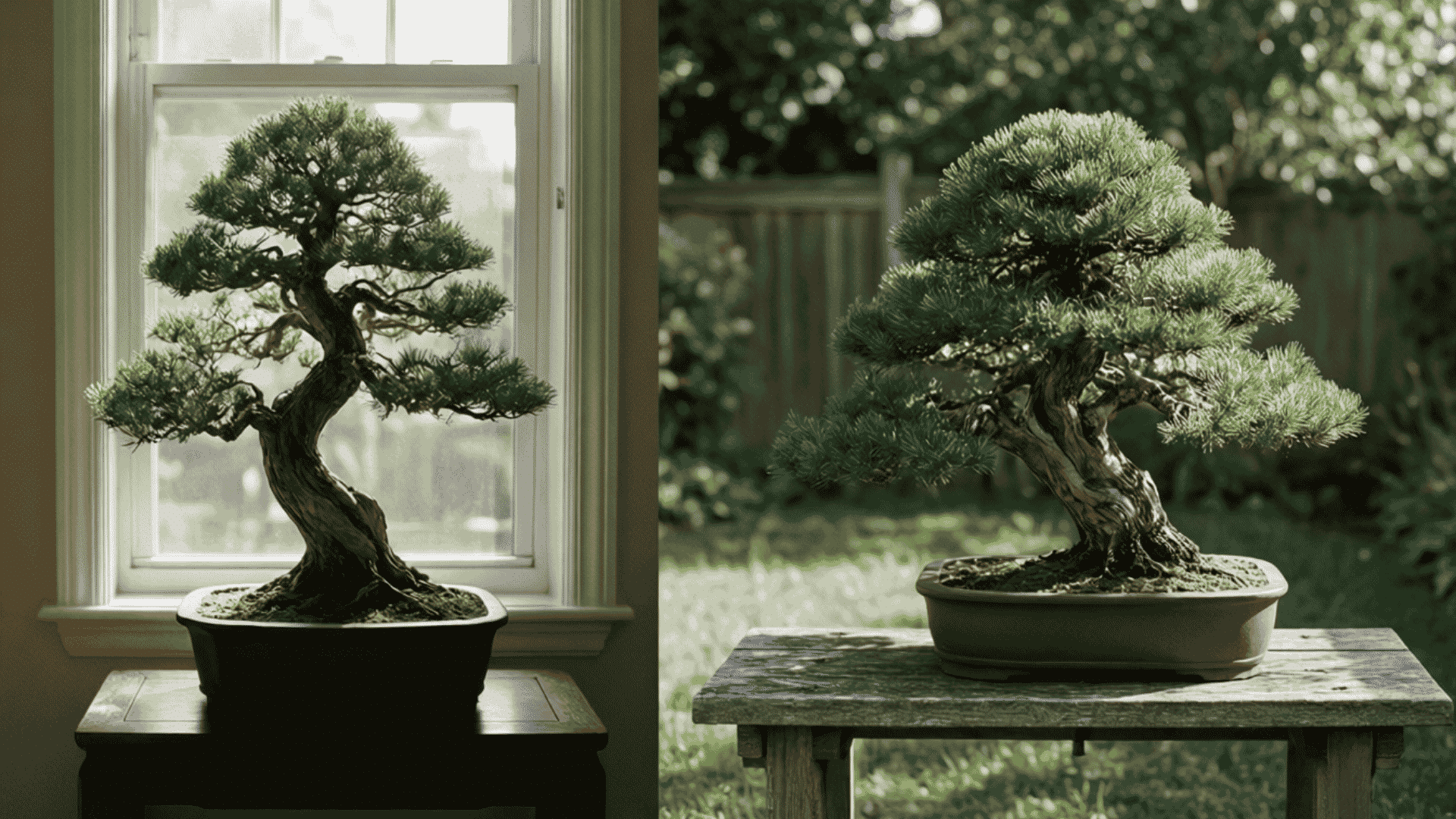
Some bonsai trees are better indoors, while others need outdoor conditions. The species should decide the placement.
| Care Area | Indoor Bonsai | Outdoor Bonsai |
|---|---|---|
| Light | Needs bright window light or a grow light | Needs natural outdoor light |
| Temperature | Usually prefers steady indoor warmth | Needs seasonal care based on species |
| Watering | Soil may dry more slowly indoors | Soil may dry faster in sun and wind |
| Humidity | May need extra humidity support | Usually gets more natural airflow |
| Best for | Tropical trees like ficus or jade | Temperate trees that need outdoor seasons |
Common Bonsai Plant Care Mistakes to Avoid
These mistakes often cause weak growth, leaf drop, poor root health, or slow recovery.
- Watering only by schedule: Soil may be too wet or too dry. Check the soil before watering.
- Keeping the bonsai in low light: Weak growth and leaf drop can happen. Move the tree to a brighter location that suits its species.
- Using heavy soil: Dense soil can reduce airflow around the roots. Use well-draining bonsai soil.
- Pruning too often: Removing too much growth can weaken the tree. Prune slowly and with purpose.
- Moving the tree constantly: Frequent location changes can stress the plant. Choose a suitable spot and keep it stable.
- Ignoring roots: Crowded roots can affect water and nutrient uptake. Repot when the root system needs attention.
- Overusing fertilizer: Too much fertilizer can harm roots and leaves. Feed lightly and follow product instructions.
How to Handle Pests and Weak Bonsai Plants
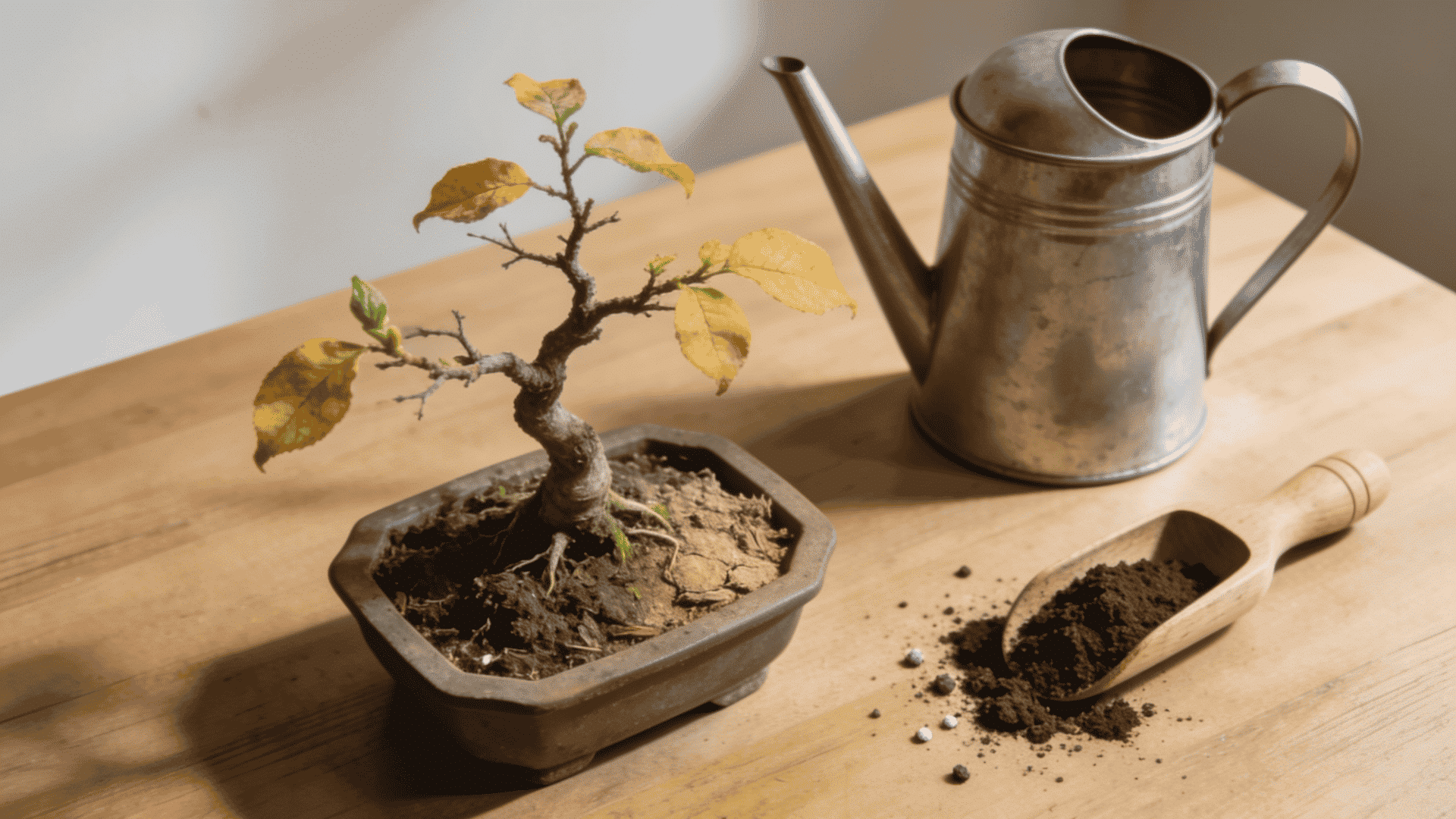
Pests and weak growth should be handled early, but avoid changing everything at once.
Start by observing the plant closely, then check the most common causes one by one.
| What You Notice | What It Could Mean | What To Check First |
|---|---|---|
| Yellow leaves | Water stress, poor drainage, low light, or root issues | Soil moisture, drainage, and light level |
| Leaf drop | Sudden change in care, dry soil, pests, or weak roots | Recent location changes, watering routine, and pests |
| Sticky leaves | Possible pest activity | Undersides of leaves, stems, and new growth |
| Tiny webs or insects | Spider mites, aphids, mealybugs, or fungus gnats | Leaves, stems, soil surface, and pot edges |
| Weak new growth | Low light, root crowding, poor nutrition, or stress | Light level, roots, fertilizer routine, and overall care |
Common bonsai pests include aphids, mealybugs, spider mites, and fungus gnats.
Check the plant regularly, especially under the leaves and around new growth, because pests are easier to manage when caught early.
If the bonsai looks weak, focus on the basics first:
- Soil moisture
- Light
- Drainage
- Pest activity
- Root condition
- Temperature changes
Make one adjustment at a time so you can see what actually helps the tree recover.
My Advice: If the tree is badly stressed, it may recover better in a slightly larger temporary growing container before returning to a display pot.
Final Thoughts
Bonsai plant care becomes much easier when the basic needs are handled in the right order. Watering, sunlight, soil, pruning, fertilizer, repotting, root care, humidity, and pest checks all work together to keep the tree healthy.
The most important habit is regular observation.
Check the soil before watering, keep the bonsai in suitable light, use a well-draining soil mix, and prune only when it supports the tree’s shape or health.
If the plant shows yellow leaves, weak growth, pests, or poor drainage, adjust one part of the care routine at a time.
A bonsai does not need rushed care. With steady attention and small corrections, it can stay healthy, balanced, and easier to maintain as it grows.
Share your bonsai care experience in the comments and tell me what has helped your plant grow healthier.
Frequently Asked Questions
Is Bonsai Plant Care Hard For Beginners?
Bonsai plant care is not hard when you follow the basics. Check soil moisture, give enough light, use draining soil, and prune slowly.
What Is The Rule Of 3 In Bonsai?
The rule of 3 in bonsai is a design idea that uses three main visual points to create balance, depth, and natural movement.
Should I Keep My Bonsai In The Same Pot Forever?
No. Bonsai roots can become crowded over time. Repotting refreshes the soil, improves drainage, and helps the roots stay healthy.
Should Bonsai Plants Be Kept In Direct Sunlight?
Some bonsai like direct sunlight, while others need gentler bright light. The right amount depends on the tree species and climate.
Jordan Mathews, who has a degree in horticulture from Texas A&M University, has been a guiding force in plant health and sustainable gardening for over 16 years. His career began with a role at a renowned botanical garden, where he deepened his understanding of plant physiology and eco-friendly cultivation methods. Jordan joined our website as a freelancer in 2020, becoming a go-to expert for readers seeking advice on nurturing diverse plant species apart from offering insights grounded in scientific knowledge and practical experience. Beyond his professional achievements, Jordan is a keen nature photographer, capturing the beauty of flora in its immensely diversified forms.