
Nitrogen supports healthy plant growth, especially the leaves and stems that drive photosynthesis. But adding more fertilizer is not always the right first step.
If you are figuring out how to add nitrogen to soil, the best method depends on how quickly your plants need nutrients and what your soil already contains.
Compost can improve soil gradually, while composted manure adds both nutrients and organic matter.
Concentrated organic fertilizers offer a stronger nitrogen boost, and granular or liquid fertilizers can work faster when plants need more immediate feeding. Legume cover crops are another option for building nitrogen over time.
This article explains how to select, apply, and manage each option without adding more nitrogen than plants need.
How to Add Nitrogen to Soil
You can add nitrogen to soil with compost, composted manure, high-nitrogen organic fertilizers, commercial nitrogen fertilizers, liquid feeds, legume cover crops, or nitrogen-rich plant materials.
The best choice depends on how quickly plants need nitrogen and whether you are feeding an active crop or improving soil for later use.
Choose a faster-acting fertilizer for an immediate need, or an organic amendment such as compost when gradual feeding and soil improvement are the priority.
For a fast response, use a liquid feed or readily available nitrogen fertilizer. For slower feeding and added organic matter, choose compost or composted manure.
Blood meal, feather meal, and similar high-N amendments provide more concentrated organic options. Legume cover crops can help prepare an empty bed between growing seasons, while nitrogen-rich green materials can be recycled through compost.
| For example, a tomato bed needing nitrogen during active growth requires a different approach than an empty bed being prepared for next spring. |
Always base application rates on soil-test recommendations and product labels.
Check Whether the Soil Actually Needs Nitrogen
Before adding nitrogen, check:
- What is growing
- What fertilizers have already been used
- Whether compost or manure has been applied recently
Soil organic matter and current soil-test recommendations also matter. Pale or weak growth can sometimes point to low nitrogen, but plant appearance alone cannot tell you how much nitrogen to add.
Treat the soil test as the main decision point rather than adding fertilizer based only on leaf color. This is especially important in beds that receive compost or manure regularly.
Those materials can raise levels of phosphorus and other nutrients over time, even when plants may still need additional nitrogen.
Also note whether the problem affects the whole plant or only certain leaves. Combining these observations with soil-test results helps you choose a nitrogen source and application rate without unnecessary nutrient buildup.
7 Ways to Add Nitrogen to Soil
There is no single best method for adding nitrogen to soil. The right choice depends on how quickly plants need nutrients, the condition of the soil, what you are growing, and whether you want an immediate or longer-term result.
Use the methods below to match the nitrogen source to what your soil and plants need now.
1. Add Finished Compost for Slow Feeding
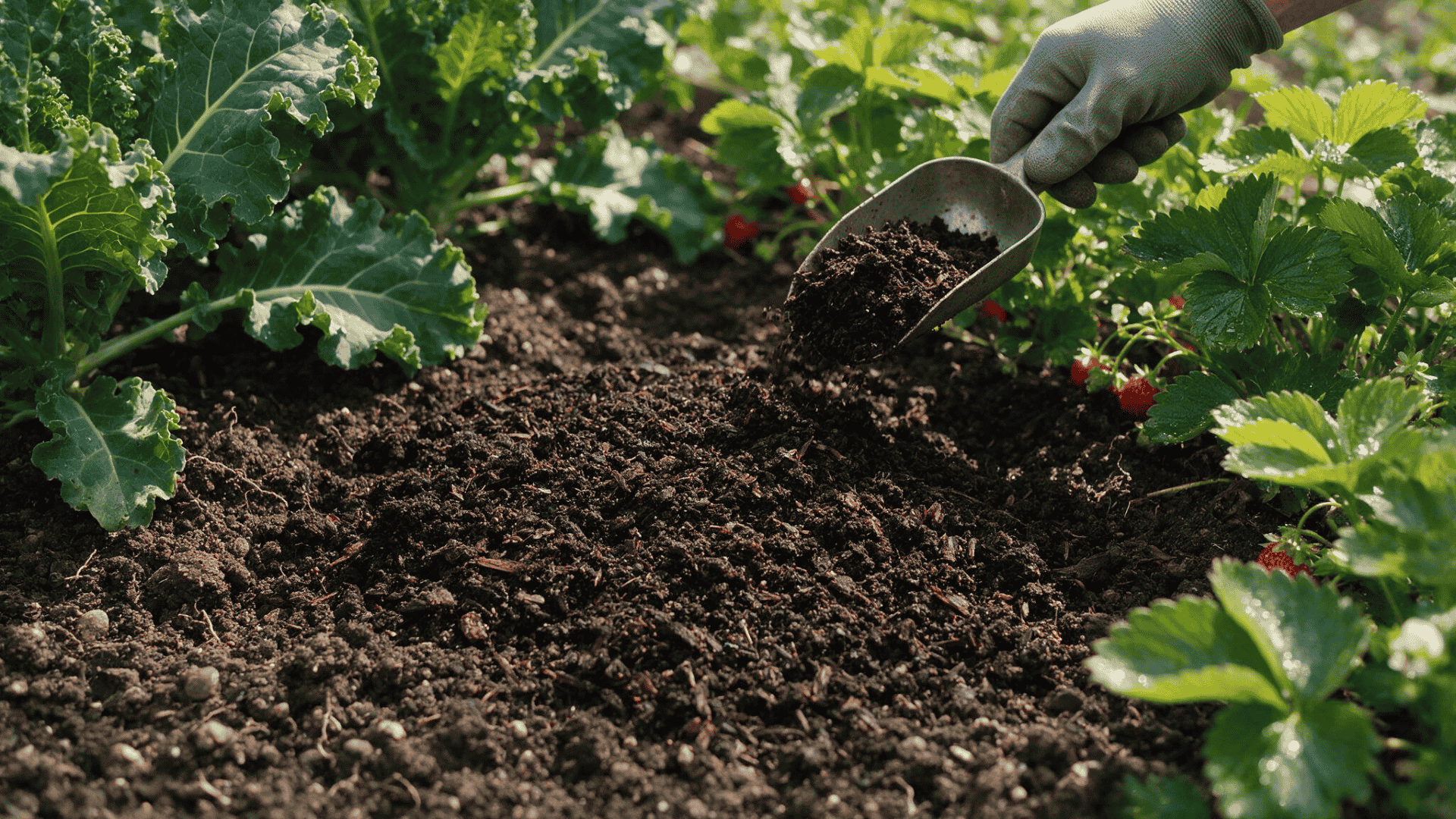
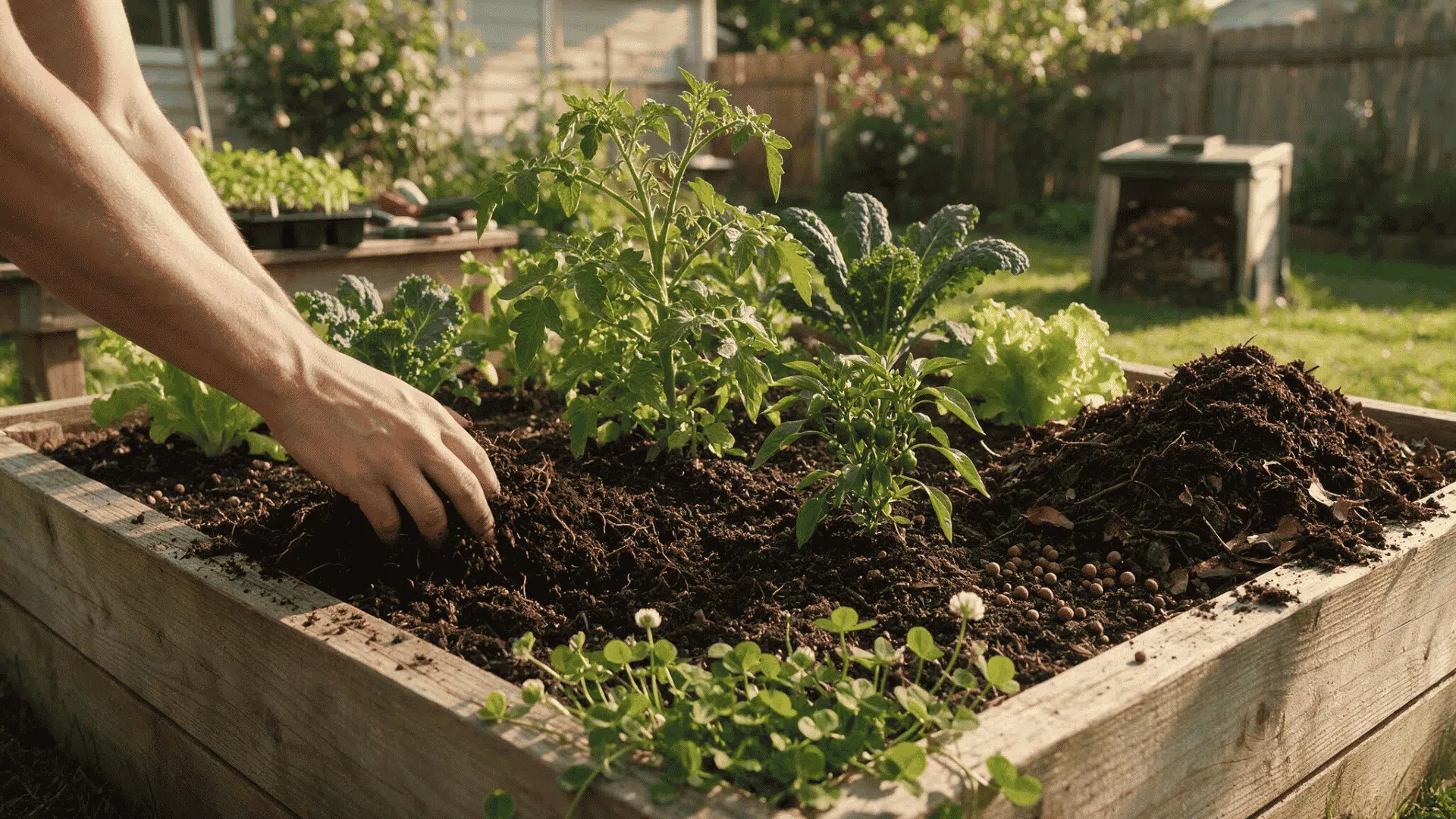
Finished compost is useful when adding nitrogen to soil is part of a broader goal of improving soil structure, stability, and organic matter.
It releases nutrients gradually, so it is better for preparing beds or maintaining soil than correcting an urgent nitrogen shortage. Spread compost according to soil-test guidance, then incorporate it or use it as a top dressing.
For existing plants, spread it around the soil surface without piling it directly against stems.
Avoid heavy repeated applications because compost can also contribute excess nutrients and salts over time.
2. Use Composted Manure Carefully
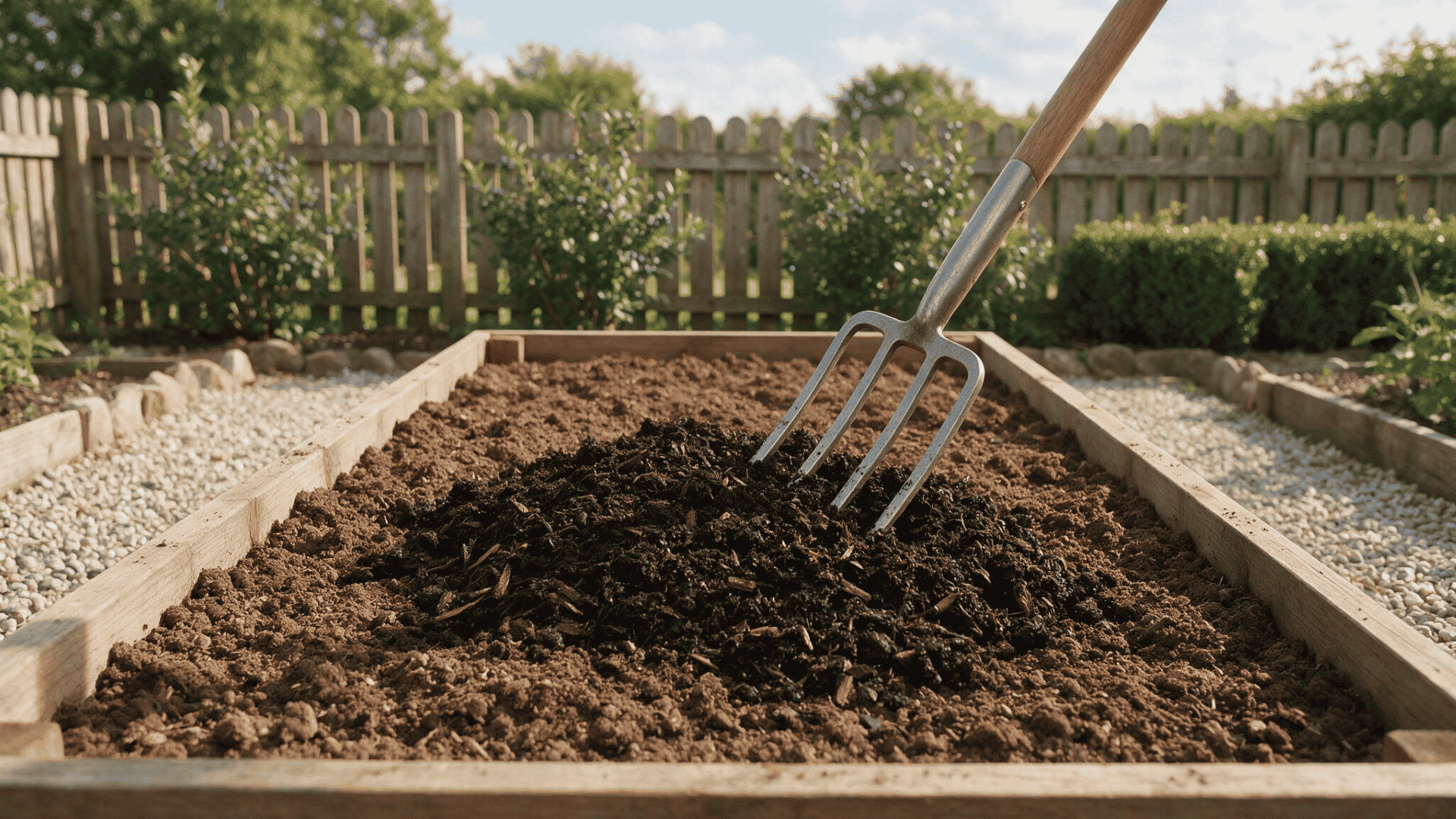
Composted manure can add nitrogen and organic material at the same time, but its nutrient content varies with the animal source, storage, and treatment.
Use properly composted manure, especially around edible crops, and follow soil-test recommendations. I would avoid using manure repeatedly just to increase nitrogen because it also supplies phosphorus and potassium.
Over time, those nutrients can accumulate even when nitrogen remains the main nutrient plants require.
3. Apply a High-Nitrogen Organic Fertilizer
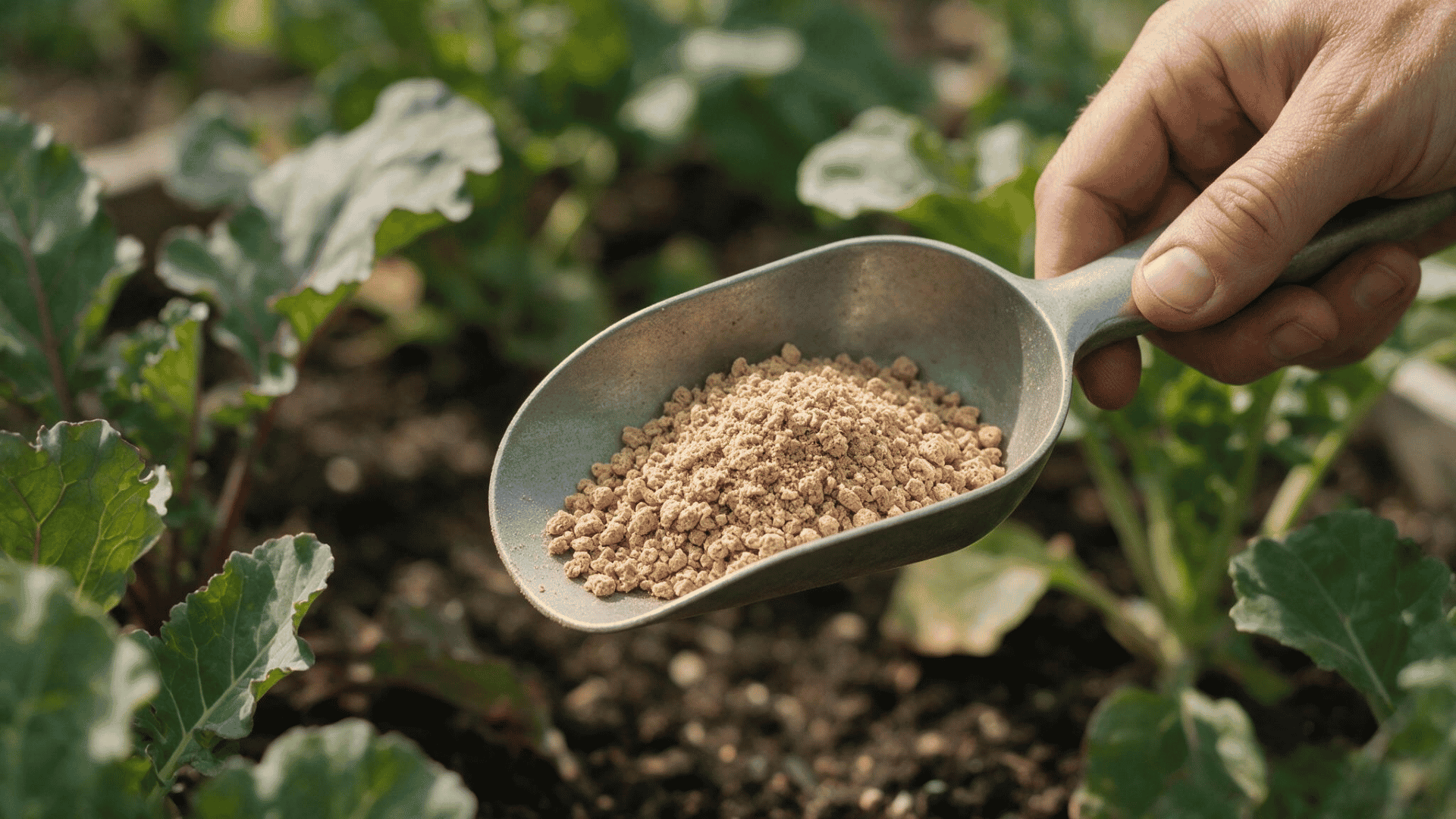
When the main goal is adding nitrogen rather than more organic matter, a concentrated organic fertilizer can be more targeted.
Options include blood meal, feather meal, alfalfa-based fertilizers, and other products labeled with a high nitrogen content. Check the first number in the N-P-K ratio because it represents nitrogen.
Measure the area you are treating, then apply the product at the labeled rate.
Compare products based on that value, then follow the manufacturer’s application rate instead of assuming all organic fertilizers can be applied in the same amount.
4. Use Granular Nitrogen Fertilizer for Controlled Feeding
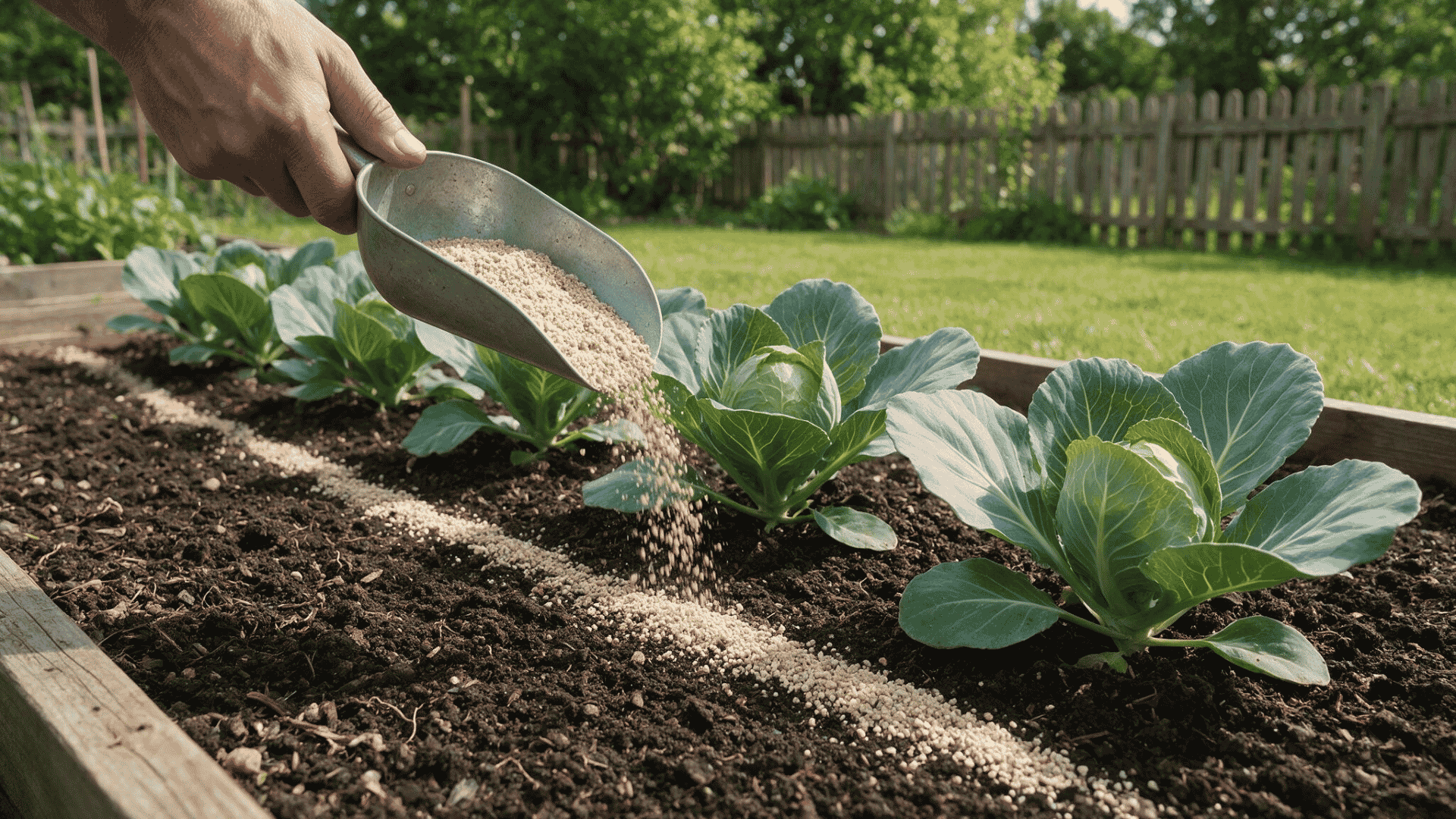
Granular fertilizer provides a measured way to add nitrogen to soil when a soil test shows a clear need. Choose an N-P-K ratio that matches the recommendation rather than automatically using a balanced fertilizer.
If phosphorus is already sufficient, for example, avoid adding more simply to obtain nitrogen. Both quick- and slow-release formulas are available.
Measure the planting area first and calculate the required product amount from its nitrogen percentage rather than scattering granules by eye.
5. Use Liquid Fertilizer When Plants Need Faster Feeding
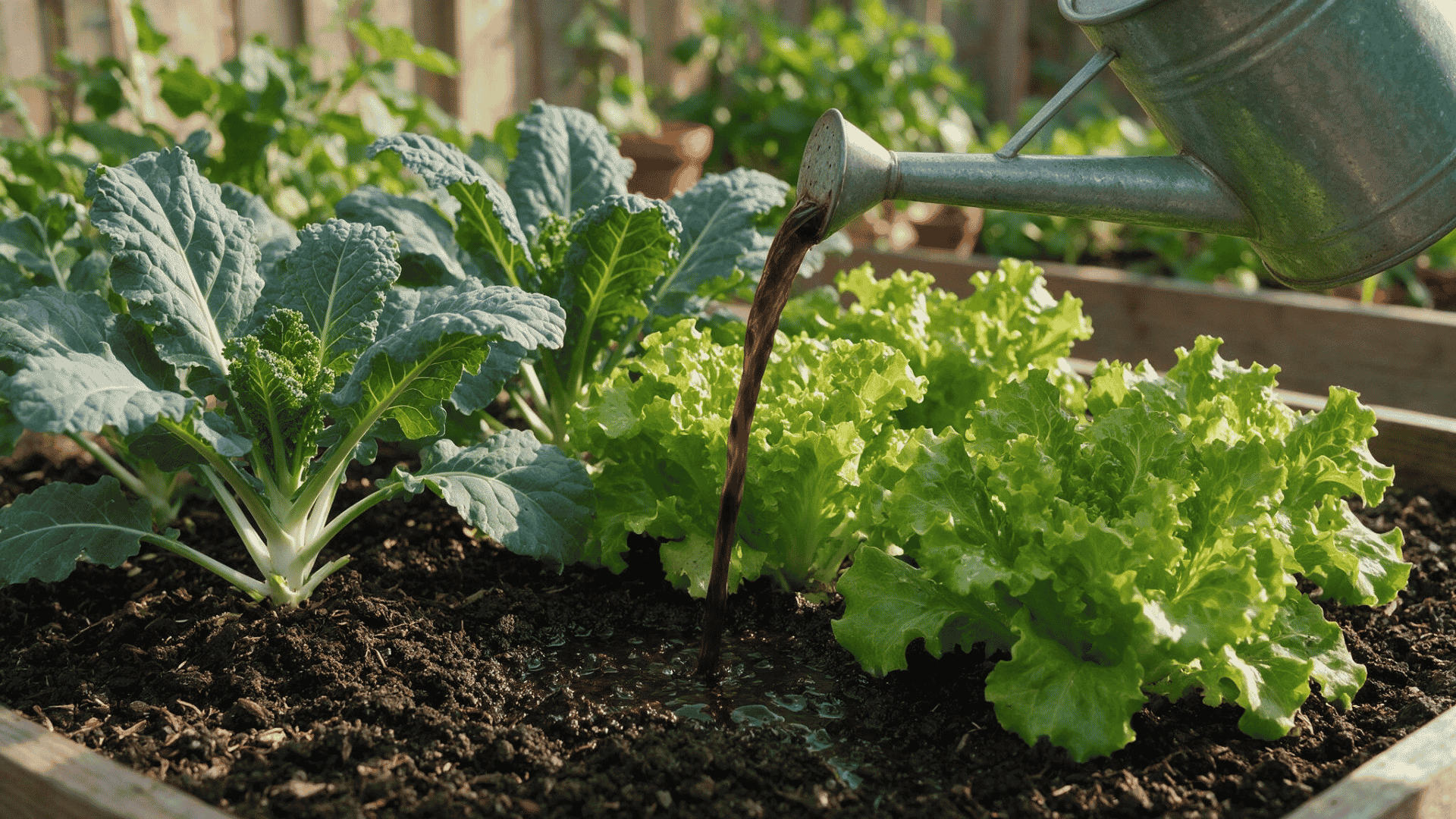
Liquid fertilizer is useful when actively growing plants need nitrogen sooner than compost or other slowly decomposing materials can provide it.
For gardeners researching how to add nitrogen to plants, this is often one of the more practical in-season methods. Dilute the product exactly as directed and apply it around the root zone where specified.
Do not make the mixture stronger for faster results, and account for fertilizer already used during the season to reduce the risk of overfeeding.
6. Grow Legume Cover Crops
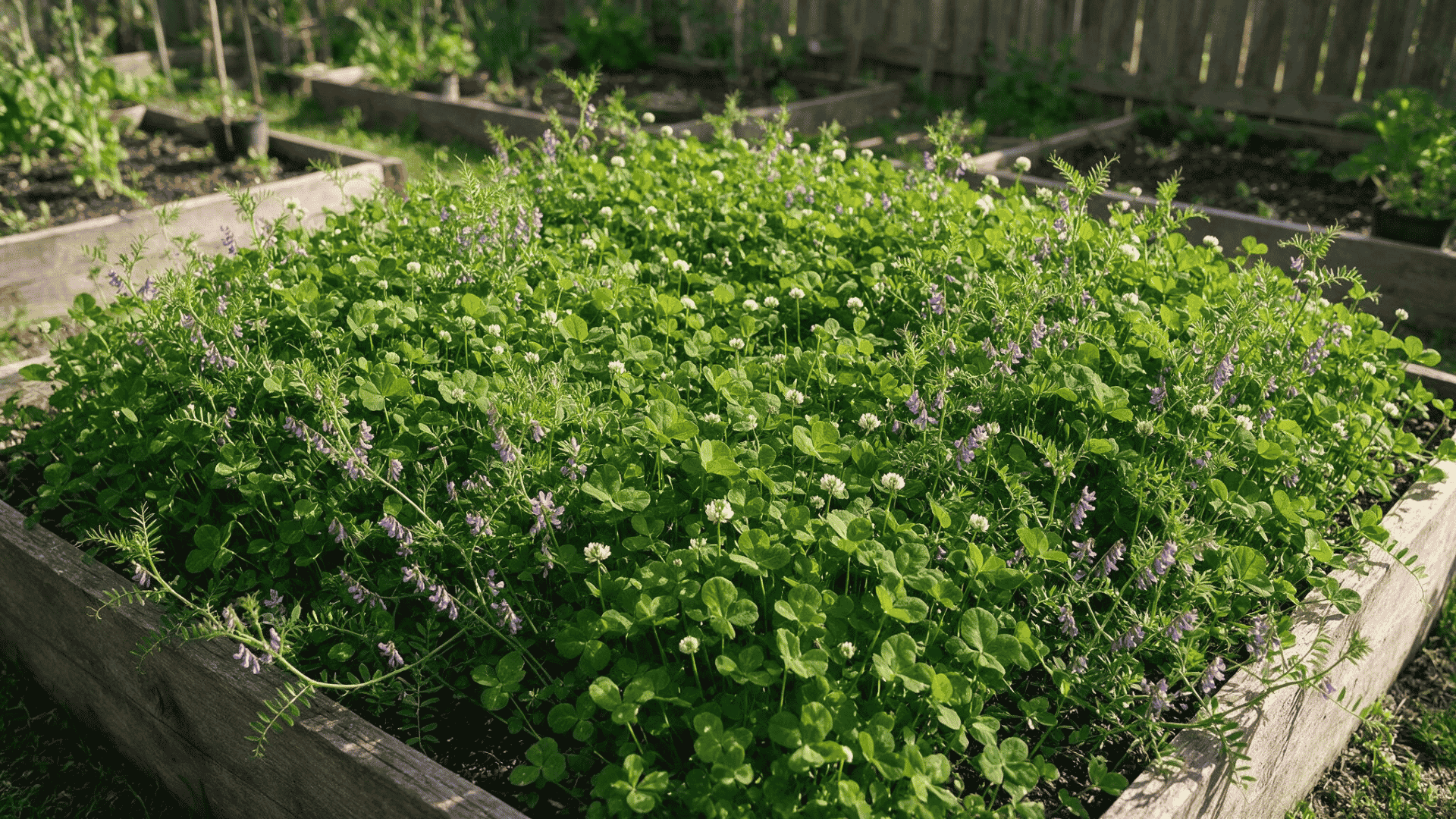
Legume cover crops offer a longer-term approach to adding nitrogen to soil, especially when a bed will remain empty between main crops.
Clover, hairy vetch, field peas, and cowpeas are common options where growing conditions suit them.
These plants work with nitrogen-fixing bacteria, and some of that nitrogen can support later crops as plant residues break down.
Because the process takes time, cover crops are better for planned soil management than correcting an immediate nutrient shortage.
7. Recycle Nitrogen-Rich Garden Materials
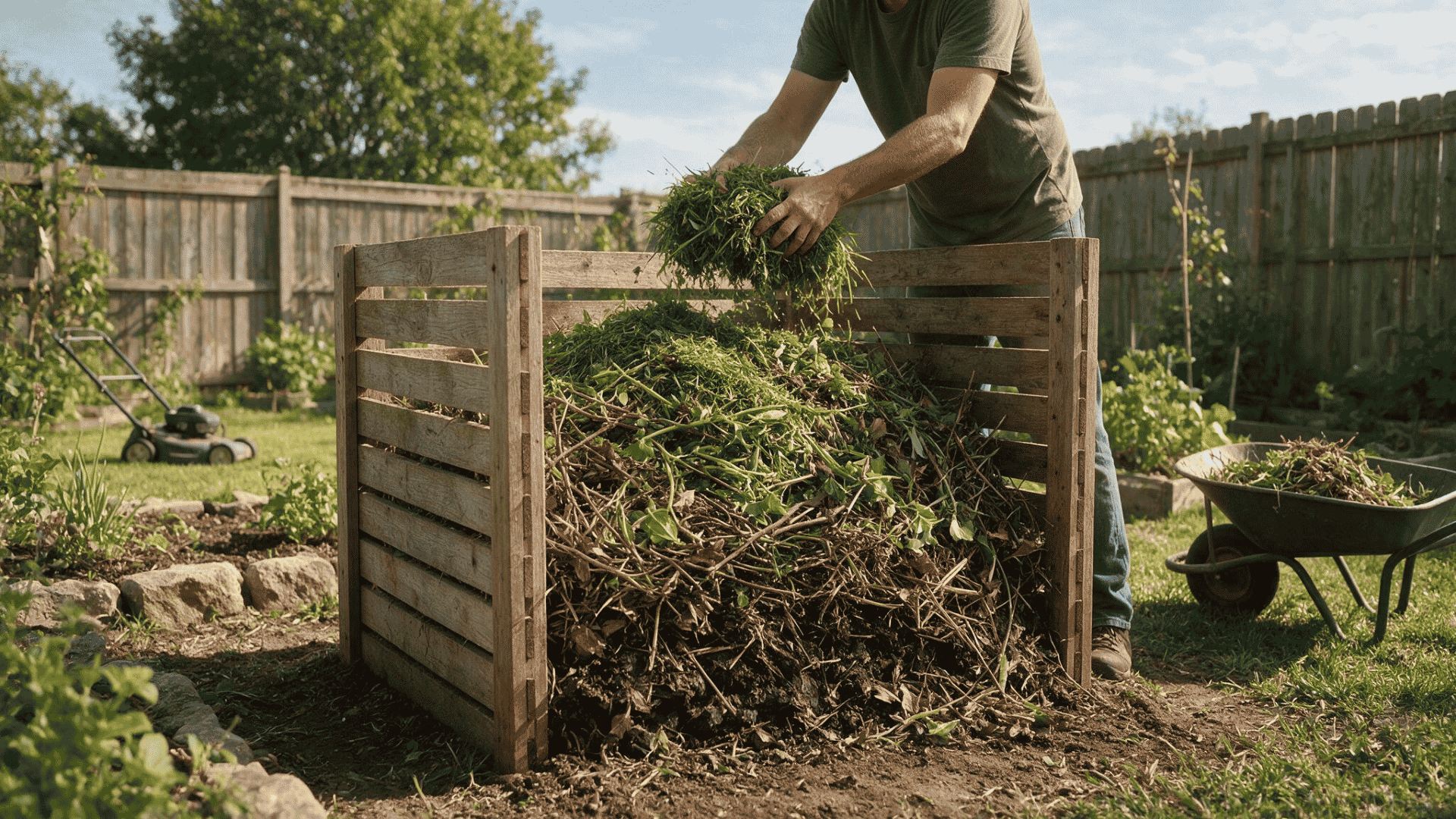
Fresh grass clippings and other green plant materials contain relatively high amounts of nitrogen and can return nutrients to the garden as they decompose.
Add them to compost or use suitable clean materials as mulch rather than treating them as a precisely measured fertilizer.
Their nutrient release varies, so they are better for recycling organic material than correcting a known deficiency.
Avoid using grass clippings recently treated with herbicides unless the product label specifically allows their use in gardens.
How to Add Nitrogen to Plants Without Overfeeding Them
Knowing how to add nitrogen to plants is as much about application as fertilizer choice.
- Start with the soil-test recommendation, then measure the growing area and check the fertilizer label for its nitrogen percentage.
- Apply only the calculated or labeled amount, and time feeding for periods when plants are actively using nutrients.
- Afterward, reassess plant growth and soil needs before adding more.
I would avoid treating nitrogen as something that can simply be topped up whenever growth looks slow.
Nitrogen is relatively mobile in soil, and applications that exceed plant demand can be lost before roots use them. Nitrate may move with water beyond the root zone or into surface and groundwater.
A measured, well-timed application is therefore more useful than applying extra fertilizer “just in case.”
Apply Nitrogen When Plants Can Use It
Apply nitrogen when plants are actively growing and able to use the nutrient rather than making large applications long before it is needed.
Matching nutrient availability with plant demand can improve nitrogen-use efficiency and reduce losses from the soil.
The ideal timing varies with the crop, climate, soil conditions, and fertilizer formulation, so follow crop-specific recommendations where available.
Reassess plant needs before repeating an application instead of fertilizing automatically on a fixed schedule.
Water and Place Fertilizer as Directed
Follow the fertilizer label to determine whether the product should be watered in, incorporated into the soil, side-dressed near plants, or diluted before application.
Correct placement helps put nutrients where active roots can reach them while limiting unnecessary losses. I would follow the product-specific directions rather than use one application method for every fertilizer.
Before applying more nitrogen, use these checks to confirm that another application is actually needed.
| Application Check | What to Confirm |
|---|---|
| Soil recommendation | How much nitrogen the soil or crop requires |
| Growing area | The square footage or bed size being treated |
| Fertilizer label | Nitrogen percentage and recommended rate |
| Timing | Whether plants are actively growing and using nutrients |
| Placement | Whether the product should be incorporated, diluted, side-dressed, or watered in |
| Follow-up | Whether another application is needed before adding more |
Avoid these Mistakes When Adding Nitrogen
Even when you know how to add nitrogen to soil, poor application choices can create new problems. Watch for these common mistakes:
- Adding Nitrogen without Checking Need: Use soil-test results and plant requirements first.
- Applying Extra Fertilizer for Faster Growth: Follow the calculated amount or product label instead.
- Using Manure Every Year for Nitrogen: Monitor phosphorus and potassium so they do not build up.
- Adding Unfinished High-Carbon Materials: Compost them first when possible because decomposition can temporarily tie up available nitrogen.
- Treating Compost as an Instant Fertilizer: Choose a faster nitrogen source when plants need an immediate response.
- Relying on Household Remedies: Base applications on known nutrient content rather than online claims.
For example, repeatedly adding manure to pale plants may raise phosphorus even when a more targeted nitrogen fertilizer would better match the soil’s needs.
Final Takeaway
Learning how to add nitrogen to soil starts with checking what the soil and plants actually need.
Compost works best for gradual soil improvement, while composted manure can add nutrients and organic matter when used carefully.
Targeted organic or conventional fertilizers are better when nitrogen is the main requirement, and liquid products can support in-season feeding when used as directed.
Legume cover crops are useful when you have time to build nitrogen between plantings.
The key is not finding one “best” nitrogen source. It is matching the source, amount, and timing to the crop while measuring applications instead of guessing.
What method have you used to add nitrogen to your soil? Share your experience or questions in the comments.
Frequently Asked Questions
What is the Fastest Way to Add Nitrogen to Soil?
Soluble liquid fertilizers or other readily available nitrogen fertilizers usually work faster than compost, manure, or cover crops. Apply them according to soil needs and label directions.
Do Coffee Grounds Add Nitrogen to Soil?
Coffee grounds contain nitrogen, but they are not a predictable quick fertilizer. Large direct applications can temporarily reduce available nitrogen while microbes break the material down.
Can You Add Too Much Nitrogen to Soil?
Yes. Too much nitrogen can exceed plant demand and increase nutrient losses. Follow soil-test recommendations and fertilizer labels instead of applying extra nitrogen for faster growth.
Do Legumes Add Nitrogen to Soil?
Yes. Legumes such as clover, peas, and vetch work with nitrogen-fixing bacteria. Their residues can contribute organic nitrogen to the soil as they decompose.
Is Compost or Fertilizer Better for Adding Nitrogen?
Neither is always better. Compost supports gradual soil improvement, while fertilizer with a known nitrogen percentage is easier to measure when plants need targeted nitrogen feeding.

Jordan Mathews, who has a degree in horticulture from Texas A&M University, has been a guiding force in plant health and sustainable gardening for over 16 years. His career began with a role at a renowned botanical garden, where he deepened his understanding of plant physiology and eco-friendly cultivation methods. Jordan joined our website as a freelancer in 2020, becoming a go-to expert for readers seeking advice on nurturing diverse plant species apart from offering insights grounded in scientific knowledge and practical experience. Beyond his professional achievements, Jordan is a keen nature photographer, capturing the beauty of flora in its immensely diversified forms.