

A new air conditioning system is not just a home improvement project. It changes how your home feels every day during warm weather, especially in bedrooms, kitchens, living rooms, finished basements, and upper floors that tend to hold heat.
Many homeowners start thinking about replacement only after their old system struggles, breaks down, or becomes too expensive to run. But the best results usually come from planning ahead. A properly chosen and professionally installed cooling system can improve comfort, reduce energy waste, and make the home easier to live in through the hottest part of the year.
Before scheduling installation, it helps to understand what actually matters: home size, layout, insulation, airflow, humidity, equipment placement, and how your family uses each part of the house.
Start With the Way Your Home Feels Now
Before replacing an air conditioner, pay attention to the comfort problems you already notice. These details help identify whether your current system is simply old, poorly sized, badly installed, or no longer suited to the home.
Common signs include:
- some rooms stay warmer than others;
- the system runs for a long time without cooling evenly;
- upstairs bedrooms feel hot at night;
- humidity stays high indoors;
- energy bills have increased without a clear reason;
- airflow from vents feels weak;
- the outdoor unit is noisy or unreliable;
- repairs are becoming more frequent.
These patterns matter because a new system should solve real comfort problems, not just replace old equipment with a newer version of the same issue.
For example, if the second floor never cools properly, equipment replacement alone may not fix the problem. The home may also need airflow balancing, ductwork evaluation, insulation improvements, or a different comfort strategy for specific zones.
Think Beyond the Size of the Unit
One of the biggest mistakes homeowners make is assuming that a larger air conditioner will automatically cool better. In reality, an oversized system can create problems.
If the unit is too large, it may cool the air quickly but shut off before removing enough humidity. That can leave the house feeling cold and damp rather than truly comfortable. If the unit is too small, it may run constantly and still struggle to keep up during hot weather.
The right system depends on several factors:
| Factor | Why it matters |
|---|---|
| Square footage | Helps estimate cooling demand, but is not enough by itself |
| Ceiling height | Taller rooms require more careful load planning |
| Windows and sun exposure | Large or west-facing windows can increase heat gain |
| Insulation | Poor insulation makes cooling less efficient |
| Ductwork condition | Leaks or restrictions can reduce performance |
| Home layout | Open layouts and multi-story homes may need special attention |
| Occupancy | More people and appliances add indoor heat |
A proper installation starts with understanding the home, not guessing based on the old unit.
Review Your Ductwork and Airflow
The air conditioner is only one part of the cooling system. Ductwork is just as important because it carries cooled air through the home.
If ducts are leaky, poorly sized, dirty, disconnected, or badly routed, even a high-quality system may not perform well. Homeowners often blame the equipment when the real issue is airflow.
Before installation, ask whether the ductwork should be inspected. This is especially useful in older homes, homes with additions, and houses where certain rooms have always been uncomfortable.
Signs of duct or airflow problems include:
- uneven cooling between rooms;
- weak air coming from vents;
- whistling or rattling sounds;
- dusty rooms even after cleaning;
- hot or cold spots;
- high utility bills;
- rooms that cool only when doors are open.
A good installation should include attention to how air moves, not only where the new equipment will sit.
Choose the Right Installation Timing
The best time to plan air conditioning installation is before the system completely fails. Emergency replacement often limits your choices because the priority becomes restoring cooling quickly.
Planning earlier gives you more time to compare system options, ask questions, prepare the home, and schedule installation at a convenient time.
Good times to consider replacement include:
- before peak summer heat;
- after repeated repairs;
- when the system is 10–15+ years old;
- during a larger home renovation;
- when finishing a basement or addition;
- before listing a home for sale;
- after noticing major comfort or humidity issues.
For homeowners comparing local options, working with a contractor experienced in air conditioning installation in Bucks County can help ensure the system is selected for local weather conditions, home styles, and seasonal cooling demands.
Prepare the Home Before Installation Day
A little preparation can make installation smoother and help technicians work efficiently.
Before the appointment, homeowners can:
- clear access to the indoor equipment area;
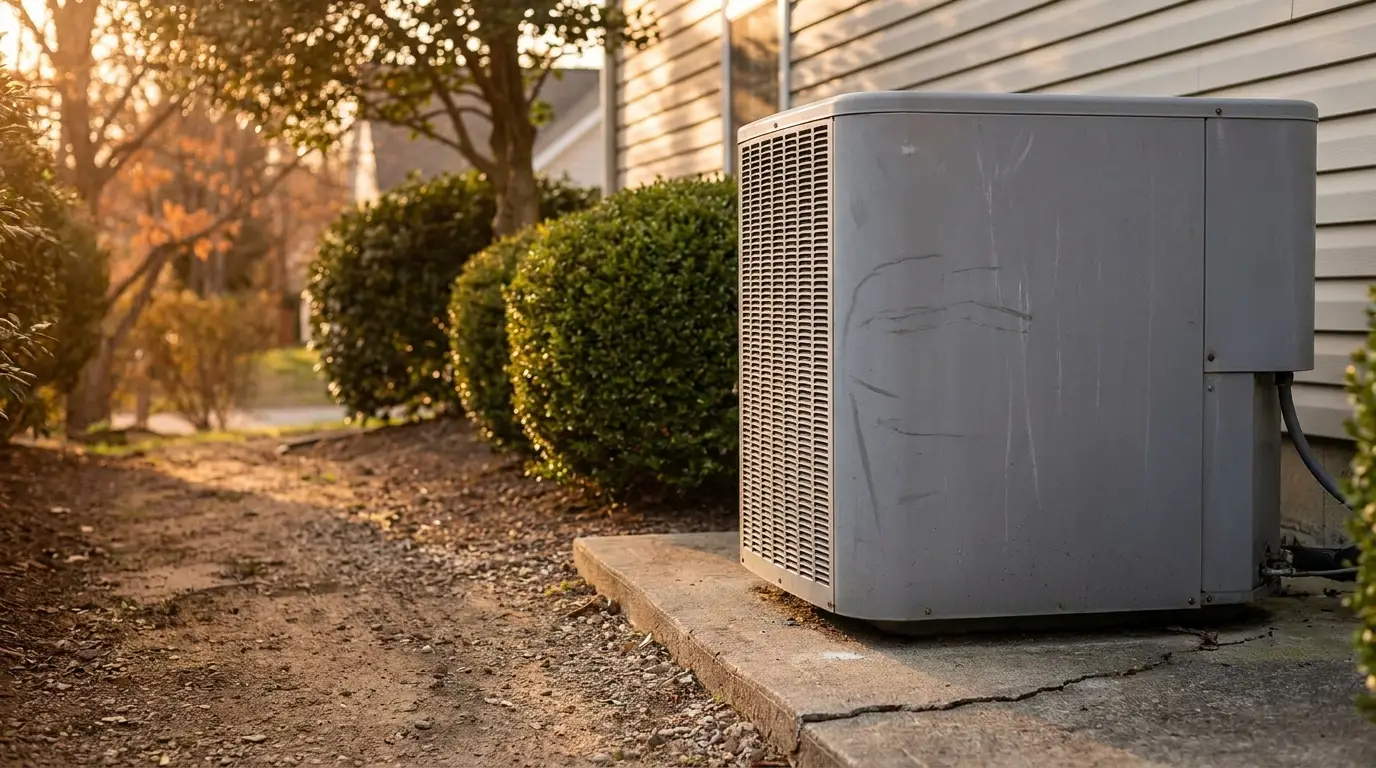
- remove items around the outdoor unit;
- make sure pets are secured;
- provide access to the thermostat, electrical panel, basement, attic, or utility space;
- move fragile items away from work areas;
- confirm where the new outdoor unit will be placed;
- ask how long the installation is expected to take;
- discuss whether cooling will be unavailable during the work.
If the installation involves attic or basement access, it is helpful to clear a safe path in advance. If the outdoor unit is near landscaping, trimming back shrubs or plants may also be useful.
Consider Thermostat and Control Options
A new cooling system is also a good time to think about thermostat control. A modern thermostat can help manage comfort more efficiently, especially if the home has a predictable daily routine.
Programmable and smart thermostats can help homeowners:
- reduce cooling when no one is home;
- maintain better nighttime comfort;
- avoid constant manual adjustments;
- track usage patterns;
- improve system efficiency.
However, controls should match how the household actually lives. A simple programmable thermostat may be enough for some homes, while others may benefit from smart features, remote access, or zoning options.
Do Not Ignore Humidity
Comfort is not only about temperature. Humidity plays a major role in how cool a home feels.
A house set to 74 degrees can still feel uncomfortable if humidity is high. On the other hand, properly controlled humidity can make the home feel more comfortable without lowering the thermostat as much.
During installation planning, ask whether the new system will help manage humidity properly. This depends on correct sizing, airflow, run time, and equipment setup.
Humidity issues are especially common in:
- older homes;
- homes with oversized systems;
- basements;
- poorly ventilated rooms;
- homes with air leaks;
- properties with drainage or moisture concerns.
A well-planned cooling system should support both temperature control and indoor air comfort.
Ask the Right Questions Before Approving the Work
Homeowners do not need to understand every technical detail, but they should feel confident about the basics before moving forward.
Useful questions include:
- How was the system size determined?
- Is the existing ductwork suitable for the new unit?
- Will the installation address uneven cooling?
- What efficiency options are available?
- Where will the outdoor unit be placed?
- Is the thermostat being replaced?
- What maintenance will the new system need?
- What warranties apply to labor and equipment?
- How long should installation take?
Clear answers help prevent surprises and make it easier to compare recommendations.
Plan for Maintenance From the Beginning
A new air conditioning system should be maintained from the start. Regular care helps protect efficiency, comfort, and equipment life.
Basic maintenance includes:
- replacing or cleaning air filters;
- keeping the outdoor unit clear of debris;
- scheduling seasonal professional service;
- checking thermostat settings;
- watching for unusual noises or performance changes;
- keeping vents open and unobstructed.
Homeowners should also avoid waiting until a major issue appears. Small performance changes can be early signs that the system needs attention.
A Better Cooling System Starts With Better Planning
Air conditioning installation is one of those home projects where planning makes a noticeable difference. The goal is not simply to install new equipment. The goal is to create a cooler, more balanced, more comfortable home.
When homeowners take time to understand their current comfort problems, review airflow, choose the right system size, prepare the home, and ask good questions, the installation process becomes much more effective.
A well-installed system should feel almost effortless once it is running. Rooms cool evenly, humidity feels controlled, the thermostat responds predictably, and the home becomes easier to enjoy during hot weather.
That is the real value of a thoughtful air conditioning upgrade: not just colder air, but better everyday comfort.

Holding a Master’s in Architecture from the University of Texas at Austin, Emily Rodriguez has dedicated more than two decades to the art and science of building renovation. Starting her journey in historic preservation, she developed a profound respect for blending old with new in building design. Emily became a vital part of our team in 2019, renowned for her insightful and innovative renovation tips. She has been leading our DIY home improvement series since ever since, where she shares her wealth of knowledge in turning outdated spaces into modern havens. When not engaged in writing or consulting, Emily is a passionate advocate for heritage conservation and enjoys exploring vintage architecture, a hobby that complements her professional expertise.