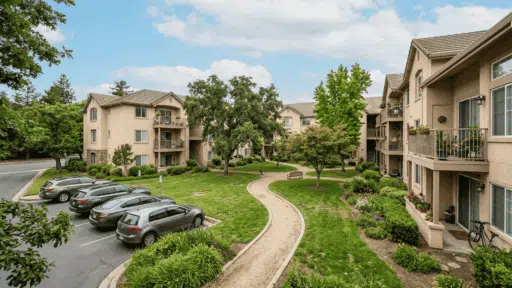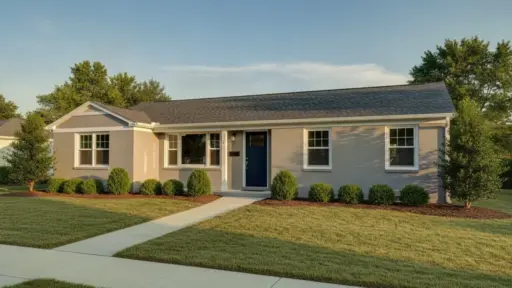
Look closely at housing trends over the past decade, and a few clear patterns begin to appear.
Not immediately. At first all you see are boxes, couches, mattresses, and the occasional lamp that somebody absolutely refuses to part with despite overwhelming evidence that they should. Some changes happened gradually, while others reshaped housing priorities almost overnight.
The conversations people have today sound different from the conversations they had ten years ago. The questions are different. The concerns are different. Even the way people describe their ideal home has changed. A lot. Back then, housing priorities often followed a fairly predictable script. Commute. Square footage. School district. Done.
Now? Not so much.
These changing priorities have become increasingly common among today’s homebuyers. Many people searching for a moving company Massachusetts residents recommend are preparing for homes that can evolve alongside changing lifestyles rather than simply offer more space.
Which sounds uncomfortable for the house, but you get the idea.
Space Means Different Things Today
For years, bigger was often considered better. More space. More rooms. More storage. Simple. Then people started spending a lot more time at home, and something interesting happened — they began looking at rooms differently.
A spare bedroom stopped being a spare bedroom. Now it might be an office. Or a guest room. Or a workout space. Or all three depending on the day and how motivated somebody feels.
Many homeowners now expect a single room to serve several different functions. That’s one of the biggest shifts in housing priorities. People want flexibility inside the home itself.
Home offices became especially important. Not for everyone, obviously. But enough people discovered that taking video calls from the kitchen table gets old surprisingly fast. Particularly when a dog starts barking. Or a blender starts blending. Or both at the same time.
Outdoor space has changed in value, too. Ten years ago, a backyard might have been viewed as a nice bonus. Now many people see it as an extension of the living area. A place to relax, work, entertain, exercise, or simply stare at the sky above for fifteen minutes after a long day. Which, by the way, can be a highly productive activity.
Location Is Being Evaluated Differently
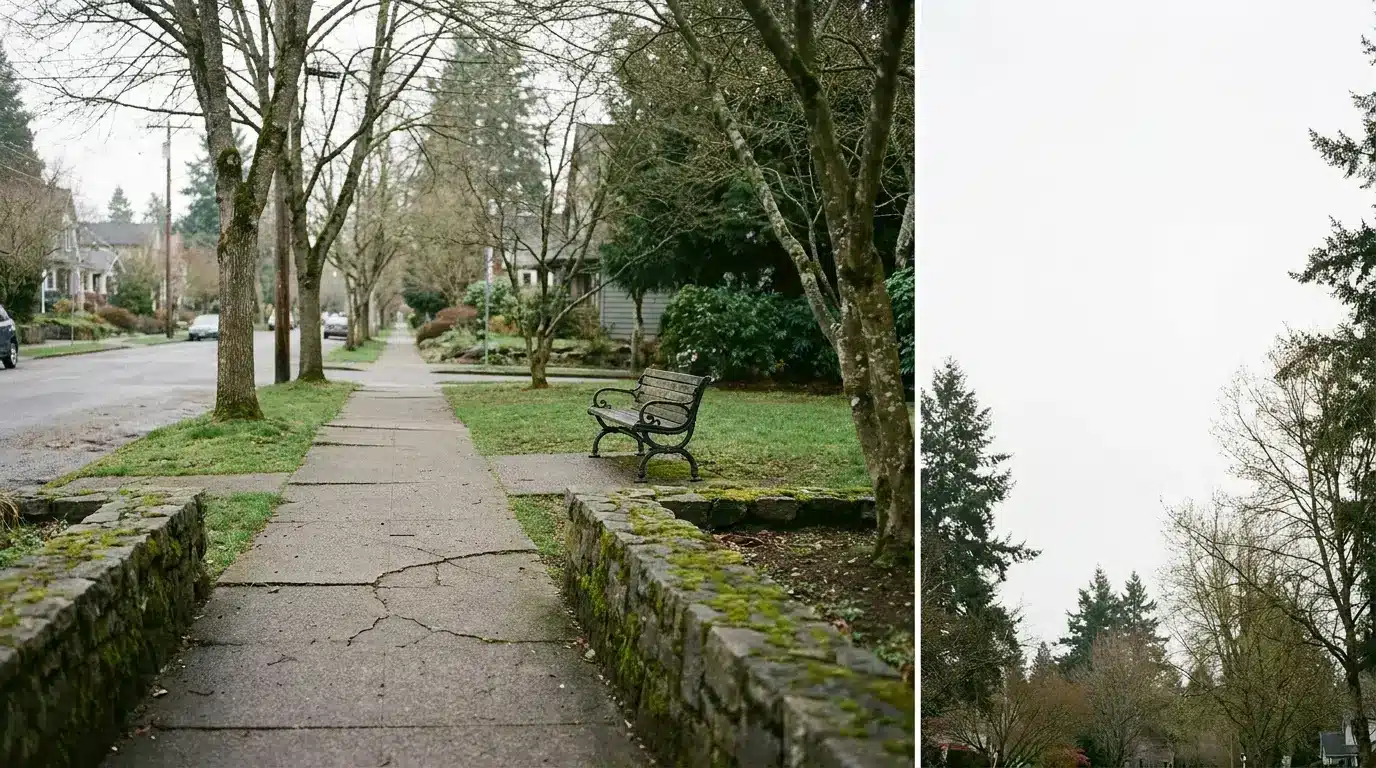
Location still matters. Anybody claiming otherwise is selling something. But people evaluate location differently than they used to.
For years, commute times dominated housing decisions. Entire home searches revolved around minimizing travel to the office. Then life got weird. Remote work became common. Hybrid schedules appeared. Suddenly some people only needed to make that commute a few times per week. That changed the math.
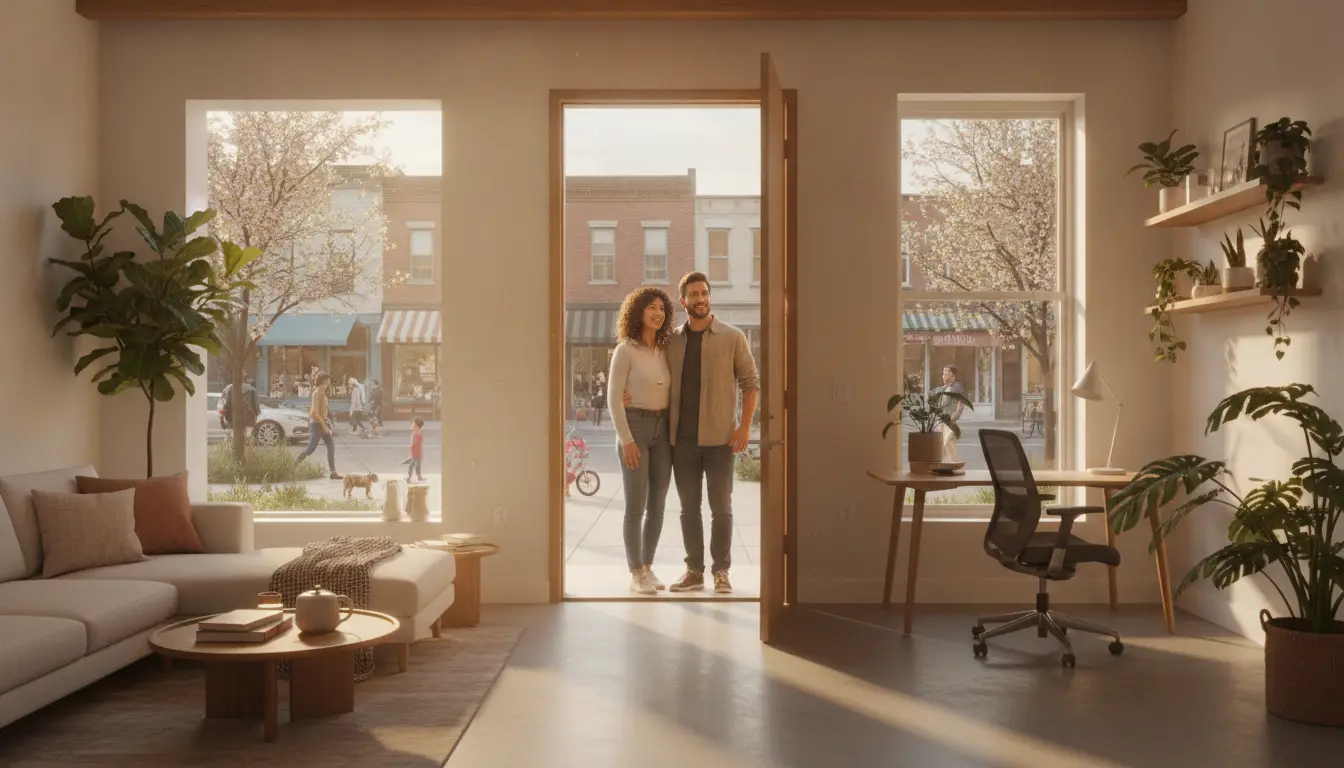
Communities that once felt too far away started looking perfectly reasonable. People began asking different questions. “Do I actually enjoy living here?” “Can I walk anywhere?” “Is there a coffee shop nearby?” “Will I spend my weekends sitting in traffic or doing things I actually like?”
Walkability has become a bigger factor in many moving trends. Not because everyone wants to walk everywhere. Massachusetts weather occasionally delivers a strong argument against that idea. But people appreciate having options. The ability to walk to a restaurant, a park, or a local business changes how a place feels. It shrinks distances. It creates routines. It makes communities feel more connected somehow.
Hard to measure. Easy to notice.
Flexibility Has Become More Valuable
This might be the biggest shift of all.
People seem less interested in locking themselves into one version of the future. Maybe that’s because the last decade taught everybody how quickly things can change.
Career paths change. Work arrangements change. Family situations change. Sometimes all before lunch. Because of that, flexibility has become one of the most important housing priorities today.
The old debate between renting and buying hasn’t disappeared. Not even close. But the conversation has become more nuanced. For some people, renting offers mobility and freedom. For others, buying provides stability and long-term value. The interesting part is that more people seem willing to choose whichever option fits their current stage of life rather than treating one path as universally correct. That’s probably healthier.
Life isn’t a railroad track anymore. It’s more like one of those old road maps that somebody folded incorrectly and can never get back together again. You still get where you’re going. Usually.
Quality of Life Drives Decisions
People talk more about life now. Less about property. More about life. That’s a subtle but important difference.
When people discuss potential moves, they often bring up community before they mention the house itself. They want good coffee shops. Convenient errands. Parks, trails, restaurants, events — places where actual human beings interact with each other instead of disappearing into garages and only emerging during tax season.
Quality of life has become a central part of housing priorities. Work-life balance plays a role here too. People aren’t simply asking where they’ll sleep. They’re asking how they’ll live.
A lot of relocation decisions now revolve around reducing friction and increasing enjoyment. That sounds obvious when you say it out loud. Yet it wasn’t always the primary focus.
Final Thoughts
Looking back over the last decade, it’s clear that housing priorities have evolved alongside broader changes in how people live and work.
Space is expected to serve multiple purposes. Location is being judged by more than commute times. Flexibility has become increasingly valuable. Quality of life influences decisions in ways that might have seemed secondary years ago.
The moving trends we’re seeing today reflect something larger than real estate preferences. People are trying to build lives that fit the way they actually live, not the way they assumed they would live ten years ago.
That’s a meaningful difference.
If recent trends continue, housing priorities will likely keep evolving over the next decade. Housing priorities have a habit of changing when nobody’s looking.
As the way people live continues to evolve, the homes they choose—and the reasons they choose them – will likely evolve as well.

Licensed broker Logan Patel holds an MBA in Urban Economics from UCLA and has steered buyers and investors through market swings for a decade. He joined us in 2024 to demystify listings, financing, and neighborhood data with clear, chart-backed advice. When he isn’t scanning comps, Logan coaches youth basketball and scouts mid-century districts for hidden architectural gems on weekend walks.