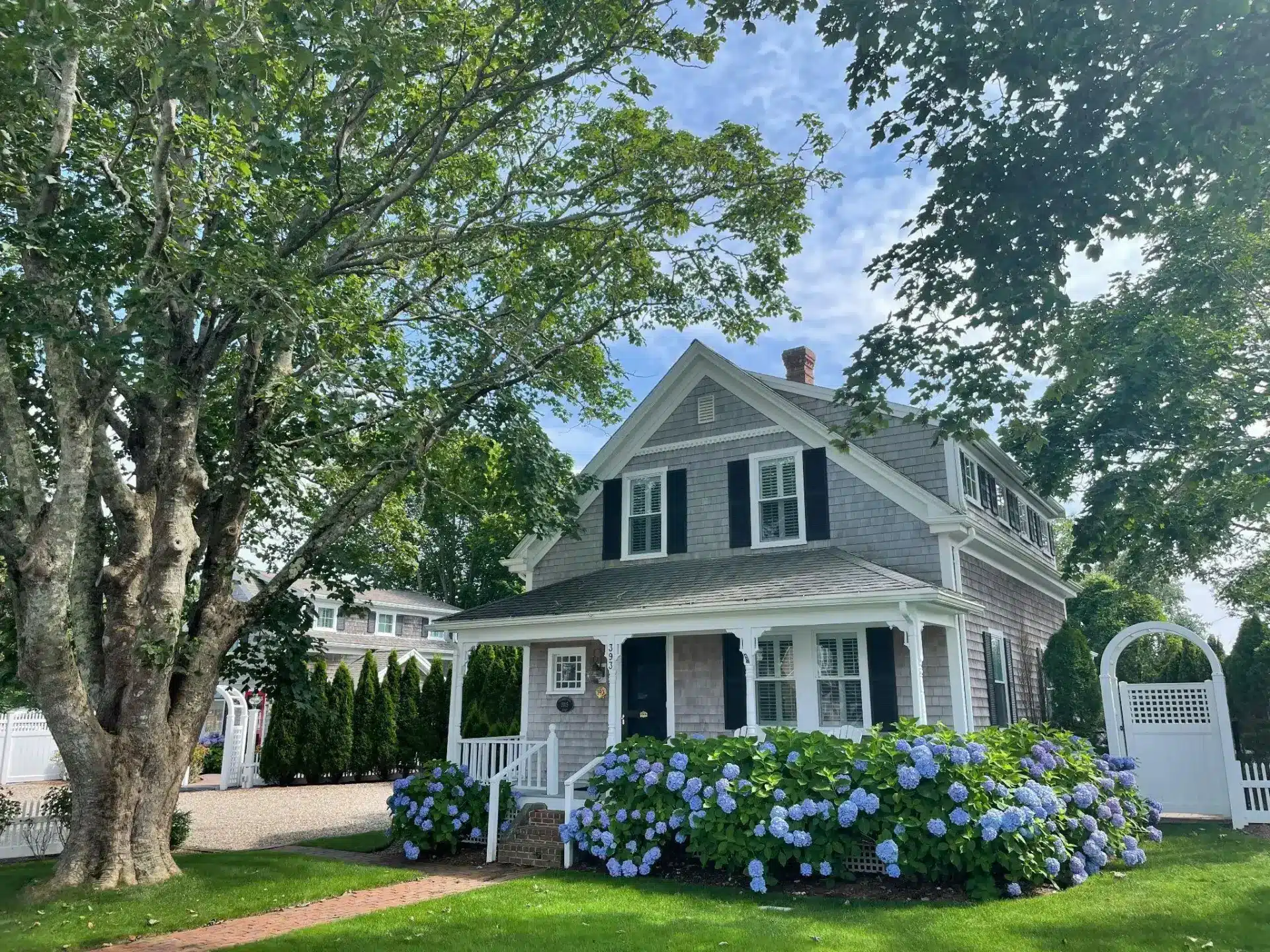

A beautiful front yard does far more than create a positive first impression. It reflects the care invested in the entire property, enhances everyday enjoyment, and can even increase a home’s market value. While many people assume that improving curb appeal requires expensive landscaping projects or complete exterior renovations, the reality is often much simpler. Small, well-planned improvements usually have the greatest impact because they create a polished appearance without overwhelming the home’s original character.
Successful curb appeal is built on consistency rather than dramatic changes. Healthy landscaping, clean walkways, attractive architectural features, and regular maintenance all contribute to an exterior that feels welcoming throughout every season.
Organization Makes Every Outdoor Project Easier
A great-looking front yard starts long before flowers are planted or shrubs are trimmed. One of the biggest obstacles homeowners face is simply keeping outdoor tools, seasonal decorations, and maintenance equipment organized. When everything is easy to find, routine jobs become far less time-consuming and are much more likely to get done regularly.
Finding efficient ways to organize outdoor equipment is often just as valuable as purchasing new landscaping materials. Homeowners looking for practical storage ideas frequently come across https://wheekeep.com/ while researching smarter ways to manage tools, seasonal items, and workspace organization around the home. An organized storage system reduces clutter, saves time, and makes regular yard maintenance much easier throughout the year.
When outdoor equipment has a designated place, mowing the lawn, trimming hedges, planting flowers, or completing weekend improvement projects becomes part of a manageable routine instead of a frustrating search for misplaced tools.
Landscaping Should Complement the Architecture
Beautiful landscaping isn’t about planting as many flowers or shrubs as possible. Instead, the goal is to highlight the home’s architecture while creating a balanced transition between the building and the surrounding landscape.
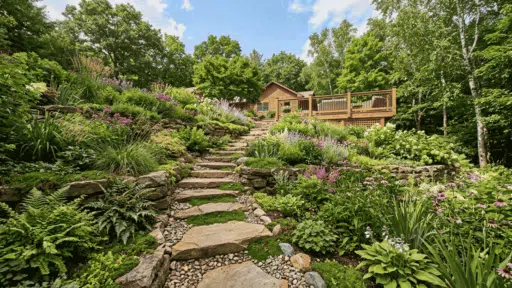
Well-defined lawn edges, healthy planting beds, decorative mulch, and carefully selected trees help frame the property without hiding important architectural details. Repeating similar plant varieties throughout the front yard also creates visual harmony, making the landscape feel professionally planned rather than randomly assembled.
Seasonal color can add personality, but structure remains important throughout the entire year. Evergreens, ornamental grasses, and attractive hardscaping ensure the property continues looking well maintained even when flowers are no longer blooming.
Small Architectural Features Create Lasting Impressions

Photo by Thomas Park on Unsplash
Many homeowners focus entirely on plants while overlooking architectural details that contribute just as much to curb appeal. Features such as decorative lighting, updated house numbers, attractive mailboxes, quality fencing, and properly positioned flagpoles all help define the overall appearance of a property.
A residential flagpole, when chosen carefully, introduces vertical balance while giving the landscape a stronger focal point near the front entrance. For example, https://hdflagpoles.com/collections/residential-flagpoles showcases residential flagpole options designed to complement a wide variety of home styles, allowing homeowners to select a size and finish that blends naturally with the surrounding architecture instead of dominating it.
Like any exterior feature, thoughtful placement and quality installation ensure that the flagpole enhances the property while maintaining a clean, balanced appearance.
Lighting Extends Curb Appeal Beyond Daylight
An attractive front yard shouldn’t disappear once the sun goes down.
Exterior lighting highlights landscaping, improves safety, and creates a welcoming atmosphere for both residents and visitors. Path lights guide people toward the entrance, while subtle accent lighting can emphasize mature trees, stonework, or architectural details that deserve attention.
Warm lighting generally creates a more inviting environment than harsh white floodlights. Combining multiple light sources instead of relying on a single fixture adds depth while making the property feel larger and more refined.
Modern LED lighting also offers energy efficiency without sacrificing brightness or reliability.
Routine Maintenance Protects Every Improvement
Even the most beautiful landscaping will gradually lose its impact without regular care.
Keeping lawns trimmed, removing weeds, cleaning walkways, washing windows, touching up exterior paint, and pruning shrubs all contribute to a consistently attractive appearance. These jobs may seem small individually, but together they have an enormous influence on how the property is perceived.
Regular maintenance also prevents minor cosmetic issues from becoming expensive repairs. A cracked pathway, damaged fence panel, or overflowing gutter is much easier to address early than after months of neglect.
Homeowners who dedicate a little time each week to exterior maintenance usually find that large seasonal cleanup projects become far less demanding.
Great Curb Appeal Reflects Pride of Ownership
The most memorable homes are rarely those with the biggest landscaping budgets. Instead, they are properties where every element appears intentional, clean, and well maintained.
Organization, thoughtful landscaping, carefully selected architectural features, effective lighting, and consistent maintenance all work together to create a home that feels welcoming from the moment someone arrives. Rather than chasing changing design trends, focusing on these timeless principles allows homeowners to build curb appeal that continues adding beauty, functionality, and long-term value year after year.

With a Master’s in Architecture from the University of California, Berkeley, Alexander Martin has dedicated the last 18 years to enhancing outdoor living through thoughtful and robust structure design. His career kicked off in urban planning, giving him a unique perspective on integrating structures into diverse environments. In 2019, Alexander brought his expertise to our website, offering insights into creating versatile outdoor spaces. Since then, he has been the lead advisor for our outdoor design projects and is known for his ability to merge functionality with environmental consciousness. Alexander enjoys rock climbing outside of work and participates in community development projects, activities that reflect his passion for the outdoors and sustainable design.