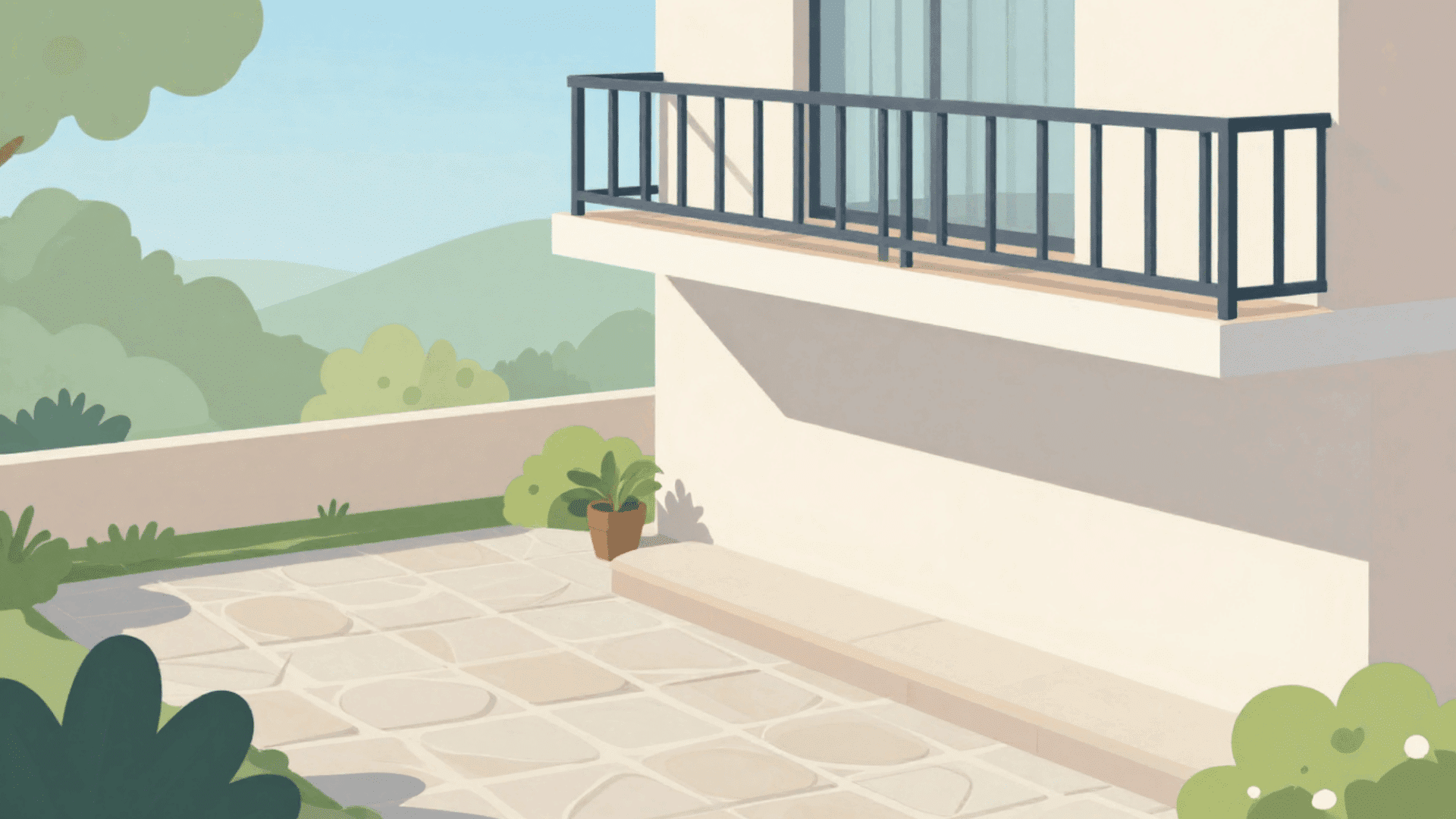

I often hear people use the words “patio” and “balcony” as if they mean the exact same thing. In reality, they are built and used very differently.
If you want to settle the patio vs balcony debate, here is the quick answer: a patio is a ground-level outdoor space, while a balcony is an elevated platform attached to an upper floor.
In this post, I will help you understand the true differences between the two. I will cover clear definitions, a side-by-side comparison, related outdoor structures, and how costs affect home value.
If you are renting or buying, I will show you how to choose the right outdoor space for your home.
Patio vs Balcony: Quick Comparision
When looking at a patio vs. a balcony, the main difference comes down to their location on the property.
I always tell clients to think about access: you walk out into a yard to use a patio, but you step out from an upper-level room to use a balcony.
Here is a quick breakdown to help you see how they compare.
| Feature | Patio | Balcony |
| Location | Ground level | Elevated, upper floors |
| Attachment | Attached or detached | Always attached to a building |
| Typical Size | Larger, expandable | Smaller, limited footprint |
| Materials | Stone, brick, concrete | Wood, metal, concrete |
| Railing | Rarely required | Always required for safety |
| Access | From a yard or ground floor | From a single upper room |
| Common Use | Entertaining, dining, grilling | Relaxing, reading, small seating |
What Is a Patio?
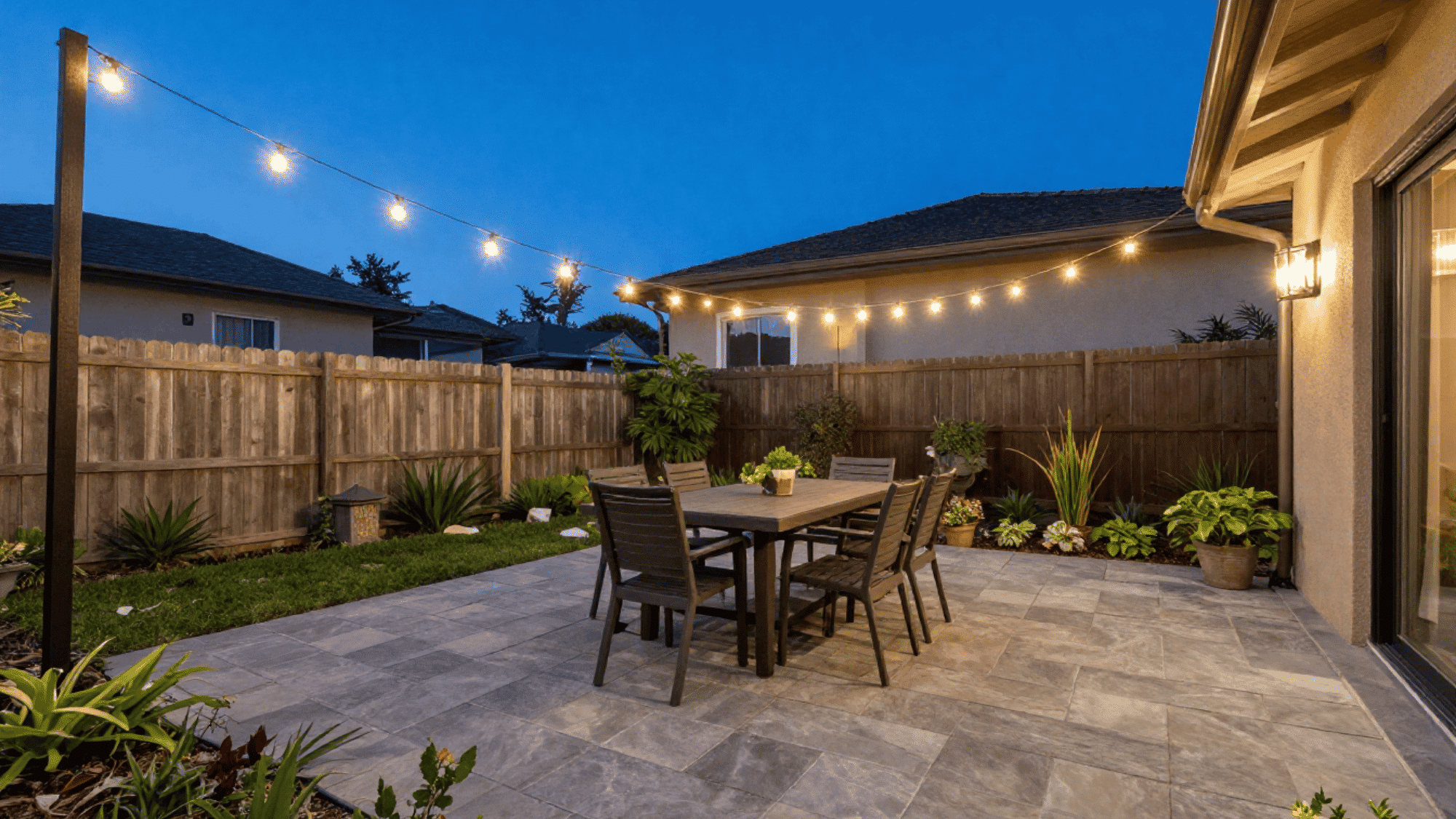
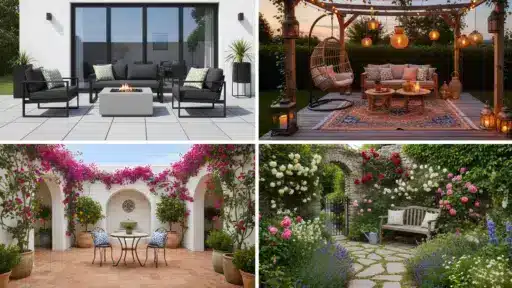
A patio is a ground-level living area that extends your home into the outdoors. These spaces are typically paved using strong materials like natural stone, brick, or concrete pavers.
You can build them attached directly to the back of your house or place them freely in the middle of a yard. While they are usually open to the sky, many people choose to add a cover or pergola for shade.
Because of their location, patios offer ample space for hosting friends or setting up a full outdoor dining table.
What Is a Balcony?
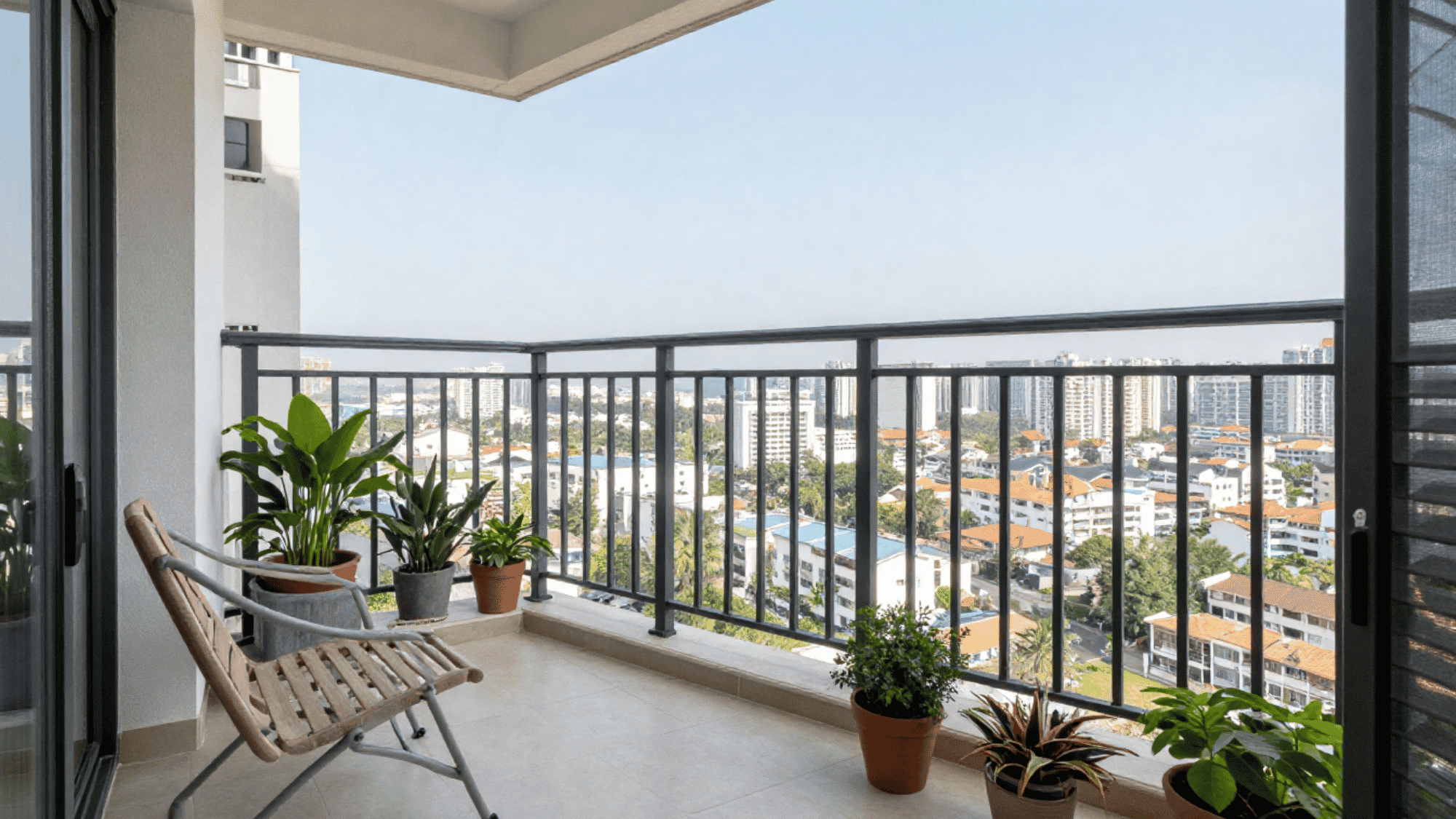
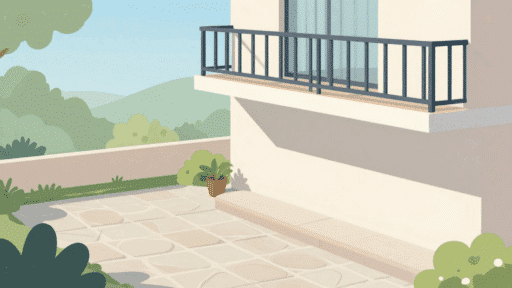
A balcony is an elevated outdoor platform attached to an upper floor of a building. You generally access this space through a single room, like a primary bedroom or an upper living room.
Because they sit high above the ground, building codes require them to be completely enclosed by a sturdy railing for safety.
Balconies have a much smaller footprint than ground-level spaces, making them a key feature in apartment living. I find they are the perfect spot for enjoying a morning coffee or getting some fresh air without leaving your floor.
Finding Your Fit
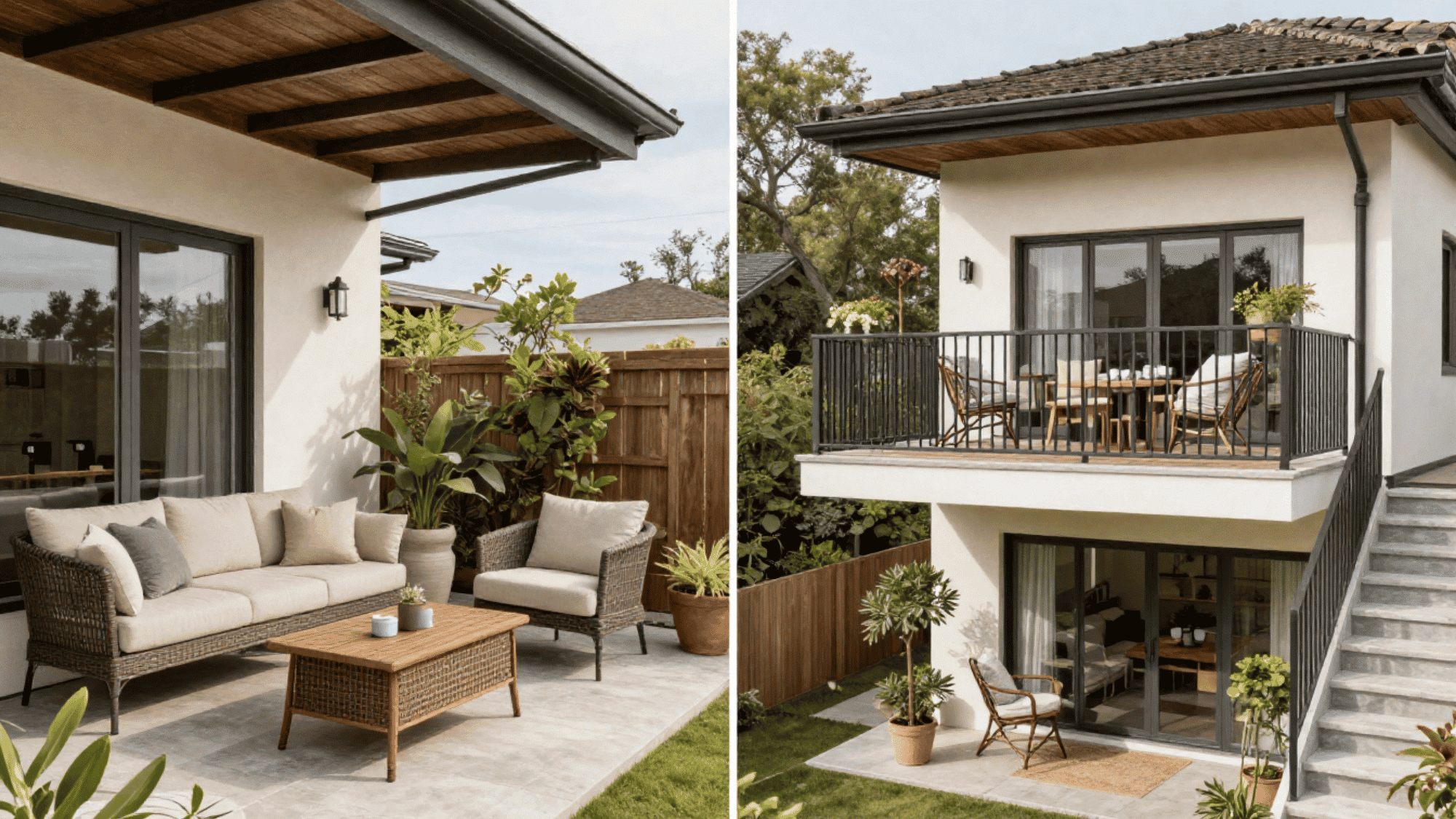
When looking for a new place to live, getting some outdoor space is a huge plus. You will quickly notice that most apartment buildings offer balconies, simply because there are more upper-level units.
If you are specifically searching for apartments with patio space, you will have to look at the ground floor.
| Best for Renters Who Want… (Patio) | Best for Renters Who Want… (Balcony) |
| Easy ground-floor access | Privacy from street-level noise |
| A bit more room for furniture | Better views from a higher floor |
| A direct step into a shared yard | A small, secure spot for fresh air |
Home Value
Adding an outdoor area is a great way to enjoy your house, but it also impacts your overall property value.
According to data from Extra Space Storage and the National Association of Realtors (NAR) Remodeling Impact Report, wood decks historically recoup slightly more than patios in some markets. On the other hand, balconies add value mainly through lifestyle appeal in condos.
| Space | Typical Cost Driver | Approx. ROI | Best Market |
| Patio | Concrete or stone materials | ~80% | Suburban homes |
| Balcony | Structural support framing | Varies | City condos |
| Deck | Wood or composite boards | ~76–83% | Sloped yards |
How to Choose the Right One
Deciding between these two options is not just about what looks good; it is about how you want to live. I see many homeowners get caught up in the design and forget to look at their actual daily habits. You should make your choice based on your specific lifestyle and your home’s layout. Use these scenarios to help you pick the right space.
- Choose a patio if: you have plenty of yard space and you want a large, open area for entertaining friends or family gatherings.
- Choose a balcony if: you live in an apartment where ground space is unavailable, or you simply want a private spot to enjoy some air from an upper floor.
- Either works if: your main goal is to have a small, quiet, and relaxing spot to sit with a book or a morning cup of coffee.
What Defines Each Outdoor Space?
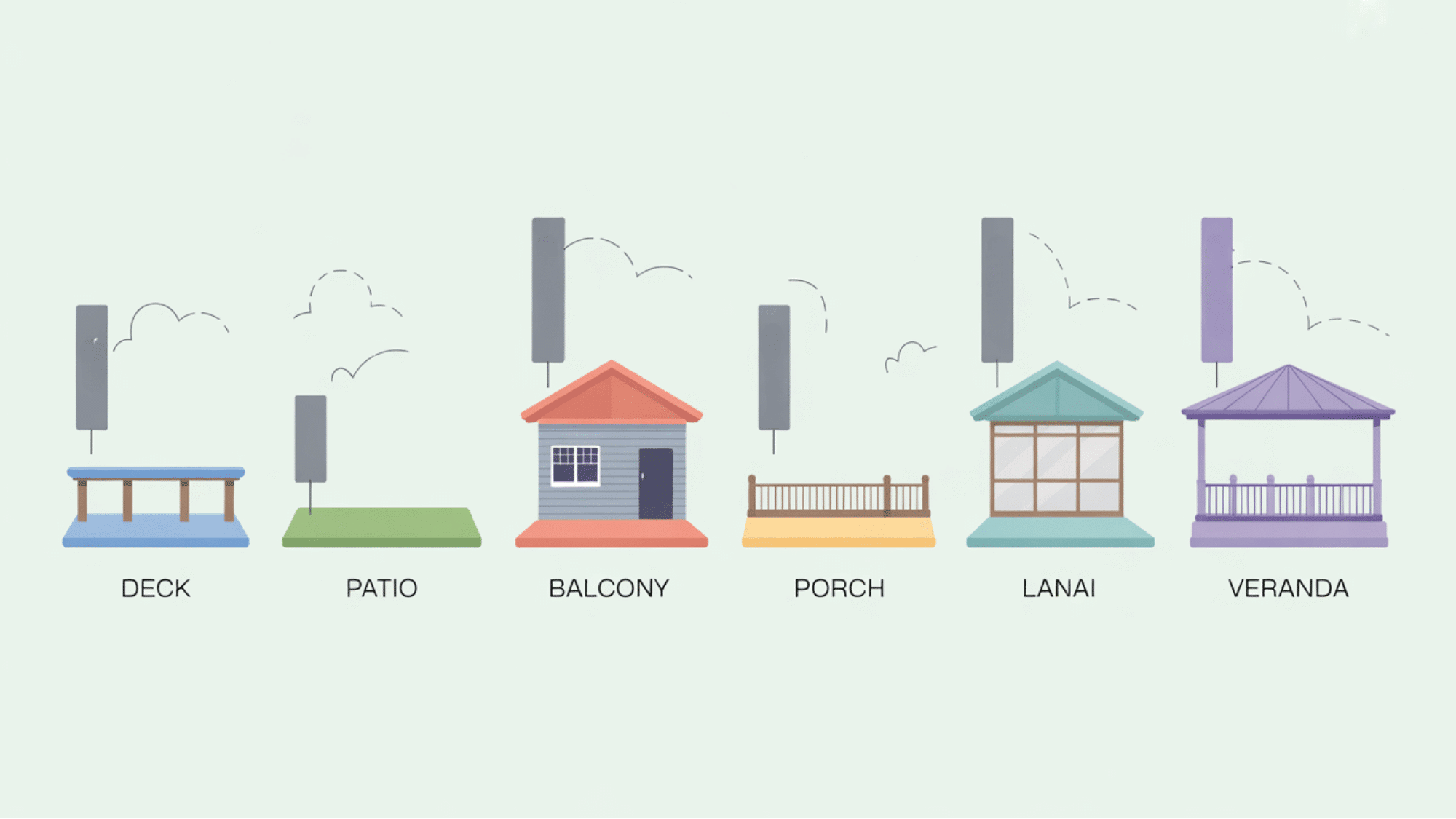
Every outdoor space can be understood through four simple structural questions: Is it covered? Is it elevated? Is it attached to the home? Is it enclosed?
The answers are what truly separate a deck from a porch, or a patio from a lanai. Here’s each space explained once: structure, materials, and what it’s best for.
What is a Deck?

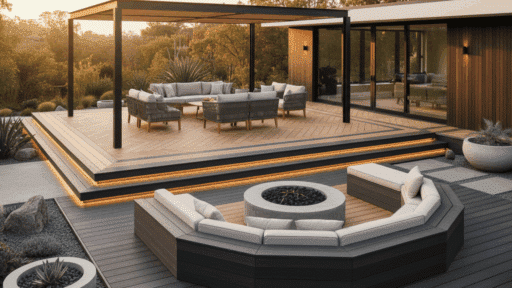
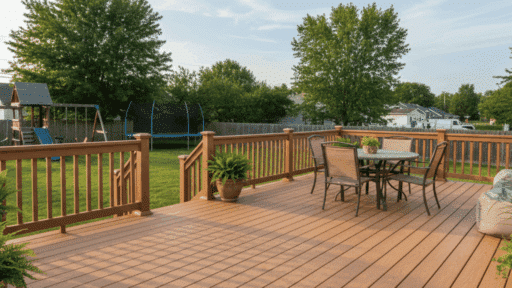
A deck is a raised outdoor platform, usually attached to the back of a home and built from composite wood, lumber, or PVC. It sits above ground level, often on posts, and almost always includes a safety railing.
Decks stay open to the sky, with no roof overhead. You can build them as a single platform or stack them across multiple levels for better yard views.
They work best as a roomy spot for dining, grilling, and hosting guests outdoors. Decks suit homes with sloped yards, since the raised design handles uneven ground well.
If a deck feels too exposed for your taste, a ground-level patio might be the better fit.
What is a Porch?
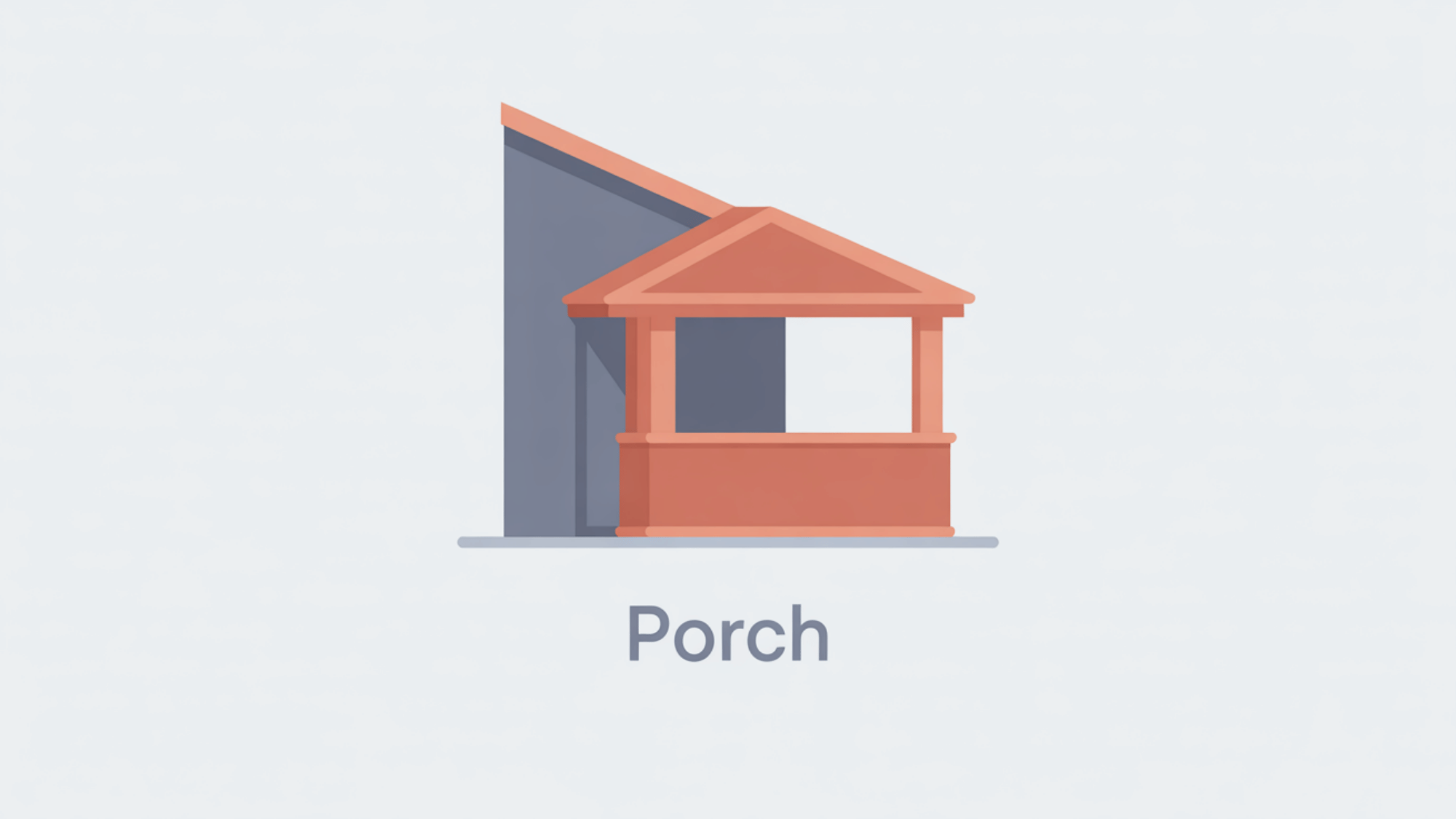
A porch is a covered outdoor space attached to the front entrance of a home. It almost always has a roof, supported by columns or posts, and serves as a welcoming spot for guests.
Porches can stay open, or builders may screen them in for extra comfort. Some wrap around the sides of the house, while others cover only the entryway.
This space suits light seating, a few chairs, or a swing for relaxing outdoors. Because it shelters the entrance, a porch also protects your front door from rain and harsh sun.
A porch always carries a roof, and a lanai takes that cover one step further with screens.
What is a Lanai?
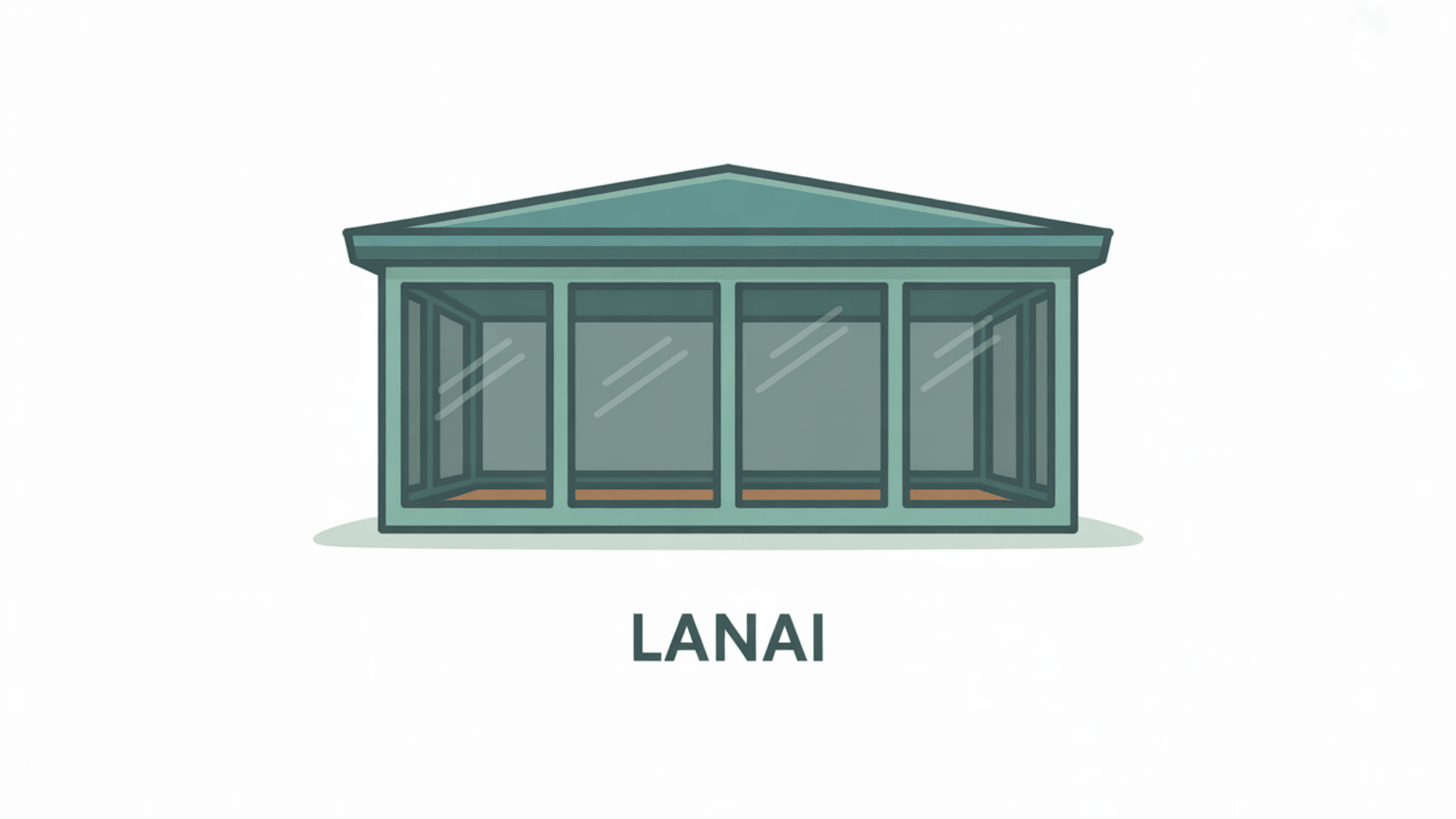
A lanai is a roofed, ground-level outdoor space that is fully screened on the sides. It attaches to the home and blends features of a porch and a patio.
The screen panels keep insects out, which makes a lanai comfortable to use all year. This style is common in warm climates like Florida and Hawaii, where the word comes from. Builders often pave the floor with tile or concrete.
A lanai works well as a relaxed sitting area, a dining spot, or even a sheltered space beside a pool, free from bugs and weather.
Where a lanai stays enclosed, a veranda opens up and wraps around the home.
What is a Veranda?
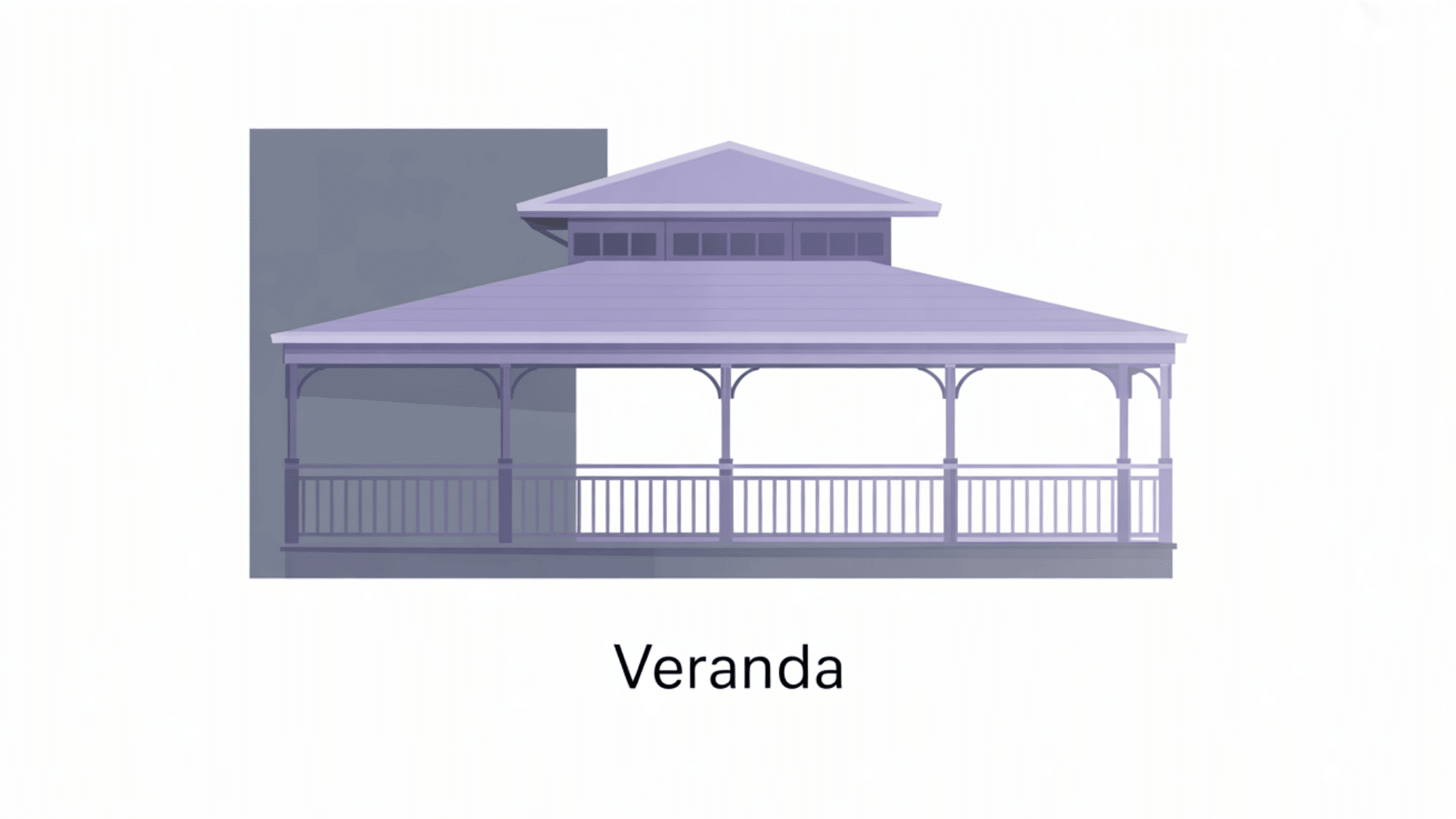
A veranda is a large, roofed outdoor space that wraps around one or more sides of a home at ground level. It always has a roof, which sets it apart from a simple porch.
A railing usually lines the open edges, but screens are rare. Verandas are common in Victorian-style homes and warm regions, where they serve as a true outdoor living area.
The wide, open design gives plenty of room for seating, dining, or hosting guests. Builders often use vinyl, composite wood, or stone tile, since the space stays exposed to sun and rain.
Now that each space stands defined, let’s see how they stack up side by side.
Here’s a table to break down each type of space:
| Outdoor Space | Covered (Roof) | Elevated | Attached to Home | Enclosed | Common Materials | Best For |
| Deck | No | Yes | Usually | No | Composite wood, lumber, PVC | Raised entertaining and yard views |
| Patio | Optional | No (ground level) | Optional | No | Stone, brick, concrete pavers | Ground-level dining and relaxing |
| Balcony | Sometimes | Yes (upper floor) | Yes | Railing only | Building structure, tile, composite | Private fresh-air space in apartments |
| Porch | Yes | No | Yes (front entry) | Open or screened | Wood, concrete, columns | Welcoming guests at the entrance |
| Lanai | Yes | No (ground level) | Yes | Screened | Tile, concrete, screen panels | Bug-free year-round lounging |
| Veranda | Yes (always) | No | Yes (wraps sides) | Open, railed | Vinyl, composite, stone tile | Large wraparound outdoor living |
Bottom Line
Wrapping things up, the core distinction between a patio and a balcony is their location.
A patio is a ground-level area that invites you to step out into your yard, while a balcony is an elevated space attached to an upper floor.
Knowing whether you prefer a larger, open space for hosting or a private, elevated spot for relaxing will help you make the right call for your home.
Ultimately, either option can significantly improve your outdoor living experience when planned correctly. Which of these spaces fits your current home setup, or are you planning to add one soon?
Frequently Asked Questions
Can I Put a Heavy Hot Tub on a Balcony?
I strongly advise against it. Balconies have strict weight limits, while ground-level patios easily support heavy items like hot tubs without structural risk.
Is It Safe to Grill on Both Patios and Balconies?
I generally find patios safe for any grill. However, fire codes usually prohibit charcoal or gas grills on apartment balconies due to extreme fire risks.
Will I Face More Bugs on a Patio or a Balcony?
I notice ground-level patios naturally attract more ants and mosquitoes from the grass. Because balconies sit higher up, they usually see far fewer flying pests.
Do I Need Building Permits for Patio Construction?
I rarely see permit requirements for a simple ground patio. However, adding a balcony always requires strict permits and structural inspections to guarantee complete safety.

Robert Thompson, a proud alum of the University of Oregon with a degree in Landscape Architecture, has been a leading figure in outdoor space enhancement for over 17 years. He started his career with a landscape design firm, gaining invaluable experience creating functional and attractive outdoor living areas. Robert joined our website in 2018, where he quickly became known for his innovative yet practical advice on outdoor renovations. He has been the chief editor of our deck and patio section ever since then, helping readers transform their outdoor spaces into personal retreats. When not drafting designs or writing, Robert is an avid kayaker, often drawing inspiration from nature for his creative projects.