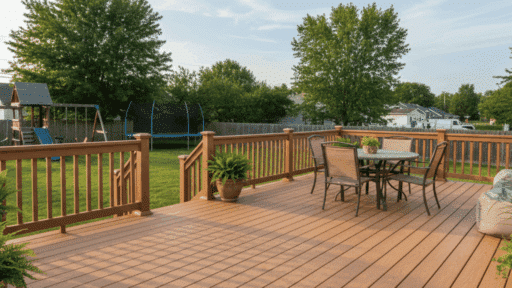
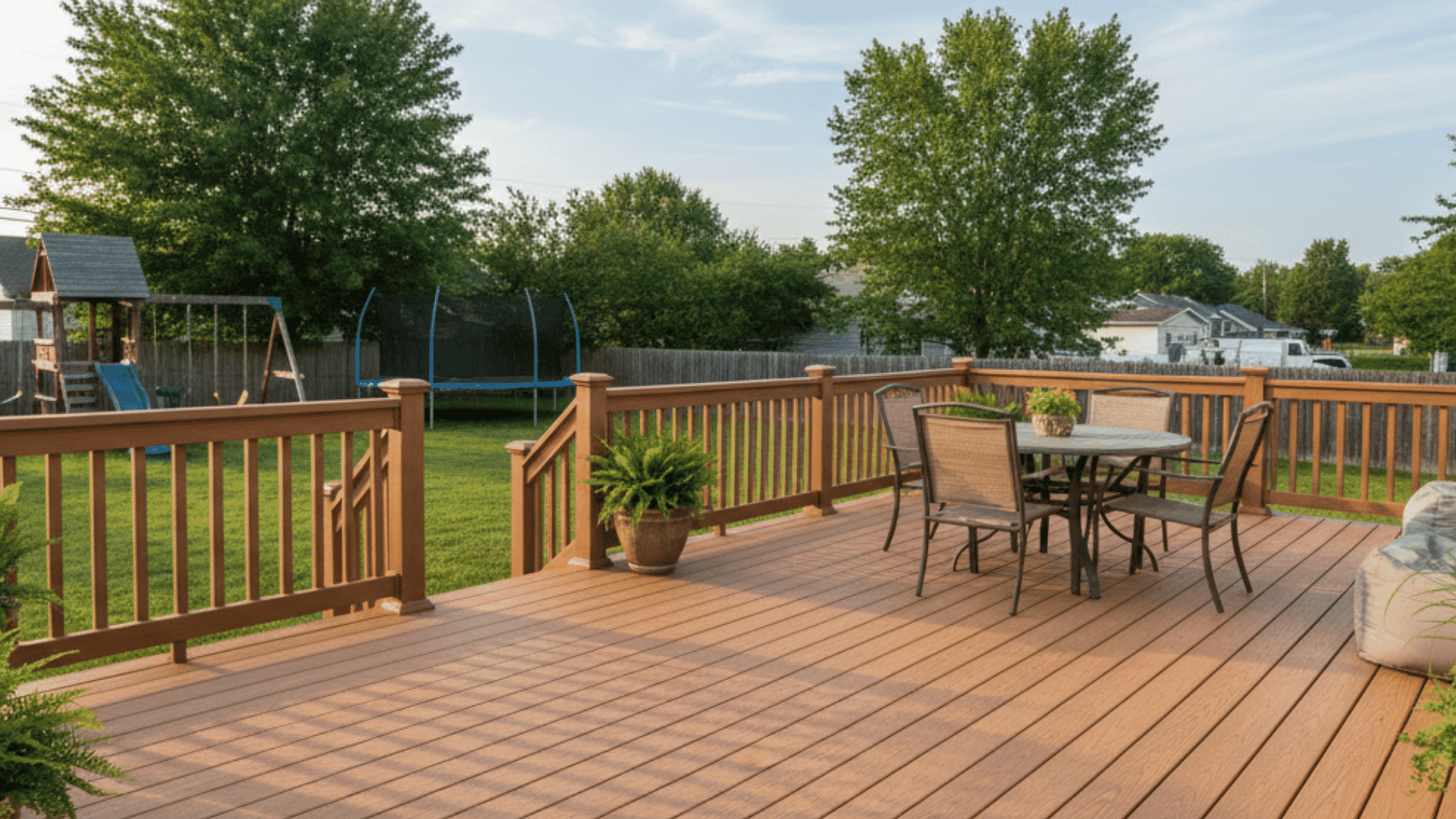

When most people think about upgrading their outdoor space, they focus on the decking boards, the furniture, and maybe a fresh coat of paint.
But here’s something I’ve learned after working with hundreds of homeowners over the past years: the railing is often what makes or breaks the whole look.
A railing does two very important jobs. First, it keeps people safe, especially kids, pets, and anyone standing near the edge.
Second, it defines the personality of your outdoor space.
Think of it like a picture frame. The right frame makes the artwork shine. The wrong one? It pulls your eye in the wrong direction.
If you’re building a brand-new deck or refreshing an older one, understanding your deck railing options is the first step toward making a smart, long-lasting decision.
I’ll guide you through deck railing materials and styles, what to consider before buying, and point you to the best places to shop.
By the end, you’ll have a clear sense of which options suit your space, lifestyle, and budget.
Popular Deck Railing Styles
Here are several popular deck railing styles that can beautifully complement and define your home’s architectural character:
- Traditional/Classic: The traditional style features vertical balusters (narrow spindles between the posts) with flat top and bottom rails.
- Modern/Minimalist: Less is more with this style. Modern railings often feature clean horizontal lines, glass panels, or cable systems with minimal ornamentation.
- Ranch/Horizontal: Inspired by Western and farmhouse architecture, this style uses horizontal boards or metal bars instead of vertical spindles.
- Ornamental/Decorative Ornamental railings use decorative metalwork, such as scrolls and custom designs, to turn the railing into a visual centerpiece.
Matching Style and Material to Your Home
Here’s the practical advice I always share with clients: start with your home’s architecture.
A sleek cable railing on a Victorian-style home can feel jarring. A heavy ornamental wrought iron railing on a modern minimalist deck can feel dated and out of place.
Try to match the weight, tone, and vibe of your railing to the overall character of your home.
Traditional homes love wood and classic spindle styles.
Modern homes call for glass, cable, or clean-lined metal. Farmhouse and craftsman homes look stunning with horizontal slat styles or composite that mimics natural wood.
Your climate matters too. Near the coast? Use aluminum or stainless cable to resist corrosion. In a rainy, snowy region?
Composite or vinyl resists moisture better than untreated wood. In a hot, sunny climate? Choose materials and finishes rated for UV exposure so they won’t fade or crack.
Deck Railing Ideas
Here are deck railing ideas to spark your creativity, covering a wide range of materials, budgets, and home styles:
1. Classic White Wood Balusters
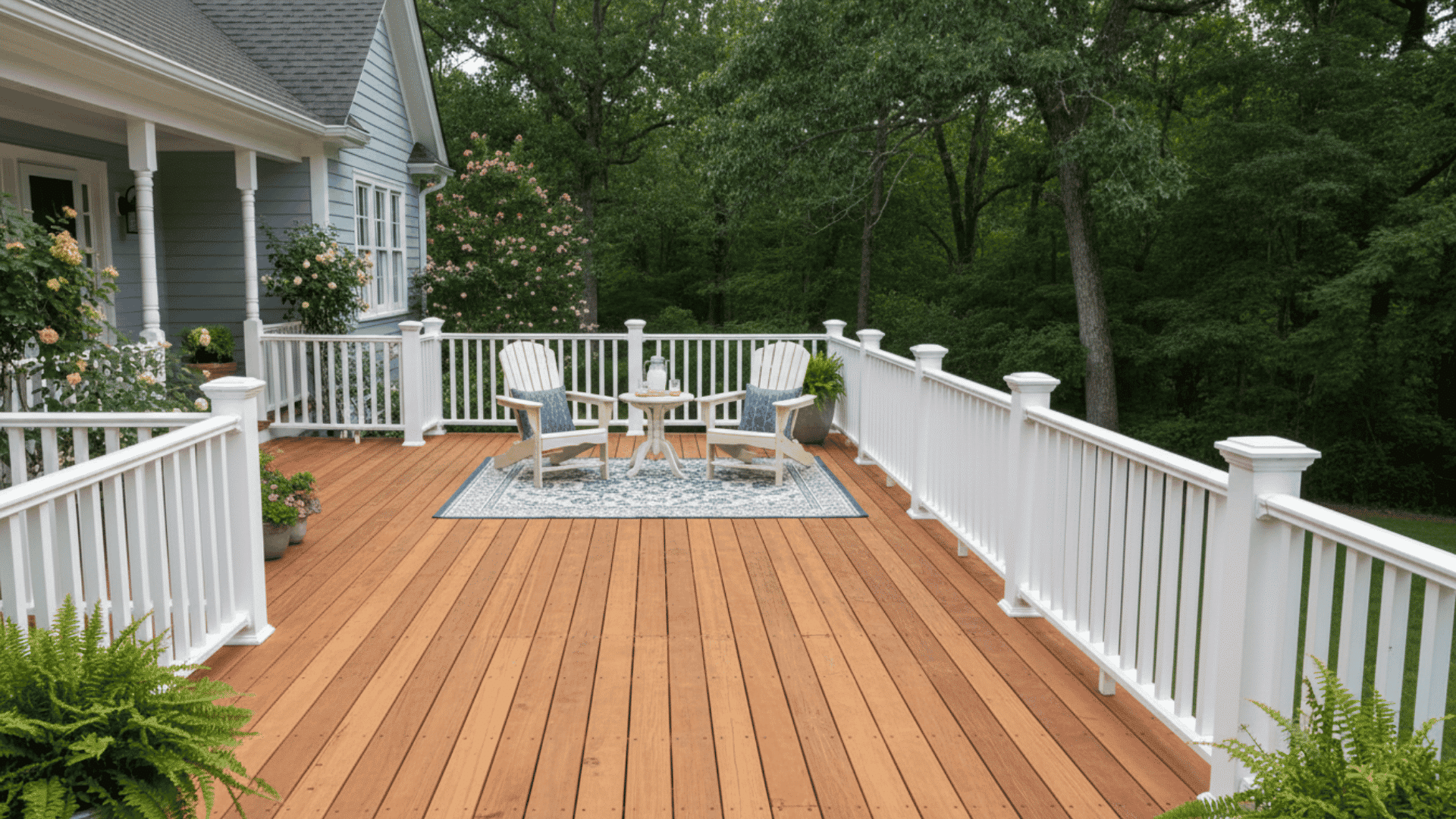
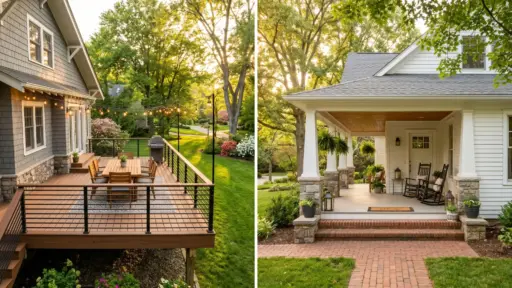
Nothing says home quite like white-painted wood balusters on a front porch or back deck.
This look suits colonial, farmhouse, and craftsman homes especially well. Use cedar or pressure-treated pine for the best durability.
Paint with a high-quality exterior finish to protect against moisture.
It’s a classic choice that’s easy to repair or repaint as needed, perfect for hands-on homeowners who enjoy weekend projects.
2. Stainless Cable Railings with Wood Posts

Pair warm wood posts with horizontal stainless steel cable for a look that blends natural warmth with modern edge. The cables keep sightlines open, making your yard or view the real star of the show.
This combo works especially well on waterfront decks, hillside homes, or any property where the outdoor scenery deserves to be front and center.
Low maintenance once installed, just budget for occasional cable tensioning.
3. Frameless Glass Panel Railings
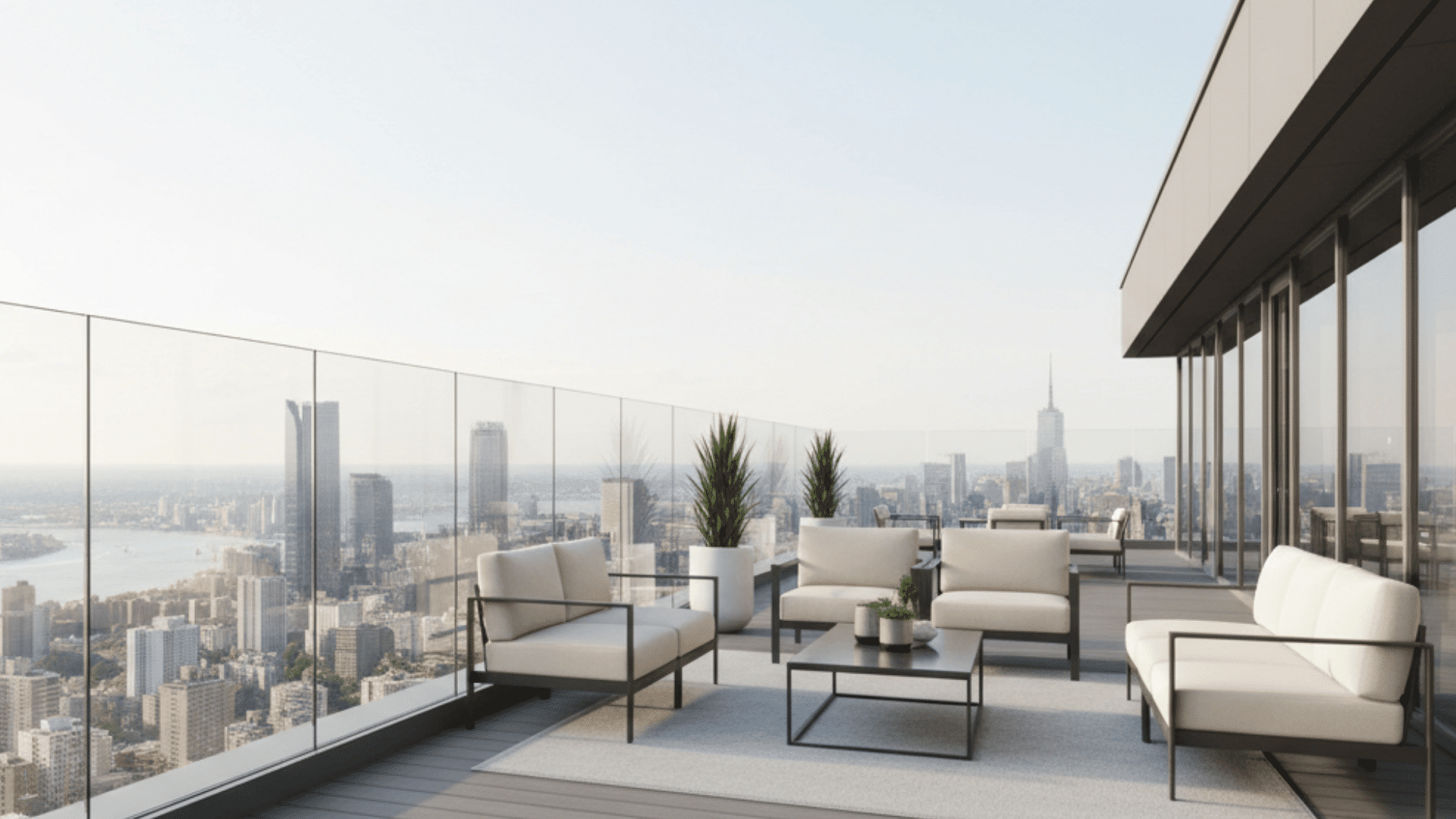
Frameless glass panels are the ultimate invisible railing.
Thick tempered glass panels are secured into base channels without visible posts, creating an almost uninterrupted view.
Best for high-end modern decks, rooftop terraces, or any space where you want to feel like the outdoors starts the moment you step outside. Requires regular glass cleaning but is otherwise quite manageable.
4. Black Powder-Coated Aluminum Railings
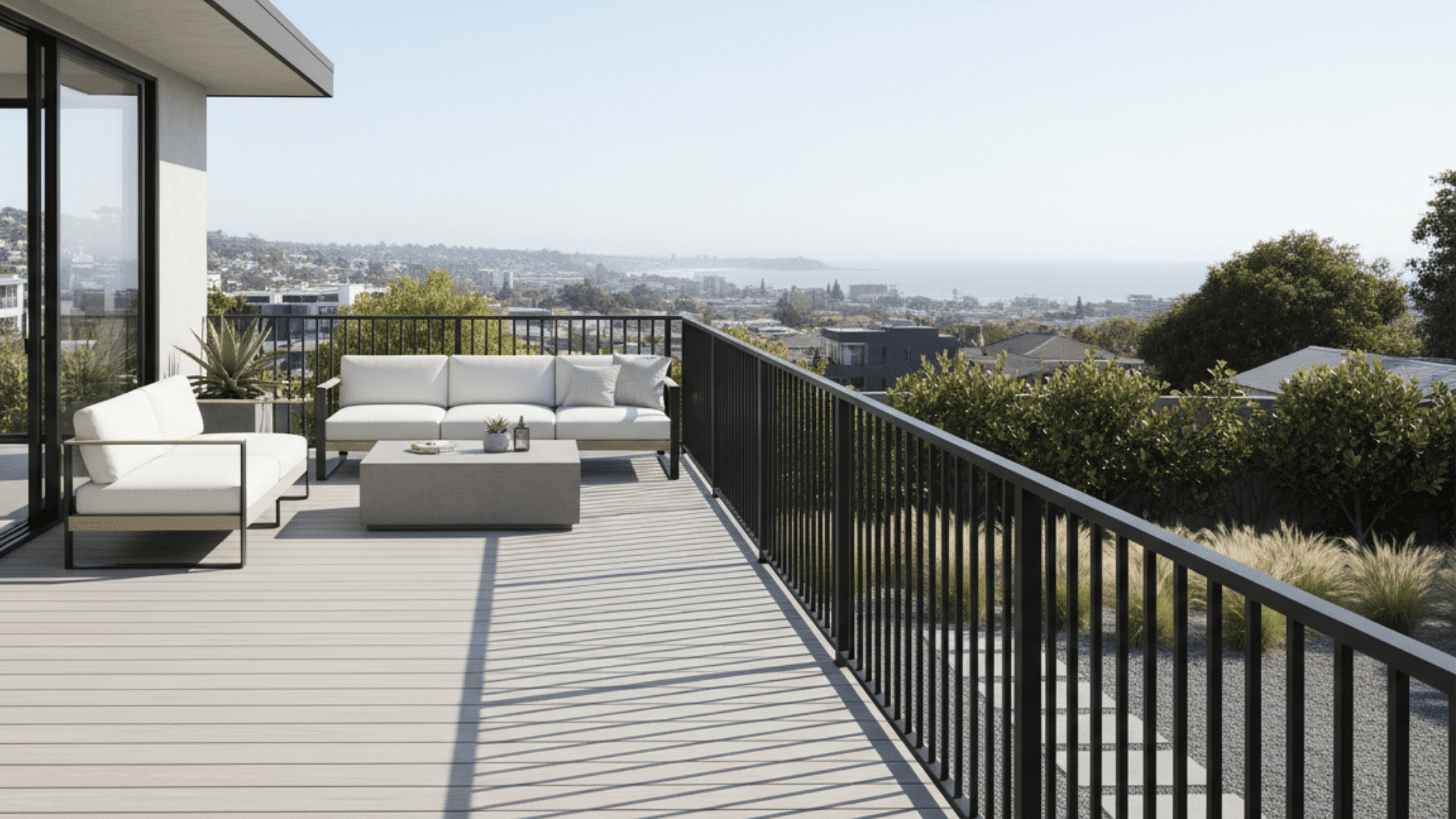
Matte black railings are having a serious moment in home design. Black powder-coated aluminum frames look sharp against light-colored decking or a white home exterior.
Aluminum won’t rust, making this a great choice for coastal or rainy climates. The crisp contrast adds instant curb appeal. Works beautifully on modern, farmhouse, and transitional home styles.
Minimal upkeep is needed: a rinse now and then keeps them looking sharp.
5. Horizontal Wood Slat Railings
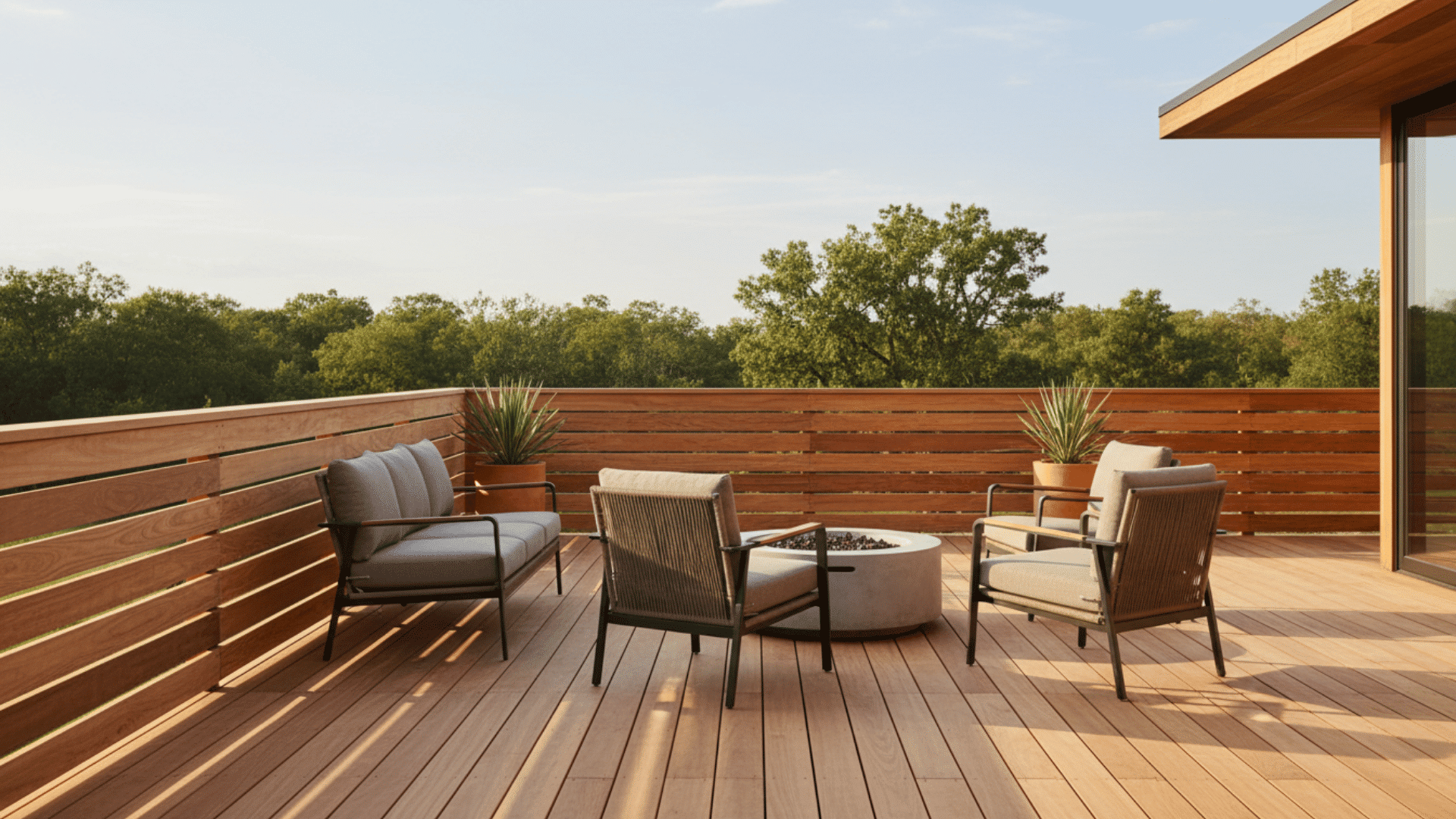
Replace traditional vertical balusters with horizontal cedar or redwood boards and watch your deck completely change. This style has strong ties to mid-century modern and contemporary farmhouse design.
The horizontal lines create a sense of width, making smaller decks feel more expansive.
Seal or stain the wood annually for best protection. For added style points, try alternating board widths for a more dynamic visual rhythm.
6. Composite Railings in Wood-Look Finish
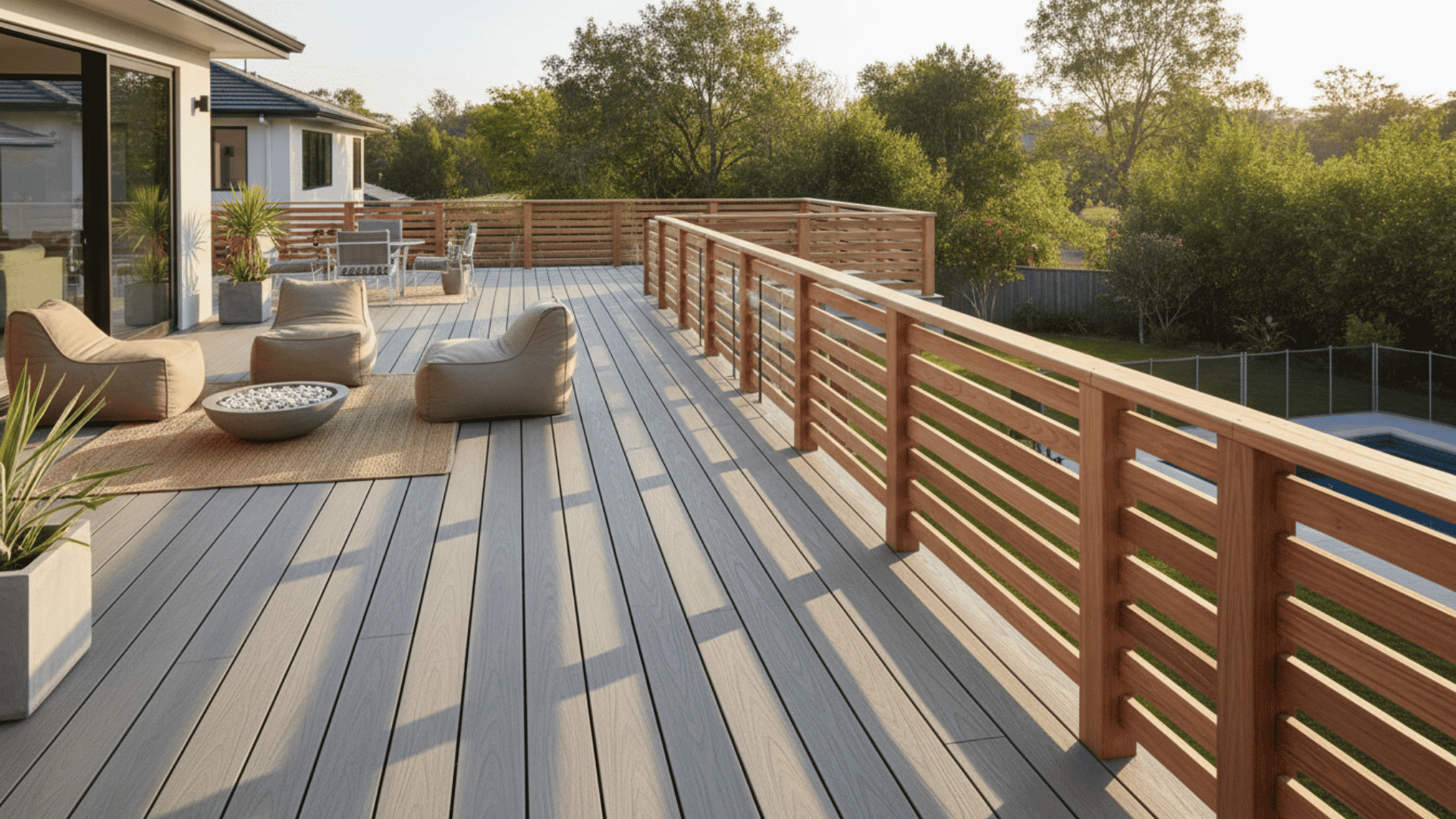
Today’s composite railings have come a long way.
Modern options mimic the grain and texture of real wood so closely that guests often have to touch them to tell the difference.
Choose a warm teak, cedar, or driftwood tone to complement composite decking: no painting, no sealing, no splinters, just the beauty of wood without the demanding upkeep.
A strong choice for families with young children or pets.
7. Wrought Iron Ornamental Railings

If your home has classic European or Southern charm, wrought iron ornamental railings add drama and elegance. Choose scrollwork, fleur-de-lis patterns, or custom medallions to make the railing a decorative feature in its own right.
Wrought iron is extremely durable but requires periodic repainting to prevent rust in humid climates. Best for homes with Victorian, Mediterranean, or plantation-style architecture.
8. Mixed Material: Wood Posts with Metal Balusters
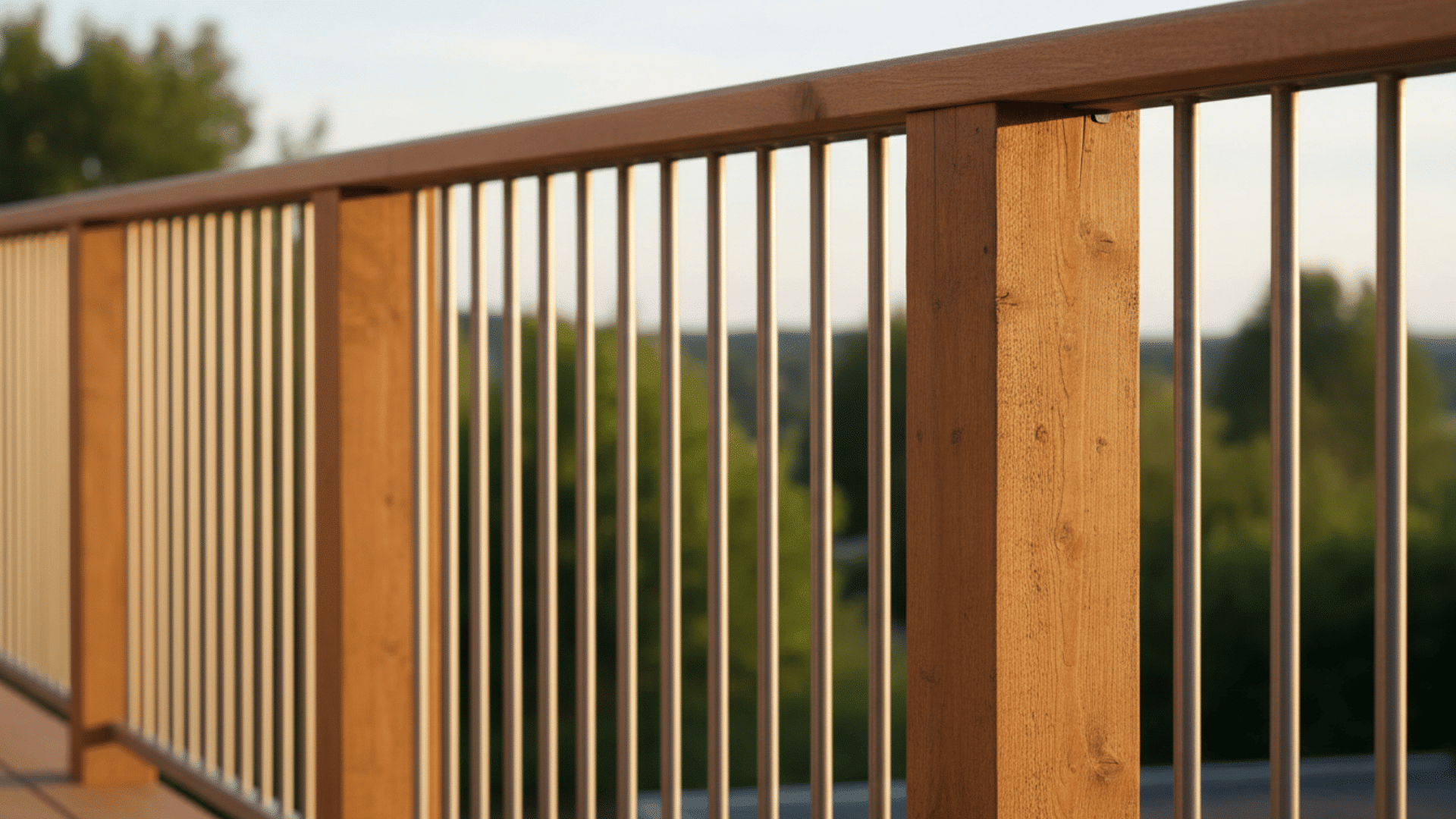
Mixing materials is a great way to add character without going overboard. Try chunky wood posts with slim metal balusters (aluminum or steel) in between.
The contrast of organic wood and industrial metal feels current and collected. It’s a look that pairs well with craftsman, industrial, and transitional home styles.
This combo is also more budget-friendly than all-metal or all-glass options.
9. Vinyl Railing with Decorative Post Caps
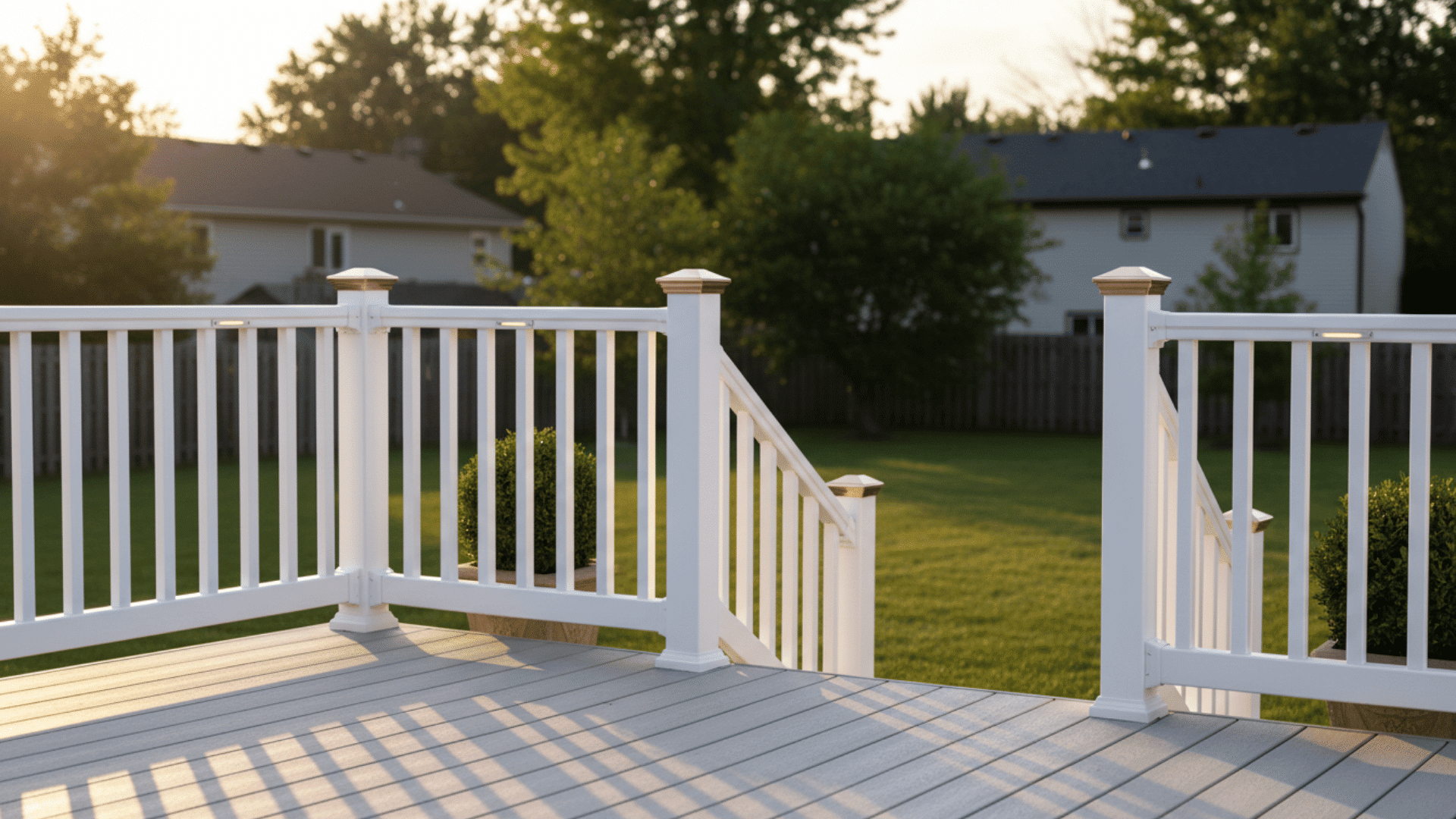
Vinyl railings are often underestimated. With the right post caps, think copper, bronze, or solar-powered LED options, vinyl railings can look polished and intentional.
They’re one of the most budget-friendly deck railing options available, and they never need painting. Great for homeowners who want a clean, maintained appearance with very little ongoing effort.
Choose from white, almond, tan, or gray tones to match your home’s exterior.
10. LED-Integrated Railing Systems
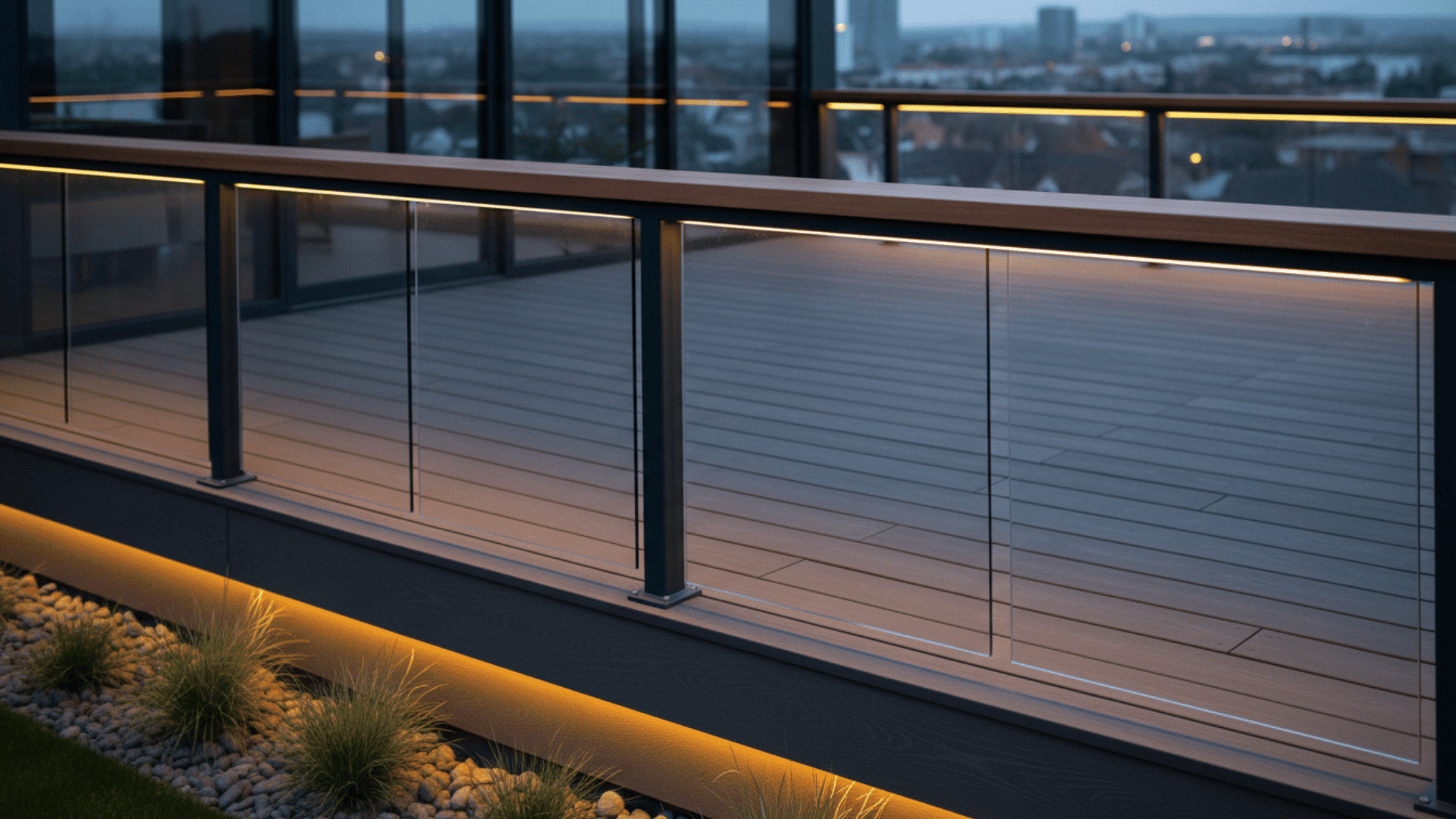
Built-in LED lighting takes your deck from daytime hangout to evening destination. Many railing manufacturers now offer integrated LED system lights built directly into the post caps, top rail, or stair risers.
Solar-powered options are becoming more varied and reliable.
These railings work in any material style and are especially effective on entertaining decks where you want to set a mood after sunset without a separate lighting installation.
11. Glass Railing with Stainless Steel Posts
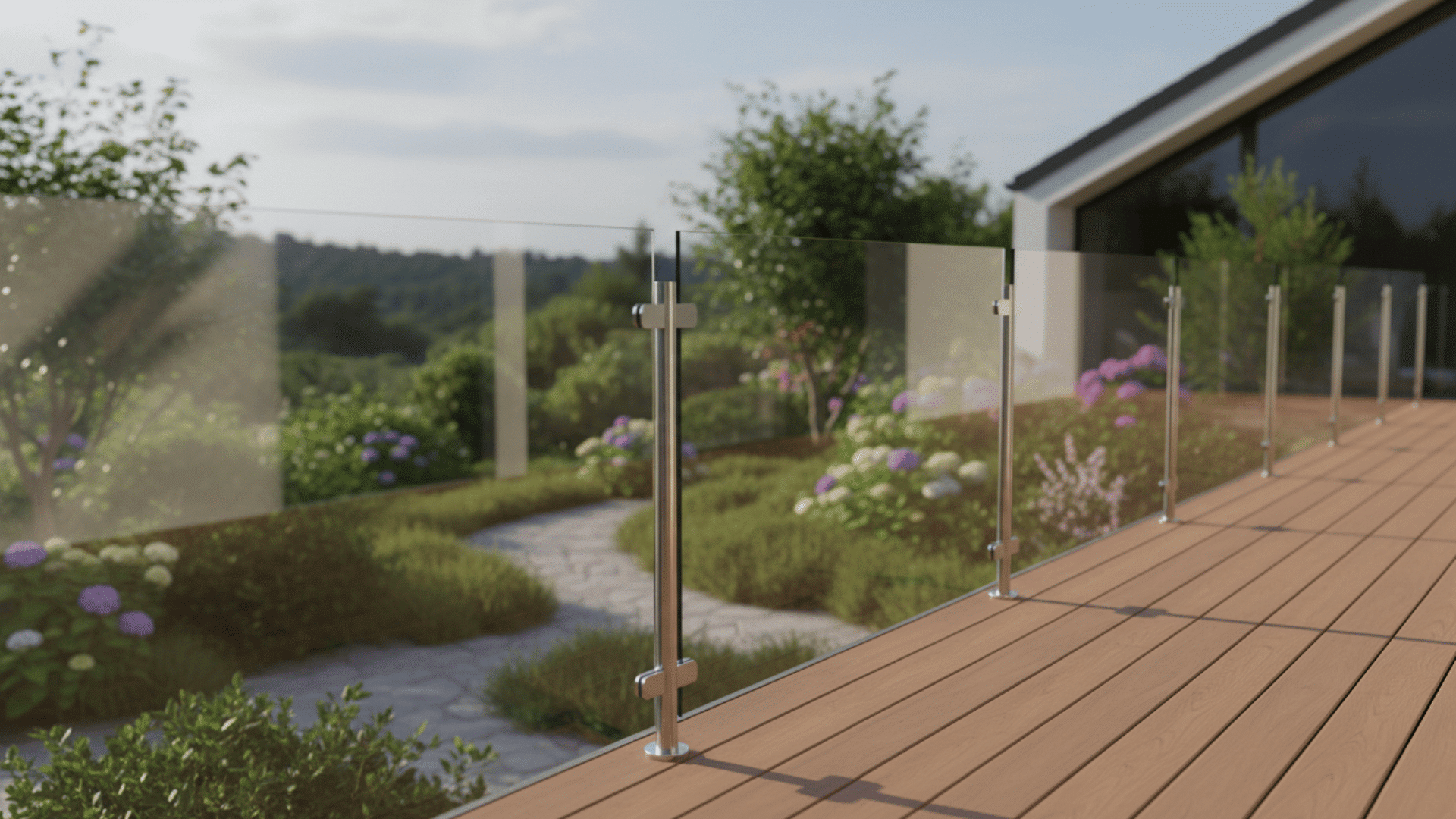
This combination strikes the ideal balance between openness and structure.
Slim stainless steel posts hold clear tempered glass panels for a look that feels both architectural and refined. Works beautifully in contemporary homes, but can also complement clean-lined artisan or coastal styles.
The glass keeps the view unobstructed, and the stainless steel is as weather-resistant as it gets. Ideal for decks that face gardens, water, or wooded landscapes.
12. Corten Steel Railings
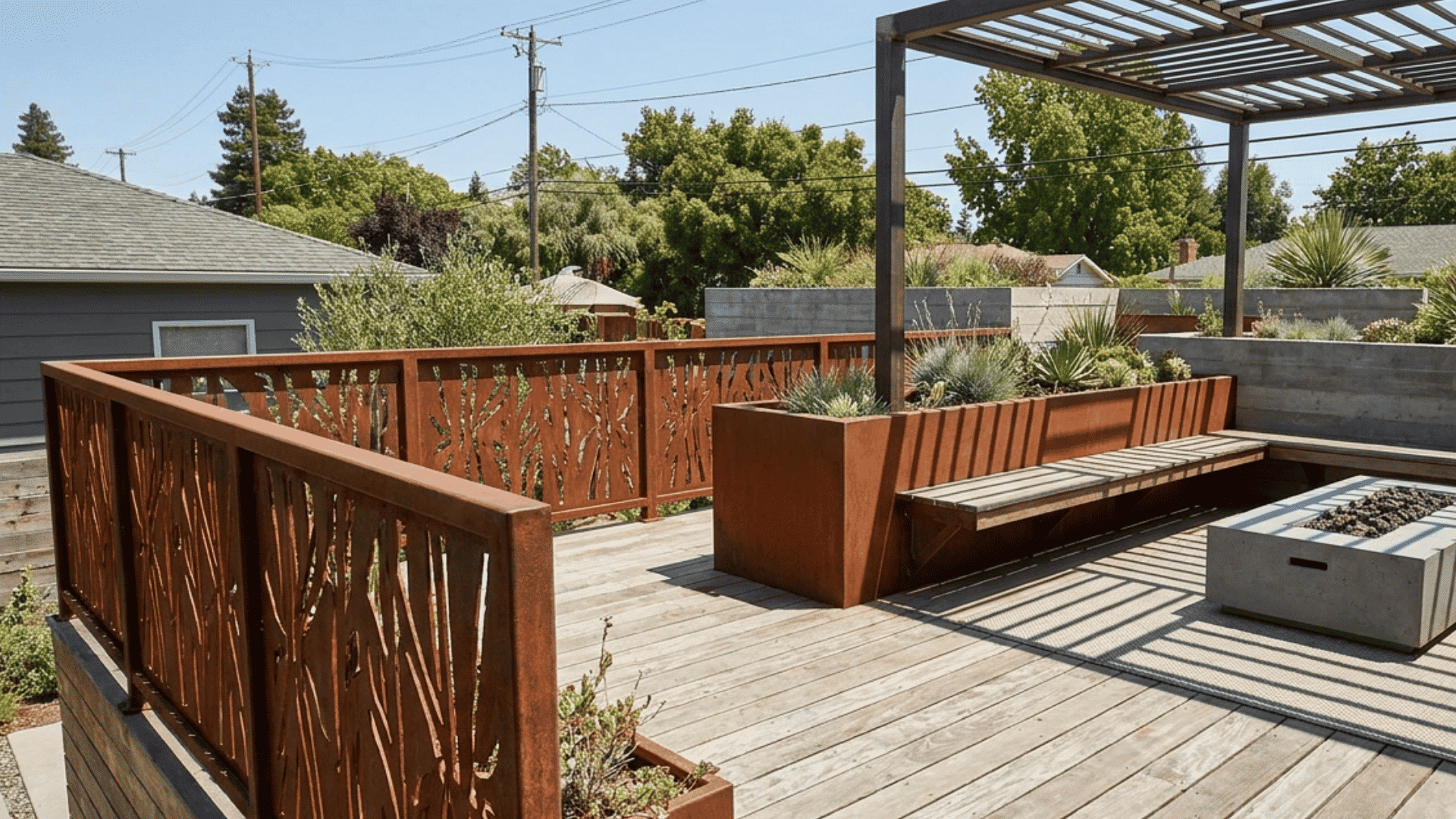
Corten (weathering steel) intentionally develops a rich rust-colored patina over time.
It’s a bold, artistic choice for homeowners who want their deck to make a statement. Once the patina forms, the steel actually becomes more resistant to further corrosion.
It pairs beautifully with natural wood decking, concrete, or stone elements. This is a less common choice, which is exactly the point: it’s unique, industrial, and genuinely striking.
13. Deck Planter Railings
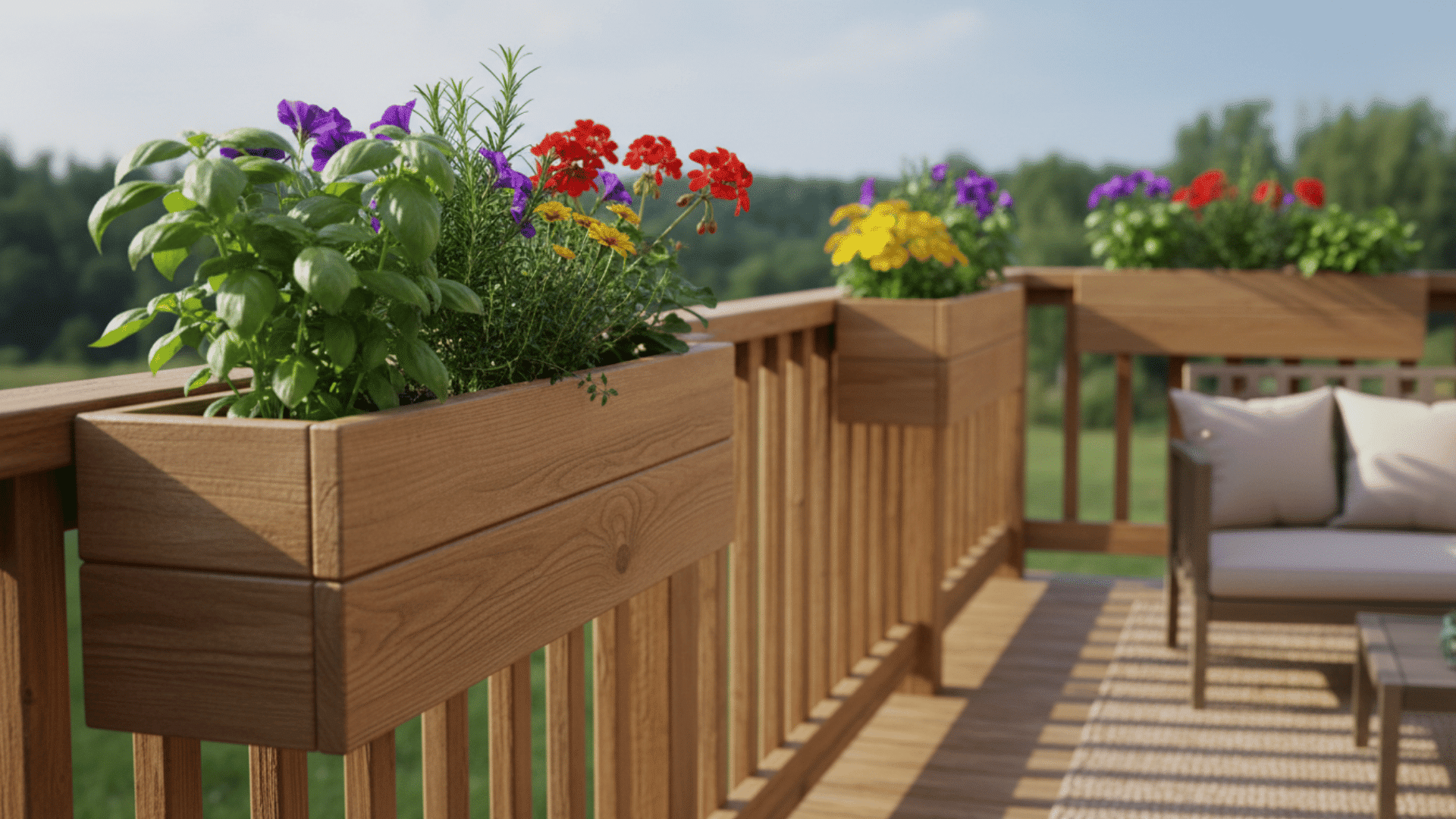
Who says railings are just for safety? Planter railings integrate built-in planter boxes along the top or sides of the railing.
Fill them with herbs, flowers, or trailing plants for a lush, garden-on-your-deck feel.
These are available in composite, vinyl, and wood versions. They’re a great choice for smaller decks where you want greenery but don’t have room for freestanding pots, a beautiful and functional upgrade.
14. Rope Railings (Nautical Style)
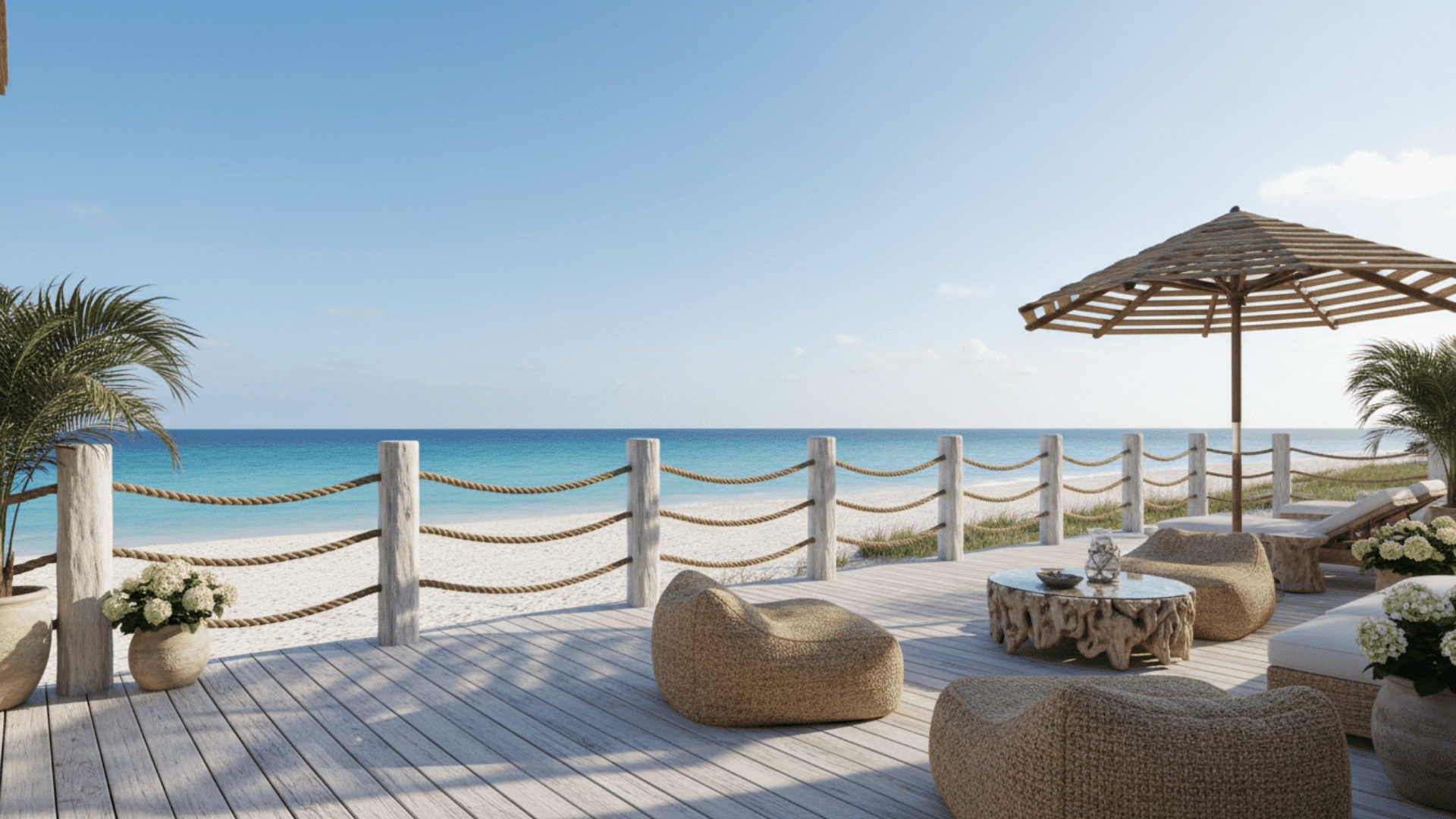
If your home is near water, a lake, river, or ocean, rope railings can add a playful nautical vibe.
Natural or synthetic rope is threaded between wood or metal posts to create a casual, beachy feel. Marine-grade rope holds up well outdoors.
This style works on cottage homes, beach houses, or any casual outdoor space where you want to lean into the relaxed, fun side of outdoor living.
15. Horizontal Metal Rod Railings
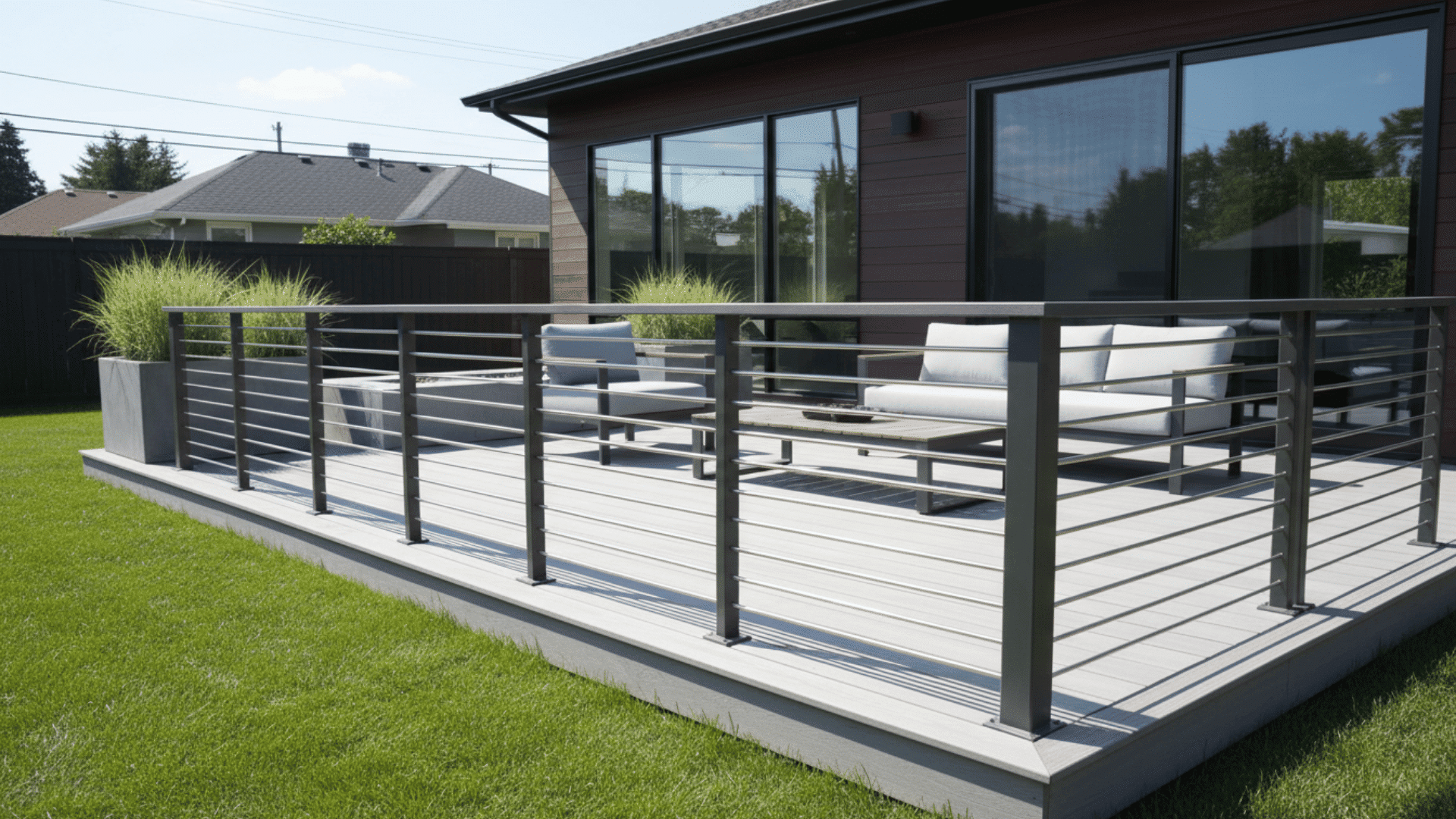
Similar to cable railings, but with round or square metal rods (usually aluminum or steel) running horizontally between posts.
The rods are thicker and closer together than the cable, giving a bolder, more graphic look. Powder-coat them in black, white, or bronze for different effects.
This is a strong choice for modern and industrial-style decks. Lower maintenance than wood and more budget-accessible than glass systems.
16. Bench-Top Railings
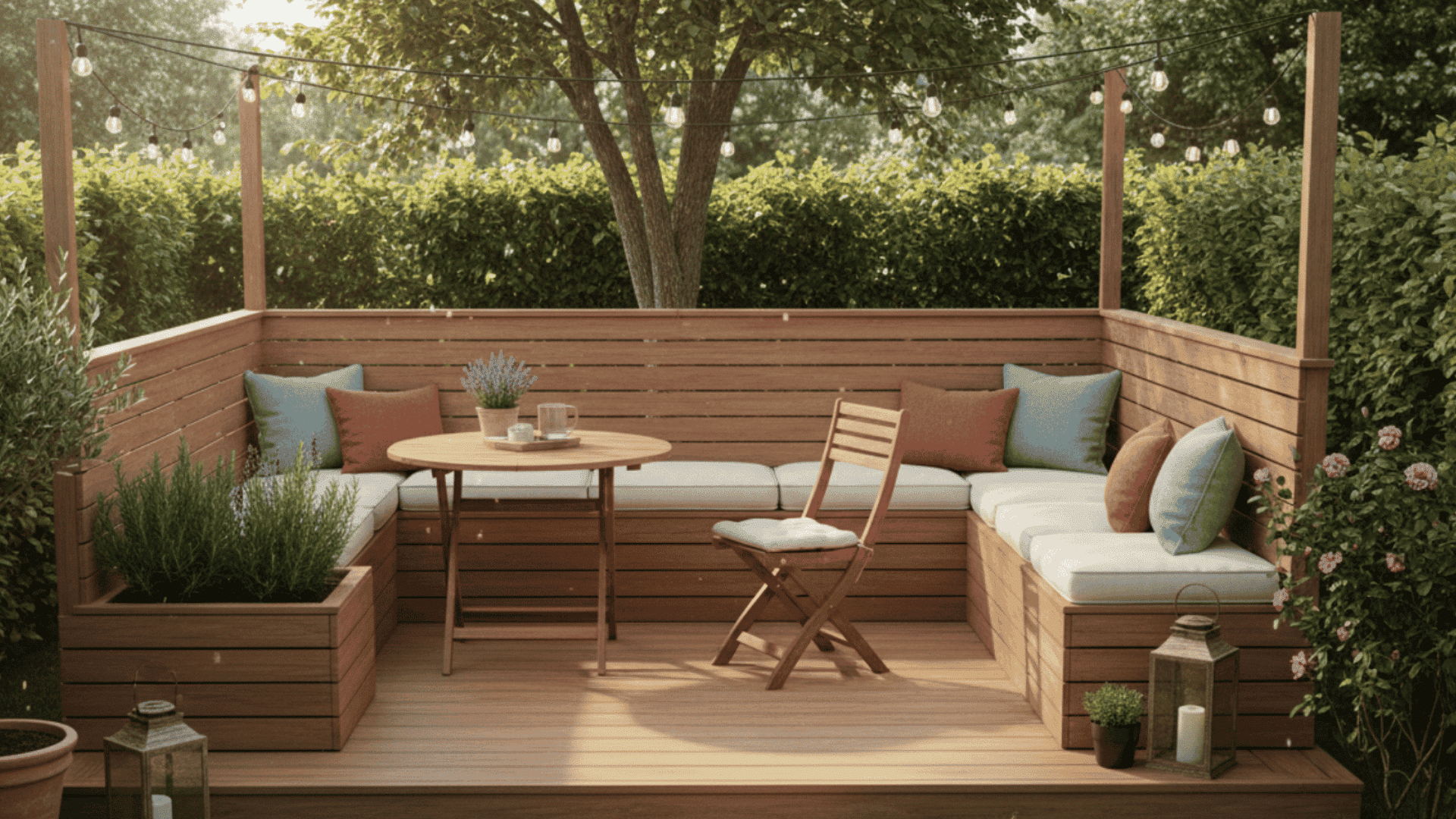
A bench top railing is exactly what it sounds like: a built-in bench along the perimeter of the deck, with the bench back serving as the railing.
It’s a space-saving, multi-functional solution that works especially well for smaller decks or those with limited square footage.
Built from composite or cedar, these are comfortable, sturdy, and look like they were always part of the original design. Great for entertaining spaces where extra seating is always welcome.
17. Privacy Screen Railings
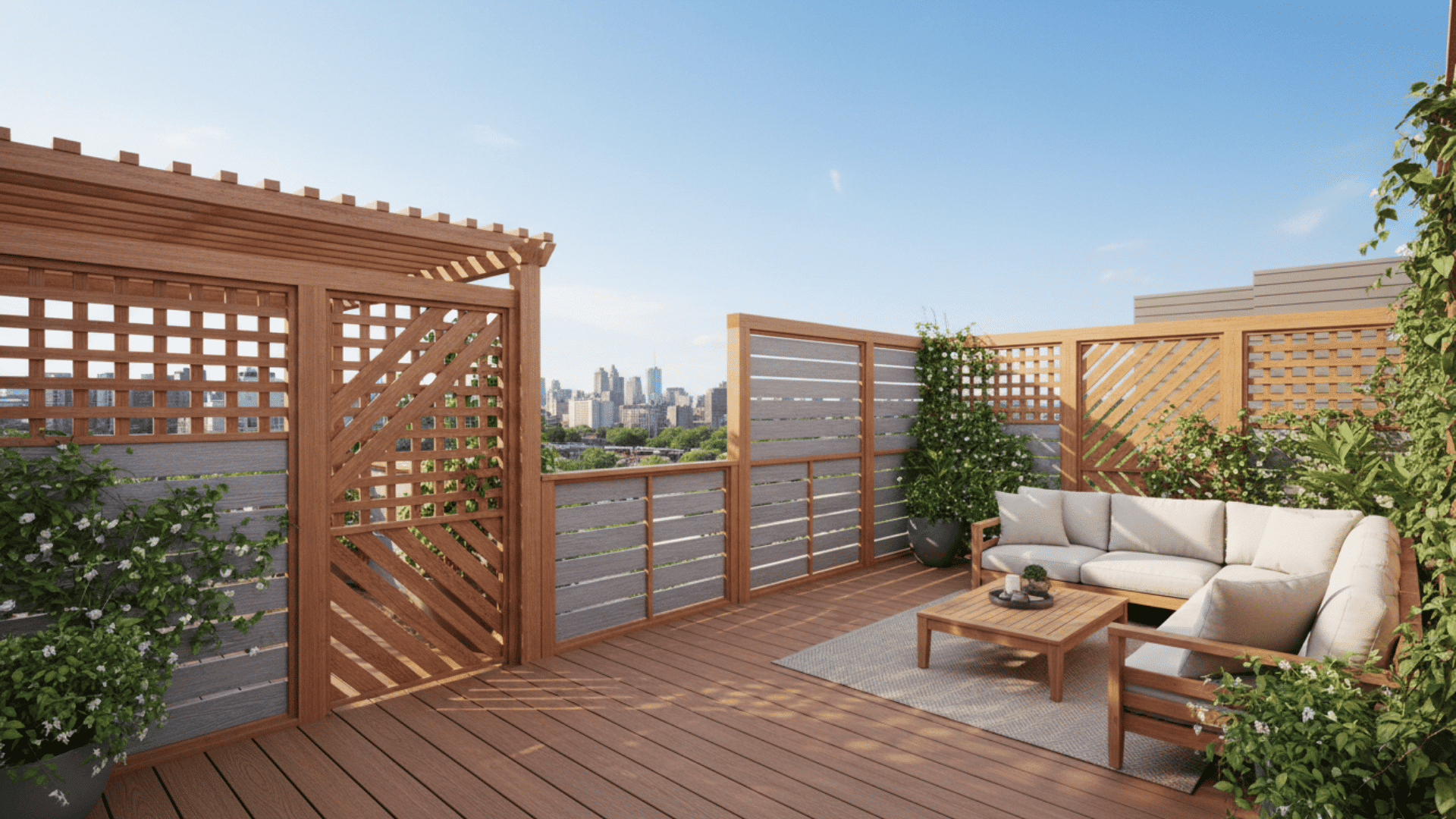
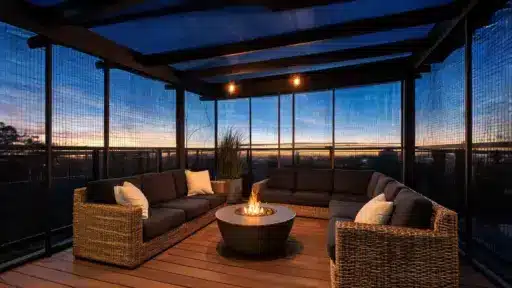
Privacy screen railings use closely spaced vertical or horizontal boards, lattice panels, or woven composite slats to create a sense of enclosure.
Perfect for urban decks, rooftop terraces, or any space where neighboring homes or streets are uncomfortably close.
You still get fresh air and light, but with a sense of separation that makes the deck feel more like a private outdoor room.
Cedar, composite, and aluminum screen options are all widely available.
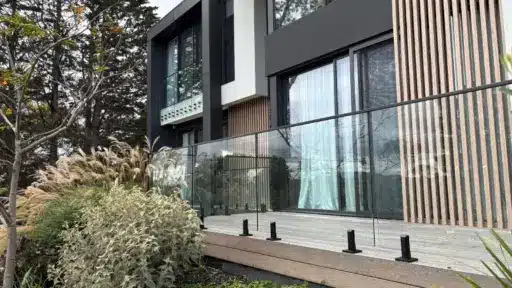
18. Floating Glass Railings (Standoff-Mounted)
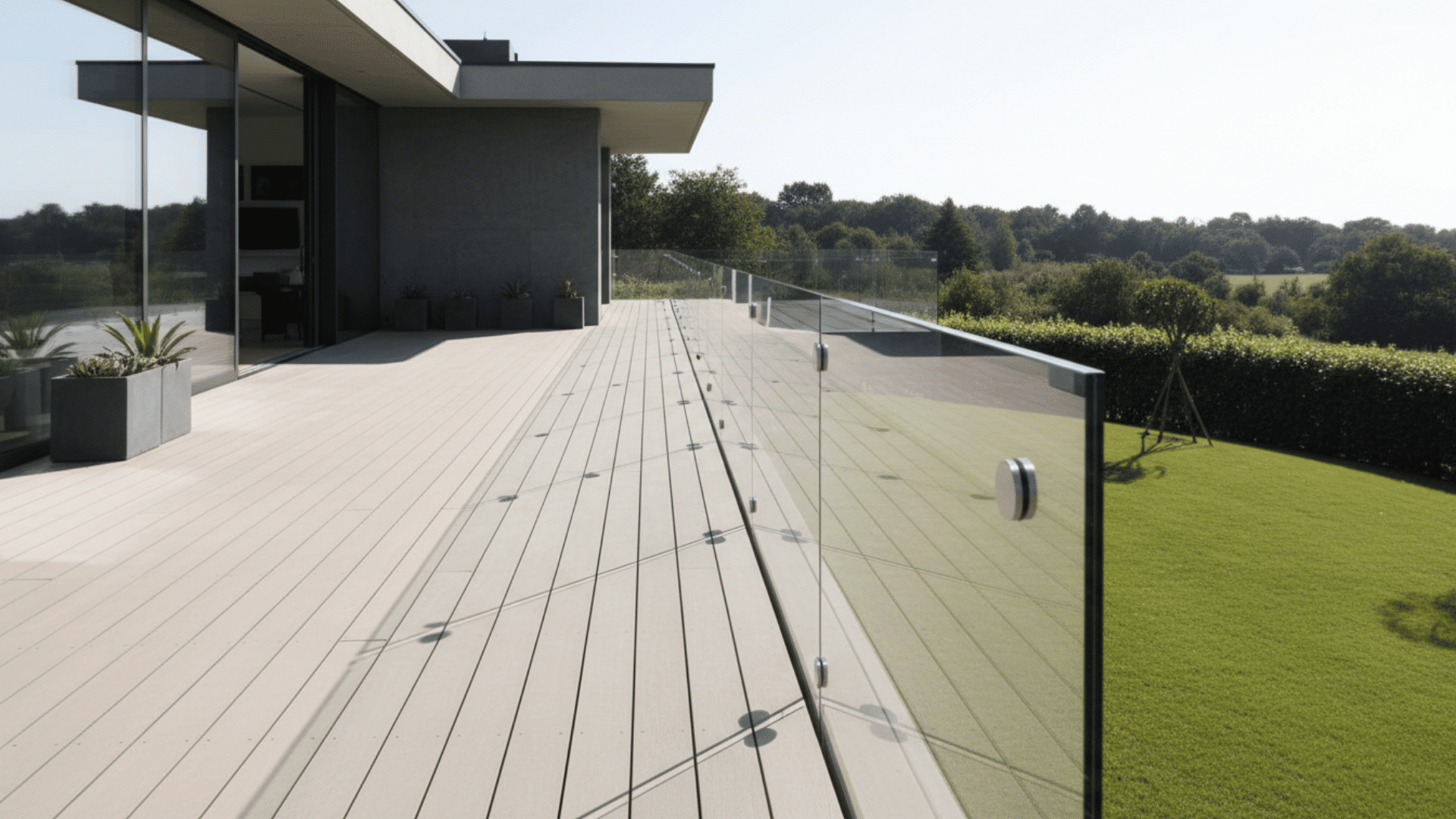
Standoff-mounted glass railings use small, round stainless steel hardware (called standoffs) to attach glass panels directly to the deck structure, eliminating the need for traditional posts.
The result is a floating, sculptural look that feels high-end and minimal. This system works best in contemporary or ultra-modern homes and is popular in commercial settings, such as hotel rooftops.
It does require professional installation, but the impact is undeniable.
19. Two-Tone Painted Wood Railings
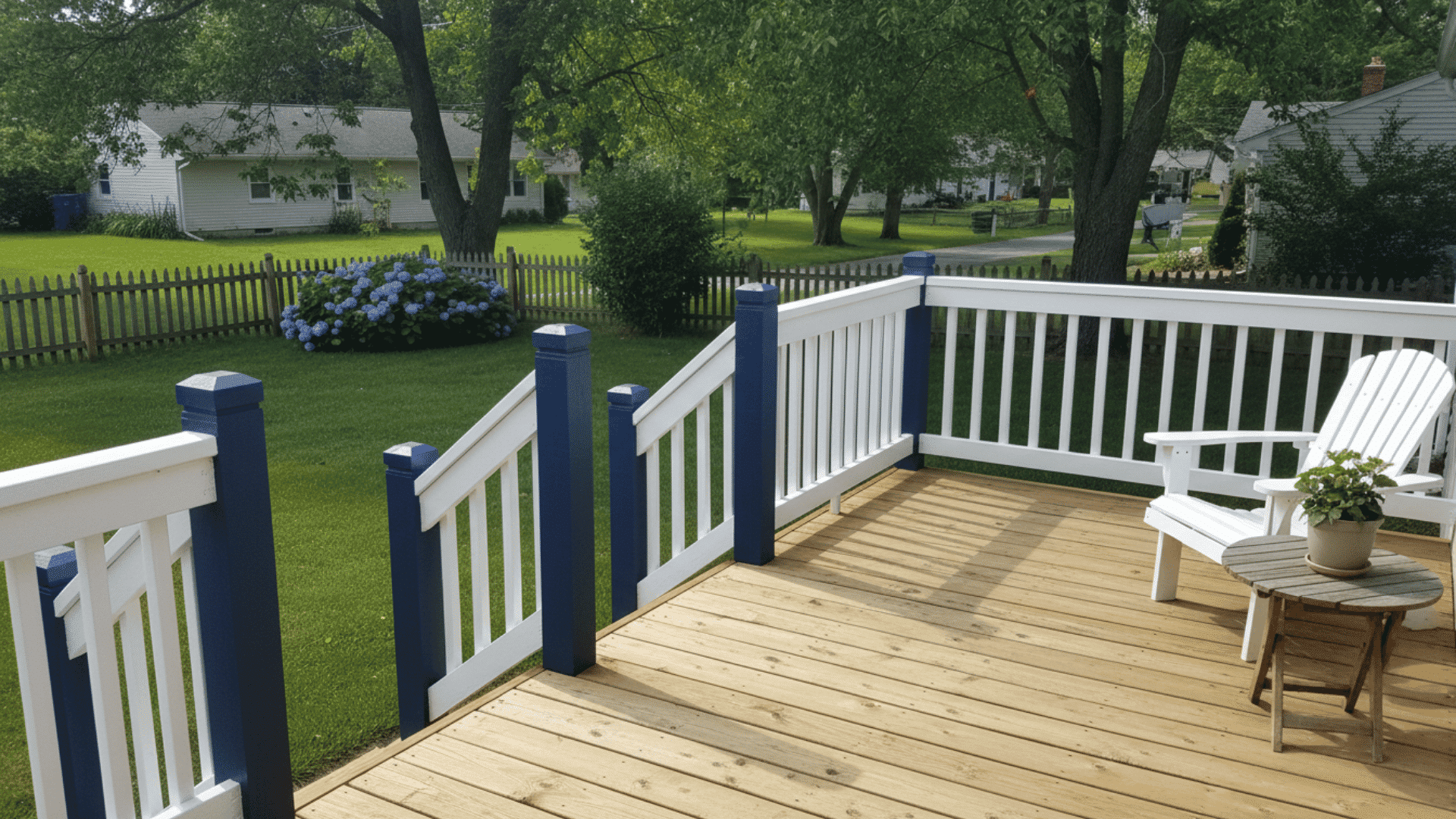
This is one of my favorite budget-friendly ideas for adding personality.
Paint the posts one color, and the balusters and rails a contrasting shade. Think navy posts with white rails, or black posts with natural wood rails.
It’s a small design choice that adds real visual interest without requiring premium materials. Works on any wood railing and is easy to update with a fresh coat as trends or tastes change.
20. Corrugated Metal Panel Railings
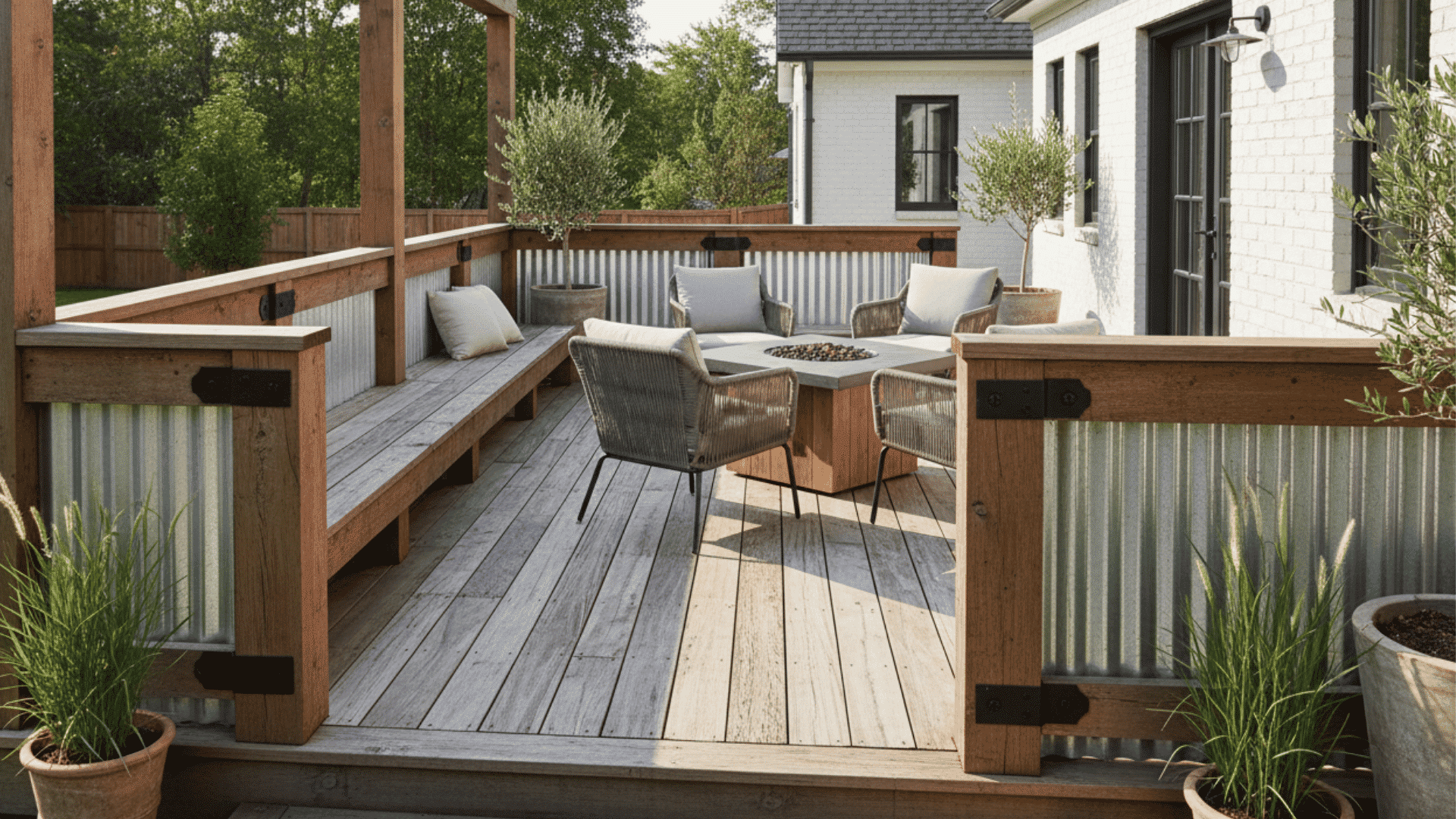
Inspired by barn and industrial architecture, corrugated metal panels used as railing infill are trending in farmhouse and rustic modern home design.
The wavy texture of the metal adds movement and depth, and the material is incredibly tough and weather-resistant. Galvanized or powder-coated panels resist rust.
They are installed between traditional wood or metal posts, creating a genuinely one-of-a-kind look. Great for homes with industrial, farmhouse, or eclectic style.
Key Factors to Consider when Choosing Deck Railings
Here are six important considerations when choosing a deck railing:
| Consideration | Key Point |
| Durability | Wood lasts with upkeep, aluminum, composite, and vinyl last for decades. |
| Maintenance | Wood requires care, composite, vinyl, and aluminum are low-maintenance. |
| Safety & Codes | Decks 30 inches or more require railings 36 to 42 inches tall and balusters 4 inches or less. |
| Budget | Vinyl is budget-friendly; wood is low to mid-range, aluminum is mid-range, and custom railings are premium. |
| Style Compatibility | Match the railing to your home and deck style. |
| Resale Value | Timeless styles hold value; bold or niche choices may appeal to fewer buyers. |
Where to Buy Deck Railings
Ready to shop? Here’s how I recommend approaching it:
1. Online Retailers and Manufacturers
The internet has made it much easier to compare deck railing options side by side. A few places worth exploring:
- Deckorators: Great selection of composite and aluminum systems with excellent design tools
- TimberTech / AZEK: A leader in composite decking and railing, with premium options and a wide color palette
- Fortress Building Products: Strong metal railing systems, including steel and aluminum with powder-coat finishes
- Trex Transcend: Composite railings from one of the most trusted names in composite decking
- Lowe’s: Good range of mid-price options across most materials, with the convenience of easy returns and local pickup
- DiscountDecking: Online-only retailer that often offers lower prices, but research shipping and return policies carefully before ordering
When shopping online, look for detailed product specifications (load ratings, spacing, code-compliance notes), read customer reviews carefully, and check for sample programs.
Many composite and vinyl manufacturers will send you small sample pieces so you can see the true colors before ordering.
2. Local Lumberyards and Deck Supply Stores
For wood and composite railings in particular, your local lumberyard can be an excellent resource.
Staff at specialty deck supply stores often know their product lines well and can offer installation advice that generic big-box stores can’t match.
Local suppliers also tend to carry regional favorites and can tell you what holds up best in your specific climate.
3. Contractors and Deck Builders
If you’re having a deck built or professionally renovated, your contractor likely has preferred suppliers with trade pricing.
Ask to see product samples and request a breakdown of material costs so you understand what you’re paying for.
Don’t be afraid to bring in your own product ideas. A good contractor will work with what you’ve chosen as long as it’s code-compliant.
Tips for Comparing Quality and Price
Smart railing choices come down to balancing upfront cost, long-term value, durability, maintenance needs, and the look you want for your outdoor space.
- Compare by linear foot: Railing pricing is typically quoted per linear foot. Make sure you’re comparing apples to apples across brands.
- Factor in installation cost: Some systems (especially glass and cable) require professional installation. Others are designed for confident DIYers.
- Ask about warranties: Quality composite, vinyl, and aluminum railings often come with 20–25 year limited warranties. Wood typically carries no manufacturer’s warranty.
- Don’t skip the sample step: Colors look very different on a monitor versus in real outdoor light. Always get a physical sample if you can.
Final Thoughts
A deck railing does more than keep you safe.
It defines the character of your outdoor space, connects your home’s architecture to your landscape, and sets the tone for every gathering, morning coffee, or sunset you’ll enjoy out there.
The key is to be thoughtful. Take stock of your home’s style, your climate, how much maintenance you’re willing to do, and how long you plan to stay.
Then choose deck railing options that check all those boxes, not just the ones that look pretty in a photo.
After years of helping homeowners transform their spaces, I can tell you this: the projects that turn out best are the ones where the homeowner took the time to understand their choices before making them.
What deck railing style do you prefer for your home? Share your top choice in the comments.
Frequently Asked Questions
What is the 4 Rule for Railings?
The 4‑inch rule: openings in a guard (balusters or gaps) must be small enough that a 4‑inch sphere cannot pass through.
What Can I Use Instead of Deck Railings?
Built-in benches or planters, short knee walls, glass or cable infill systems, or defined edge treatments that meet local safety rules
At What Height does a Deck Need a Railing?
Most codes require a guardrail once the deck is about 30 inches above grade (minimum guard height usually 36 inches).

Robert Thompson, a proud alum of the University of Oregon with a degree in Landscape Architecture, has been a leading figure in outdoor space enhancement for over 17 years. He started his career with a landscape design firm, gaining invaluable experience creating functional and attractive outdoor living areas. Robert joined our website in 2018, where he quickly became known for his innovative yet practical advice on outdoor renovations. He has been the chief editor of our deck and patio section ever since then, helping readers transform their outdoor spaces into personal retreats. When not drafting designs or writing, Robert is an avid kayaker, often drawing inspiration from nature for his creative projects.