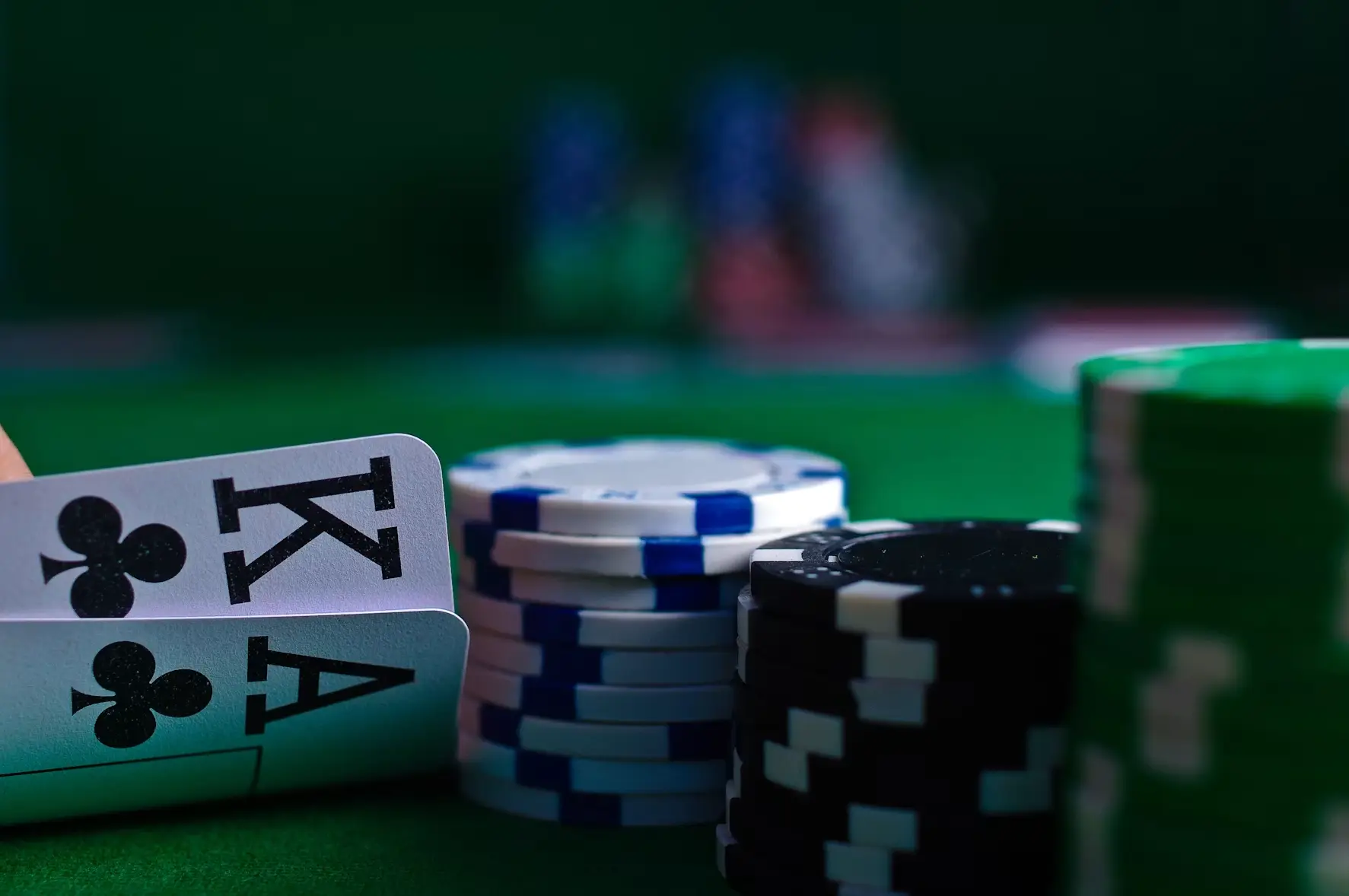
Two players can receive the same cards and play the hand completely differently. One folds before committing much money, while another turns a weak holding into a believable bluff. That freedom to choose is central to poker.
Cards still arrive randomly, but almost every hand asks for judgement. Position, stack size, previous bets and an opponent’s habits all change what the next move should be.
Before the First Card Is Played
Poker decisions begin before a player sits at a table. The format, stakes and available game type determine what kind of strategy will be useful.
Someone researching the top 5 betting sites in india may reach MelBet’s India-focused site, where poker appears alongside its other gaming sections. Checking the actual poker offering first is more useful than assuming that every table follows identical rules or betting structures.
Once play begins, starting-hand selection becomes the first filter. Pocket aces deserve a very different response from 7-2 offsuit, although position can still change how aggressively either hand is played.
Position Changes the Value of Information
Acting later in a betting round gives a player more information. A button player has already seen several opponents check, call, raise or fold before making a decision.
That can turn a borderline hand into a playable one. Early position demands more caution because several unseen decisions remain behind, while late position creates more room for steals, value bets and controlled bluffs. Several calculations repeatedly appear in serious poker strategy:
- Pot odds compare the cost of calling with the size of the pot.
- Implied odds consider money that could be won on later streets.
- Expected value estimates the long-term worth of a decision.
- Bet sizing changes the price an opponent receives to continue.
- Bluffing uses betting patterns to represent a stronger range.
None of these tools predicts the next card. They help decide whether a choice makes mathematical sense with the information currently available.
Playing Without Seeing the Full Picture
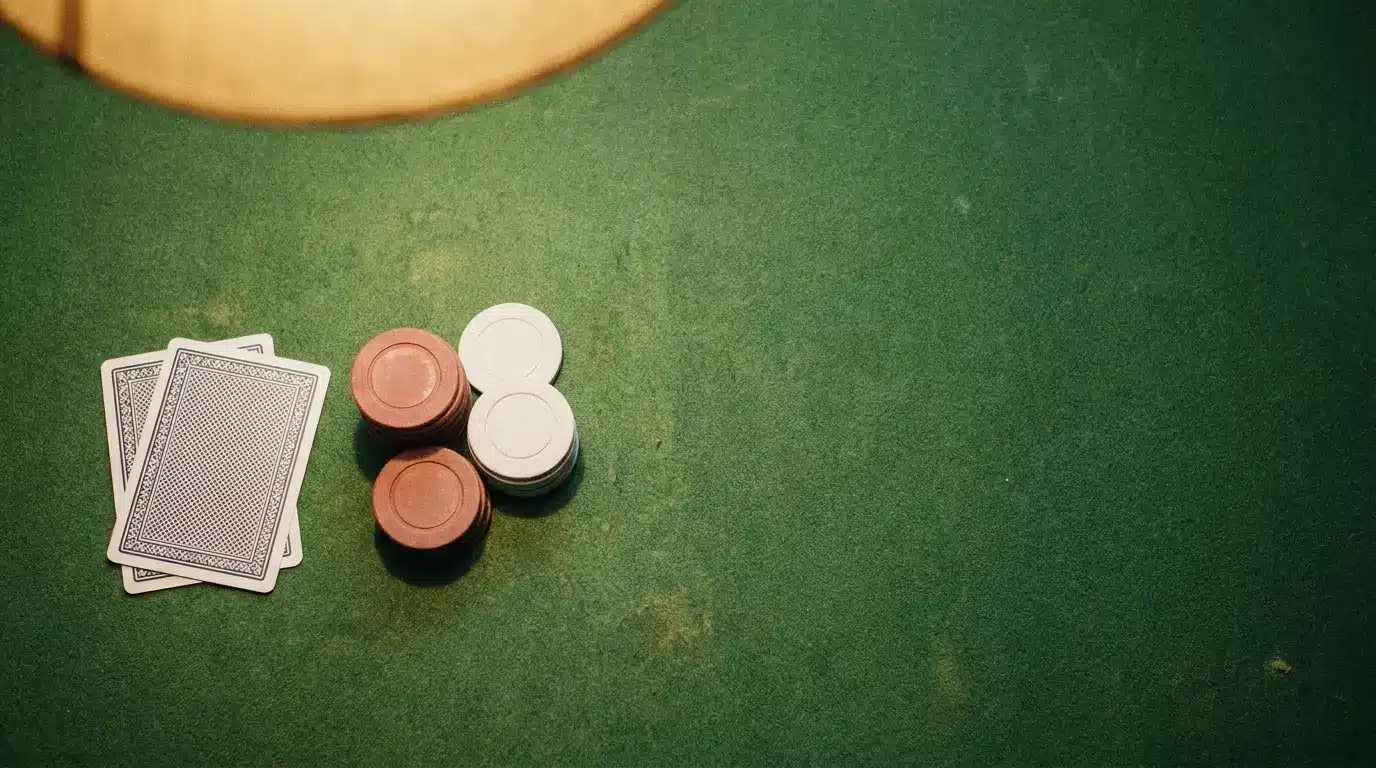
Poker is built around incomplete information. A player sees personal cards, community cards and public betting actions, while opponents’ hole cards remain hidden.
That makes behaviour useful data. Someone who raises frequently from a late position may hold a much wider range than a player who has entered only one pot in an hour. A large river bet also means something different when it comes from an aggressive opponent than from a consistently cautious one.
The same questions apply when reviewing poker access through the melbet page. Before playing, it makes sense to identify the format, table limits and rules, since strategy changes between cash games, tournaments and different poker variants.
Why Bluffs Cannot Become Predictable
A player who always bets strong hands and always checks weak ones becomes easy to read. Stronger poker strategy therefore includes some deliberately varied decisions.
In game theory strategy, a mixed strategy means choosing between possible actions with particular probabilities. Poker provides an intuitive example: some hands may sometimes be bet and sometimes checked so an opponent cannot infer exact card strength from one action.
Bankroll management adds another layer outside individual hands. Even a mathematically sound decision can lose because short-term variance remains part of the game.
That combination explains poker’s strategic depth. Cards create the situation, while players decide how much information to reveal, which risks to accept and how to respond to people making their own decisions at the same table.

Dylan Reyes, BSc in Game Design, has spent eleven years developing indie titles and analyzing esports strategies. He joined our site in 2025 to unpack mechanics, lore, and hardware essentials for gamers of every skill level. Off-keyboard, Dylan teaches coding to teens and speedruns retro classics.