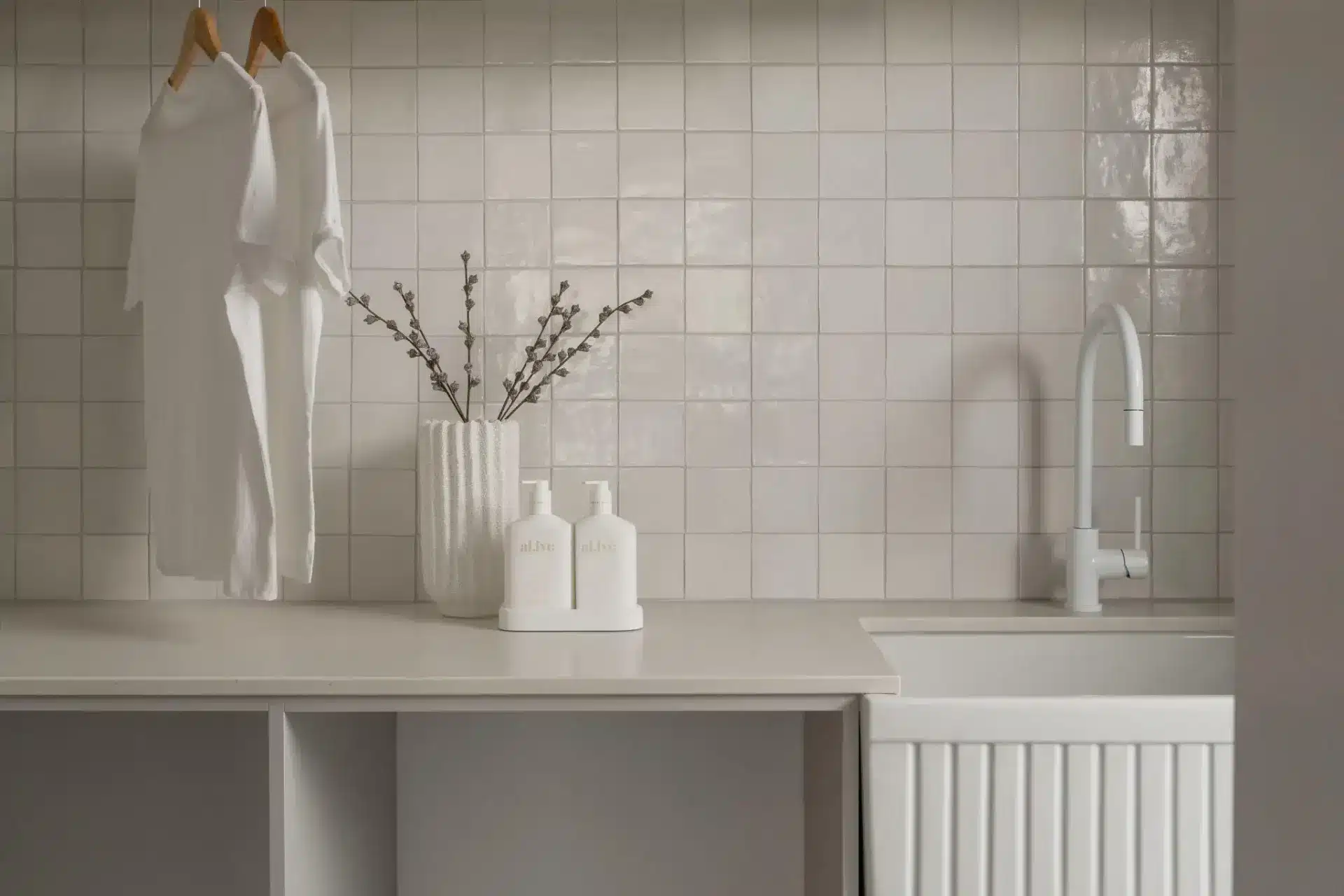

Walk through almost any home built in the last decade, and you’ll find tile quietly shaping the way each space looks, feels, and functions. It’s easy to think of it as a practical choice, something selected once the layout and colour scheme are settled, but that underestimates its influence. Long after walls have been repainted and furniture swapped out, tile is often the one material still doing exactly what it was chosen to do.
That staying power isn’t accidental. Interior trends move in cycles, but tiles have remained a constant across centuries of design, from Mediterranean courtyards to mid-century bathrooms to the large-format porcelain slabs appearing in new builds today. The material continues to evolve while staying fundamentally useful, which is exactly why designers keep returning to it.
More Than a Surface Material
Tile is often perceived as a decorative finish, specified late in the process to complete a space. In practice, it plays a far greater role in shaping how a room feels than that framing suggests.
Tile sets the rhythm of a room before many other elements do. A large-format floor tile laid with minimal grout lines can visually stretch a small bathroom, while a patterned mosaic underfoot draws attention and creates movement through a hallway or entry. Texture also changes how light behaves in a space. A matte finish absorbs light and creates a calmer, more grounded feel, while a glossy tile reflects it and can make a room feel brighter and more open. It is the reason architects specify tile with the same intent they bring to window placement, ceiling height, and spatial proportion.
Tile achieves something few materials can: it withstands daily wear while actively shaping how a home feels to live in.
How Tile Adapts to Every Room
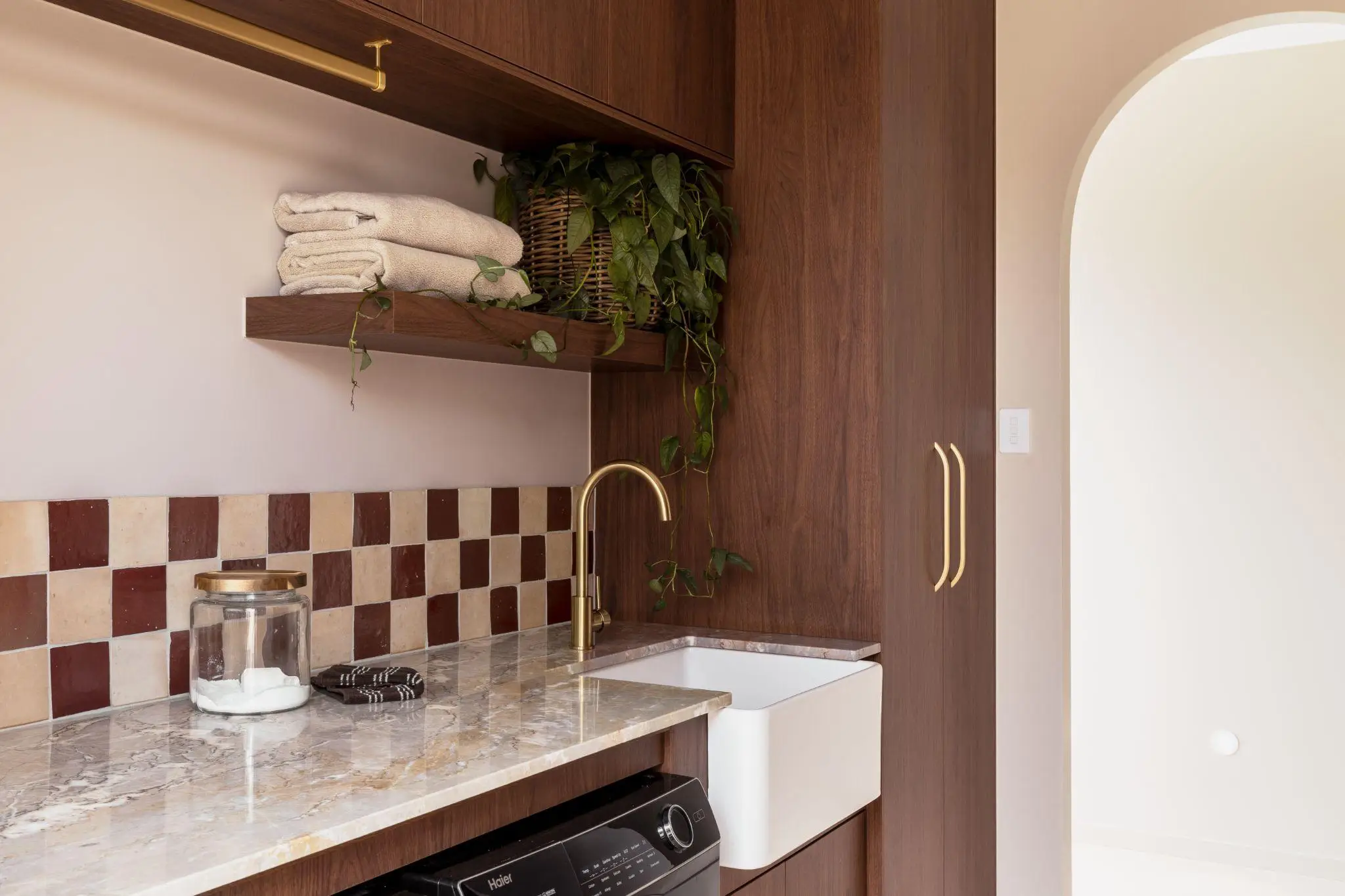
One of tile’s greatest strengths is its remarkable versatility, with few limitations on where it can be used. Kitchens require surfaces that resist grease splatter and frequent cleaning. Bathrooms need materials that withstand constant moisture without warping or encouraging mould growth. Laundries endure heavy daily wear, from detergent spills to appliance movement. Exterior living areas require surfaces that can withstand changing weather, UV exposure, and the demands of everyday outdoor living.
Tile meets all of these needs without forcing a home to feel disconnected from room to room. Using a consistent tile palette, even across different finishes or sizes, throughout a kitchen splashback, bathroom floor, and outdoor patio creates a sense of continuity that few other materials can achieve. Walking from an indoor living space onto a tiled alfresco area, for example, can feel like a natural extension of the home simply because the flooring carries the same visual language.
This adaptability is also why tile rarely dates a home in the way some other finishes can. A carpet choice or paint colour may quickly feel tied to a particular era. A well-chosen tile, particularly one inspired by natural stone tones or classic formats, tends to sit comfortably alongside changing trends.
The Design Flexibility of Modern Tiles
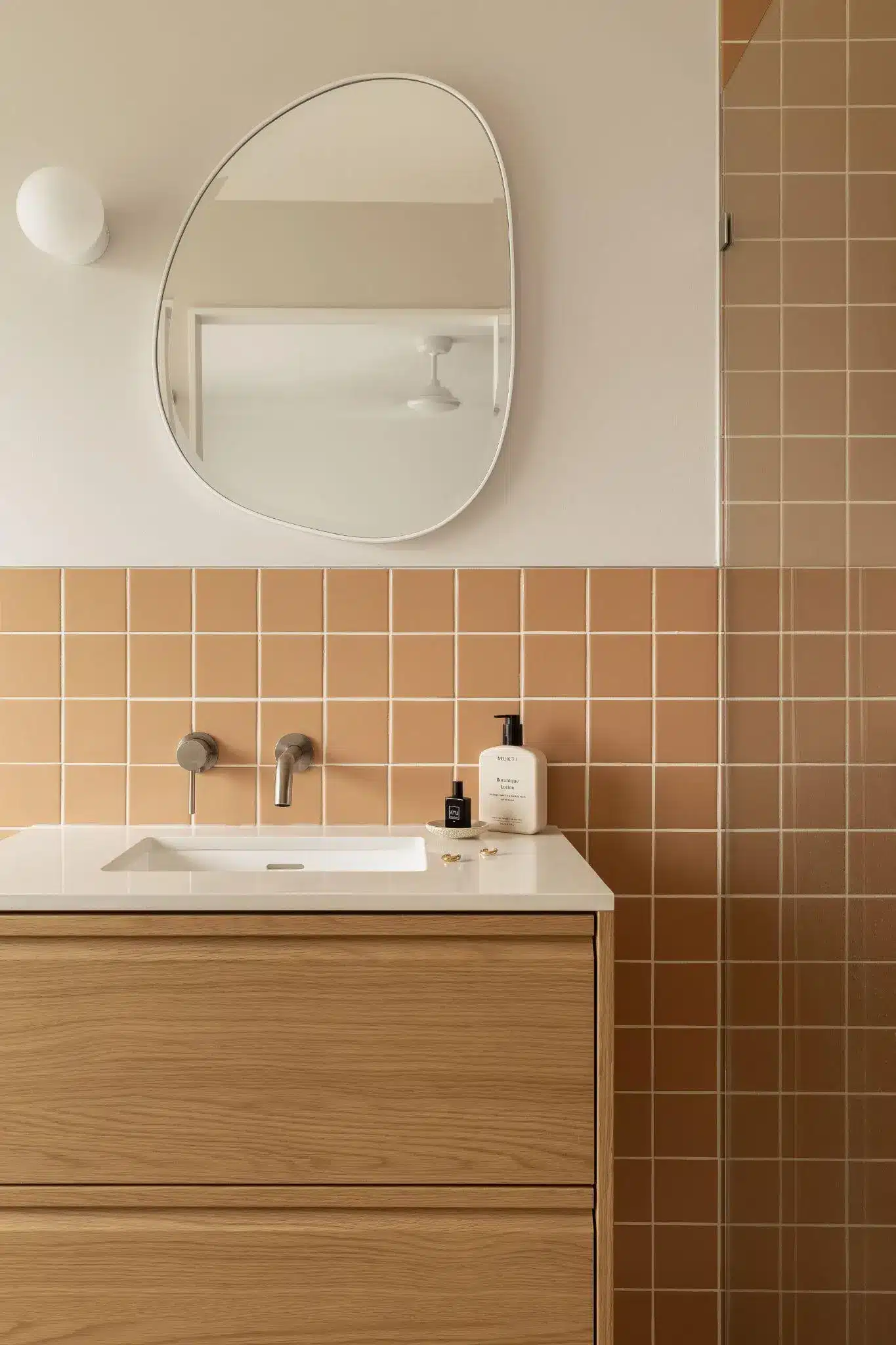
If tile earned its reputation through durability, it has maintained its relevance through range. The options available today extend far beyond the small ceramic squares many people picture when they think of tile.
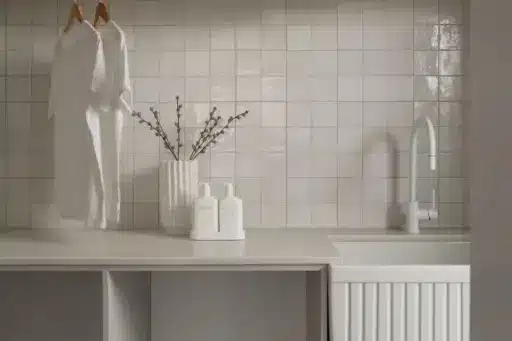
Large-format tiles have become popular for their minimal grout lines and ability to create a greater sense of space. Mosaics remain a favourite for feature walls and splashbacks, where smaller pieces allow for texture and pattern that a single slab cannot achieve. Natural stone looks and terrazzo-inspired finishes bring the character of real stone without the same maintenance demands, while handcrafted textures add warmth and individuality.
Finish plays an equally important role. A matte surface tends to feel softer and more contemporary, while a gloss finish reflects more light, creating a brighter, more traditional feel. Subtle variation within a single batch, something manufacturers increasingly embrace, gives surfaces a more natural and considered appearance. Installation style also influences the final result: a herringbone layout can turn a simple rectangular tile into a feature, while a straightforward grid pattern allows other elements in the room to take focus.
This breadth of design possibilities, combined with tile’s everyday practicality, is why it remains a preferred choice for architects and homeowners working through material selections, regardless of the style they aim to achieve.
Choosing Materials That Stand the Test of Time
There is a broader shift happening in how people approach renovations and new builds. Fewer homeowners are chasing trends for their own sake, and more are asking which choices will still feel considered a decade or more from now.
Tile answers that question well. Its durability means it is rarely the first element to require replacement after years of use, reducing both long-term costs and the disruption of future renovations. Maintenance is generally straightforward, particularly with porcelain and ceramic options that resist staining and do not require ongoing sealing like some natural stone finishes.
Just as importantly, the range of formats, finishes, and colours means a tile chosen today does not lock a home into one narrow aesthetic. A neutral, well-proportioned tile can adapt through changing furniture, colour palettes, and interior styles without feeling out of step.
This combination of performance and lasting design appeal is rare. Many materials offer either durability or aesthetic value, but few achieve the balance that tile provides.
A Material That Continues to Define Great Design
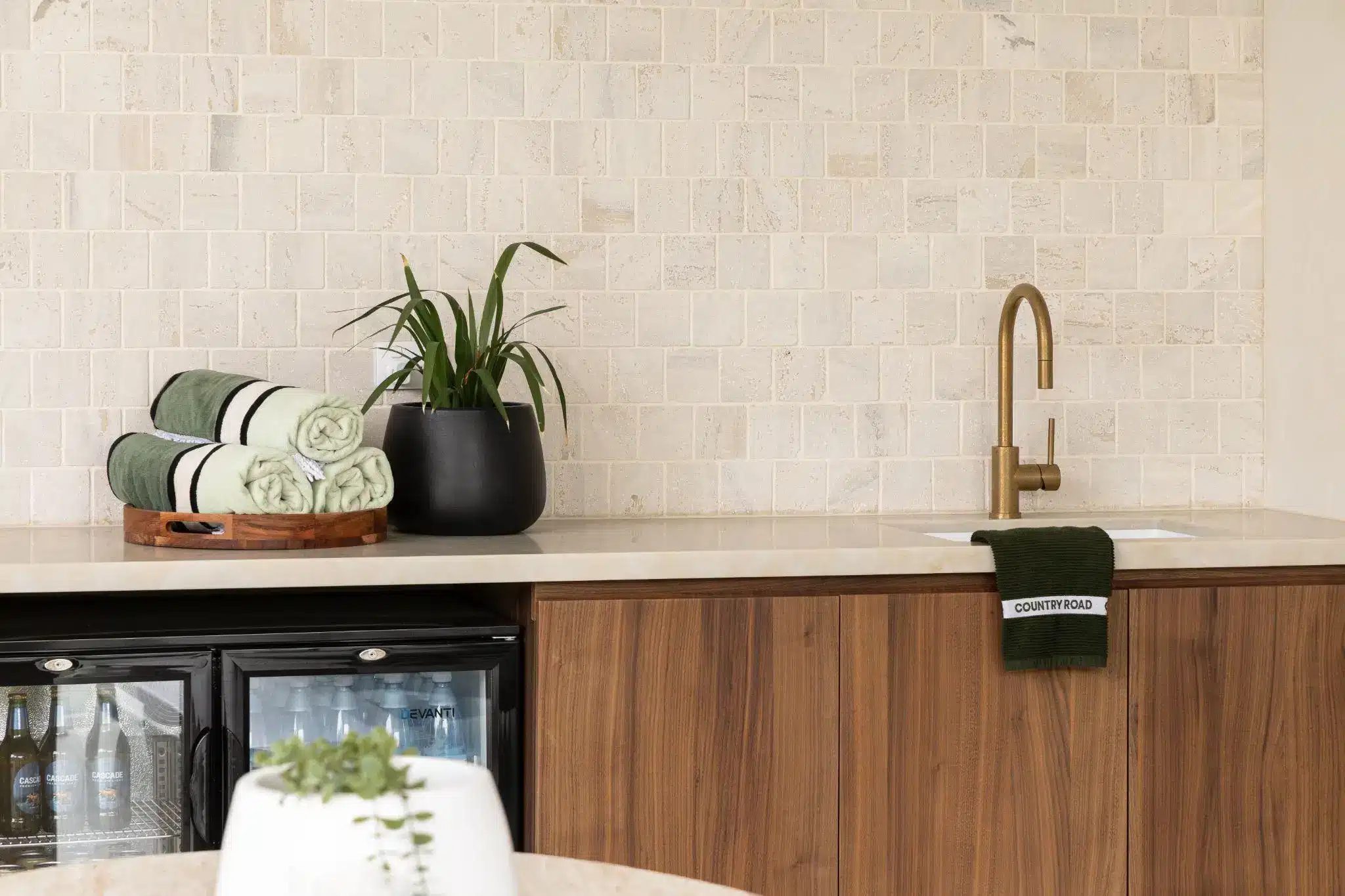
Interior trends will continue to shift. Colour palettes will evolve, furniture silhouettes will change, and today’s most sought-after finishes will eventually feel dated. Tile has proven, over a genuinely long stretch of design history, that it can absorb those changes without losing relevance.
Its lasting appeal goes beyond durability, although that remains a significant part of its value. It is the way tile shapes atmosphere, creates cohesion between indoor and outdoor spaces, and quietly influences how a home ages and continues to function over time. Few materials manage to be this practical and this expressive at once.
For anyone weighing up material choices for a renovation or new build, tile remains one of the most enduring options available. It is not simply a finishing material; it is one of the decisions that defines how a home looks, feels, and functions for years to come.

Ava Taylor, holding a Bachelor’s degree in Interior Design from the Pratt Institute, has made her mark in creating engaging and functional living spaces for over 14 years. She began her career with a New York-based design studio, where she gained a reputation for her innovative and user-centric designs. Ava joined our team in 2019, bringing a blend of artistic flair and practicality to our home improvement section. Since the she has been the lead contributor to our room transformation series, inspiring readers with her unique approach to maximizing space utility and aesthetic appeal. Beyond her professional work, Ava is a passionate collector of vintage furniture, a hobby that enriches her design perspective.