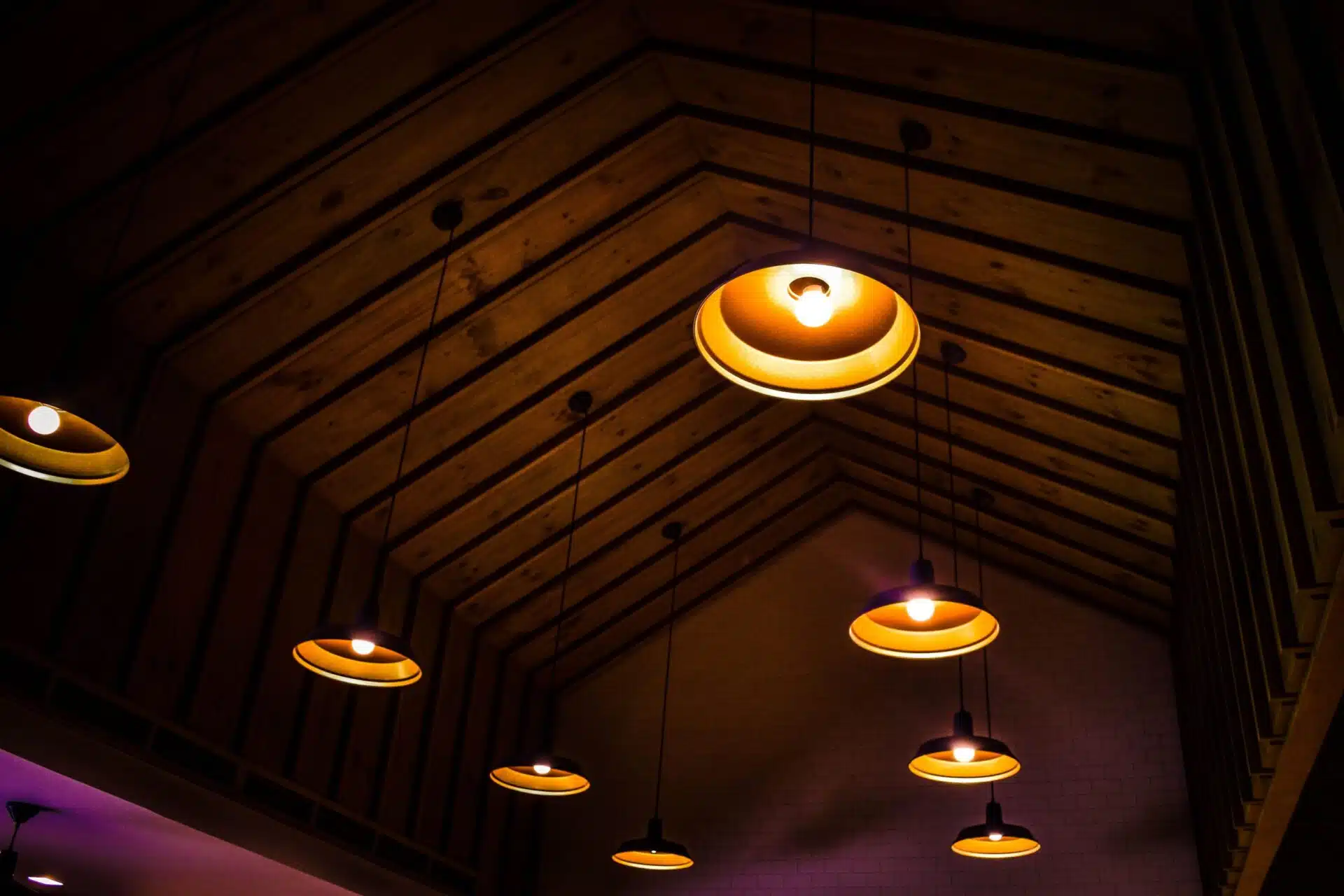

Ask most homeowners what they think about when they’re designing or renovating a space, and lighting rarely tops the list. Paint colors, furniture selection, flooring materials, cabinetry finishes — these are the decisions that consume most of the planning energy and most of the budget conversations. Lighting tends to get addressed toward the end of the process, often treated as a finishing touch rather than a foundational design decision. This approach, while extremely common, represents one of the most significant missed opportunities in interior design — because modern lighting is not a finishing touch. It is the element that determines how everything else in the space is experienced, perceived, and felt by the people who live within it.
The good news is that the world of modern lighting has never been more exciting, more accessible, or more capable of genuinely transforming interior spaces than it is right now. A convergence of technological advancement, material innovation, and sophisticated design thinking has produced a lighting landscape that offers solutions for every aesthetic, every architecture, and every budget — and understanding how to navigate that landscape is one of the most valuable skills a homeowner or designer can develop.
What “Modern Lighting” Actually Means
The phrase “modern lighting” is sometimes interpreted narrowly — as a reference to a specific design style characterized by clean lines, minimalist forms, and industrial-influenced materials. And while that interpretation captures one corner of the modern lighting world, it misses the broader and more meaningful definition.
In its fullest sense, modern lighting refers to the current generation of lighting design and technology — fixtures and systems that reflect contemporary understanding of how light functions in space, how it affects human physiology and psychology, and how it can be controlled and adapted to serve the full range of activities and emotional states that characterize life in a modern home.
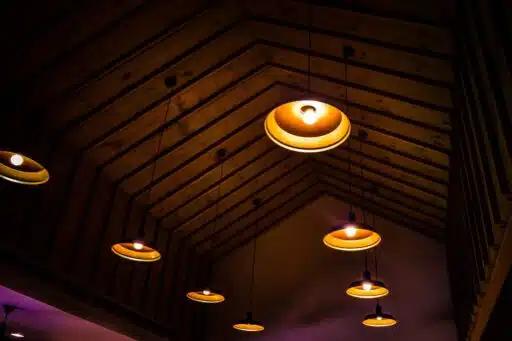
This broader definition encompasses an extraordinary range of aesthetics — from the strict geometric minimalism of Scandinavian-influenced design to the warm organic forms of biophilic interiors, from the glamorous opulence of contemporary crystal fixtures to the raw industrial character of exposed-filament pendants in blackened steel. What unites these diverse expressions is not a shared visual language but a shared commitment to the idea that lighting is a primary design element deserving serious creative and technical attention.
The Technology Revolution Behind Modern Lighting
It would be impossible to discuss modern lighting without acknowledging the technological transformation that has reshaped the entire industry over the past decade. LED technology has been the catalyst — and its impact goes far beyond simply replacing incandescent bulbs with more energy-efficient alternatives.
Early LED lighting earned a deserved reputation for cold, unflattering light that bore little resemblance to the warm, comfortable quality of incandescent illumination. The LED technology of today is categorically different. Modern LED sources offer color temperatures across the full warm-to-cool spectrum, exceptional color rendering that makes materials and human skin tones look natural and beautiful, full dimmability that was once difficult to achieve with fluorescent alternatives, and a lifespan measured in decades rather than years.
This technological maturity has given lighting designers and fixture manufacturers new creative freedom. Because LED light sources can be miniaturized to degrees impossible with traditional bulbs, they can be integrated into architectural elements — recessed into ceilings, concealed within furniture, embedded in staircases and shelving — in ways that create light without visible sources, an effect that was previously achievable only in high-budget commercial installations.
Smart lighting systems have added another dimension to modern lighting’s capabilities. The ability to control color temperature, intensity, and even color across an entire home from a single interface — and to program lighting scenes that shift automatically throughout the day in response to natural light levels or time — represents a genuinely new relationship between people and the light in their homes.
How Modern Lighting Functions Differently in Different Spaces
One of the hallmarks of sophisticated modern lighting design is the recognition that different spaces have fundamentally different lighting needs — and that a single approach applied uniformly throughout a home will inevitably serve some spaces well and others poorly.
Kitchen lighting in a modern context addresses both the functional demands of a working space and the growing role of the kitchen as a social and aesthetic center of the home. Task lighting at work surfaces, ambient lighting that makes the overall space comfortable and inviting, and accent lighting that highlights architectural features or material textures all play distinct roles in a well-designed modern kitchen lighting scheme.
Living room lighting benefits most from flexibility and layering. The living room serves more different activities than almost any other space in the home — relaxed conversation, focused reading, entertainment viewing, social gatherings — and each of these activities has different lighting requirements. Modern lighting design for living rooms typically prioritizes multiple independently controllable circuits that allow the space to transition smoothly between different lighting conditions throughout the day and evening.
Bathroom lighting is a space where modern lighting has made some of the most practically significant improvements. The combination of proper vanity lighting — positioned to illuminate the face rather than cast shadows from above — with ambient lighting that makes the space comfortable and accent lighting that highlights tile work or architectural details creates a bathroom environment that serves both the functional demands of the space and its growing role as a personal retreat.
Outdoor lighting is a dimension of modern lighting that is increasingly recognized as an extension of interior design thinking rather than a separate and purely functional concern. Contemporary exterior lighting — pathway lighting, architectural uplighting, deck and patio fixtures — shapes the relationship between interior and exterior spaces, extends the usability of outdoor areas, and contributes significantly to a home’s curb appeal and nighttime presence.
The Design Principles That Guide Modern Lighting Decisions
Understanding a few core design principles helps homeowners make better modern lighting decisions regardless of their specific aesthetic preferences or the particular spaces they’re working with.
The layered lighting approach — combining ambient, task, and accent lighting in every significant space — is perhaps the most universally applicable principle in modern lighting design. It reflects the understanding that no single light source can serve all the functions a room requires, and that the interaction between different layers of light creates visual depth and interest that flat, uniform illumination can never achieve.
Scale and proportion govern the relationship between a fixture’s physical size and the space it inhabits. Modern lighting design pays careful attention to this relationship — understanding that a fixture too small for its space disappears visually and fails to make the impact it should, while an oversized fixture overwhelms the space rather than enhancing it. Getting scale right is one of the most important and most commonly underestimated aspects of fixture selection.
Material and finish coordination connects lighting choices to the broader material palette of a space. The finish of a light fixture — whether brass, bronze, nickel, matte black, or natural materials like wood, stone, or woven fiber — should relate meaningfully to the other material choices in the room. This doesn’t mean everything must match precisely, but it does mean that the finish language of lighting fixtures should feel intentional and coherent within the overall design.
Color temperature consistency across a space — or the intentional management of color temperature variation between spaces — profoundly affects how a home feels as you move through it. Modern lighting design treats color temperature as a design variable to be specified and controlled, not simply accepted as whatever happens to come with a chosen fixture.
Why Investing in Modern Lighting Pays Dividends
Among all the investments a homeowner can make in the quality of their living environment, modern lighting consistently delivers among the highest returns — both in terms of measurable impact on the experience of the home and in terms of the relatively accessible cost of even significant lighting upgrades compared to major structural or material renovations.
This return comes from a simple reality: light affects everything. It changes how colors look, how materials feel, how large or intimate a space seems, how energized or relaxed you feel within it, and ultimately how much you enjoy being there. A beautiful room with poor lighting feels wrong in ways that are difficult to articulate but impossible to ignore. The same room with thoughtful, well-executed modern lighting feels entirely different — more alive, more beautiful, and more genuinely suited to the people who inhabit it.
The spaces we live in shape our daily experience in profound ways. Light is the invisible ingredient that connects all the visible elements of those spaces into a coherent whole — and getting it right is one of the most meaningful design investments you can make in the quality of your everyday life.

Ava Taylor, holding a Bachelor’s degree in Interior Design from the Pratt Institute, has made her mark in creating engaging and functional living spaces for over 14 years. She began her career with a New York-based design studio, where she gained a reputation for her innovative and user-centric designs. Ava joined our team in 2019, bringing a blend of artistic flair and practicality to our home improvement section. Since the she has been the lead contributor to our room transformation series, inspiring readers with her unique approach to maximizing space utility and aesthetic appeal. Beyond her professional work, Ava is a passionate collector of vintage furniture, a hobby that enriches her design perspective.