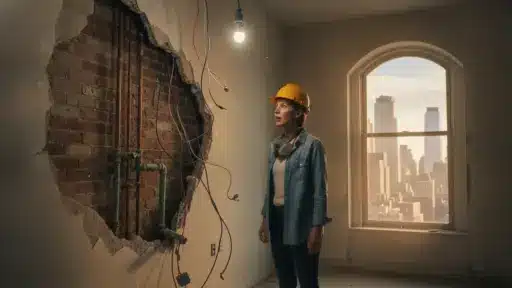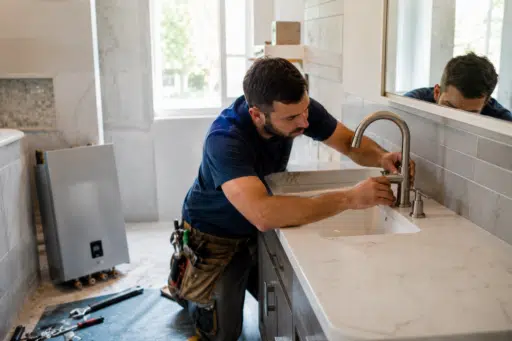
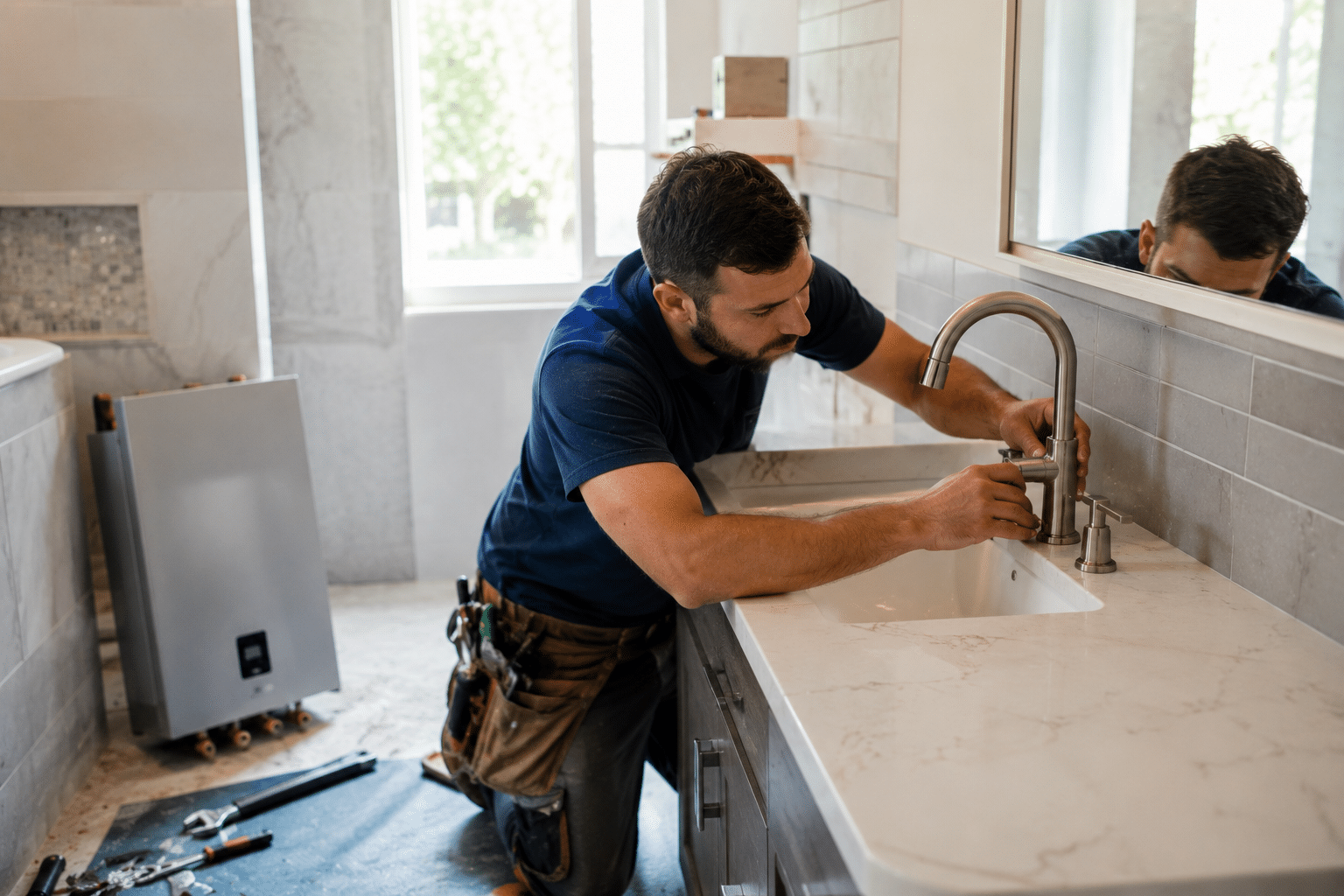

A buyer walks through an open house, admires the kitchen island, checks the closet space, maybe runs the shower to see how the water pressure feels. What they are not doing is thinking about the pipes behind the walls, at least not until an inspector finds something wrong later on.
That gap between what buyers actually notice and what determines a home’s real condition is exactly why plumbing upgrades matter more than most homeowners give them credit for. Kitchens and bathrooms get all the design attention, but the plumbing behind them quietly does the heavy lifting, and getting it right really does pay off.
Here’s a look at which plumbing upgrades actually move the needle, and why they matter more than most people realize.
Why Plumbing Upgrades Matter to Buyers
Buyers rarely get excited about pipes during a showing, but they absolutely notice the results of good plumbing:
- Strong water pressure
- Quiet fixtures
- No rust stains in the sink
- No mystery smells near the drains.
Inspectors notice even more. An outdated or failing plumbing system can be a major red flag during a home sale, sometimes enough to delay closing or lower an offer.
That’s usually when homeowners call in a plumber Hot Springs residents trust to get an honest read on what actually needs attention before it turns into a bigger issue at closing. Updated plumbing signals a well-maintained home, which builds buyer confidence before they’ve even asked a single question.
Plumbing Upgrades Worth Considering
Water Heater Replacement or Upgrade
An aging water heater is one of the most common issues found during a home sale. Swapping an old tank model for a newer one helps. Switching to tankless helps even more.
Either way, it’s one of the highest-return plumbing upgrades available. It cuts down on daily maintenance. And it gives buyers one less big-ticket item to replace themselves.
Repiping Older Homes
Homes with outdated materials like galvanized steel or polybutylene pipe often can’t pass a modern inspection.
Repiping solves several problems at once. Recurring leaks. Weak water pressure. Rust-colored water.
All of it usually leads back to the same aging pipes. For buyers, that’s a strong selling point. Nobody wants to inherit someone else’s plumbing problems on day one.
Updated Fixtures and Faucets
Modern faucets, showerheads, and toilets do double duty. They upgrade the look of a kitchen or bathroom. They also use noticeably less water than older models.
A low-flow toilet, for example, can use less than half the water per flush compared to one from ten years ago. WaterSense-certified fixtures tend to stand out on listings for this reason. They signal decreased utility bills to a buyer.
Sump Pump and Drainage Improvements
In homes prone to moisture or flooding, a working sump pump matters. So does proper drainage.
Together, they can be a deciding factor for buyers. It’s not a flashy upgrade. But it prevents one of the most expensive problems a home can have like water damage. That usually means torn-out flooring, drywall repair, and sometimes mold remediation.
Water Filtration or Softening Systems
In areas with hard water, a whole-home filtration or softening system is worth considering. It protects fixtures and appliances from mineral deposits buildup. That extends how long they last. Buyers who understand what hard water does to pipes over time tend to see this as a premium feature, not merely a nice-to-have.
Smart Leak Detection
Smart water sensors alert homeowners to leakages before they turn into disasters. They’re a low-cost upgrade with a high perceived value. Buyers see them and know the home already has modern safeguards in place. That’s increasingly expected in newer construction.
Pressure Regulation and Backflow Prevention
High water pressure might feel great in the shower. But it wears down pipes, fixtures, and appliances faster over time. A pressure regulator protects the system long-term.
In some municipalities, backflow prevention devices are required before a home can be sold or refinanced. It’s a smaller, less visible upgrade. But it’s one that inspectors and buyers’ agents specifically look for.
Upgrades That Pay Off Even If You’re Not Selling
Not every plumbing upgrade needs to be about resale value. A few worth considering purely for day-to-day living:
- Tankless water heaters cut energy use because they only heat water on demand instead of keeping a full tank hot around the clock
- Low-flow fixtures shrink the water bill month after month, not just on paper
- Leak detectors sitting quietly under a sink can mean the difference between catching a slow drip early and coming home to a flooded kitchen floor
These upgrades earn their cost back in fewer repair calls, decreased utility bills, and one less thing to worry about at 2 a.m. when a pipe decides to act up.
How to Prioritize
Not every home needs every upgrade at once. A few factors to weigh when deciding what comes first:
- Age of the water heater. Past its expected 10 to 15-year lifespan, it should usually jump the line ahead of cosmetic fixture swaps, since a failed unit means no hot water and possible water damage if it leaks.
- Pipe material. Homes with known problem materials, like galvanized pipe or polybutylene, should treat repiping as a near-term priority rather than a someday project.
- Local water quality. Homes on well water or in hard water areas benefit more from filtration or softening than a home already on a treated municipal supply.
- Timeline. Someone planning to sell within the next year should weigh upgrades differently than someone planning to stay another decade.
Conclusion
A home’s value isn’t only in what buyers can see. It’s in what they don’t have to worry about. Plumbing upgrades rarely show up in listing photos. But a failing water heater or an outdated pipe can undo the value of a freshly remodeled kitchen fast.
All it takes is one bad inspection. Getting these upgrades right early protects daily comfort. It also protects the number a home eventually sells for.
Frequently Asked Questions
Is repiping worth it if I’m planning to sell soon?
It depends on the home’s age and materials. If a home has known problem materials like galvanized steel, repiping can prevent inspection issues that might otherwise delay or derail a sale.
Do low-flow fixtures actually make a difference to buyers?
Yes. Beyond the ecological perspective, they cut utility bills, which buyers increasingly ask about, notably in zones with higher water costs.
How do I know if my home needs a water softener?
Signs include lime buildup on fixtures, spotty dishes, dry skin after showers, or reduced water pressure over time. A plumber can test water hardness immediately to confirm.
Should I upgrade plumbing before or after other renovations?
Before, whenever possible. Plumbing upgrades are far easier and cheaper to complete before walls, floors, or cabinetry are finished around them.
Are smart leak detectors worth the cost?
For most homeowners, yes. They’re relatively inexpensive compared to the cost of water damage repair, and they deliver peace of mind for homes with finished basements or premium flooring.

Holding a Master’s in Architecture from the University of Texas at Austin, Emily Rodriguez has dedicated more than two decades to the art and science of building renovation. Starting her journey in historic preservation, she developed a profound respect for blending old with new in building design. Emily became a vital part of our team in 2019, renowned for her insightful and innovative renovation tips. She has been leading our DIY home improvement series since ever since, where she shares her wealth of knowledge in turning outdated spaces into modern havens. When not engaged in writing or consulting, Emily is a passionate advocate for heritage conservation and enjoys exploring vintage architecture, a hobby that complements her professional expertise.