


The shift towards hydrogen heating is gaining momentum across the UK energy sector, and forward-thinking suppliers like Smart Gas Solutions are already helping customers understand and prepare for hydrogen-ready boiler technology that could change how we heat our homes. With the government committed to decarbonising the UK heating system, hydrogen boilers are expected to play a significant role in the transition away from natural gas in the years ahead.
What Is a Hydrogen Boiler and How Does It Work
A hydrogen boiler operates on the same principle as a conventional natural gas boiler, using combustion to heat water that is then circulated through the central heating system and hot water supply. The key difference is that hydrogen produces only water vapour as a combustion byproduct, whereas natural gas emits carbon dioxide. Many boiler manufacturers are now producing hydrogen-ready models that can run on natural gas initially and be converted to run on 100 per cent hydrogen when the fuel supply becomes available. This design gives homeowners a degree of future-proofing, ensuring that a new boiler purchased today will remain compatible with changes to the gas supply network as the energy transition progresses over the coming decade.
The UK Government Position on Hydrogen Heating
The UK government has been examining the role of hydrogen in decarbonising domestic heating as part of its broader net zero strategy. Trials of hydrogen-blended gas and dedicated hydrogen heating have taken place at several locations across the UK to gather data on safety, performance, and cost before any wider rollout. The government has confirmed that it will not mandate the removal of gas boilers from existing homes before 2035, giving homeowners a transitional period in which to plan future heating upgrades. The outcome of ongoing hydrogen trials and policy decisions taken over the next several years will determine the pace and extent of any hydrogen heating rollout at a national scale.
Hydrogen-Ready Boilers: What the Specification Means
A boiler described as hydrogen-ready has been designed and tested to operate on a gas blend containing up to 20 per cent hydrogen, and can be converted by a registered engineer to run on 100 per cent hydrogen if and when that fuel becomes available through the national gas network. The conversion process for a hydrogen-ready boiler is intended to be straightforward, involving the replacement of a small number of internal components rather than the removal and replacement of the entire appliance. Most major boiler manufacturers, including Worcester Bosch, Vaillant, and Baxi, have announced hydrogen-ready product lines, and these models are increasingly available through qualified heating installers across the UK.
Safety Considerations for Hydrogen Heating Systems
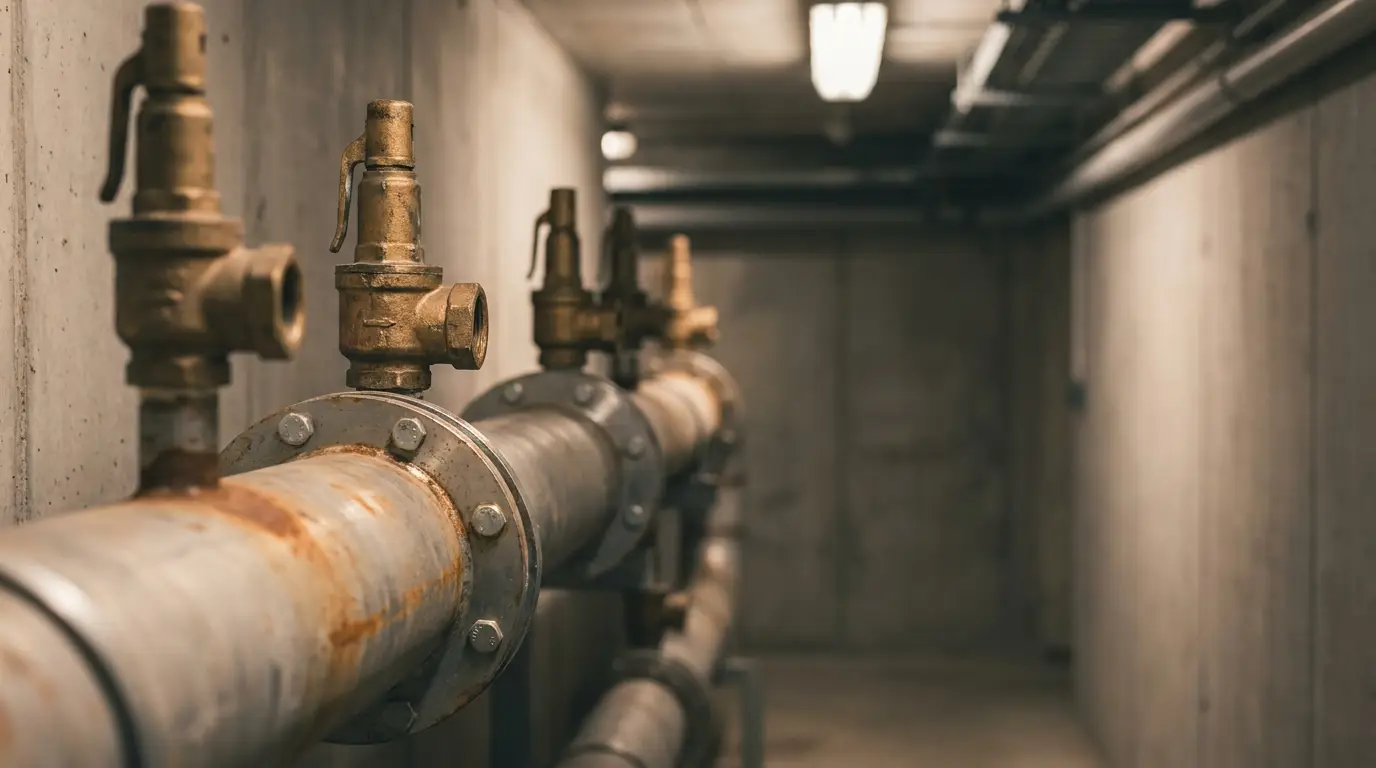
Hydrogen is a highly flammable gas, and its use in domestic heating requires careful engineering to ensure safety standards are maintained at levels equivalent to those achieved with natural gas. Extensive safety testing has been carried out by boiler manufacturers, gas network operators, and independent research organisations, and the results to date suggest that hydrogen boilers can be designed to meet the same safety standards as conventional gas appliances. The existing gas network infrastructure has also been assessed for compatibility with hydrogen blends, with upgrades already underway in several parts of the country. Registered gas engineers who work on hydrogen systems will require additional hydrogen-specific training, which the Gas Safe Register is developing as the hydrogen programme progresses.
How Hydrogen Heating Compares to Heat Pumps
Hydrogen boilers and heat pumps are the two main technologies being considered as replacements for natural gas boilers in UK homes, and both have distinct characteristics that make them suitable for different situations. Heat pumps are highly efficient in terms of electricity consumption. Still, they require adequate external space for installation, perform best in well-insulated properties, and typically work at lower flow temperatures than most existing UK heating systems. Hydrogen boilers, by contrast, would use the same pipework and radiator systems as conventional gas boilers, making them potentially easier to retrofit into the existing housing stock without requiring significant changes to the distribution system. The relative merits of each technology will become clearer as both options develop further over the coming years.
Steps to Take Now to Prepare for the Future of Home Heating
For homeowners planning to replace an ageing boiler in the near future, the most practical preparatory step is to consider a hydrogen-ready model rather than a standard natural gas boiler. This decision adds minimal additional cost at the point of purchase while providing meaningful future compatibility should the gas network transition to hydrogen. Improving the insulation of the property, including loft insulation, cavity wall insulation, and draught-proofing, will improve the efficiency of any heating system regardless of the fuel it uses. Speaking with a qualified heating engineer about the specific options suitable for your property is the most reliable way to receive advice based on the actual characteristics of your home and your specific heating requirements.

Holding a Master’s in Architecture from the University of Texas at Austin, Emily Rodriguez has dedicated more than two decades to the art and science of building renovation. Starting her journey in historic preservation, she developed a profound respect for blending old with new in building design. Emily became a vital part of our team in 2019, renowned for her insightful and innovative renovation tips. She has been leading our DIY home improvement series since ever since, where she shares her wealth of knowledge in turning outdated spaces into modern havens. When not engaged in writing or consulting, Emily is a passionate advocate for heritage conservation and enjoys exploring vintage architecture, a hobby that complements her professional expertise.