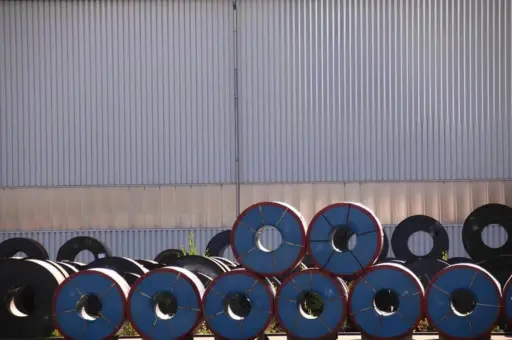
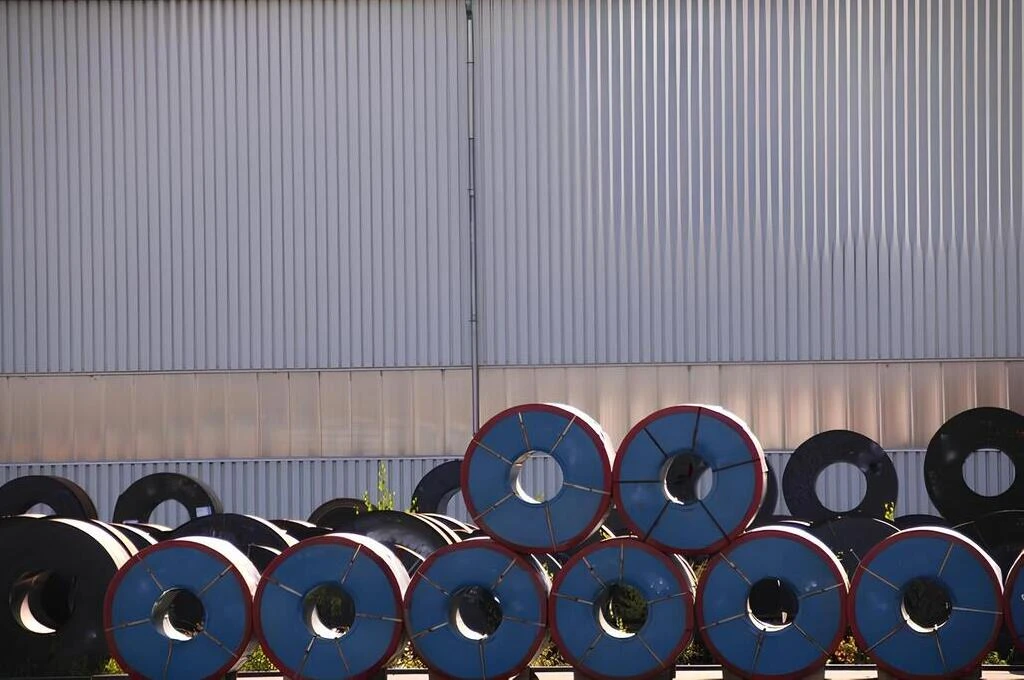
Power grids and electric motors bleed energy continuously. When magnetic fields shift, surrounding metals heat up, bleeding off power that was originally meant to turn a factory shaft or light a city grid. Supplied by a specialized electrical steel supplier, a specific alloy — electrical steel — acts as the primary mechanical defense against this massive thermal leakage.
What Is Electrical Steel?
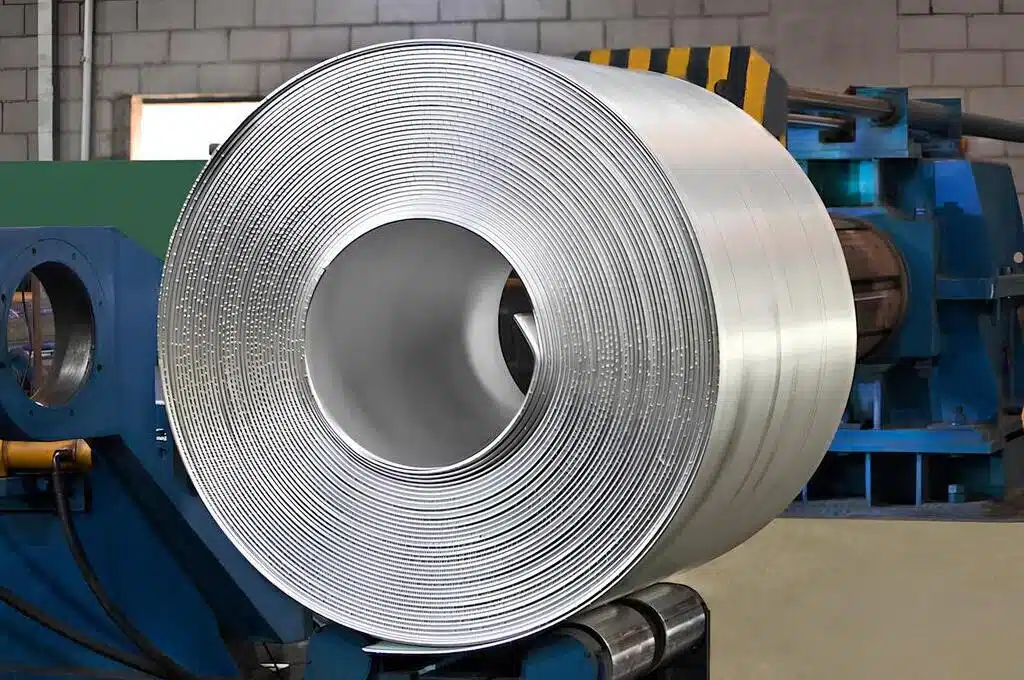
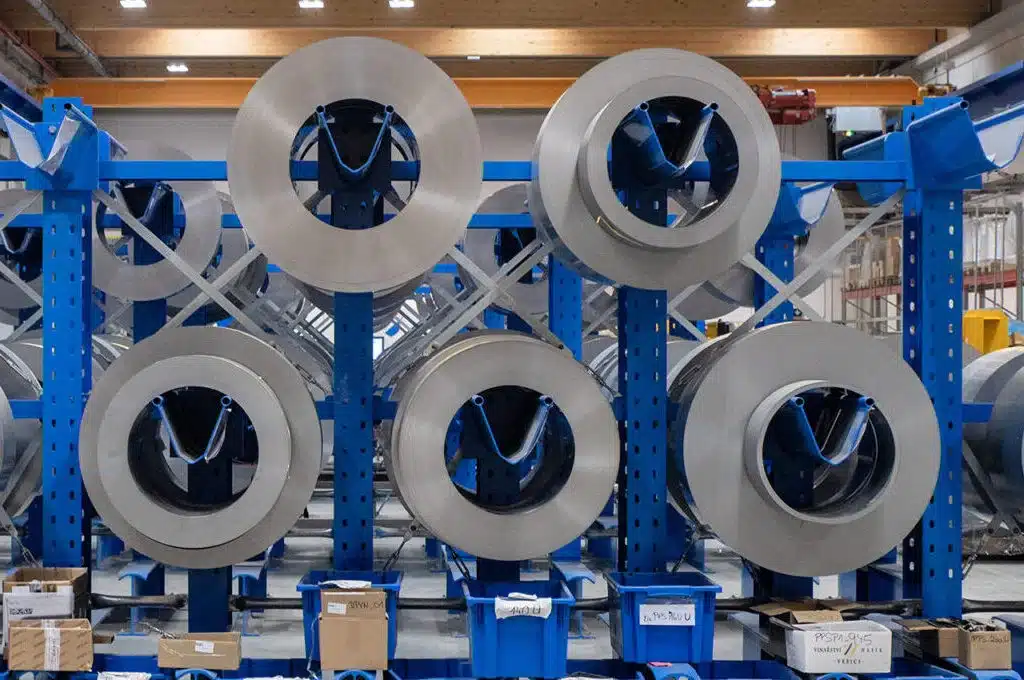
Also known in the metallurgical sector as silicon steel or electric steel, this iron-silicon alloy is engineered strictly for magnetic permeability. Foundries add up to 6.5% silicon directly to the iron matrix. This exact silicon steel composition spikes the metal’s electrical resistivity, choking off the parasitic eddy currents that generate unwanted heat in standard metals. The alloy allows efficient magnetic flux conduction with minimal energy losses.
Types of Electrical Steel
Crystal orientation completely dictates how the metal behaves inside a magnetic field. Manufacturers divide the material into two highly specialized branches.
Non-Oriented Electrical Steel
In this variant, the magnetic grains sit in random alignment across the sheet. That internal chaos serves a precise mechanical purpose. It guarantees identical magnetic properties in every physical direction. Rotating machinery like electric motors and generators needs this exact multidirectional uniformity to function. The internal magnetic field spins in a circle, so the metal must respond identically regardless of the angle. When that balance fails, the magnetic pull gets erratic. The engine starts vibrating heavily, runs far too hot, and burns through battery reserves.
Grain-Oriented Electrical Steel
Metallurgists drag the raw alloy through severe cold reduction to force every microscopic grain into a single longitudinal path. This heavy mechanical forming creates what metallurgists call a Goss texture. The strict structural discipline drastically cuts energy loss, provided the magnetic flux travels exclusively down that single prepared axis. Static machines like step-up power transformers depend heavily on this highly directional efficiency offered by GOES steel (often termed transformer steel). The manufacturing run is unforgiving.
Key Properties of Electrical Steel
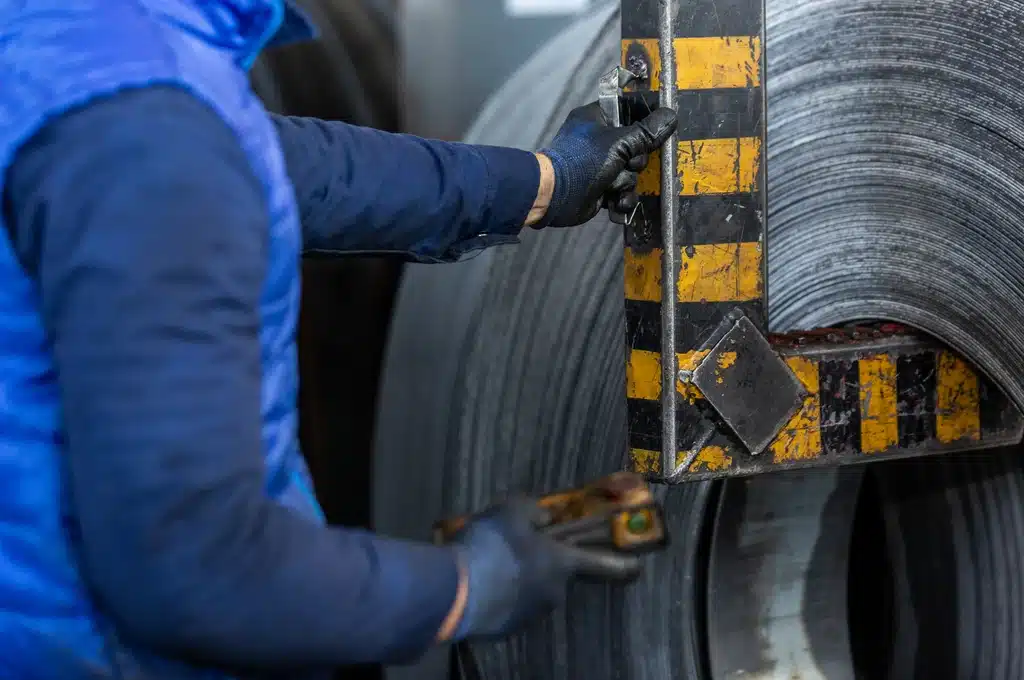
Understanding electrical steel properties is essential, as the alloy lives and dies by four exact electromagnetic metrics, including the physical density of electrical steel which remains optimized for thin laminations. Core loss dictates exactly how much incoming energy evaporates as heat during a full magnetic reversal. Permeability tracks how easily the raw metal conducts magnetic flux using minimal incoming current. Elevated resistivity physically blocks internal electrical currents from circulating within the sheet. Finally, there is the issue of magnetostriction. The metal physically shifts its microscopic dimensions under a heavy magnetic load. Low magnetostriction prevents this internal warping, silencing the heavy acoustic hum commonly heard near high-voltage electrical substations.
How Is Electrical Steel Made?
The production sequence starts inside the furnace by driving carbon levels violently down below 0.005%. Even a fraction of a percent more permanently ruins the magnetic profile. Heavy industrial rollers crush the pickled hot strip into cold gauges as thin as 0.15 millimeters. The steel then enters a high-temperature hydrogen annealing furnace for hours. This bakes out impurities while dictating the final grain size to make the material magnetically optimized. An inorganic coating goes on last to block stray current from jumping between tightly stacked laminations.
Electrical Steel vs Regular Steel: Key Differences
Standard structural steel holds up bridges. Electrical steel guides magnetic forces and controls magnetism efficiently. Structural variants have high coercivity, meaning they actively resist changes in their magnetization state. Building a motor stator from regular carbon steel creates so much internal heat that the wire insulation degrades quickly and the engine loses most of its usable torque.
The operational trade-off is severe mechanical fragility.
Applications of Electrical Steel
Thin-gauge non-oriented sheets feed straight into the traction motors of modern electric vehicles, translating battery power directly into extra highway range, serving as one of the primary electrical steel uses and highlighting the growing uses of silicon steel. High-voltage grid transformers rely on heavy, oriented cores to move power across thousands of miles without letting stray heat drain the line. Global industrial demand tracks perfectly with the push for sustainable electrification, consuming millions of tons of this specific metal every quarter.
Advantages and Disadvantages of Electrical Steel
High permeability shrinks heavy equipment. Efficient magnetic conduction allows mechanical engineers to pack much more torque into a significantly smaller motor housing. The material actively prevents megawatt-scale energy bleeding across regional utility grids.
The true cost materializes on the production line. High silicon content turns the metal brittle, frequently shattering the expensive stamping dies used to cut motor laminations. The required atmospheric controls and precise rolling sequences push the final price of premium oriented stock up to five times higher than standard carbon steel grades.

Liam Bennett holds a degree in Computer Science from the University of Edinburgh and has over 15 years of experience in technology and digital innovation. He began his career in software development, focusing on user-friendly systems and backend architecture. Liam joined our platform in 2025 to lead our Tech section, where he simplifies complex topics—from smart home devices and AI tools to cybersecurity and troubleshooting tips. Known for his clear, practical advice, he helps readers navigate today’s fast-evolving tech landscape. Outside of work, Liam enjoys building custom PCs and contributing to open-source projects.