Even a few years back, People only looked for square footage, location, or modern finishes while buying a house. Now, with such a rapid change in technology in almost all fields, Homes are no exception.
Smart home technology is a requirement, not a luxury anymore. As smart devices become more affordable and reliable, they have become an important part of new construction homes. According to recent research, around 20% of Americans say they would be willing to pay up to $10,000 more for a home with smart features.
Using a smartphone to switch on the lights or set the temperature from a mile away, the comfort brought by smart home features has almost become an essential requirement for buyers. Construction companies are even beginning to incorporate smart home components as one of the basic construction elements, which makes installation much simpler before the home is fully constructed. Hence, smart homes are moving from being a special upgrade to an ordinary home feature.
In this article, we’ll explore how smart home technology is changing new construction and influencing what today’s buyers expect from a modern home.
Why Smart Home Technology Matters in New Construction
You might think you can buy a house and then install smart technology later. While it is definitely possible to install it later, it is a much easier process to add it before completing the construction of a new house.
This can come to surprise to you, but installing smart technology in a new construction is actually cheaper compared to doing it later.
Most people are already habituated to smart technology in their lives. So they prefer to move into a house that is ready to support connected devices. Houses that have smart systems tend to have better convenience, energy management, and are better in terms of stronger long-term value.
How Have Buyer Expectations Changed?
What buyers want in a new home has changed. While the factors of location and aesthetics are important, homeowners have been prioritising ease, safety, and high-tech devices in their search for a new place.
Convenience Is Becoming a Priority
Controlling your lighting, thermostat, or even setting the timer for your washing machine are some tasks that are honestly just boring. Getting these types of tasks automated lets buyers consider a home more than one that is not automated.
Millennials and Gen Z Are Driving Demand
Gen Z and Millennials have grown up with technology. Having the comfort of technology makes you wanna crave more of it. So, they expect smart features to be included from the start rather than added after moving in.
Security Matters More Than Ever
People are increasingly becoming aware of crimes and new safety measures. Things like break-ins and package theft are becoming so common. Buyers want houses with smart home technology to feel safer.
People Want the Most Value From Their Investment
Buying a house is a very costly decision, so much so that some people need to take a house loan as they don’t have enough savings. That is why the expectations from a house are more. They have this mindset: ‘I am spending so much money, so why not look for better features and a more comfortable space?’
Types of Smart Home Technology in Homes
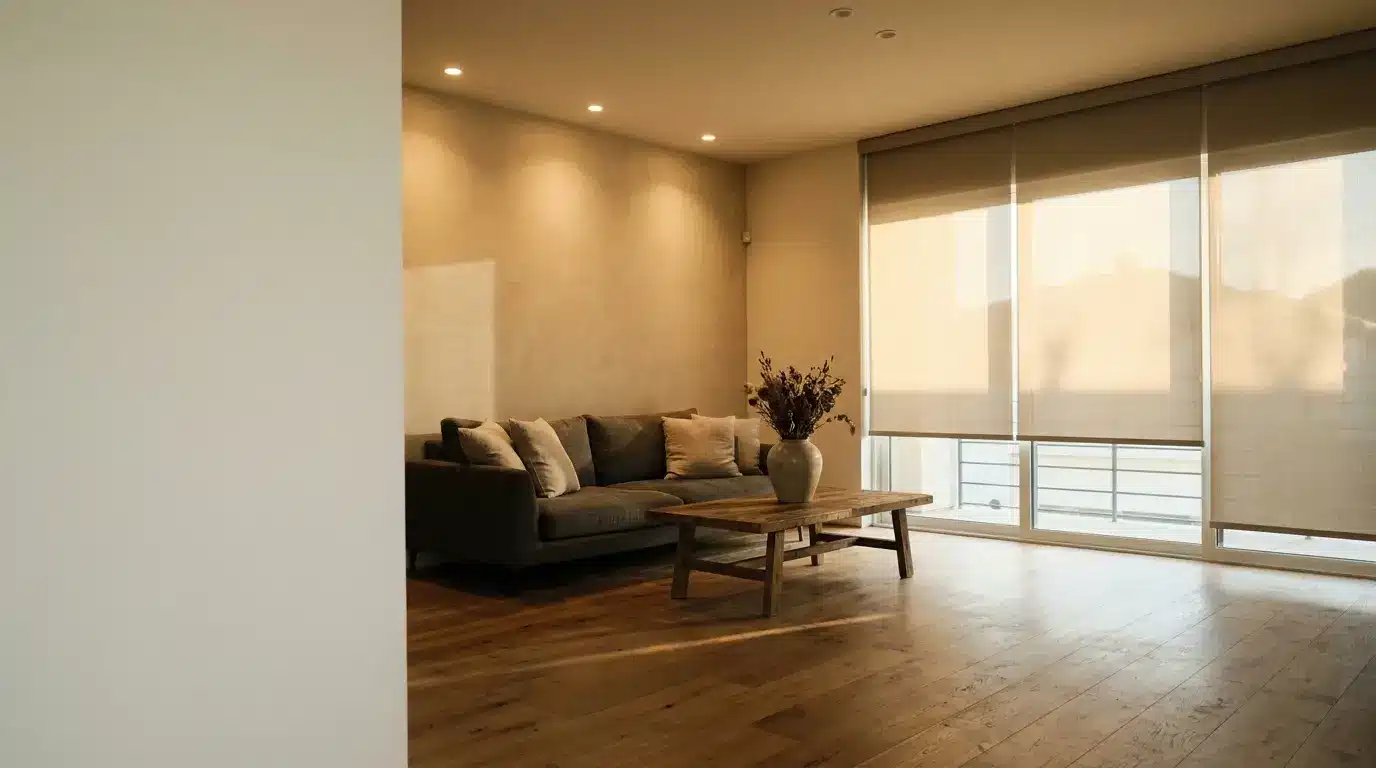
Smart home technology includes a wide range of connected devices that improve comfort, security, convenience, and energy efficiency. Here are the most common types found in modern homes.
Smart Thermostats
Smart thermostats can optimize home temperature based on your habits and schedule. Control via smartphone to eliminate unneeded heating and cooling, thereby saving energy.
Smart Security Systems
New-era security systems connect cameras, video doorbells, motion detectors, alarms, and mobile alerts into a single integrated unit. Homeowners can feel confident their home is safe and receive immediate notifications if activity is outside the ordinary.
Smart Lighting
Lights can be controlled either from a smartphone, via a voice assistant, or using predetermined schedules to turn on or off, dimming to save electricity, and motion detectors that can turn off the lights when a room is empty.
This will be extremely convenient and save money as electricity costs go down.
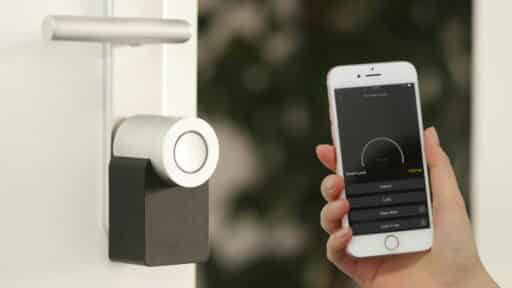
Smart Locks and Keyless Entry
Old, metallic keys are being replaced with new-age PIN pads, biometrics, and even smartphones as a form of a key.
Temporary PIN numbers can also be used to let service men, visitors, and family members into the home without needing a physical key and in specific timeframes to limit access.
Smart Appliances
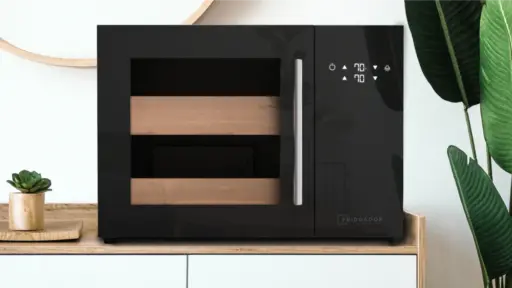
Newer refrigerators, dishwashers, ovens, and washing machines are now coming with connectivity. Homeowners are able to turn on/off the appliance and monitor electricity consumption directly from their smartphones.
Voice-controlled smart appliances are also becoming popular and save effort by letting you use hands-free commands.
Smart Home Networking
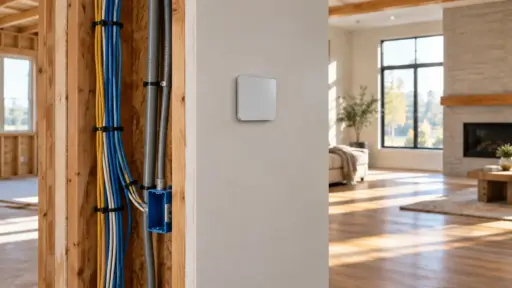
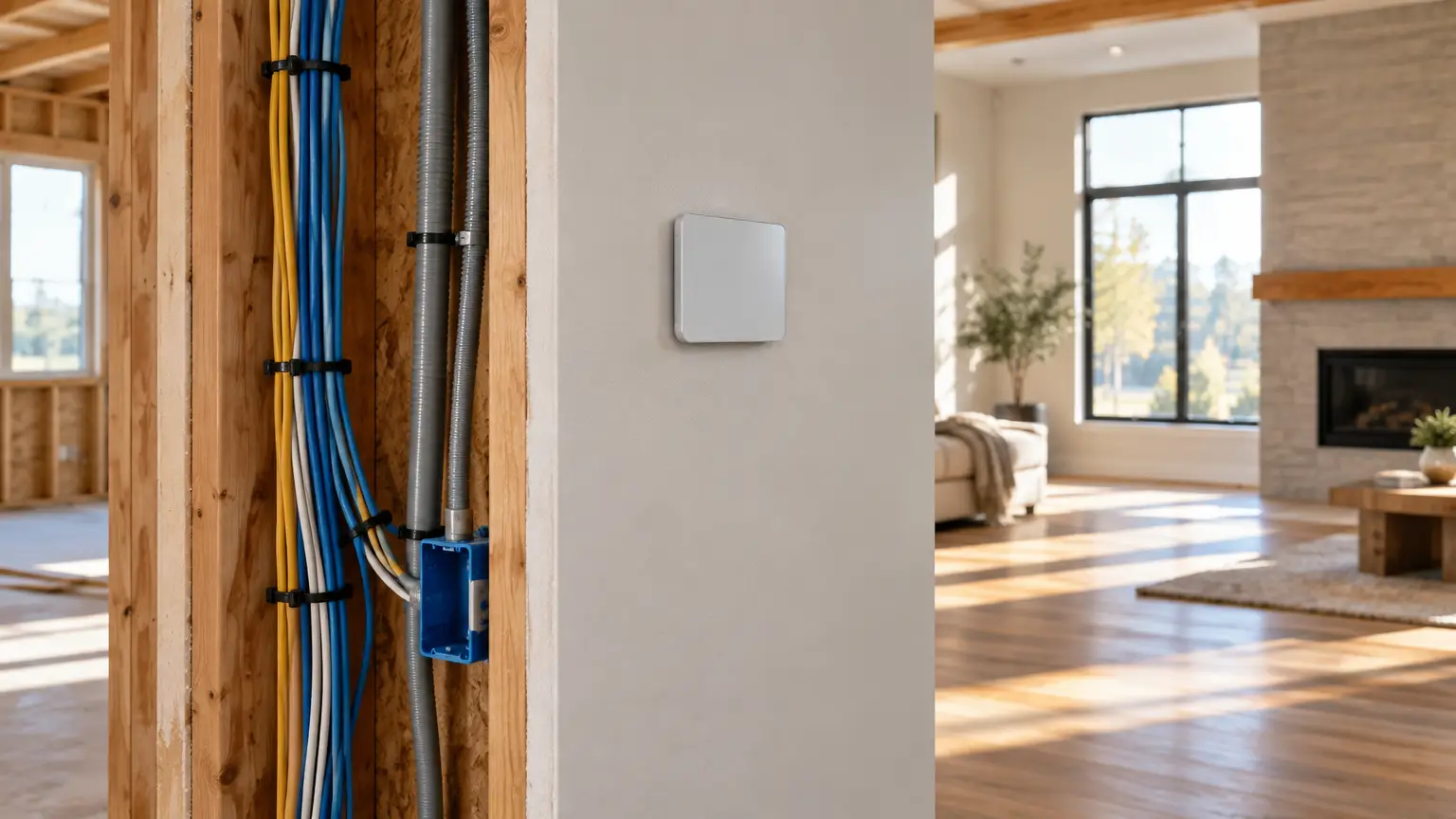
A good and reliable network is essential in any smart home. Most homes will either have integrated network equipment and/or a mesh Wi-Fi system in order to guarantee coverage of the internet throughout the home. Hardware is only half the equation, though. The connection feeding it matters just as much, so it is worth taking time to compare broadband options for the address before you move in — available speeds can vary significantly street to street, and a mesh system cannot make up for a slow line.
Smart Entertainment Systems
Movies, TV series, and music have all become more networked with smart TVs, wireless speaker systems, and voice-controlled streamers such as the Amazon Echo.
Smart entertainment systems can broadcast music throughout the house and control entertainment devices in other rooms, as well as with multiple people being in charge and using various smart home hubs and systems.
Smart Window Treatments
Smart motorized blinds and curtains can be pre-programmed to raise and lower at specific times of the day or simply opened and closed with the press of a button on a smartphone app.
This system will help make the house more private and conserve cool air when desired, as it blocks sunlight.
Smart Energy Management Systems
With the latest technology, homeowners can monitor their electricity use in real time and even have smart systems that regulate consumption to save energy.
Smart Irrigation Systems
Water the lawn and plants only when they need it with automated sprinklers that use weather reports and local soil conditions.
These irrigation systems save water, while ensuring your plants remain as green as possible.
Why Should You Install Smart Home Technology?
These are some of the benefits of installing a smart home technology.
Improve Comfort and Reduce Energy Bills
You can control the indoor temperature and air conditioning of your whole house with just a mobile phone, no matter where you are.
Provides Peace of Mind
Smart security systems let you monitor your home remotely and respond quickly to any unusual activity.
Keyless Entry
Set up temporary codes, access the door remotely, lock or unlock, etc. Get rid of old-fashioned keys and have door access safely through your phones, keypads,s or scanners of your fingerprints.
A Strong Home Network Powers Every Smart Device
Built-in networking, such as mesh Wi-Fi and Ethernet wiring, ensures strong coverage and keeps all connected devices running smoothly.
Save Time and Simplify Daily Tasks
Smart appliances make everyday chores easier and help improve convenience and efficiency.
Energy Efficiency
Lower electricity bills, improve efficiency, and support a more sustainable home.
Increase Property Value
Making buyers interested in buying your house and enhances the value of your home, to be higher on the market when it sells again.
Tips for Choosing Smart Home Technology
Not every device is worth buying. Always keep that in mind before buying, and the best approach is to focus on systems that provide lasting value and work together smoothly. Compatibility testing helps verify that connected devices can function reliably across different platforms and ecosystems.
Keep these tips in mind:
- Choose devices that support major platforms like Apple HomeKit, Google Home, or Amazon Alexa.
- Install network wiring during construction whenever possible.
- Prioritize security and energy-saving features first.
- Select products that can be upgraded over time.
- Avoid buying devices that cannot connect with the rest of your smart home ecosystem.
Conclusion
Smart Homes have a big impact on new construction and the market today. Smart home tech isn’t a fad for home builders. Home buyers expect more. When they’re buying or building a house, they look for the integration, security, and energy efficiencies associated with modern, connected homes.
Smart home devices and infrastructure are built into new homes as standards, not as premium upgrades. Smart homes add appeal to both new and resale markets
FAQs
1. Which smart home devices are most important for a new construction?
The most common and requested items are Smart Thermostats, smart home security systems, video doorbells, smart lighting, keyless entry systems, home networking systems, and efficient smart appliances.
2. Does smart home technology increase home value?
In general, yes. The convenience, enhanced security, and energy savings features associated with homes featuring smart technology often appeal to a larger buyer pool and can result in higher sale prices.
3. Why Should Smart Home Systems Be Installed During Construction?
Installing wiring and framework in a new home under construction is a less intrusive and more cost-effective method than adding it to an existing home.
4. Are Smart Homes More Energy Efficient?
Yes, because most smart home technologies such as smart thermostats and connected appliances are designed to conserve energy and reduce waste. This translates into lower energy costs each month.
5. Can Different Smart Devices Work Together?
Most smart homes can work in conjunction by supporting the same platform. Like HomeKit, Home, and Alexa. This helps to manage most of your smart home devices in one interface.

Liam Bennett holds a degree in Computer Science from the University of Edinburgh and has over 15 years of experience in technology and digital innovation. He began his career in software development, focusing on user-friendly systems and backend architecture. Liam joined our platform in 2025 to lead our Tech section, where he simplifies complex topics—from smart home devices and AI tools to cybersecurity and troubleshooting tips. Known for his clear, practical advice, he helps readers navigate today’s fast-evolving tech landscape. Outside of work, Liam enjoys building custom PCs and contributing to open-source projects.