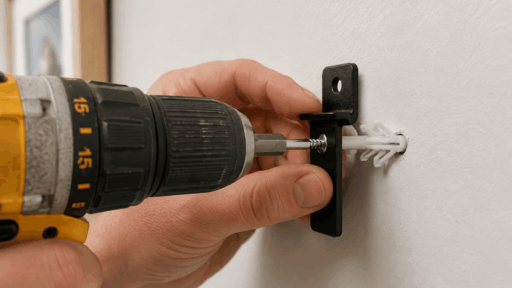

Fasteners rarely cause problems when they are positioned in clear, open areas. The difficulty starts when a bolt sits behind a panel, beside wiring, inside a housing or close to another component. In workshops and on site, these access issues can turn routine maintenance into time consuming work. Recognising the most common restrictions helps you choose the right tool, maintain better control and reduce the risk of damaging the fastener or surrounding equipment.
Recessed Fasteners Limit Tool Movement
Deeply recessed screws and bolts often leave little room for conventional handles or sockets. You may be able to reach the fastener itself while still lacking enough clearance to rotate the tool through a useful arc. This is common inside electrical enclosures, machinery housings and compact assemblies.
If hex fasteners are common in your work, hand tools like Wera hex wrench tools for workshop and trade use can help you deal with recessed positions and confined spaces. Shaft length, handle geometry and the sizes required for the equipment you regularly service all affect how easily you can reach and engage the fastener. A well matched tool helps maintain proper contact instead of forcing you to work from an unstable angle.
Tight Clearances Restrict Handle Rotation
A fastener may be fully visible but still difficult to turn because nearby components block the handle. Pipes, brackets, cable trays and machine frames can leave only a small amount of movement before your tool hits an obstruction.
Compact handles and ratcheting mechanisms can reduce the amount of rotation required between turns. This is especially useful where you cannot reposition your hand freely. Maintaining consistent engagement also limits repeated removal and reinsertion, which can gradually wear the fastener recess.
Angled Fasteners Reduce Tool Engagement
Some fasteners sit near corners or behind installed components, forcing you to approach them from an angle. Straight tools can become difficult to use because effective torque transfer depends on sufficient contact between the tool and the fastener.
A ball end hex key can allow engagement from a modest angle when direct access is difficult. It is useful for initial turning and low torque work, but the straight end is generally better when greater force is needed. Keeping as much surface contact as possible reduces the risk of rounding the fastener.
Damaged Fasteners Make Access Harder
Restricted access becomes more challenging when a fastener is already corroded, rounded or filled with debris. A worn internal profile may prevent your tool from seating fully, while corrosion can increase the force needed to loosen the connection.
Before applying extra torque, clean the recess and confirm that you are using the exact tool size. Fastener rounding often occurs when an undersized or poorly seated tool places excessive pressure on the edges. Continuing to force a slipping tool can turn a simple removal into a much more difficult extraction job.
Poor Visibility Increases Fastening Errors
Limited visibility is common inside cabinets, beneath machinery and behind installed equipment. A study examining manual manufacturing tasks performed in confined spaces found that restricted visual access can impair task performance and increase cognitive workload, potentially contributing to more errors and reduced work quality. When you cannot clearly see a fastener, you may be more likely to choose the wrong size, misalign the tool or apply force before it is fully seated.
Portable task lighting can therefore make a significant difference when the work area is obscured. You should also check engagement by feel before applying substantial torque. Taking a few seconds to confirm that the tool has reached the full depth of the recess can help prevent stripped heads and unnecessary component damage.
Workshop Layout Can Restrict Access
Not every access problem comes from the equipment itself. Benches, storage units and nearby machinery can reduce the space available around a repair. If frequently serviced equipment sits too close to a wall or fixed cabinet, even basic fastening work can become awkward.
Keeping clear service areas around machinery gives you more room to position yourself and your tools correctly. Organised tool storage also helps you find the right size and profile quickly instead of improvising with whatever is closest.
Better Access Starts With Better Preparation
Fastener access problems are unavoidable in many workshops, but they do not have to slow every job down. By recognising restricted clearances, difficult angles, damaged fasteners and poor visibility before you begin, you can choose a more suitable tool and working position. Better preparation gives you more control, protects the fastener and helps you complete maintenance with fewer avoidable delays.

Holding a Master’s in Architecture from the University of Texas at Austin, Emily Rodriguez has dedicated more than two decades to the art and science of building renovation. Starting her journey in historic preservation, she developed a profound respect for blending old with new in building design. Emily became a vital part of our team in 2019, renowned for her insightful and innovative renovation tips. She has been leading our DIY home improvement series since ever since, where she shares her wealth of knowledge in turning outdated spaces into modern havens. When not engaged in writing or consulting, Emily is a passionate advocate for heritage conservation and enjoys exploring vintage architecture, a hobby that complements her professional expertise.