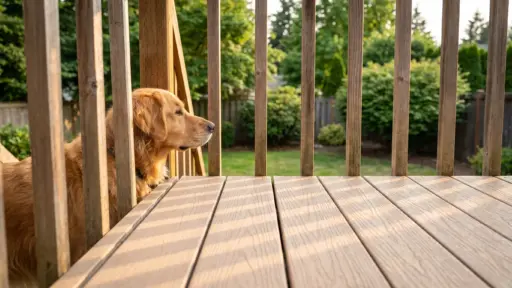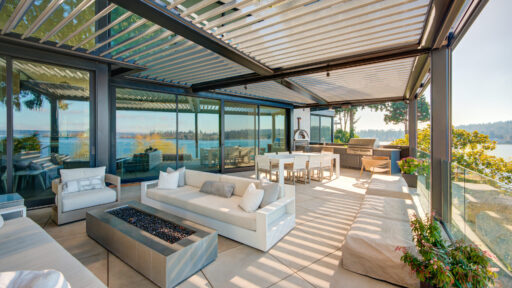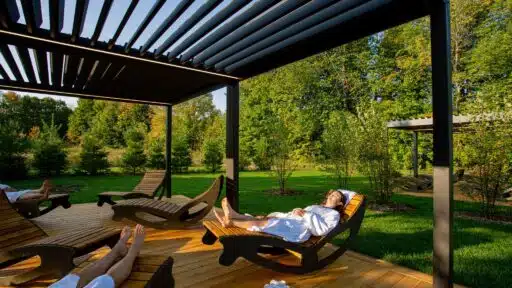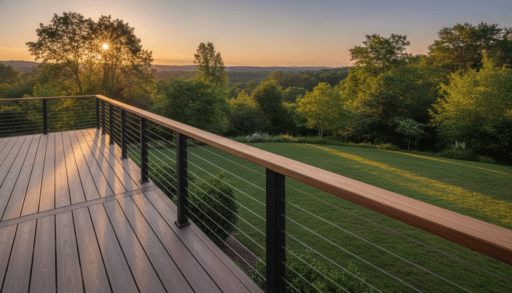
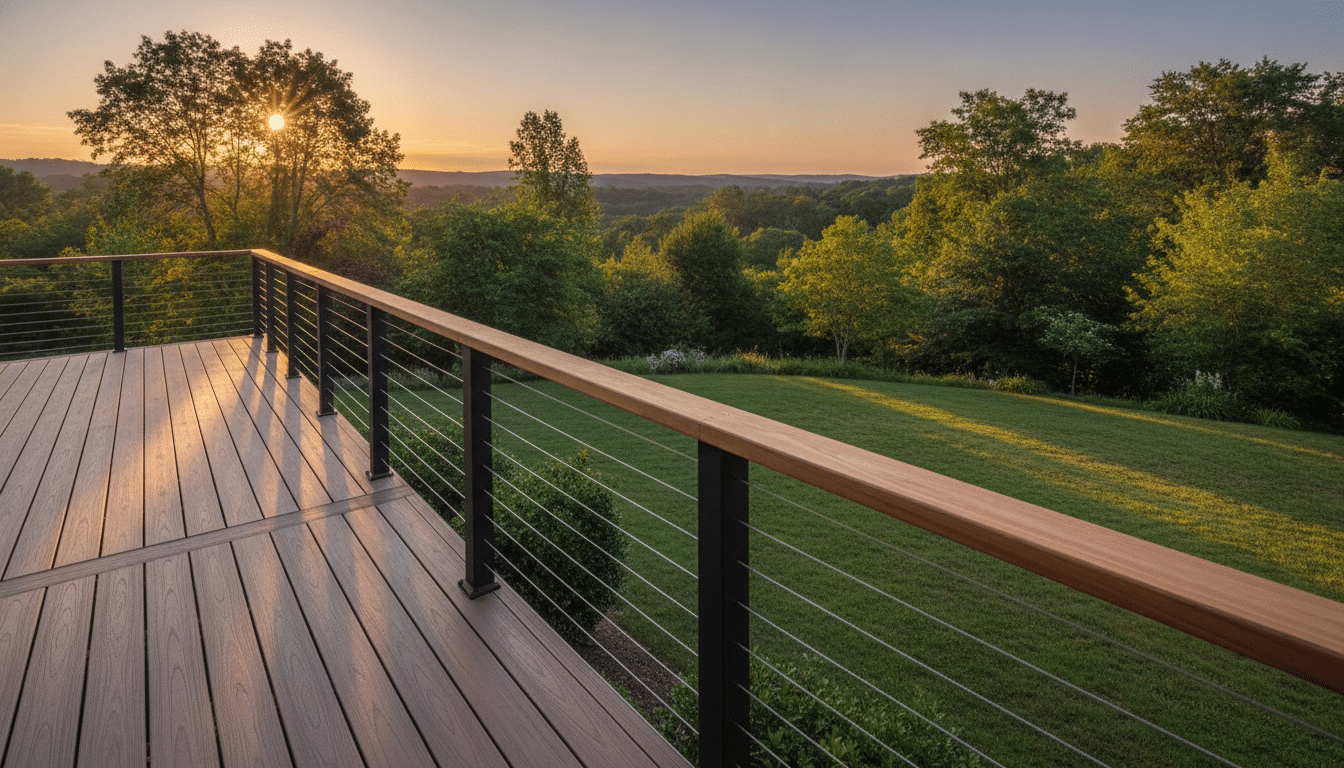

Outdoor living has officially evolved. In 2026, homeowners no longer treat decks as isolated platforms tagged onto the back of a house. Instead, they view outdoor spaces as seamless extensions of their indoor living areas.
Whether you are hosting summer dinners, lounging by the pool, or enjoying a quiet morning coffee, your deck design sets the tone. At the heart of this design shift sits a key element that many used to overlook: the deck railing.
Traditional, bulky wood balusters that block light and obstruct backyard views are rapidly fading. Homeowners now demand clean lines, minimal upkeep, and modern aesthetic contrast.
Here are the top five deck railing trends shaping homes in 2026, along with actionable tips to help you choose the best setup for your home.
Trend 1: Minimalist Cable Railing Systems for Unobstructed Views
The biggest design priority in 2026 is preserving the line of sight. If you spent time and money designing a beautiful backyard garden, pool area, or mountain view, you shouldn’t hide it behind thick wooden railings.
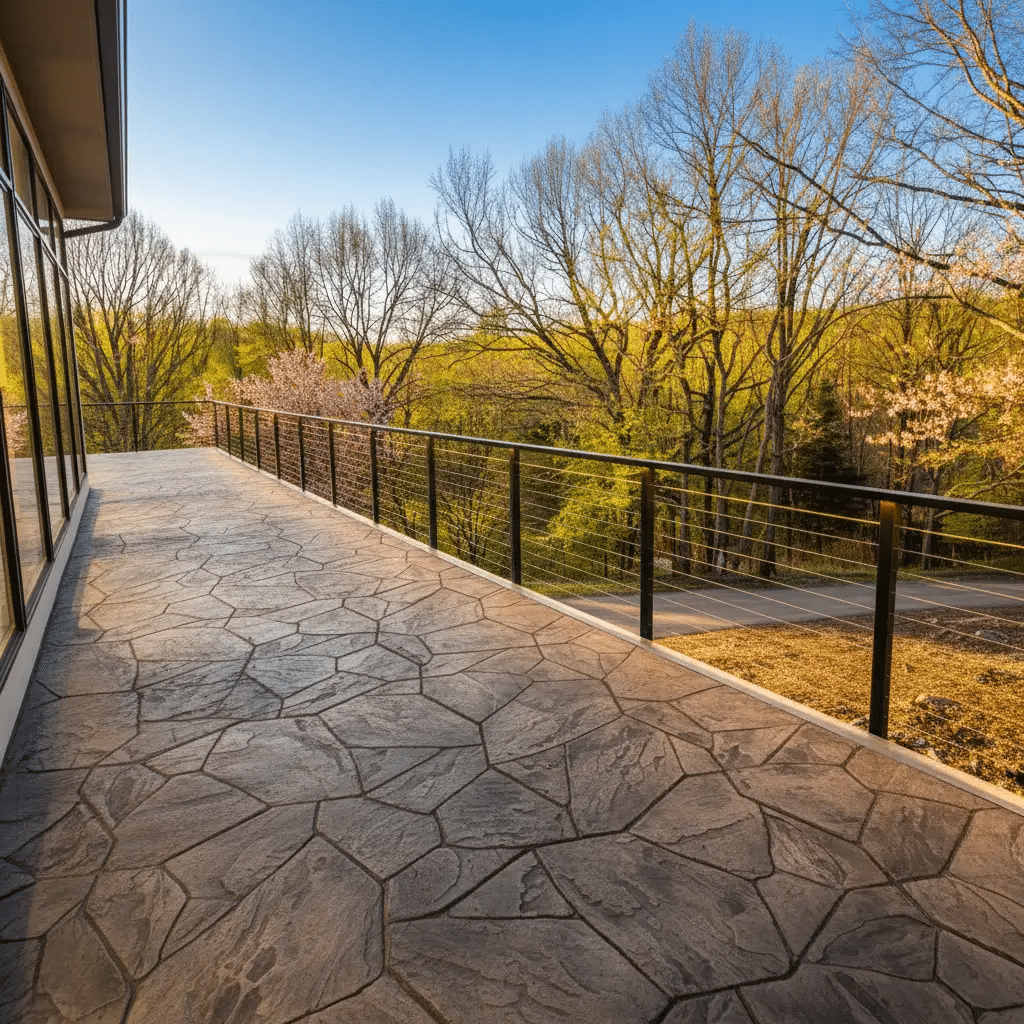
Cable railing systems have taken center stage because they deliver full security without creating visual clutter. Thin, horizontally tensioned stainless steel cables virtually disappear from a distance, giving your deck an open, airy feel.
To maximize transparency, modern setups hide tensioning hardware directly inside the posts. Complete solutions—like a BLIKA cable railing system—use sleek, low-profile stainless steel posts to keep lines clean. You get a high-end, custom look that leaves your view completely wide open.
Why This Trend Works:
- Maximizes natural light and scenic backyard views.
- Fits both modern architectural styles and rustic farmhouse decks.
- Increases perceived deck size by opening up sightlines.
Trend 2: Matte Black & Dark Neutral Hardware Accents
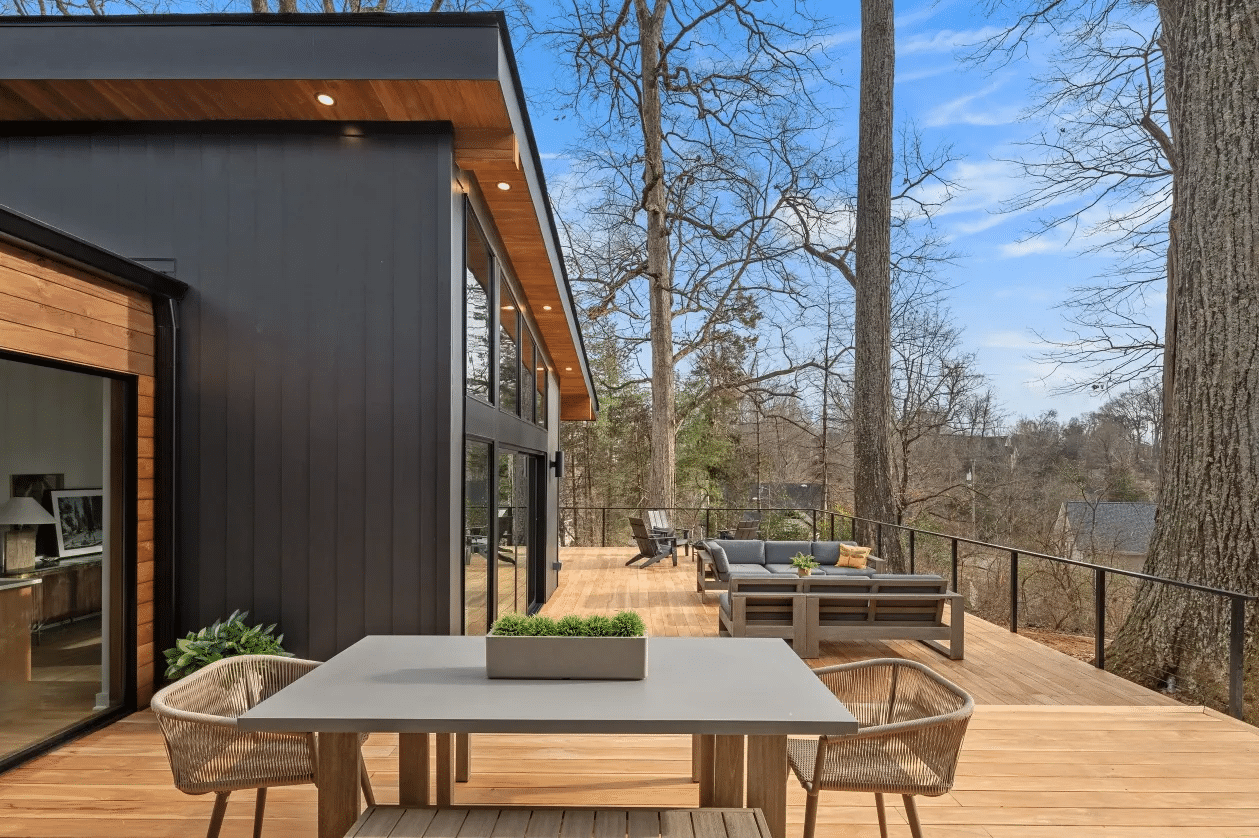
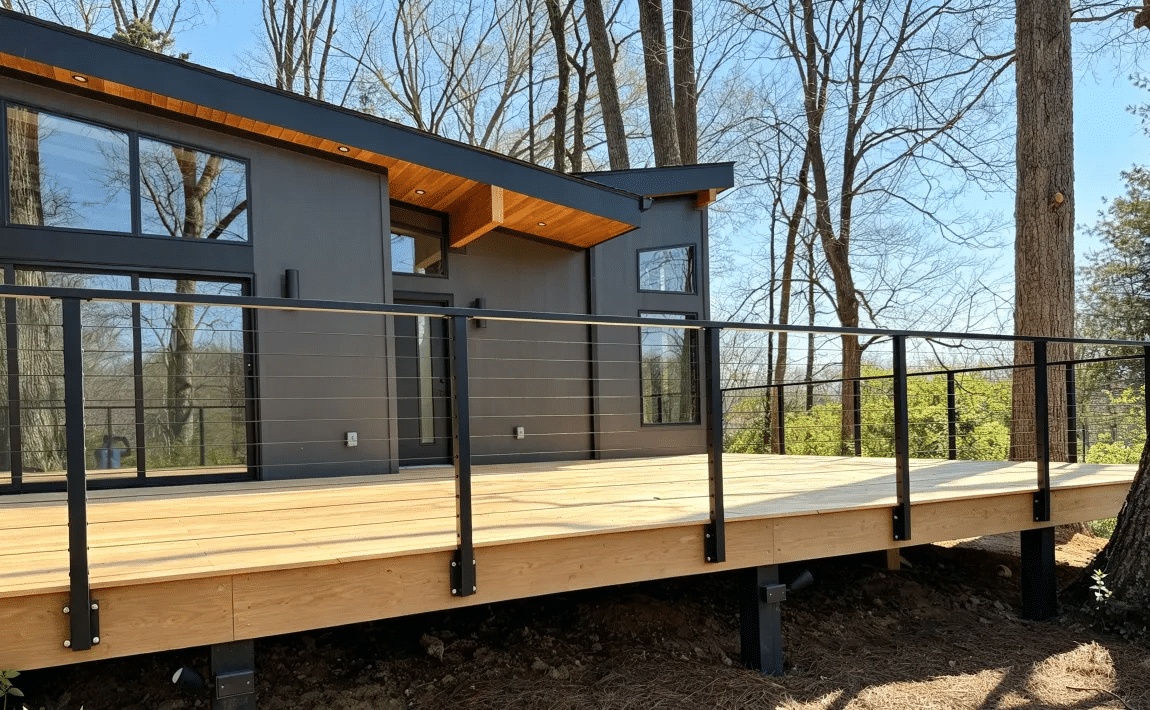
White vinyl and traditional pressure-treated wood railings are giving way to bold, dark accents. In 2026, matte black, graphite, and deep bronze lead the color palette for outdoor hardware.
Dark deck railing posts and top rails create a striking frame around your natural environment. They also complement popular exterior home finishes like board-and-batten siding, black window frames, and composite decking boards.
For a modern industrial edge, many homeowners combine warm wood top rails with dark hardware. Installing sleek, dark cable tensioners adds smooth visual depth while keeping the overall layout clean, subtle, and sophisticated.
Trend 3: Marine-Grade Durability & Low Maintenance
Homeowners are increasingly rejecting high-maintenance building materials. Sanding, staining, and repainting deck railings every spring is quickly becoming a thing of the past.
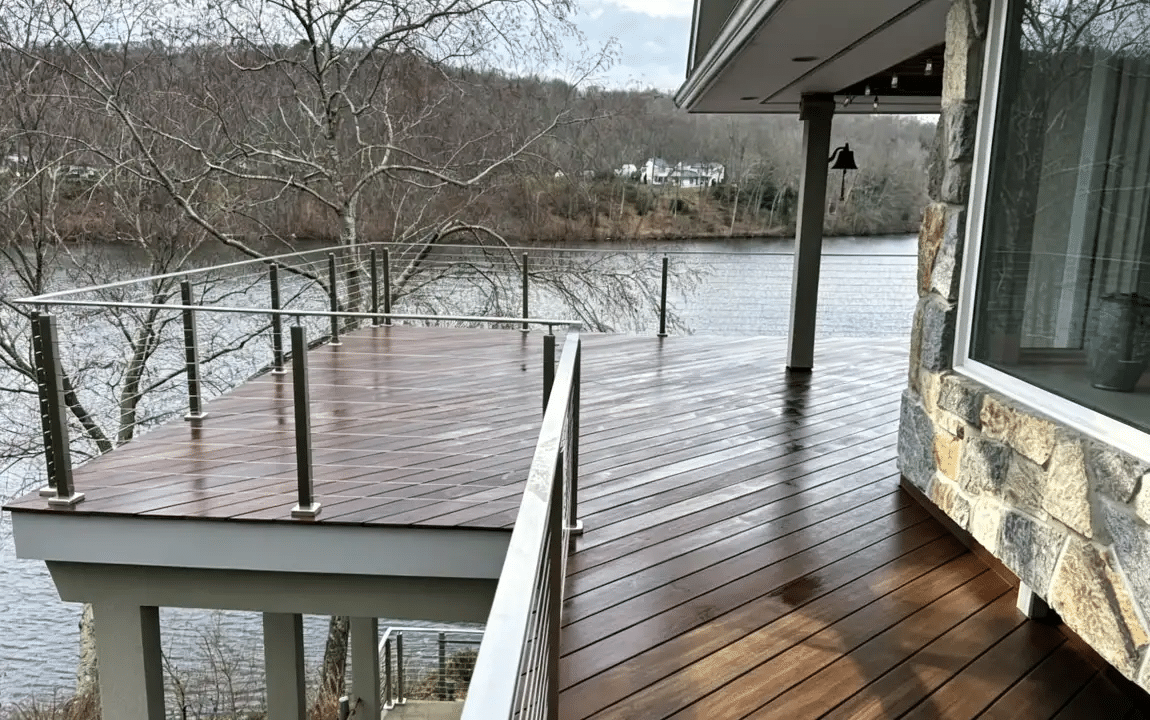
In 2026, weather resistance drives purchasing decisions. Decks face harsh sun, rain, snow, and in many areas, salty coastal air. To avoid rust and structural sagging, build teams and DIYers are prioritizing T316 marine-grade stainless steel over standard steel or untreated wood.
T316 stainless steel contains molybdenum, an alloy component that offers superior protection against pitting and corrosion. Unlike pressure-treated wood that requires annual sealing, T316 stainless steel hardware reduces long-term maintenance costs by up to 80% over a 10-year period.
Trend 4: Mixed-Material Designs (Wood & Metal & Composite)
Single-material decks often feel flat or dated. The defining look of 2026 focuses on rich material contrast.
Designers are combining natural warmth with industrial strength to create layered outdoor spaces. Some of the most popular combinations this year include:
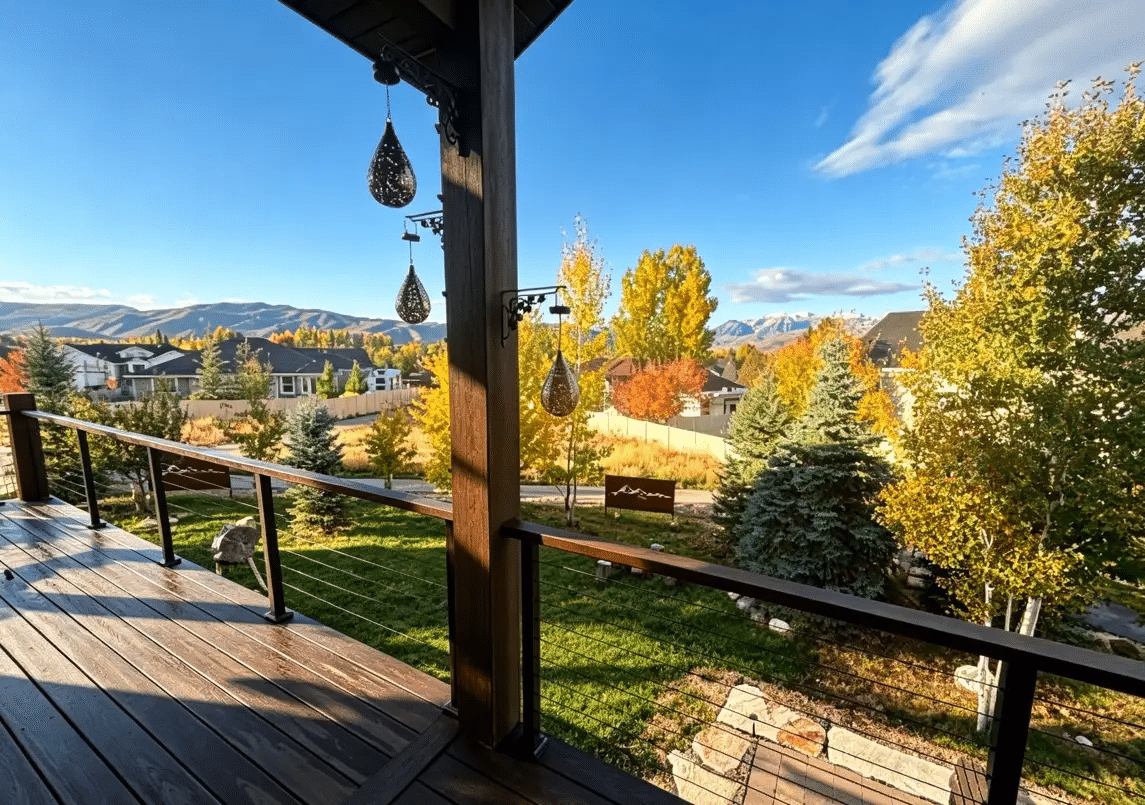
- Cedar or Redwood Posts + Cable Infill: Blends warm, organic textures with clean horizontal lines.
- Composite Top Rails + Metal Hardware: Combines splinter-free durability with modern metal accents.
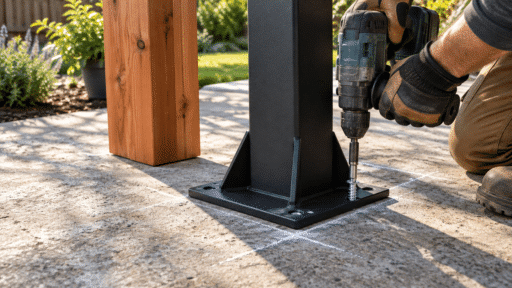
- Concrete Bases + Black Steel Posts: Delivers a modern, minimalist vibe popular in urban homes.
Using cable infill within wood or composite frames gives you the flexibility to match your home’s existing architecture while keeping the deck feel contemporary.
Trend 5: DIY-Friendly Modular Kits and Smart Layout Planning
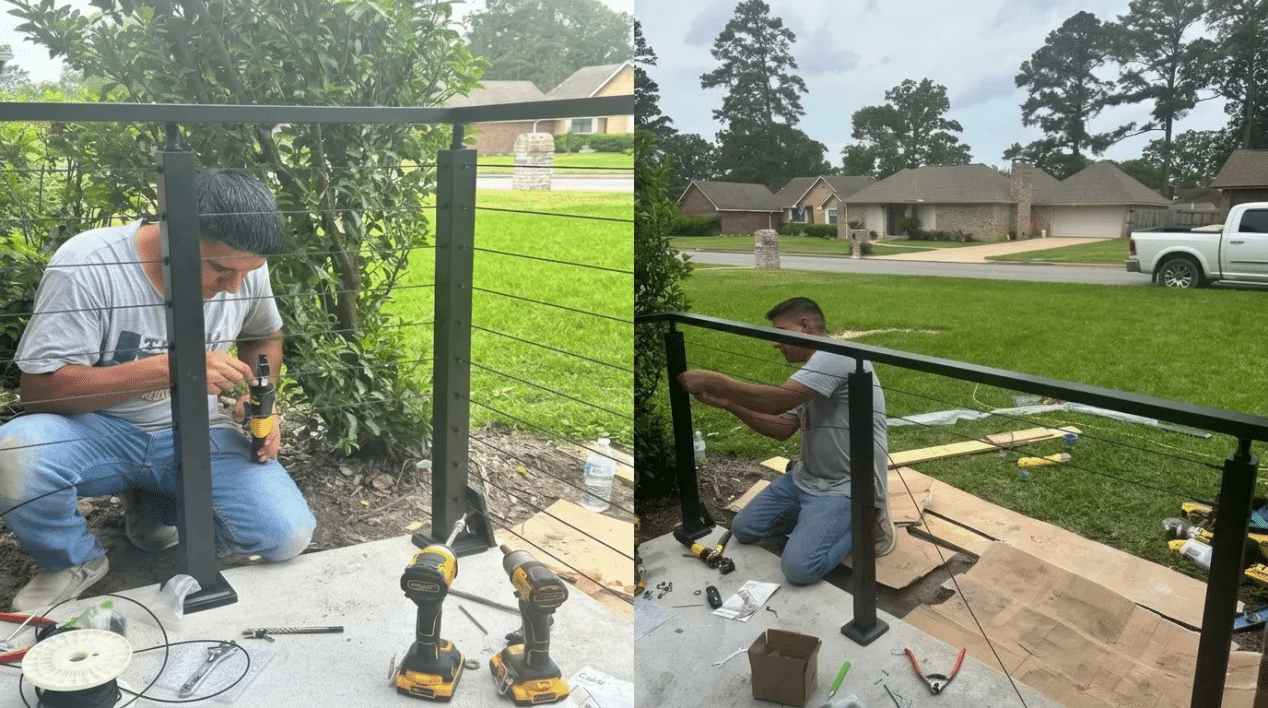
Rising contractor costs have driven a massive surge in hands-on home improvement. However, installing deck railings used to require specialized trade tools like heavy hydraulic crimpers and industrial swaging gear.
That dynamic has changed completely in 2026. All-in-one solutions—like a complete BLIKA cable railing kit—now arrive with pre-drilled posts and swageless tensioning hardware. Everyday DIYers can achieve factory-grade results over a single weekend without renting industrial gear.
In addition, smart layout planning is making complex projects stress-free. Utilizing a free service like BLIKA’s custom 3D layout service helps homeowners calculate precise post spacing, angle fittings for stairs, and exact hardware quantities before placing an order. This eliminates guesswork, cuts material waste, and guarantees compliance with local building codes.
Frequently Asked Questions (FAQs)
Q: What type of deck railing is most popular in 2026?
A: Cable railing systems are currently the most popular choice for modern decks. Homeowners prefer cable railings because they provide unobstructed views, require minimal maintenance, and blend seamlessly with both modern and traditional home architectures—especially when paired with matte black metal or warm wood top rails.
Q: Are cable railings up to building code in 2026?
A: Yes. As long as the cables are tensioned properly to prevent a 4-inch sphere from passing through and posts are spaced correctly (typically 3 to 4 feet apart), cable railings fully comply with standard residential building codes.
Q: How long do cable railings last outdoors?
A: High-grade T316 stainless steel cable systems are built to resist rust and corrosion, typically lasting 20 to 30+ years with minimal maintenance, even in harsh coastal environments.
Key Takeaways for Your 2026 Deck Railing Project
Updating your deck railing is one of the highest-ROI improvements you can make to your home’s outdoor space.
As you plan your build or remodel this year, keep these core principles in mind:
- Prioritize the view: Use slim profile cable infill to keep your sightlines open.
- Choose low-maintenance metals: Look for marine-grade T316 stainless steel to prevent rust.
- Embrace contrast: Pair dark hardware with warm natural woods or composite decking.
- Plan before you build: Measure accurately and leverage modular kits to keep labor costs low.
By combining durable materials with minimal design, you can build a modern outdoor space that looks great and lasts for years.

Robert Thompson, a proud alum of the University of Oregon with a degree in Landscape Architecture, has been a leading figure in outdoor space enhancement for over 17 years. He started his career with a landscape design firm, gaining invaluable experience creating functional and attractive outdoor living areas. Robert joined our website in 2018, where he quickly became known for his innovative yet practical advice on outdoor renovations. He has been the chief editor of our deck and patio section ever since then, helping readers transform their outdoor spaces into personal retreats. When not drafting designs or writing, Robert is an avid kayaker, often drawing inspiration from nature for his creative projects.