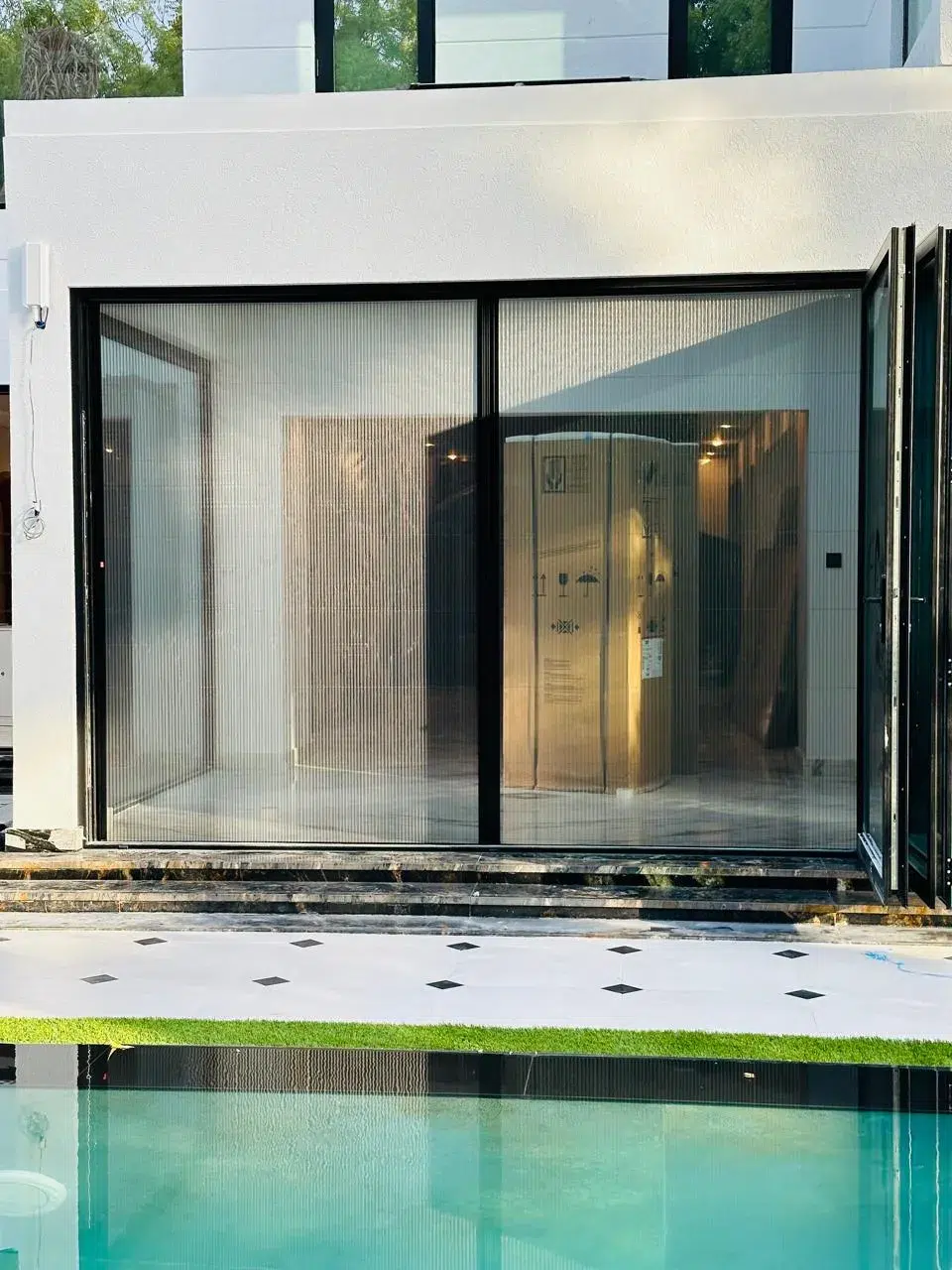

For about five months of the year, Dubai’s weather does something it refuses to do the rest of the time: it lets you open a window.
From late November to early March, evening temperatures across the emirate settle into the low twenties. Humidity falls away. The sea breeze that is unbearable in August turns into the best thing about a Dubai apartment. Residents who have run air conditioning continuously since April suddenly have an alternative for the first time since spring.
Most people never take it. The reason is almost never the weather.
What a Closed Window Actually Costs
Cooling is the largest single load on a Dubai household’s electricity bill, and in most apartments it accounts for the clear majority of consumption. Every evening spent with the windows open instead of the split unit cycling is money that stays in your account, and across a five-month season that difference is not trivial.
The obstacle is what comes in with the air. Dubai’s insect population does not vanish in winter. Mosquitoes breed year-round anywhere there is standing water, and in the cooler months they shift their activity into the evening rather than dawn, which is exactly when you want the windows open. Add the fine dust that settles across the city after any windy afternoon and the appeal fades quickly.
That is the whole problem an insect screen solves, and it is why screens matter more in the Gulf than they do in Europe. A screen is the thing that converts five months of pleasant weather into five months of usable ventilation.
Fit Is the Part That Goes Wrong
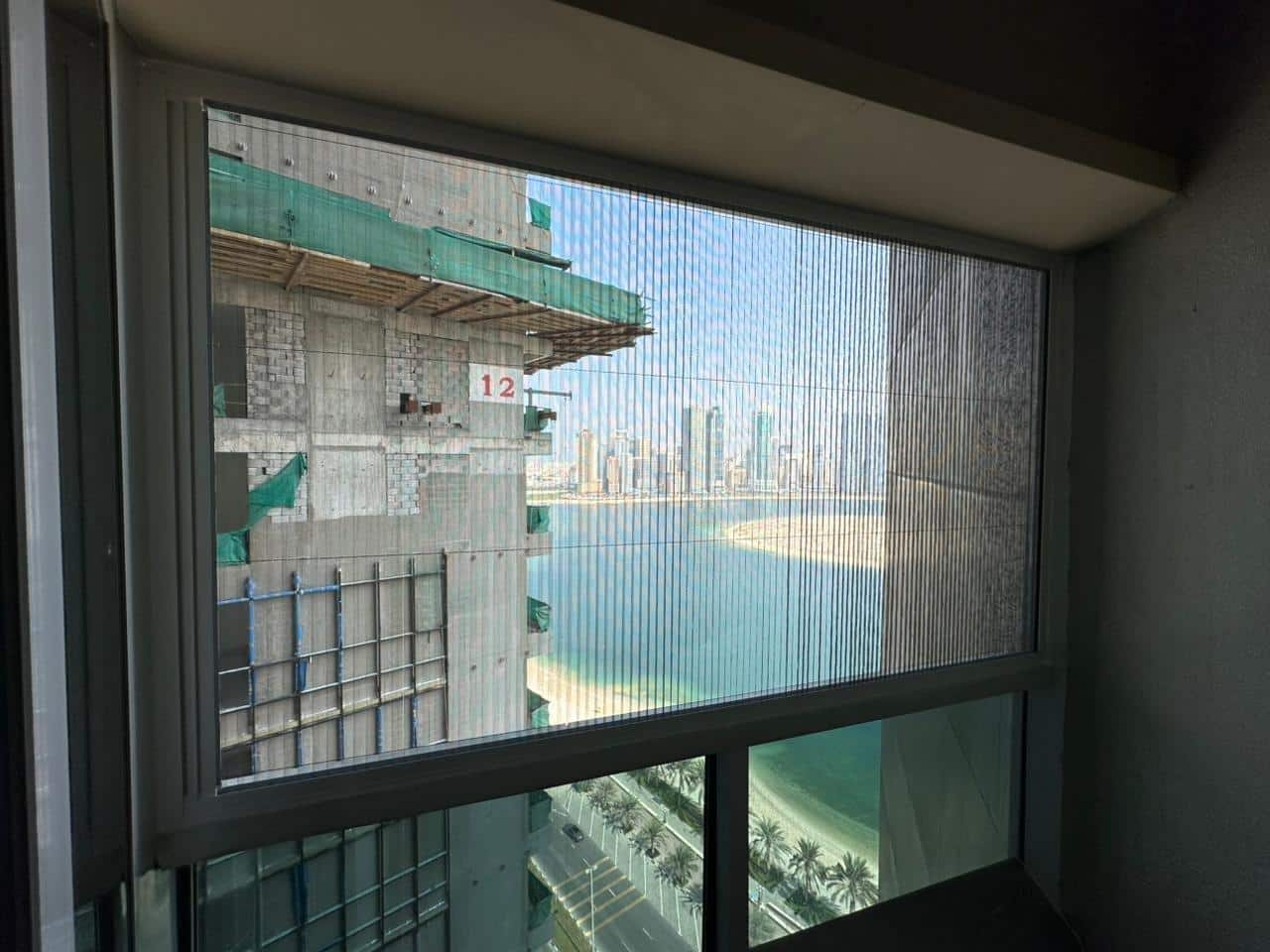
Almost no window in Dubai is a standard size. Towers built in the 2000s, newer developments and older low-rise villas all use different systems and different reveal depths, and even within one building the sizes drift between floors.
This is why screens bought off a shelf so rarely work. A screen that is 8mm narrow leaves a gap along one edge, and an insect does not need more than that. The screens that last are the ones measured on site and fabricated to the finished opening rather than to a drawing. Suppliers who work that way, such as Dream Fly Screen, measure to the reveal after finishes are in place, which is what removes the edge gaps that make a screen decorative rather than functional.
It is also worth knowing what your building allows before you order. Many towers restrict what can be fixed to the external face of a window or balcony, and some require anything visible from outside to match a specified colour. Screens that clip into the reveal rather than fixing through it usually sidestep the issue entirely, and are also the ones you can remove and reinstall if you move.
What Dubai Dust Does to a Screen
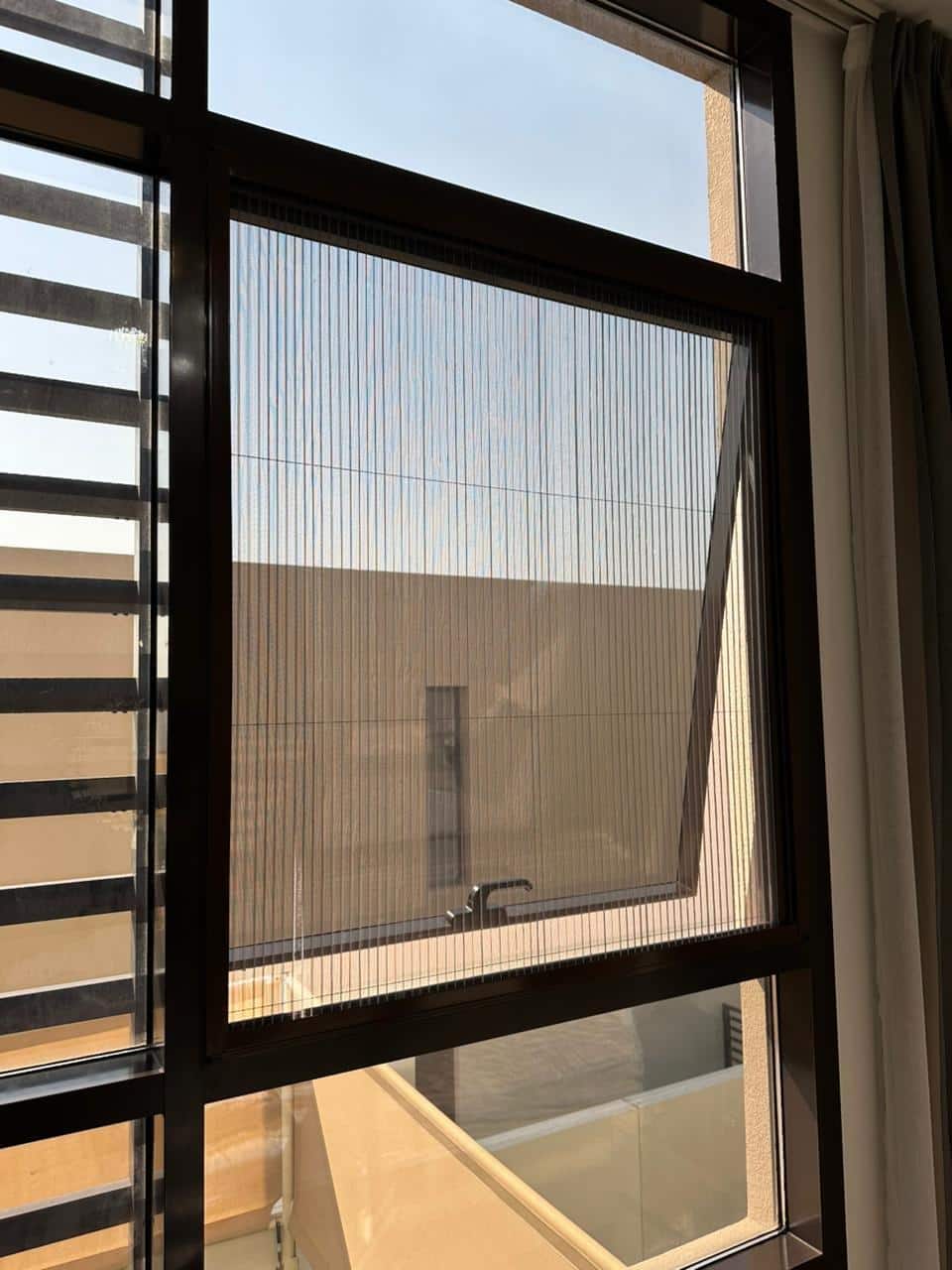
Insect screens in this city fail for a reason that has nothing to do with insects. They get dirty, they stop being cleaned, and then they stop being used.
A screen sitting in an open window is a filter whether you intended it as one or not. After a windy afternoon it holds a visible film of fine sand, and that film does two things: it cuts the airflow you installed the screen to protect, and it makes the view worse. In a villa this is a monthly rinse. On a tower balcony facing the desert side it can be fortnightly through the sandier months.
This is the argument against buying the finest mesh available. A tighter weave catches more airborne dust, which sounds like an advantage until you are cleaning it twice as often for airflow that was already reduced. Unless you back onto water features or heavy landscaping where the smaller midges live, a standard weave is the better trade in Dubai and will stay usable longer between cleans.
Two practical consequences follow. First, removability is not a convenience feature here, it is the difference between a screen that gets maintained and one that does not; anything you cannot lift out in ten seconds will eventually be left dirty. Second, darker mesh reads as more transparent from inside and shows dust far less than lighter colours, which is why charcoal and black are the sensible defaults in a dusty climate and white rarely is.
Expect roughly seven to ten years from a well-fitted screen in Dubai conditions, with the frame outlasting the mesh. Re-meshing an existing frame is a fraction of the cost of replacement, so a system that allows the mesh to be changed without discarding the frame is worth asking about at the point of order.
Matching the Screen to the Window
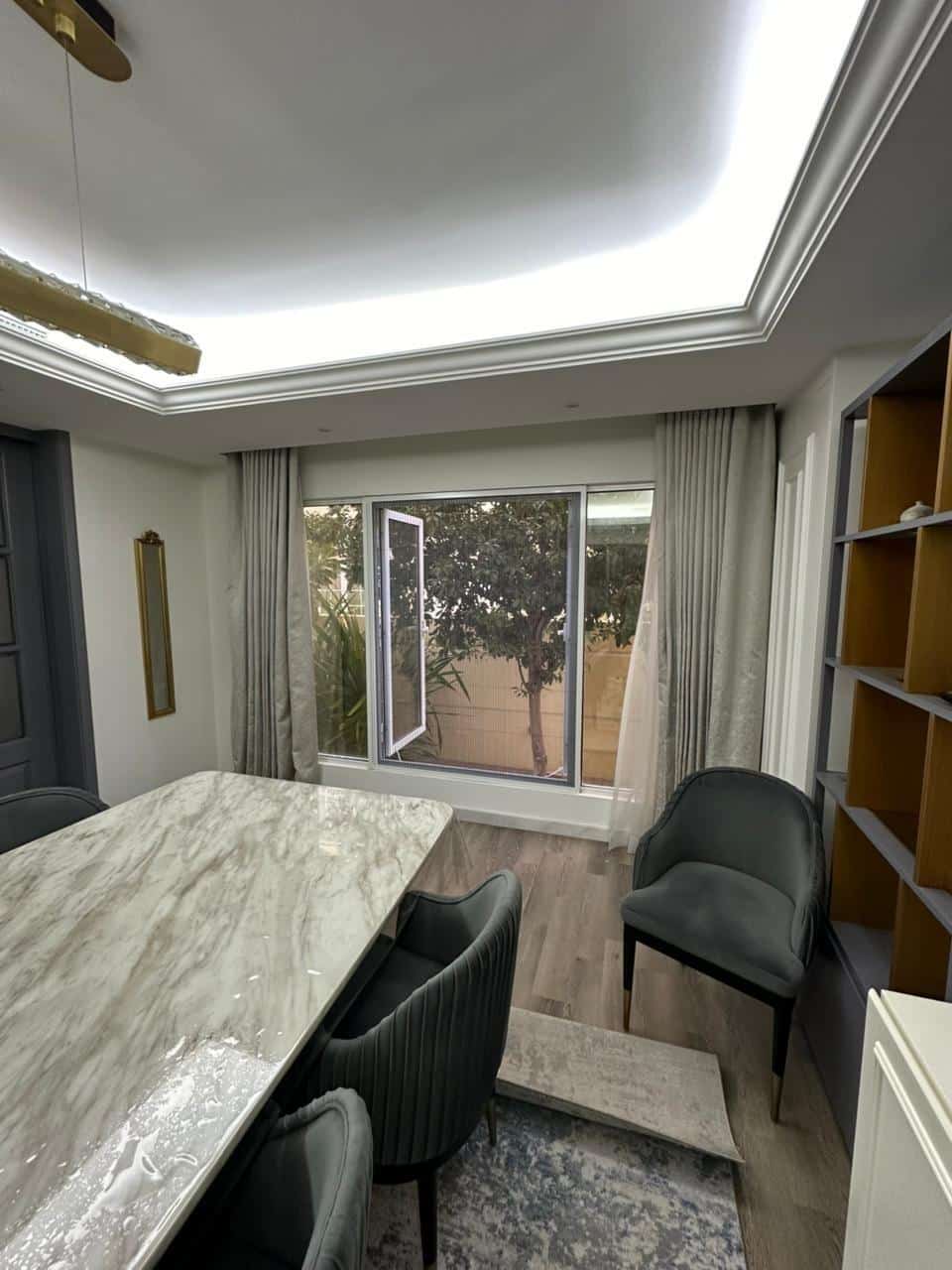
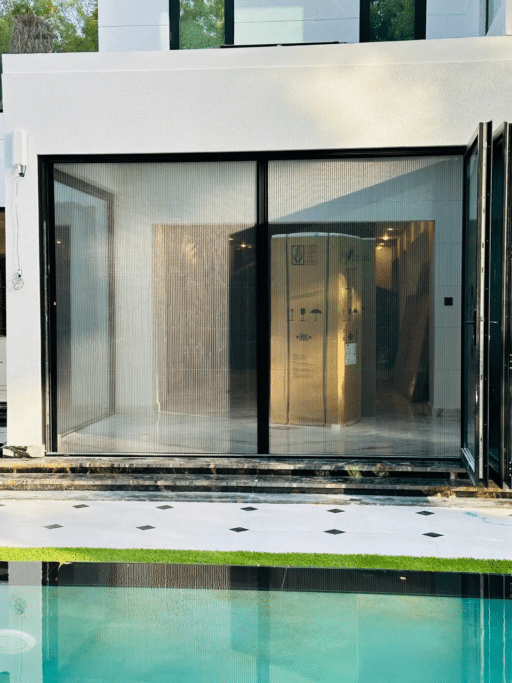
Fixed clip-in panels suit windows you open but never walk through, and they are the cheapest and easiest to clean. Sliding screens on their own track are the right answer for balcony doors, because the screen has to move with the glazing. Pleated and retractable systems disappear completely when not in use, which matters on a view-facing opening, but they carry more hardware and are less forgiving if the track is not installed level.
For tower balconies specifically, top-hung systems are worth the small premium. Bottom-rolling tracks collect grit within weeks in Dubai, and a track full of sand is how a screen turns into something nobody uses.
What to Expect on Cost and Timing
Screening a standard two-bedroom apartment is a modest job by the standards of Dubai home improvement, and it is usually completed in a single visit once the frames have been fabricated. The measure-to-install gap is typically a few days.
The season starts changing in the second half of November. Ordering in October means the screens are in place before the first genuinely pleasant evening, rather than three weeks into it.

Holding a Master’s in Architecture from the University of Texas at Austin, Emily Rodriguez has dedicated more than two decades to the art and science of building renovation. Starting her journey in historic preservation, she developed a profound respect for blending old with new in building design. Emily became a vital part of our team in 2019, renowned for her insightful and innovative renovation tips. She has been leading our DIY home improvement series since ever since, where she shares her wealth of knowledge in turning outdated spaces into modern havens. When not engaged in writing or consulting, Emily is a passionate advocate for heritage conservation and enjoys exploring vintage architecture, a hobby that complements her professional expertise.