


Renovating or upgrading a home is easily one of the most rewarding projects you can take on, but let’s be honest. It can quickly become a real source of unexpected stress if your finances aren’t clearly aligned from day one.
Whether you’re painting a kitchen, remodeling a cramped bathroom, or building a deck out back, working together on a budget keeps everyone on the same page. Managing finances with a partner requires open communication, steady planning, and the right organizational structure.
When two people decide to tackle home improvements together, the first real hurdle is usually deciding how to handle the expenses. Money management in a relationship takes practice, I guess. Home projects always bring hidden costs that neither person saw coming.
You know, like staring at a surprise plumbing invoice at the kitchen table while the coffee goes cold. By setting up a transparent structure early on, you’ll keep the focus on creating a space you love rather than stressing over unexpected receipts.
Aligning Your Vision and Priorities
Before opening up a spreadsheet or looking at numbers, sit down together to discuss what you actually want to accomplish. One person might picture custom cabinetry and premium tile, while the other is focused on replacing an aging roof or upgrading the heating and cooling system. But what happens when your priorities completely clash?
List every single project you want to tackle, then split them into needs and wants. Structural repairs, plumbing fixes, and roof maintenance should always take priority over cosmetic upgrades.
And that is where honesty becomes vital.
Once you agree on that priority list, research the realistic costs for materials, labor, local permits, and delivery fees. Having an accurate idea of what things cost in your area prevents major surprises down the road.
Choosing the Right Financial Structure
Once you have a target figure for your home improvements, you need to decide how you’ll pool and manage those funds. Some couples prefer to keep their finances entirely separate and split every bill individually. Others find it much easier to merge funds specifically designated for household goals.
If you are considering this option, start with a few basic questions: what is a joint bank account, how will each person contribute, and which project expenses will be paid from it? Agreeing on these details in advance can prevent confusion once purchases and contractor invoices begin arriving.
Whatever structure you choose, both partners should be able to review the balance and track how the money is being spent. It eliminates the tedious process of constantly transferring money back and forth or calculating who owes what at the end of the month.
Building a Contingency Buffer
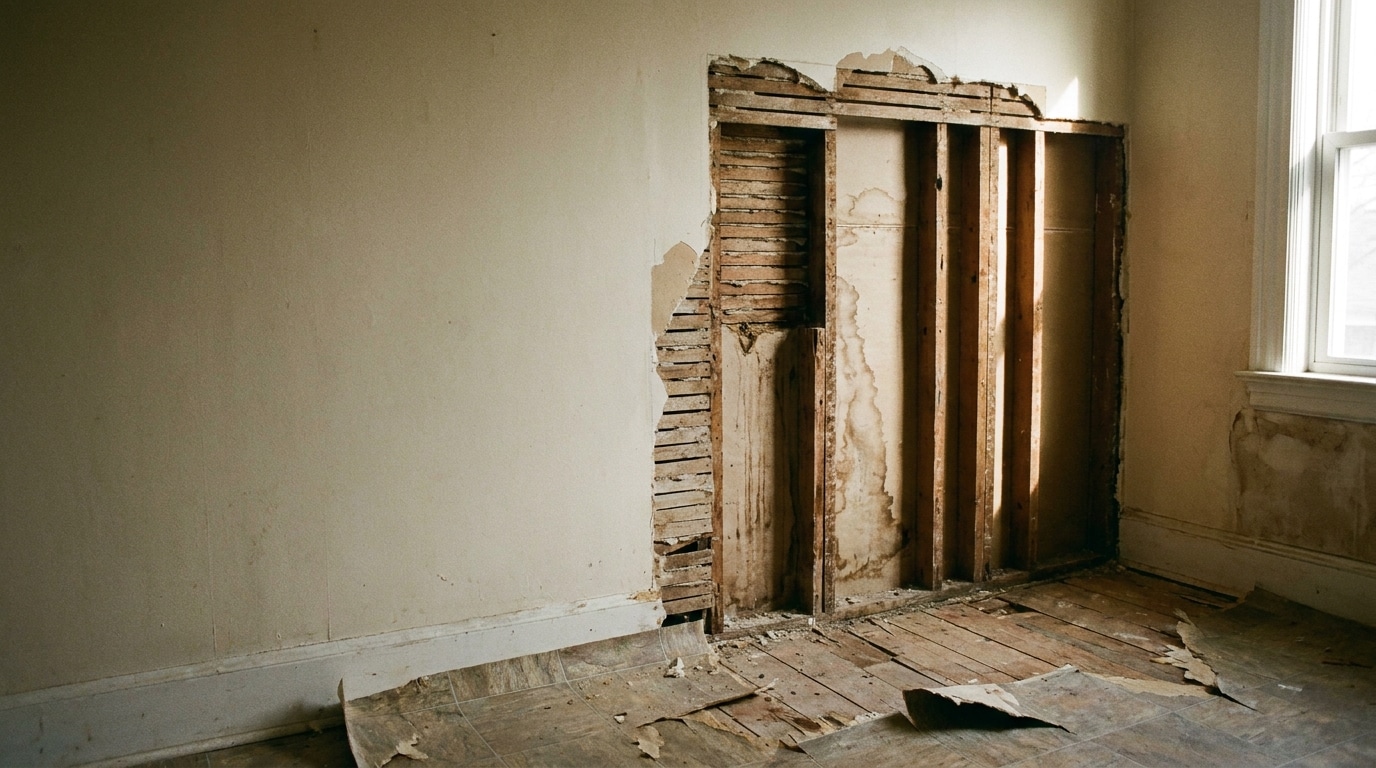
No home improvement project ever goes completely according to plan. You know, reality has a way of disrupting even the neatest blueprints.
Once you open up walls or pull up old flooring, you’re almost guaranteed to find something that needs extra attention. Outdated wiring, hidden water damage, or uneven subfloors can quickly derail an otherwise solid budget.
To protect your project and your relationship from sudden financial strain, build a contingency fund directly into your budget. A safe rule of thumb is to add fifteen to twenty percent on top of your total estimated costs.
If your estimated budget for a bathroom remodel is five thousand dollars, set aside an extra thousand dollars specifically for unexpected issues. If you don’t end up using it, well, maybe you can roll those funds straight into your next project or save them for future home needs.
Tracking Expenses as You Go
Creating a budget is only effective if you actively track your spending throughout the project. It’s so easy for small hardware store runs to add up without noticing. Ten dollars for screws here, fifty dollars for paint supplies there, and suddenly you’re several hundred dollars over budget before the major work even begins.
So how do you stay on top of the small purchases before they spiral?
Set up a simple system to track every single expense. You can use a shared spreadsheet, a budgeting app, or even a dedicated folder where you save physical and digital receipts.
Schedule a quick weekly check-in with your partner to review what’s been spent, what invoices are coming up, and whether you’re still on track. Late at night, with the hum of the laptop on the kitchen counter, taking ten minutes to log receipts keeps the peace. Regular communication prevents misunderstandings and ensures both partners feel informed and in control of the finances.
Compromise and Flexibility
Even with meticulous planning, trade-offs are often necessary. If contractor costs come in higher than expected, you may need to adjust your scope. Instead of abandoning the project entirely, look for areas where you can compromise.
You might choose mid-range countertop materials instead of high-end stone, or decide to handle the painting yourselves rather than hiring professionals. And that’s the point. It is about adaptability.
Establishing Clear Roles and Boundaries
Beyond just managing the cash flow, dividing responsibilities can save a lot of energy. Will one person act as the primary contact for contractors while the other handles purchasing materials and tracking receipts? Having clear roles prevents duplicate orders, conflicting instructions to workers, and unnecessary misunderstandings.
When both partners know their domain, the overall workflow feels far less chaotic.
Setting Up Milestones and Celebrating Small Wins
Renovations can feel like a grueling marathon, especially if you are living in a construction zone surrounded by dust and half-painted walls for weeks. Breaking the overall project into smaller, manageable milestones keeps momentum high. Celebrate when the demo work is finished, or take an evening off when the first coat of paint goes up.
Acknowledging these small victories keeps morale up and reminds you why you started the project in the first place.
Home improvement is a journey that should ultimately bring value and comfort to your daily life. By establishing a clear budget, utilizing shared accounts effectively, and keeping lines of communication open, you can transform your living space while keeping your financial peace of mind intact.

Holding a Master’s in Architecture from the University of Texas at Austin, Emily Rodriguez has dedicated more than two decades to the art and science of building renovation. Starting her journey in historic preservation, she developed a profound respect for blending old with new in building design. Emily became a vital part of our team in 2019, renowned for her insightful and innovative renovation tips. She has been leading our DIY home improvement series since ever since, where she shares her wealth of knowledge in turning outdated spaces into modern havens. When not engaged in writing or consulting, Emily is a passionate advocate for heritage conservation and enjoys exploring vintage architecture, a hobby that complements her professional expertise.