
A draft, a sticking window, or fog between panes can make replacement seem like the obvious next step. But these problems can come from different parts of a window or door, and one sign rarely tells you whether the whole unit needs to be replaced.
A better decision begins with a clear description of what is happening, a few safe checks, and an honest look at whether the trouble seems limited to one part or affects the window or door more broadly.
Start With What the Window or Door Does
Describe the problem as plainly as possible. Does the window drag along one edge, stop halfway, or close but fail to lock? Does the door rub only near the top, miss the latch, or leave a visible gap along one side?
Note when it happens and whether it affects one window or several. “West bedroom window sticks during humid weather” tells a repair professional more than “bad window.” A photo can show an uneven gap, damaged part, or fogged glass, but your note should explain what a still image cannot show.
Try a Simple Check First
Look for dirt in accessible tracks, an obviously loose handle, or a seal that is visibly torn or out of place. Clean only what ordinary care instructions allow, then try the window or door again without forcing it.
If the problem remains, stop treating it as a cleaning issue. Repeated force can damage hardware and make the original problem harder to find.
Chicago homeowners who notice drafts, fogged glass, or hard-to-operate doors can ask CapaHome about repair options before assuming the entire window or door needs to be replaced.
The next question is whether one fixable part appears to be causing the trouble or whether there are signs of a larger problem.
Some Problems May Be Limited to One Part
A worn seal, failed lock, loose handle, torn screen, or damaged piece of blind hardware may involve only one part. A window or door that has shifted out of alignment may also be repairable, although it is important to understand why the change happened before moving hardware.
Repair may be worth discussing when the frame and the rest of the window or door are still in good condition and the trouble can be traced to a specific part. That does not guarantee every part is available or every problem can be corrected, but it is a reason not to assume replacement first.
When Replacement Deserves a Closer Look
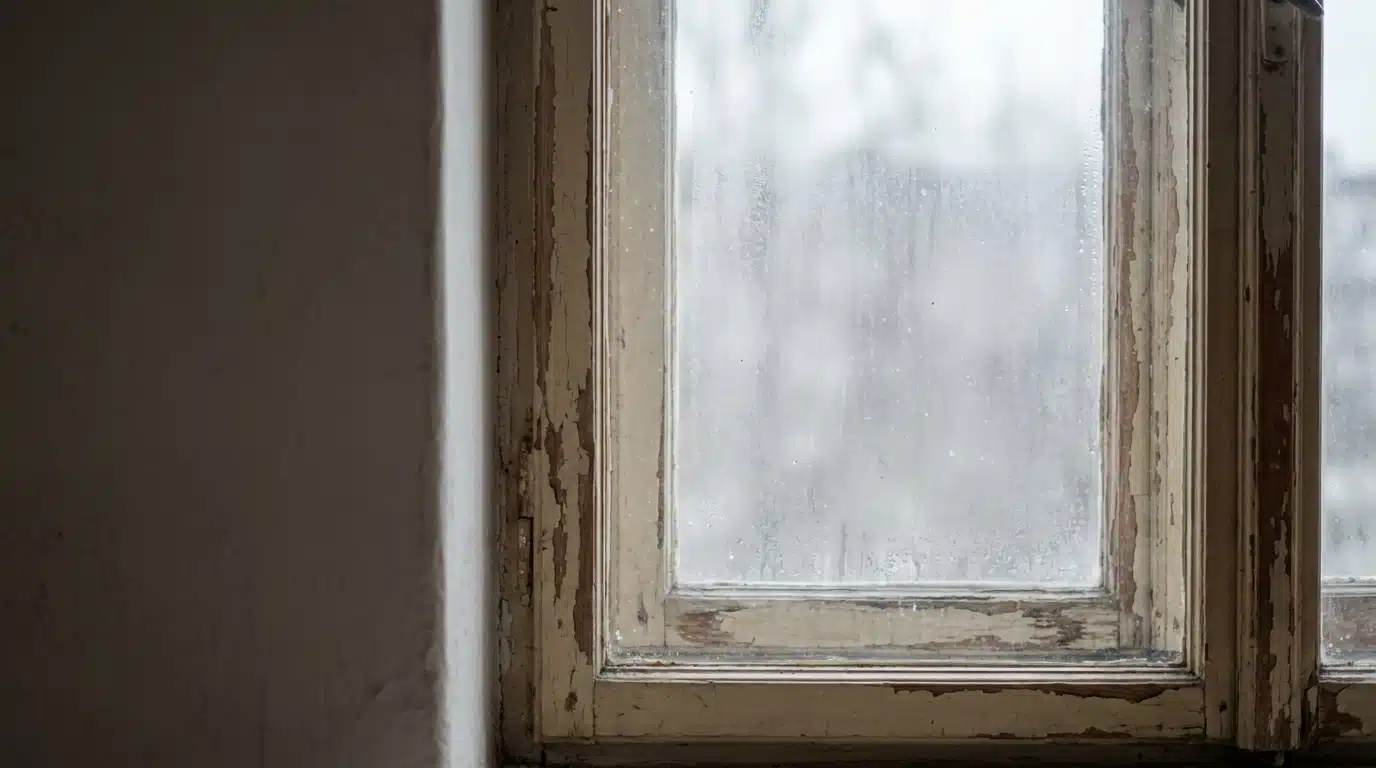
Serious frame damage, widespread deterioration, several major problems at the same opening, or failures that keep returning may justify comparing replacement options. One difficult lock is different from several windows with badly damaged frames.
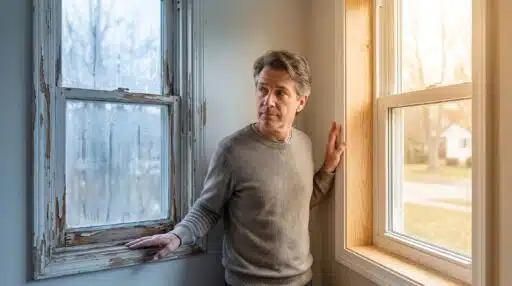
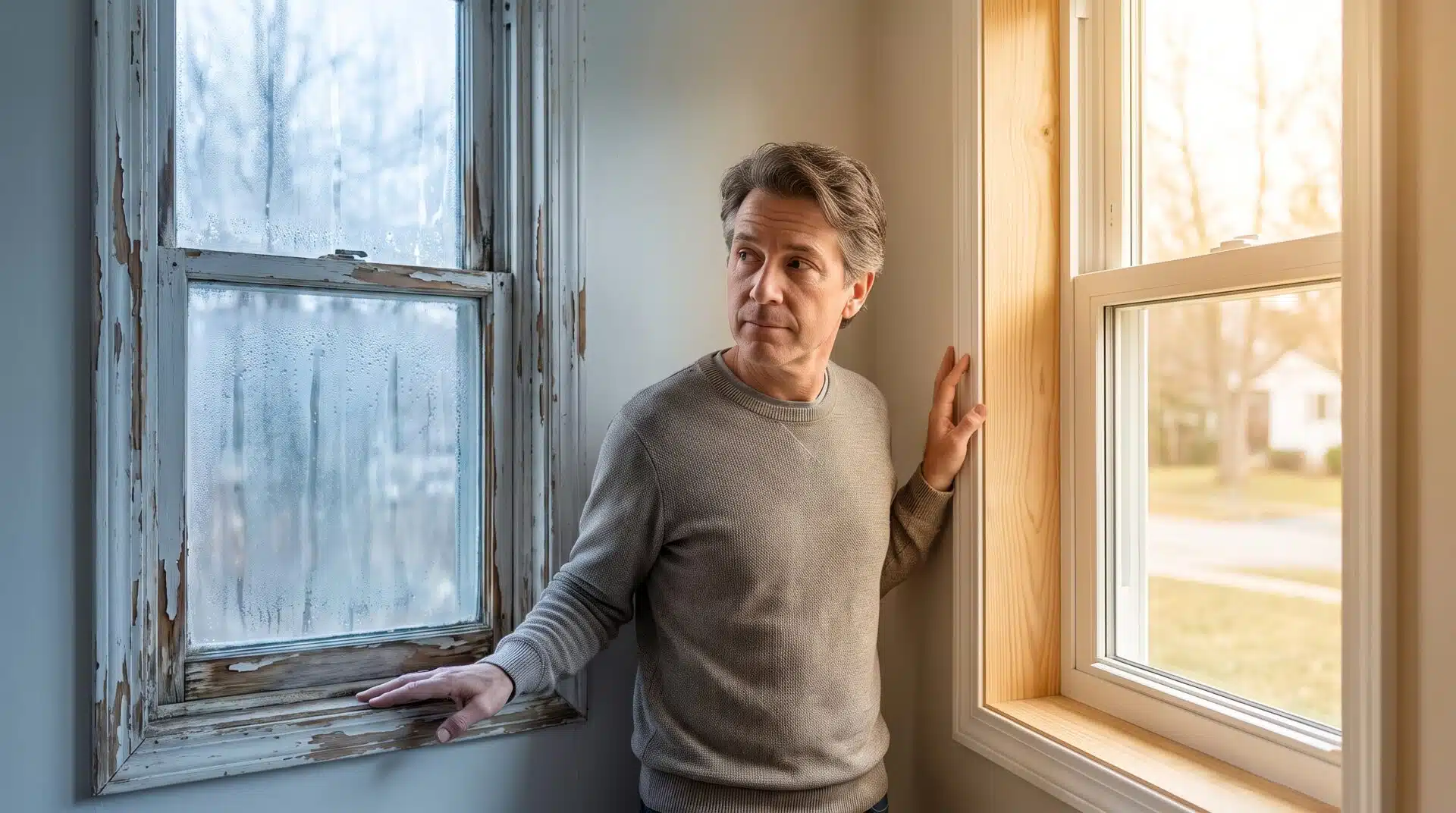
Fog or moisture trapped between panes is also worth documenting. It is different from moisture on the room-side surface of the glass, but the next step still depends on how the window is built and whether anything else is failing.
Think about earlier repairs too. Did the window or door return to normal use? How long did the improvement last? A problem that comes back after appropriate work may support a different choice than one noticed for the first time.
Compare What Each Option Would Fix
When comparing repair and replacement proposals, ask what each option is meant to fix, what will remain unchanged, and how the window or door should work afterward. Also ask about access, removal of blinds or shades, and any paint or trim work that may be needed.
Use this three-step path:
- If one part seems to be involved and the rest of the window or door is solid, ask whether a targeted repair may solve the problem.
- If the cause is unclear or several problems appear together, have someone take a closer look before deciding.
- If the frame is badly deteriorated or major problems keep returning, compare replacement with the likely result and cost of another repair.
A smaller repair is not automatically the better choice if it leaves the main problem unresolved. Replacement is not automatically necessary just because one problem is frustrating.
What to Ask Before You Decide
Be ready to identify the room and the exact window or door, explain what happens and when, mention any weather pattern, and share clear photos. Include previous repair work and say whether the problem affects locking, normal entry, privacy, or the glass.
Then ask simple questions: Which part appears to be causing the problem? What would the proposed work correct? What signs would suggest that a larger repair or full replacement is needed?
Repair-versus-replacement decisions become easier when they begin with what the window or door actually does. Describe the problem, rule out safe and obvious causes, and compare what each option is expected to change.

Holding a Master’s in Architecture from the University of Texas at Austin, Emily Rodriguez has dedicated more than two decades to the art and science of building renovation. Starting her journey in historic preservation, she developed a profound respect for blending old with new in building design. Emily became a vital part of our team in 2019, renowned for her insightful and innovative renovation tips. She has been leading our DIY home improvement series since ever since, where she shares her wealth of knowledge in turning outdated spaces into modern havens. When not engaged in writing or consulting, Emily is a passionate advocate for heritage conservation and enjoys exploring vintage architecture, a hobby that complements her professional expertise.