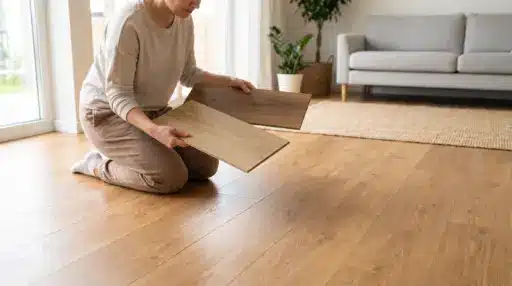
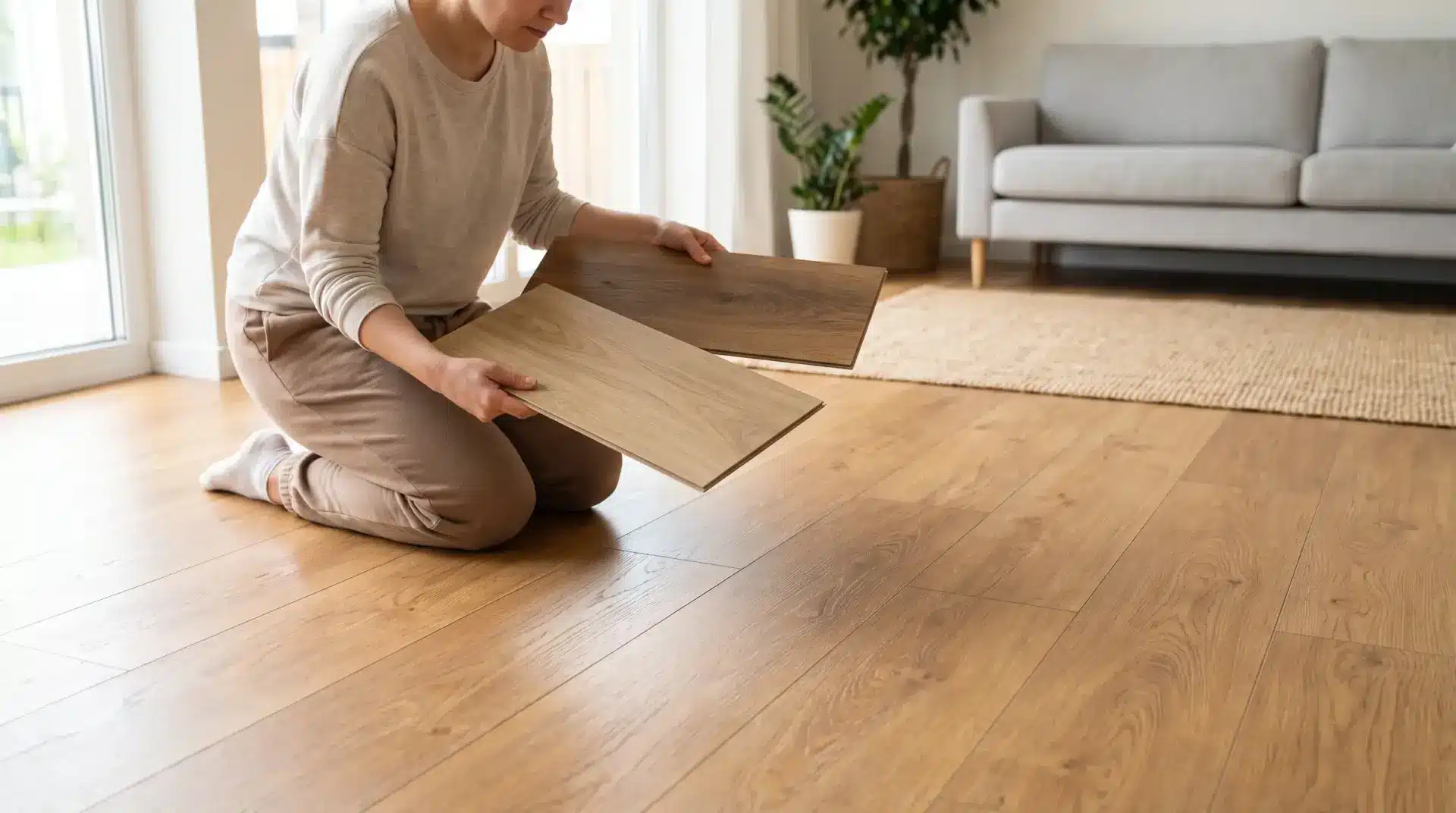

Choosing vinyl flooring looks simple until you start comparing samples. Many options can look almost identical in a showroom. But after installation, small differences in wear layer, plank format and site conditions can decide whether the floor still looks good or starts showing problems.
The useful question is not simply which design you like. It is whether the product suits the room, the subfloor and the way you actually live. If you are comparing options, speaking with a vinyl flooring supplier singapore can also help you check the technical details behind the sample before making a final choice.
Start With How You Use It
Most guides tell you to choose vinyl flooring based on appearance first. The real answer is to start with traffic, moisture and daily use, because the same floor can perform very differently in a quiet bedroom and a busy family kitchen.
Think about what happens in the room on an ordinary Tuesday. Do chairs move across the floor every day? Do people walk through with wet shoes? Is there a pet that runs across the same path? These details matter more than choosing between two similar wood patterns.
A simple decision rule is this:
- High traffic means prioritise durability
- Wet-prone areas need careful attention to water resistance
- Uneven subfloors need more preparation before installation
- Large open spaces need closer attention to layout and movement
Look Beyond the Surface Design
A realistic wood pattern can make two products seem equally good at first glance. What matters underneath is how the flooring is built and how well its surface can handle daily wear.
One common costly mistake is choosing solely from a small sample. People assume a thicker-looking product will automatically last longer, but thickness alone does not tell you how well the top surface will resist scratches and scuffs.
Ask what protects the visible surface and how the product is intended to perform in your type of space. A hallway with repeated foot traffic needs a different level of durability from a guest room used only occasionally.
Check the Subfloor Early
This is where flooring projects often become more expensive than expected. The vinyl itself may fit the budget, but an uneven or damaged subfloor can require preparation before installation.
Most people focus on the flooring price and leave the floor beneath it for later. That can be backwards. Small dips or bumps may become more noticeable once the new flooring is installed, depending on the product and installation method.
Here is a simple worked example. Imagine two rooms that are each 20 square metres. One has a smooth, sound subfloor. The other has uneven areas that need levelling. Even if both rooms use the same vinyl, the second project can involve extra preparation, materials and labour.
The lesson is simple: inspect the surface before comparing final quotes.
Match the Format to the Room
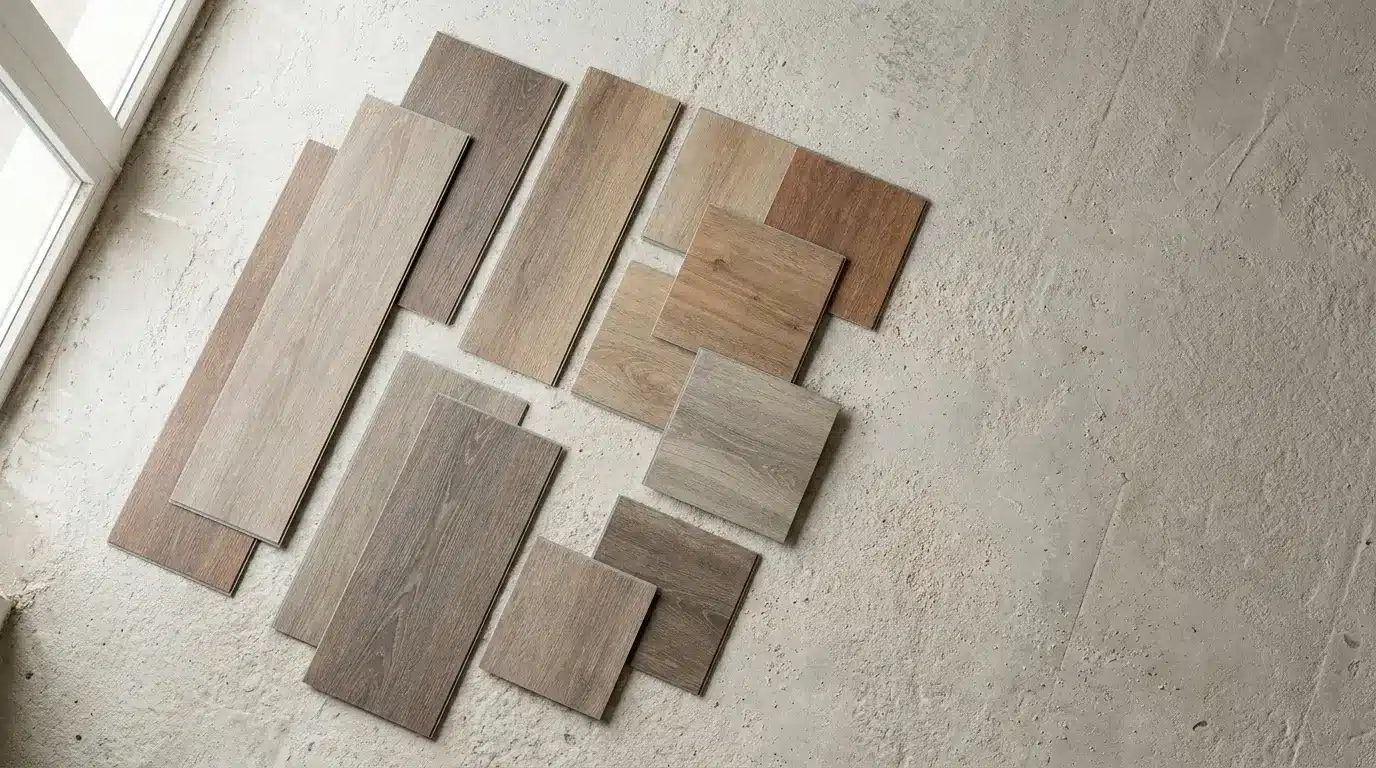
Planks, tiles and sheet-style formats can create very different results. The right choice depends partly on the shape of the room and the look you want to achieve.
Long planks can emphasise the length of a narrow space. Tile-style designs may suit rooms where you want a more structured appearance. The direction of installation also changes how the room feels.
Before choosing, picture the full layout rather than one piece of flooring. A pattern that looks attractive on a sample can feel very different across an entire living area.
Plan for Real Life Not Showrooms
Showrooms are useful for comparing colours, but your home has sunlight, furniture, doorways and daily mess. These conditions can change what works best.
Take a sample near a window if possible. Look at it in daylight and at night under your normal lighting. A pale tone may show marks differently from a darker one. A strong pattern may hide some everyday variation but can compete visually with busy furniture.
The best choice is often the one that asks the least from your daily routine. If you know you do not want to worry about every small mark, choose with that in mind instead of buying the floor that only looks best under perfect conditions.
Compare the Full Project Cost
The cheapest flooring price is not always the cheapest finished project. Compare what is included before deciding.
Look at the full picture:
- Flooring materials
- Subfloor preparation
- Installation
- Removal of existing flooring
- Trims and finishing details
This comparison can reveal an important trade-off. A lower material price may look attractive until extra preparation and finishing work are added. A slightly higher-priced option may sometimes suit the existing floor better and reduce work elsewhere.
The smart decision comes from comparing complete project requirements, not just the price per square metre.
Vinyl flooring works best when you choose it for the room you actually have, not the ideal room shown in a catalogue. Check how the space is used, understand what lies beneath the existing floor and compare the full installation picture. Do that, and you are far more likely to end up with a floor that still feels like the right choice years from now.

Holding a Master’s in Architecture from the University of Texas at Austin, Emily Rodriguez has dedicated more than two decades to the art and science of building renovation. Starting her journey in historic preservation, she developed a profound respect for blending old with new in building design. Emily became a vital part of our team in 2019, renowned for her insightful and innovative renovation tips. She has been leading our DIY home improvement series since ever since, where she shares her wealth of knowledge in turning outdated spaces into modern havens. When not engaged in writing or consulting, Emily is a passionate advocate for heritage conservation and enjoys exploring vintage architecture, a hobby that complements her professional expertise.