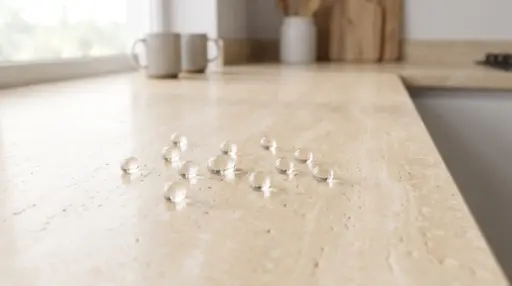
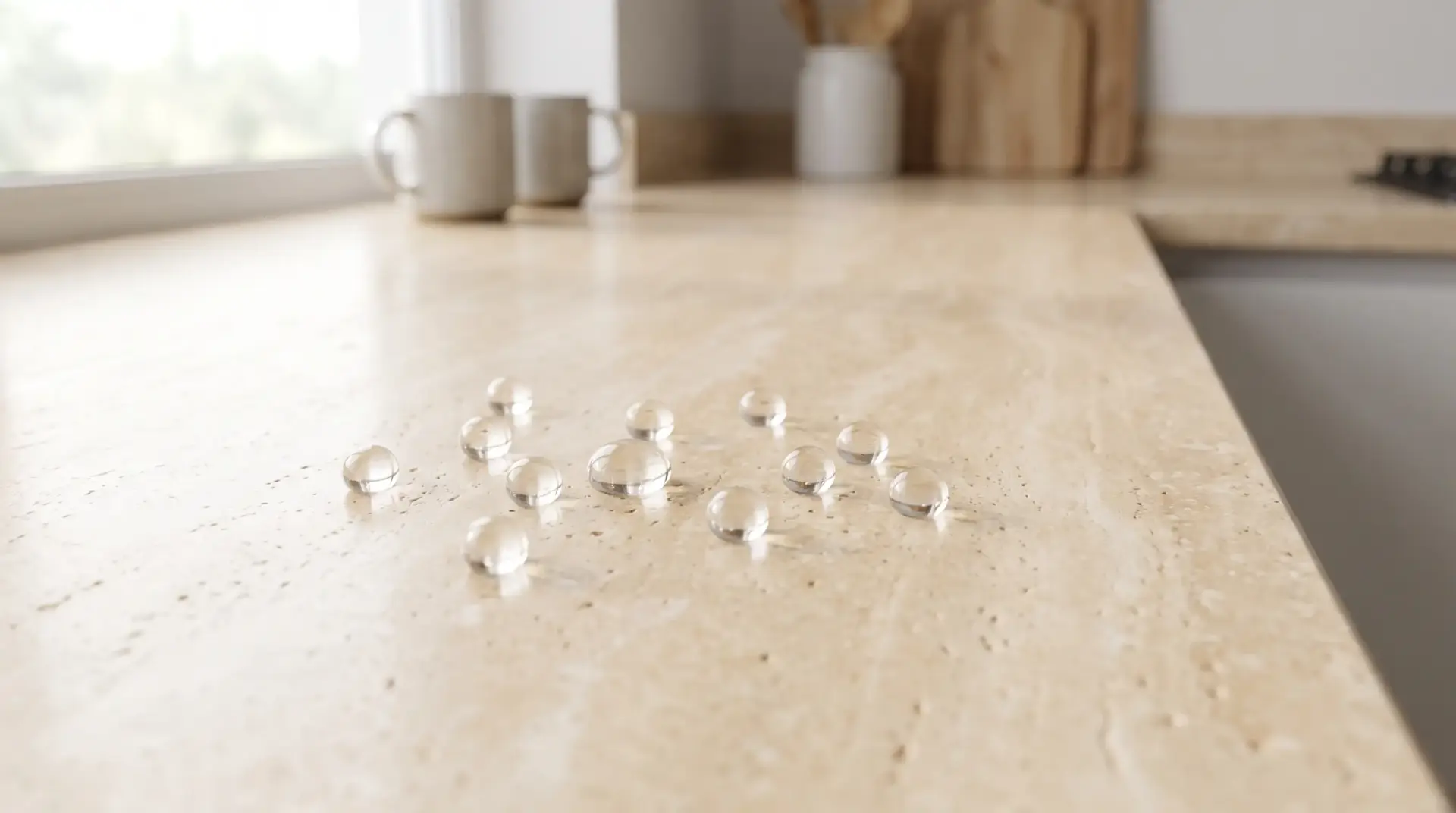
Stone floors and countertops are constantly exposed to spills, stains, and moisture. Solvent-based sealers protect against this by soaking into tiny pores and forming a barrier beneath the surface.
These products carry active resins inside a liquid carrier that evaporates after application. Once the carrier dries, a thin protective barrier remains locked within the stone. This barrier repels water, oil, and other liquids before they can cause stains.
Once sealed, stone surfaces in kitchens and bathrooms hold their new look for years. Here is a simple explanation of how sealing works and why it matters for the long term.
What Is a Solvent Based Sealer
A solvent based sealer differs from surface coatings that simply sit on top. Instead, it soaks into the stone and bonds with the material from within. Because dense stone has such tight pores, manufacturers build these formulas for maximum penetration.
This deep bond keeps the sealer from wearing away under normal foot traffic. Many surface level products wear off quickly and leave stone exposed again soon. Homeowners who apply TSS Pro’s stain shield see stone hold up against spills for years.
How Solvent Based Sealers Bond With Stone
The bonding process begins the moment the sealer touches a clean stone surface. Capillary action draws the liquid resin downward through tiny channels in the stone. As the carrier solvent evaporates, solid resin particles remain trapped inside those pores.
This creates an invisible barrier that still allows the stone to breathe naturally. Unlike topical coatings, the stone keeps its natural texture and matte or glossy finish. The result is a surface that resists stains without looking artificial or plastic like.
Benefits of Using a Solvent Based Formula
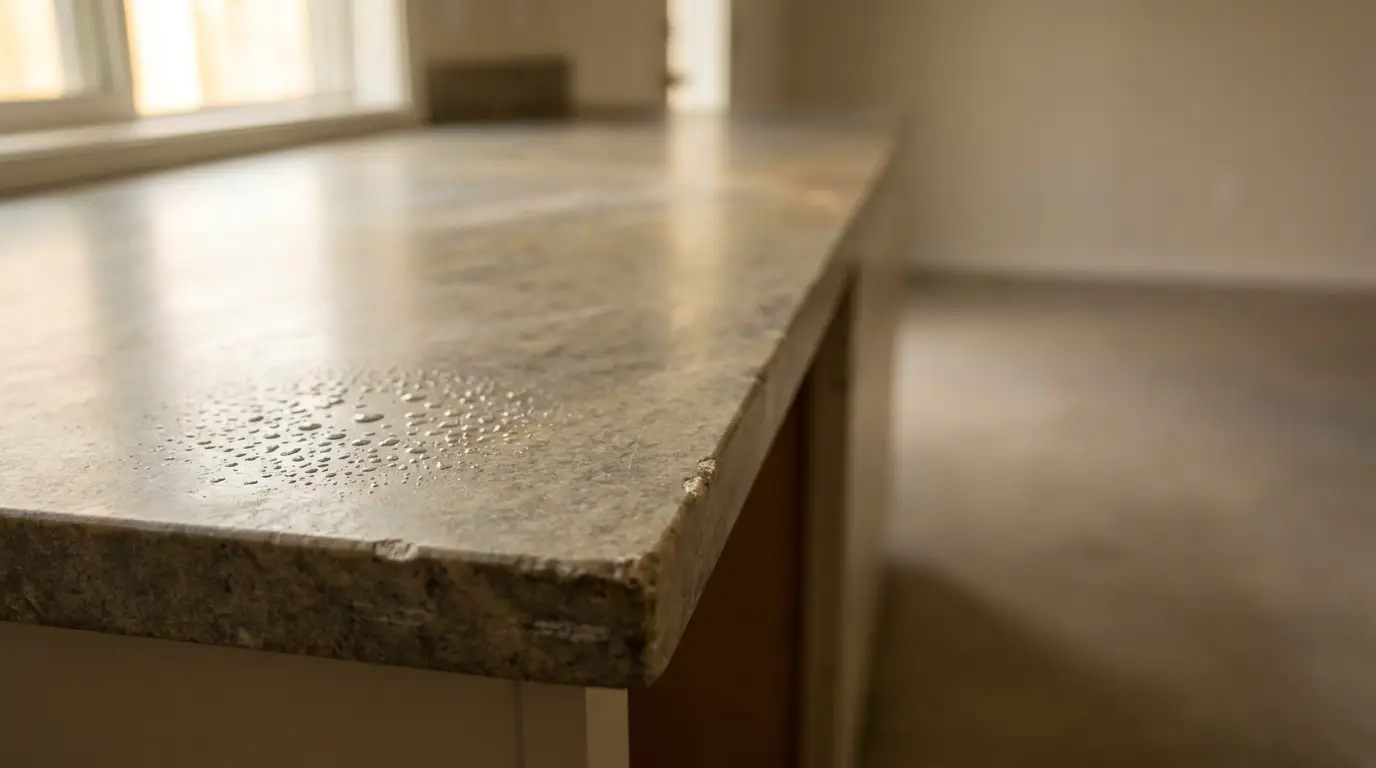
Deep penetration means the protection lasts far longer than typical topical spray sealers. Solvent based formulas also resist heat better than many water based alternatives available today. These sealers work well on dense stones that water based products struggle to penetrate.
Homeowners who seal less often still save real time and money each year. A quick wipe removes stains like wine or citrus from a properly sealed surface. Because these sealers hold up well, they are popular in busy kitchens and bathrooms.
Comparing Solvent and Water Based Options
Water based sealers rely on water as the primary carrier for their resin. They tend to dry faster and produce fewer strong fumes during the application process. However, they often penetrate less deeply and may need reapplication more frequently overall.
Solvent based options generally penetrate deeper and hold up longer under heavy use. Proper ventilation during application helps manage the stronger odor of solvent based products. Homeowners often choose based on their stone type and how heavily the surface gets used.
Choosing the Right Sealer for Your Stone
Before picking a sealer, homeowners need to know what type of natural stone they have. Porous stones like limestone and travertine usually benefit most from deep solvent penetration. Denser stones such as granite may need less frequent but still consistent sealing.
Climate and daily foot traffic both influence how often a surface needs resealing. Testing a small hidden area first helps confirm the sealer suits the stone finish. When homeowners choose a sealer suited to their stone, the natural look stays intact for years.
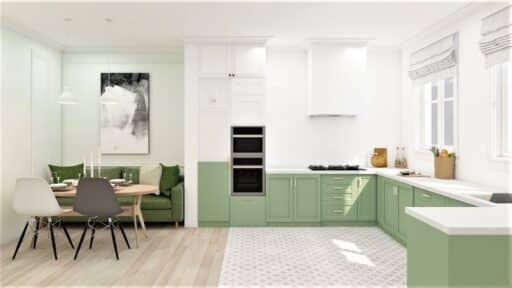
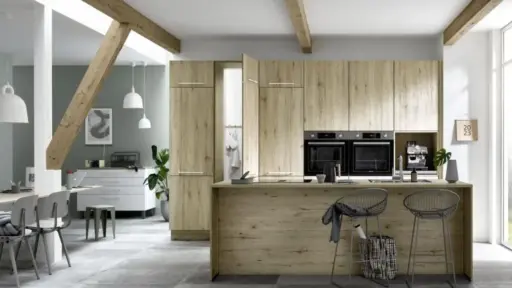
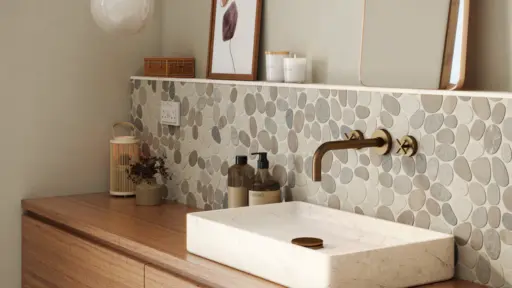
A kitchen counter deals with oil splatters and wine spills almost every day. A bathroom vanity, by contrast, is mostly exposed to water and steam near the sink. Because these two surfaces wear differently, the right sealer often depends on where the stone sits.
Once homeowners know their stone type, they usually pick a product built for it. When a counter is sealed correctly, coffee and tomato sauce wipe away without leaving a mark.
On a properly treated vanity, water rings and small scratches near the sink turn up far less often. A single afternoon spent sealing stone today cuts down on a lot of future cleanup.

NKBA-certified designer Harper Williams holds a degree in Interior Architecture from Auburn University and has specialized in high-function kitchens and spa-inspired baths since 2011. She joined us in 2024 to simplify layout planning, fixture selection, and budget tricks for remodelers. Away from CAD files, Harper restores vintage cookstoves and crafts small-batch soaps.