Picture this: It’s 2:00 PM on a Tuesday. You’re in the middle of a crucial Zoom meeting, your hands are full of coffee, and the doorbell rings.
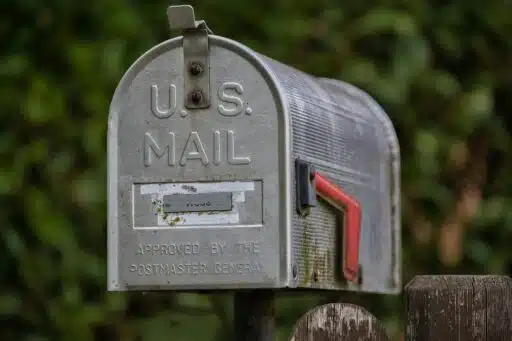
You glance out the window. It’s the mail carrier, dropping off a thick envelope from your bank, or maybe that new laptop you ordered for your home office. You can’t leave your meeting to run outside. So, the mail sits there. On your porch. Or worse, in that flimsy, open metal box at the end of your driveway, baking in the sun or exposed to anyone walking by.
We’ve all been there.
When we shifted to working from home, our houses became our offices, our schools, and our sanctuaries. We upgraded our Wi-Fi, bought ergonomic chairs, and installed smart doorbell cameras. But there is one critical piece of home security that most of us have completely ignored: the humble mailbox.
In today’s world, an open, unsecured mailbox is essentially an open invitation. Upgrading to a modern locking mailbox is no longer just a luxury for the paranoid; it is a fundamental, common-sense upgrade for anyone who values their privacy, their packages, and their peace of mind.
The Hidden Danger of the “Open Box”
Let’s be honest about what’s actually in your mail. It’s rarely just birthday cards and junk flyers anymore.
Every week, we receive bank statements, pre-approved credit card offers, medical explanation of benefits (EOBs), tax documents, and legal correspondence. For identity thieves, a standard, open-top mailbox is like a free, unmonitored buffet. “Mail interdiction” – the act of stealing mail to commit fraud – is a booming, low-risk crime.
And it’s not just about paper. With the explosion of e-commerce, our mailboxes are expected to handle small parcels, too. Leaving those sitting in an open box or on the porch is the number one cause of “porch piracy.”
When your sensitive information is compromised or your hard-earned purchases are stolen, the fallout is entirely yours to deal with. The stress of canceling cards, freezing your credit, and filing police reports is a massive disruption to your life and your work.
How a Locking Mailbox Actually Works (And Why It’s a Game-Changer)
If you’ve never used one, you might wonder: If it’s locked, how does the mail carrier get my mail in there?
It’s actually brilliantly simple. A high-quality locking mailbox features two separate compartments. The top (or front) has a specialized, non-locking incoming slot. The mail carrier simply pushes your letters and small, flat packages through this slot, and they drop safely into the main, locked vault below.
The retrieval door, which you access with your own unique key, is completely separate. The mail carrier cannot open it, and neither can anyone else. Your mail stays securely tucked away from the moment it’s delivered until you are ready to retrieve it. It’s a simple, highly effective physical barrier that stops theft in its tracks.
The Catch: Why It Must Be USPS Approved
Here is where many well-meaning homeowners make a costly mistake. They go online, buy a cheap, heavy-duty looking lockbox from a random retailer, install it, and then… their mail stops coming.
Why? Because the United States Postal Service has strict federal regulations regarding mailbox size, placement, and construction. If a carrier determines that a mailbox is not compliant, they are legally required to leave a “notice of attempted delivery” and take your mail back to the post office.
This completely defeats the purpose of having a secure mailbox if you now have to drive to the post office to get your mail every single day.
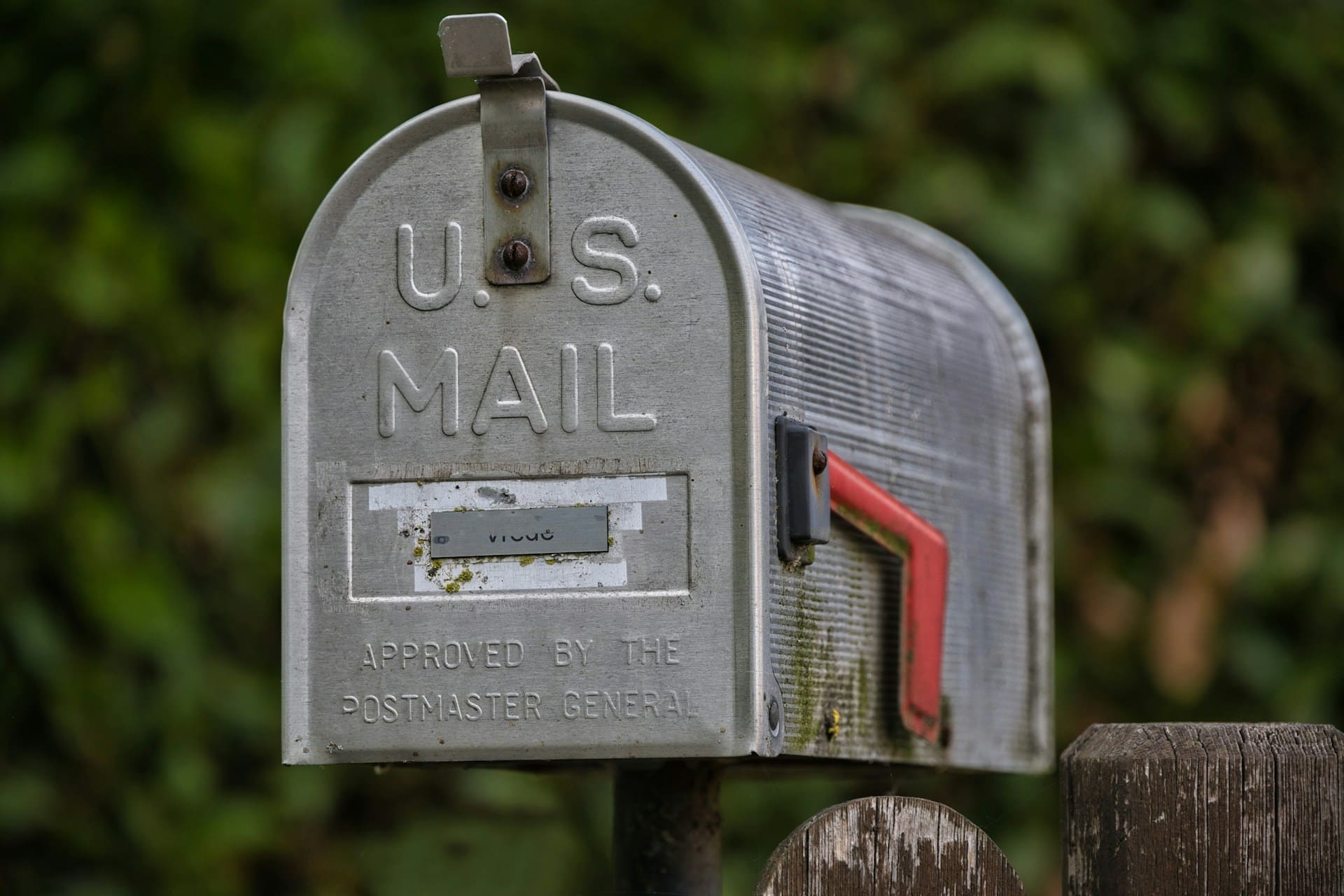
To avoid this frustrating scenario, you must ensure you are investing in a usps approved locking mailbox. This official designation means the mailbox has been tested and approved by the Postmaster General. It guarantees that the incoming slot is the correct size, the overall dimensions meet federal standards, and the construction is safe for carriers to use. When you buy a compliant box, you get the security you want and the reliable delivery you need.
3 Things to Look for When Shopping for Your Upgrade
Not all secure mailboxes are created equal. If you want a product that will last for years and actually protect your belongings, keep these three features on your checklist:
1. Anti-Fish Baffles
Some thieves try to slide a long, hooked tool through the incoming mail slot to “fish” out envelopes that have just been dropped in. A well-designed locking mailbox will have an internal baffle or a curved chute that makes this physically impossible.
2. Adequate Capacity
Remember, you aren’t just storing thin envelopes anymore. Look for a model with enough internal volume to hold several days’ worth of mail, thick magazines, and small, flat packages without jamming the mechanism.
3. Durable, Weather-Resistant Materials
Your mailbox lives outside 24/7. It will face blazing sun, freezing rain, and the occasional rogue lawnmower. Opt for heavy-gauge steel or rust-resistant aluminum with a high-quality powder-coated finish. This ensures the locking mechanism won’t seize up and the finish won’t peel after one harsh winter.
A Small Investment for Massive Peace of Mind
We spend hundreds of dollars on software to protect our computers from hackers, and we install cameras to watch our driveways. Yet, we leave our most sensitive physical documents sitting in an open metal box for hours at a time.
Upgrading your curbside or wall-mounted setup to a secure, compliant alternative is a one-time investment that pays dividends every single day. It takes the anxiety out of waiting for important documents. It stops porch pirates in their tracks. And perhaps most importantly, it gives you the freedom to stay in your Zoom meeting, finish your workout, or enjoy your dinner, knowing your deliveries are safe and sound.
Don’t wait for a stolen package or a compromised bank account to be the wake-up call. Take control of your home’s security today, starting right at the end of your driveway.

Journalist Chloe Rivera studied at the University of Missouri and has covered mindful, stylish living since 2013. She joined us in 2025 to curate realistic routines, budget-friendly décor, and community stories that help readers craft balance without perfection pressure. When offline, Chloe volunteers at urban farms, photographs street style, and hosts weekend swap parties for preloved clothes and books in her neighborhood.