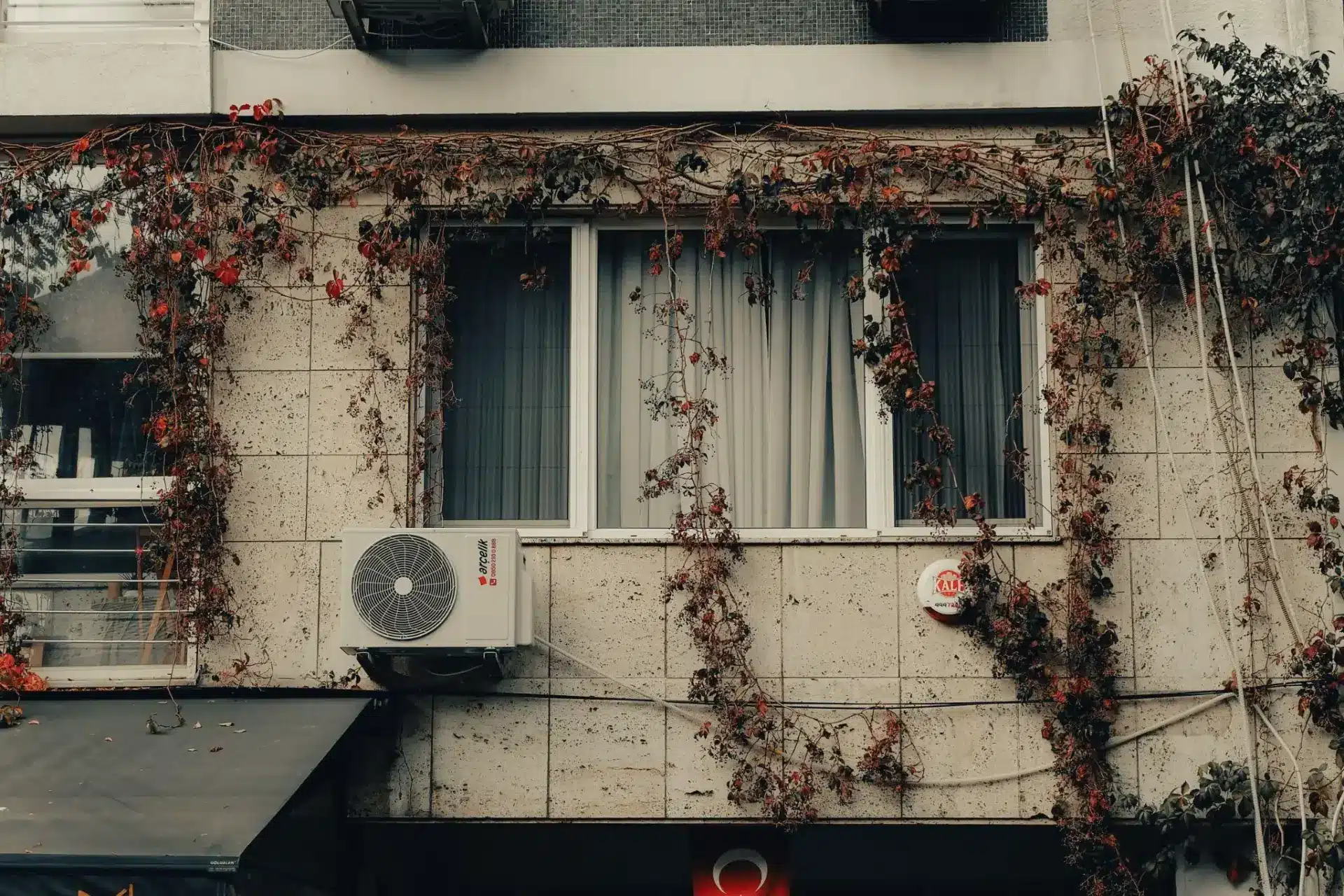

A new outdoor HVAC unit needs more than a clear spot beside the house. Its base, airflow, drainage, noise, and access all matter. Poor support can lead to vibration, water exposure, blocked airflow, or difficult service. Homes have several options. Match the support to the equipment, property, and local conditions.
Start With a Solid, Level Base
For many homes, a ground pad is the straightforward choice. A pad made for outdoor HVAC equipment gives the unit a broad, stable surface and keeps it above ordinary ground moisture. Concrete and composite pads are common choices.
The surface needs to be level and strong enough for the equipment. A tilted unit can create installation and drainage problems, while soft soil may allow the support to settle over time. The area should be prepared so the base does not rock, sink, or shift.
Leave Room for Air to Move
Outdoor units need breathing room. They pull in outdoor air and release heat through the cabinet. Crowding the unit against a wall, fence, shrub, or storage area can restrict movement and make the system work harder.
Manufacturer clearance instructions should guide placement. Keep leaves, grass, toys, and loose items away from the unit. Think beyond installation day; landscaping may later crowd the area.
When a Ground Pad Makes Sense
A ground pad works well when there is suitable outdoor space and the equipment can sit safely at ground level. It is simple to inspect and access during service. A pad also avoids drilling into siding or masonry.
Ground placement requires attention to the surrounding surface. Water should not collect around the equipment, and the unit should not sit where roof runoff pours directly onto it. If snow, flooding, or heavy rain is common, extra elevation may be worth discussing with the installer.
A Stand Adds Useful Height
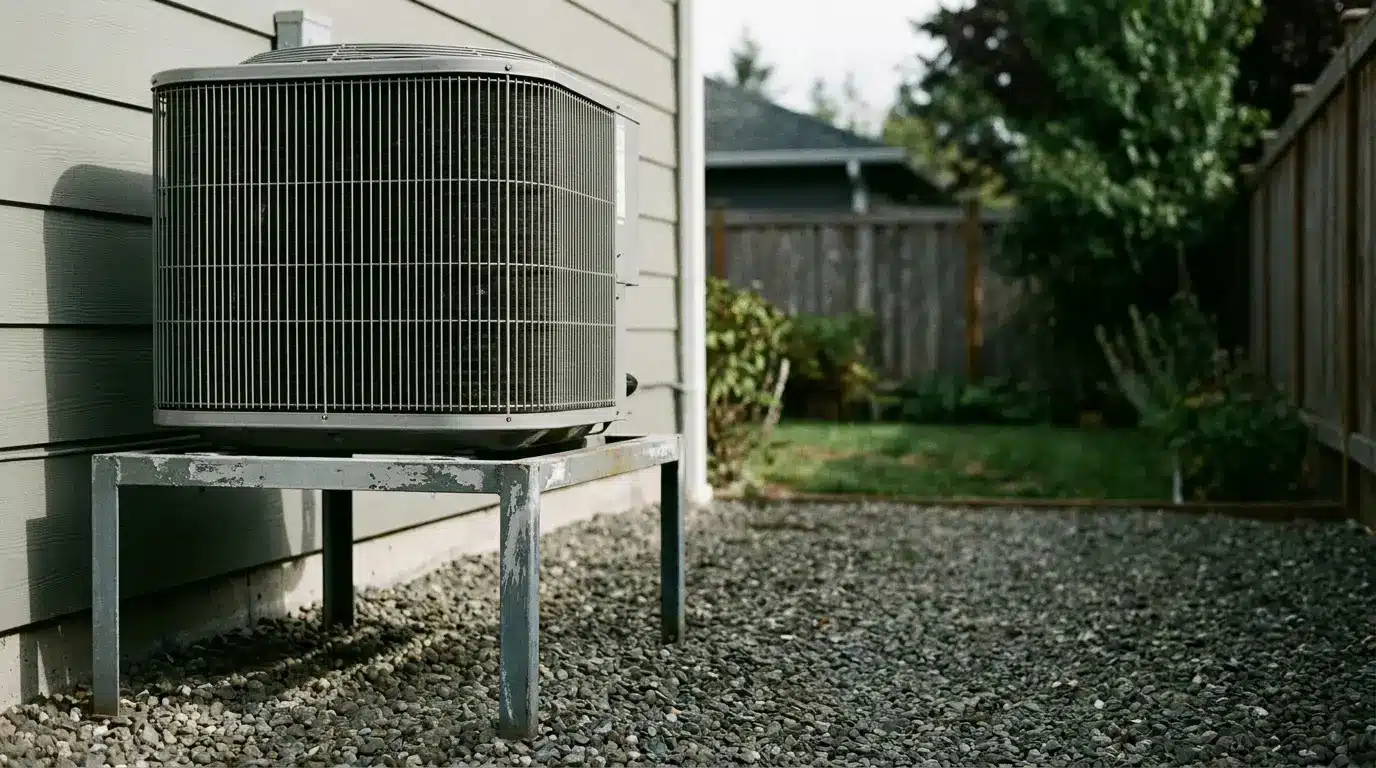
An elevated stand can raise the outdoor unit above wet ground, snow, debris, or other surface concerns. Stands may use metal or other durable materials to provide a stable platform.
Height needs to be practical. The unit still needs safe access for maintenance, and the stand must support the equipment without excessive movement. A poorly supported elevated unit can transfer vibration into the surrounding structure or become unstable.
Wall Brackets Save Ground Space
A wall bracket can be useful when outdoor ground space is limited. It attaches the unit to a suitable exterior wall and lifts the equipment away from patios, narrow walkways, or landscaping. For compact properties, this frees ground space.
Wall mounting needs careful planning. The wall and fasteners must be capable of carrying the equipment and resisting movement. The installer should consider vibration, siding, drainage, service access, and nearby windows.
Placement Details Worth Checking
An HVAC installer can match the support method to the equipment and building. When discussing placement, ask about the manufacturer’s requirements, local installation rules, structural support, clearances, drainage, and access for future repairs. Main Temp can be a useful starting point when arranging professional HVAC guidance for a new outdoor unit.
Noise belongs on the checklist. Outdoor equipment produces normal sound and vibration. A location beside a bedroom window, home office, or quiet sitting area may make that sound more noticeable. A stable support with vibration control can help reduce unwanted transmission.
Think About Weather Before You Pick
Your local weather should influence the support choice. In snowy areas, an elevated stand may help keep the unit above accumulated snow. In places with heavy rainfall or drainage issues, raising the equipment can reduce exposure to standing water.
Strong wind matters as well. Outdoor equipment and its support need to remain secure during storms. The installer should account for the building, surface, mounting method, and local requirements.
Keep Service Access in Mind
A unit may look well placed until a technician needs to work on it. Leave enough room for panels, tools, electrical connections, refrigerant lines, and routine cleaning. Avoid permanent obstacles that make service difficult.
Think about future landscaping, fences, decks, and additions so access remains possible.
A Smart Spot Starts With Support
There is no universal winner between a pad, stand, and wall bracket. A ground pad may suit an open yard, a stand may make sense where elevation matters, and a wall bracket may solve tight-space problems. Furniture placement can also affect the available space and access around the unit. The right choice depends on structure, weather, clearances, drainage, noise, and service access.
Before installation, walk the property with the HVAC professional and compare the practical options. Planning can protect airflow, simplify maintenance, and give the unit a stable home for years.
FAQs
1. Can an outdoor HVAC unit sit directly on the ground?
No. Outdoor units should sit on an appropriate support designed to provide stability and separation from the surrounding surface.
2. Is a concrete pad required?
Not always. Concrete is one option, while approved composite pads and other support systems may work when they meet equipment and installation requirements.
3. Can every outdoor unit go on a wall bracket?
No. The wall, bracket, fasteners, equipment weight, vibration, and manufacturer’s requirements all need to be suitable for wall mounting.
4. How high should an outdoor unit sit?
There is no single height for every property. The required elevation depends on weather, drainage, clearance, equipment instructions, and the support system used.

Holding a Master’s in Architecture from the University of Texas at Austin, Emily Rodriguez has dedicated more than two decades to the art and science of building renovation. Starting her journey in historic preservation, she developed a profound respect for blending old with new in building design. Emily became a vital part of our team in 2019, renowned for her insightful and innovative renovation tips. She has been leading our DIY home improvement series since ever since, where she shares her wealth of knowledge in turning outdated spaces into modern havens. When not engaged in writing or consulting, Emily is a passionate advocate for heritage conservation and enjoys exploring vintage architecture, a hobby that complements her professional expertise.